
Owls, Bobcats And Rescued Raptors Recover Up Close At This Scottsdale Wildlife Sanctuary
A black bear licking peanut butter is a pretty good reason to drive down a bumpy dirt road. That snack can show up on guided tours at a desert rescue center in Arizona.
It’s one of many small moments that make this place so memorable.
Every animal here arrived needing help. Many get patched up and sent back to the wild.
The ones that can’t go home stay for good, and each one comes with a story.
I like how the visit mostly runs on volunteers who clearly adore their work. Guides walk small groups past mountain lions, wolves, coyotes, and bobcats.
A giant tortoise named Goliath often steals the show.
I can’t imagine a better way to meet Arizona’s wild neighbors up close. So what happens when the full moon rises and the coyotes start singing?
A Desert Rescue Center Way Out Past The Pavement
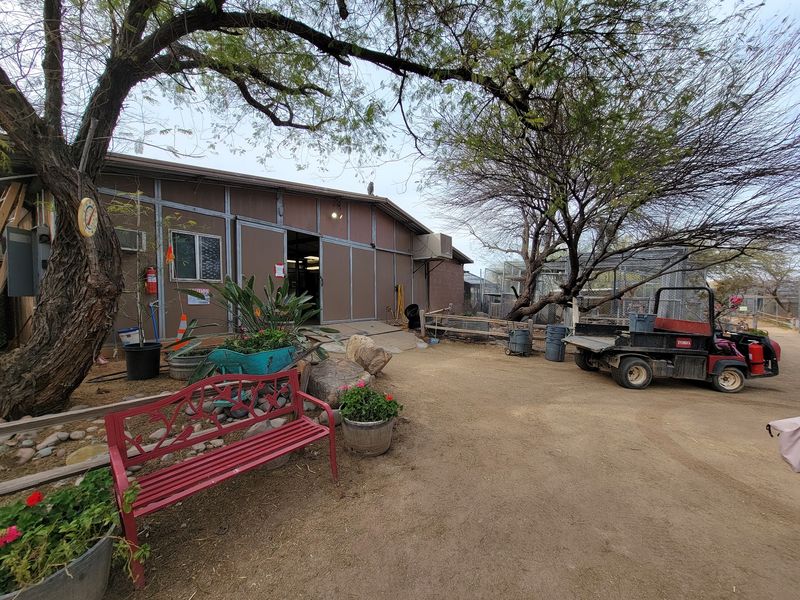
Out in the quiet desert north of town, the Southwest Wildlife Conservation Center sits far from the resort crowds. It’s a wildlife rescue in Scottsdale, Arizona, built around native animals that needed a second chance.
Don’t expect a theme park with snack stands and souvenir carts at every turn. The focus here stays on the animals, their care, and the stories behind how they arrived.
Guided tours lead small groups past enclosures holding coyotes, bobcats, mountain lions, wolves, foxes, and bears. Each resident has a history, and the guides share those histories along the way.
Visits work by reservation, not by simply showing up at the gate. That setup keeps groups small and gives the animals a calmer environment.
The location feels remote, and that’s part of the charm. You leave the busy Valley behind and land somewhere that feels made for wild creatures rather than people.
Families, animal lovers, and curious day-trippers all fit in nicely here. It’s an easy pick for anyone who wants to learn something real about desert wildlife without a flashy price tag on the experience.
Rescue, Rehabilitate, Release Is The Whole Game Plan
Three words drive everything at this sanctuary: rescue, rehabilitate, release. The goal is always to get a hurt or orphaned animal healthy enough to return to the wild.
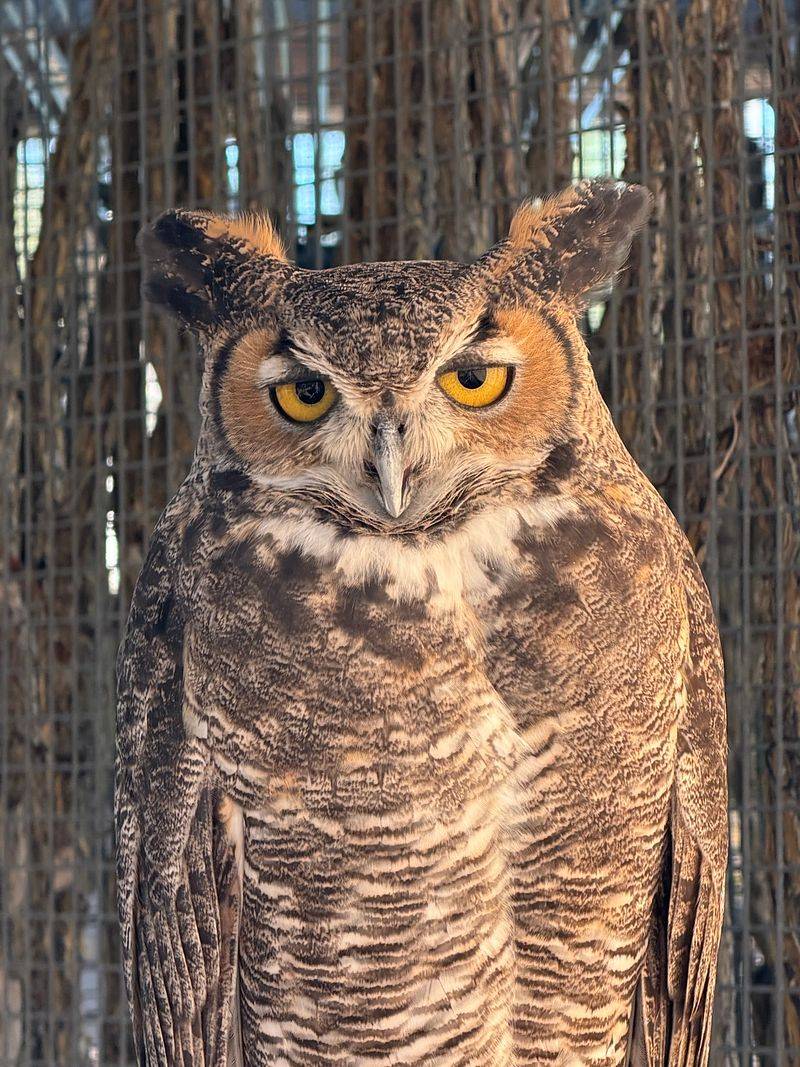
Plenty of those animals never appear on a tour, and that’s on purpose. Creatures headed back to the wild stay out of public view so they don’t grow used to people.
Only the permanent residents meet visitors. These are animals that can’t safely go back, often because they became too accustomed to humans or face other limits.
Here’s a takeaway worth packing for the drive home. If you spot injured wildlife, calling an expert first is far better than trying to handle the animal yourself.
The success of the release work tends to surprise first-timers. Learning how many animals actually make it back out to the desert adds real weight to the visit.
Guides explain how human choices affect wildlife, from feeding animals to keeping them as pets. It’s practical, eye-opening stuff that sticks with you long after the tour ends.
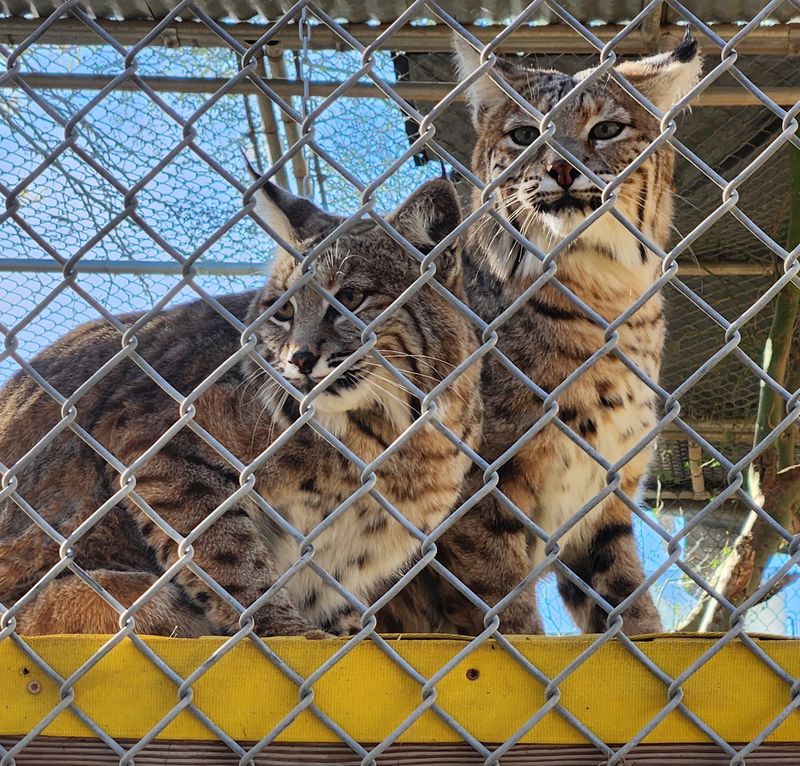
Kids pick up these lessons quickly too. Nothing teaches respect for wild animals quite like hearing why one particular bobcat can never go home.
Volunteers With Serious Animal Devotion
Most of the people guiding you around are volunteers. They give up their free time to feed, clean, care for, and talk about these animals.
That passion shows in how the tours feel. Guides tend to know every resident by name and history, and they handle questions with patience and humor.
The center’s story carries a personal touch as well. The founder reportedly gave up her own property on the grounds to make more room for animals.
That detail tells you a lot about the priorities here. Comfort for the animals clearly comes ahead of convenience for anyone else.
Tour fees and gift shop purchases help support the residents’ care. So your visit doubles as a small act of kindness for a coyote, fox, or mountain lion.
Some visitors even choose to donate toward specific animals, like the javelinas. It’s an easy way to feel connected to a creature you just met.
I believe the volunteer spirit is the real heartbeat of the place. Without these folks, the bobcats and bears wouldn’t have such a cozy second act in the desert.
Bobcats And Mountain Lions Steal Plenty Of Hearts
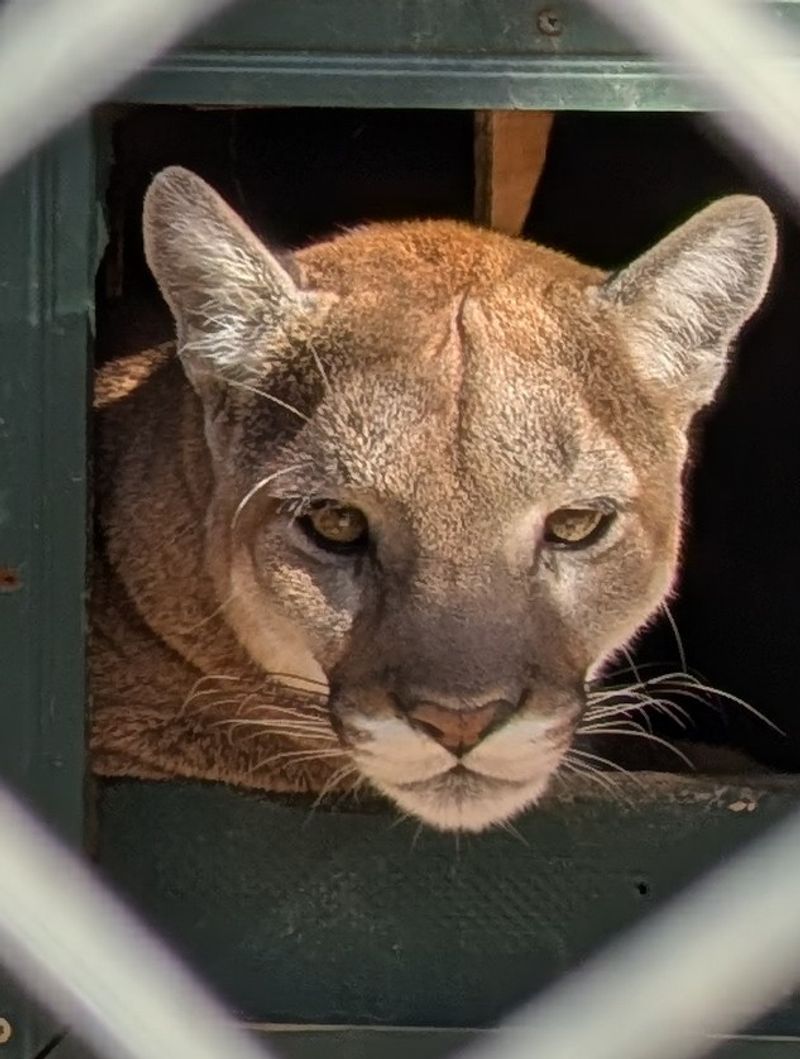
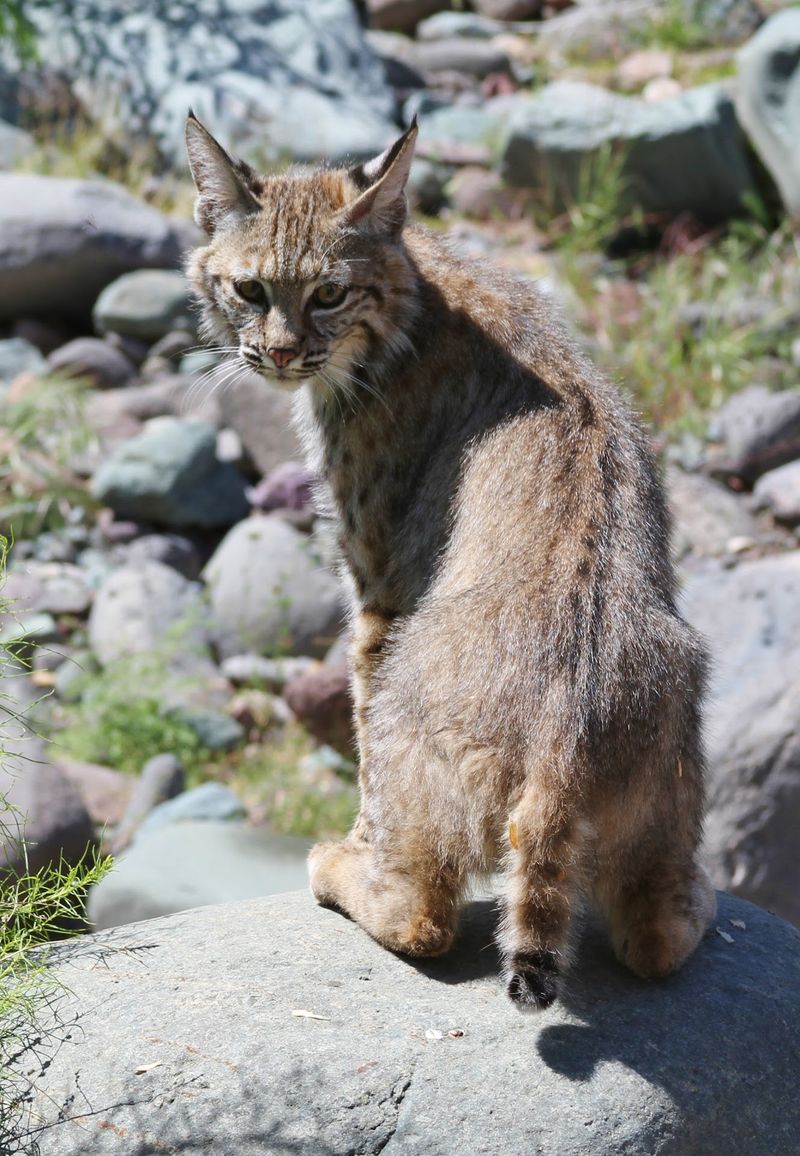
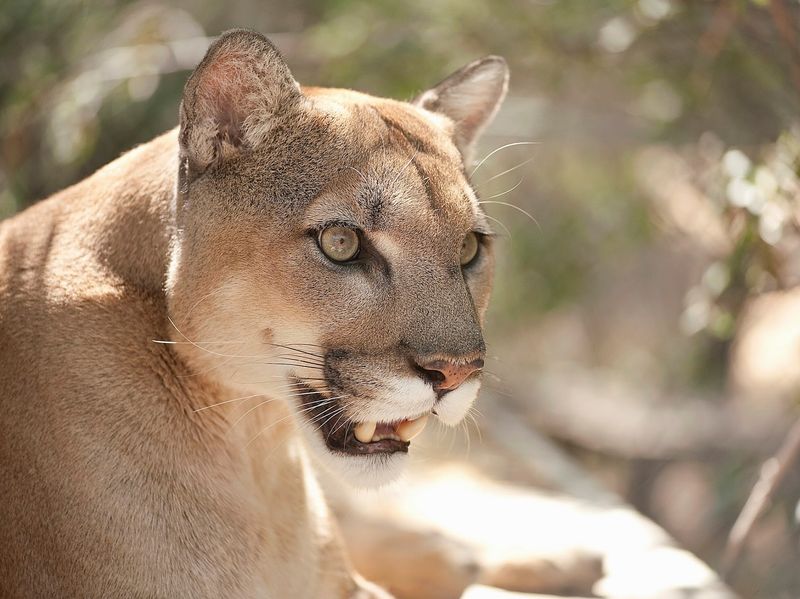
Big cats with tufted ears and quiet stares are hard to ignore. Bobcats and mountain lions rank among the most talked-about residents at the Southwest Wildlife Conservation Center.
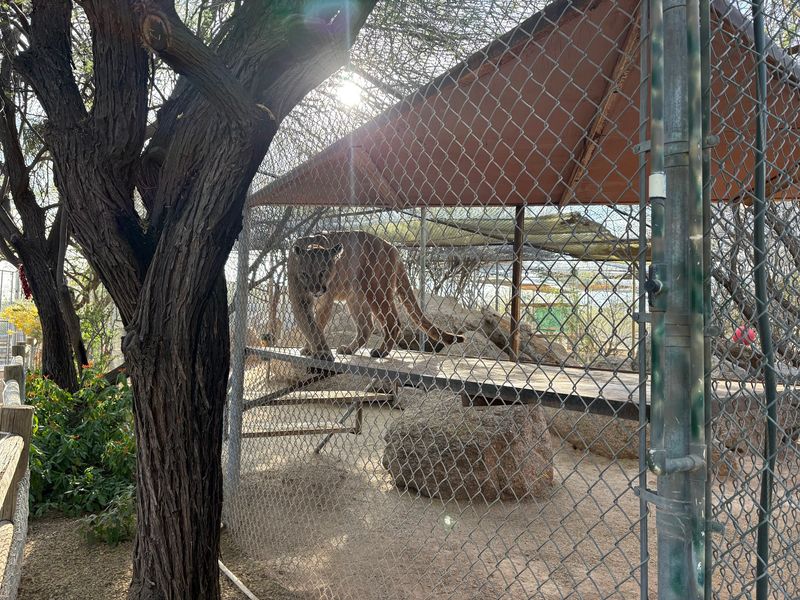
Seeing a mountain lion up close changes how you think about the desert. These cats usually stay invisible in the wild, so a close view feels like rare luck.
Bobcats bring a different kind of energy. They’re smaller and sleeker, with markings that blend right into Sonoran scrub.
Each cat comes with its own backstory, and the guides share it. Learning why a particular lion can’t return to the wild adds depth to every glance.
The enclosures let you get close enough for strong photos. Even so, the setup keeps the animals’ comfort and safety front and center.
Cougars, as some folks call them, are a crowd favorite on school field trips too. Kids tend to light up the moment a big cat strolls into view.
Bring patience along with your camera. Cats keep their own schedules, and a little waiting can pay off with a perfect moment of eye contact.
Coyotes Sing And Wolves Answer Back
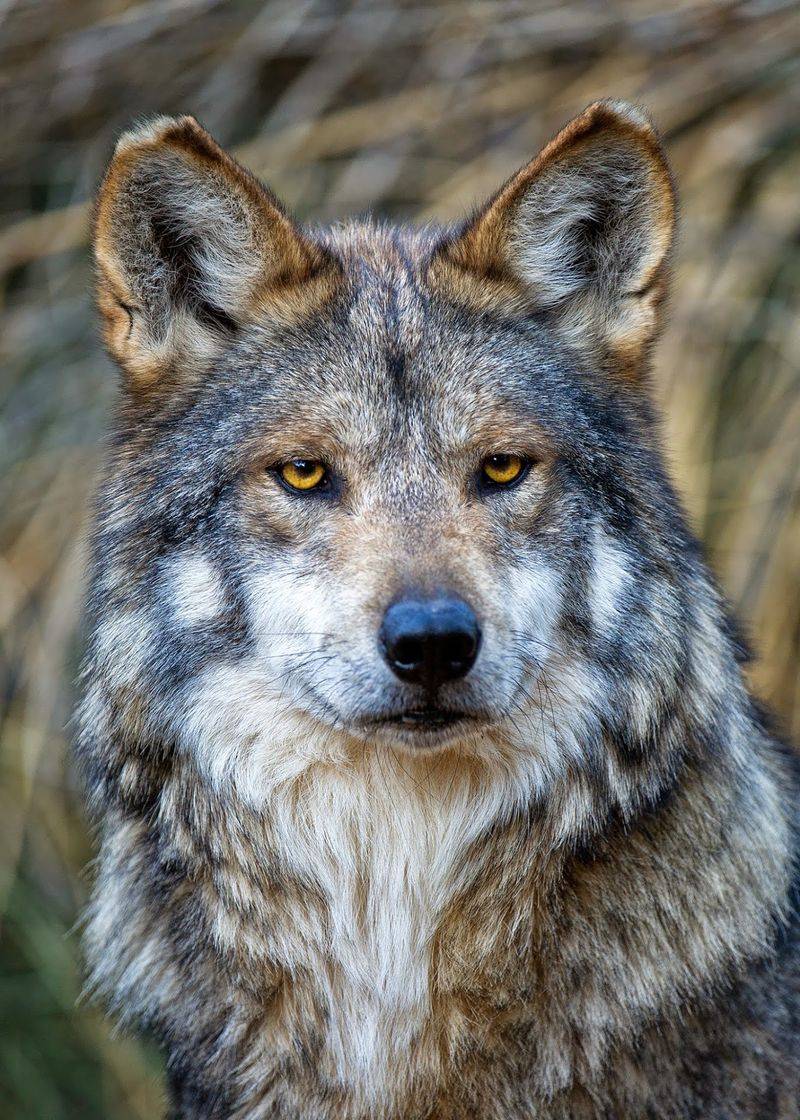
Some sounds belong to the desert, and the coyote chorus tops the list. At this sanctuary, you might hear coyotes singing while wolves howl right along with them.
Coyotes are among the most frequent residents mentioned here. They’re clever, adaptable animals, and the center offers a close look at how they behave.
Wolves add a different, deeper voice to the mix. Several of them live on site, and their howls can carry across the grounds.
Foxes round out the canine crew with their small, alert faces. They tend to win over anyone who prefers their wildlife on the adorable side.
Hearing these animals call is a reminder that the desert is full of life. Most of it simply stays out of sight during the hot daylight hours.
Guides explain the differences between these species and why each one ended up in care. That context makes the howling feel less like a show and more like a story.
Try not to grin when the first howl starts. Good luck with that, because almost everyone breaks into a smile.
Black Bears With A Peanut Butter Habit
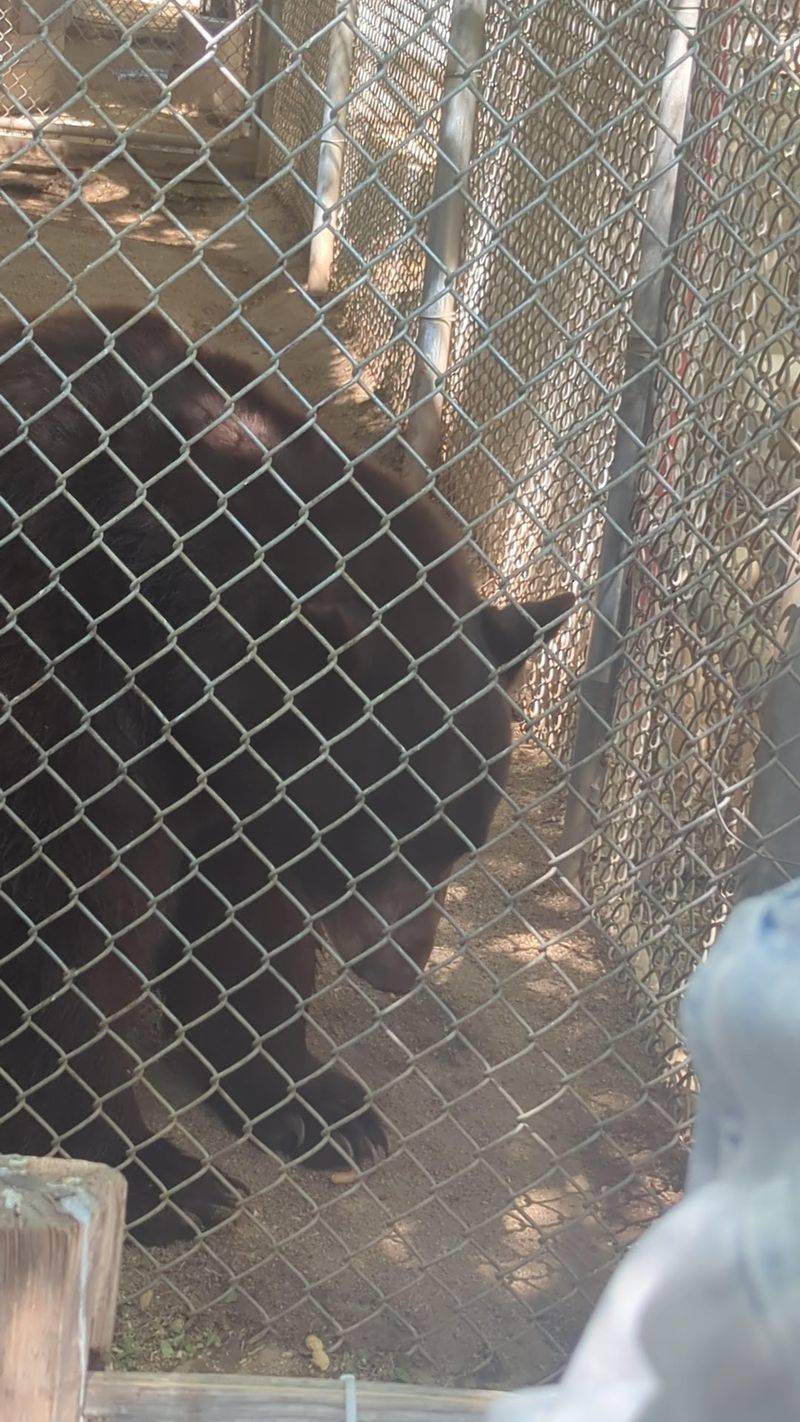
Peanut butter might be the most effective bear magnet ever invented. At least one black bear here has been spotted happily working through a sticky helping during a tour.
Bears are part of the permanent crew at this Scottsdale sanctuary. Their size alone makes them a memorable stop on any walk around the grounds.
Treats like peanut butter keep the bears busy and engaged. That kind of enrichment matters for animals that can no longer forage freely in the wild.
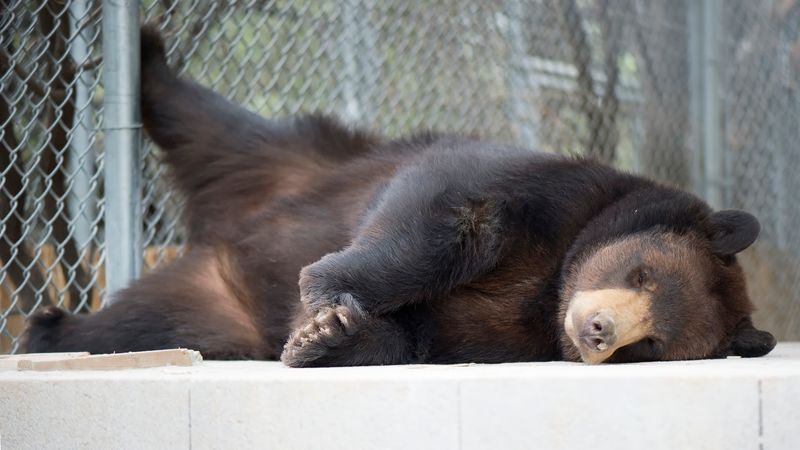
Don’t be surprised if a bear looks sleepy, especially on evening tours. Even wildlife needs a nap now and then, and bears seem to take that rule seriously.
Guides talk about how bears can get into trouble when people leave food out. It’s a useful lesson for anyone who camps in Arizona’s high country.
Watching a bear relax in a safe space feels genuinely heartwarming. These animals got a second chance, and they seem to be enjoying it.
Keep your camera ready for the snack moment. A bear with peanut butter on its nose is the kind of photo friends ask to see twice.
Goliath The Tortoise And A Cast Of Smaller Characters
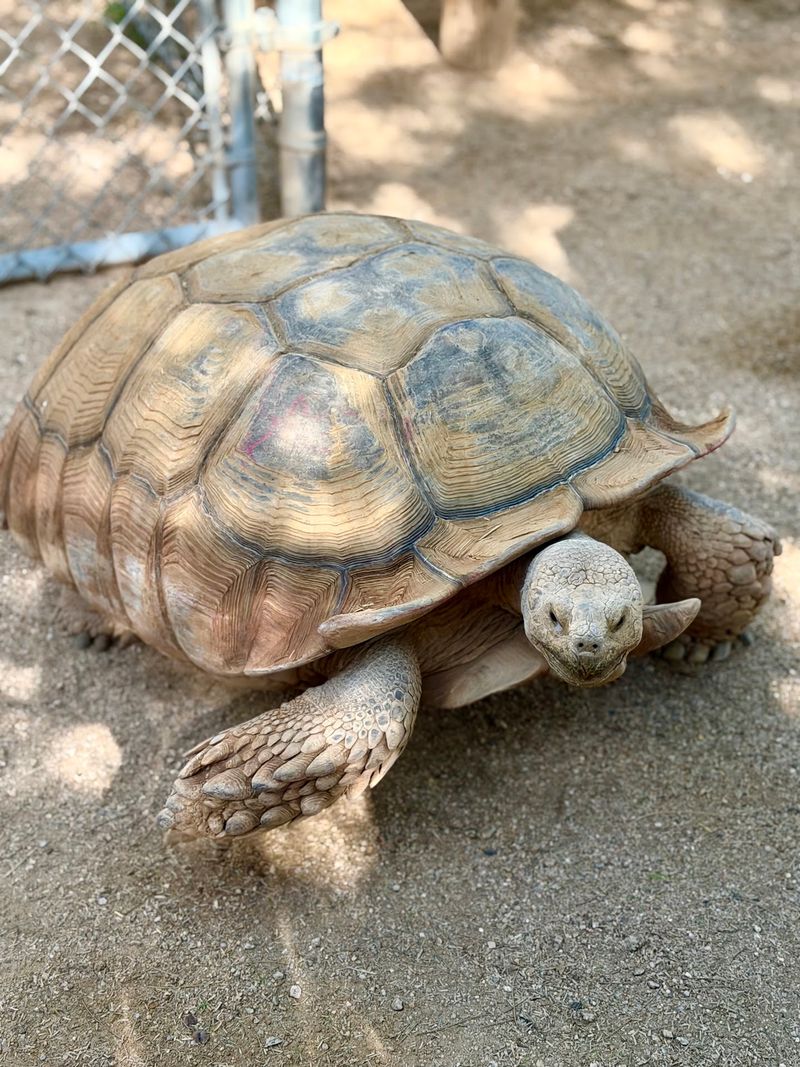
Not every star here has fangs or claws. Goliath, a giant tortoise, regularly ranks as a favorite part of the tour.
Slow, steady, and impressively large, Goliath is a fun change of pace after the big cats. He’s proof that charisma doesn’t require speed.
Javelinas also have a loyal fan club at the center. These bristly desert natives are often mistaken for pigs, though they belong to a different animal family.
Coatimundis bring a playful, curious streak to the lineup. With long tails and pointed snouts, they look like a mash-up of a raccoon and a monkey.
Smaller residents like these give younger visitors plenty to giggle about. They also show how varied Arizona’s wildlife really is beyond the famous predators.
Every animal on the route has a story to match its personality. Hearing how a javelina or coati ended up in care makes the visit feel personal.
So yes, come for the mountain lions. Just don’t be shocked if a giant tortoise ends up being the one you talk about at dinner.
After Dark Tours Under A Glowing Desert Moon
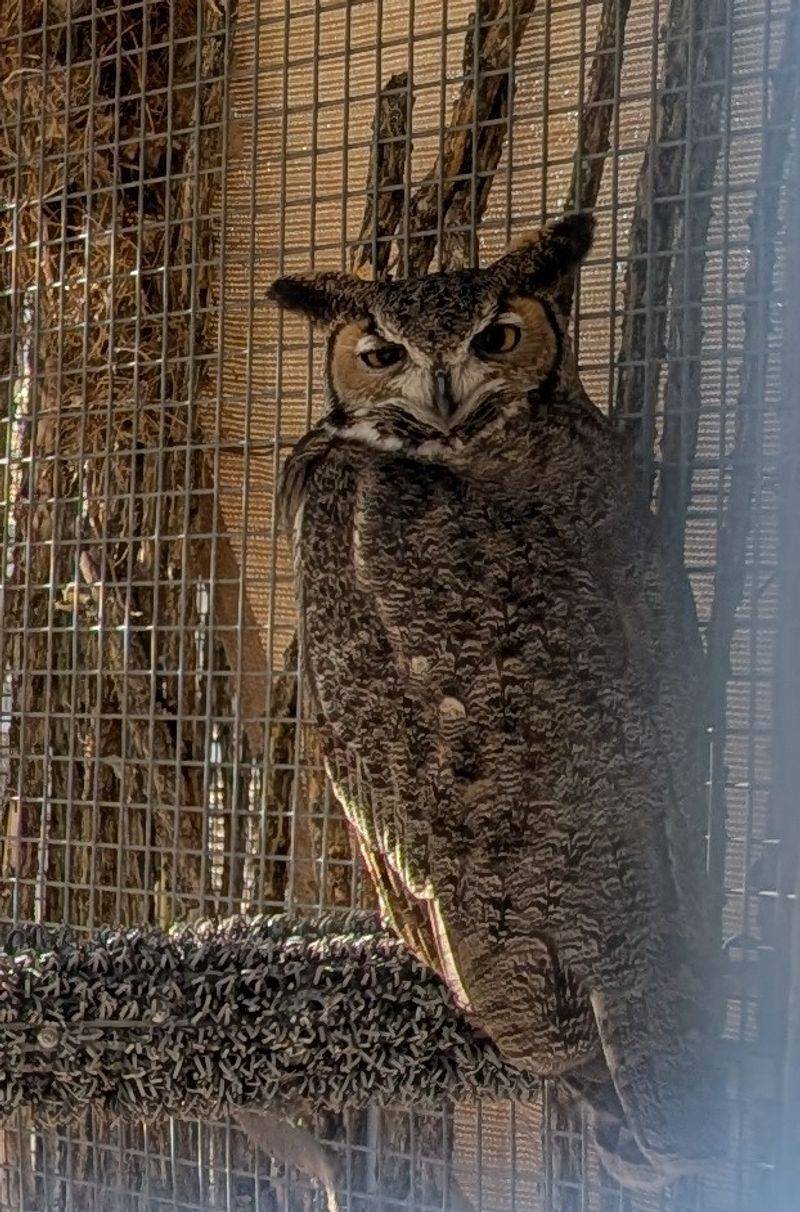
When the sun drops, the whole sanctuary changes mood. Full moon and twilight tours give visitors a look at the animals during cooler, livelier hours.
Many desert animals stay active at night. That means coyotes, wolves, and bobcats are often up and moving when evening groups arrive.
The full moon tour has a special following for good reason. Moonlight over the desert adds a quiet, almost magical feel to the walk.
Twilight tours offer a similar shift in energy. Hearing coyotes sing as the sky fades is a moment that sticks with you.
Bears may still be dozing, so lower your expectations there. Everyone else tends to put on a more animated show after dark.
Evening visits also make sense in summer, when daytime heat gets intense. A cooler outing beats squinting under the midday Arizona sun any day.
Book ahead, since these tours fill small groups and require reservations. A night like this feels far too special to leave to chance.
Family Days, Bat Nights, And Seasonal Surprises
Guided tours aren’t the only way in. The center also hosts special events, including family days and themed learning nights.
Family day offers an easy, kid-friendly pace. The paths are walkable for little legs, and curious animals often come out to look around.
One past event focused entirely on bats. That’s a great example of the center teaching about native creatures many people rarely notice.
Some events are more interactive and less structured than the classic guided tour. Those formats can suit younger kids who don’t want to sit through a long talk.
Holidays bring their own touches too. Around Halloween, the grounds have featured fun seasonal decorations that add extra charm.
School groups visit on field trips as well. Guides encourage kids to participate, which keeps young minds engaged rather than restless.
Keep an eye on the event calendar before planning. A themed night or family day could turn a simple outing into a favorite family tradition.
Shade, Misters, And A Firm Rule About Water
Water isn’t optional here, no matter the season. Bringing your own bottle is strongly encouraged, and staff also make sure guests stay hydrated during tours.
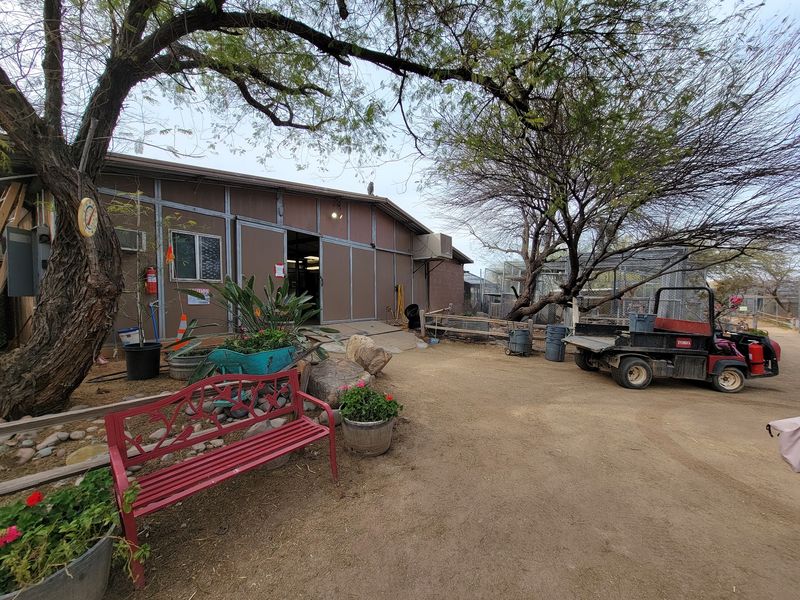
The property helps out with comfort features along the route. Shady spots, misters, and benches give everyone a chance to cool off and rest.
Tours run about two hours and keep you moving most of that time. Plan accordingly, especially if someone in your group tires quickly.
Sunblock deserves a spot in your bag too. The desert sun is no joke, even during milder months.
Closed-toe shoes are the smart footwear choice. The grounds are walkable, but sandals and desert terrain don’t mix well.
A hat and light layers can help as well, especially on evening outings. Desert temperatures can shift once the sun goes down.
None of this is complicated, just practical. A little prep means you can focus on the wolves and bobcats instead of your sunburn.
Reservations, Rocky Roads, And Finding The Gate
Spontaneous drop-ins won’t work at this spot. Every visit needs a reservation, so book your tour before you hop in the car.
You’ll find the Southwest Wildlife Conservation Center at 27026 N 156th St, Scottsdale, AZ 85262. It sits off the beaten path, and first-timers sometimes find it tricky to locate.
The final stretch involves a dirt and rocky road. Plan your vehicle and timing with that in mind, and give yourself a little extra cushion.
Guided tours last roughly two hours from start to finish. That gives plenty of time to meet the residents and ask questions.
Tour fees go toward the nonprofit’s animal care. Prices can change, so check current details when booking.
Don’t skip the gift shop on your way out. It’s small and charming, and purchases help support the animals you just met.
The drive takes some effort, but the payoff is big. Few Arizona outings combine wildlife, learning, and quiet desert scenery quite this well.
Why This Sanctuary Deserves A Spot On Your Calendar
Zoos are fun, but this place feels different. The Southwest Wildlife Conservation Center puts rehabilitation and education ahead of spectacle.
Every animal you meet has a real story. That makes each stop feel meaningful rather than just another exhibit on a map.
The volunteers bring warmth and humor to the experience. Their devotion to the animals is obvious from the first few minutes.
Families, couples, and solo animal lovers all leave with something new. It works for Arizona locals and out-of-town guests alike.
Very young kids might do better on a family day or interactive event. The standard guided tour asks for a couple hours of attention.
For everyone else, the classic tour or a moonlit walk makes a fantastic outing. Seeing bobcats, bears, and wolves this close leaves a lasting impression.
I believe a visit here may change how you see the desert around you. Book a spot, grab your water bottle, and go meet the neighbors who usually stay hidden.