
11 Peaceful South Carolina Towns Where $2,100 A Month Still Buys You A Comfortable Life
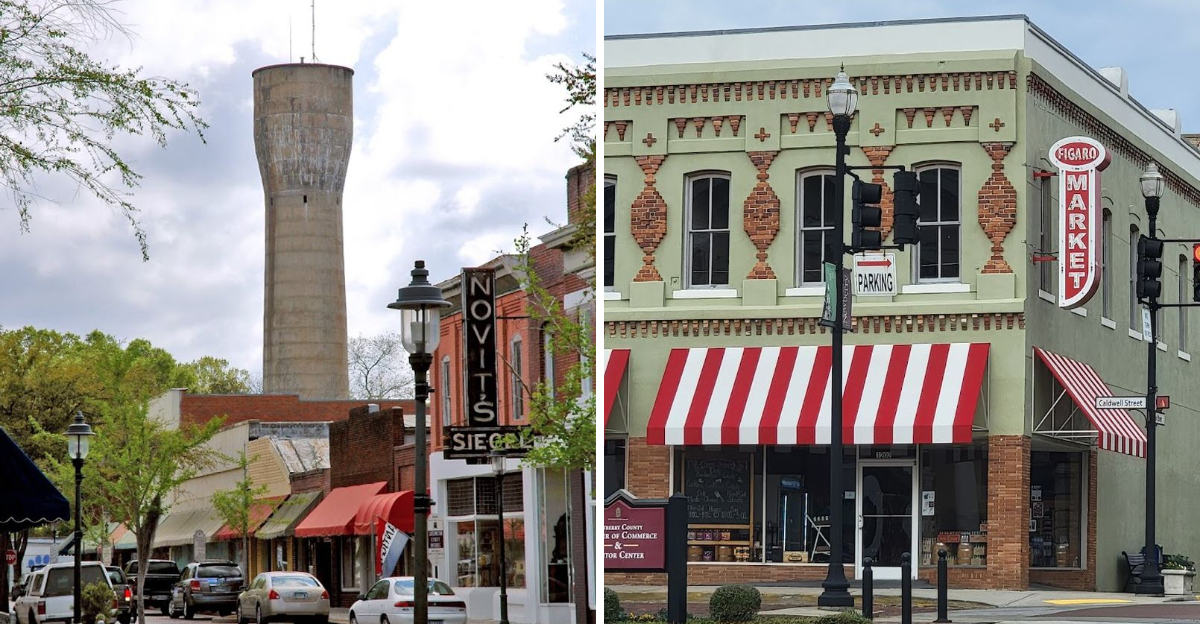
Rent doesn’t usually hit you all at once, until one number makes everything else feel tighter.
You’re going about your day in South Carolina thinking things are manageable. Then the costs start stacking up, and suddenly the idea of “getting by” doesn’t feel the same anymore.
Comfort in South Carolina doesn’t always come from higher pay, it comes from knowing where to look.
Step outside the busiest cities, and the pace shifts. Streets feel calmer, prices feel realistic, and everyday life stops feeling like something you have to constantly calculate.
You start noticing it quickly. Neighbors who actually know each other.
Stores where you don’t double-check every total. Evenings that don’t feel rushed or expensive.
It’s not about sacrificing your lifestyle.
It’s about finding places where it actually works.
And once you see it, it’s hard to go back to feeling stretched for no reason.
1. Aiken
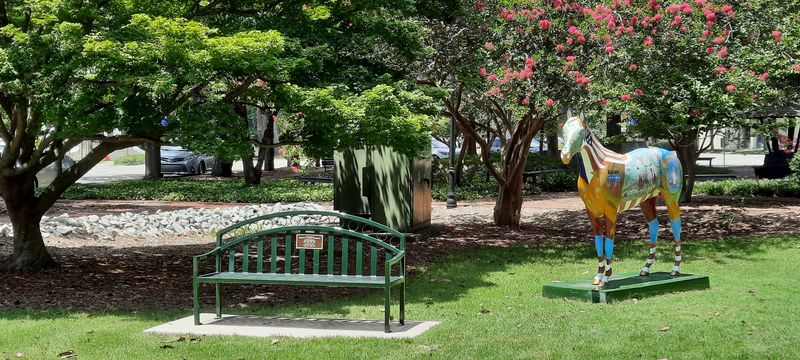
Horses clip-clop down certain streets in Aiken, and the first time I heard that sound near my rental cottage, I thought I had time-traveled to a gentler era.
This town sits in the western part of South Carolina, about thirty minutes from Augusta, Georgia, and it built its reputation around thoroughbred training facilities that still operate today. Rent for a decent one-bedroom apartment hovers around $850, leaving plenty of room in a $2,100 budget for fresh produce at the farmers market on Saturdays and the occasional dinner at one of the locally owned cafes on Laurens Street.
Aiken’s downtown stretches just far enough to feel like a real town center without overwhelming you with chain stores and traffic.
I spent an afternoon wandering Hopelands Gardens, a public park that costs nothing to enter and offers trails, ponds, and enough shade to make summer heat bearable. The local library hosts free events, and I met more friendly faces there in one week than I did in a year living in a big city.
My grocery bill dropped by nearly forty percent compared to what I paid up north, and I still bought the good cheese.
2. Beaufort
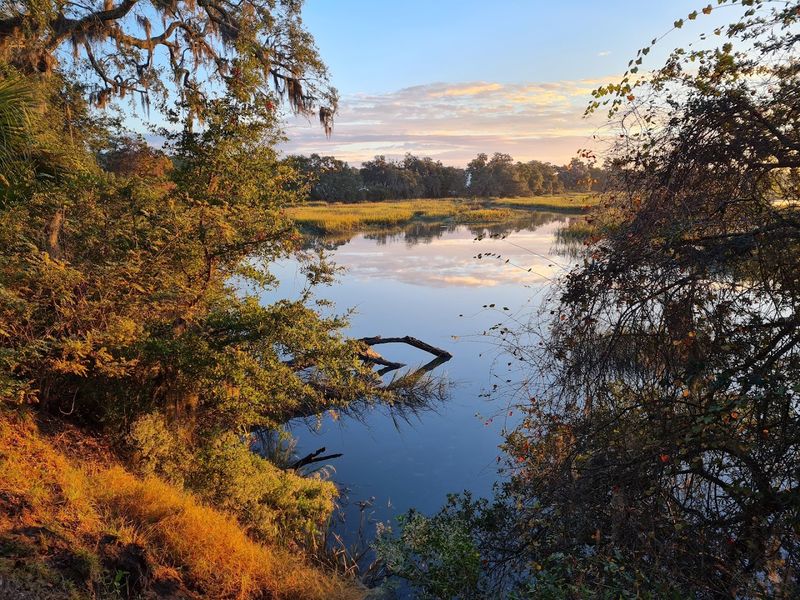
Waterfront living usually means emptying your bank account, but Beaufort proved me wrong the moment I checked rental listings and found two-bedroom houses under $1,200.
Located on Port Royal Island along the South Carolina coast, Beaufort combines salt air, history, and a pace of life that feels like someone hit the slow-motion button on purpose. The downtown historic district stretches along the Beaufort River, where I watched shrimp boats return at sunset while eating takeout that cost less than a fancy coffee in most cities.
Spanish moss drapes over live oaks that have stood for centuries, and walking under them feels like stepping into a postcard that somehow remained affordable.
The town hosts a weekly farmers market where I picked up local seafood, fresh vegetables, and homemade bread without maxing out my debit card. Beaufort also offers free concerts in the park during warmer months, and the library system rivals what I experienced in much larger places.
My monthly budget covered rent, utilities, groceries, and even kayak rentals for weekend paddles through the marshes, and I still had money left over for savings.
3. Georgetown
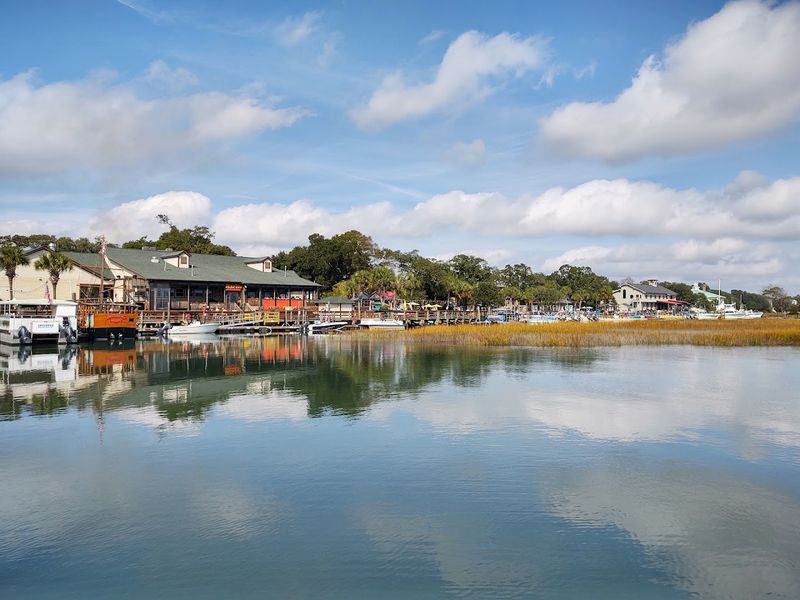
Shrimp boats tied up along the Sampit River became my favorite view in Georgetown, a working waterfront town that never pretended to be anything fancier than it is.
Situated on Winyah Bay where five rivers meet, Georgetown claims the title of third-oldest city in South Carolina, though it maintains a laid-back vibe that bigger cities lost decades ago. I found a comfortable apartment three blocks from the water for $950 a month, and my landlord threw in free parking, which felt like winning the lottery after years of paying extra for a spot.
The downtown area features independently owned shops, a theater that shows current movies for six dollars, and restaurants where the seafood comes straight from local boats.
I spent Sunday mornings walking the Harborwalk, a wooden boardwalk that curves along the river and costs nothing but offers views that people pay hundreds to see in tourist towns. The public library sits in a restored building that still has original hardwood floors, and I borrowed more books there in two months than I had in the previous two years.
Georgetown let me live comfortably, save money, and still enjoy coastal life without the coastal price tag.
4. Greenwood
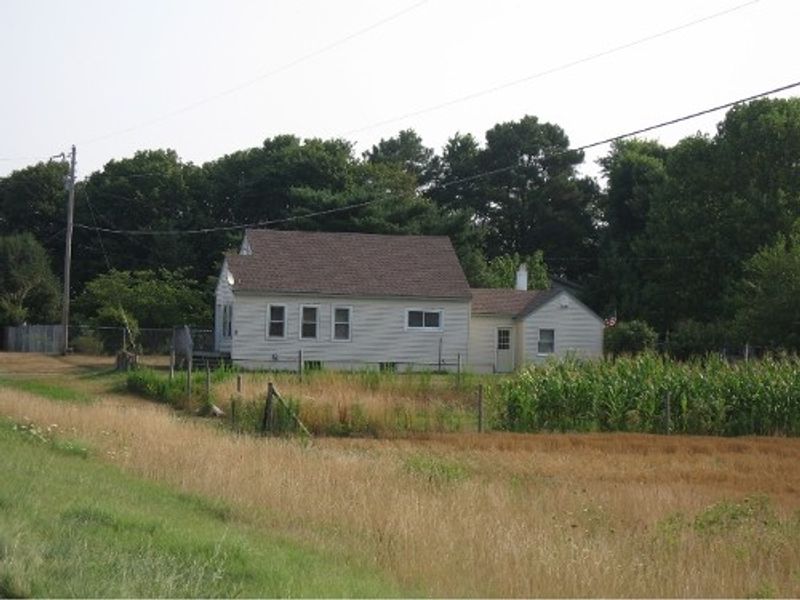
I stumbled into Greenwood during a rainstorm, ducked into a coffee shop on Main Street, and ended up chatting with the owner for an hour about why she never left this town.
Located in the western part of South Carolina between Greenville and Columbia, Greenwood serves as a regional hub without the chaos that usually comes with that label. Rent for a two-bedroom house averages around $900, and I quickly discovered that my dollar stretched further here than almost anywhere else I had lived.
The downtown area underwent revitalization in recent years, bringing in art galleries, local restaurants, and a performing arts center that hosts surprisingly good shows for ticket prices that do not require a second mortgage.
Greenwood Lake sits just outside town, offering free fishing, walking trails, and picnic areas that became my go-to spots for weekends when I wanted to unplug without spending money. The local farmers market operates year-round under a covered pavilion, and I filled my kitchen with fresh produce, local honey, and baked goods for a fraction of what supermarkets charge.
This town taught me that comfort comes from community and affordability, not from fancy zip codes and overpriced rent.
5. Anderson
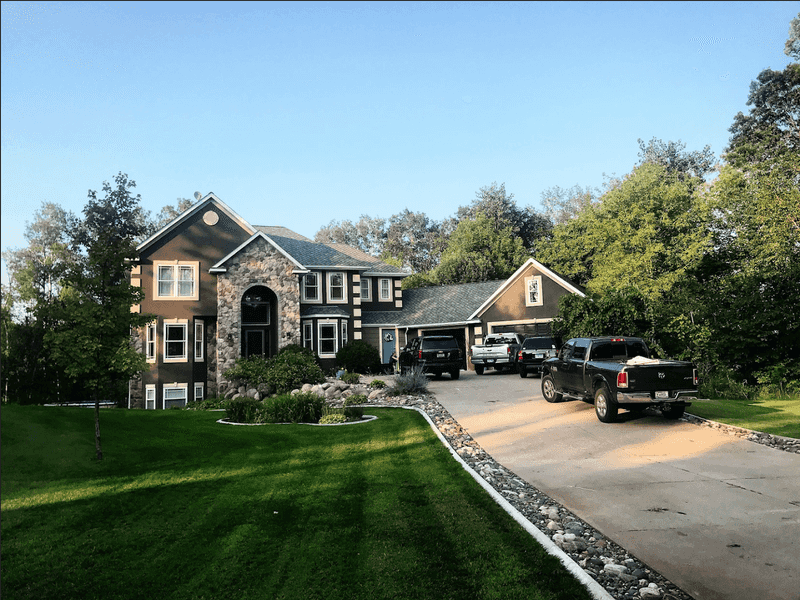
Mountains rise in the distance when you stand in certain parts of Anderson, and that view alone convinced me this town deserved more attention than it gets.
Positioned in the northwestern corner of South Carolina near Lake Hartwell, Anderson blends small-town friendliness with enough amenities to keep life interesting without breaking the bank. I rented a one-bedroom apartment with a washer and dryer included for $875, leaving plenty of budget room for groceries, utilities, and the occasional splurge at one of the downtown eateries.
The town square hosts free concerts during summer months, and I found myself attending more live music here than I ever did in expensive cities where cover charges made spontaneous nights out impossible.
Anderson University brings a bit of college-town energy without the inflated prices that usually follow students, and the local library system offers free classes, book clubs, and computer access that I used regularly. Lake Hartwell sits just minutes away, providing free access to beaches, fishing spots, and hiking trails that rival state parks in other regions.
My monthly expenses stayed comfortably under $2,100, and I never felt like I was sacrificing quality of life to maintain that budget.
6. Sumter

Military jets occasionally rumble overhead in Sumter, a reminder that Shaw Air Force Base sits nearby, but the town itself maintains a surprisingly peaceful rhythm that drew me in.
Located in the central part of South Carolina about forty-five minutes from Columbia, Sumter offers a mix of military families and longtime locals who create a welcoming community that never felt cliquish. Rent for a comfortable two-bedroom apartment runs around $950, and I appreciated that most complexes include water and trash in that price.
Swan Lake Iris Gardens became my favorite free attraction, with walking paths that circle a lake filled with actual swans and seasonal flower displays that rival botanical gardens that charge admission.
The downtown area features a mix of antique shops, local restaurants, and a farmers market that operates twice a week with vendors selling everything from fresh eggs to handmade soap. I discovered that Sumter’s cost of living allowed me to shop at local businesses instead of always defaulting to big-box stores, and my purchases felt more meaningful as a result.
This town proved that comfortable living does not require trendy neighborhoods or Instagram-famous coffee shops, just solid housing, friendly people, and reasonable prices.
7. Orangeburg
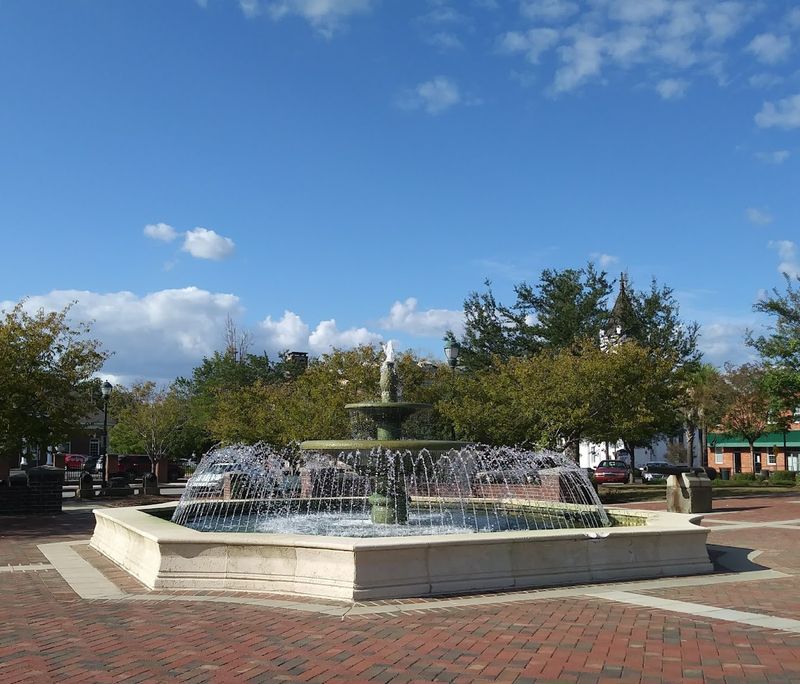
I almost drove past Orangeburg on my way to Charleston, but a detour for gas led me to a downtown that looked like someone had preserved a slice of mid-century South Carolina.
Situated along the North Fork Edisto River in the central part of the state, Orangeburg serves as home to two universities while maintaining affordable housing that students and non-students alike appreciate. I found a one-bedroom apartment in a quiet neighborhood for $825, and my landlord had lived in Orangeburg her entire life, which told me something about the town’s staying power.
Edisto Memorial Gardens offers ninety acres of free public space with rose gardens, walking trails, and picnic areas that I visited weekly without ever feeling like I had seen everything.
The town hosts several festivals throughout the year, including a spring celebration that brings in vendors, live music, and food trucks without charging entrance fees. My grocery expenses dropped noticeably compared to larger cities, and I found that local produce stands offered better prices and fresher options than chain supermarkets.
Orangeburg taught me that college towns do not have to mean expensive rent and crowded restaurants, especially when the community values affordability over trendiness.
8. Newberry

An opera house anchors downtown Newberry, and the first time I saw a show there, I paid twelve dollars for a ticket that would have cost ten times that in a bigger city.
Located in the Piedmont region of South Carolina about forty miles northwest of Columbia, Newberry combines historic architecture with modern affordability in a way that feels almost too good to be true. Rent for a two-bedroom house averages around $875, and many properties include yards, porches, and off-street parking that apartment dwellers in cities can only dream about.
The downtown district features locally owned restaurants, antique shops, and a coffee roaster that became my regular morning stop for beans that cost less than national chains charge.
Newberry College brings a bit of youthful energy to the town without the housing price inflation that typically follows higher education institutions, and I appreciated that the campus hosts free public events like concerts and lectures. The local farmers market operates on Saturday mornings, and I filled my grocery bags with fresh vegetables, local meat, and homemade preserves for under thirty dollars.
This town reminded me that cultural offerings and affordable living are not mutually exclusive, despite what real estate agents in expensive cities might claim.
9. Hartsville
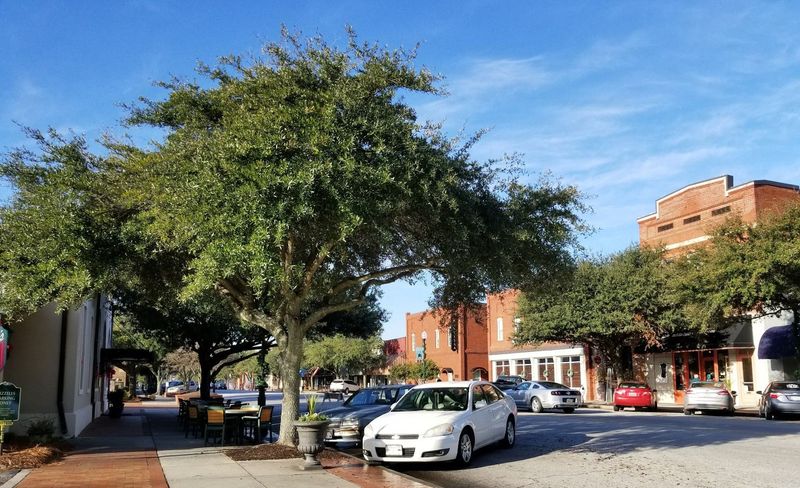
Sculptures dot the walking paths at Kalmia Gardens in Hartsville, and I spent more afternoons there than I can count, wandering thirty acres of free public gardens that most towns would charge admission to see.
Positioned in the Pee Dee region of northeastern South Carolina, Hartsville maintains a strong connection to the arts thanks to Coker University, which enriches the town without pricing out regular folks looking for affordable housing. I rented a comfortable one-bedroom apartment for $800 a month, and utilities rarely topped $100 even during the hottest summer months.
The downtown area features murals, galleries, and a theater that hosts everything from local productions to touring shows, with ticket prices that never made me wince.
Black Creek flows through town, offering fishing spots and nature trails that became my go-to escapes when I needed to clear my head without spending money. The local library system impressed me with its collection, free programs, and staff who actually remembered my name after a few visits.
Hartsville proved that small towns can offer big-city cultural amenities without the big-city cost of living, and my monthly budget confirmed that truth every time rent came due.
10. Gaffney

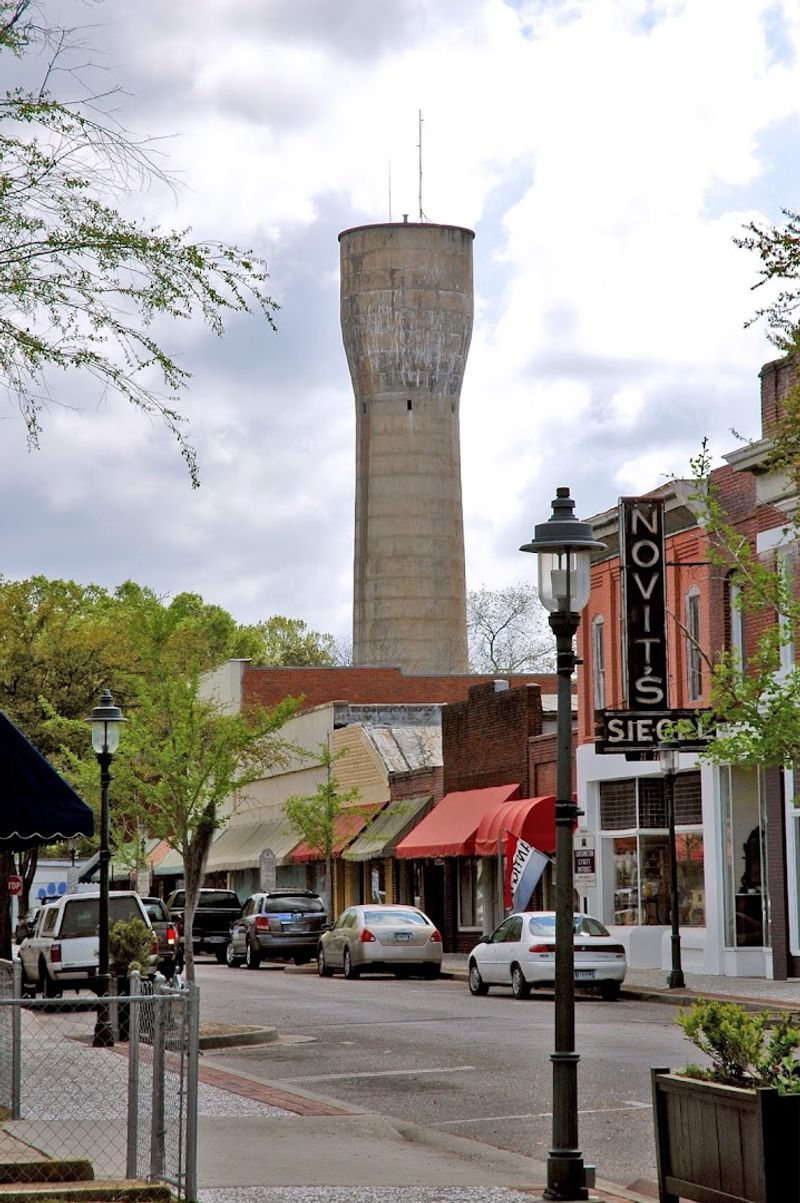
A giant peach-shaped water tower rises above Gaffney, and that quirky landmark perfectly captures the town’s unpretentious character that I grew to appreciate.
Located in the upper part of South Carolina near the North Carolina border, Gaffney sits along Interstate 85 but maintains a quiet atmosphere that highway towns often lose to truck stop sprawl. Rent for a two-bedroom apartment runs around $850, and I found landlords here more willing to work with tenants than in markets where demand drives prices through the roof.
Downtown Gaffney features a mix of local businesses, including restaurants where lunch specials rarely exceed ten dollars and always include enough food for leftovers.
Limestone College adds educational opportunities and cultural events to the town without creating the housing competition that typically follows universities, and I attended several free lectures and performances during my time there. The local recreation department maintains parks, walking trails, and sports facilities that I used regularly without paying membership fees.
Gaffney reminded me that comfortable living starts with affordable housing and extends to a community that values accessibility over exclusivity, and my bank account thanked me every month for choosing this town over pricier alternatives.
11. Walterboro
Spanish moss hangs so thick in Walterboro that driving through town feels like passing through nature’s curtain, and I never tired of that entrance no matter how many times I returned home.
Situated in the Lowcountry region between Charleston and Savannah, Walterboro serves as the Colleton County seat while maintaining a pace of life that feels worlds away from those tourist-packed cities. I rented a one-bedroom house with a front porch for $875 a month, and that porch became my favorite room, where I watched neighbors walk dogs and kids ride bikes down streets that actually felt safe.
The downtown historic district preserves buildings that date back centuries, and walking those blocks cost nothing but offered history lessons that museums charge admission to provide.
Walterboro hosts a farmers market where I bought local honey, fresh vegetables, and handmade crafts directly from the people who produced them, and those transactions felt more valuable than any big-box shopping trip. The Great Swamp Sanctuary offers boardwalk trails through wetlands where I spotted alligators, birds, and turtles without paying entrance fees or fighting crowds.
This town taught me that location matters less than affordability and community, and my $2,100 monthly budget covered everything comfortably while leaving room for savings and small luxuries.