
Pennsylvania Foods That Outsiders Always Order Wrong (And Locals Love Pointing Out)
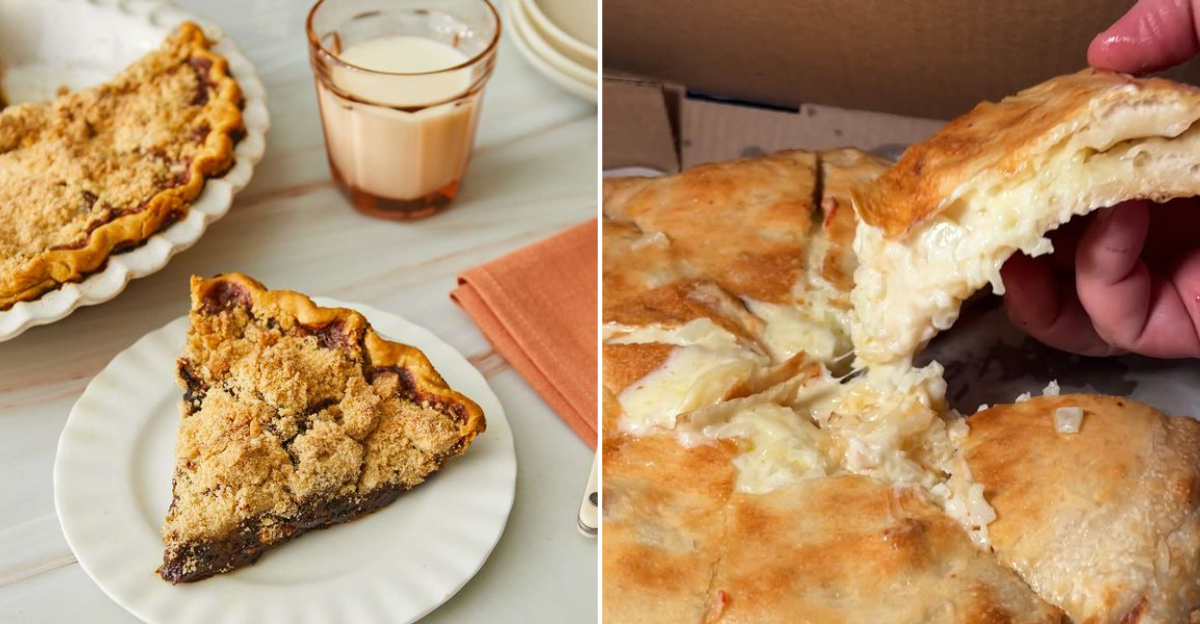
Pennsylvania’s food culture is full of unique dishes that often leave visitors puzzled. Regional specialties like shoofly pie and scrapple have flavors and names that outsiders frequently mispronounce or misunderstand.
These foods carry deep meaning for locals who have grown up with them and can easily tell who’s unfamiliar by how they order or react.
The Keystone State’s culinary traditions offer a mix of history, comfort, and bold tastes that define the experience of eating like a true Pennsylvanian.
1. Shoofly Pie
Visitors often expect a fruit filling when they order this molasses masterpiece, but locals know better. The gooey bottom layer surprises first-timers who think all pies need apples or cherries inside.
Real Pennsylvania folks eat it for breakfast with coffee, not as an after-dinner treat. Outsiders look confused when they see someone dunking a slice into their morning cup.
The name comes from farmers shooing flies away from the sweet, sticky filling while it cooled on windowsills.
2. Scrapple
Most newcomers make the mistake of asking what’s in it before trying a bite. Locals never reveal the full ingredient list until after you’ve cleaned your plate and asked for seconds.
People from other states try to compare it to sausage or meatloaf, which makes Pennsylvanians roll their eyes. Nothing else tastes quite like these crispy, cornmeal-crusted slices hot off the griddle.
My cousin from California once refused to try it until she saw our whole family fighting over the last piece at breakfast.
3. Potato Filling
Calling this stuffing is the fastest way to get corrected at any Pennsylvania holiday table. The bread-and-potato combo stands alone as a side dish, not something you cram inside a turkey.
Outsiders assume it’s mashed potatoes when they see the creamy texture and buttery surface. One taste reveals the chunks of bread that make this dish completely different from any potato recipe they know.
Every family guards their recipe like a state secret, with arguments about celery versus onions lasting for generations.
4. Chicken Pot Pie (PA Dutch Style)
Tourists search the menu for a flaky crust and get a bowl of soup instead. The square noodles swimming in chicken broth shock people expecting a golden pastry top.
Locals never call it stew, even though that’s basically what it is to everyone else. The thick, doughy noodles soak up the broth and create something way heartier than regular chicken soup.
Restaurants outside Pennsylvania serve the wrong version, leaving confused visitors wondering why their pot pie came in a bowl with a spoon.
5. Sand Tarts
Visitors expect a dessert with actual sand or some kind of tart filling inside. The thin, crispy cookies covered in cinnamon sugar confuse people who think tarts need fruit and thick crusts.
Locals bake these every Christmas, passing down recipes written on index cards stained with butter from decades of use. The almond pressed into each cookie’s center is the signature detail that separates real sand tarts from imposters.
Nobody knows why they’re called sand tarts, but asking about it at a holiday party won’t get you a straight answer.
6. Apple Dumplings
Outsiders think they’re ordering apple pie and get confused when a whole apple wrapped in dough arrives at their table. The size alone surprises people who expected something bite-sized and dainty.
Locals drench them in a sweet syrup that pools at the bottom of the dish, creating a sauce that soaks into every flaky layer. Some families serve them with milk poured over the top, which makes visitors from other states stare in disbelief.
Eating one requires a fork, knife, and serious commitment to finishing what you started.
7. Soft Pretzel (PA Style)
People from other states order these expecting mall food court quality and get blown away by the real thing. Pennsylvania pretzels are bigger, softer, and saltier than anything sold at chain stores.
Locals eat them plain or with yellow mustard, never with cheese sauce like some tourist trap suggests. Street vendors sell them from carts on every corner in Philadelphia, and buying one anywhere else feels like a betrayal.
I once saw someone try to eat one with ketchup, and the vendor actually refused to sell them another.
8. Fasnacht (PA Dutch Doughnut)
Visitors walk into bakeries the day before Lent expecting regular doughnuts and find these square, potato-based treats instead. The dense texture throws people off because they’re used to light, airy doughnuts that dissolve on your tongue.
Locals line up before dawn on Fasnacht Day to grab boxes before they sell out completely. Some families make them at home, frying batch after batch until the whole house smells like hot oil and sugar.
Trying to find them any other day of the year is basically impossible in most Pennsylvania towns.
9. Pagash
This Eastern European flatbread topped with onions and bacon confuses people who expect pizza when they see the shape. The dough is thicker and breadier than pizza crust, creating a completely different eating experience.
Locals in Pennsylvania’s coal country regions grew up eating this at every family gathering and church picnic. Outsiders struggle to pronounce the name correctly and usually just point at it on the menu instead.
Some versions include cottage cheese or sour cream mixed into the topping, which makes it even more unique and harder to compare to anything else.
10. Funeral Potatoes
The name alone makes visitors hesitate before ordering this cheesy potato casserole. People assume it’s only served at sad occasions, but locals bring it to every potluck regardless of the event.
Outsiders think it’s just regular hash browns until they taste the sour cream, cheese, and crunchy topping combination. Pennsylvania families have been making this comfort food for generations, though some call it party potatoes to make it sound less gloomy.
Nobody remembers why it got such a strange name, but everyone agrees it tastes too good to save for somber events.