
Pennsylvania Hides One Of Its Oldest Towns On This Amazing Day Trip
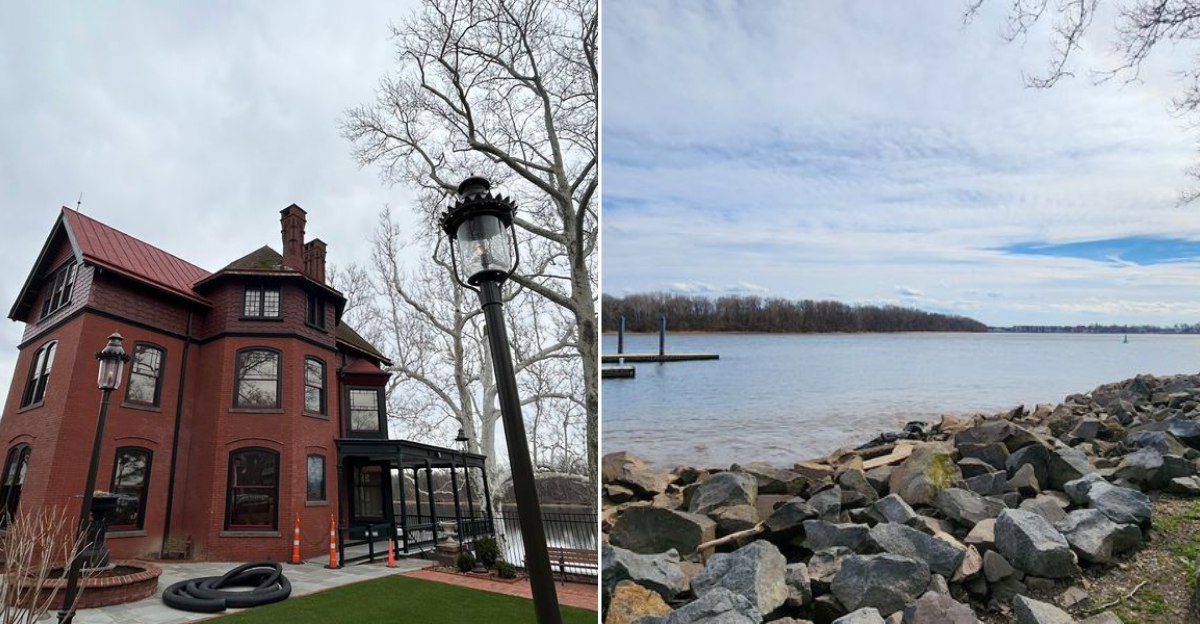
Some towns do not need to be big to feel unforgettable.
Pennsylvania is home to some of its oldest towns, where day trips bring together riverfront views, brick sidewalks, historic buildings, independent shops, cozy restaurants, and a sense that every corner has a story.
The charm is in how easily the day unfolds. You can wander without rushing, admire old architecture, pause near the water, grab something good to eat, and let the town’s history sneak up on you in the best way.
It feels polished in some places, wonderfully timeworn in others, and full of the kind of character that makes a short visit feel surprisingly rich.
I would arrive expecting a pleasant stroll, then probably leave wondering how one Pennsylvania town managed to pack so much history, beauty, and personality into one day.
Bristol Borough Was Founded In 1681
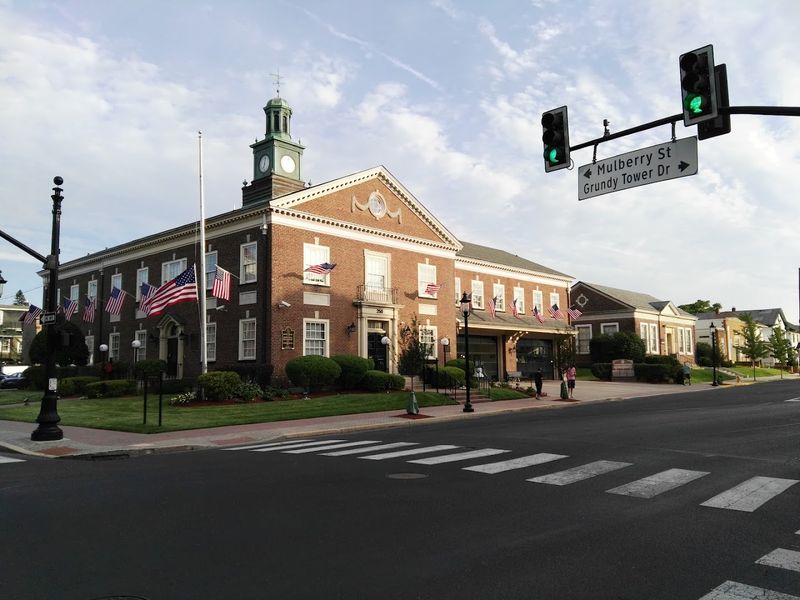
Few towns in America can claim a birthday as old as Bristol Borough.
Founded in 1681 through Samuel Clift’s early land grant, Bristol is one of Pennsylvania’s oldest colonial towns, standing in rare company with the earliest communities in the commonwealth.
That puts it in seriously rare company. Walking the streets here feels less like sightseeing and more like flipping through a living history textbook.
The town served as a major port and commercial hub during the colonial era, drawing merchants, travelers, and traders from across the eastern seaboard.
Its location on the Delaware River made it a natural crossroads for early American commerce.
Bristol Borough, Bucks County, is compact enough to explore on foot, with historic streets, riverfront views, and landmarks gathered close together.
Fun fact: Bristol grew into an important Pennsylvania town during the colonial era and later became the southern terminus of the Delaware Canal.
Hard to believe looking at it today, but that history is baked into every brick.
The Historic Mill Street District Is A Time Capsule
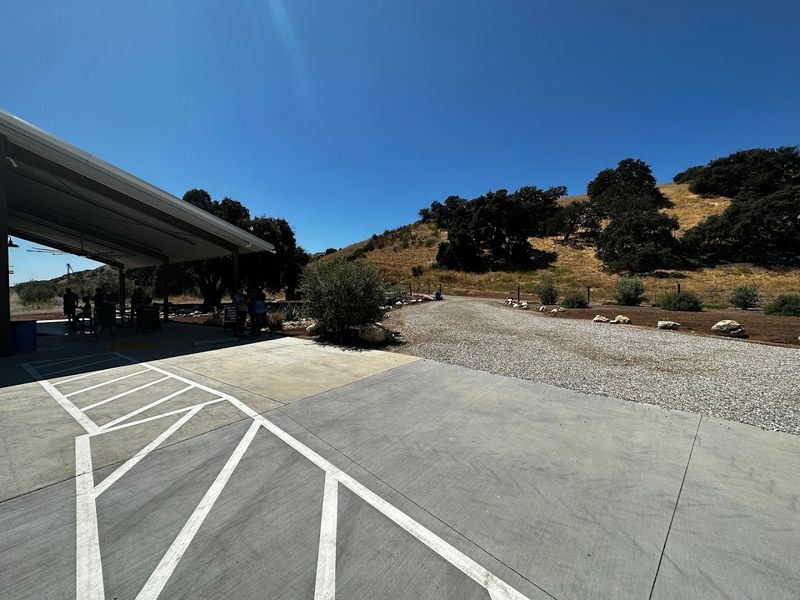
Mill Street is the kind of street that makes you slow your walk without even realizing it.
Lined with 18th and 19th century buildings that have barely changed their bones, this stretch of Bristol Borough is a genuine architectural time capsule.
Every facade tells a story if you know where to look.
The broader Bristol Historic District is listed on the National Register of Historic Places, which means the area has earned its bragging rights the hard way.
Antique shops, small businesses, and historic markers crowd the sidewalks, giving the area a lived-in energy that polished tourist destinations often lack.
There is something refreshingly unscripted about it. Located in the heart of Bristol, PA 19007, Mill Street sits close to the Delaware River and anchors the town’s identity.
I personally love how the buildings here show their age proudly rather than hiding it under fresh paint. Bristol Borough wears its wrinkles like a badge of honor.
The Delaware Canal Towpath Runs Right Through Town
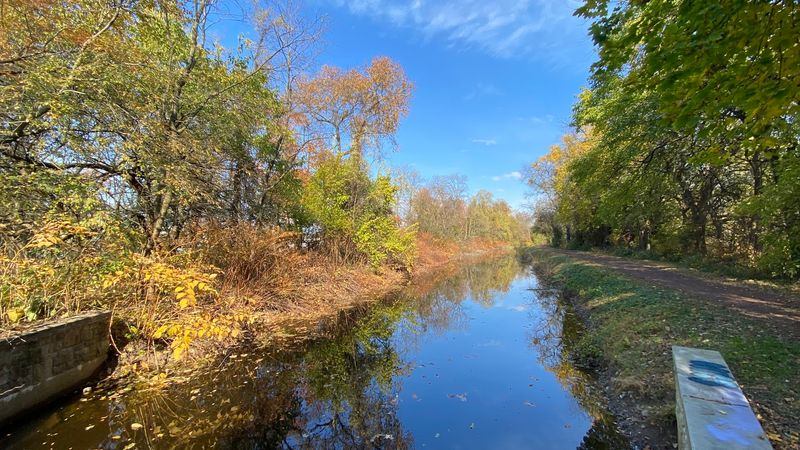
History and the outdoors collide beautifully along the Delaware Canal Towpath, which passes right through Bristol Borough.
Built between 1827 and 1832, the canal was an engineering marvel of its time, stretching 60 miles and connecting Bristol to Easton along the Delaware River.
Mules once hauled coal-laden boats along this very path.
Today the towpath is a beloved trail for walkers, joggers, and cyclists who enjoy their cardio with a side of 19th century infrastructure.
The canal itself still holds water in many sections, and the scenery shifts beautifully between open riverbanks and shaded woodland corridors.
It is genuinely one of the most scenic free activities in Bucks County. The towpath access in Bristol Borough starts near Radcliffe Street, Bristol, PA 19007.
Fun fact: the Delaware Canal is the only remaining continuously intact canal from the great American canal-building era.
Bristol Borough sits at its southern terminus, making it a fitting bookend to one of America’s great industrial stories.
Bristol’s Waterfront Park Offers Stunning River Views
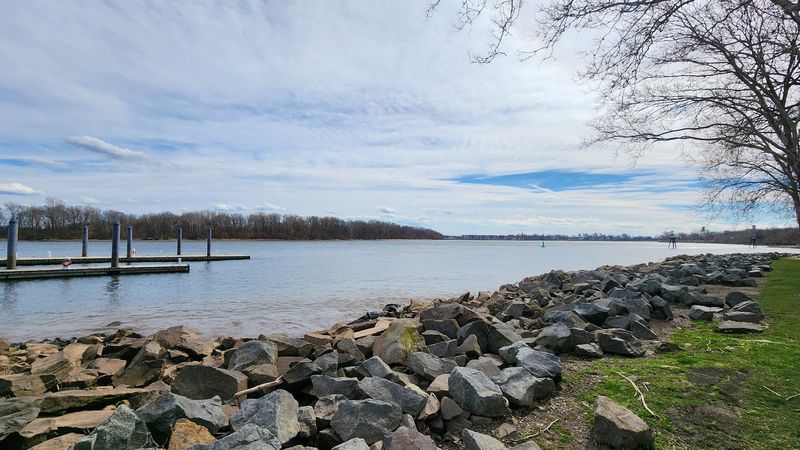
Right at the edge of Bristol Borough, the Delaware River waterfront opens up into one of Bucks County’s most underrated outdoor spaces.
Bristol Waterfront Park gives visitors a front-row seat to the wide, shimmering Delaware, with views stretching across to New Jersey on the opposite bank. On a clear day, it is genuinely stunning.
The park features walking paths, benches, and open green space that invites you to linger longer than you planned.
Fishermen cast lines here on weekday mornings, and families spread out picnic blankets on weekends. There is a casual, unhurried rhythm to the place that feels almost therapeutic after a busy week.
Bristol Waterfront Park is located along Radcliffe Street, Bristol, PA 19007, just steps from the historic downtown.
I once spent an entire afternoon here without doing anything particularly productive, and it was one of the better decisions I have made. Bristol Borough has a way of making stillness feel like an achievement.
The King George II Inn Is One Of America’s Oldest Continuously Operating Inns
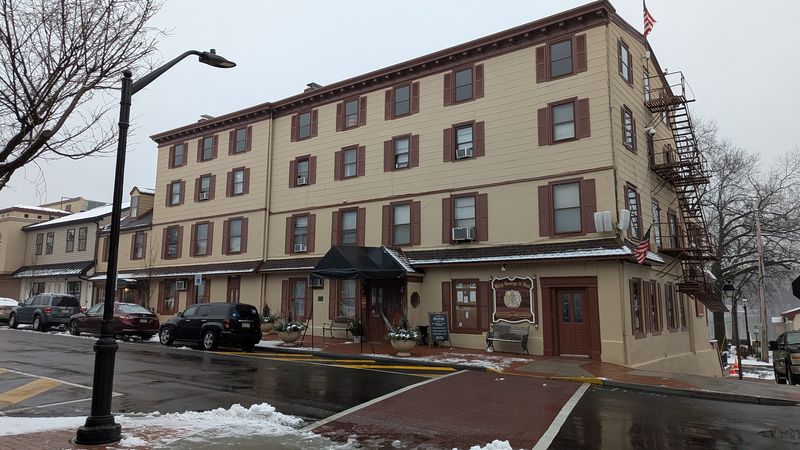
Some buildings earn their reputation over centuries, and the King George II Inn in Bristol Borough is absolutely one of them.
Its roots go back to 1681, when the original Ferry House began serving travelers, making it one of the oldest continuously operating inns in the United States.
George Washington-era military history also runs through this stretch of Bristol.
The building’s visible historic structure is tied to the 1765 inn that replaced the original ferry house, giving the site deep colonial character with thick walls, old details, and a riverfront setting that still feels connected to another era.
Stepping inside feels like crossing a threshold into another chapter of Pennsylvania history.
The King George II Inn is located at 102 Radcliffe Street, Bristol, PA 19007, right along the Delaware River waterfront. Fun fact: the inn predates the United States itself by nearly a century.
Bristol Borough has the remarkable ability to make American history feel personal and immediate rather than distant and textbook-dry.
Bristol Borough Has A Fascinating Connection To The Revolutionary War
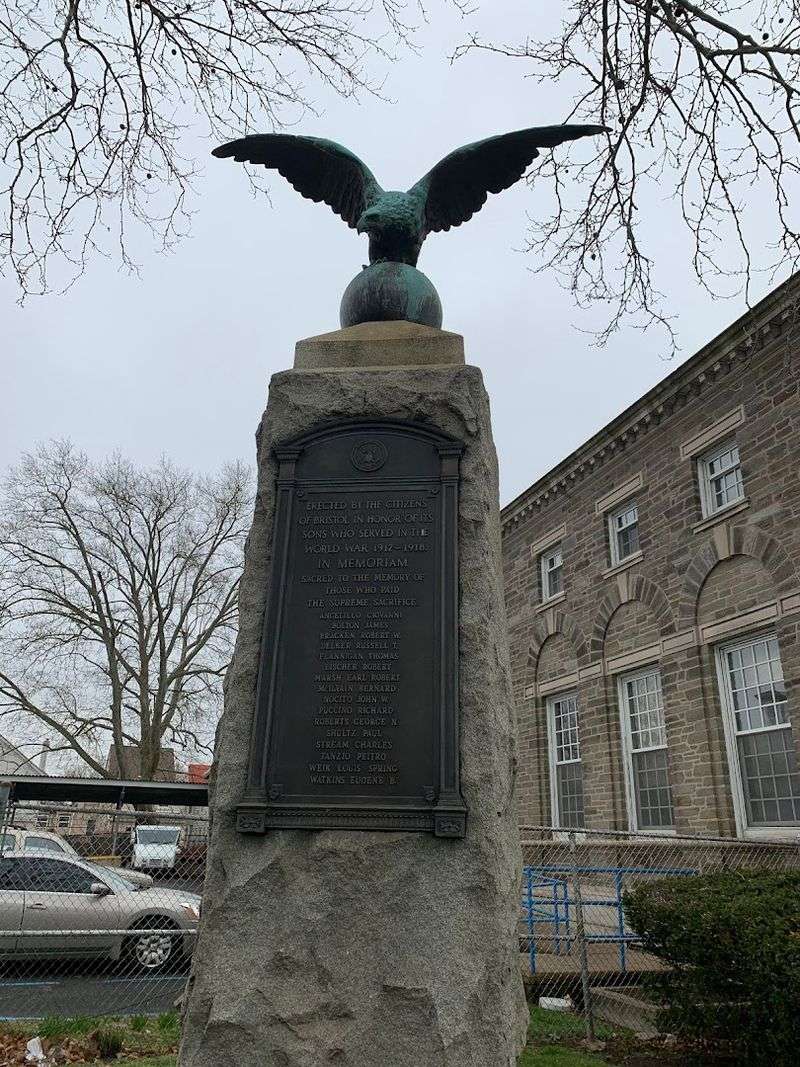
Bristol Borough was not just a passive bystander during the American Revolution.
The town played a role in the tense military movements around the Delaware River in December 1776, when General John Cadwalader and thousands of soldiers were stationed in Bristol.
Troops gathered and moved through this very area during one of the most dramatic moments of the war.
Historical markers and local sites scattered throughout Bristol tell pieces of this story, and the proximity to Washington Crossing Historic Park makes the Revolutionary War connection feel tangible rather than abstract.
Standing along the riverbank here and imagining soldiers watching the icy water is genuinely spine-tingling stuff.
Bristol Borough takes its Revolutionary War legacy seriously, with historic sites and local tours helping connect the dots between places.
I find that Bristol Borough rewards curious visitors who take the time to read the plaques and ask the right questions.
The Bristol Marsh Is A Hidden Natural Gem
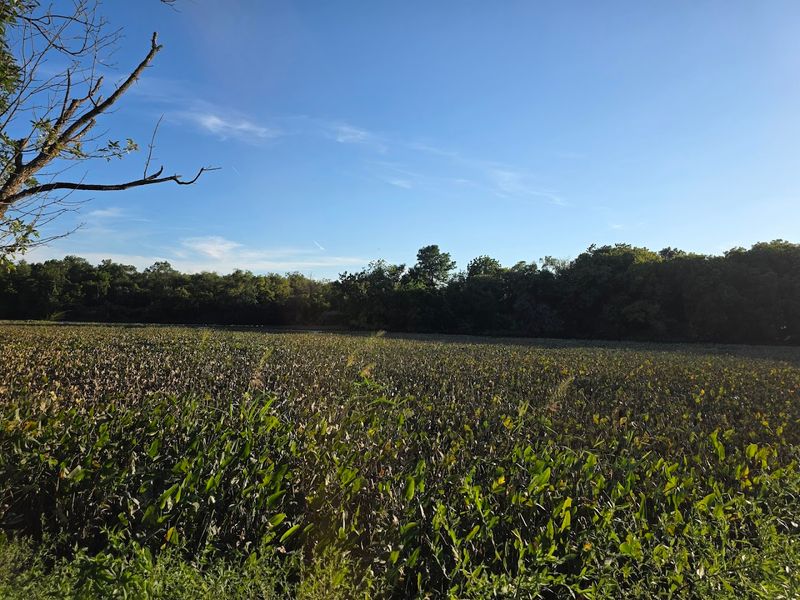
Not everyone expects to find a functioning wetland nature preserve inside a historic borough, but Bristol delivers exactly that.
The Bristol Marsh, protected by The Nature Conservancy with local stewardship partners, is a protected freshwater tidal marsh that sits quietly at the edge of town, offering a surprising burst of biodiversity just minutes from downtown.
Great blue herons, red-winged blackbirds, and painted turtles all call this place home.
The marsh represents the best remaining example of a freshwater tidal marsh in Pennsylvania, a rare surviving habitat from the wetlands that once lined parts of the Delaware River before development swallowed much of them.
Visiting feels like catching a glimpse of what this entire region looked like before roads and buildings arrived. There is something quietly humbling about that perspective.
Bristol Marsh is accessible near Pond Street, Bristol, PA 19007, and admission is free. Fun fact: freshwater tidal marshes are among the most biologically productive ecosystems on Earth.
Bristol Borough manages to pack extraordinary ecological value into a surprisingly small geographic footprint, which is just another reason to love this town.
The Grundy Museum Celebrates Bristol’s Industrial Past
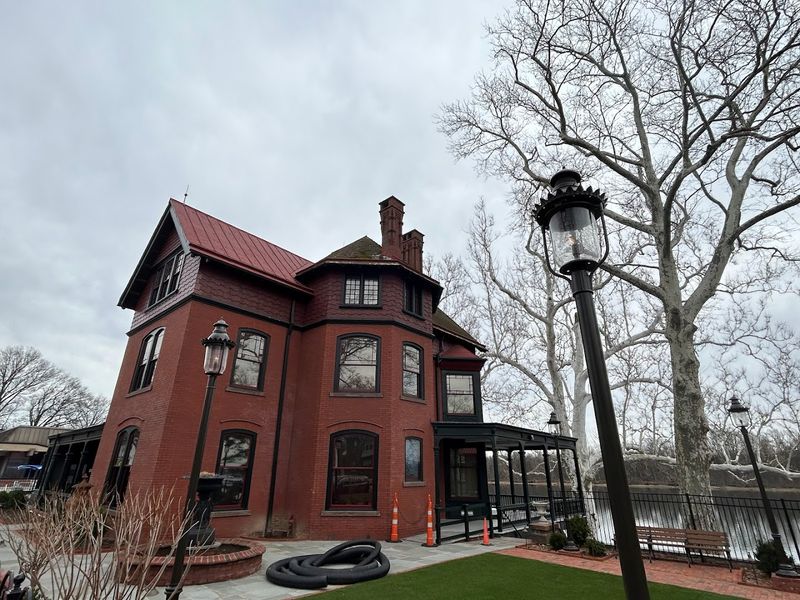
Every great town has a building that anchors its identity, and for Bristol Borough, the Grundy Museum fills that role with considerable style.
Housed in a beautifully preserved Victorian mansion, the museum celebrates the life of Joseph R. Grundy, a powerful Pennsylvania industrialist and U.S.
Senator whose textile mills once defined Bristol’s economy and skyline.
The interior is packed with period furnishings, personal artifacts, and rotating exhibits that trace Bristol’s transformation from colonial port town to industrial powerhouse.
It offers a surprisingly intimate look at how one family’s ambitions shaped an entire community over generations. The craftsmanship inside the building alone is worth the visit.
The Grundy Museum is located at 610 Radcliffe Street, Bristol, PA 19007, and offers guided tours that bring the history to life with genuine enthusiasm.
Fun fact: Joseph Grundy was appointed to the U.S. Senate in 1929 without ever winning a popular election.
Bristol Borough has always had a flair for producing outsized characters.
Bristol’s Historic Cemeteries Hold Centuries Of Stories
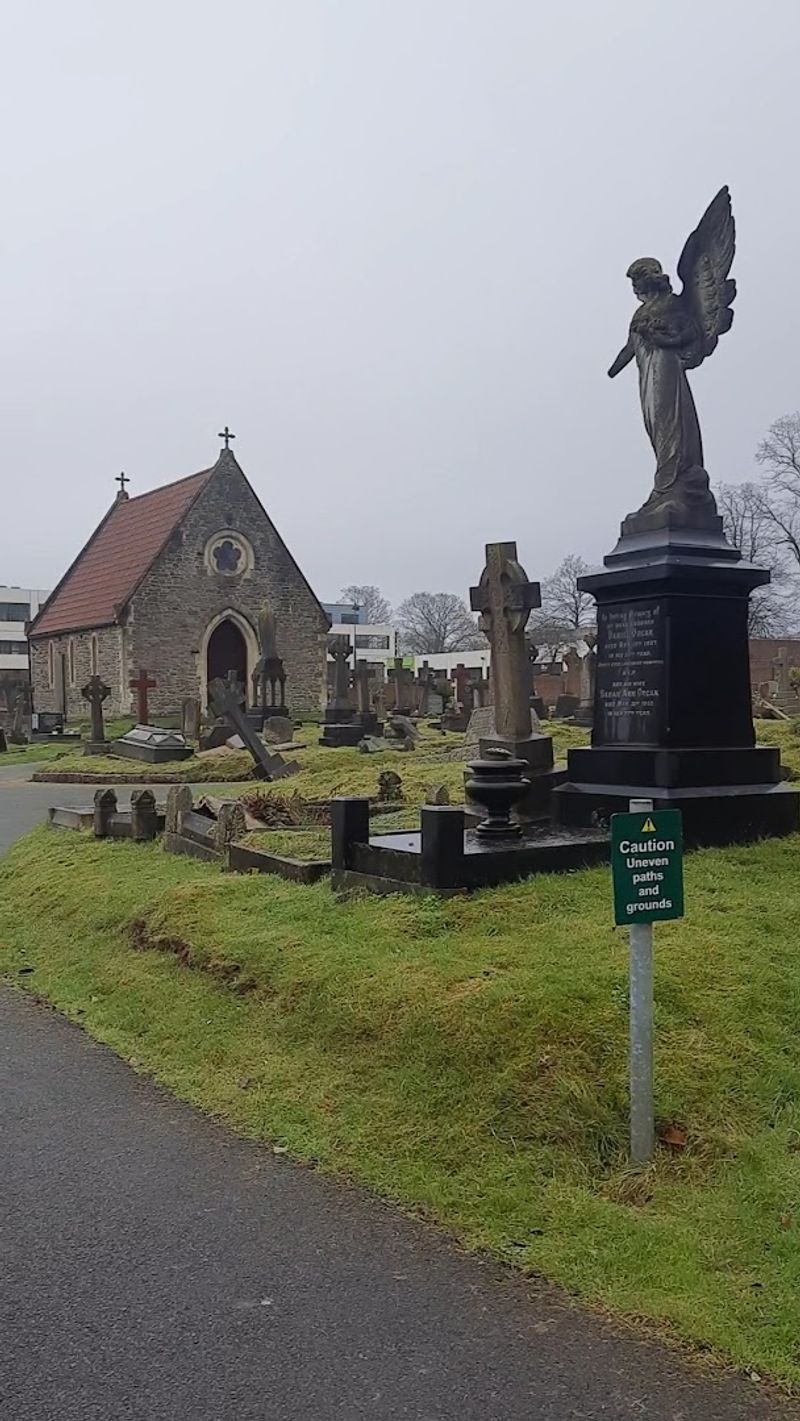
There is a particular kind of history that only cemeteries can hold, and Bristol Borough’s historic burial grounds are rich with it.
St. James Episcopal Church Cemetery, one of the oldest in the region, contains gravestones dating back to the early 1700s, their carved faces and epitaphs worn soft by centuries of Pennsylvania weather. Reading those stones is like having a conversation with the past.
The cemetery sits adjacent to St. James Episcopal Church, itself a landmark dating to 1712, making the entire complex one of the most historically layered sites in Bucks County.
Local historians note that several Revolutionary War veterans are buried here, adding another layer of significance to every quiet stroll through the grounds.
St. James Episcopal Church is located at 19 Walnut Street, Bristol, PA 19007. I find old cemeteries genuinely peaceful rather than eerie, especially ones this old.
Bristol Borough has a talent for turning what might seem like ordinary stops into deeply memorable experiences that stick with you long after the drive home.
Bristol Borough’s Annual Events Keep The Community Spirit Alive
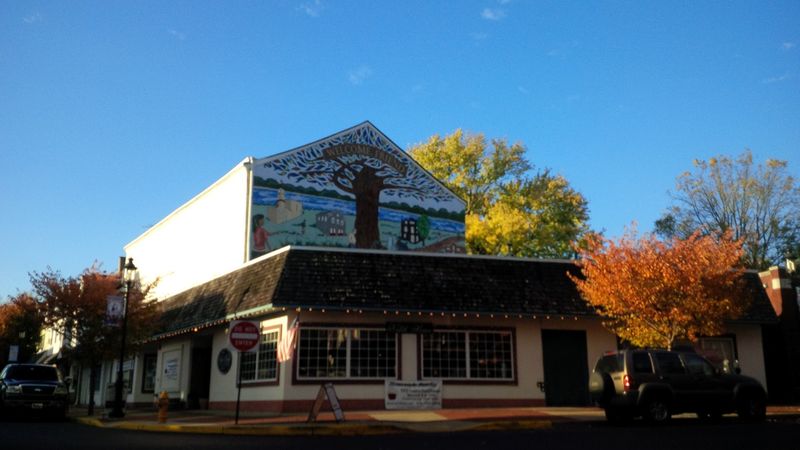
A town this old knows how to throw a party, and Bristol Borough does not disappoint on the community events front.
The annual Bristol Riverside Theatre season draws theater lovers from across the region, while seasonal street festivals transform Mill Street into a lively outdoor gathering that celebrates local artisans, food vendors, and live music.
The energy on those days is infectious in the best possible way.
Bristol Riverside Theatre, located at 120 Radcliffe Street, Bristol, PA 19007, has been a cultural anchor for the borough since 1986, staging professional productions that rival what you would find in much larger cities.
The fact that world-class theater exists inside a town of fewer than 10,000 people says everything about Bristol’s punchy, overachieving personality.
Planning a visit around one of these events adds a whole new dimension to the day trip experience. Bristol Borough rewards repeat visitors generously, revealing new layers each time you return.
Once you visit, you will understand why locals talk about this place with such obvious pride and affection.