
14 Pennsylvania Places That Fly Under The Radar But Are Worth Seeing
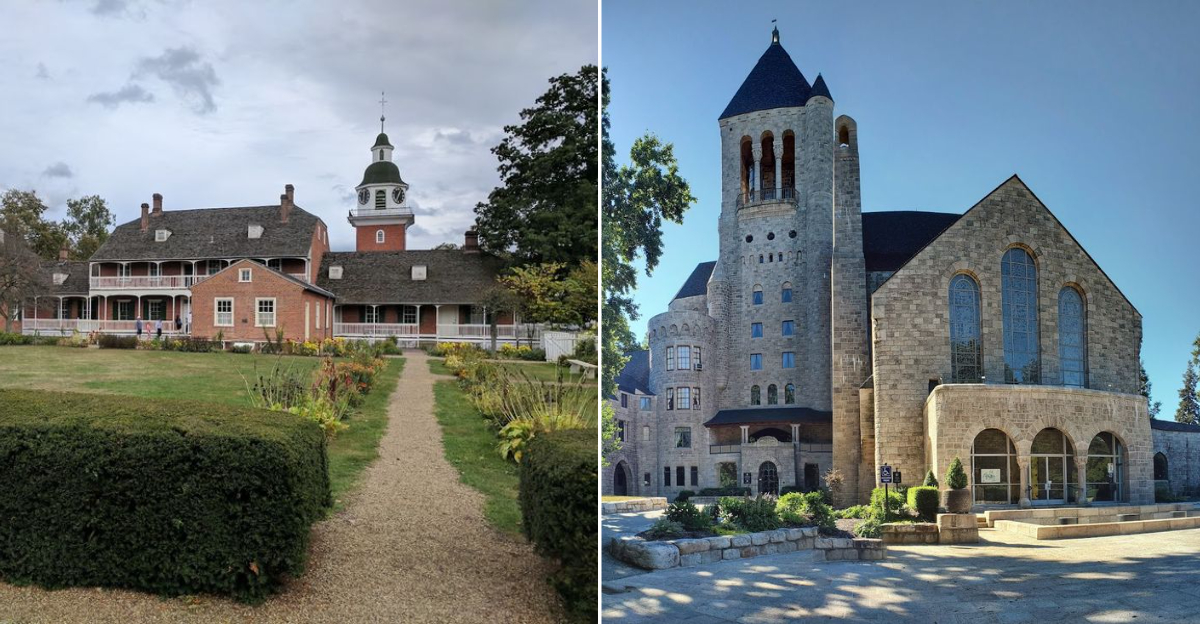
Pennsylvania has a way of surprising you when you least expect it. Beyond the well-known landmarks and busy attractions, there are quiet corners and overlooked gems waiting to be discovered.
It is hidden-in-plain-sight magic, backroad brilliance, and the kind of find that makes you wonder how it stayed a secret for so long.
Winding country roads, charming main streets, peaceful parks, and unexpected viewpoints all come together to create moments that feel personal and unfiltered.
Pennsylvania rewards curiosity, with the most memorable experiences often found off the beaten path rather than in travel brochures.
I have learned that when I allow extra time in my plans, something interesting usually appears just off the highway.
There is a special thrill in discovering a spot that feels like your own little secret, even if only for a moment. Those under-the-radar finds often become the stories I tell long after the trip ends.
1. Eckley Miners’ Village, Eckley, Pennsylvania
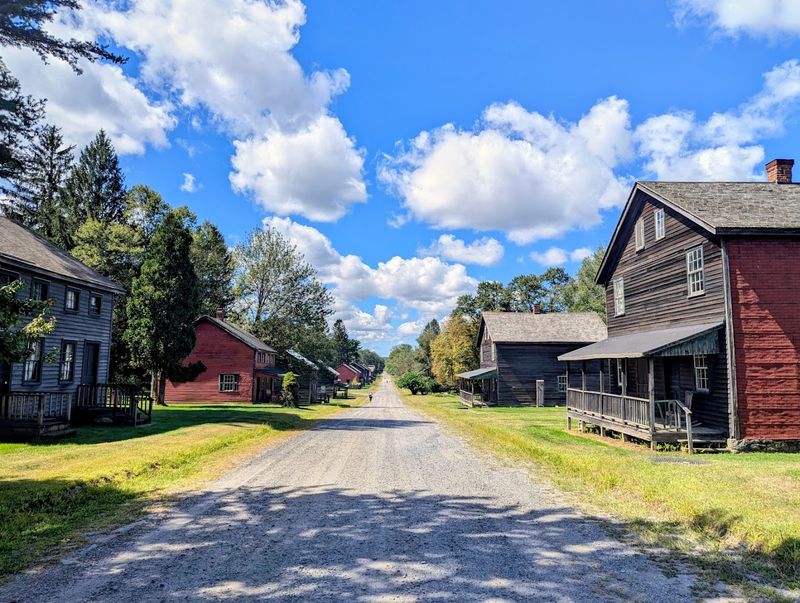
Walking through Eckley Miners’ Village feels like stepping directly into the 1800s, when coal was king and entire communities were built by the companies that owned the mines.
Located in Luzerne County in northeastern Pennsylvania, this preserved patch of history is an actual former mining town where workers and their families once lived, worked, and built their lives.
The village includes original company-owned homes, a church, and a doctor’s office, all restored to reflect life during the anthracite coal era.
It served as a filming location for the 1970 movie “The Molly Maguires,” which adds a fun layer of Hollywood trivia to the visit.
Guided tours bring the human side of mining history to life, explaining the daily hardships and tight-knit community bonds that defined this era.
For anyone curious about Pennsylvania’s industrial roots, Eckley is one of the most honest and moving places in the entire state.
2. Penn’s Cave and Wildlife Park, Centre Hall, Pennsylvania
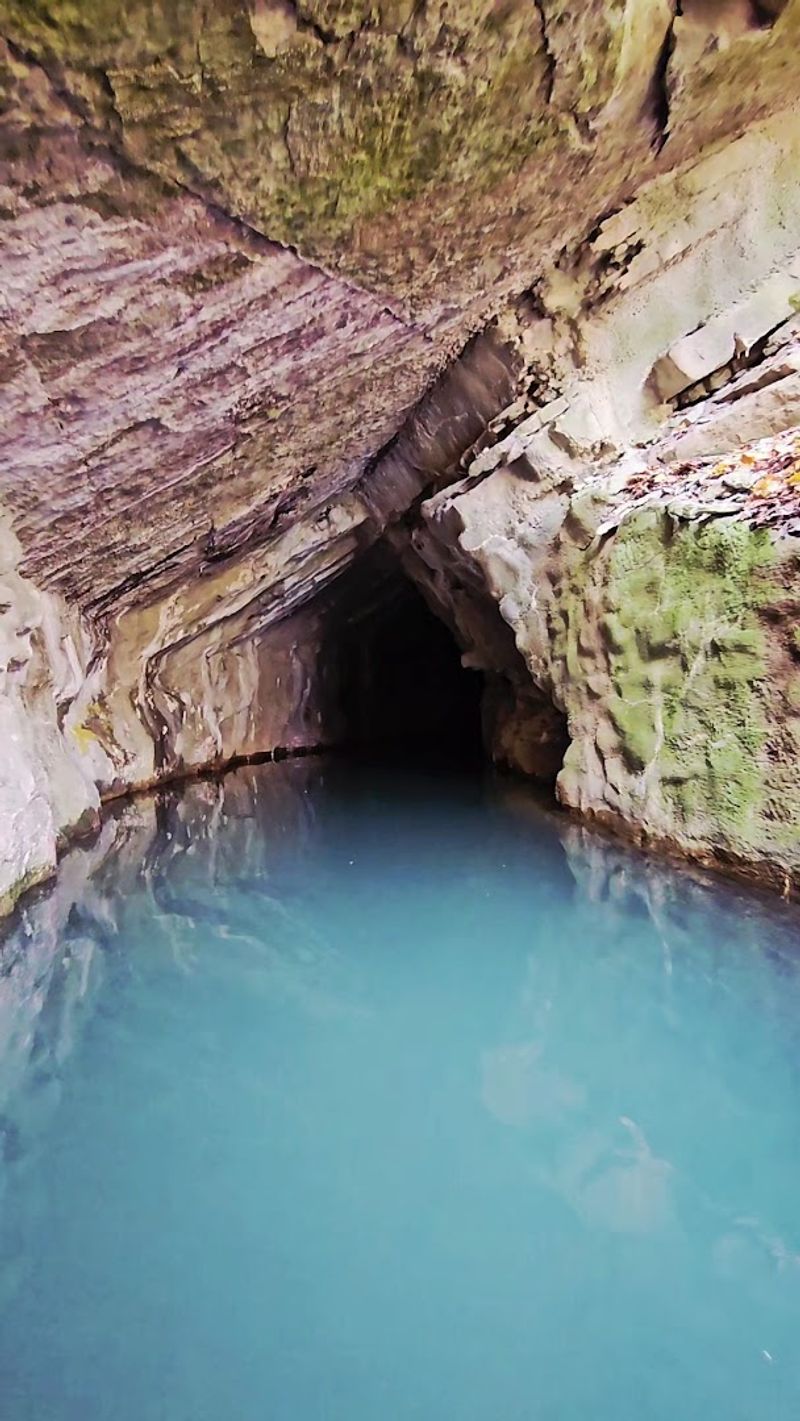
Penn’s Cave holds a distinction that is genuinely hard to top: it is America’s only all-water cavern, and visitors tour it entirely by boat.
Situated near Centre Hall in Centre County, the cave sits beneath a farm and is paired with a wildlife attraction, making it a layered destination that families tend to love.
Inside, the boat glides through narrow limestone passages lit up to reveal dramatic formations with names like “Statue of Liberty” and “Niagara Falls,” each shaped over thousands of years.
Above ground, the wildlife side of the property includes mountain lions, bison, elk, and black bears across open land, though that Farm-Nature-Wildlife Tour is closed through March 31, 2026 and reopens April 1.
The cave stays at a constant 52 degrees Fahrenheit year-round, so a light jacket is a smart call no matter what season you visit.
Penn’s Cave manages to pack geology, wildlife, and agriculture into a single stop that keeps surprising you around every bend.
3. Fonthill Castle, Doylestown, Pennsylvania
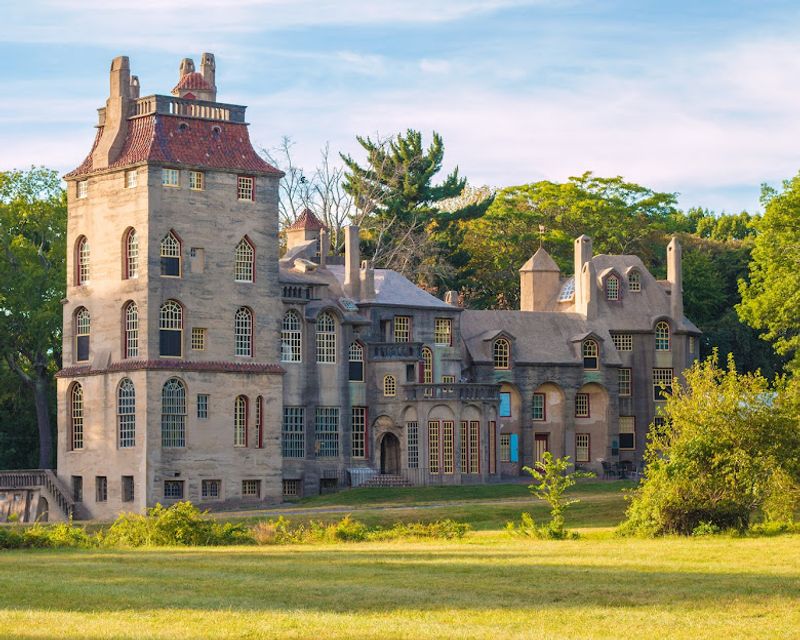
Henry Chapman Mercer built Fonthill Castle between 1908 and 1912 using a method so unconventional it raised eyebrows across the architectural world: he poured concrete without a formal plan, designing each room as he went.
Located in Doylestown, Bucks County, the castle is a sprawling, asymmetrical structure packed with more than 900 prints and over 18,000 tiles embedded into its walls, floors, and ceilings.
Mercer was an archaeologist and tile maker, and his obsessions are visible in every corner of the building, from ancient artifacts pressed into concrete to colorful Moravian tiles he produced himself.
The result is a home that feels more like a personal museum than a residence, layered with texture, color, and symbolism at every turn.
Tours wind through 44 rooms, each one distinct from the last, which makes the whole experience feel more like a treasure hunt than a standard house tour.
4. Old Economy Village, Ambridge, Pennsylvania
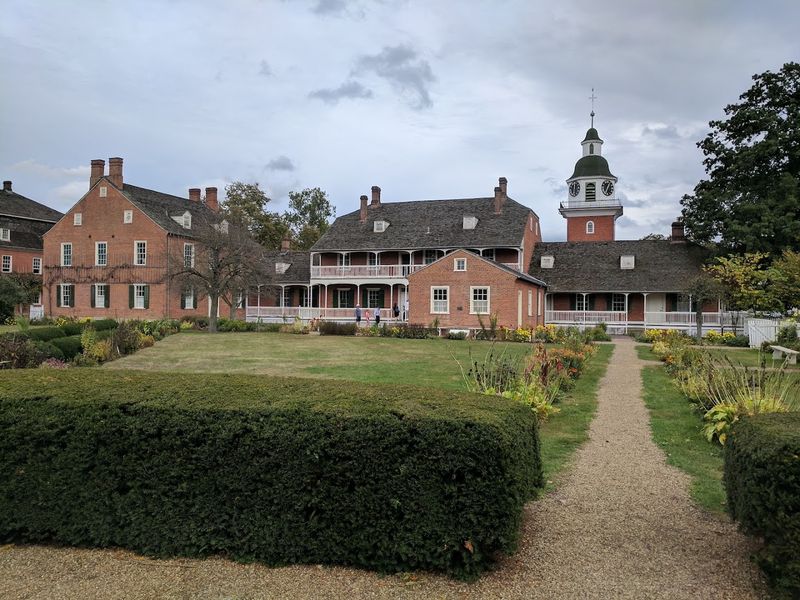
Old Economy Village in Ambridge, Beaver County, preserves the third and final home of the Harmony Society, a German religious group that arrived in America in the early 1800s and built one of the most successful communal communities in United States history.
The Harmonists were remarkably productive, running silk operations, a woolen mill, a brewery, and extensive farming enterprises, all while holding all property in common.
Seventeen historic buildings still stand on the site, including the Great House, the community church, and a formal garden that blooms beautifully in warm months.
What makes this place so compelling is how it challenges assumptions about what early American communities looked like and how they functioned.
A portion of the site is guided while other areas are self-guided, which gives visitors a fuller sense of Harmonist daily life and craftsmanship.
Old Economy Village is a quiet revelation hiding in plain sight just outside Pittsburgh, though the historic site is currently closed for the season and reopens April 10, 2026.
5. Johnstown Inclined Plane, Johnstown, Pennsylvania
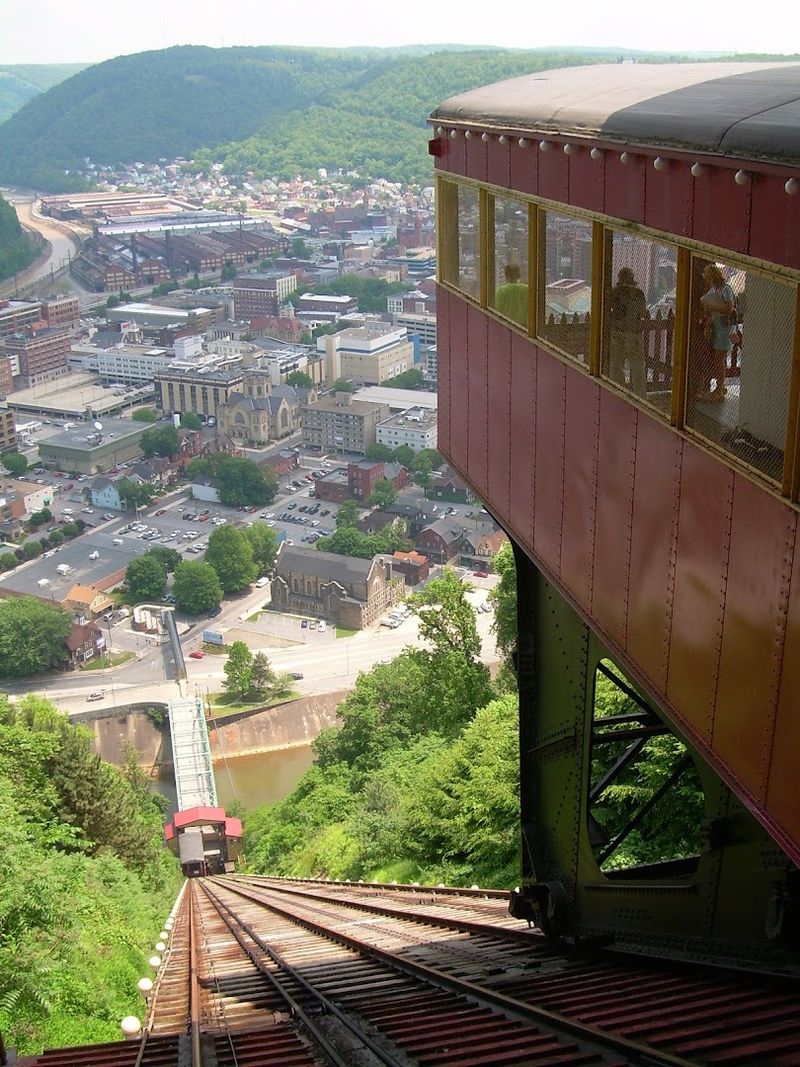
Known as the world’s steepest vehicular inclined plane, the Johnstown Inclined Plane climbs Yoder Hill on a grade a little over 70 percent, carrying passengers and even cars when it is in operation.
Built in 1891, it was designed in the aftermath of the catastrophic Johnstown Flood of 1889, which ended the lives of more than 2,200 people in one of the worst flood disasters in American history.
The incline has long been both an engineering landmark and a scenic overlook with a dramatic view across the Conemaugh Valley and the city below.
Its history remains compelling, and the small museum space at the top has helped give visitors useful context about the flood and the incline’s construction.
At the moment, however, the attraction is not operating because the rehabilitation project is still underway and a reopening date has not yet been confirmed.
It remains a memorable part of Johnstown’s story, but it is currently a restoration-in-progress rather than an active ride.
6. Bayernhof Museum, Pittsburgh, Pennsylvania
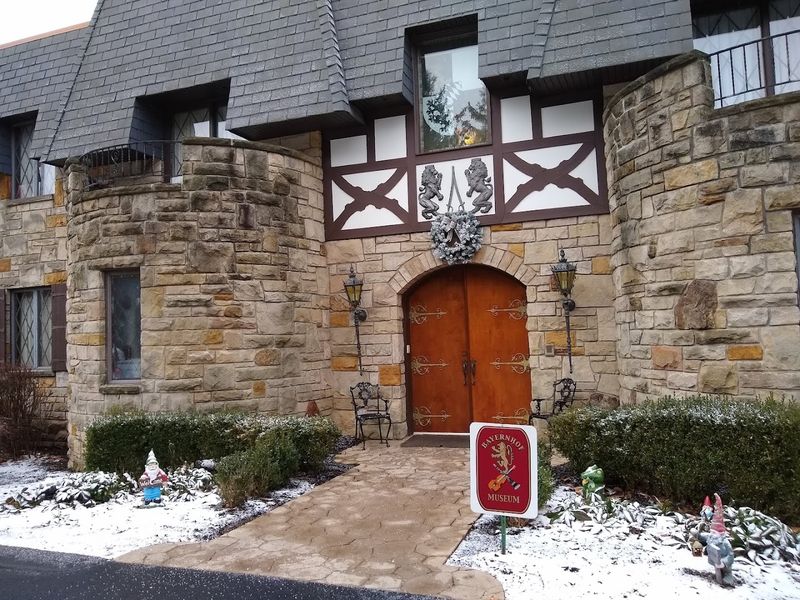
Tucked into O’Hara Township just outside Pittsburgh, Bayernhof Museum is housed inside a striking mansion built as the private residence of Charles B. Brown III, who created the property between 1976 and 1982 and filled it with eccentric details and automated musical instruments.
The collection inside is genuinely one of a kind, featuring music boxes, orchestrions, monkey organs, and other self-playing machines from the 19th and 20th centuries, all in working condition.
During tours, the instruments are demonstrated, so the whole place fills with music in a way that feels wonderfully theatrical.
The mansion itself features secret passages, a grotto, a lagoon, and elaborately styled rooms, making it feel more like a stage set than a conventional house museum.
Tours are guided and by appointment only, which keeps group sizes small and the experience focused. Bayernhof rewards curious visitors who seek out the offbeat, and it delivers on every count.
7. Glencairn Museum, Bryn Athyn, Pennsylvania
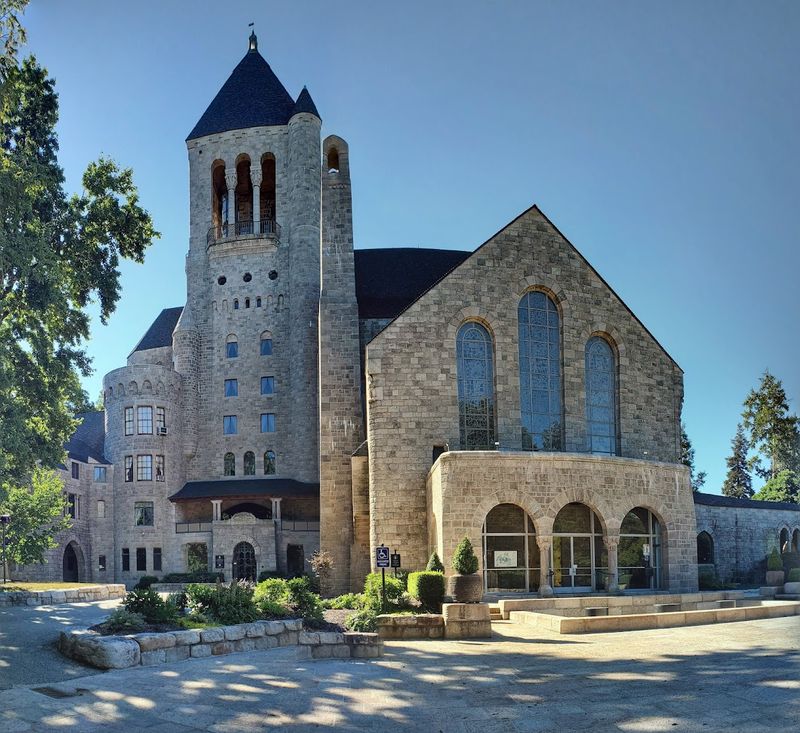
Glencairn Museum sits in the small borough of Bryn Athyn in Montgomery County, and its Romanesque exterior, complete with stone towers and arched windows, looks like it was transplanted directly from medieval Europe.
Built in the 1920s as the home of Raymond and Mildred Pitcairn, the building now houses one of the most surprising art and artifact collections in the entire mid-Atlantic region.
Inside, visitors find ancient Egyptian objects, Greek and Roman antiquities, medieval stained glass, armor, and religious art spanning thousands of years of human history.
The stained glass collection is particularly remarkable, with pieces dating back to the 12th century displayed in ways that let light filter through them just as it would have in their original settings.
The building itself is considered a work of art, with craftsmen using techniques from the Middle Ages during its construction.
Glencairn is the kind of place that makes you wonder why more people do not know it exists.
8. Indian Echo Caverns, Hummelstown, Pennsylvania
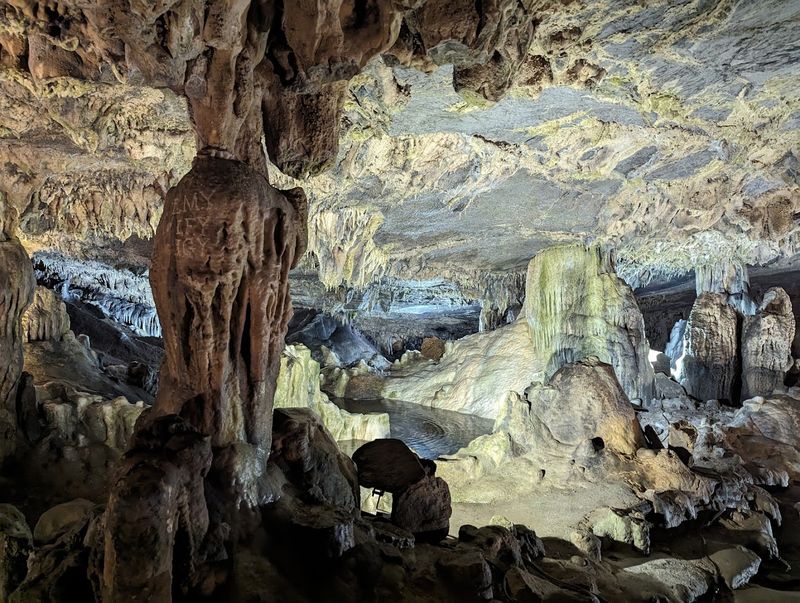
About ten minutes east of Hershey in Dauphin County, Indian Echo Caverns offers a cool underground world that has been drawing curious visitors since the 1920s, though the caves themselves were formed over millions of years.
The caverns feature dramatic limestone formations, including stalactites, stalagmites, and a natural underground lake that reflects the surrounding rock in glassy, still water.
One of the most striking chambers is called “Cathedral Hall,” a massive open space that gives a real sense of the geological forces at work beneath the Pennsylvania countryside.
Legend holds that a hermit named William Wilson lived in the cave during the 1800s for nearly two decades, a story that guides share with great enthusiasm during tours.
Above ground, the property also includes a gem and mineral panning area that kids tend to find completely absorbing.
Indian Echo Caverns pairs well with a Hershey trip and adds a very different kind of adventure to the day.
9. Railroad Museum of Pennsylvania, Strasburg, Pennsylvania
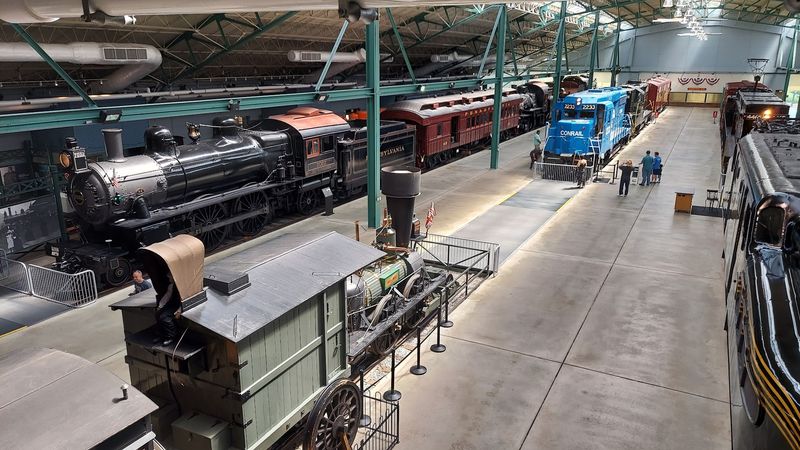
Lancaster County’s Strasburg is already well known for its Amish countryside and the Strasburg Rail Road, but the Railroad Museum of Pennsylvania sitting right across the street deserves equal billing.
The museum holds one of the largest and most significant collections of railroad equipment in North America, with more than 100 locomotives and rail cars spanning over 150 years of Pennsylvania railroad history.
Walking through the main hall feels genuinely impressive, with massive steam engines looming overhead and the smell of old metal and oil filling the air in a way that puts you right inside the working railroad era.
Restored passenger cars let visitors step inside and imagine what long-distance rail travel looked like before highways and airports took over.
The rolling stock yard outside adds even more equipment to explore, and interpretive displays explain the engineering and social impact of the railroad industry.
For train fans of any age, this is a must-stop destination in Pennsylvania.
10. Pennsylvania Trolley Museum, Washington, Pennsylvania
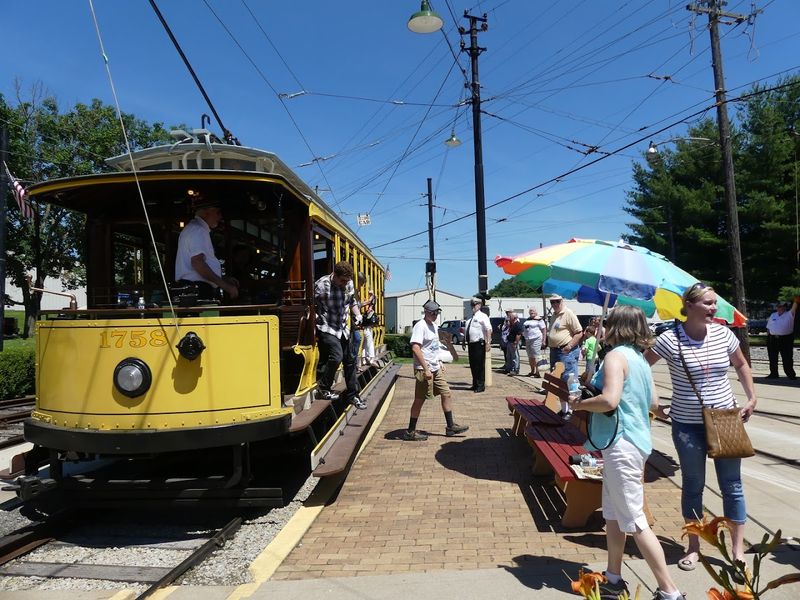
Washington County’s Pennsylvania Trolley Museum is one of the few places in the country where visitors can actually ride a restored electric streetcar, not just look at one behind a rope line.
Located in Washington, Pennsylvania, about 25 miles south of Pittsburgh, the museum includes a four-mile round trip along its scenic track, giving passengers a genuine sense of what urban and interurban transit felt like in the early 20th century.
The collection includes over 50 streetcars and related vehicles, ranging from open-air summer cars to enclosed city streetcars, each one representing a different chapter in public transit history.
The restoration work and display areas add another layer of interest beyond the ride itself. Special event rides throughout the year, including themed holiday runs, draw families back repeatedly.
The Pennsylvania Trolley Museum turns transportation history into something you can actually feel moving beneath your feet.
11. National Canal Museum, Easton, Pennsylvania
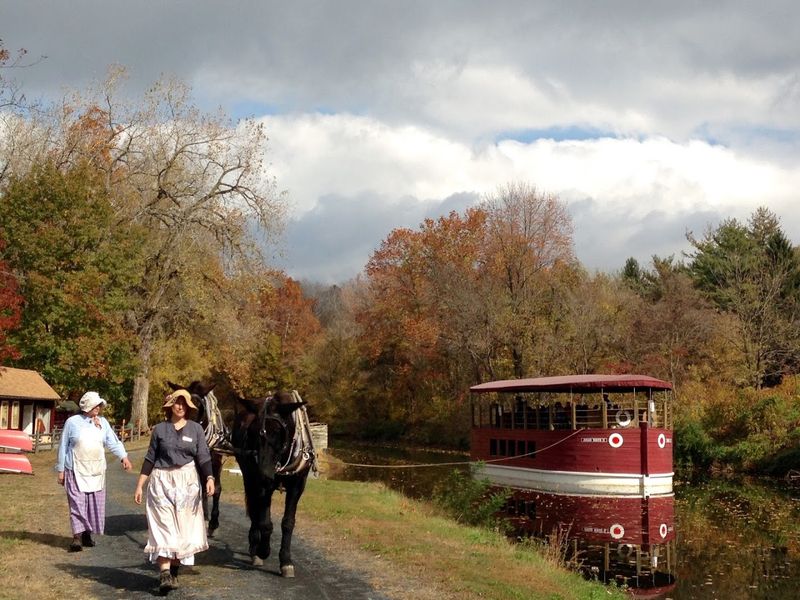
Before railroads reshaped American transportation, canals were the highways of commerce, and the National Canal Museum in Easton, Northampton County, does a remarkable job of telling that largely forgotten story.
Easton sits at the confluence of the Lehigh and Delaware Rivers, which made it a natural hub during the canal era of the early 1800s, and the museum’s location in Hugh Moore Park reflects that history directly.
Inside, exhibits explain how the canal system worked, from the engineering of locks and aqueducts to the lives of the families who lived and worked aboard the boats.
In season, the museum also offers rides on the mule-drawn Josiah White II canal boat along a restored section of the Lehigh Canal, making the experience hands-on in the best possible way.
As of early March 2026, though, the museum is closed for the season and the canal boat is not currently running.
Few people realize how central canals were to Pennsylvania’s economic rise, and this museum fills that gap with clarity and real charm when it is in season.
12. Landis Valley Village and Farm Museum, Lancaster, Pennsylvania
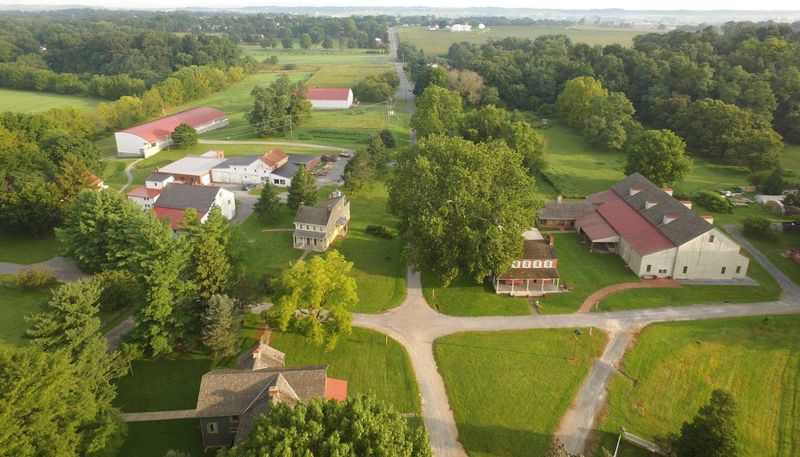
Lancaster County is famous for its Amish communities, but Landis Valley Village and Farm Museum offers a different and equally rich slice of Pennsylvania’s rural heritage, focused on the broader Pennsylvania German culture that shaped this region for centuries.
The museum complex spans over 100 acres and includes more than 30 historic structures, from log houses and taverns to a country store and a firehouse, all filled with authentic artifacts from Pennsylvania German farm life.
Living history demonstrations bring the site to life throughout the year, with interpreters showing traditional crafts like tinsmithing, weaving, and pottery-making using period-accurate tools and techniques.
The heirloom seed program run by the museum is quietly famous among gardening enthusiasts, preserving plant varieties that would otherwise be lost to history.
Autumn is a particularly good time to visit, when harvest festivals fill the grounds with activity, color, and the smell of freshly baked goods. Landis Valley rewards slow, unhurried exploration.
13. America On Wheels Museum, Allentown, Pennsylvania
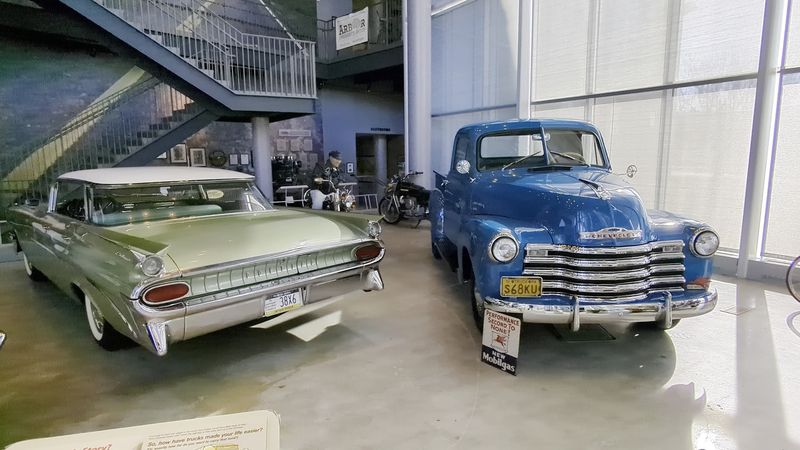
Located in Allentown in Lehigh County, America On Wheels Museum covers the full sweep of American land transportation history across a beautifully designed 43,000-square-foot space.
The collection spans everything from antique bicycles and early horseless carriages to mid-century muscle cars and commercial trucks, arranged in themed galleries that trace how Americans moved across the country over the past 200 years.
One of the museum’s standout connections is its deep tie to Mack Trucks, a nod to Allentown’s long association with the brand.
Interactive stations help keep the experience engaging beyond simply looking at vehicles. Rotating special exhibitions ensure that even repeat visitors find something new each time.
America On Wheels is a surprisingly absorbing stop that earns its place on any Pennsylvania road trip itinerary.
14. Zippo/Case Museum and Flagship Store, Bradford, Pennsylvania
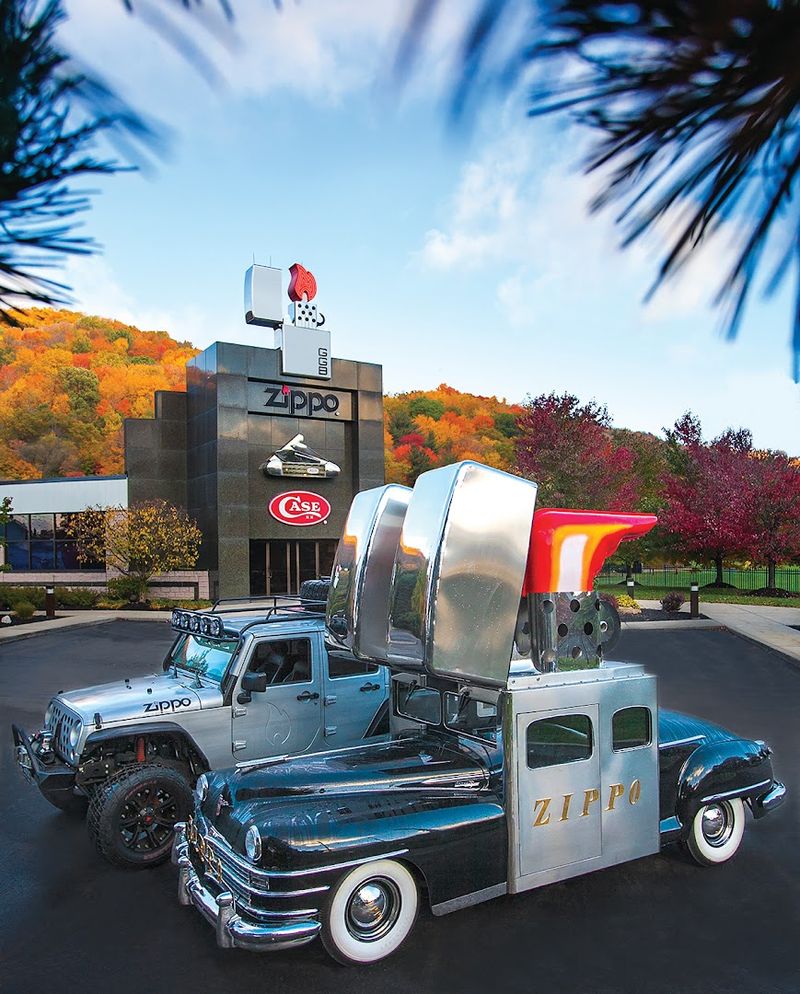
Bradford, in McKean County in the far northwestern corner of Pennsylvania, is home to one of the most niche and unexpectedly delightful museums in the entire state: the Zippo/Case Museum, dedicated to two iconic American brands that have been made in this region for generations.
Zippo Manufacturing Company has been producing its famous windproof lighters in Bradford since 1932, and the museum traces that entire history through rare prototypes, limited edition designs, and the legendary repair department where Zippo honors its lifetime guarantee on every lighter ever made.
The Case knife collection displayed alongside it spans over a century of American blade-making tradition, with intricate handle materials and designs that reflect changing tastes across different eras.
The flagship store carries current products and collectibles, making it easy to leave with a genuine piece of American manufacturing history in your pocket.
Bradford is a long drive from most of Pennsylvania’s major cities, but the Zippo/Case Museum makes the trip feel completely worthwhile.