
11 Pennsylvania Small-Town Foods That Never Make It Past State Borders
Growing up in rural Pennsylvania, I was lucky enough to discover a culinary world that most outsiders never get to experience.
These dishes weren’t just food—they were traditions woven into the rhythm of everyday life, appearing at family reunions, tucked into the menus of small-town diners, and served proudly at church potlucks. While the rest of the country might think they know Pennsylvania through cheesesteaks or soft pretzels, those barely scratch the surface.
Hidden across our state are 11 hometown delicacies that remain deliciously local, passed down through generations and stubbornly resisting the pull of fame beyond state lines.
1. Lebanon Bologna: The Tangy Lunchbox Surprise
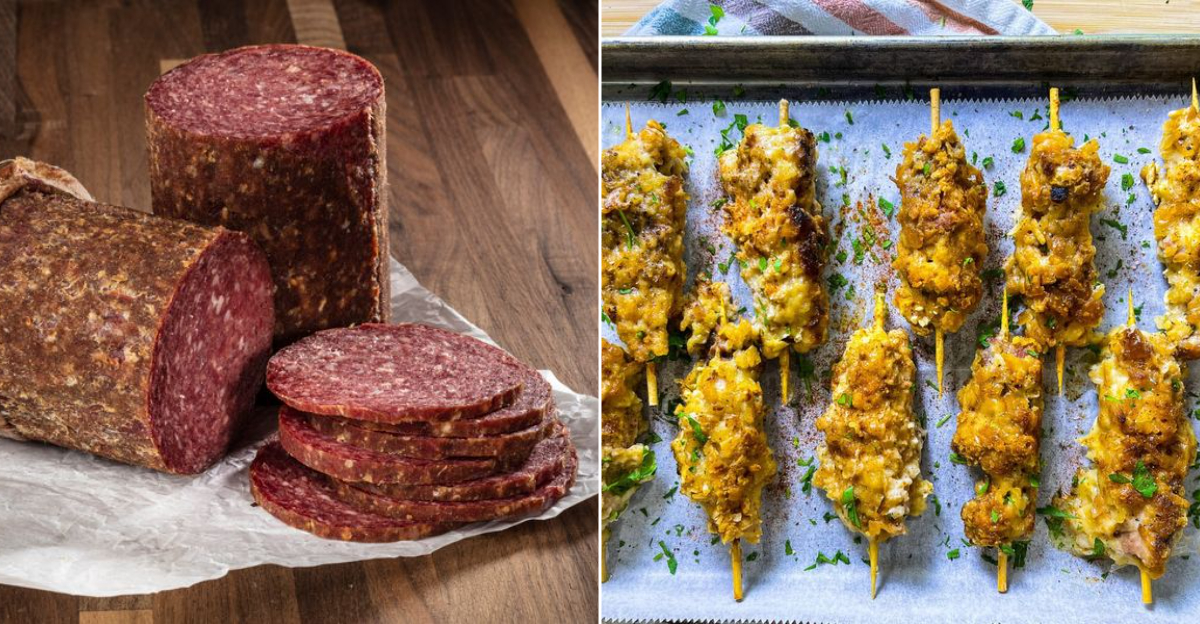
My grandmother’s refrigerator always held a roll of this deep red, fermented beef sausage. Unlike its Italian namesake, Lebanon Bologna packs a distinctive tangy flavor that’s simultaneously sweet, smoky, and spicy.
Kids across central Pennsylvania grow up with these slices in their sandwiches, often paired with cream cheese on white bread – a combination that puzzles outsiders but delights locals. The bologna originated with Pennsylvania Dutch settlers who needed preserved meats for winter.
The authentic stuff comes exclusively from Lebanon County manufacturers who guard their centuries-old recipes with fierce pride. Sweet or regular, thick-cut or thin, this polarizing meat remains a nostalgic taste of home for Pennsylvanians everywhere.
2. Shoofly Pie: Molasses Magic in a Crust
Breakfast dessert exists in Pennsylvania, and Shoofly Pie proves it! This molasses-based pie with its crumbly topping first graced my plate during childhood visits to Lancaster County farmers’ markets. Pennsylvania Dutch housewives created this sweet treat when fresh fruit wasn’t available.
The name supposedly comes from needing to shoo flies away from the sticky, sweet filling. Split into two varieties – dry bottom with cake-like consistency or wet bottom with gooey molasses layer – locals debate which version reigns supreme.
The simple ingredients (molasses, flour, brown sugar) belie its complex flavor profile. Each bite delivers a warm, spiced sweetness that’s become synonymous with Pennsylvania Dutch country comfort food.
3. Hog Maw: Farmhouse Feast in a Stomach
Nothing showcases Pennsylvania’s waste-not philosophy better than Hog Maw! This farm-to-table dish shocked my city friends when I described Grandma stuffing a pig’s stomach with potatoes, sausage, and cabbage before roasting it to perfection.
The cleaned pig stomach serves as both cooking vessel and edible casing. Inside, the ingredients meld together as they slow-roast, creating a hearty, savory meal that sustained generations of farmers through cold winter months.
Pennsylvania Dutch families still serve this during New Year celebrations, believing it brings good fortune. While the concept makes outsiders squeamish, locals know the tender, flavorful filling and crispy exterior create an unmatched comfort food experience worth getting past the unusual presentation.
4. Whoopie Pies: The Cookie-Cake Hybrid
Found in my lunchbox on lucky days, these flying-saucer-shaped treats feature two chocolate cake discs sandwiching sweet, fluffy cream filling. The Amish supposedly named them when children shouted “Whoopie!” upon discovering them in their lunch pails.
Making these at home became a family tradition. Mom would let me lick the beaters covered in marshmallow cream while we assembled dozens for church functions and bake sales. The classic chocolate version reigns supreme, but pumpkin varieties emerge every fall, causing seasonal excitement.
Maine famously tries claiming this treat as their own, but Pennsylvanians know better. The Amish markets of Lancaster County still make them the traditional way – hand-sized, generously filled, and perfectly portable for field workers and school children alike.
5. Scrapple: Breakfast’s Controversial Hero
My father insisted I try scrapple before hearing what’s in it – wise advice for approaching this polarizing breakfast meat. This Pennsylvania Dutch creation combines pork scraps and trimmings with cornmeal and spices, formed into loaves, then sliced and fried until crispy outside and soft inside.
Saturday mornings meant the distinctive sizzle of scrapple hitting the cast iron skillet. We’d drown the crispy slices in maple syrup, creating that perfect sweet-savory combination that divides households across the state.
Explaining scrapple to out-of-staters always raises eyebrows. The phrase “everything but the oink” usually enters the conversation, yet this humble breakfast meat represents Pennsylvania’s practical approach to cooking – transforming humble ingredients into something deliciously distinctive.
6. Chow-Chow: The Garden’s Greatest Hits
Opening my aunt’s homemade Chow-Chow always felt like unleashing summer in a jar. This colorful pickled relish combines whatever vegetables were abundant at harvest – corn, beans, cauliflower, carrots, and peppers swimming in sweet-tangy brine.
Pennsylvania Dutch families developed this preservation method to use garden leftovers before frost arrived. The name likely derives from the French word “chou” (cabbage), though some claim it’s because they threw “everything but the kitchen sink” into the mix. Every family guards their recipe fiercely, adjusting spice levels and vegetable ratios.
The rainbow-colored condiment brightens winter meals, particularly alongside hearty dishes like pork and sauerkraut. One spoonful instantly transports me back to my grandmother’s kitchen, where Mason jars lined the basement shelves like edible stained glass.
7. Birch Beer: Pennsylvania’s Crimson Soda
Ruby-red foam mustaches marked summer days at my grandparents’ cabin. Pennsylvania’s signature soda outshines root beer with its distinctive wintergreen zip derived from birch bark oil. Local bottlers like Kutztown and Reading Draft still produce this fizzy treat the old-fashioned way.
The deep red variety remains most popular, though clear and brown versions exist too. Finding this soda outside Pennsylvania borders proves nearly impossible, making it a prized souvenir for visitors. County fairs and amusement parks across the state feature birch beer stands where generations line up for a cold cup.
The flavor hits differently than mass-produced sodas – less sweet, more herbal, with a clean finish that perfectly cuts through humid Pennsylvania summers. One sip instantly connects me to centuries of regional refreshment.
8. City Chicken: The Meat Dish That Isn’t Chicken
Discovering City Chicken isn’t chicken creates the perfect Pennsylvania food plot twist! This Depression-era creation features cubed pork and veal skewered on wooden sticks, breaded, and fried to resemble chicken drumsticks. My Polish-Pennsylvania grandmother served these at Sunday dinners alongside mashed potatoes.
The dish emerged when chicken was pricier than pork in urban areas, allowing city dwellers to mimic chicken dishes affordably. Despite chicken becoming more accessible, the tradition stuck around western Pennsylvania and the Pittsburgh region.
The meat gets incredibly tender after browning and slow-cooking. Regional variations exist – some families finish them in gravy, others bake instead of fry. This resourceful dish represents Pennsylvania’s immigrant influences and practical cooking approaches, creating something delicious from necessity.
9. Fastnachts: Pre-Lenten Potato Donuts
Fat Tuesday transformed into Fastnacht Day in my Pennsylvania childhood. These dense, square donuts without holes appeared just once yearly – the day before Ash Wednesday when households traditionally used up sugar and fat before Lenten fasting began.
The Pennsylvania Dutch creation incorporates mashed potatoes into the dough, yielding a distinctive texture unlike any chain donut shop offering. Some families coat them in granulated sugar, others prefer powdered, while purists eat them plain or with molasses.
Church basements across the state buzz with production lines each February or March as volunteers roll, cut, and fry thousands to meet community demand. The name comes from German “fastnacht” meaning “fast night.” These humble treats connect modern Pennsylvanians to their immigrant ancestors through taste, tradition, and timing.
10. Potpie Noodles: Not Your Typical Pie
Pennsylvania Dutch potpie defies expectations – no crust appears anywhere! Instead, hearty squares of homemade egg dough cook directly in chicken broth with meat and vegetables, creating something between soup and stew. Watching my grandmother roll dough paper-thin before cutting it into rough squares fascinated me as a child.
The thick, chewy noodles absorb the rich broth while cooking, making each spoonful substantive and warming. Family gatherings centered around enormous pots bubbling with this one-dish meal. The name confuses outsiders expecting a baked dish with top and bottom crusts.
Some historians believe “pot pie” simply meant “boiled dinner with pie dough.” Whatever its origins, this humble, filling creation sustains Pennsylvania families through harsh winters with simple ingredients transformed through technique rather than complexity.
11. Sticky Buns: Breakfast Indulgence Extraordinaire
Sunday mornings meant one thing in our house – sticky buns! These spiraled pastries dripping with buttery caramel and pecans originated with Pennsylvania Dutch bakers who perfected the art of enriched yeast dough. Philadelphia claims sticky bun supremacy, though German settlers brought similar recipes across Pennsylvania.
The aroma of cinnamon and brown sugar caramelizing as they bake signals weekend indulgence to generations of Pennsylvanians. Unlike cinnamon rolls with frosting, authentic sticky buns feature a gooey bottom that becomes the top when inverted after baking.
Family bakeries still make them the traditional way – hand-rolled, generously filled, and baked until the sugar creates that signature sticky coating. Enjoying one fresh from the oven alongside strong coffee remains a quintessential Pennsylvania breakfast experience that rarely translates beyond state lines.