
10 Pennsylvania Towns Losing Residents As Their Populations Keep Getting Older
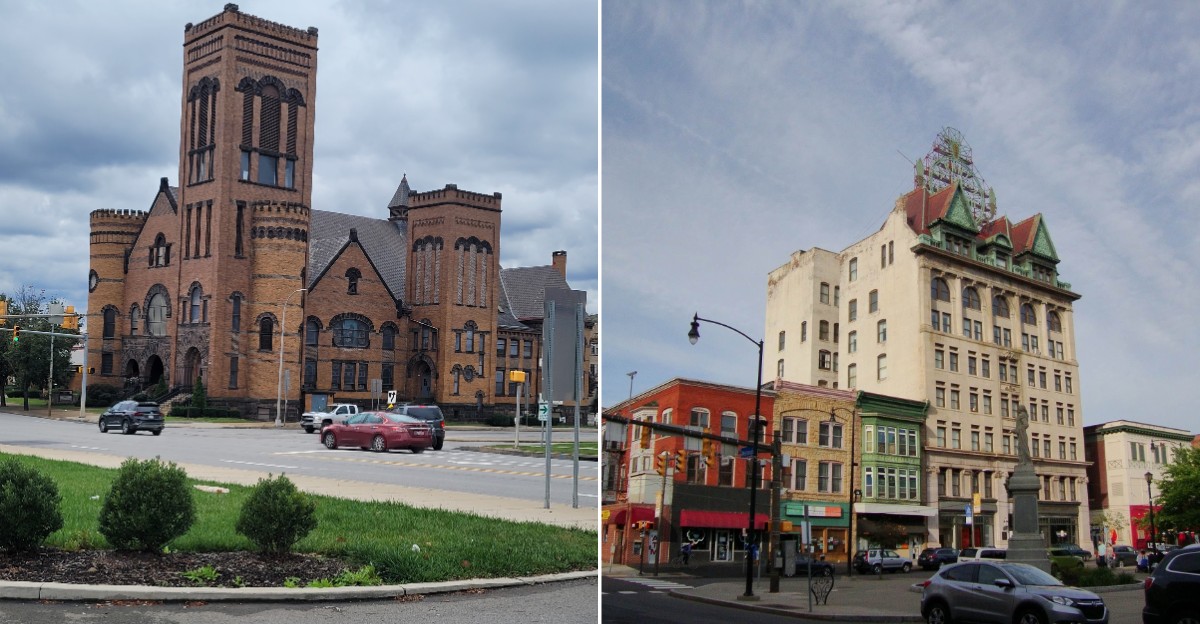
A town can keep the same courthouse, the same diner, and the same familiar streets while the people living there slowly change around it.
That quiet shift is happening in parts of Pennsylvania, where some communities are losing residents as their populations grow older.
Fewer young families, changing job patterns, and longtime residents aging in place can alter the rhythm of a town without making headlines.
The storefronts may still look familiar, but schools, local businesses, housing, and everyday routines can start telling a different story.
I noticed that once while revisiting a small town after several years away.
The buildings looked almost exactly as I remembered them, yet the sidewalks seemed quieter and the conversations I overheard were mostly between people who had clearly known each other forever.
I bought coffee, sat near the window, and realized the town had changed without looking changed. That contrast stayed with me long after I left.
1. Johnstown, Pennsylvania
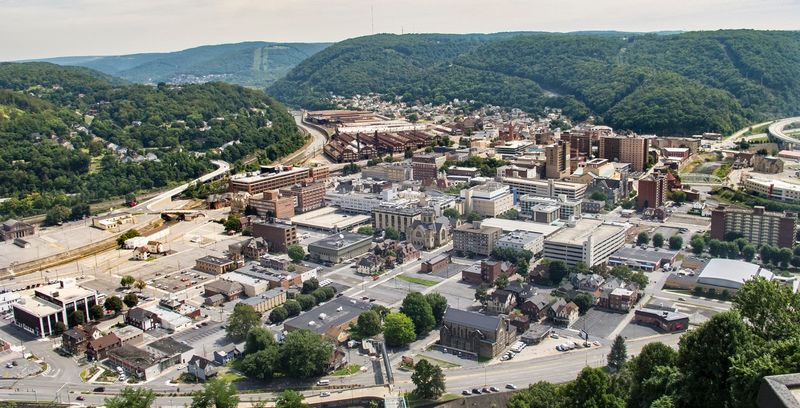
Steel built this valley town, and its hills still hold memories of a much bigger crowd.
Johnstown, in western Pennsylvania, once had around sixty thousand people in the early twentieth century.
Today, the city has fewer than twenty thousand residents, and a large share of them are older adults.
When the steel mills slowed down in the late twentieth century, many younger workers left to find jobs elsewhere. Those who stayed often raised families and retired right where they grew up.
History runs deep in Johnstown. The famous 1889 flood shaped the town, and you can learn all about it at local museums and the national memorial nearby.
One fun detail is the Johnstown Inclined Plane, often called one of the steepest vehicular inclines in the world. It can carry cars up the hillside, which is pretty wild to see.
For visitors, the city offers affordable stays, river views, and a slower pace. Local leaders are working on outdoor recreation, like whitewater paddling and trails, to attract new faces.
If you want a town with grit and heart, start your wander at 401 Main St, Johnstown, PA 15901, and let the hills tell their story.
2. McKeesport, Pennsylvania
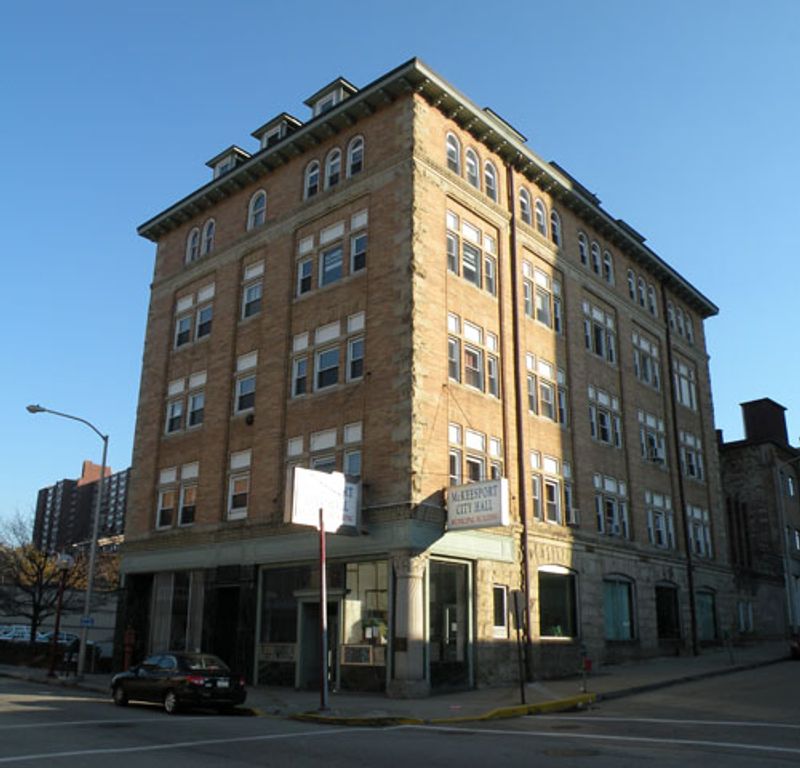
Two rivers meet right here, but fewer people meet on the sidewalks than in the old days.
McKeesport sits where the Youghiogheny River joins the Monongahela, just southeast of Pittsburgh in Pennsylvania.
During its steel heyday, the city had more than fifty thousand people.
Now the population sits under twenty thousand. Much of that drop came after the big tube works closed, sending workers and their kids looking for new paychecks.
Many longtime residents chose to stay, which explains why the town leans older today. You will spot neighbors who remember when the downtown was packed with shoppers every Saturday.
McKeesport has some neat surprises, though. Renziehausen Park is home to a lovely rose garden and arboretum, a nice spot for a calm stroll.
The Great Allegheny Passage trail also runs nearby, bringing cyclists through on their way between Pittsburgh and Washington, D.C. That trail traffic gives local businesses a welcome boost.
Homes here are often very affordable, which may tempt younger buyers back over time. Peek in on the city’s civic heart at 500 Fifth Ave, McKeesport, PA 15132, before rolling onward down the river.
3. Greensburg, Pennsylvania
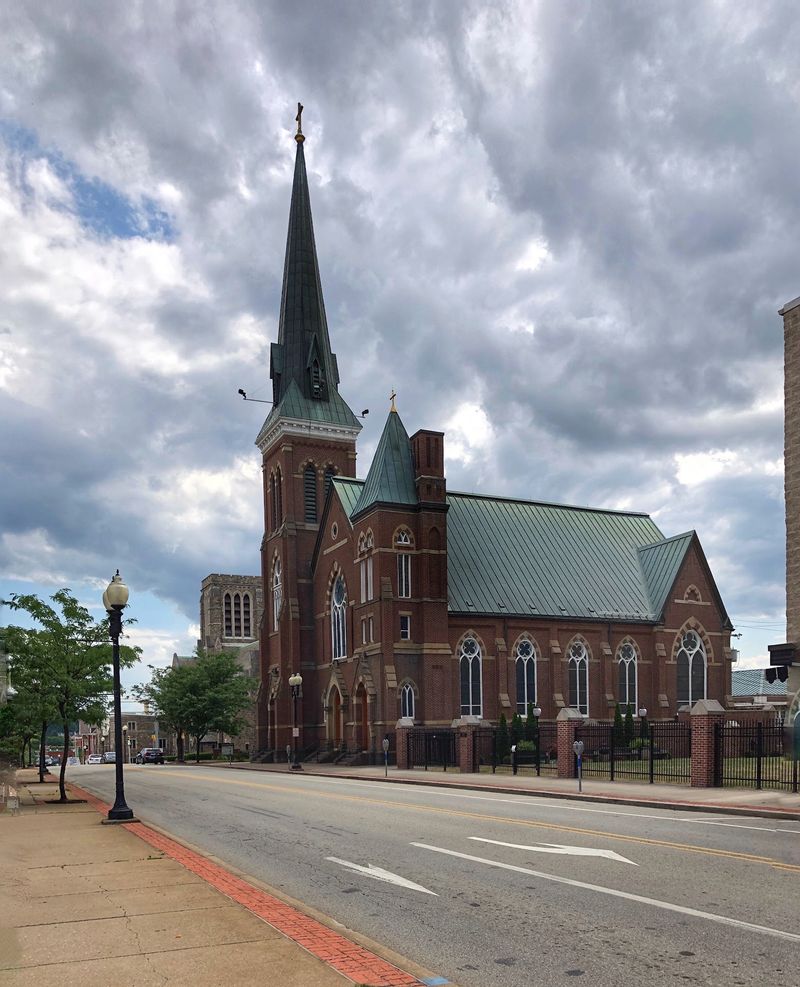
A gleaming courthouse dome watches over a county seat that keeps changing with real grace.
Greensburg is the seat of Westmoreland County in southwestern Pennsylvania. Its population has dipped over the decades, and the median age runs lower than the national average.
Part of the reason is simple. Many young adults head to Pittsburgh or out of state for careers, while retirees enjoy the calm streets and nearby healthcare.
The good news is that Greensburg has plenty going on for a smaller city. The Westmoreland Museum of American Art is a standout, with a focus on artists from the region and beyond.
The Palace Theatre downtown hosts concerts and shows, giving the town a lively evening feel. It has been entertaining folks since the 1920s.
Seton Hill University and the University of Pittsburgh at Greensburg also bring in students. Those campuses add some youthful energy to an otherwise mature crowd.
Grab a coffee, admire the courthouse, and take in the classic architecture. A good place to begin your visit is 416 S Main St, Greensburg, PA 15601, right in the middle of the action.
4. Oil City, Pennsylvania
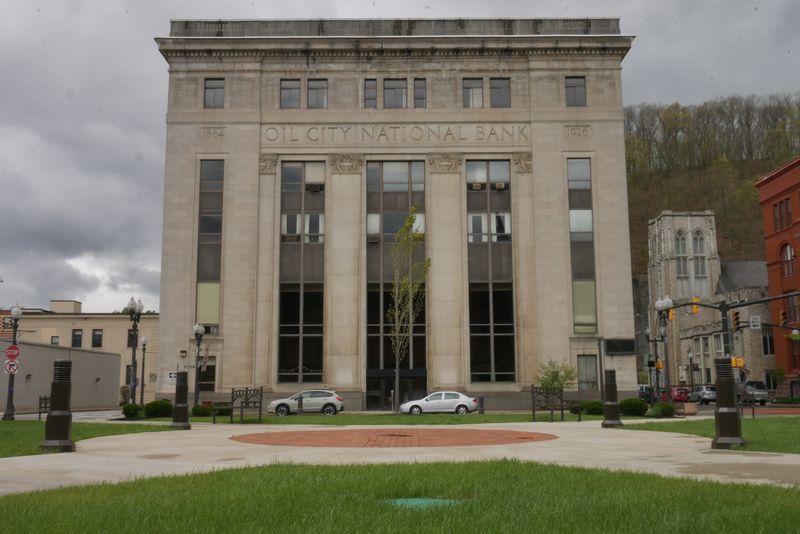
Black gold once made this river town boom, and now it shines with a quieter kind of glow.
Oil City sits where Oil Creek meets the Allegheny River in northwestern Pennsylvania. The world’s first commercial oil well was drilled nearby in 1859, kicking off a major industry.
At its peak, Oil City had around twenty thousand residents. Today, it has fewer than ten thousand, and many of them are older adults with deep family roots.
Big oil companies eventually moved their offices away, and jobs went with them. Younger people followed, leaving behind gorgeous Victorian homes on the hillsides.
Those homes are part of the charm. The North Side neighborhood is packed with fancy old houses built during the oil rush.
Nature lovers will enjoy the Oil Creek State Park area and its bike trail. The Allegheny River is also great for kayaking on summer afternoons.
Oil City has been pushing an arts scene to draw creative newcomers, offering a fresh chapter for an old boomtown. Stop by 21 Seneca St, Oil City, PA 16301, and see how history and new ideas are mixing here.
5. Meadville, Pennsylvania
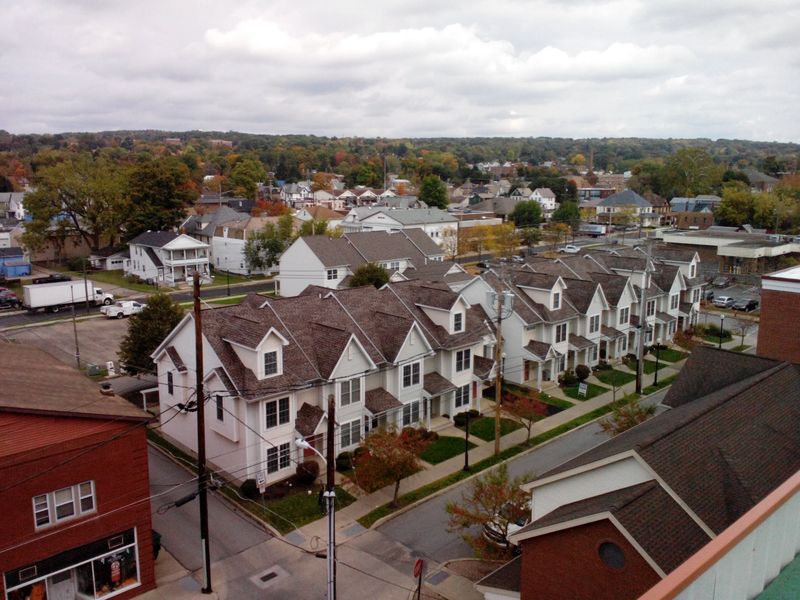
Ever heard of the zipper? Meadville played a big role in making that handy invention common.
This small city in Crawford County, northwestern Pennsylvania, was home to Talon, a major zipper maker for decades. Back then, factory jobs kept families settled and the population steady.
Over time, manufacturing faded and the population slipped. Meadville has slowly lost residents, while its median age remains below Pennsylvania’s average.
Allegheny College helps balance things out. Students fill coffee shops and add a youthful buzz during the school year, though many leave after graduation.
Diamond Park is the town’s green heart. Surrounded by churches and the courthouse, it is a lovely place to sit on a bench and people watch.
The Market House is another treat, often called one of the oldest continuously operating markets in the state. Local vendors sell fresh produce and handmade goods there.
Nearby Conneaut Lake and the Erie National Wildlife Refuge make easy side trips for outdoor fans.
Spend a slow morning around 894 Diamond Park, Meadville, PA 16335, and you may wonder why anyone would leave such a peaceful place.
6. New Castle, Pennsylvania
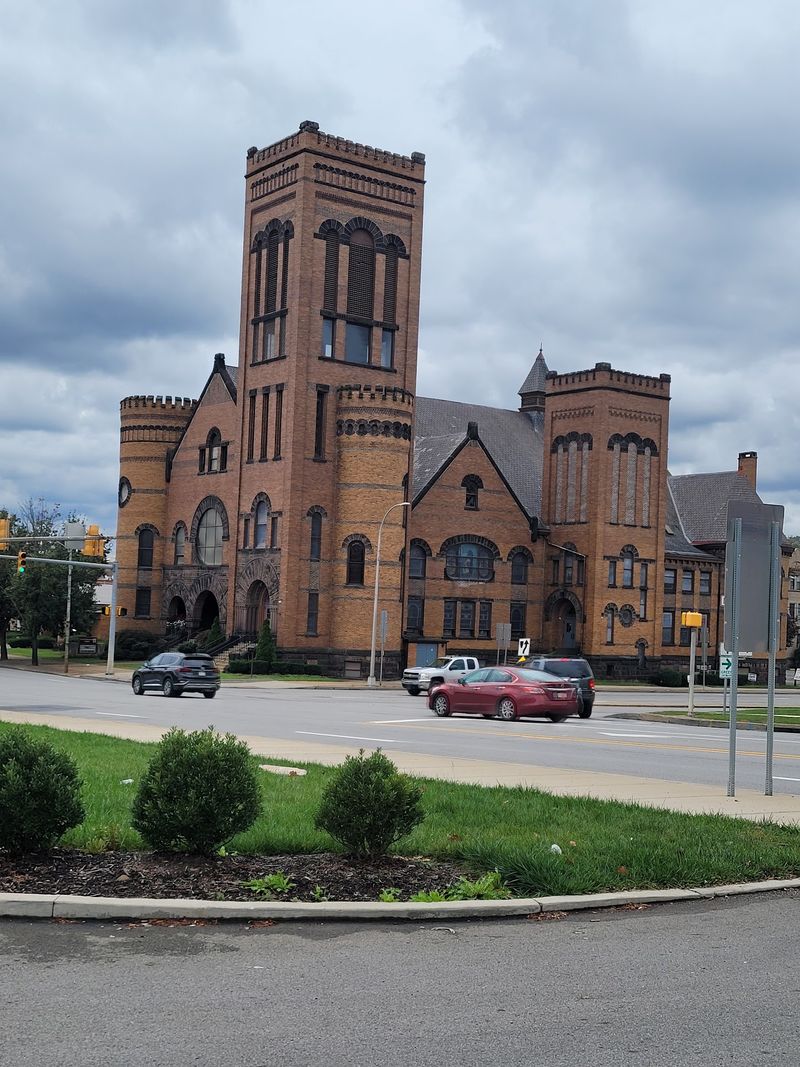
They call it the Fireworks Capital of America, yet its population story is more of a slow fizzle.
New Castle, in Lawrence County, western Pennsylvania, remains home to Pyrotecnico, while Zambelli traces its roots to the city. Both companies produce fireworks displays across the country.
Still, the city has lost more than half its peak population since the mid twentieth century. Tin mills and other factories closed, and many younger residents moved away for work.
Those who stayed are getting older, which shows in the city’s high median age. Lots of families have lived here for several generations.
New Castle has a proud Italian American community, and food is a big part of local life. Try the hot dogs with chili sauce, a regional favorite that locals defend fiercely.
Cascade Park offers walking paths, a waterfall, and a fun place to relax on weekends. It once held an amusement park, and traces of that past still linger.
Big old buildings and low housing prices give the city real potential for a comeback. Swing by 230 N Jefferson St, New Castle, PA 16101, and catch a spark of that hometown spirit.
7. DuBois, Pennsylvania
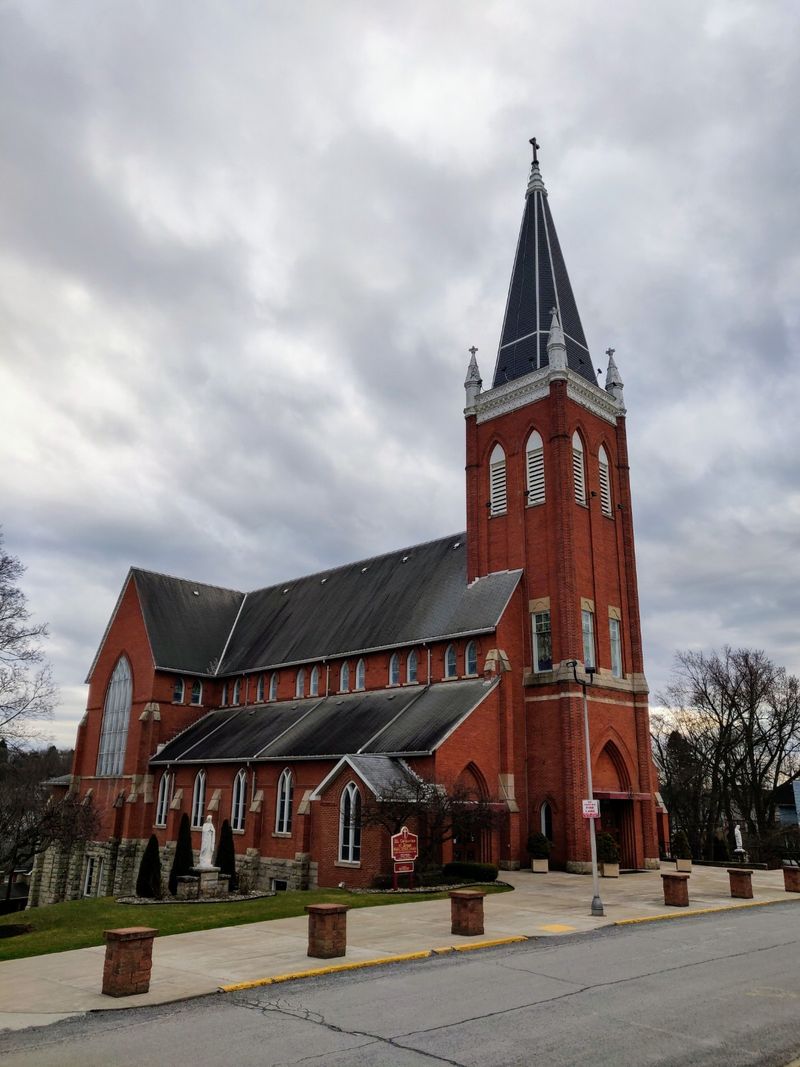
Out in the Pennsylvania Wilds, one little city keeps its lights on with steady small town pride.
DuBois sits in Clearfield County, in northwestern central Pennsylvania. Lumber and coal helped build the city, and railroads made it a busy crossroads.
Like many rural places, DuBois has seen its population slowly shrink. The city has lost residents since 2020, but Census-based estimates show its median age has moved lower overall.
Healthcare plays a big role here. Penn Highlands DuBois is a major employer, which also makes the area appealing for retirees who want care close to home.
Penn State DuBois remains open through spring 2027, when the campus is scheduled to close permanently. Current students still bring some youthful energy downtown.
Outdoor fans have plenty to love. Parker Dam State Park and the vast forests of the region are close by, perfect for hiking and spotting wildlife.
Fall is especially pretty, with colorful leaves wrapping the hills. Plan a scenic road trip and make a pit stop at 16 W Scribner Ave, DuBois, PA 15801, right where downtown life hums along.
8. Sharon, Pennsylvania
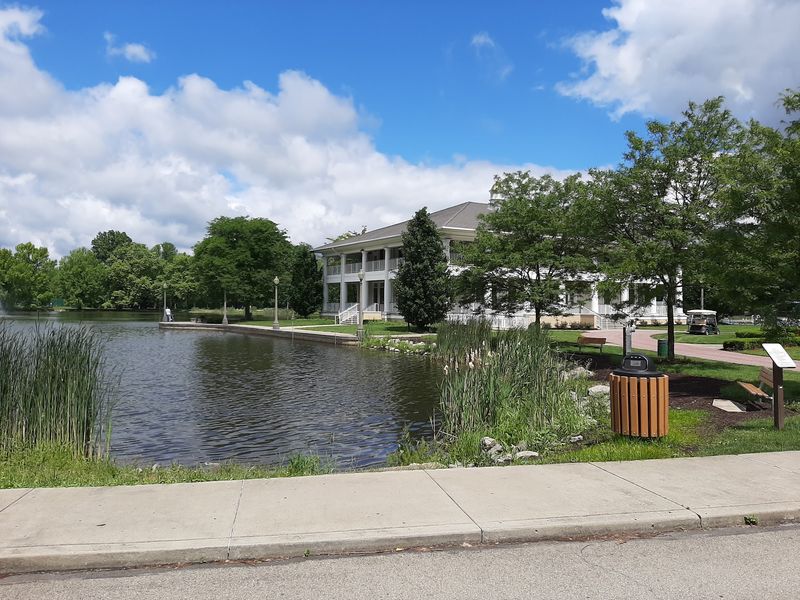
Sweet tooth alert, because this border town hides some serious chocolate along its quiet river.
Sharon sits on the Shenango River in Mercer County, right next to the Ohio state line. Steel once powered the local economy, and the city had over twenty thousand people at its height.
Today, the population is closer to thirteen thousand. When steel jobs faded, many younger families left, while longtime residents stayed and grew older together.
Here is the fun part. Sharon is known for Daffin’s Candies and its famous Chocolate Kingdom, filled with huge chocolate sculptures.
The area also once claimed a giant discount clothing store that drew shoppers from far away. That shopping fame shows how busy this corner of Pennsylvania used to be.
Small towns like Sharon often offer cheap housing and easy commutes. Some newcomers are taking notice, especially those who want a slower lifestyle.
The Shenango River gives the downtown a calm, scenic backdrop, nice for an evening walk after a candy run. Head toward 155 W Connelly Blvd, Sharon, PA 16146, and treat yourself to a little local sweetness.
9. Altoona, Pennsylvania
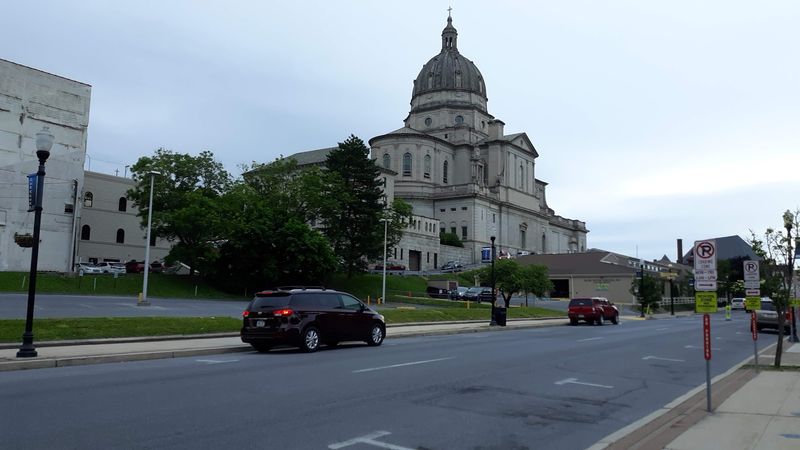
Train fans, get ready, because this mountain city practically runs on rails and railroad stories.
Altoona, in Blair County, central Pennsylvania, was founded by the Pennsylvania Railroad in the mid eighteen hundreds. It grew into a huge rail shop town with thousands of workers.
Once the railroad industry shrank, so did Altoona’s population. It peaked above eighty thousand and now sits around forty thousand, with a growing share of seniors.
Many retired railroad families still call Altoona home. Their stories give the city a warm, close knit feeling.
The Horseshoe Curve is the big star nearby. Trains bend around the mountainside in a dramatic loop, and watching them roll by is pure fun.
The Railroaders Memorial Museum downtown digs into the city’s history. You can learn how workers built and repaired locomotives here for generations.
Lakemont Park is home to Leap-the-Dips, the world’s oldest surviving roller coaster, inactive since 2023.
Kick off your Altoona adventure near 1301 12th St, Altoona, PA 16601, and keep your ears open for that train whistle.
10. Scranton, Pennsylvania
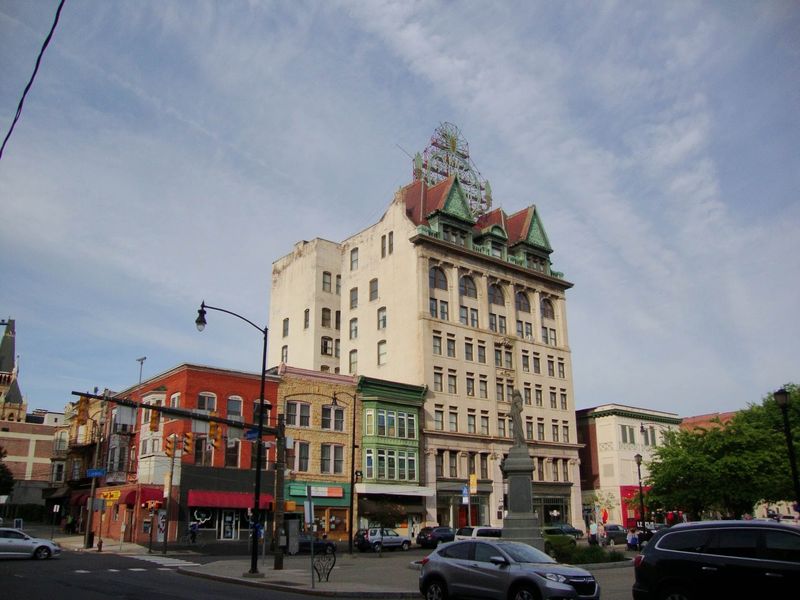
Thanks to a hit TV comedy, plenty of folks know this name, but its real history runs deeper.
Scranton is in Lackawanna County, northeastern Pennsylvania. Coal mining and railroads helped it grow into a major city, with over one hundred forty thousand people around 1930.
After coal faded, the population fell a lot. Today, Scranton has around seventy-five thousand residents, and many neighborhoods have a large number of older adults.
Recently, the decline has slowed, and some newcomers are moving in. Still, the city’s median age remains lower than Pennsylvania and the country overall.
History buffs will love Steamtown National Historic Site, which celebrates the age of steam trains. The Lackawanna Coal Mine Tour even takes you underground into a real mine.
Nay Aug Park offers trails, a gorge, and quiet green space. It is a favorite spot for families and walkers.
The University of Scranton and other colleges add younger energy downtown. Of course, fans of that famous office show enjoy spotting landmarks around town too.
Start exploring at 340 N Washington Ave, Scranton, PA 18503, and see why this Electric City still has plenty of spark.