
Pennsylvania’s Cheesesteak Capital Isn’t Where You Think It Is
Most people think Philadelphia owns the cheesesteak crown, and honestly, I used to be one of them.
Then I spent a weekend in Reading, Pennsylvania, and took my first bite at a tiny corner shop that changed everything.
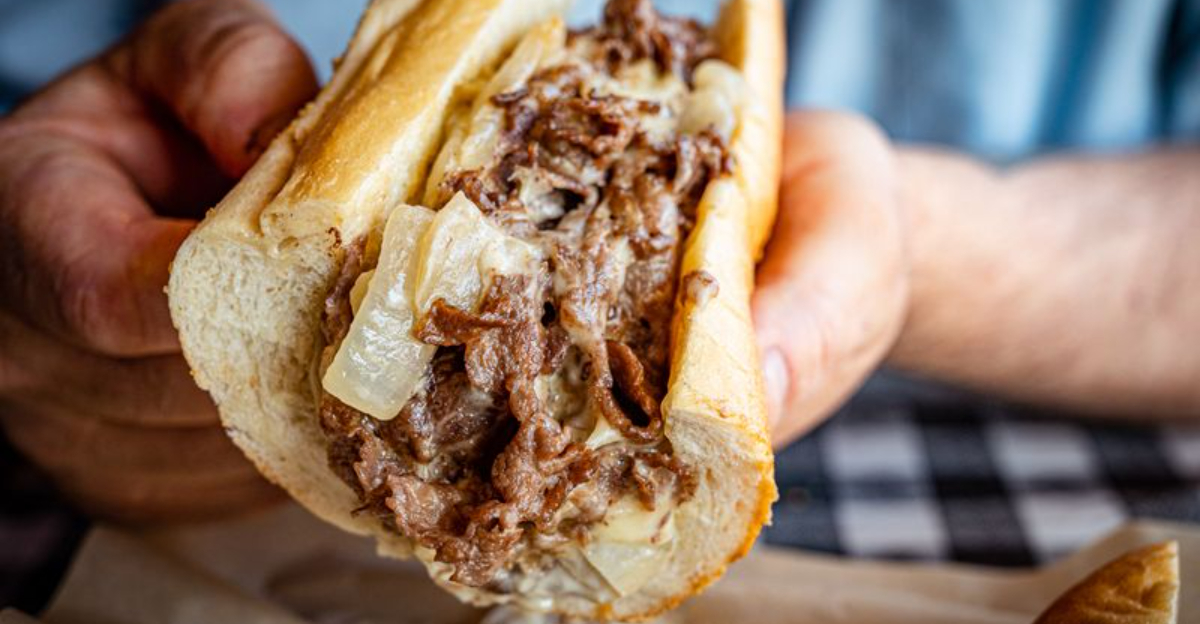
That sandwich—oozing with cheese, piled high with perfectly seasoned meat, wrapped in a roll that somehow held it all together made me realize the real cheesesteak capital might just be hiding in plain sight.
A Blue-Collar City With A Big Appetite
Reading built its reputation on steel mills and railroad yards, not fancy restaurants or tourist traps. Workers needed fuel, and cheesesteaks became the ultimate lunch break power move. I remember chatting with a retired factory worker who told me he ate cheesesteaks three times a week for thirty years straight—and he wasn’t even sick of them yet.
The city’s working-class roots shaped everything about its food culture. No frills, no fancy plating, just massive portions that stuck to your ribs and got you through a twelve-hour shift. That blue-collar mentality created cheesesteaks that prioritized substance over style, flavor over presentation.
Reading’s appetite never shrank, even as factories closed. The cheesesteak tradition survived because it meant something deeper than just food—it represented community, hard work, and home.
Forget Philly—Reading Does It Different
Philadelphia might have invented the cheesesteak, but Reading perfected it by refusing to follow the rules. While Philly obsesses over Whiz versus provolone, Reading shops experiment with pepper jack, Swiss, and even cheddar blends that would make purists gasp. The rebellion tastes incredible, though.
Reading cooks often season their meat differently, adding proprietary spice blends passed down through generations. Some places grill their onions until they’re practically caramelized candy, while others keep them crisp and sharp. My favorite spot adds a secret sauce that I’m pretty sure contains magic.
The rolls matter too—Reading bakeries produce slightly sweeter, softer bread that cradles the filling without falling apart. It’s not better or worse than Philly’s approach, just unapologetically different and delicious in its own right.
Where Every Corner Shop Has Its Own Secret Recipe
Walk through Reading and you’ll find cheesesteak shops tucked into neighborhoods where everyone knows the owner’s name and order history. Each place guards its recipe like a family heirloom because, well, it usually is one. I stumbled into one spot where the owner’s grandmother literally invented their signature seasoning in 1967.
These aren’t chain restaurants with corporate-approved ingredients. Every shop sources meat from different butchers, experiments with cheese ratios, and develops marinades that customers would probably riot over if they ever changed. Competition stays friendly but fierce.
The variety means you could eat cheesesteaks daily for a month and never have the same experience twice. Some shops lean heavy on garlic, others on paprika. One place I tried added a hint of cumin that somehow worked perfectly.
Cheesesteaks That Drip With Local Pride
Reading residents don’t just eat cheesesteaks—they defend them with the passion of sports fans at a championship game. Mention you prefer Philly’s version and watch the room temperature drop twenty degrees. I learned that lesson the hard way at a family barbecue where I innocently praised Pat’s Steaks.
The pride runs deeper than simple hometown loyalty. For many families, their favorite cheesesteak shop represents memories of childhood celebrations, post-game victories, and late-night comfort after tough days. These sandwiches carry emotional weight that outsiders might not immediately understand.
Local high schools even have unofficial cheesesteak rivalries, with students arguing passionately about which shop deserves the crown. That kind of investment creates quality because shops know they’re not just feeding customers—they’re maintaining legacies and earning bragging rights.
Family-Run Grills Keeping Old Traditions Alive
Third-generation owners still flip meat on the same griddles their grandparents installed decades ago. I watched a father teach his teenage daughter the exact wrist motion for chopping steak that his own father taught him in 1985. The technique matters, apparently, for achieving the perfect texture.
These families didn’t franchise or expand into shopping malls. They stayed small, stayed local, and kept doing exactly what worked. Many still hand-cut their meat daily, refusing to buy pre-sliced products that would save time but sacrifice quality.
The restaurants themselves feel like time capsules—vintage signs, worn countertops, and faded photos documenting decades of satisfied customers. Walking in feels less like visiting a restaurant and more like joining someone’s kitchen table, where the recipes and stories flow equally freely.
The Rivalries That Fuel Reading’s Flavor
Nothing improves quality quite like having your biggest competitor located exactly two blocks away. Reading’s cheesesteak scene thrives on friendly feuds that have lasted generations, with shops constantly trying to one-up each other on portion size, flavor, and customer loyalty. I’ve witnessed actual debates about whose cheese melts better.
Some rivalries trace back to family splits, where brothers or cousins opened competing shops after disagreeing about recipes. Others developed naturally as neighborhoods championed their local spots. The competition stays mostly good-natured, though owners definitely keep tabs on each other’s innovations.
Customers benefit enormously because no shop can afford to slack off or cut corners. Everyone brings their A-game daily, knowing that mediocre cheesesteaks mean losing business to the place down the street that’s been waiting for exactly that opportunity.
From Factory Floors To Food Fame
When Reading’s manufacturing industry collapsed, the city could have lost its identity entirely. Instead, former factory workers channeled their skills into the food industry, opening cheesesteak shops that required similar dedication, precision, and work ethic. One owner told me grilling cheesesteaks demands the same attention to timing he used on assembly lines.
The transition wasn’t always smooth, but the blue-collar mentality translated perfectly. These shop owners understood hard work, customer service, and the importance of consistency. They treated cheesesteak-making with the same seriousness they’d applied to manufacturing jobs.
Today, Reading’s cheesesteak reputation attracts food tourists who previously never considered visiting. The city found unexpected fame through sandwiches, proving that sometimes your greatest strength emerges from adapting traditions rather than abandoning them completely.
Why Locals Say The Real Cheesesteak Lives Here
Ask Reading residents why their cheesesteaks reign supreme and you’ll get answers ranging from “better meat” to “superior bread” to “we just care more.” They’re probably all correct. I’ve eaten cheesesteaks across Pennsylvania, and something about Reading’s versions just hits differently—maybe it’s the seasoning, maybe it’s the love.
Locals argue that Philly turned cheesesteaks into tourist attractions, sacrificing authenticity for volume and fame. Reading shops never faced that pressure, so they stayed true to original methods and flavors. They cook for neighbors, not Instagram, which apparently makes all the difference.
The real secret might be simpler: Reading never stopped believing in its cheesesteaks. While other cities chased trends, Reading perfected one thing and refused to apologize for it. That confidence, combined with genuine skill, created something worth celebrating.