
Pennsylvania’s Only U.S. President Left A 17-Room Mansion Preserved As If He Still Lived There
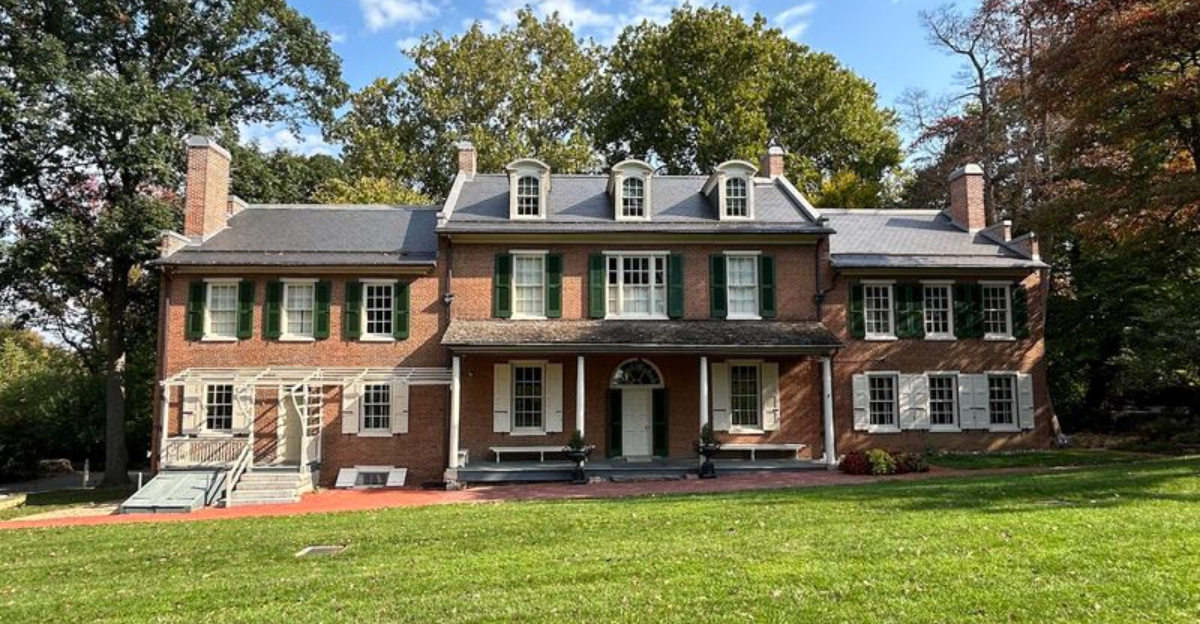
Walking into a historic mansion can feel a little like stepping through a thin crack in time, especially when the rooms still look ready for their owner to return at any moment.
That is the kind of experience this Pennsylvania landmark offers. It is not just a house with old furniture and polished wood.
It is a preserved glimpse into power, personality, and daily life from another era, where every room seems to hold a quiet echo of conversation, routine, and history in motion.
What makes a place like this so fascinating is the sense of immediacy. The details do the heavy lifting. A carefully arranged desk, a formal parlor, a dining room frozen in elegance, and suddenly the past stops feeling distant.
It becomes intimate, vivid, and surprisingly human. This is the kind of destination that blends presidential history with house-museum charm, giving visitors something richer than facts alone.
It offers atmosphere, curiosity, and that rare feeling of being close to a life you usually only read about in books.
I always love places like this because the moment I step into a preserved home and see how someone once lived, history stops feeling abstract and starts feeling real.
The Mansion Was Built In 1828 And Bought By Buchanan Iin 1848
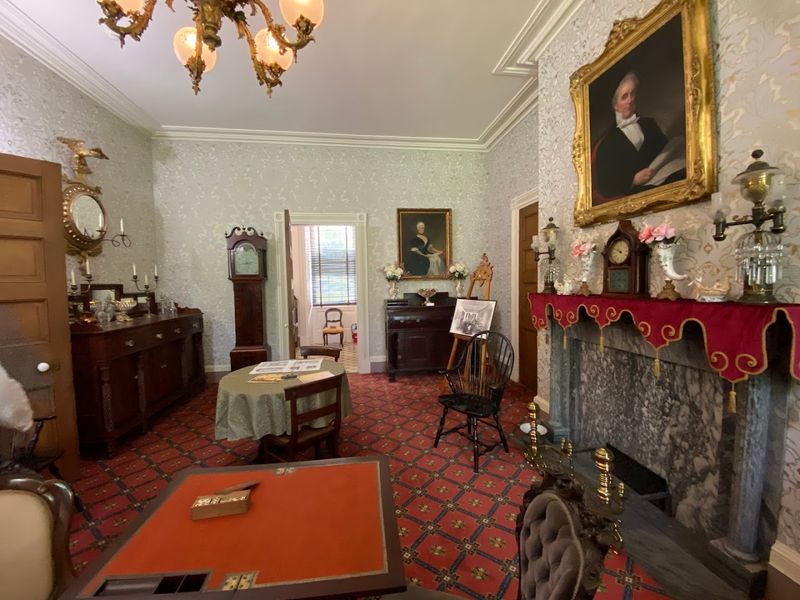
Long before Buchanan ever set foot inside, Wheatland was already a statement of elegance.
The mansion was constructed in 1828 by William Jenkins, a prosperous lawyer who wanted a country estate just outside Lancaster’s city center.
Buchanan purchased the property in 1848 for the sum of $6,750, which was a considerable amount at the time.
He immediately recognized the home’s potential as both a comfortable residence and a symbol of his status as a leading political figure.
The name “Wheatland” likely came from the surrounding wheat fields that stretched across the property when it was first established.
Buchanan made several updates to the home over the years, but he was careful to preserve its original Federal-style character.
It is worth knowing that Ohio’s presidential homes, while celebrated, rarely retain the same density of original furnishings that Wheatland proudly holds today.
Pennsylvania’s One And Only President Called Lancaster Home
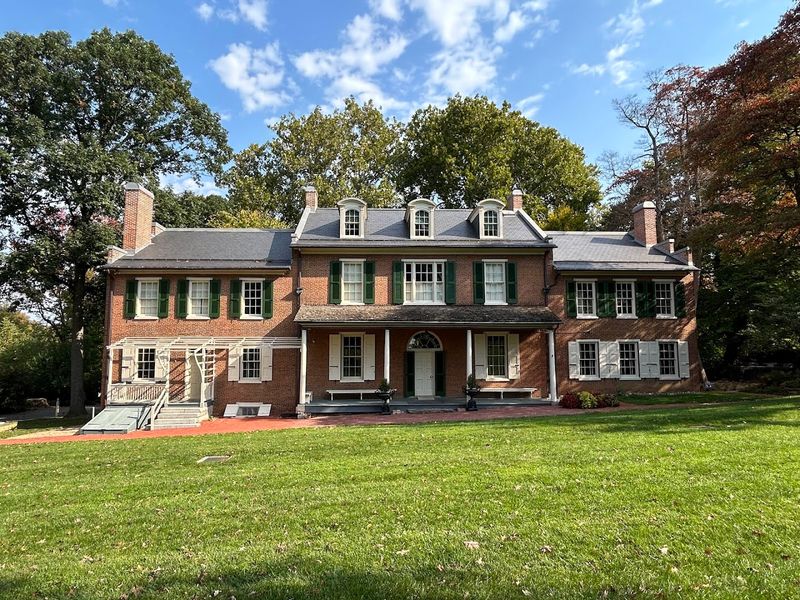
Out of all fifty states, Pennsylvania can claim just one president: James Buchanan, the 15th leader of the United States.
Born in Mercersburg, Pennsylvania, Buchanan spent much of his adult life in Lancaster, a city with deep colonial roots and a proud sense of history.
Wheatland became his private retreat, his political base, and eventually the home he returned to after leaving the White House in 1861.
Lancaster was no small-town backdrop either. It was a thriving hub of commerce and culture, and Buchanan fit right in among its prominent citizens.
Interestingly, Buchanan is also the only U.S. president who never married, making his household at Wheatland unique in presidential history.
Ohio has produced eight presidents, making Pennsylvania’s single contribution feel even more singular, but Wheatland proves that one is more than enough to leave a lasting legacy.
A Full 17 Rooms Filled With Original Buchanan Belongings
Most historic homes greet visitors with roped-off rooms and reproduction furniture. Wheatland takes a completely different approach.
The mansion’s 17 rooms are stocked with an extraordinary number of original pieces that actually belonged to Buchanan, his niece Harriet Lane, and his nephew James Buchanan Henry.
Portraits, personal correspondence, fine china, and period furniture sit exactly where they might have been used during Buchanan’s lifetime.
The sheer volume of authentic items on display is what sets this home apart from so many other presidential sites across the country.
Tour guides, often dressed in period clothing, walk guests through each room and bring the stories behind these objects to life. One reviewer noted that the home feels genuinely lived-in rather than staged.
Ohio’s presidential museums are impressive in their own right, but few can match the intimacy that comes from seeing a president’s actual everyday possessions up close.
Harriet Lane: The Niece Who Ran The White House
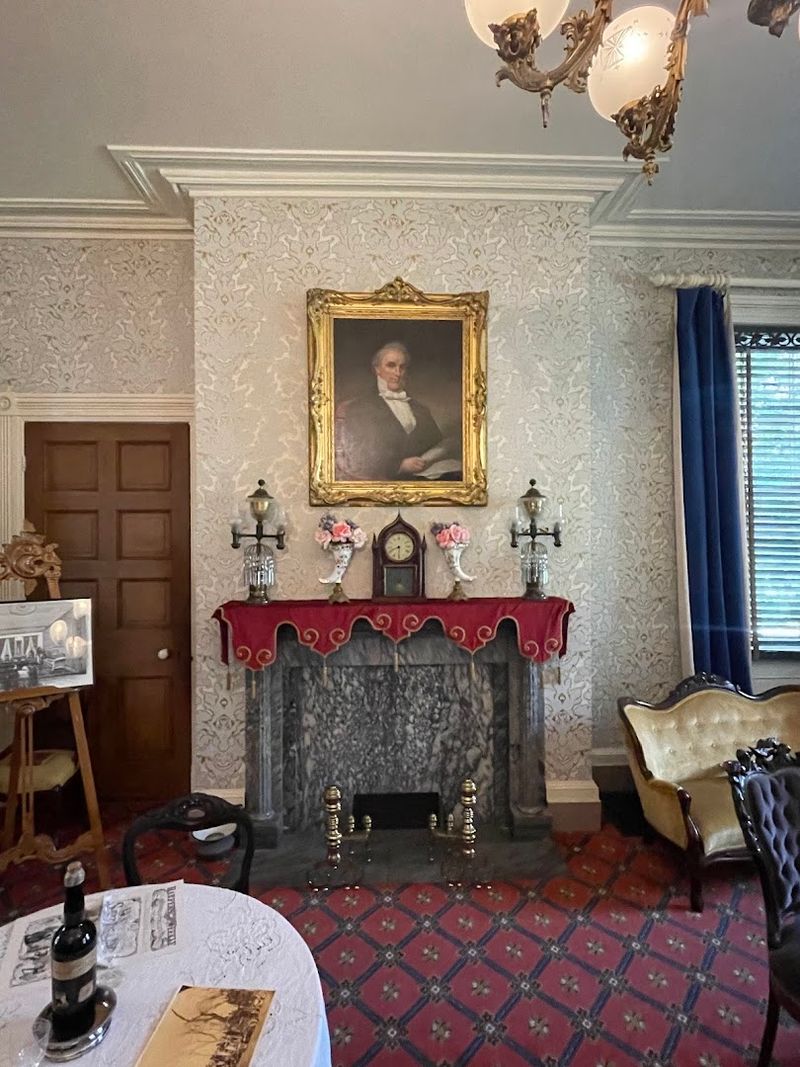
Since Buchanan never married, someone had to serve as his official White House hostess, and that responsibility fell to his orphaned niece, Harriet Lane. She was not simply a stand-in.
Harriet became one of the most celebrated social figures of the era, admired for her grace, intelligence, and political savvy.
She lived at Wheatland both before and after Buchanan’s presidency, and her presence is felt throughout the home.
Many of the furnishings and decorative items on display at Wheatland were hers, adding another rich layer to the mansion’s story.
Harriet was also a passionate supporter of the arts and is considered a founding figure of the Smithsonian American Art Museum.
Her life story is so compelling that some tour guides spend considerable time discussing her contributions.
As one visitor noted, learning about Harriet at Wheatland felt like discovering a hidden chapter of American history that deserves far more recognition.
Buchanan Ran His 1856 Presidential Campaign From Wheatland’s Front Porch
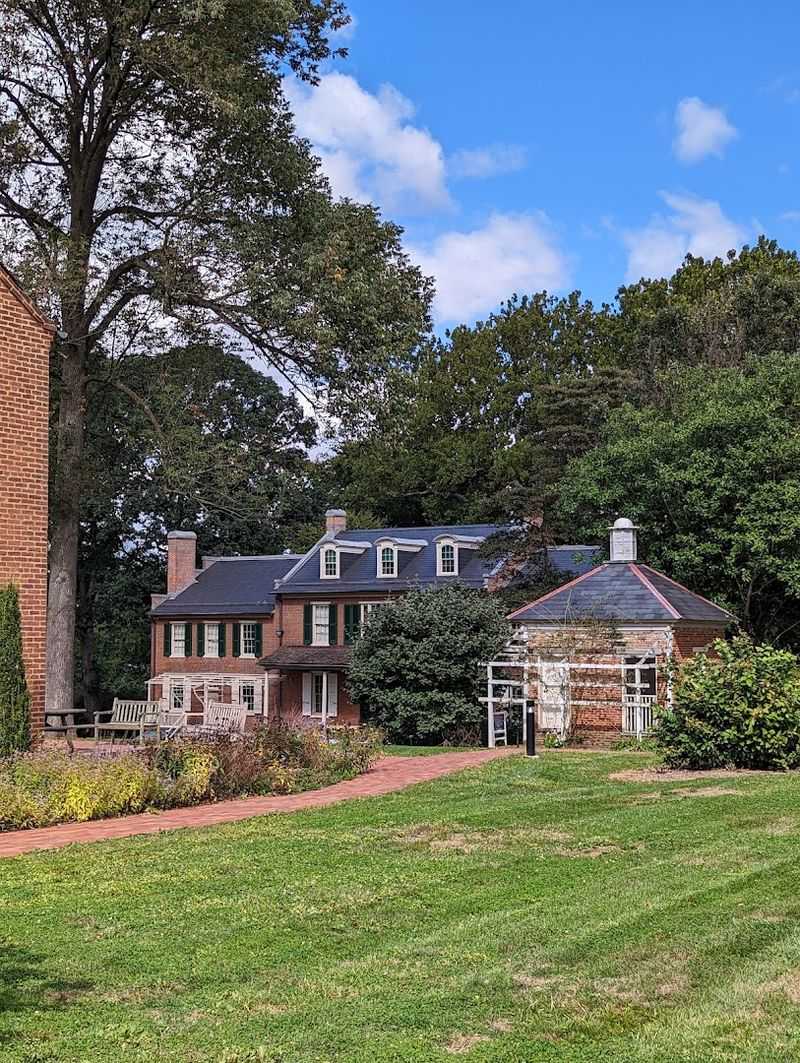
Front-porch campaigns have a long and colorful tradition in American political history, and Buchanan was one of its early practitioners.
During the 1856 presidential election, he ran what became known as a “front-porch campaign,” greeting delegations of supporters and journalists right at Wheatland’s entrance.
Rather than traveling the country to stump for votes, Buchanan stayed home and let the voters come to him.
Thousands of people made the trip to Lancaster to see the candidate in person, turning the mansion’s grounds into a lively political gathering place.
This approach was considered dignified and statesmanlike at the time, projecting an image of calm confidence. The strategy worked, and Buchanan won the presidency that November.
It is a fascinating contrast to modern campaigning, and standing on that same porch today, you can almost hear the crowd noise echoing across the lawn.
The Home Is Preserved Like Time Stopped In The 1860s
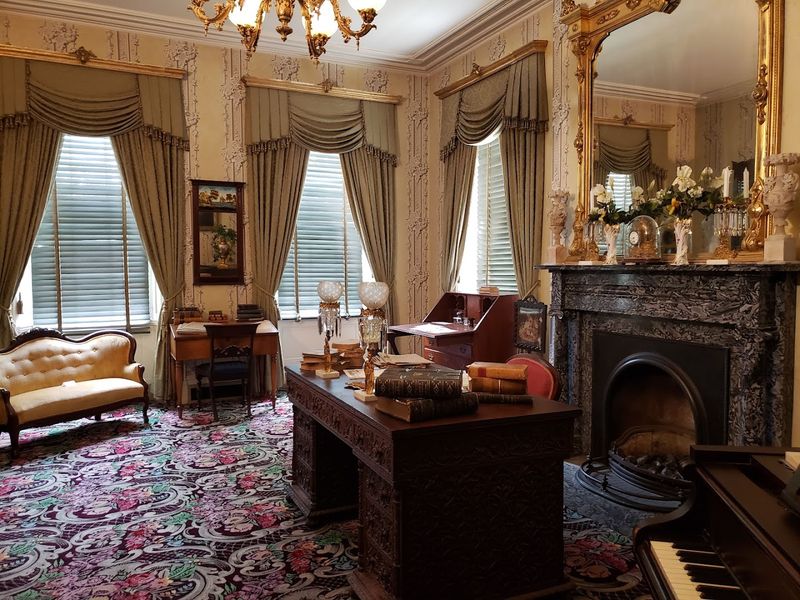
There is something almost surreal about walking through Wheatland. Unlike many historic sites that feel more like museums than homes, this mansion carries a lived-in warmth that is genuinely hard to describe until you experience it firsthand.
Original wallpaper, period lighting fixtures, and personal mementos create an atmosphere that suggests Buchanan simply stepped out for a morning walk and will return any moment.
The preservation effort here has been meticulous, driven by LancasterHistory, the organization that has managed the property since the early 20th century.
Rooms are accessible without the barriers and velvet ropes that typically keep visitors at arm’s length in other historic homes. Guests can stand close to original furniture and examine artifacts in genuine detail.
Ohio’s historic presidential properties, including those honoring its many presidents, are well-curated, but the open-access approach at Wheatland creates a connection that few comparable sites can replicate.
A Short Film Kicks Off Every Tour And Sets The Scene Perfectly
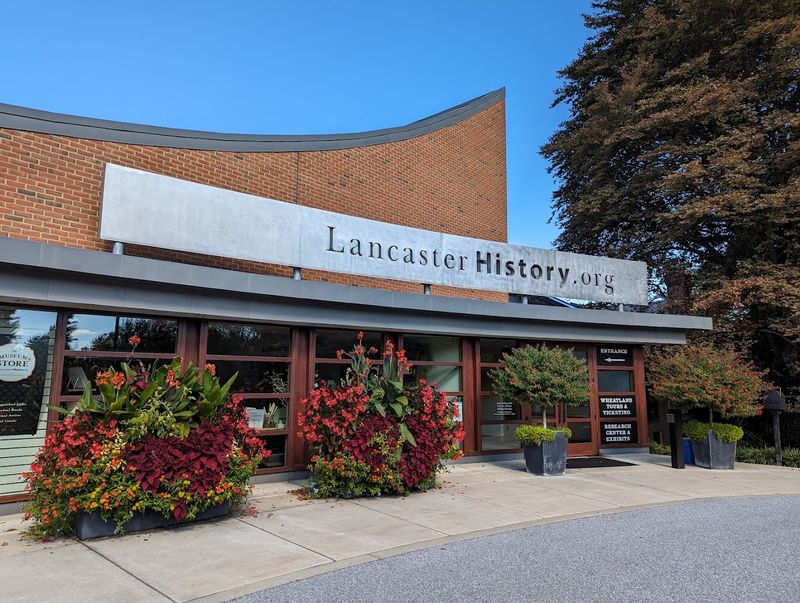
Every guided tour at Wheatland begins at the visitor center with a short introductory film about Buchanan’s life and presidency.
Multiple visitors have praised this film for doing an excellent job of summarizing a complex historical figure without oversimplifying his story or avoiding his more controversial decisions.
The film covers his early career as a lawyer and diplomat, his time in the Senate, and the turbulent years of his presidency leading up to the Civil War.
It provides context that makes the house tour far more meaningful, because you arrive at each room already understanding the man who lived there.
One visitor described the film as demonstrating “how inept this president was, without casting judgment,” which is a remarkably balanced achievement for any historical documentary.
Starting with this kind of thoughtful framing is one reason why Wheatland consistently earns high praise from visitors who appreciate depth over spectacle.
Tour Guides Dress In Period Clothing To Bring History To Life
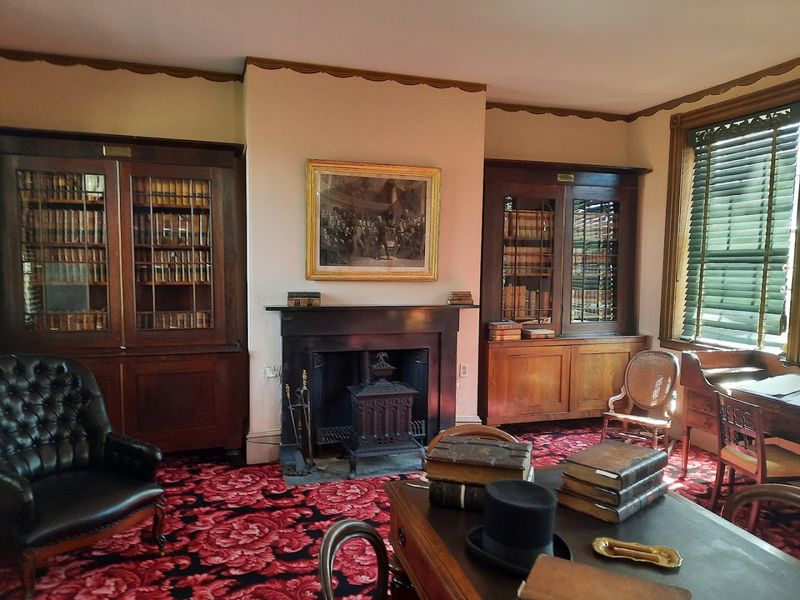
One of the most memorable aspects of a Wheatland visit is the tour guides themselves.
Many of them dress in authentic period clothing, and at least one guide has been noted to bear a striking resemblance to Buchanan himself, which adds a delightfully unexpected layer to the experience.
These guides are not simply reading from scripts. Reviewers consistently describe them as deeply knowledgeable, engaging, and skilled at answering even the most detailed historical questions on the spot.
The combination of costume and expertise creates an immersive atmosphere that younger visitors especially seem to appreciate.
One parent noted that while she had arrived without her children, the tour was so interesting that she believed a ten-year-old would have been fully engaged throughout.
That kind of cross-generational appeal is rare in historical tourism and speaks to the quality of Wheatland’s educational programming. Ohio’s presidential sites certainly have skilled interpreters, but few match this theatrical flair.
The Property Is Managed By LancasterHistory And Open Most Of The Week
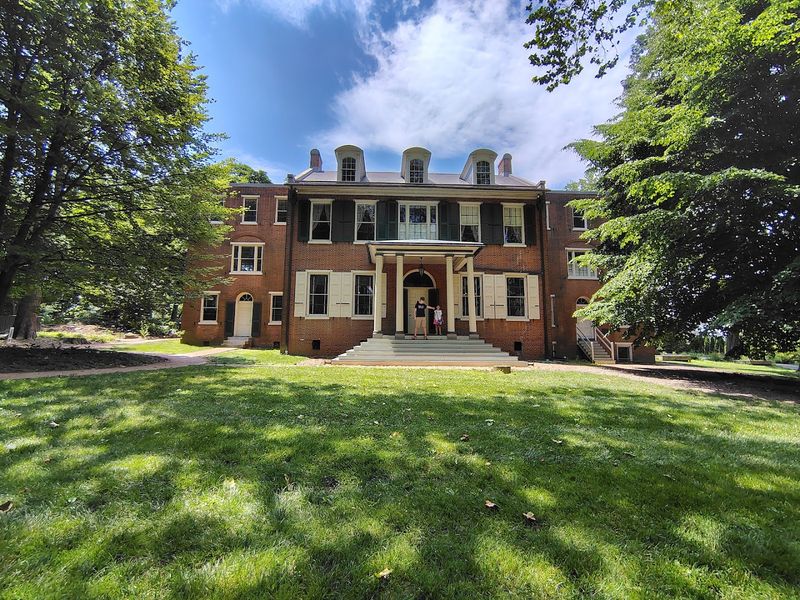
President James Buchanan’s Wheatland is managed by LancasterHistory, a nonprofit organization dedicated to preserving and sharing the history of Lancaster County.
The site is open Monday through Saturday with tours from 10 AM to 3 PM, so planning ahead is still essential to avoid a wasted trip.
The address is 1120 Marietta Ave, Lancaster, PA 17603, and the property sits in a neighborhood still surrounded by impressive historic homes that date back to the same era.
The grounds themselves are well-maintained and worth a slow walk before or after the house tour.
A gift shop offers books, unique souvenirs, and items related to Buchanan’s era, making it a solid stop for history enthusiasts looking for something more meaningful than a generic souvenir.
Special seasonal tours, including a popular Christmas tour, draw visitors back repeatedly throughout the year, proving that Wheatland has something fresh to offer on every visit.
Buchanan Returned To Wheatland After The Presidency And Lived There Until His Passing
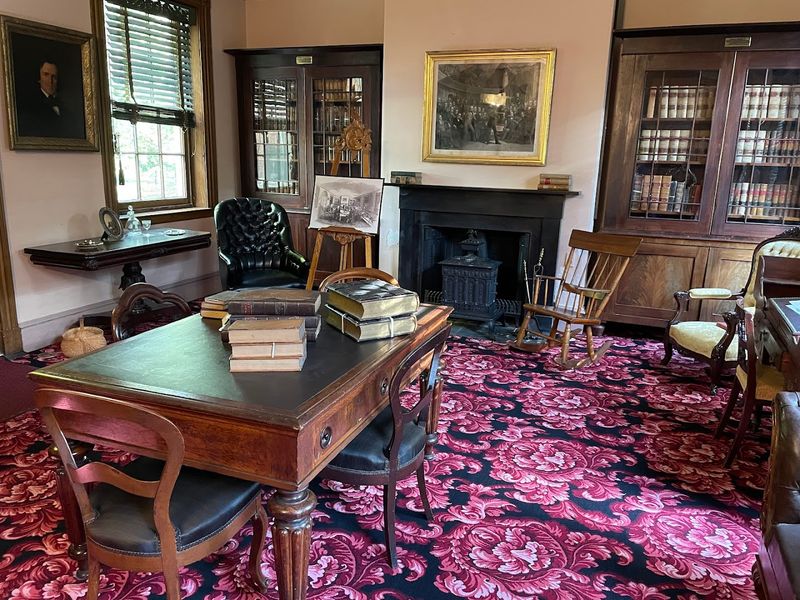
After leaving the White House in March 1861, James Buchanan returned to Wheatland and spent his remaining years there.
He is often ranked among the least effective presidents in American history, largely for his failure to prevent the nation’s slide toward civil war, and he was well aware of how history might judge him.
True to his meticulous nature, Buchanan spent his post-presidential years writing a detailed defense of his administration, producing a multi-volume memoir that attempted to explain his decisions during one of the country’s most fractured periods. He passed away at Wheatland in 1868.
The fact that the home remained so intact after his passing is a testament to the care taken by his family and later by preservationists.
Ohio has produced more presidents than any other state, yet Wheatland stands as proof that a single well-preserved home can tell a story just as powerful as any grand presidential library or archive.