
People Drive Hours Into The Michigan Woods To See A Light No Scientist Has Explained
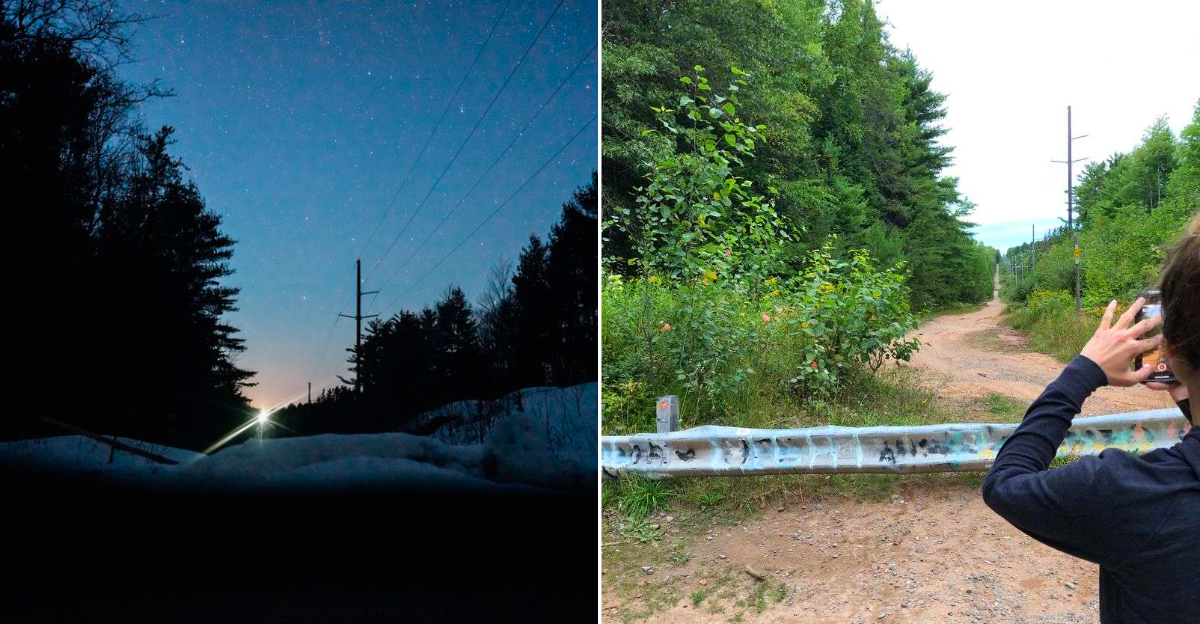
My headlights cut through miles of empty two-lane before the road gives out entirely. From there, it is just a gravel path bending into trees so thick the sky disappears. I parked where the instructions said to park, stepped out, then waited.
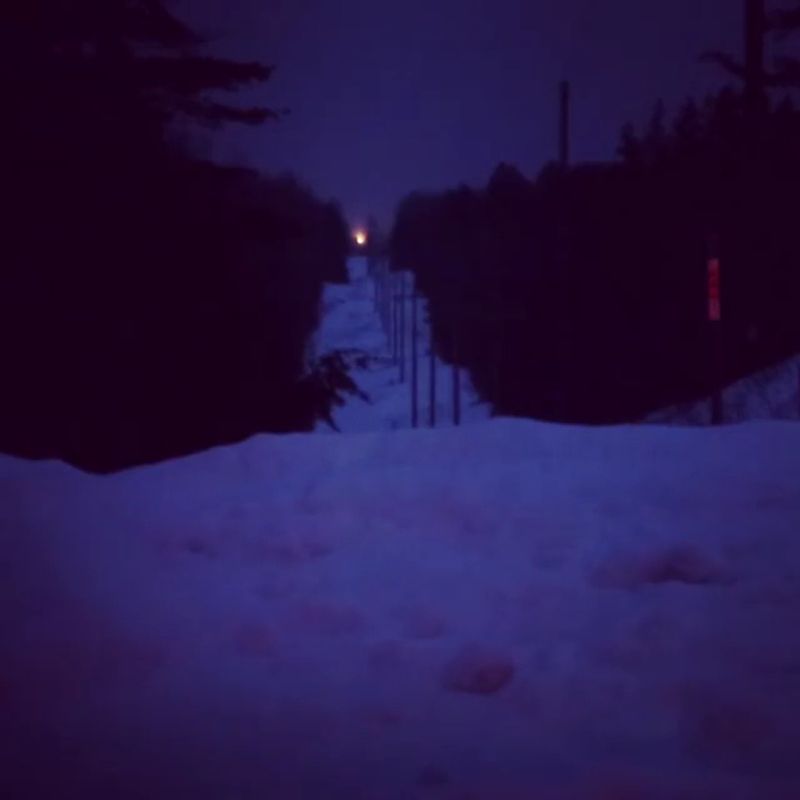
Nothing happened for what felt like twenty minutes. Then a pale orb surfaced above the treeline, drifting left, then right, splitting into two smaller shapes before merging back together.
I watched it hover and pulse for almost an hour. My rational brain kept reaching for headlights, swamp gas, a distant radio tower, but none of those explanations fit the way the thing moved, vanished, reappeared in a completely different spot.
Locals have been coming here since the fifties, plus they have heard every theory and dismissed every single one. People travel from across Michigan to sit on this hill and witness something that still refuses to make sense.
Save Directions Before Leaving
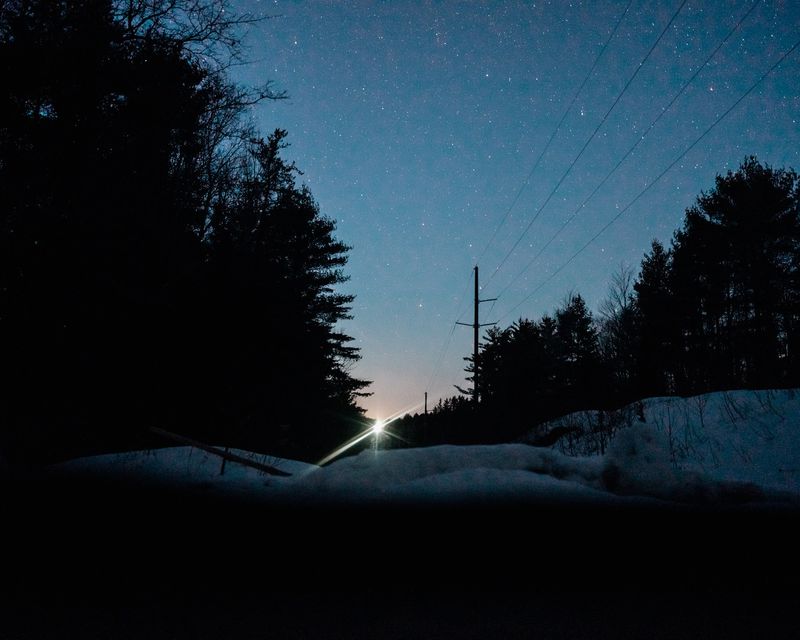
Robbins Pond Road feels remote, so save the destination before leaving reliable cell service. From US-45 near Paulding, follow the local route toward the signed viewing area and confirm directions before darkness makes landmarks harder to read.
The official turnout sits at the end of the approach, beside the open power-line view. Navigation apps may label the attraction near Bruce Crossing, while the requested street address uses Paulding, so coordinates can prevent confusion.
Fuel up earlier, and tell someone where you are going when traveling late. Wildlife may cross wooded roads, making slower driving sensible.
Keep your low beams on near parked cars, then switch them off after stopping so the dark view remains clear for every waiting visitor nearby.
Robbins Pond Road Runs Out At The Mystery
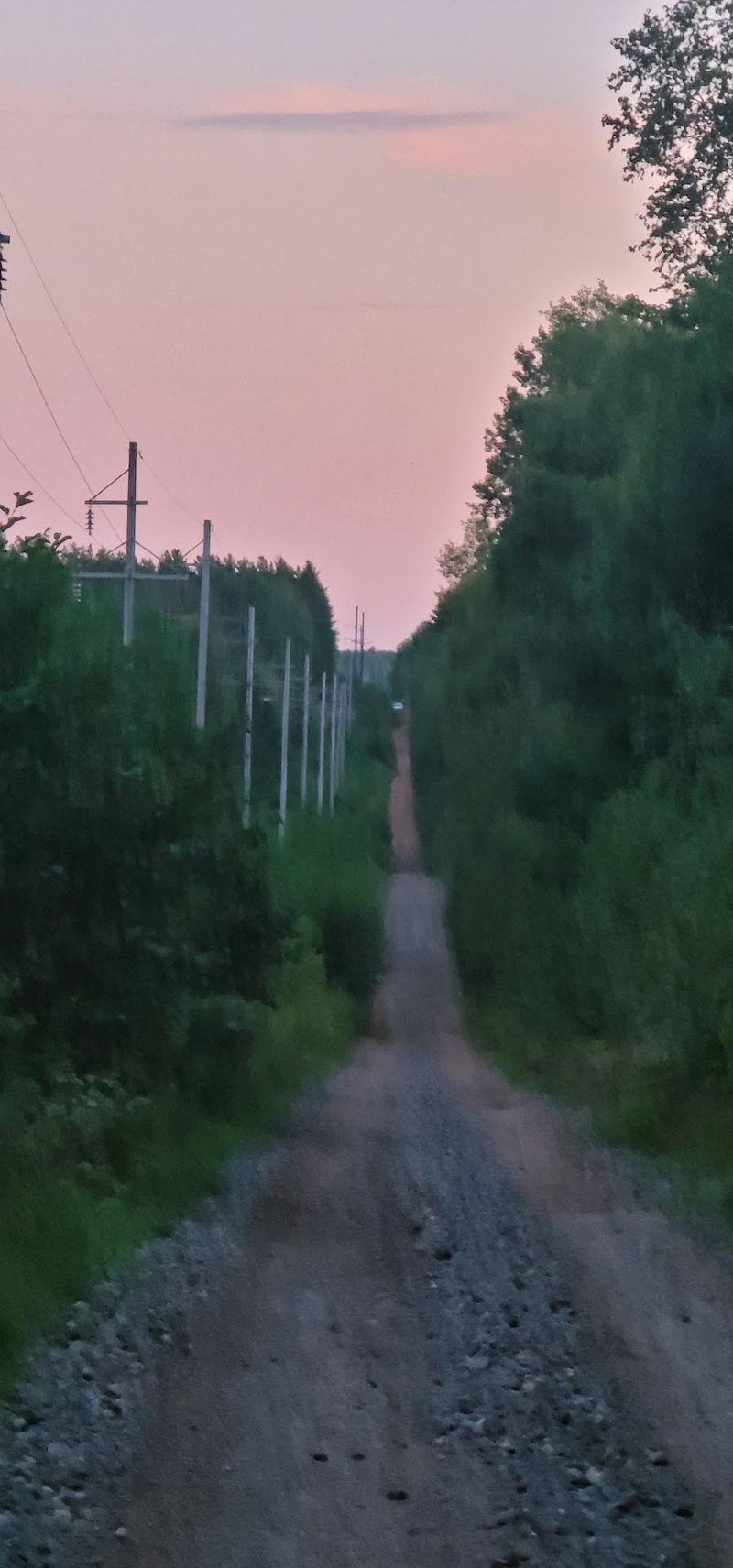
Paulding Mystery Light Viewing Area sits off US-45 between Watersmeet and Paulding in Michigan’s western Upper Peninsula. From US-45, turn west onto Robbins Pond Road, also known as Old US-45, roughly 3.5 miles south of Paulding.
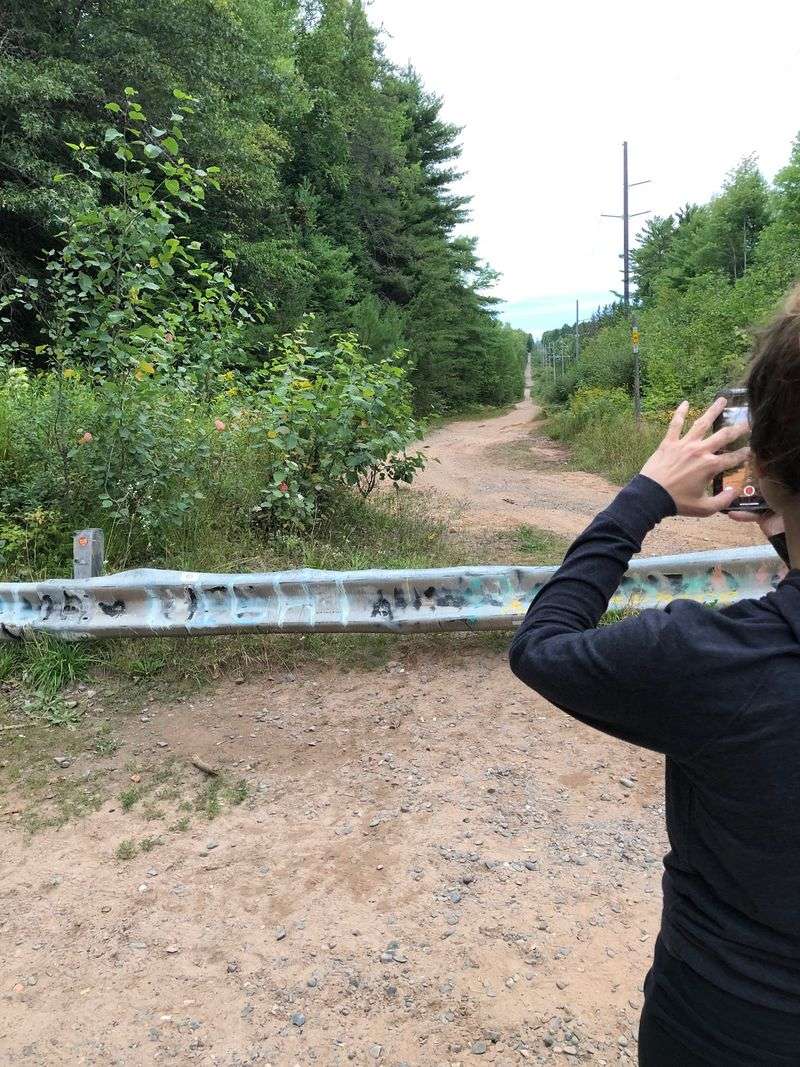
Leave the highway behind and continue along Robbins Pond Road toward the viewing area. The road carries you straight toward the power-line corridor and eventually ends at a barrier, making the final destination considerably easier to identify than its address suggests.
The dead-end barrier marks the viewing point, so there is no trail or building entrance to find after you arrive. Stop at the end of the road, turn off the vehicle lights, and face down the corridor where visitors wait for the light to appear.
Give The Light Time
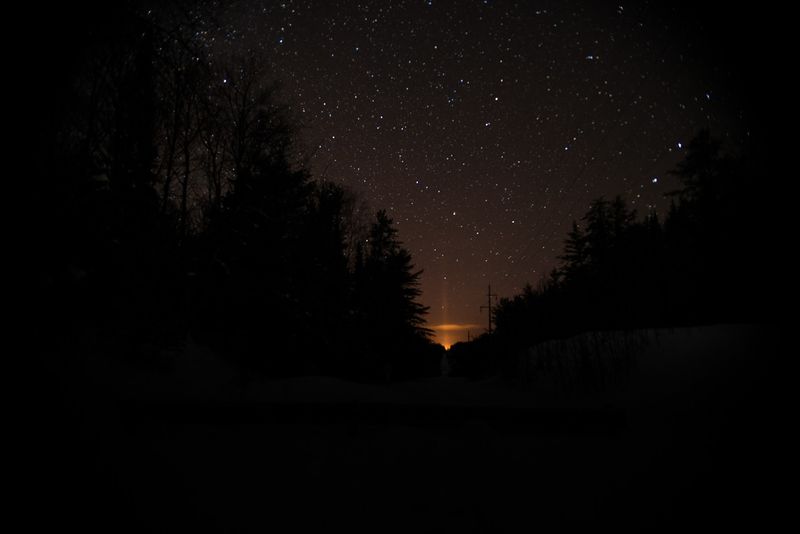
The light keeps its own schedule, which is a polite way of saying you may stare at darkness for a while. Plan a flexible evening rather than squeezing the stop between timed activities.
Reports vary, and weather, haze, traffic, or visibility can shape what appears.
Give your eyes at least fifteen minutes away from bright screens and white flashlights. Watch the horizon steadily, but blink normally and glance aside sometimes to reduce eye strain.
A faint glow can be easier to notice with relaxed vision.
Bring a quiet snack, warm layers, and conversation that can pause quickly. No appearance is guaranteed, and leaving disappointed helps nobody.
Treat waiting as forest time, then let any shifting spark feel like a bonus.
Pack Modest Binoculars
A small pair of binoculars can turn a vague speck into a more interesting puzzle, but begin with your naked eyes. First locate the power-line corridor and distant horizon, then raise the lenses without changing direction.
That simple method prevents sweeping blindly across black woods.
Choose moderate magnification with a wide field of view rather than heavy astronomy gear. Rest elbows on a chair or vehicle roof to steady the image, and never aim optics toward nearby headlights.
Colored points may look different through lenses because distance and moving air distort them.
Share briefly instead of guarding the binoculars all night. Others may catch a change you missed.
Clean glass and a neck strap also save fumbling in darkness later.
Protect Your Night Vision
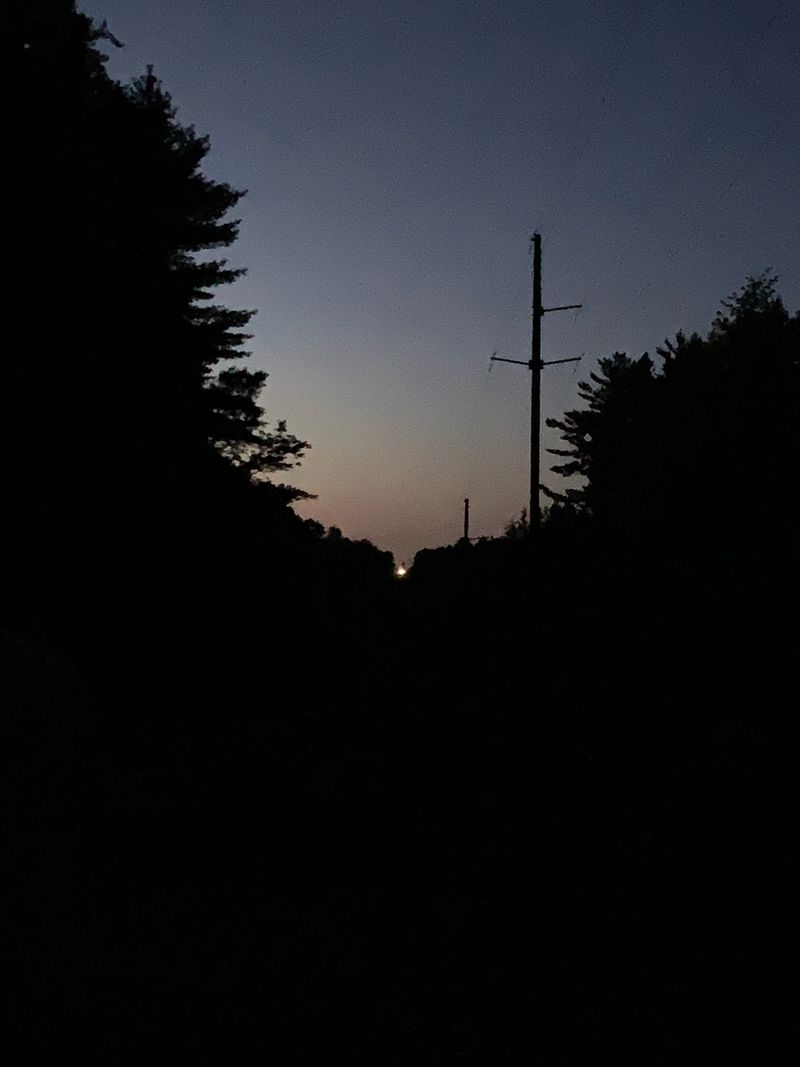
One glowing phone can erase several minutes of careful night vision for everyone standing nearby. Lower screen brightness before arrival, enable a red display if available, and keep devices pocketed during the main watch.
A red-filtered flashlight works better for finding dropped gloves or checking footing.
Photography takes restraint here because the subject is distant and darkness challenges ordinary phones. Turn off the flash, stabilize the camera against something solid, and try night mode without promising yourself a masterpiece.
Bright flashes cannot reach the horizon anyway.
Nearby visitors came to see the scene rather than your screen. Ask before using extra lighting, then shield any beam downward.
Courtesy produces darker surroundings, calmer watching, and a much better chance of noticing.
Dress For Bugs And Weather
Summer’s smallest residents often arrive before the famous light does. Mosquitoes can be fierce in the forested clearing, especially during warm, damp evenings, so apply repellent and wear long sleeves and long pants.
Closed shoes also protect ankles on gravel and uneven ground.
Upper Peninsula temperatures can drop sharply after sunset even when afternoon felt mild. Pack a warmer layer than seems necessary, plus a rain shell if clouds threaten.
A blanket makes waiting children or older companions noticeably happier.
Check the forecast and smoke conditions before driving out. Fog, wildfire haze, rain, or snow may hide the distant view.
In winter, confirm road conditions and carry standard cold-weather emergency supplies. Comfort is not glamorous, but shivering ruins good mysteries.
Stay Near The Viewing Area
The darkness feels deeper beyond the parked cars, and the surrounding woods remain wildlife habitat. Stay in the established viewing area instead of wandering down closed routes or following the power-line corridor.
The distant glow does not require a nighttime hike.
Keep children close, leash pets where allowed, and avoid leaving food scraps that attract animals. If brush cracks or something moves near the tree line, calmly return to your vehicle rather than investigating.
Forest sounds become impressively theatrical after dark.
Pack out every wrapper and tissue because the site has a simple roadside character, not resort services. Watch each step on gravel and use light pointed downward.
Sensible boundaries preserve both the habitat and the evening’s pleasantly eerie mood.
Know The Lantern Legend
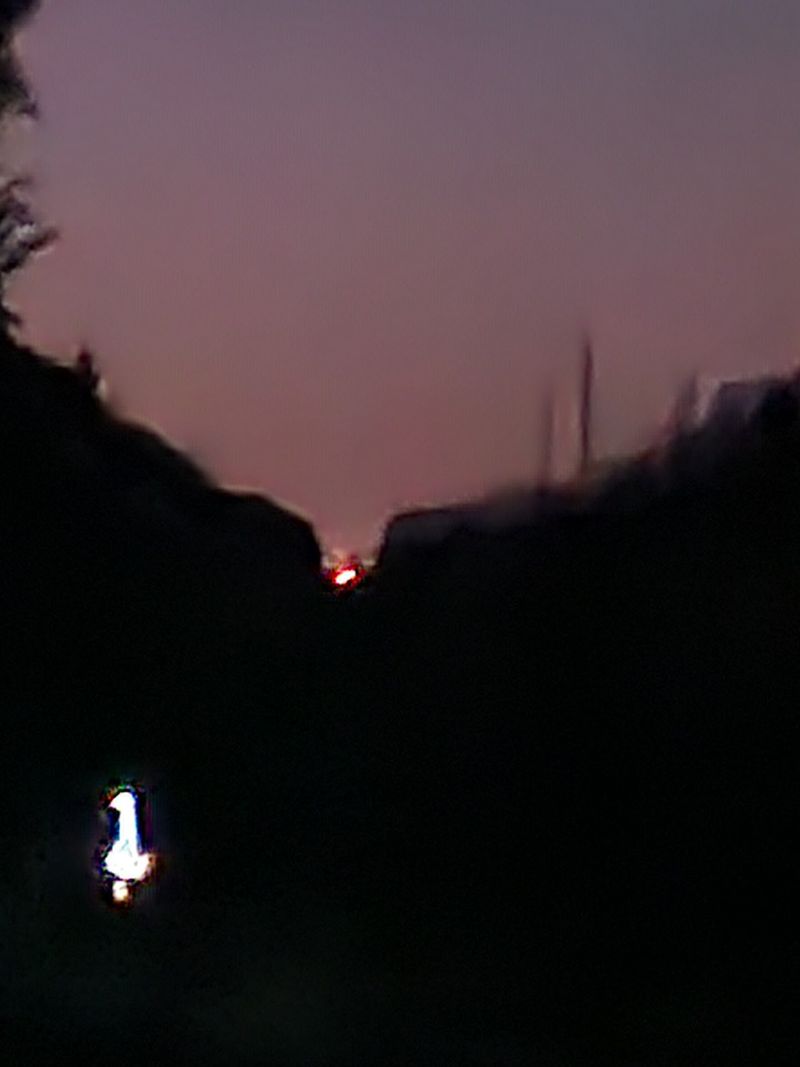
A ghost story travels faster than a headlight, and Paulding’s favorite tale features a railroad brakeman carrying a lantern after a fatal accident. The account belongs to local folklore, not proven history, so enjoy it as storytelling rather than evidence.
Recorded attention began in 1966, when teenagers reported the strange light to local authorities. Over time, repeated sightings gave the glow a firm place in Upper Peninsula culture.
Knowing that background adds texture when the horizon finally flickers.
Share the legend quietly while waiting, then let younger visitors decide what they think. Avoid presenting tragedy as entertainment or claiming certainty about a spirit.
The best version leaves room for history, imagination, and respectful doubt beneath the dark Michigan sky overhead.
Consider The Scientific Study
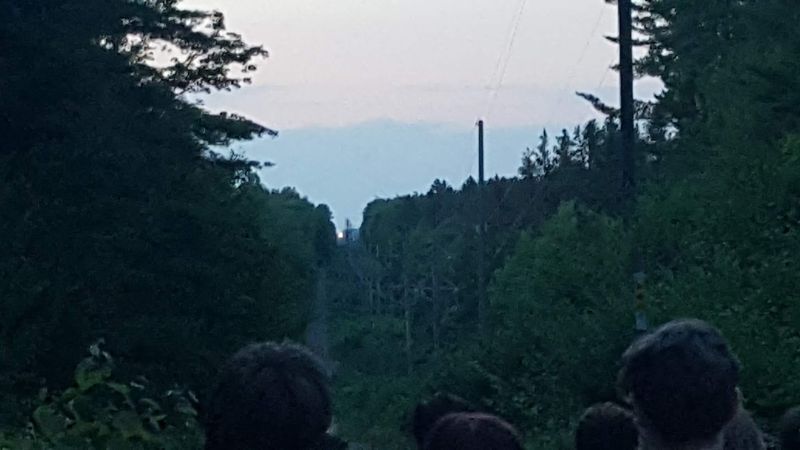
Science gives the mystery a sharper edge, not necessarily a duller one. In 2010, Michigan Technological University students observed the site with a telescope and compared the lights with traffic on US-45 about five miles away.
Their work linked appearances to vehicle headlights and taillights.
Atmospheric refraction can bend distant light when layers of air differ in temperature. Terrain and the straight viewing corridor then help produce an enlarged or shifting effect.
Bring that explanation along, but notice how strange ordinary light can become across distance.
Try comparing colors and timing without turning the evening into an argument. Skeptics and believers share the same horizon here.
Curiosity works best when observation stays honest, friendly, and open to measurable evidence too.
Choose The Season Carefully
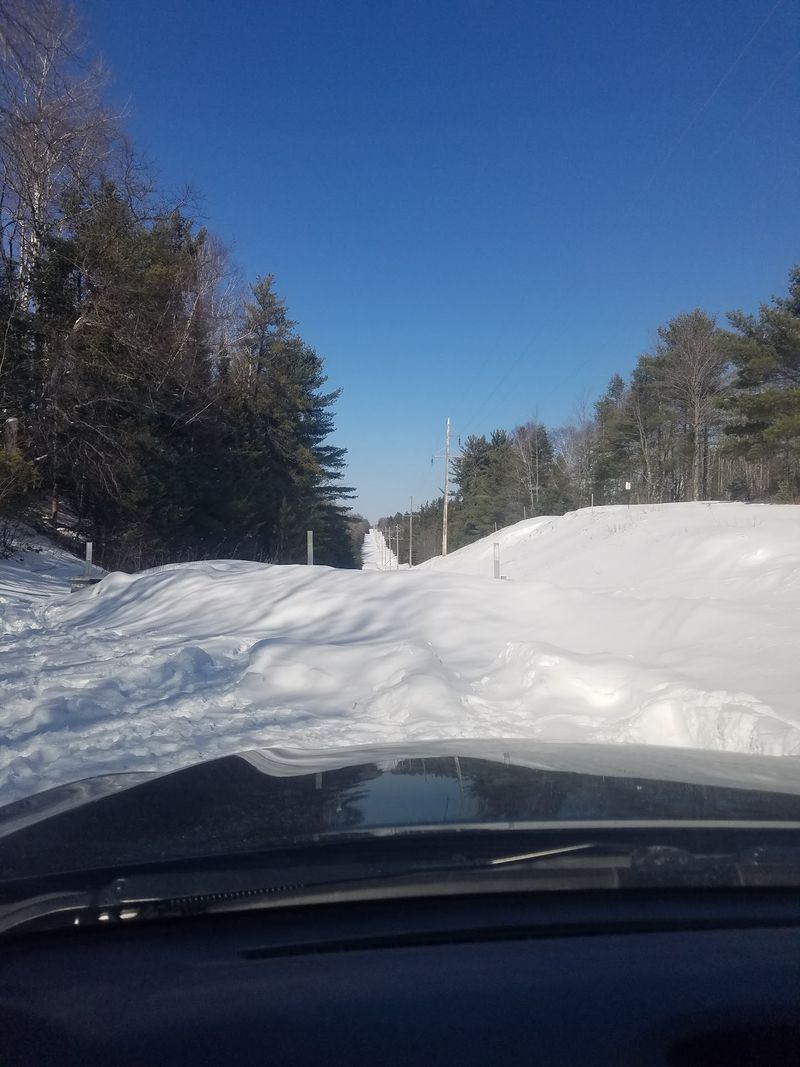
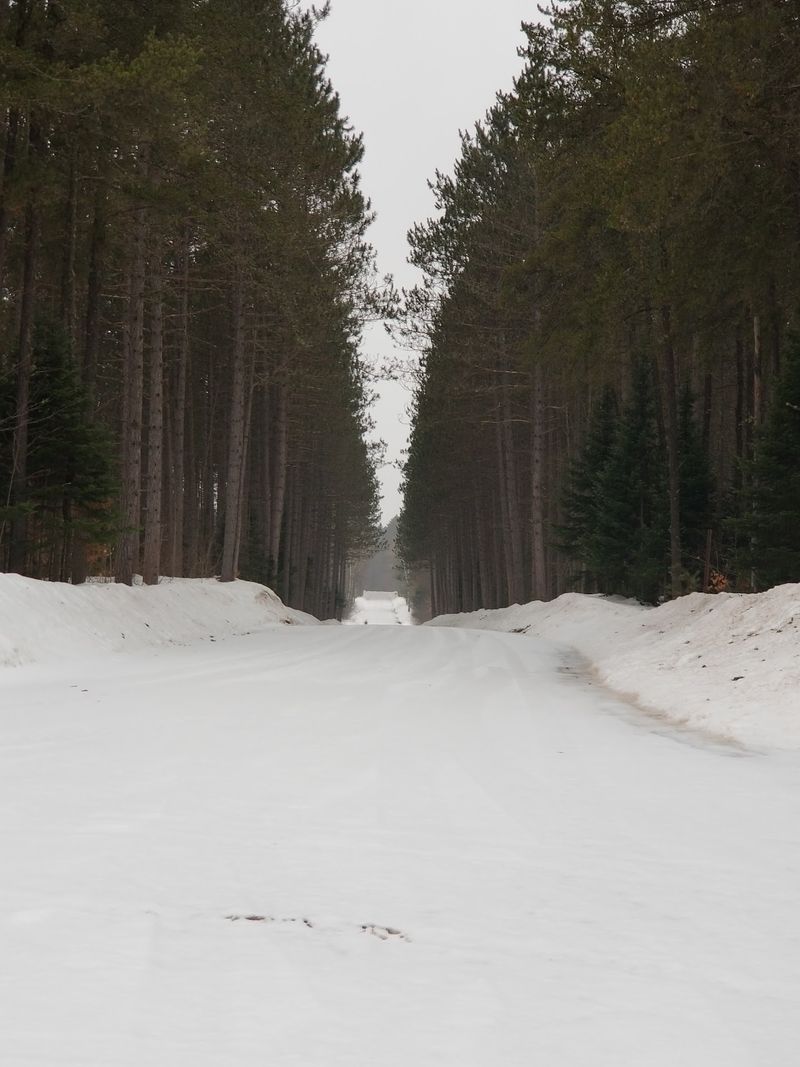
October trades mosquitoes for crisp air, while winter wraps the corridor in snow and startling quiet. Each season changes the wait more than the light itself.
Summer offers easier roads and longer twilight, but later darkness can stretch family schedules.
Aim to arrive before sunset regardless of month. The lot and horizon are simpler to understand in daylight, and changing conditions become easier to judge.
Winter visitors need traction awareness, extra clothing, and a vehicle prepared for remote cold.
Clouds do not always end the outing, though thick fog or smoke can erase the crucial horizon. Check sunset time, road reports, and visibility before departure.
Seasonal planning keeps the experience intriguing instead of needlessly uncomfortable or unsafe after dark.
Leave Room For Wonder
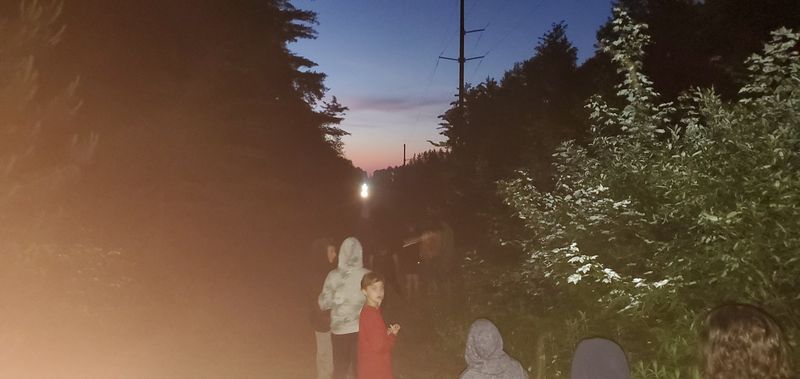
The smartest thing to pack is a flexible idea of what counts as success. You might see a bright white point, red or green glimmers, several lights, or nothing clear at all.
Atmospheric conditions and distant traffic can make one evening unlike another.
Keep voices low when a glow appears because that shared hush is part of the place’s character. Give others room at the viewing edge and avoid blocking sightlines with open vehicle doors or bright lamps.
Wonder does not need a loud soundtrack.
Leave with your own careful observation rather than a forced verdict. The Michigan Tech explanation is compelling, while the folklore remains culturally meaningful.
A strange night in the woods can be memorable without being supernatural.