
Pick Your Own Apples At This Stunning Northeastern Pennsylvania Orchard
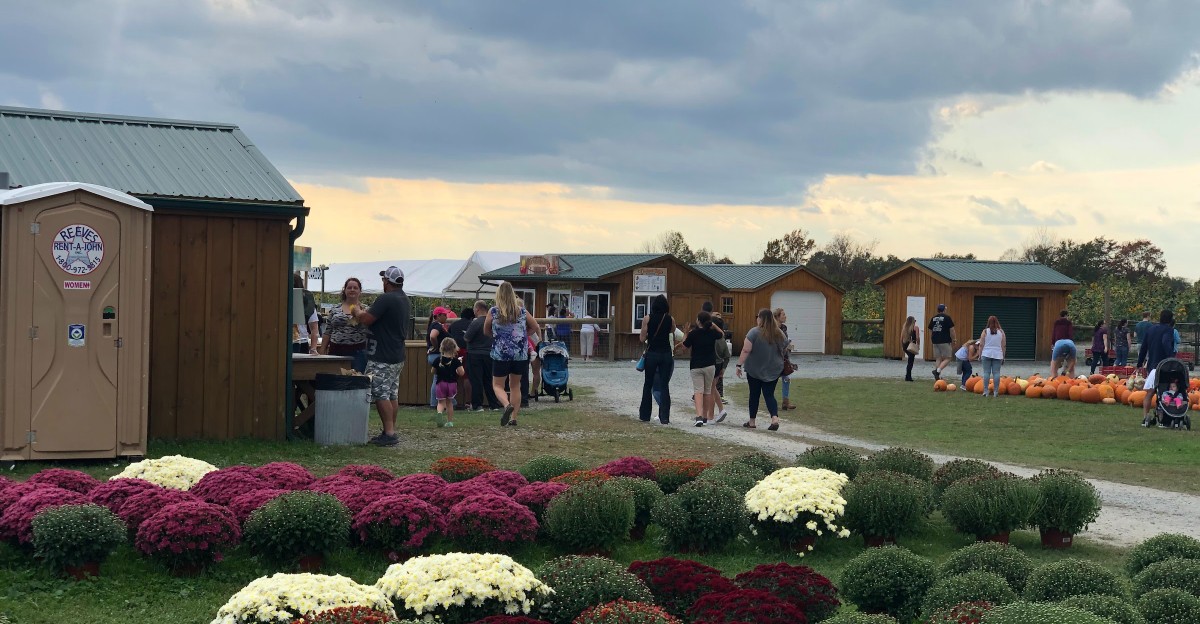
Red apples overhead, a basket getting heavier by the minute, and someone insisting there is always room for one more.
That is the kind of fall afternoon northeastern Pennsylvania does especially well.
At this orchard, picking your own fruit turns a simple outing into something hands-on and pleasantly unhurried.
You choose the apples yourself, wander at your own pace, and end up paying far more attention to the trees than to the clock.
It is easy, seasonal fun without needing much of an itinerary.
My favorite apple-picking memory ended with me carrying a bag that was clearly too full because I kept finding “just one more” perfect apple.
I should have stopped several rows earlier, but good judgment tends to disappear when the trees are loaded.
By the time I reached the car, my arms were tired and the bag was leaning dangerously to one side. I still considered the whole thing a success.
A Working Farm With Room To Roam
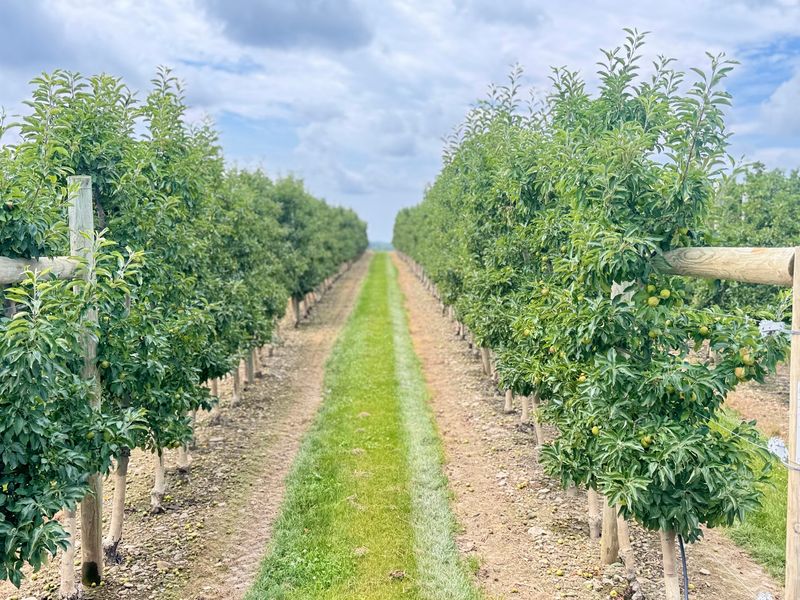
Spread across rolling farmland in Scott Township, the property feels bigger than you expect on arrival.
Rows of fruit trees climb the slopes, and the walking paths between them are wide and easy to manage.
Lakeland Orchard & Cidery sits at 1649 Lakeland Dr, Scott, PA 18433, in the United States, about a half hour north of Scranton.
The drive winds through classic Pennsylvania countryside, so the scenery starts well before you park.
What surprised me most was the space. Even on a busy weekend, the grounds never felt packed, because the fields absorb crowds the way a sponge soaks up water.
Barns, fenced animal areas, food stands and picking fields are all spread out, so you are never elbowing anyone for a good apple.
Wear shoes you do not mind getting dusty. Grass paths and dirt lanes make up most of the walking surface, and sandals will lose that battle quickly.
Apple Picking Season Runs On Nature’s Clock
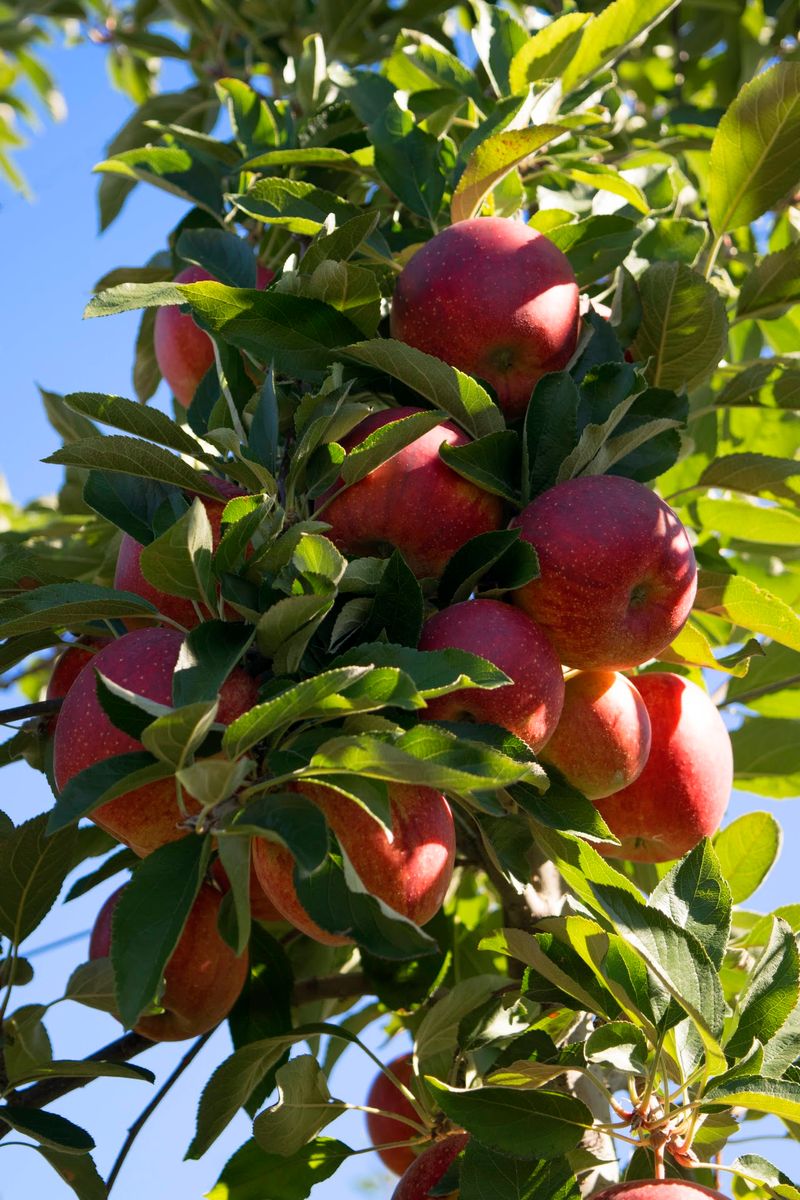
Apples do not ripen on a schedule that suits your calendar, and that is part of the fun.
Picking generally opens in late summer and carries through the fall, with different varieties coming ready week by week.
Early season brings tart, crisp types that snap when you bite them. Later in autumn, sweeter apples take over, and the fields smell faintly of cider before anyone presses a single fruit.
I learned to check what is ripe before heading out. Showing up expecting one variety and finding another is common, and honestly, the surprise usually works in your favor.
A good picking trick: twist the apple upward rather than yanking it down. The stem separates cleanly and the branch keeps its buds for next year.
Weekends fill up fastest, so an early arrival gives you first pick of the lower branches, which small kids appreciate more than you might guess.
Berries And Blooms Stretch The Calendar
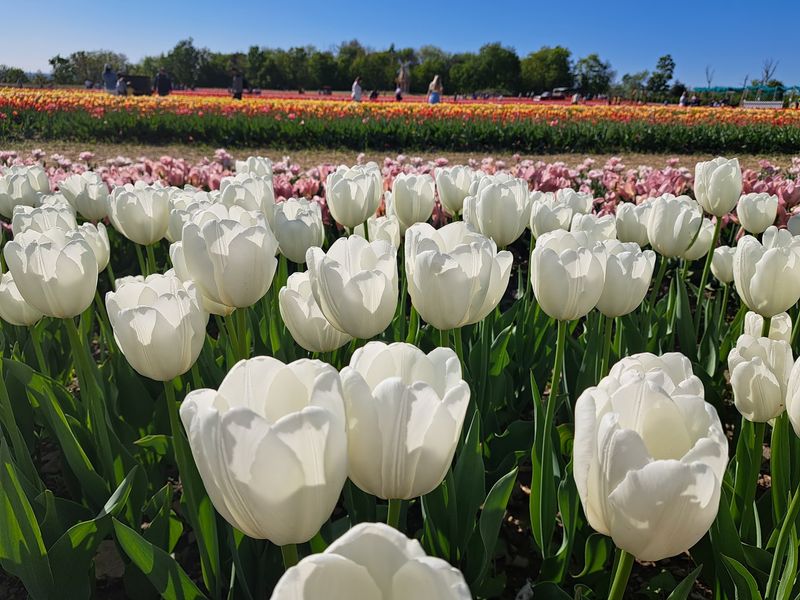
Long before the first apple falls, this farm is already busy. Spring brings a tulip field so colorful it looks painted on, and people drive in just to walk the rows.
Strawberries follow in June, plump and ridiculously ripe, and they disappear from buckets faster than they get picked. Blueberries and blackberries take their turn through midsummer.
Sunflowers and lavender show up later, adding scent and height to the landscape. Cutting your own bouquet is one of those small pleasures that costs almost nothing but feels fancy.
My advice is simple. Pick a season based on what you actually want to bring home, because each one gives the place a completely different personality.
Bring a cooler for the car. Berries picked at noon in July turn to mush by the time you get back to town if they bake on the seat.
Baby Animals Steal The Show Every Spring
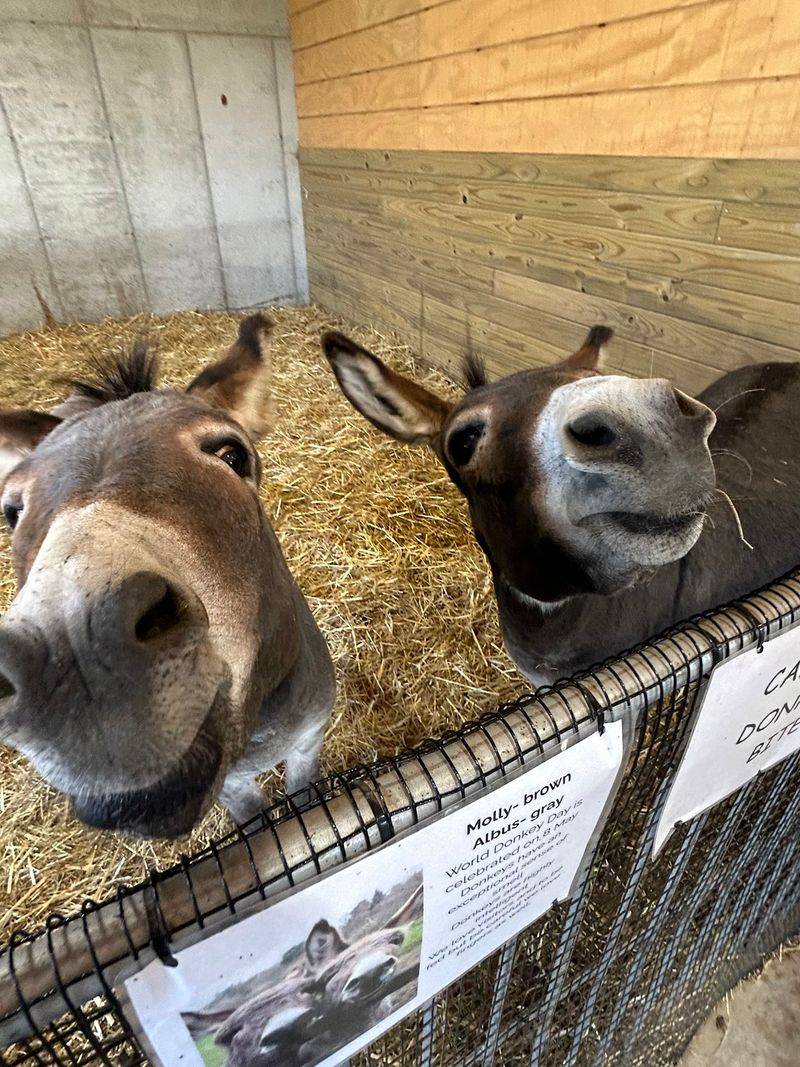
Goats have a way of turning serious adults into complete softies within about four seconds.
The animal areas here are clean, well kept, and full of creatures that genuinely seem happy to see visitors.
Spring is peak cuteness, when chicks and ducklings arrive for Baby Animal Days. Kids line up to hold something fluffy, and parents end up taking three hundred photos.
A donkey usually wanders over for attention too, and the barn also houses Mini Highland cows, Kunekune pigs, llamas, and goats.
Hand washing stations sit near the pens, which I appreciated more than I expected. Barn smells stay surprisingly mild because the stalls are cleaned often.
If you visit with toddlers, plan for this stop to eat up more time than you scheduled. Nobody has ever successfully rushed a two year old away from a baby duck.
Rides That Belong At A Country Fair
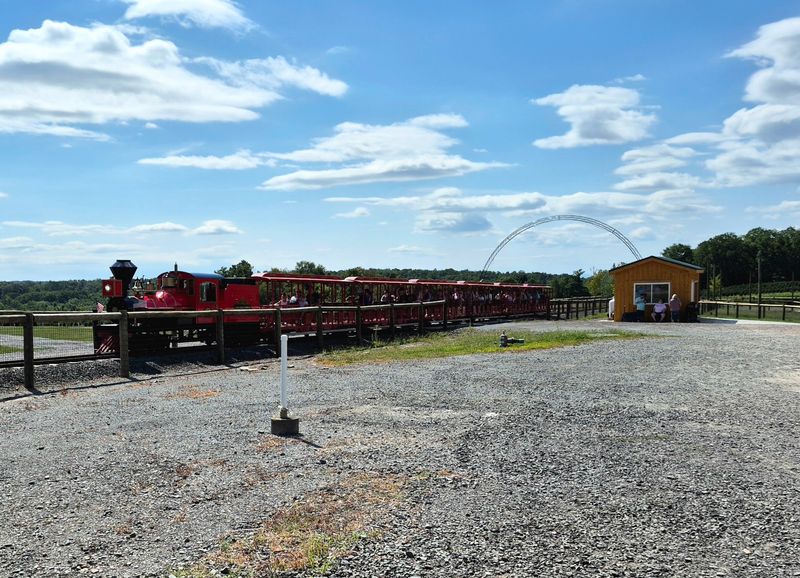
Nobody expects a scrambler in the middle of an orchard, yet there one sits, spinning happily.
The ride area gives the farm a country fair mood that catches first timers off guard.
A carousel turns near the center of things, and Lakeland Express train loops around the property. Jumping pillows and a Gondola Wheel round out the lineup for younger visitors.
Season pass holders talk about having a favorite ride they hit first, which tells you how attached regulars get to the routine.
Lines move quickly even on crowded days. I waited maybe five minutes at the busiest point, which felt like a small miracle.
Height limits apply on a few attractions, so check before promising a ride to a determined four year old. Disappointment at the front of a queue is nobody’s idea of farm fun.
The Corn Pit Is Weirdly Addictive
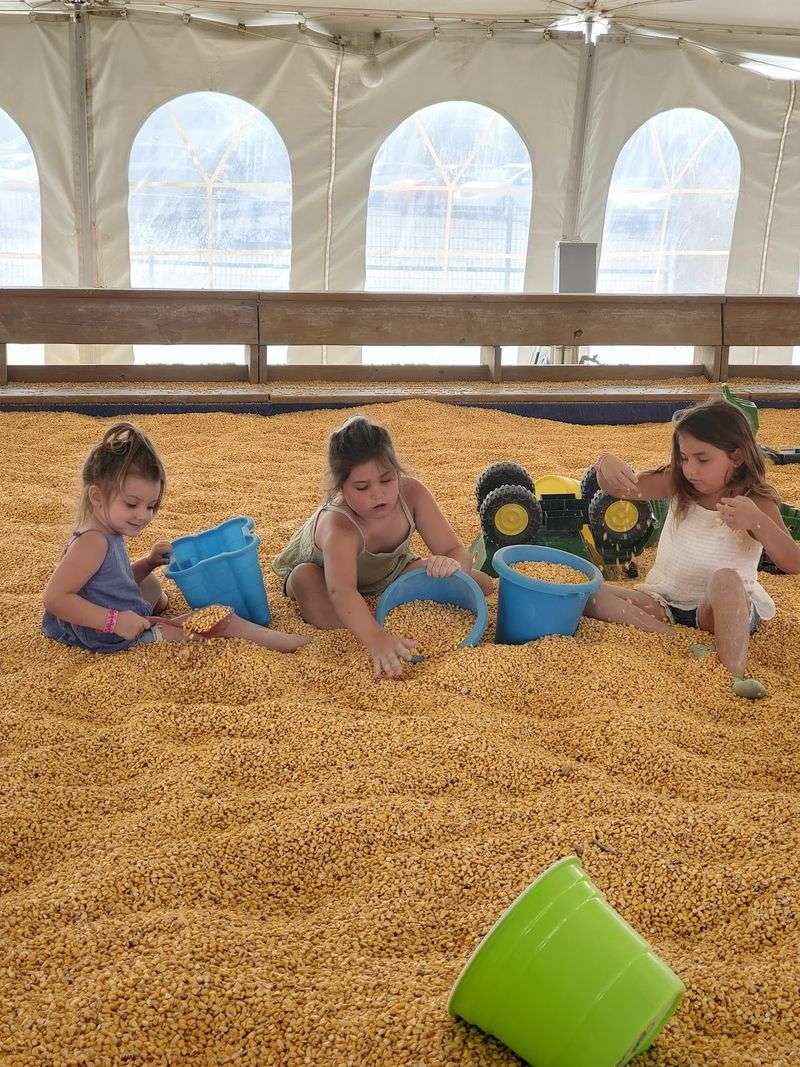
Picture a sandbox, then replace every grain of sand with a dried corn kernel.
That is the corn pit, and it may be the most underrated attraction on the entire property.
Kids bury themselves up to their shoulders. Adults claim they are just supervising, then sit down and refuse to leave.
The kernels feel cool and smooth, and they pour off you like water when you stand up. You will find them in your pockets days later.
Wear closed shoes or plan to go barefoot, because loose sandals vanish in there. Rolled up sleeves help too.
One practical tip from experience: shake out clothing before getting in the car. Corn kernels rolling around under your seat make a rattling noise that will drive you slowly bonkers on the ride home.
Axe Throwing Adds A Rugged Twist
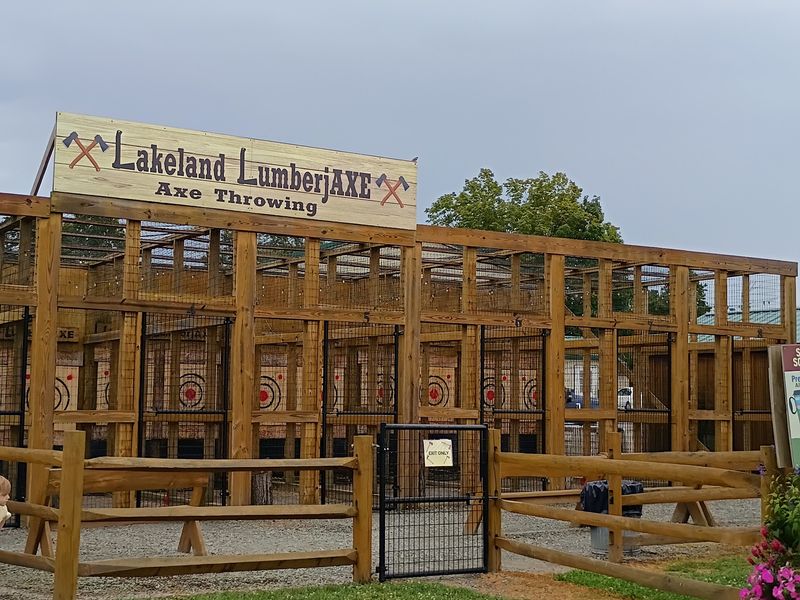
Throwing sharp objects at a wooden target is not typical orchard activity, and that is exactly the appeal. Lanes sit in a fenced area with staff watching every throw.
Beginners get a short lesson. Grip, stance, and the crucial reminder not to follow through like you are spiking a volleyball.
My first three attempts bounced off the board with an embarrassing clatter. The fourth stuck, and I acted like I had planned it all along.
Groups of teens and adults gravitate here while younger family members ride the carousel, which makes it a useful split up activity.
Lumberjack competitions sometimes take place during festival weekends, and watching people who actually know what they are doing is humbling in the best way.
Closed toe shoes are required, so plan your footwear before arriving.
Festival Weekends Bring Music And Crowds
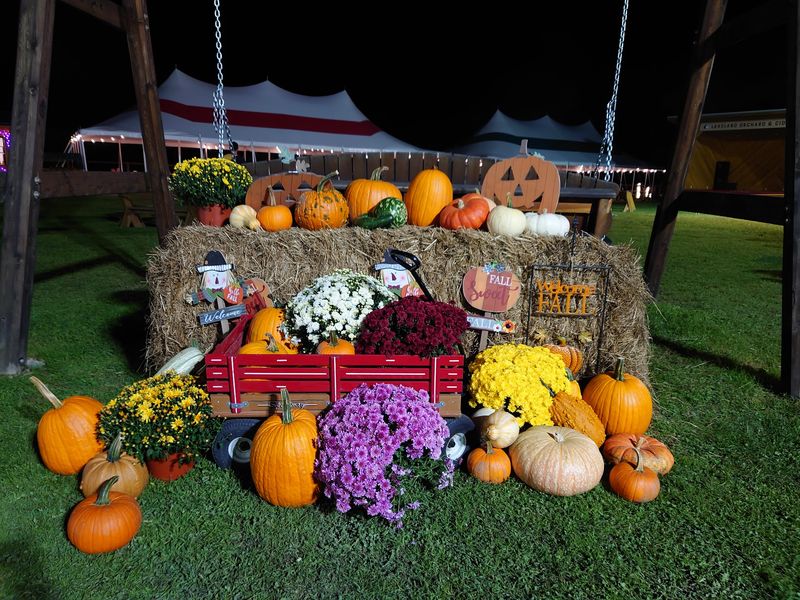
Certain weekends here run at a different volume entirely.
Festivals built around strawberries, blueberries and sunflowers turn the farm into a full day event with live bands on stage.
Ticket prices for those days look higher at first glance. Then you realize picking, rides, animals and the music are all folded in, and the math suddenly makes sense.
Dog jumping shows draw big crowds. Watching a border collie hurl itself off a dock never stops being entertaining.
Food stalls multiply during festivals, with funnel cake, pizza, burgers and slushies all in play.
Arriving in the first hour is my strongest recommendation for festival days. Parking sits closer, the fields are quieter, and you get a solid ninety minutes before the real crowd rolls in.
Farm Food Worth Saving Room For
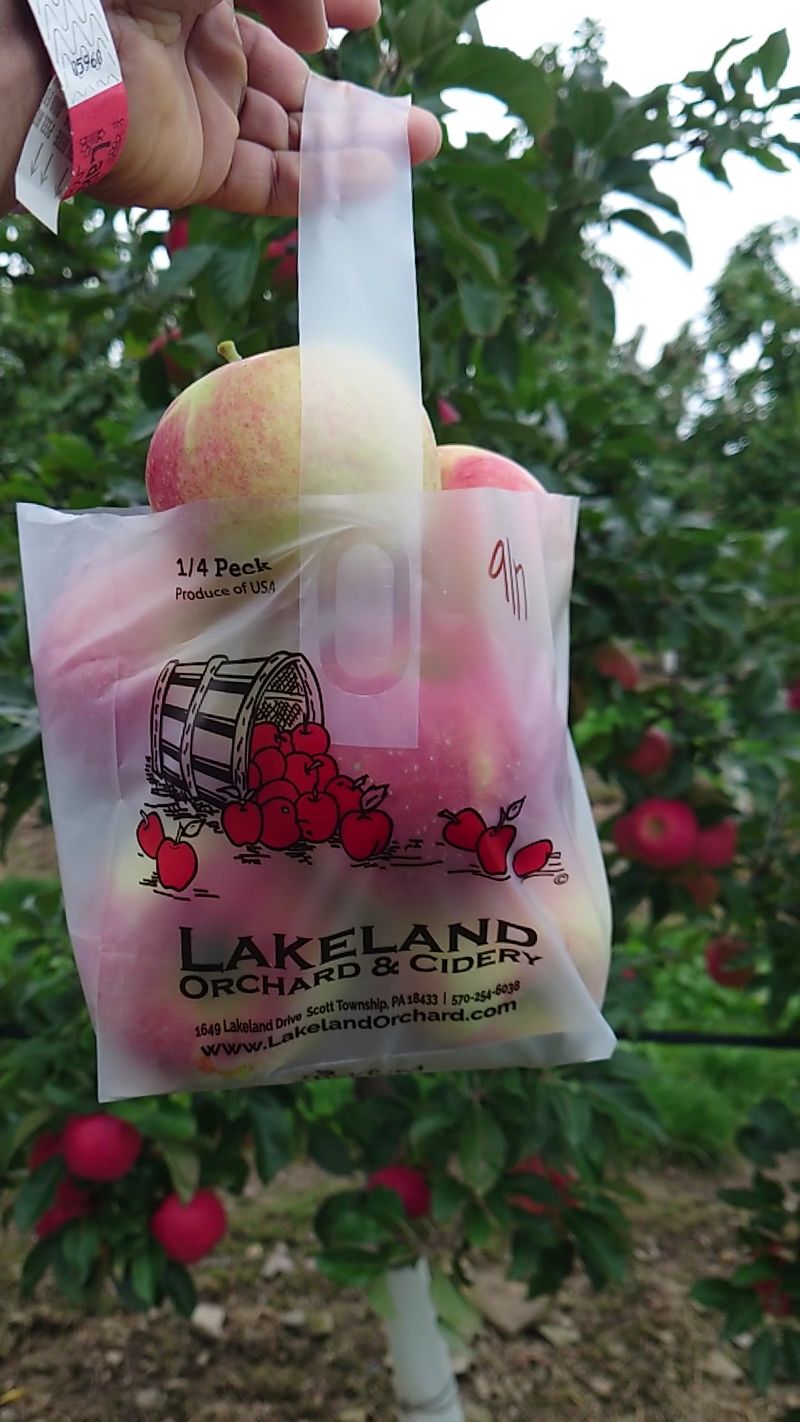
Warm donuts dusted in cinnamon sugar are the unofficial currency of any good orchard.
The market and food stands here keep things simple and satisfying.
Pizza, burgers and funnel cake cover the hungry crowd. A coffee cart handles the caffeine emergencies, and slushies keep younger visitors happy on hot afternoons.
Prices stay fair, which is not always the case at attractions that know you are stuck there for the day.
Picnic tables and benches are scattered around, so you can sit with a view of the fields instead of eating while walking.
Card payment is the norm at most stands, so do not count on cash for small purchases. The gift shop also stocks jams, snacks and farm goods if you want to stretch the trip out a little longer at home.
Planning Notes That Make The Day Easier
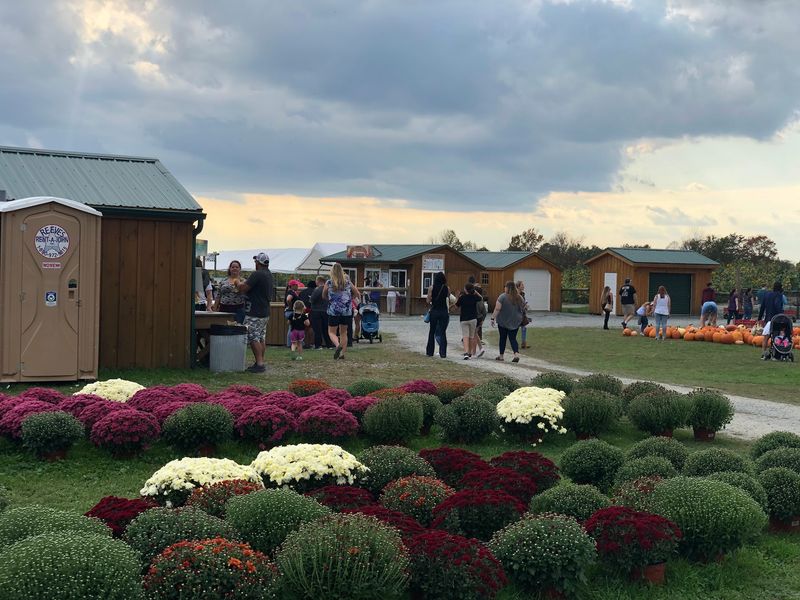
A little planning turns a good visit into a great one, and the details here are easy to remember.
The farm stays closed Monday through Wednesday, opening Thursday at ten in the morning.
Friday and Saturday run latest, with Sunday closing a bit earlier. Checking hours before driving out saves disappointment, especially during shoulder seasons.
Restrooms were added recently and they are genuinely clean, which matters enormously when you are traveling with small children.
Signage could be clearer in a few spots, so grabbing a map at the entrance helps you find the picking fields without wandering.
Season passes exist and regulars swear by them.
If you live within driving range of northeastern Pennsylvania, returning across multiple seasons at Lakeland Orchard & Cidery costs far less than paying each visit, and every season looks completely different.