
Pick Your Own Christmas Tree In The Pines Near Flagstaff Before The Best Ones Go
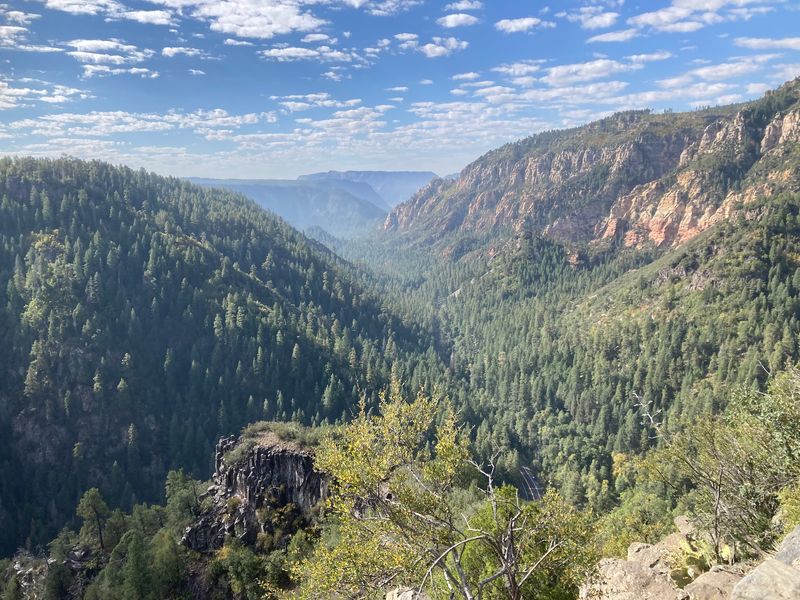
A ten-foot height limit is the only rule keeping your living room safe from a truly enormous Christmas tree. Up in the Arizona high country, families can grab a permit and a saw, then head into the woods to cut their very own.
The choices go well beyond a basic pine from a parking lot. Ponderosa, pinyon, Douglas-fir, and white fir all grow here, and one mountain area may even hold a blue spruce if luck is on your side.
I like how the whole outing feels like a holiday treasure hunt with fresh mountain air. You wander through quiet woods until one tree looks exactly right, then haul it home yourself.
The catch is timing, because these permits tend to vanish quickly every single fall. So how early is early enough, and where exactly should you point your truck?
Your Holiday Tree Is Waiting In A 1.8 Million-Acre Backyard
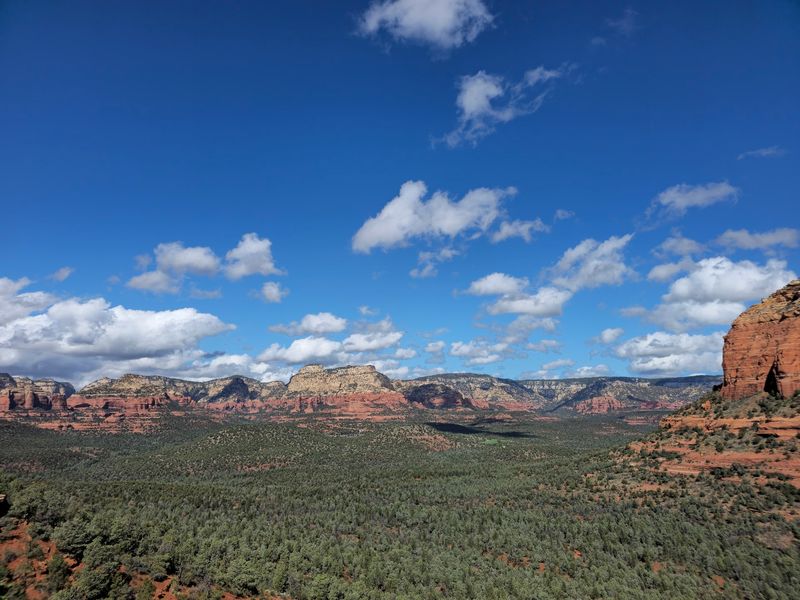
Few Christmas tree lots come with red rocks at one end and snowy mountains at the other. Coconino National Forest stretches across roughly 1.8 million acres of northern Arizona, from Sedona’s famous cliffs to the vast pine country around Flagstaff.
Most people know it for hiking, fishing, camping, and those wild scenic drives. Come late fall, though, part of it turns into the biggest choose-your-own tree farm you could ask for.
The U.S. Forest Service opens designated areas each season for permit holders to cut a tree.
That means you skip the crowded lot and pick straight from the forest where the tree actually grew.
The pines around Flagstaff sit high enough to catch real winter weather. Snow often blankets the ground by December, which makes the whole hunt feel like stepping into a holiday card.
I believe that setting is half the magic of this tradition. You get the fresh air, the quiet, and the satisfying crunch of your own boots instead of a busy store parking lot.
It’s also a fairly budget-friendly way to make a holiday memory. The permit fee is modest, the scenery is free, and the bragging rights last all season long.
The Permit Scramble Starts Earlier Than You Think
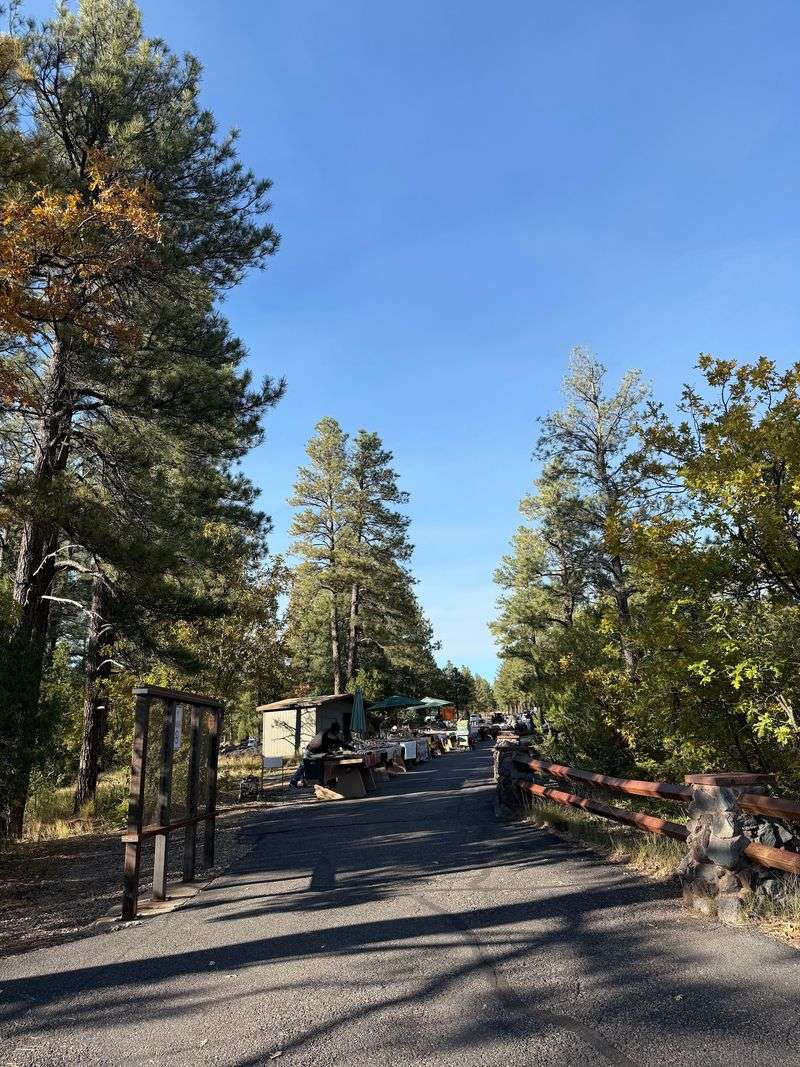
Set an alarm, because this is one holiday sale where hesitation costs you. For the 2026 season, online Christmas tree permits for the forest opened on November 14 at 8:00 a.m.
Arizona time.
That works out to 10:00 a.m. on the East Coast, which explains the early rush. Buyers need an account on the federal recreation booking system before they can check out.
Permits are sold first-come, first-served, and the Flagstaff-area ones have a habit of disappearing quickly. Creating your account a few days ahead can save you precious minutes on release morning.
Once your purchase goes through, you’ll print the permit and keep it with you. Having it on hand while cutting is required, so leaving it on the fridge is not an option.
Maps of the approved cutting areas become available after you buy. Download them right away, since cell service in the woods can be unreliable once you leave town.
A little planning really pays off here. Think of it like snagging concert tickets, except the headliner is a fragrant fir and the venue has much better views.
Two Ranger Districts Hold All The Best Hunting Grounds
Here’s a geography lesson that actually comes with a reward. Tree cutting is allowed only within designated areas of the Flagstaff and Mogollon Rim Ranger Districts of Coconino National Forest.
The 2026 cutting window runs from November 14 through December 31. That gives you several weeks to plan a trip, though the best-shaped trees often get spoken for early.
Your downloaded map shows exactly where the approved zones begin and end. Stick to those boundaries closely, because the rules leave no room for creative interpretation.
Cutting is off-limits on private land, in wilderness areas, and inside designated campgrounds. Existing tree plantations and active timber sales are also excluded, so a tempting tree beside a logging site stays put.
The Mogollon Rim country offers a slightly different feel than the forests closer to Flagstaff. Both areas deliver tall pines and that classic northern Arizona winter look.
Choosing between them may come down to where you’re driving from and current road conditions. Either way, you’ll be hunting in some of the prettiest high country the state has to offer.
Four Kinds Of Evergreen And One Rare Blue Bonus
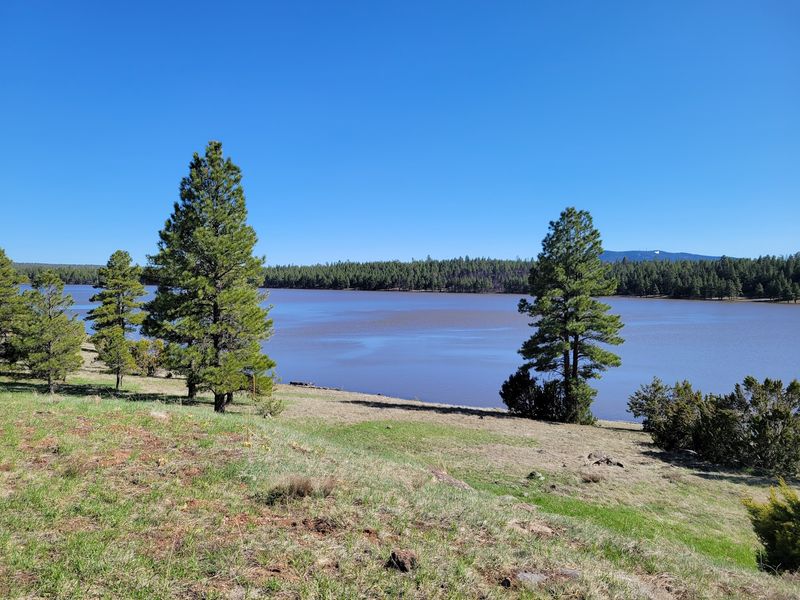
Pinyon, ponderosa, Douglas-fir, and white fir all show up on the menu in these woods. That’s a surprisingly wide lineup for anyone who assumed Arizona only grew cactus.
Each species brings its own personality to your living room. Ponderosa pines carry long needles, while pinyons stay compact and a bit scrappy in the most charming way.
Douglas-fir and white fir lean toward that traditional Christmas tree shape many families picture. Their softer needles also tend to make hanging ornaments a little easier.
Then there’s the wild card everyone secretly hopes to find. Some areas of the Flagstaff Ranger District Southside, including Mormon Mountain, may hold a beautiful blue spruce.
Nobody can promise you’ll stumble onto one, which honestly makes the search more fun. Spotting that silvery-blue color between the pines feels a bit like finding a golden ticket.
I can’t imagine a better way to teach kids the difference between a fir and a pine. By the end of the day, the whole family might be identifying needles like seasoned foresters.
Bring A Tape Measure Before Falling In Love
Love at first sight is great, but this tree still has to pass inspection. Your chosen evergreen can’t be taller than 10 feet, and its trunk diameter must be six inches or less.
Those limits keep the forest healthy and your ceiling safe. Honestly, a 10-foot tree is already more than most living rooms can comfortably handle.
The cut itself follows a simple rule too. Saw the trunk no more than six inches above ground level, so you don’t leave a tall stump behind.
You’ll also need to take the entire tree, not just the pretty top. Lopping off the upper section of a giant and leaving the rest is not allowed.
Snow can make measuring trickier than expected. Gently clear it away from the base first so you get an accurate reading of where the stump will sit.
A pocket tape measure takes up almost no space and can prevent plenty of guesswork. Toss one in your coat, and you’ll avoid the awkward moment of realizing your dream tree is slightly too thick.
Layers, Rope, And A Paper Map Make The Day Go Smoothly
Mountain cold in Arizona surprises plenty of desert dwellers every winter. Dressing in warm layers, insulated boots, and bringing extra dry clothes can turn a chilly outing into a cozy one.
Kids especially appreciate a backup pair of socks after tromping through snow. Toss in gloves, hats, and maybe a thermos of hot cocoa for the drive home.
The tool list stays refreshingly short. You’ll need your printed permit, a sturdy hatchet, ax, or saw, plus rope or twine to secure the tree.
Cell service in the forest can be spotty at best. A physical map of your cutting area keeps you oriented when your phone suddenly shows zero bars.
Let someone know your plans before you head out, too. It’s a small step that adds real peace of mind on remote forest roads.
This adventure suits families, couples, and anyone who enjoys a bit of fresh air with their holiday spirit. You don’t need to be a lumberjack, just someone willing to walk a little and pick carefully.
Snowy Forest Roads Deserve A Little Extra Respect
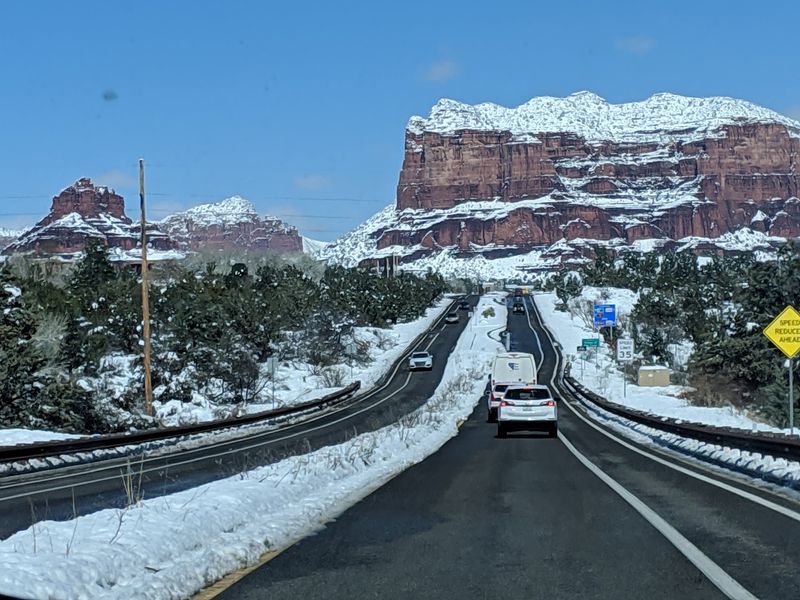
Plowed highways end long before the best trees begin. Many forest roads in Coconino National Forest may stay unplowed after snowfall, and some cutting area access points can close for safety.
Checking the weather, forest alerts, and road closures before leaving is a smart habit. Conditions in the high country can shift quickly, especially after a winter storm.
GPS doesn’t always keep up with forest service roads. Free paper Motor Vehicle Use Maps are available at district offices or as downloads, and carrying one is a wise move.
Vehicle choice matters out here as well. Muddy or snowy dirt roads can challenge low cars, so a higher-clearance vehicle often makes life easier.
Questions before your trip can go to the Forest Supervisor’s Office at 1824 S Thompson St, Flagstaff, AZ 86001. The office is open Monday through Friday from 8 a.m. to 4 p.m., and closed on weekends.
That weekday schedule means planning ahead pays off for weekend tree hunters. Grab maps or ask about conditions a few days early, and Saturday morning goes much smoother.
A Fresh-Cut Tree Worth Making Into A Yearly Tradition
Getting the tree home in good shape is the final boss of this adventure. Carry it gently out of the woods so you don’t rub off needles and bark along the way.
If it won’t fit inside your vehicle, wrap it in canvas or a tarp. That cover helps protect the branches from wind damage during the drive down the mountain.
Once you’re home, make a fresh cut across the bottom of the trunk. Then place it in a bucket of water right away and keep that water topped off.
Storing it outside for a while before decorating? A sheltered, shaded spot away from direct wind helps the tree stay fresh until you’re ready.
All that effort adds up to something a store-bought tree just can’t match. You’ll know exactly which snowy hillside it came from and who spotted it first.
For Arizona families, few holiday traditions offer this much fresh air and fun for so little money. Mark your calendar for permit day, round up the crew, and claim your perfect evergreen before someone else does.