
10 Picture-Perfect Maine Downtowns Made For Slow Wandering
A quick drive through town sounds practical, but it can also mean missing the best part of the trip. Maine has downtowns that make parking the car feel like an easy decision.
You can wander past old brick storefronts, browse a locally owned shop, or settle into a café without watching the clock. Coastal streets come with harbor views and salty air, while inland towns offer a slower rhythm shaped by local history.
Nothing feels rushed, and that is exactly the appeal. A stop planned for twenty minutes can easily turn into an entire afternoon.
This list highlights ten walkable downtowns filled with character and plenty of reasons to stay longer. Sometimes the best road-trip memories begin when you turn off the engine and simply look around.
1. Farmington
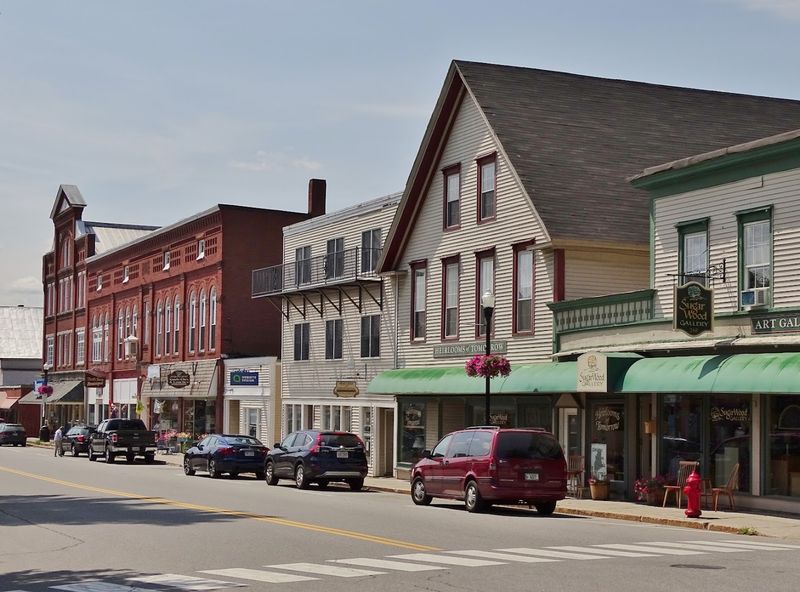
Few places in Maine feel as quietly alive as Farmington, a small university town tucked into the western foothills where the Sandy River winds nearby.
Home to the University of Maine at Farmington, the downtown has an easy, intellectual energy that you pick up the moment you start walking its compact main street. Independent bookshops, local eateries, and a handful of artisan businesses line the sidewalks, making every block worth a slow look.
Farmington is also the birthplace of Chester Greenwood, the teenager who invented earmuffs back in 1873. The town celebrates this proudly every December with a festival in his honor.
History like that adds a fun layer to an already appealing stroll.
The farmers market draws locals each week, and the surrounding hills make the town especially beautiful in fall when the foliage peaks. If you want a Maine downtown that feels lived-in and real rather than polished for tourists, Farmington delivers that in the most satisfying way possible.
2. Biddeford
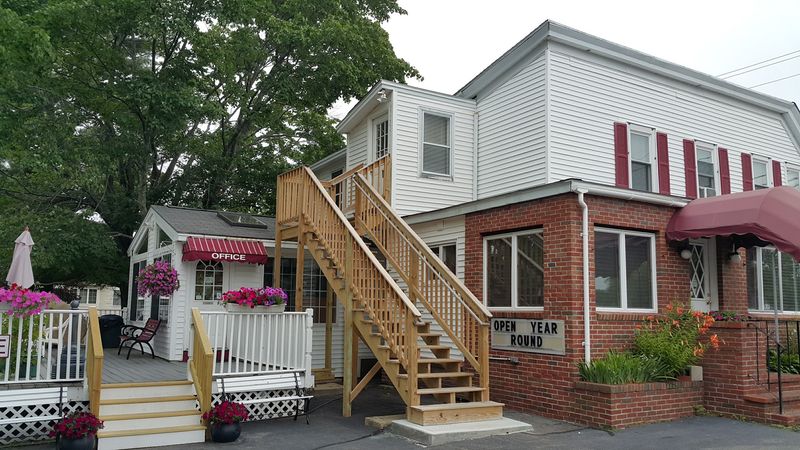
Biddeford has pulled off one of the most impressive downtown glow-ups in all of New England. Once a faded mill city, it has transformed its massive 19th-century textile buildings along the Saco River into a buzzing creative district full of independent restaurants, art studios, and maker spaces.
The energy here is unmistakably youthful and forward-moving, yet the bones of the old city are proudly on display everywhere you look.
Main Street has filled in nicely with local businesses that range from specialty coffee roasters to vintage clothing shops. The sprawling Pepperell Mill Campus alone is worth exploring, with historic mill buildings containing hundreds of thousands of square feet of redeveloped space.
Biddeford has also developed a food scene that punches well above its weight for a city of its size, drawing food writers and curious travelers from across the region.
Walking through the downtown on a weekend afternoon, you get the sense that something exciting is always just getting started here, and that feeling is one of the best souvenirs you can take home.
3. Brunswick
Brunswick sits at the top of a long list of Maine towns that reward a slow afternoon on foot. The downtown is anchored by a wide, grassy mall that runs down the center of Maine Street, giving the whole area an open, airy feel that is hard to find in most New England downtowns.
Bowdoin College sits just a short walk away, lending the town a scholarly atmosphere and a surprisingly strong arts and culture calendar throughout the year.
The Bowdoin College Museum of Art is free and houses a genuinely impressive collection, including works by Winslow Homer and Andrew Wyeth. Brunswick is also connected to some significant American history, as Harriet Beecher Stowe wrote “Uncle Tom’s Cabin” while living here.
The downtown itself offers a satisfying mix of independent restaurants, bookstores, and specialty shops. Tuesday and Friday mornings bring a lively seasonal farmers market to the Town Mall, drawing vendors and neighbors for a relaxed, community-centered gathering.
4. Bath
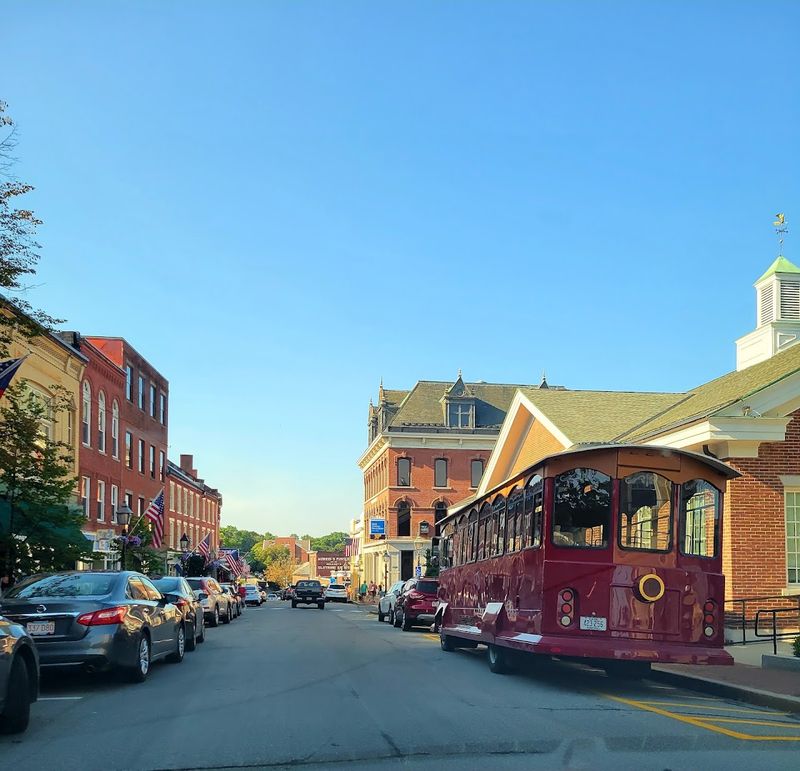
Known as the City of Ships, Bath sits along the Kennebec River and wears its industrial heritage with confidence. Bath has been building ships since the 17th century, and that maritime pride is woven into every corner of its downtown.
The downtown streetscape is one of the most intact collections of 19th-century commercial architecture in the state, with handsome brick facades lining Front Street in a way that makes every photograph look effortless.
The Maine Maritime Museum, located just south of downtown, is a world-class attraction that explores the region’s shipbuilding legacy through exhibits, historic vessels, and river tours.
Back on the main streets, you will find a growing selection of restaurants, antique dealers, and locally owned shops that make the downtown a genuinely useful place to spend a few hours.
Bath is compact enough to cover completely on foot, which is exactly the right pace for a town this thoughtfully preserved. The Kennebec River views from the city’s edges are a quiet bonus that many first-time visitors completely miss.
5. Rockland
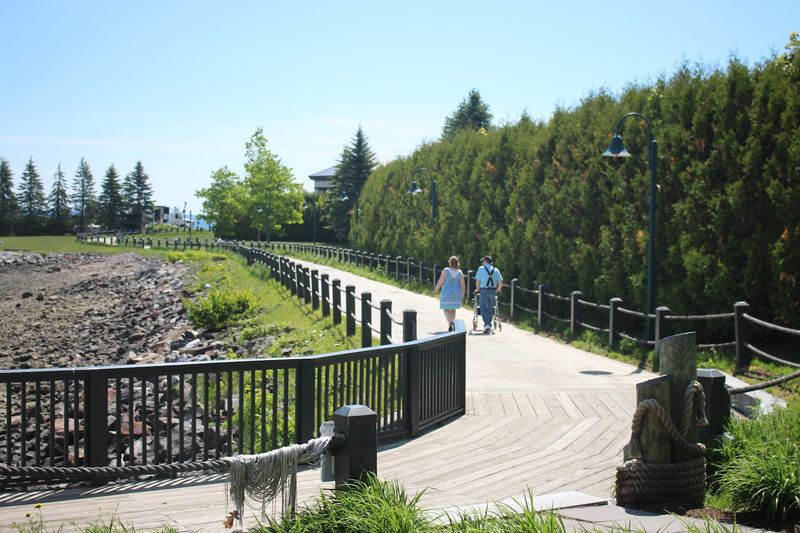
Rockland has quietly become one of the coolest small-city downtowns on the entire Maine coast, and it did it by leaning hard into the arts.
Main Street runs long and straight, lined with an impressive stretch of galleries, boutiques, and restaurants that would feel at home in a much larger city.
The crown jewel is the Farnsworth Art Museum, one of the finest regional art museums in the country, with a collection focused entirely on American art and deeply rooted in Maine imagery.
Andrew Wyeth’s famous “Christina’s World” has strong ties to this region, and the museum’s Wyeth Center draws serious art lovers from across the country.
Beyond the Farnsworth, Rockland hosts the Maine Lobster Festival every August, transforming its waterfront into a celebratory gathering that attracts tens of thousands of visitors.
The working harbor adds an authenticity that keeps the town grounded even as its arts scene grows. Rockland rewards slow exploration, especially if you give yourself time to pop into the smaller galleries tucked between the bigger draws, because that is often where the most surprising work lives.
6. Augusta

As the state capital of Maine, Augusta carries a certain civic weight, but its downtown is far more approachable and walkable than the word “capital” might suggest.
The granite Maine State House, crowned by its distinctive copper dome, anchors the upper part of the city and offers public tours on scheduled days. The building dates to 1832 and has been expanded and renovated over the decades while keeping its original character largely intact.
Water Street runs along the Kennebec River and has been steadily revitalizing over recent years, with local restaurants and small businesses moving into renovated historic spaces.
The Maine State Museum, located right next to the State House, covers everything from Maine’s natural history to its industrial past and is one of the most underrated free attractions in the state.
Augusta also has a strong local food scene anchored by independent spots rather than chains. For a capital city, it keeps things refreshingly low-key, which makes wandering through it feel like discovering something most people have overlooked entirely.
7. Bangor

Bangor carries a literary reputation that precedes it by decades, thanks largely to its most famous resident, author Stephen King, who has called the city home for most of his life.
His Victorian mansion on West Broadway is one of the most photographed private residences in Maine, complete with a spider-web gate that has become something of an unofficial landmark. But Bangor’s downtown is worth exploring well beyond its celebrity connection.
The downtown core features a strong collection of late 19th-century commercial architecture, and the city’s position at the head of the Penobscot River gave it enormous economic importance during the lumber boom era.
Pickering Square serves as a gathering hub, and the nearby waterfront has seen new development in recent years.
The Bangor Region offers a mix of local restaurants, live music venues, and independent shops that give the city a scrappy, authentic feel.
The Bass Park complex hosts events year-round, adding to the city’s community calendar. Bangor is the kind of downtown that rewards curiosity rather than an itinerary, so put the map away and just start walking.
8. Houlton
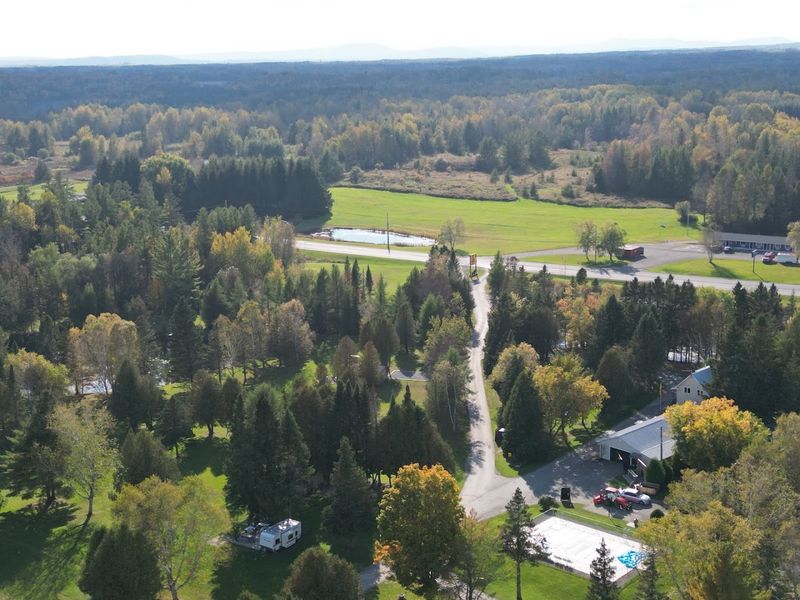
Located several miles from the Canadian border in Aroostook County, Houlton is the kind of small town that many Maine visitors never reach, and that is precisely what makes it worth the drive.
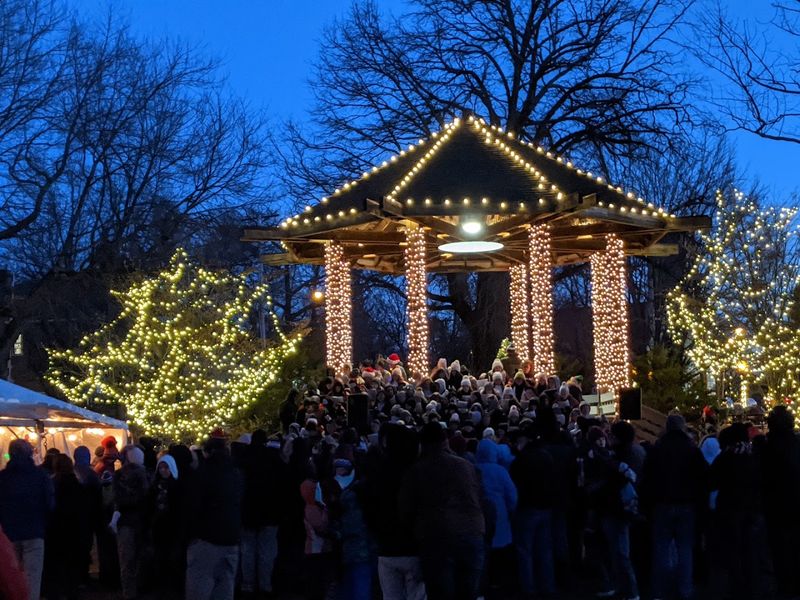
The downtown is centered on Market Square, a proper old-fashioned town square with a gazebo and historic brick buildings that have barely changed their outlines in over a century. There is a genuine quietness to Houlton that feels less like neglect and more like preservation by default.
Aroostook County is potato country, and the agricultural identity of the region is something Houlton wears openly and with pride. The Aroostook County Historical and Art Museum offers a thoughtful look at the area’s past, including its strong Acadian and Maliseet cultural roots.
The international border crossing here connects directly to Woodstock, New Brunswick, making Houlton a natural stopping point for cross-border travelers.
The town’s farmers market and local diners give it an everyday, unpretentious rhythm. Coming to Houlton means stepping into a version of Maine that has nothing to prove and everything to offer to those patient enough to slow all the way down.
9. Bar Harbor
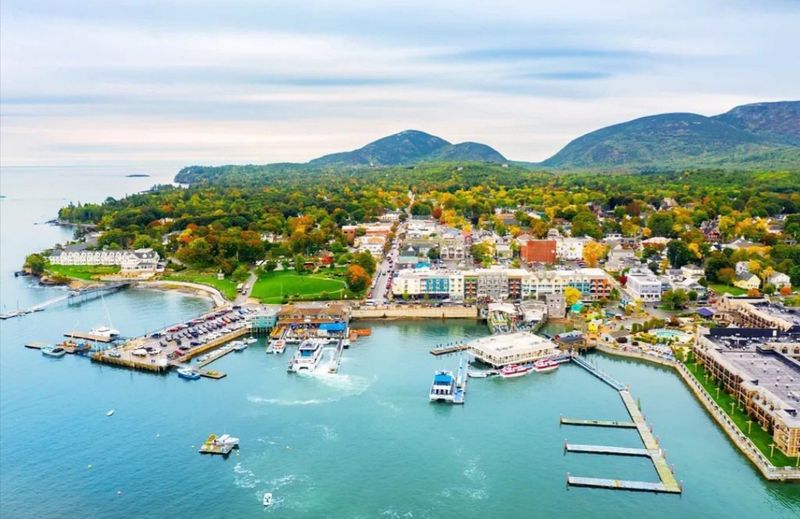
Bar Harbor sits on Mount Desert Island and serves as the main gateway to Acadia National Park, which means its downtown gets busy in summer, but it earns every bit of that attention.
The compact downtown wraps around the Village Green and extends toward the waterfront, where views of Frenchman Bay open up in a way that stops first-time visitors mid-sentence.
The scenery here is genuinely hard to overstate, and the downtown exists in a kind of ongoing conversation with the natural world just beyond its edges.
Cottage Street and Main Street are lined with independent shops, seafood restaurants, and ice cream stands that have become part of the Bar Harbor tradition over many generations.
The town was a favorite retreat for wealthy families in the Gilded Age, and a few grand “cottages” from that era still stand.
The Shore Path, a short coastal walking trail right from town, offers some of the best free scenery in all of New England.
Bar Harbor is best experienced in late spring or early fall when the crowds thin and the pace finally matches the word that belongs here most naturally: peaceful.
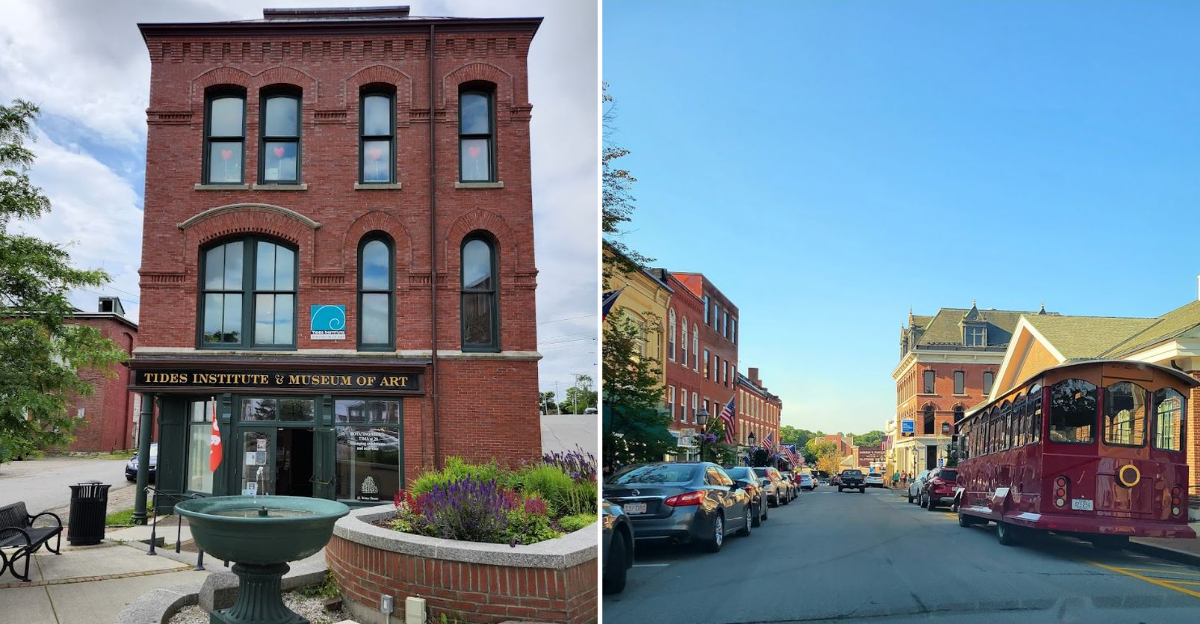
10. Eastport
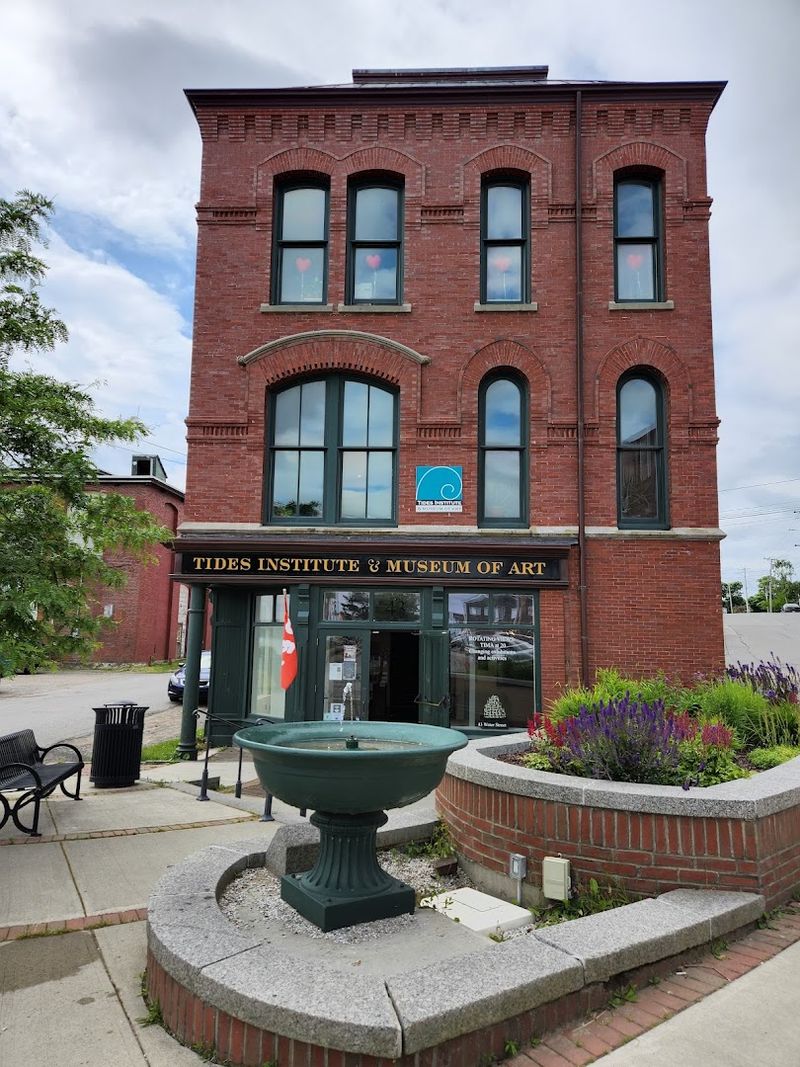
This town holds a record that most people find genuinely surprising: it is the easternmost city in the entire United States, sitting on Moose Island in Passamaquoddy Bay just a few miles from the New Brunswick shore.
Getting here takes commitment, which is exactly why it rewards you so generously once you arrive. The downtown is small, honest, and wonderfully unhurried, with Water Street running along the bay and offering views that shift constantly with the tides, which here are among the highest in the world.
The historic district has a collection of Federal and Greek Revival buildings dating to Eastport’s prosperous 19th-century era as a major sardine canning and trade port.
Today, artists and craftspeople have quietly settled here, drawn by the affordable space and the extraordinary light that comes off the water.
The Tides Institute and Museum of Art is a remarkable cultural anchor for a town this size. Every Fourth of July, Eastport hosts one of the oldest Independence Day celebrations in the country, drawing visitors who discover the town and immediately start planning a longer return trip.