
10 Places Across Arizona Where You Can Meet Wild Horses
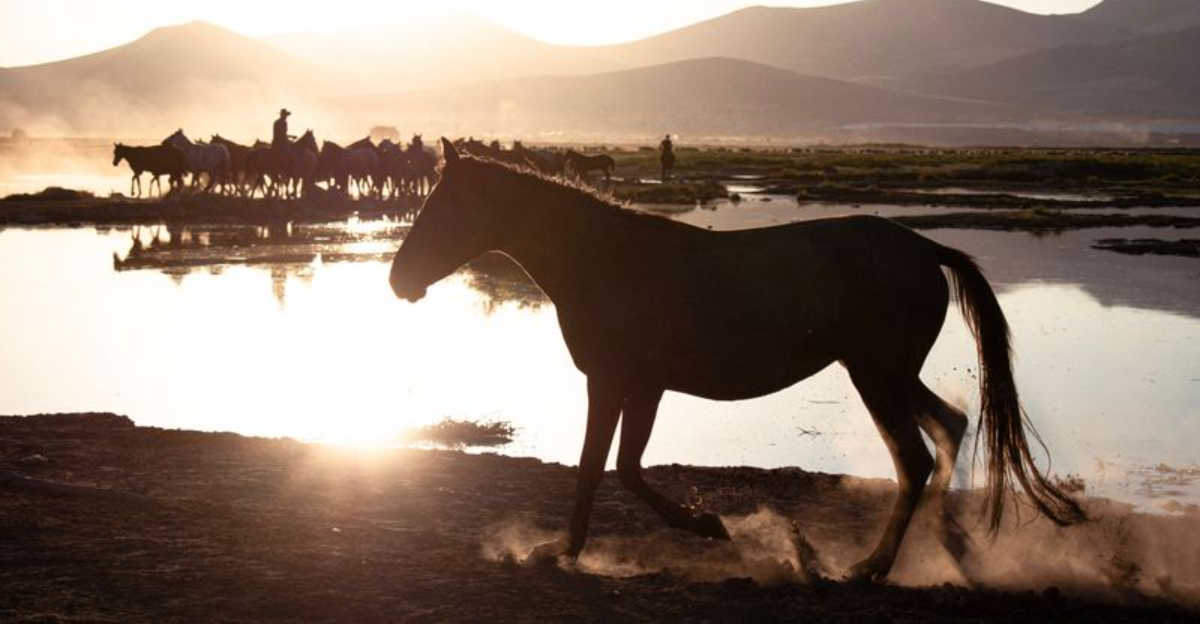
There is something genuinely spine-tingling about rounding a bend on a dusty Arizona trail and coming face-to-face with a band of wild horses grazing at the water’s edge.
Most people say they want to “find themselves” on a vacation, but I find it much more satisfying to go find a herd of wild horses instead. There’s no existential crisis that a few hours in the desert can’t fix, especially when you’re watching a band of mustangs navigate the terrain with absolute authority.
I’ve spent more time than I’d like to admit getting sand in my shoes to track these elusive beauties, but every second has been worth it. The golden light of Arizona turns these animals into silhouettes of pure poetry, making you feel like a guest in a kingdom that doesn’t belong to us.
If you’re looking for a dose of magic to shake up your routine, put down your phone, grab some water, and come along as we explore the best places to meet these legends.
I have put together this guide to help you plan a real, rewarding encounter with some of the most iconic animals in the American West.
1. Coon Bluff Recreation Area Near Mesa
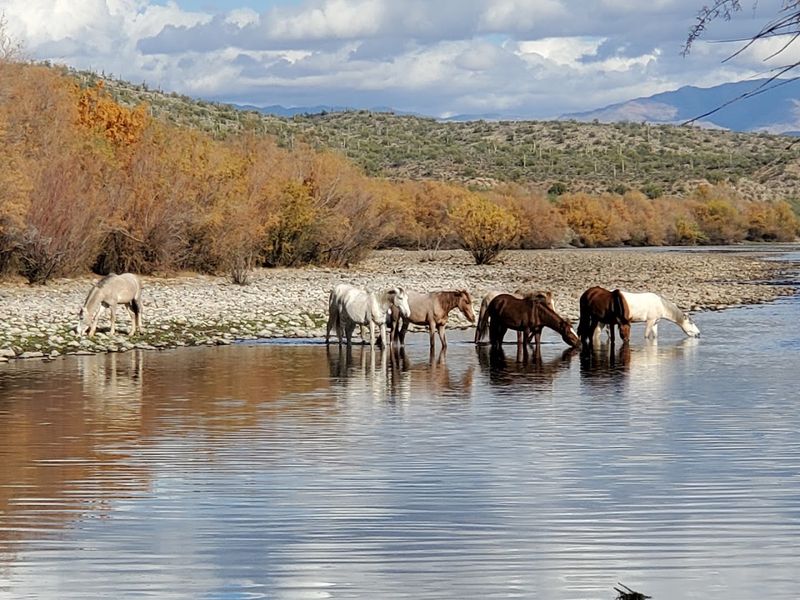
Ask any local horse watcher along the Lower Salt River where to start, and the answer almost always comes back to Coon Bluff. Widely regarded as the single strongest viewing spot in the entire corridor, this recreation area near Mesa sits right where the desert meets the water in the most dramatic way.
Horses may appear along the riverbank, tucked into the shade of mesquite groves, or standing in the shallows cooling off on a hot afternoon. The variety of terrain gives each visit a different feel, because you never quite know which part of the landscape the herd will choose that day.
Bring binoculars and give the animals plenty of space. The Salt River Wild Horse Management Group recommends staying at least 50 feet away at all times.
Sunrise visits tend to be the most rewarding, with soft golden light and far fewer people sharing the trail with you. The quiet river setting makes the sighting feel even more special when a band finally steps into view.
Just remember, the best photograph is the one taken without changing the horses’ natural behavior.
2. Granite Reef Day Use Area Near Mesa
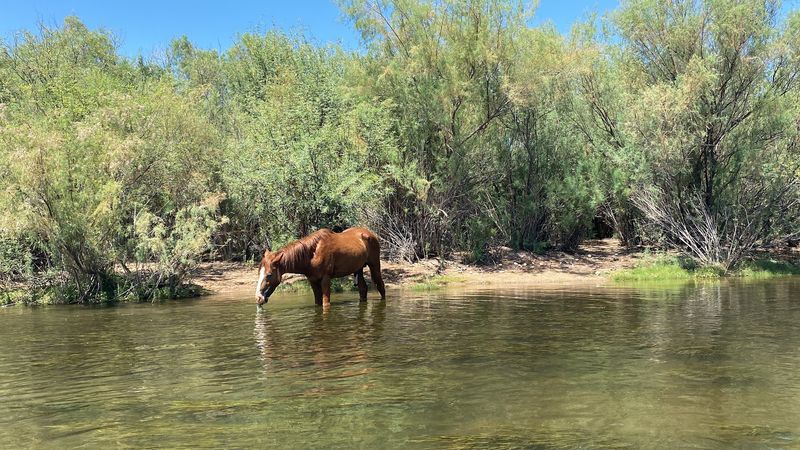
Sitting quietly by the non-motorized boat launch at Granite Reef, watching a band of horses emerge from the riparian brush, is one of those experiences that stops you mid-sentence and makes you forget whatever you were thinking about.
This day use area near Mesa provides easy shoreline access along the Lower Salt River and stays open year-round, which makes it a flexible option no matter when you visit.
Wild horses sometimes wander through the surrounding vegetation without any warning, so keeping your eyes moving across the tree line pays off. The area also attracts kayakers and birdwatchers, meaning the wildlife activity extends well beyond the horses themselves.
Parking is straightforward, and the site is managed by the Tonto National Forest. No fees are required for basic day use.
Early morning on a weekday is the sweet spot for a quieter, more personal encounter with the herd on its own terms. A sudden rustle in the brush can turn an ordinary riverside pause into the highlight of the entire trip.
Granite Reef rewards quiet patience, especially when the horses decide to make an entrance.
3. Phon D Sutton Recreation Area Near Fort McDowell
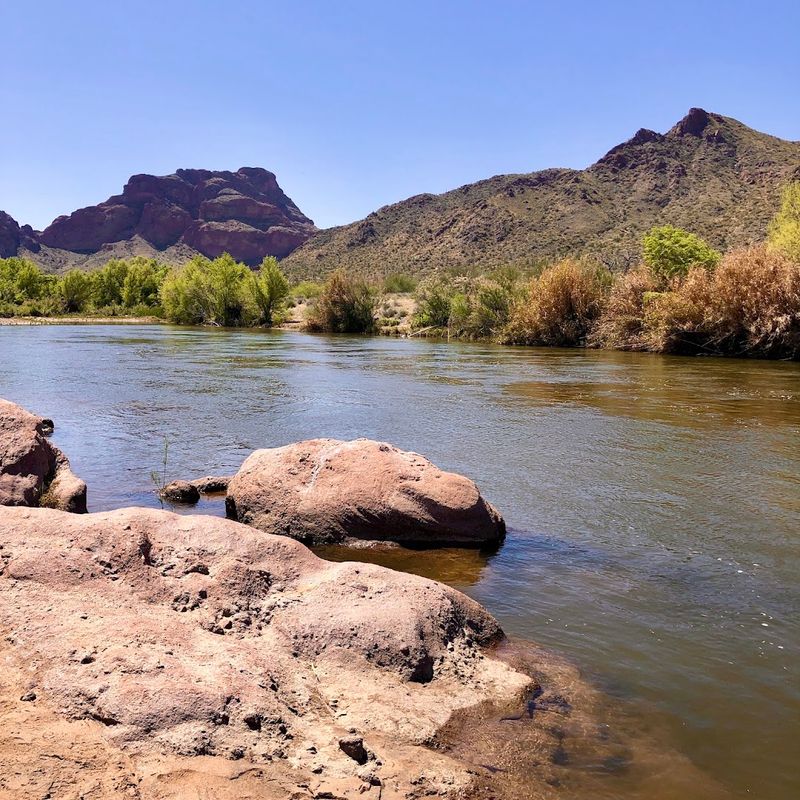
Sandy banks, shaded vegetation, and direct river access make Phon D Sutton one of the most comfortable places to settle in and wait for the Salt River herd to appear.
Located near Fort McDowell on the northeastern edge of the Phoenix metro area, this recreation area has a relaxed, unhurried atmosphere that suits patient wildlife watchers perfectly.
Sightings here are never guaranteed, because wild horses move on their own schedule and follow water, forage, and instinct rather than visitor expectations. That said, Phon D Sutton is regularly included on the recommended viewing circuit for good reason, since the terrain funnels horses toward the water in predictable ways.
The site has picnic tables and shade structures, so you can make a full morning of it without rushing. Pack water, sunscreen, and a camera with a decent zoom lens. Patience here genuinely gets rewarded more often than not.
4. Water Users Day Use Area Near Mesa
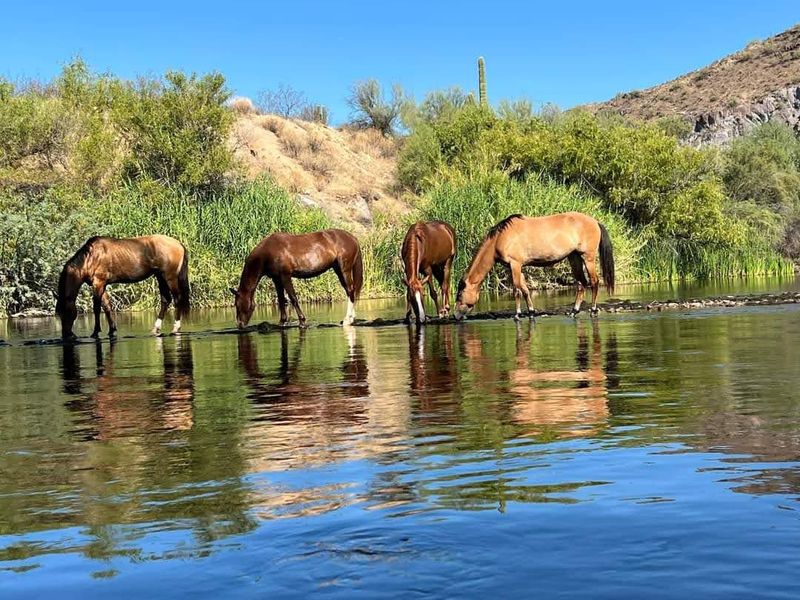
Popular with kayakers and tubers throughout the warmer months, Water Users Day Use Area gives visitors direct access to a stretch of the Lower Salt River that the wild horses frequent with notable regularity.
The energy here is livelier than at some of the quieter upstream spots, but the horses seem largely unbothered by the recreational activity happening around them.
Early mornings on weekdays offer the calmest window for wildlife watching, well before the summer crowd arrives with its inflatable tubes and portable speakers.
Showing up around sunrise in spring or fall puts you in the best position to observe horses grazing or crossing the river without the background noise of a busy recreation day.
Water Users is managed as part of the Tonto National Forest system. Bring cash or a credit card for the day-use fee, wear sturdy shoes for the uneven riverbank terrain, and plan to linger longer than you originally intended.
5. Goldfield Day Use Area Along The Lower Salt River
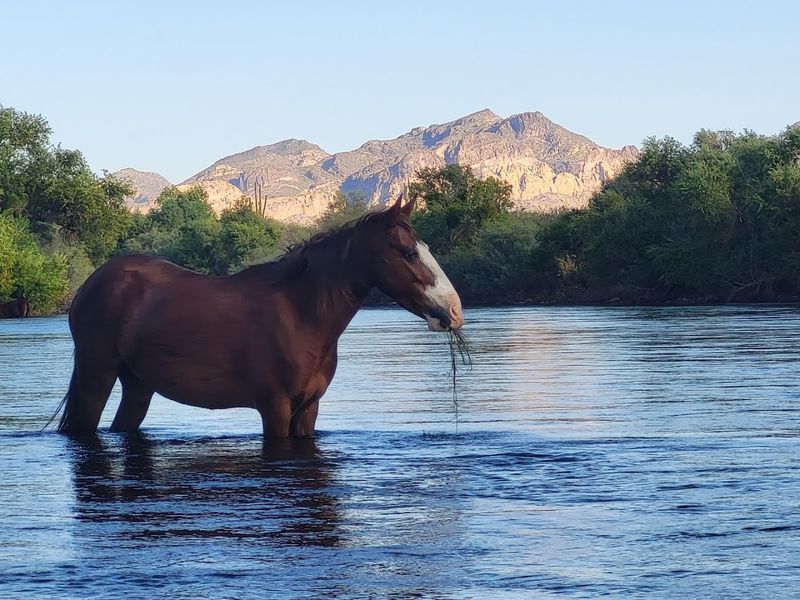
Named after the old gold rush town nearby, Goldfield Day Use Area carries a bit of frontier character that fits perfectly with the sight of wild horses moving through the desert brush.
This Forest Service recreation site sits along the Lower Salt River and gives visitors a legitimate river-access point where bands of horses are regularly spotted grazing or traveling between water and open terrain.
One thing worth understanding before you visit is that Goldfield is a managed natural area, not a curated animal attraction. The horses are genuinely wild, their behavior is unpredictable, and encounters depend entirely on where the herd decides to roam on any given day.
That unpredictability is honestly part of the appeal. Bring a good zoom lens, dress for the desert sun, and treat any sighting as the rare privilege it actually is.
The drive out along Bush Highway alone makes the trip worthwhile. Even when the horses stay out of sight, the river corridor delivers enough scenery to keep the outing from feeling wasted.
When they do appear, the whole landscape seems to snap into sharper focus.
6. Pebble Beach Day Use Area Near Mesa
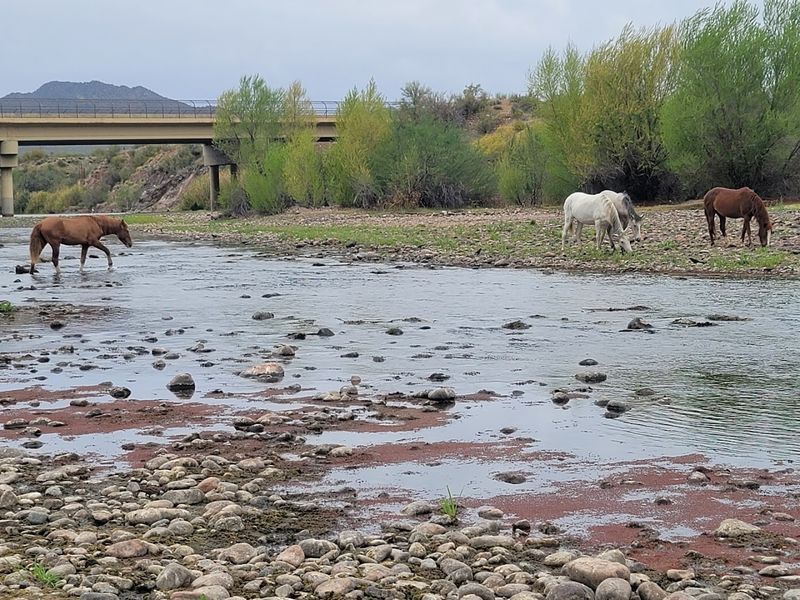
The wide, open shoreline at Pebble Beach gives you something that more heavily vegetated spots along the Salt River cannot always provide: long, unobstructed sightlines.
Being able to scan a longer stretch of riverbank means you often notice horses before they notice you, which makes for calmer, more natural observations without startling the animals.
Pebble Beach also serves as a popular tubing launch and takeout point, so it sees a steady flow of visitors during summer weekends. Timing your arrival for a cooler weekday morning in spring or autumn shifts the experience considerably, turning a busy recreation spot into a peaceful wildlife watching location.
The site is part of the Tonto National Forest and sits conveniently along Bush Highway northeast of Mesa. Horses move through this section of the river corridor regularly, and the open terrain makes Pebble Beach one of the more photogenic stops on the entire Lower Salt River route.
7. Blue Point Day Use Area Near Saguaro Lake
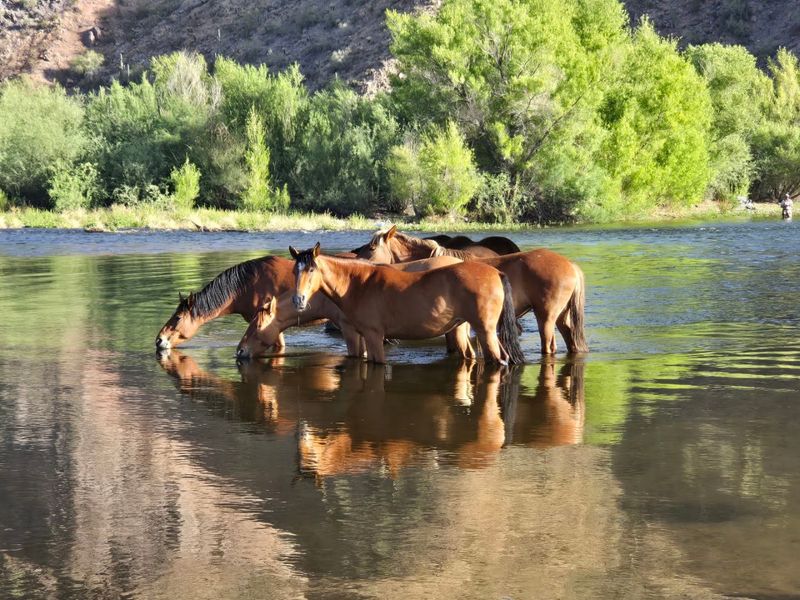
Farther upstream in the Lower Salt River corridor, Blue Point Day Use Area sits near the base of Saguaro Lake and offers a slightly different perspective on the wild horse experience.
The landscape here feels a touch more rugged and remote, with the canyon walls closing in a bit and the river running quieter than it does at the more crowded downstream sites.
Horses move throughout this entire stretch of the corridor, but their precise location shifts constantly based on water levels, available forage, weather patterns, and how much human activity is happening nearby.
Blue Point rewards visitors who arrive without rigid expectations and stay flexible enough to explore a bit. Saguaro Lake itself is worth a look while you are in the area.
The combination of lake scenery, desert cliffs, and the possibility of a wild horse sighting along the river makes this corner of Tonto National Forest one of Arizona’s most underrated outdoor destinations.
8. Heber Wild Horse Territory Near Heber-Overgaard
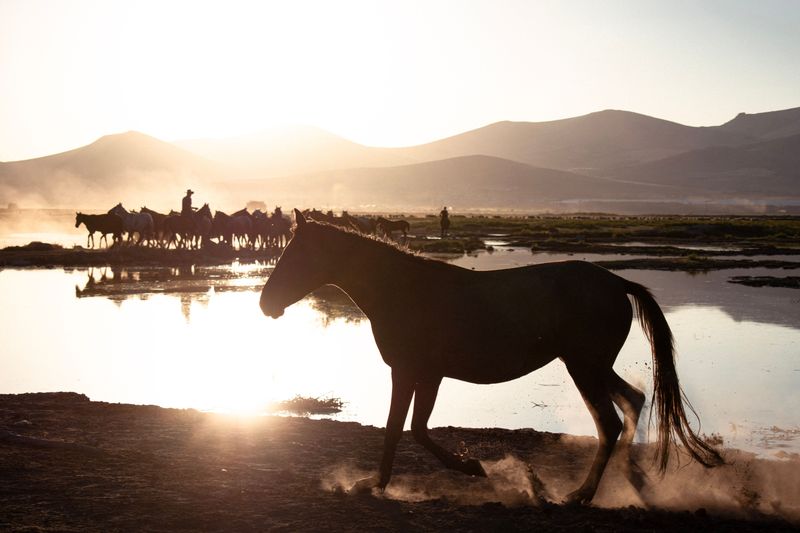
Swapping the Sonoran Desert floor for a canopy of tall ponderosa pines changes everything about the wild horse experience, and that is exactly what the Heber Wild Horse Territory delivers.
This roughly 19,700-acre territory lies within Apache-Sitgreaves National Forest, south and west of Highway 260 near the small community of Heber-Overgaard in the White Mountains region of Arizona.
The forest setting gives this spot a completely different visual character from the river-bottom horses near Mesa. Here, horses graze in meadow clearings, move through stands of pine and juniper, and blend into a high-elevation landscape that feels more like Colorado than classic Arizona desert.
Elevations in this area sit well above 6,000 feet, so temperatures run cooler than the Phoenix valley even in midsummer, making it a refreshing road trip option.
The territory is managed by the Apache-Sitgreaves National Forest, and roads through the area are generally accessible to standard passenger vehicles in dry conditions.
9. Cerbat Mountains Herd Area Near Kingman And Chloride
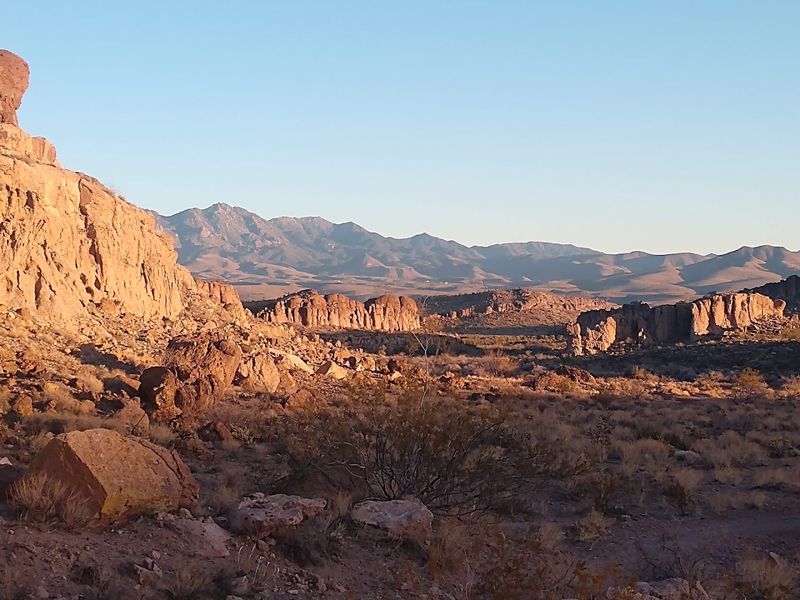
Roughly 70 wild horses call the Cerbat Mountains home, and the scale of their range makes every sighting feel genuinely earned.
This 83,000-acre herd area stretches north of Kingman between U.S. Highway 93 and Stockton Hill Road, with the quirky little mining town of Chloride sitting near its western edge, adding a layer of historical texture to the visit.
The Cerbat Mountains themselves are dry, rocky, and dramatic in the way that only the Mojave Desert transition zone can be. The horses here have adapted to a tough landscape, and watching them navigate the terrain gives you real respect for how resilient these animals are.
Kingman serves as a comfortable base with solid dining and lodging options. The Bureau of Land Management oversees this herd area, and the best viewing tends to happen near water sources in the early morning hours.
A high-clearance vehicle is helpful for exploring the backcountry roads.
10. Cibola-Trigo Herd Management Area Near Yuma And Quartzsite
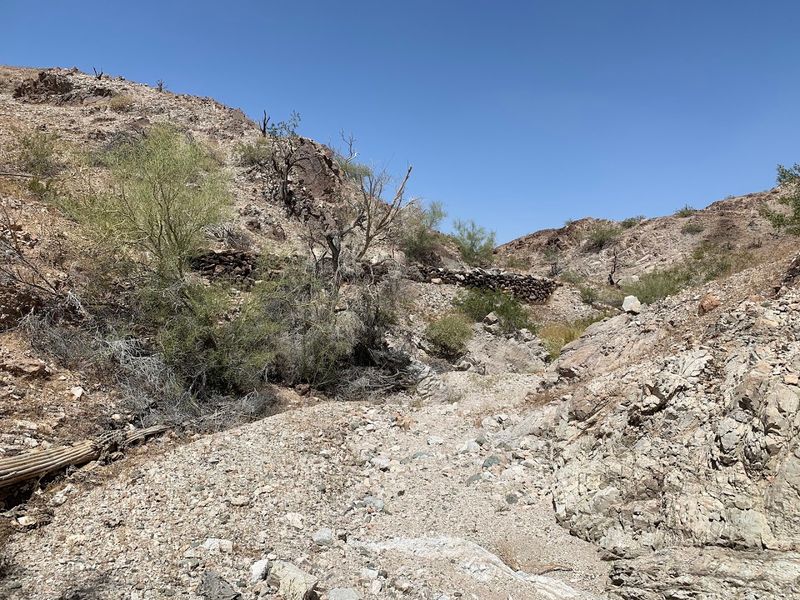
Getting to the Cibola-Trigo Herd Management Area requires a genuine commitment to adventure, and that is a big part of what makes it memorable.
Approximately 120 horses occupy this remote stretch of low desert, divided primarily into the Gould Wash and Castle Dome Wash herds, spread across a landscape that feels about as far from a city as you can get in Arizona.
The area lies east of Yuma and south of Quartzsite, managed by the Bureau of Land Management. Parts of the range overlap with military or otherwise restricted land, so confirming legal public access before heading out is not optional, it is essential planning.
Winter and early spring are the most practical times to visit, since summer temperatures in this corner of the Sonoran Desert push well past 110 degrees Fahrenheit. A four-wheel-drive vehicle, extra water, a paper map, and a downloaded offline GPS route are all non-negotiable items for this particular trip.
11. Let The Wild Stay Wild
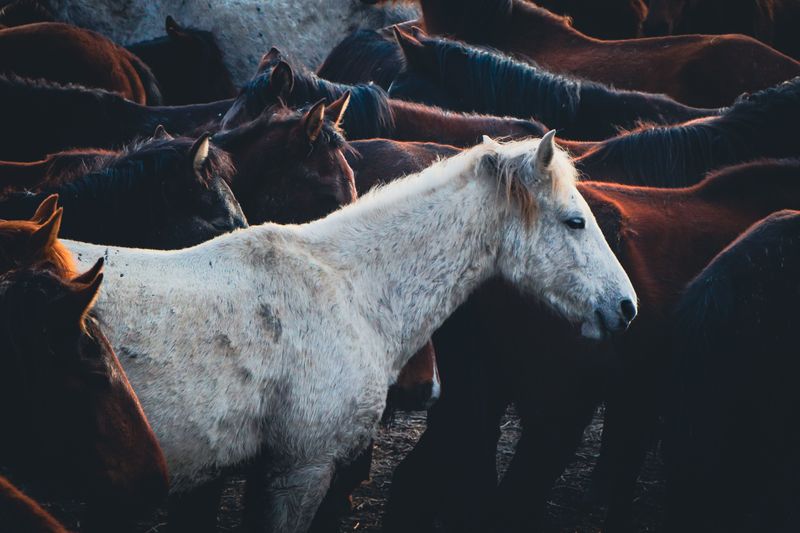
Arizona’s wild horses turn an ordinary drive, hike, or river stop into the kind of moment people talk about long after the dust settles.
One sighting might happen beside the Salt River, another in the pines near Heber, and another across the wide desert near Kingman. That variety is exactly what makes the search so exciting. No two locations feel the same, and no horse follows a visitor schedule.
Patience matters, distance matters, and respect matters most. These animals are wild, which means the best encounters happen without feeding, touching, crowding, or trying to block their path for a photograph.
Bring binoculars, keep the camera ready, and let the horses decide whether they appear.
The reward is not simply checking another Arizona attraction off the list. It is watching a living piece of the landscape move through water, forest, or open desert exactly as it chooses.
That freedom is the whole point, and it is worth protecting for future generations.