
10 Places In Illinois That Feel Straight Out Of Another Era

Illinois knows how to catch a traveler off guard. One moment the road cuts through quiet farmland.
The next, it arrives at a brick street, a glowing marquee, or a hotel lobby that still carries the mood of another century. Time moves differently in parts of Illinois.
Old theaters still light their signs at night and front doors open to rooms where presidents once spoke and bands once played to packed dance floors. These places do not sit behind velvet ropes.
They live and breathe. A visitor can walk the same halls, sit in the same seats, and stand where history once unfolded in real time.
And so can you.
1. Historic Downtown Long Grove, Long Grove
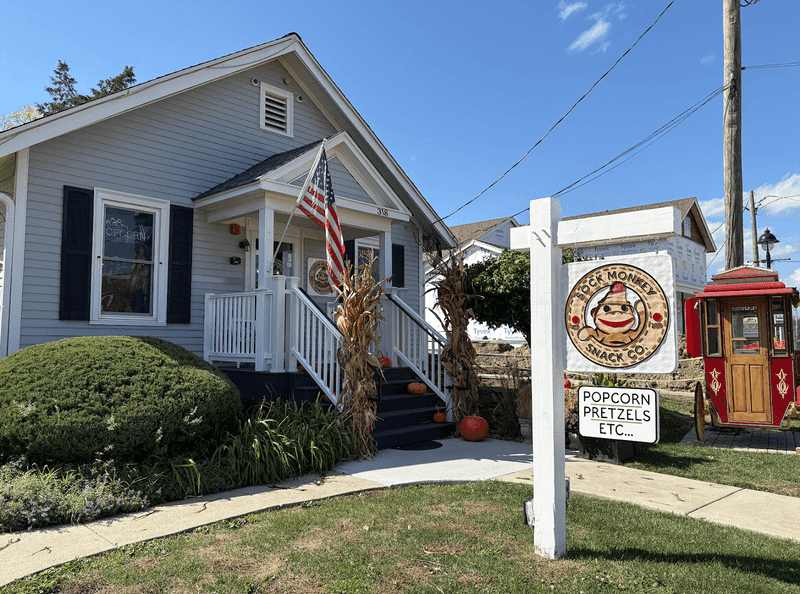
Cobblestone paths and hand-painted shop signs greet you the moment you arrive in Long Grove, a small village in Lake County, Illinois that has guarded its 19th-century character with remarkable dedication.
The downtown area looks like it was lifted straight from a Victorian-era postcard, complete with wooden storefronts, covered bridges, and flowering window boxes.
Shopkeepers here take pride in keeping the old-world atmosphere alive. You will find boutique candy stores, antique shops, and cozy bakeries tucked into buildings that have stood for well over a hundred years.
The village’s iconic one-lane covered bridge, originally built in 1906 and later enclosed in wood, adds an extra layer of old-fashioned charm that photographers absolutely love.
Festivals happen throughout the year, drawing visitors who want to experience something genuinely different from modern strip malls.
The annual Applefest each fall is especially popular, filling the streets with the warm smells of the season. Long Grove proves that a community can grow and still hold tightly to the soul of its past.
2. Hotel Baker, St. Charles
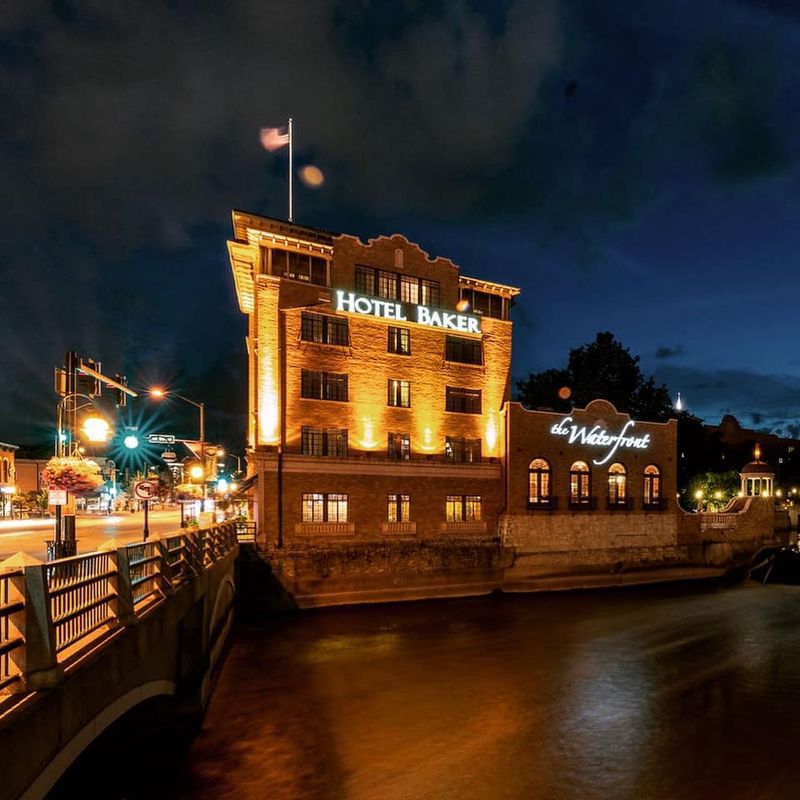
Few buildings in Illinois carry the glamour of Hotel Baker, a stunning 1928 landmark sitting right along the Fox River in St. Charles.
When Colonel Edward Baker built this Spanish Colonial Revival masterpiece, he wanted it to be the finest hotel between New York and Chicago, and by most accounts, he succeeded beautifully.
The hotel became a popular retreat for celebrities and socialites throughout the mid-20th century. Its Rainbow Room ballroom, famous for its glowing glass dance floor lit from underneath, once hosted big band performances that drew crowds from across the Midwest.
Walking through the lobby today still feels like stepping into a golden era of elegance.
The hotel has been carefully restored and continues to welcome guests who want to sleep where history happened. Original architectural details, including ornate ironwork, arched windows, and hand-painted ceilings, remain lovingly preserved.
St. Charles itself is a charming riverside town worth exploring, but Hotel Baker is the undeniable centerpiece that makes the whole trip feel like something truly special.
3. DeSoto House Hotel, Galena
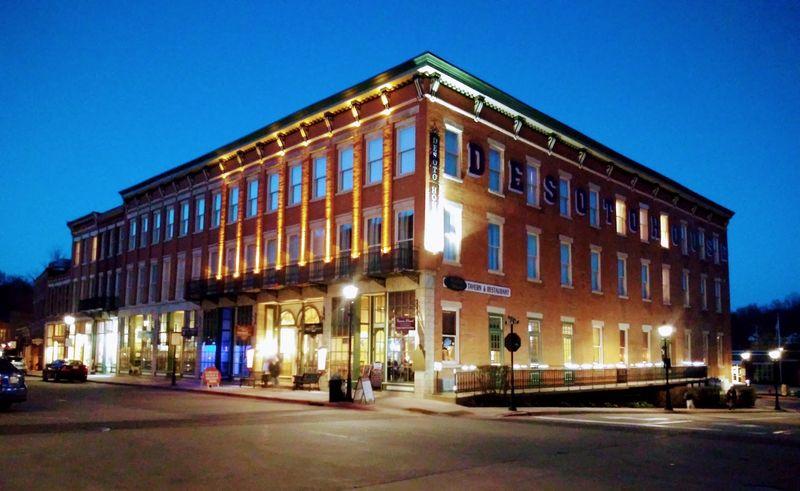
Galena is already one of Illinois’s most beautifully preserved 19th-century towns, and DeSoto House Hotel sits at the heart of it like a crown jewel. Opened in 1855, it holds the title of the oldest operating hotel in Illinois, a fact that becomes easy to believe the moment you see its grand Main Street facade.
Ulysses S. Grant used this hotel as his campaign headquarters during the 1868 presidential election, and Abraham Lincoln once spoke from its balcony to a crowd gathered below.
Those are not just fun trivia facts but living pieces of American history that give every stay here a sense of real weight and meaning.
The rooms have been updated for modern comfort without stripping away the character that makes DeSoto House so remarkable. High ceilings, period-inspired furnishings, and a dining room that feels like something from another century all contribute to the experience.
Galena itself rewards slow exploration, with its hilly streets, red brick buildings, and independent shops making it one of the most atmospheric towns in the entire Midwest.
4. Egyptian Theatre, DeKalb

Built in 1929 and inspired by the worldwide craze that followed the discovery of King Tutankhamun’s tomb, the Egyptian Theatre in DeKalb is one of the most visually stunning buildings in all of Illinois. The exterior alone stops people in their tracks, with hieroglyphic carvings, lotus columns, and sphinx-like figures decorating every surface.
Inside, the experience only gets more dramatic. The auditorium is filled with ancient Egyptian motifs, painted murals, and an atmosphere that feels completely unlike any modern movie theater or concert venue you have ever visited.
The Egyptian Theatre seats around 1,400 people and still hosts live performances, classic film screenings, and community events throughout the year.
A dedicated group of preservationists has worked tirelessly to restore and maintain this one-of-a-kind venue, ensuring that future generations can keep enjoying it. DeKalb is home to Northern Illinois University, giving the town a lively energy that pairs nicely with the theatre’s vintage grandeur.
If you have any appreciation for architecture, film history, or just genuinely cool old buildings, the Egyptian Theatre belongs on your Illinois itinerary without question.
5. Virginia Theatre, Champaign

The Virginia Theatre opened in Champaign in 1921 and has been charming audiences ever since with its Italian Renaissance architecture and lush interior details.
For years the theater hosted silent films accompanied by a grand Wurlitzer organ, which still sits on the stage and gets played at special events today.
That organ alone is worth the visit for music lovers, producing a rich, resonant sound that fills the entire hall in a way that modern speakers simply cannot replicate.
Today the Virginia Theatre is managed by the Champaign Park District and serves as a venue for concerts, film festivals, and community performances. The Roger Ebert’s Film Festival, known affectionately as Ebertfest, has called this theater home for many years, drawing film fans from across the country each spring.
Champaign is a vibrant university city, and the Virginia Theatre stands as its most beloved architectural and cultural treasure.
6. Lincoln’s New Salem State Historic Site, Petersburg
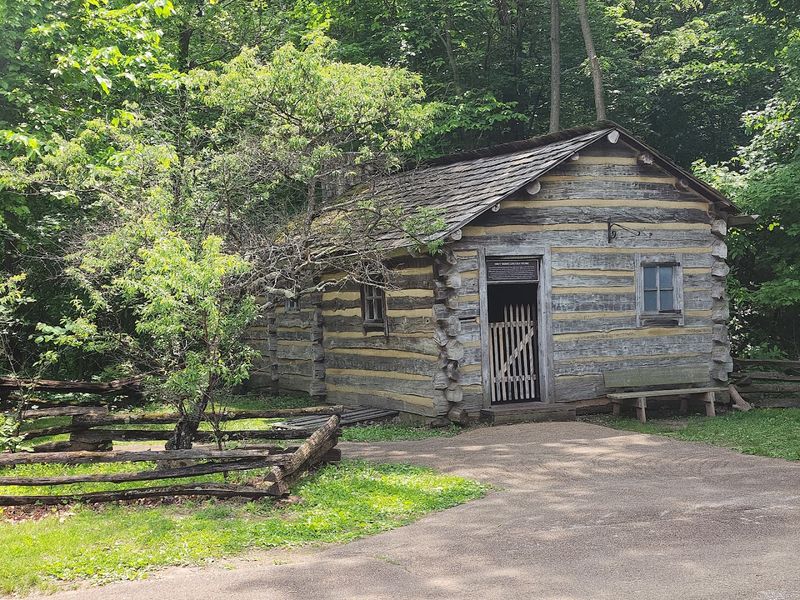
Picture a frontier village frozen in the 1830s, with hand-hewn log cabins, a working blacksmith shop, and costumed interpreters going about daily life as if the modern world simply does not exist.
That is exactly what you get at Lincoln’s New Salem State Historic Site, located just outside Petersburg in central Illinois.
This is where Abraham Lincoln spent his formative years between 1831 and 1837, working as a store clerk, postmaster, and self-taught lawyer before his political career took off. The village has been carefully reconstructed on the historic New Salem site using archaeological research and historical records, giving visitors a vivid sense of what frontier life actually felt like during that era.
Visitors typically explore the village on self-guided walks, with seasonal events and interpreter programs occasionally bringing the historic buildings and trades to life.
Children especially tend to be captivated by the hands-on nature of the experience, from watching a miller grind grain to seeing a cooper shape wooden barrels. New Salem offers a genuinely moving and educational afternoon that sticks with you long after you leave.
7. Old State Capitol State Historic Site, Springfield
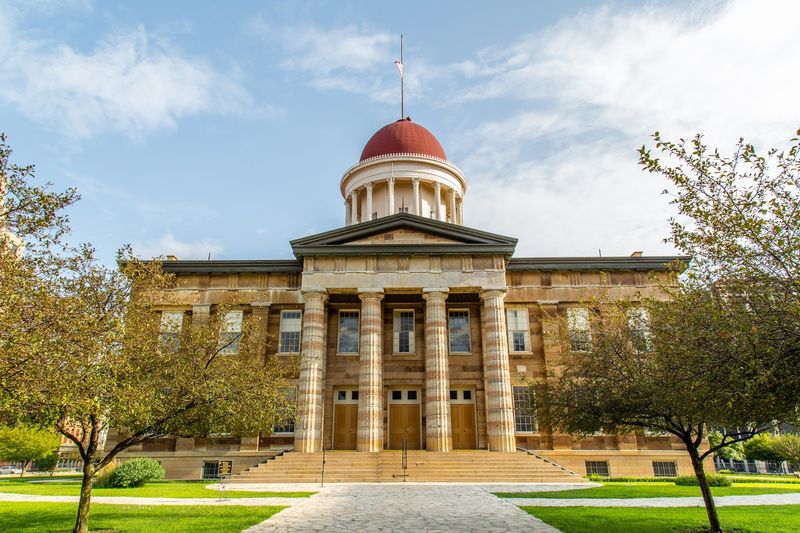
Springfield’s Old State Capitol is the kind of building that makes you stop and think about how much history can be contained within a single set of walls.
This elegant Greek Revival structure served as Illinois’s seat of government from 1837 to 1876 and witnessed some of the most consequential moments in the state’s political story.
Abraham Lincoln delivered his famous ‘House Divided’ speech here in 1858, a moment that helped define the national debate leading up to the Civil War. The building also served as the location where Lincoln’s body lay in state in 1865, drawing enormous crowds of mourners from across the country.
Barack Obama announced his presidential candidacy on the steps outside in 2007, adding yet another historic chapter to the building’s remarkable story.
The interior has been meticulously restored to its 1850s appearance, with period furnishings, original legislative chambers, and knowledgeable guides who bring the history to life with real enthusiasm. Springfield has no shortage of Lincoln-related sites, but the Old State Capitol stands apart as the most architecturally striking and historically layered of them all.
8. Vandalia State House State Historic Site, Vandalia
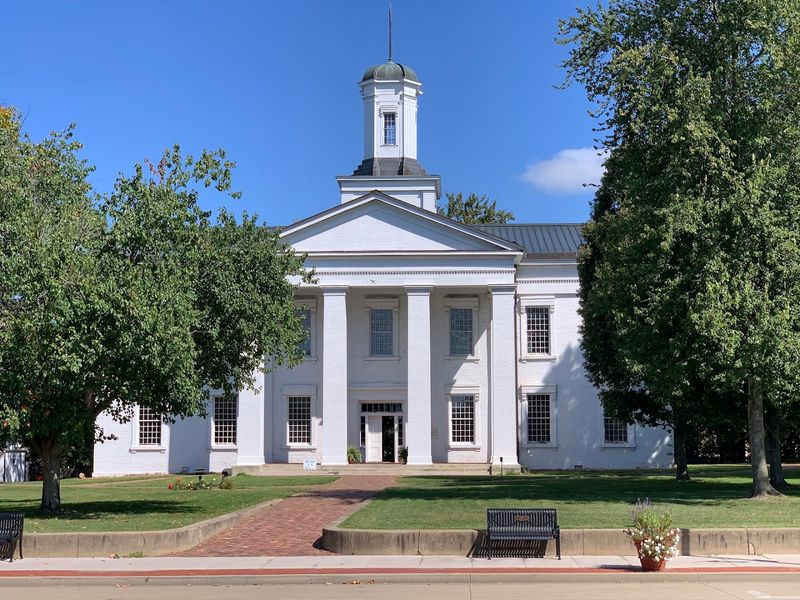
Not everyone knows that Springfield was not always Illinois’s capital. Before the seat of government moved in 1837, Vandalia served as the state capital, and the modest but deeply charming Vandalia State House is the only surviving building from that earlier era of Illinois government.
Built in 1836, this Federal-style structure is the oldest surviving capitol building in Illinois, and it carries that distinction with quiet dignity. Abraham Lincoln served in the Illinois General Assembly here early in his political career, making Vandalia an important stop on any serious Lincoln history tour through the state.
The building has been carefully restored and is now a state historic site open to the public.
Guides share stories about the debates, deals, and decisions that shaped early Illinois inside these very rooms. Vandalia itself is a small, friendly town in Fayette County in southern Illinois that welcomes visitors warmly.
The State House sits in a peaceful park setting that makes the whole experience feel unhurried and reflective, a rare quality that history lovers will truly appreciate.
9. Midway Village Museum, Rockford
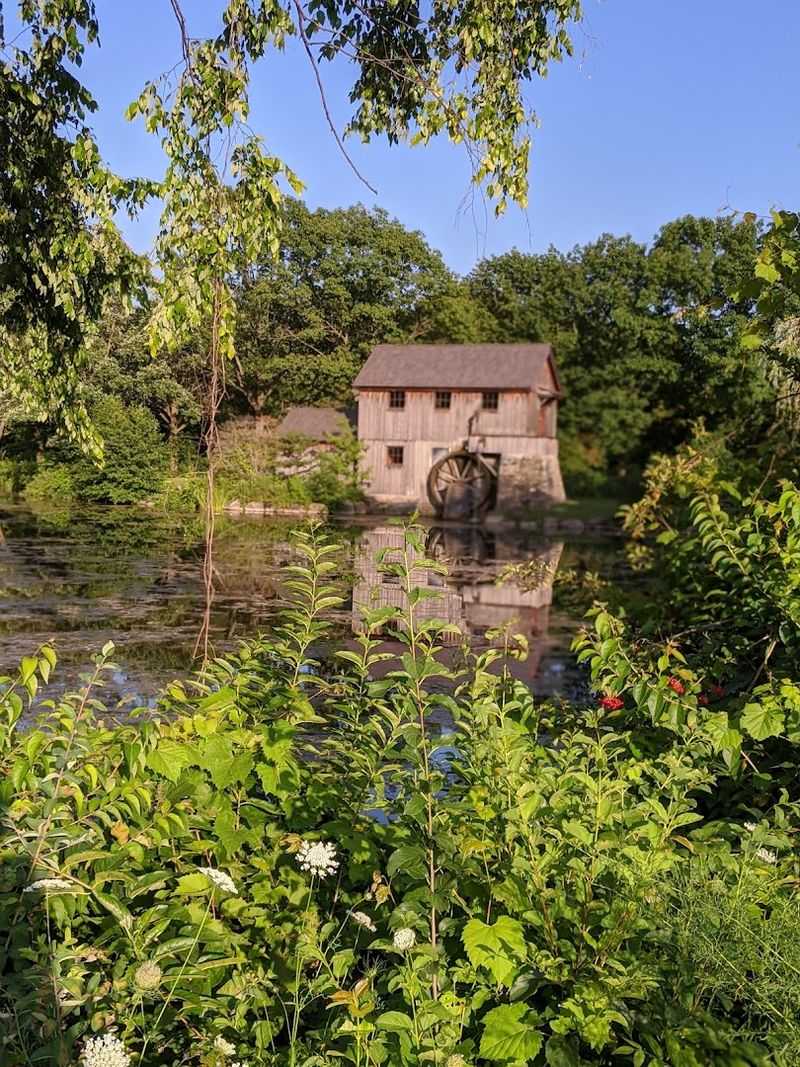
Rockford’s Midway Village Museum takes a creative approach to history by building an entire Victorian-era village that visitors can actually walk through.
Located on the northeast side of Rockford in Winnebago County, this living history museum features more than two dozen historic buildings arranged to recreate what a small Illinois town looked like in the late 1800s.
On living history weekends, costumed interpreters fill the streets, shops, and homes, performing the trades and daily routines of the period with impressive accuracy.
You might find a printer setting type by hand, a seamstress working at a treadle machine, or a schoolteacher leading a lesson in the one-room schoolhouse. The level of detail throughout the village makes it easy to forget what century you are actually standing in.
The museum also houses a large indoor gallery with permanent and rotating exhibits that cover Rockford’s industrial and cultural history. The museum also features a detailed World War One exhibit that explores the war’s impact on Rockford and the surrounding region.
Midway Village is particularly great for families with curious kids, offering the kind of immersive, tactile learning experience that no textbook can fully replicate. It is one of Rockford’s most underrated attractions.
10. Woodstock Opera House, Woodstock

Sitting proudly on the town square of Woodstock in McHenry County, the Woodstock Opera House has been a cultural landmark since it opened in 1890.
Its Victorian Gothic architecture, complete with a distinctive clock tower, makes it one of the most photographed buildings in northern Illinois and a genuinely beautiful piece of 19th-century design.
Orson Welles, one of the most celebrated figures in American film and theater history, got his early acting training at the Woodstock Opera House during the 1930s.
That connection gives the building a special place in the story of American performing arts, and a plaque outside honors that legacy for curious visitors.
The building also appeared in the 1993 film Groundhog Day, which was filmed extensively throughout Woodstock and turned the town into something of a pop culture pilgrimage destination.
Today the Opera House hosts a busy calendar of live theater, concerts, comedy shows, and community events, with performances presented by resident companies such as Theatre 121 and other regional groups. The quality of the productions consistently punches above what you might expect from a small-town venue.
Woodstock’s charming square, lined with independent shops and cafes, makes the whole visit feel like a genuine step into a gentler, slower time.