
8 Places In Illinois Where Rattlesnakes Have Been Spotted
Hearing a rattle somewhere near the trail is enough to make anyone freeze for a second. Illinois is home to two native rattlesnake species, the Timber Rattlesnake and the Eastern Massasauga, though seeing either one in the wild is quite rare, but not uncommon.
Both play an important role in keeping rodent populations under control and supporting healthy natural habitats. They tend to live around rocky bluffs, wooded slopes, or wetland edges, depending on the species.
This guide looks at eight real locations where rattlesnakes have been documented, so you can enjoy the outdoors with a little more awareness. Keep an eye on the trail, watch where you place your hands, and always give any snake plenty of room.
1. LaRue-Pine Hills Research Natural Area, Wolf Lake
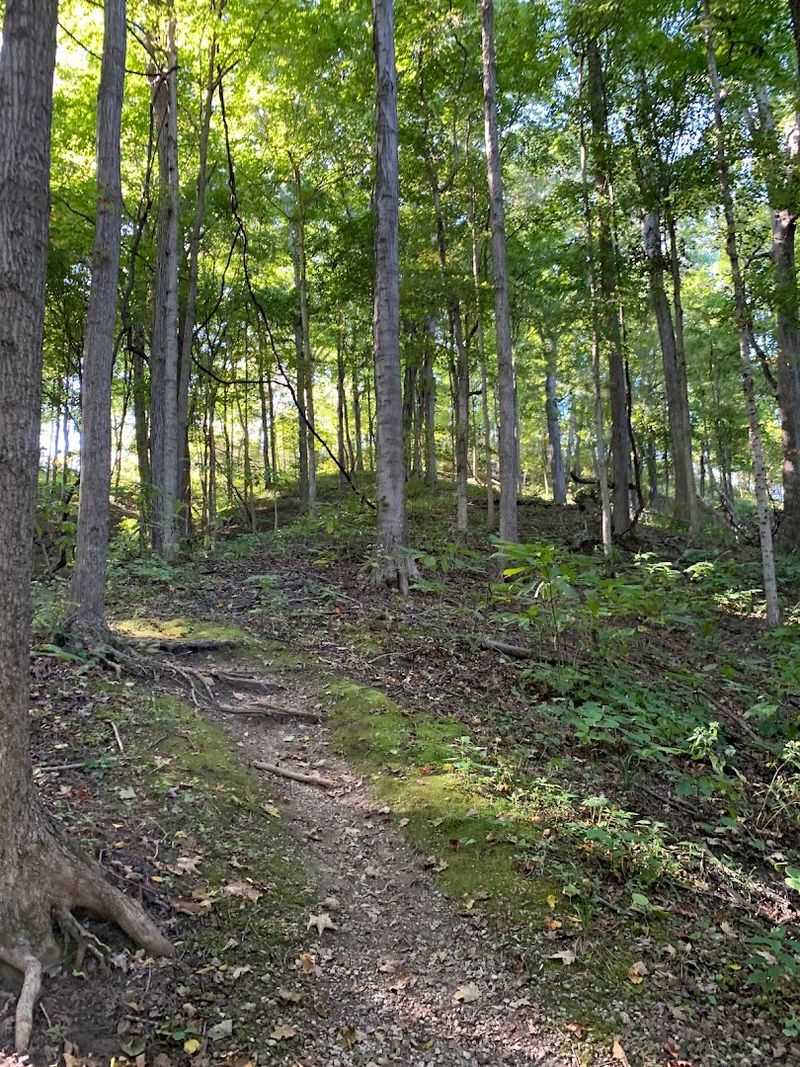
Few places in Illinois command as much respect from herpetologists and wildlife enthusiasts as LaRue-Pine Hills Research Natural Area near Wolf Lake in Union County.
This protected landscape is one of Illinois’ best-known places for observing the seasonal migration of snakes and other wildlife.
The area is so significant for snake migration that a section of LaRue Road is actually closed to vehicles twice a year, in spring and fall, specifically to protect reptiles crossing between their winter dens and summer feeding grounds.
Timber Rattlesnakes here can grow impressively large, with some individuals reaching over four feet in length. They tend to bask on rocky ledges and sun-warmed road surfaces, making careful observation from a safe distance entirely possible.
The bluffs rise dramatically above the Big Muddy River floodplain, creating a rich mix of habitats that supports an extraordinary diversity of wildlife beyond just rattlesnakes.
If you visit during the road closure period, typically mid-March through May and again in September through October, you stand the best chance of spotting one.
Always stay on designated paths, wear sturdy boots, and never attempt to handle or provoke any snake you encounter.
The research natural area designation means this land is protected for scientific study, so treading lightly is both a legal and ethical requirement. LaRue-Pine Hills is a genuinely wild place, and that wildness is exactly what makes it so unforgettable for anyone who appreciates native Illinois wildlife.
2. Garden Of The Gods Recreation Area, Herod
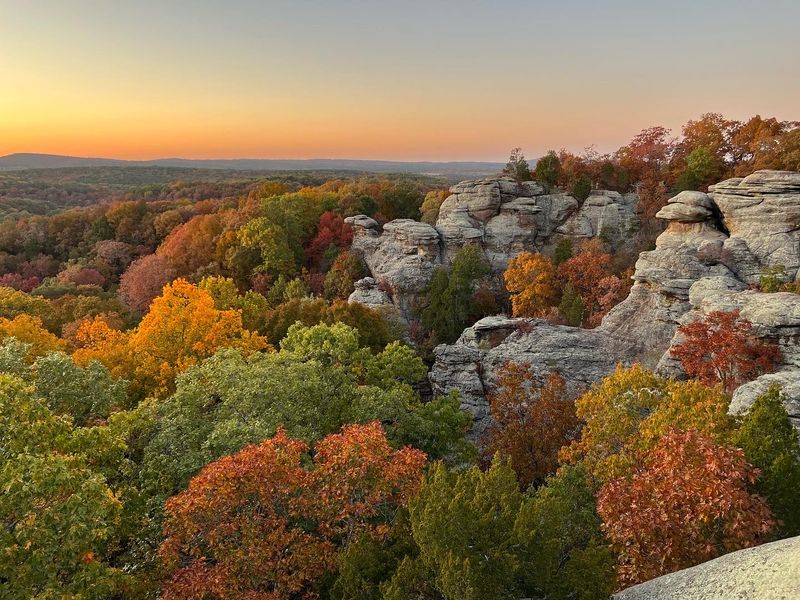
The rock formations at Garden of the Gods Recreation Area look like something out of a fantasy novel, and honestly, the wildlife living among them is just as extraordinary.
Located near Herod in Saline County within the Shawnee National Forest, this area features ancient sandstone formations with names like Camel Rock and Devil’s Smokestack, rising up from the forest floor in shapes that have been sculpted over millions of years.
It is also one of the more reliable locations in southern Illinois for Timber Rattlesnake sightings.
The rocky outcroppings and sun-exposed ledges provide ideal basking spots for these reptiles, especially during spring and early fall when temperatures are mild.
Hikers on the Observation Trail frequently report seeing snakes near the base of rock formations or crossing the path in the early morning hours. The terrain here rewards patience and attentiveness, since rattlesnakes blend remarkably well with the mottled browns and grays of sandstone.
Garden of the Gods draws visitors from across the Midwest for its scenic overlooks, and the Pharaoh Campground nearby makes it easy to spend a full weekend exploring.
If you are hoping to spot a rattlesnake, plan your hike for a warm morning after a cool night, when snakes are most likely to be out warming themselves.
Keep your eyes on rocky surfaces and brush piles, maintain a respectful distance, and carry a trekking pole to gently check the trail ahead. The combination of geological wonder and wild reptile encounters makes this one of Illinois most rewarding outdoor destinations.
3. Pere Marquette State Park, Grafton
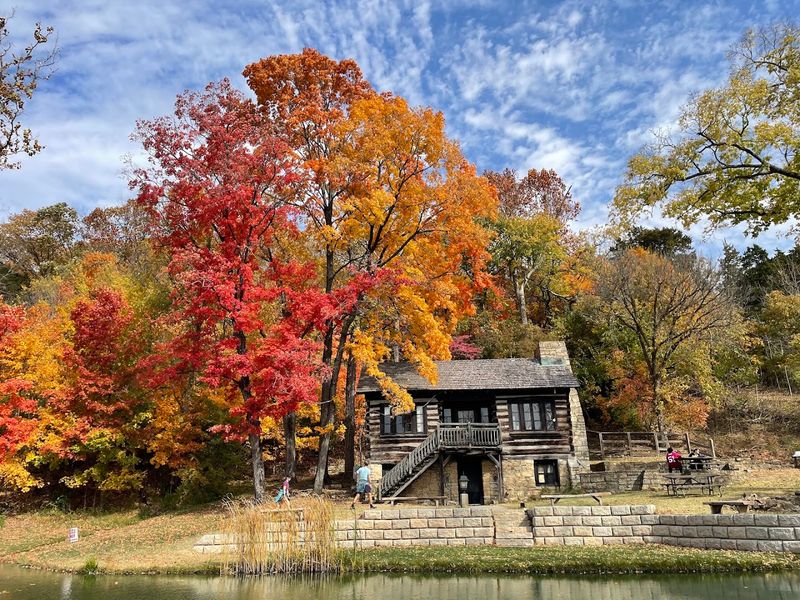
Pere Marquette State Park, sitting at the confluence of the Illinois and Mississippi Rivers near Grafton in Jersey County, is the largest state park in Illinois and a place where the landscape feels genuinely ancient.
The towering limestone bluffs, dense oak and hickory forests, and sun-drenched rocky ridges create textbook habitat for Timber Rattlesnakes, and the park has a well-documented history of sightings along its more rugged trail systems.
The McAdams Peak Trail and the Ridge Trail are two routes where hikers have reported rattlesnake encounters, particularly in areas where rocky outcroppings break through the forest canopy and provide warm basking surfaces.
Spring and early fall are peak activity periods, when snakes move between seasonal ranges and are more visible on open ground. The park covers over 8,000 acres, so the snake population here benefits from large, undisturbed stretches of habitat.
Pere Marquette is also a premier destination for birdwatching, horseback riding, and fall foliage viewing, which means it attracts a wide mix of outdoor visitors throughout the year.
The historic Pere Marquette Lodge, built by the Civilian Conservation Corps in the 1930s, adds a layer of human history to the wild landscape.
If you plan to hike the more remote ridgeline trails, wear long pants and high boots, stay on the trail, and scan rocky areas carefully before placing your hands or feet. Knowing that rattlesnakes share the trails here adds a genuine sense of wildness to every step you take in this remarkable park.
4. Mississippi Palisades State Park, Savanna
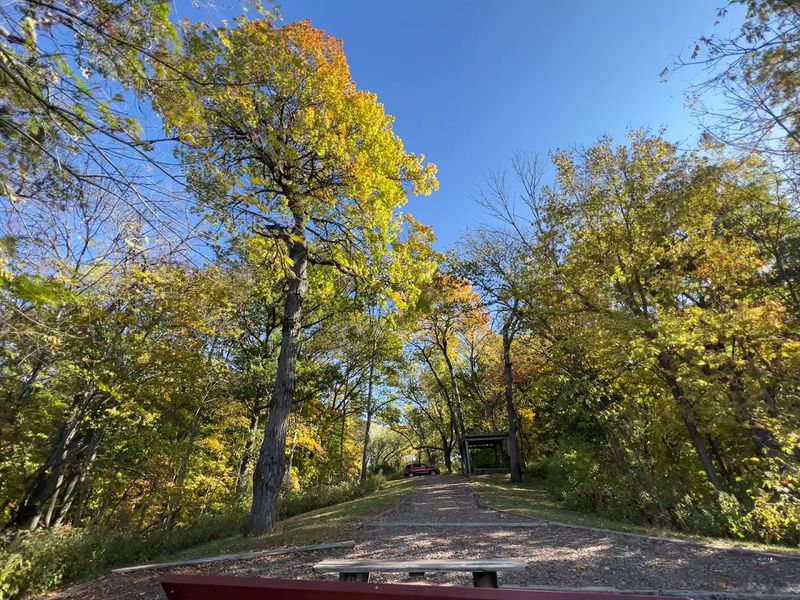
There is something quietly thrilling about hiking along towering limestone cliffs that drop straight down to the Mississippi River, especially when you know that Timber Rattlesnakes have been documented in the very same terrain.
Mississippi Palisades State Park near Savanna is one of the best-documented Timber Rattlesnake habitats in northwestern Illinois.
The park’s steep, rocky bluffs and south-facing ledges are classic overwintering habitat for rattlesnakes, which gather in communal dens called hibernacula during the colder months. Come spring, they disperse into the surrounding forest to hunt, bask, and eventually breed.
Hikers on the North Trail and the Sentinel Trail have occasionally spotted individuals near rocky outcroppings and fallen timber, especially during the transitional seasons of April through May and September through October.
Beyond the reptile factor, Mississippi Palisades is a genuinely beautiful park with over 13 miles of trails, stunning river overlooks, and excellent fall color displays that draw photographers and nature lovers from across the region.
The campground fills up quickly on autumn weekends, so booking ahead is a smart move if you want to experience the park at its most colorful.
Practical tip: if you are exploring near the base of cliff faces or around large boulders, use a trekking pole to check ahead and make noise as you walk. Rattlesnakes here are shy and would far rather avoid you than confront you, so mutual awareness goes a long way toward safe coexistence.
5. Trail of Tears State Forest, Jonesboro
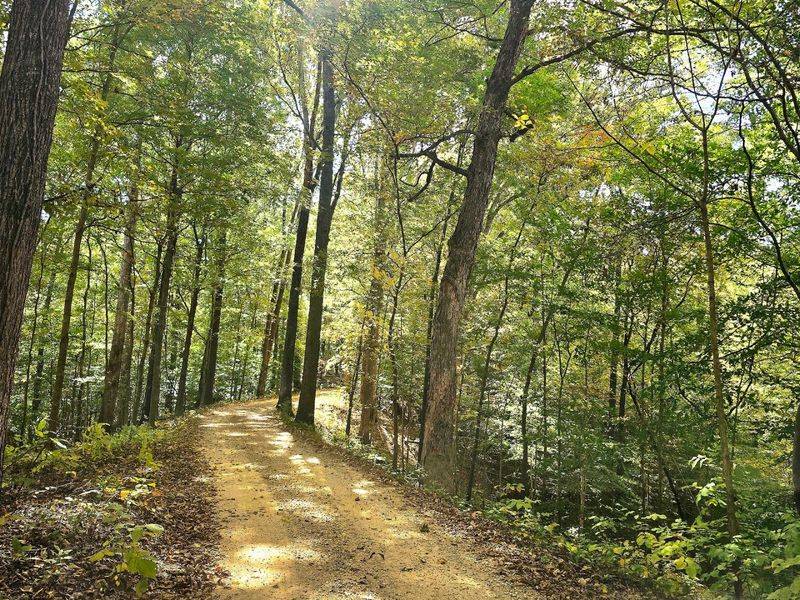
Named to honor the forced relocation of the Cherokee Nation that passed through this region in the 1830s, Trail of Tears State Forest near Jonesboro in Union County carries a weight of history that sits alongside its remarkable natural character.
The forest covers roughly 5,000 acres of rugged Ozark-influenced terrain, with rocky hillsides, dense hardwood stands, and creek hollows that provide exceptional habitat for Timber Rattlesnakes throughout the warmer months.
Sightings here tend to occur along the forest’s more remote fire roads and hiking trails, particularly in areas where rocky ridgelines are exposed to direct sunlight.
The snakes use these sun-warmed surfaces to regulate their body temperature, which is a behavior called thermoregulation, and it makes them visible to careful observers during morning hikes.
Trail of Tears is less visited than some of the more famous parks in the Shawnee region, which actually works in your favor if you are hoping for a quiet, immersive wildlife experience.
The forest also supports a rich community of other wildlife, including wild turkey, white-tailed deer, and a variety of migratory songbirds that pass through during spring and fall.
Equestrian trails wind through much of the property, and horseback riders have reported snake sightings in open meadow edges where forest meets grassland.
If you visit, bring good footwear, stay alert on rocky sections of trail, and take a moment to appreciate that you are walking through one of the most ecologically and historically layered landscapes in all of southern Illinois. That combination of story and wildness is genuinely hard to find elsewhere.
6. Giant City State Park, Makanda
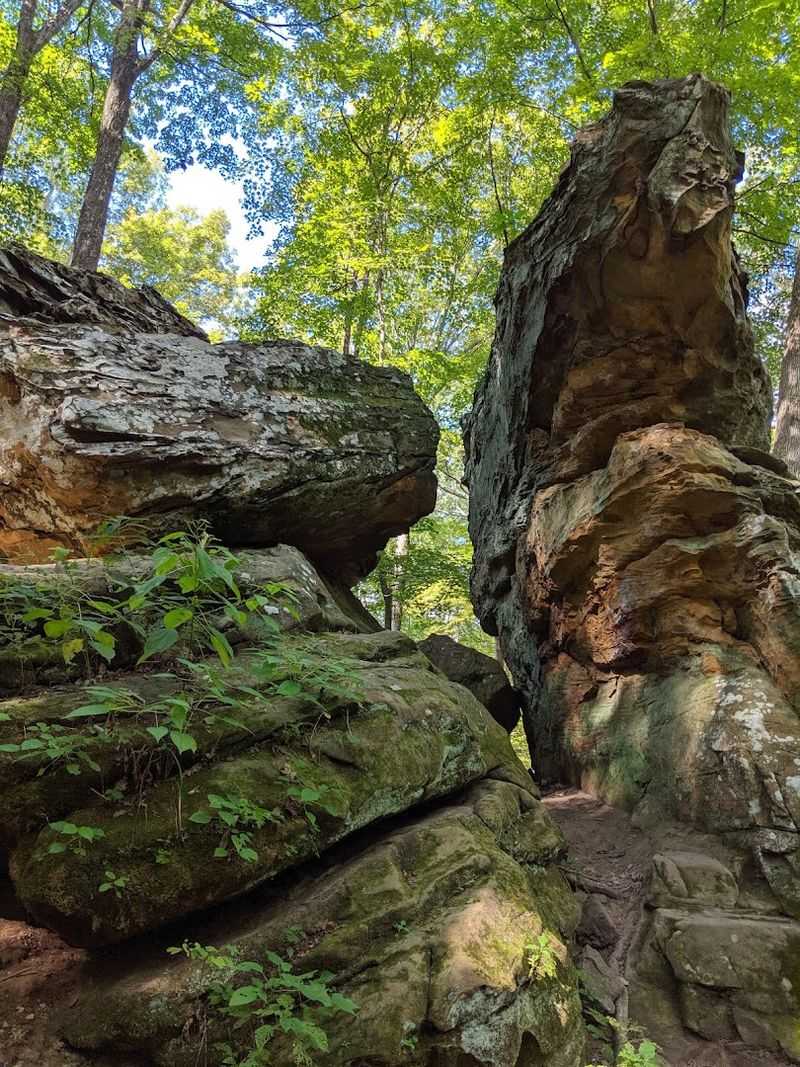
Giant City State Park gets its name from the massive sandstone formations that line a central corridor, creating the impression of walking through the streets of an enormous stone city.
Located near Makanda in Jackson County, this park is one of southern Illinois most iconic natural destinations, and it is also one of the places where Timber Rattlesnakes are most consistently documented within the Shawnee National Forest region.
The rocky terrain, combination of shaded ravines and sun-exposed ledges, and abundant small mammal prey make Giant City ideal rattlesnake country.
Sightings are most commonly reported along the Giant City Nature Trail and near the stone formations themselves, where the warm sandstone surfaces attract basking snakes in spring and fall.
The park also has designated backcountry camping areas, and overnight visitors hiking remote sections sometimes encounter rattlesnakes near trail edges at dusk.
Giant City draws a broad range of visitors thanks to its rock climbing routes, the historic Giant City Lodge built by the Civilian Conservation Corps, and a network of trails suitable for all experience levels.
The family-friendly atmosphere coexists naturally with the wild character of the landscape, and park staff regularly educate visitors about the importance of rattlesnakes in the local ecosystem.
A quick visit to the park office before your hike is always a good idea, since rangers can tell you which trails have had recent wildlife activity. Giant City rewards visitors who pay attention to their surroundings, and the possibility of a rattlesnake sighting adds a genuinely exciting dimension to an already spectacular park.
7. Witkowsky State Wildlife Area, Hanover
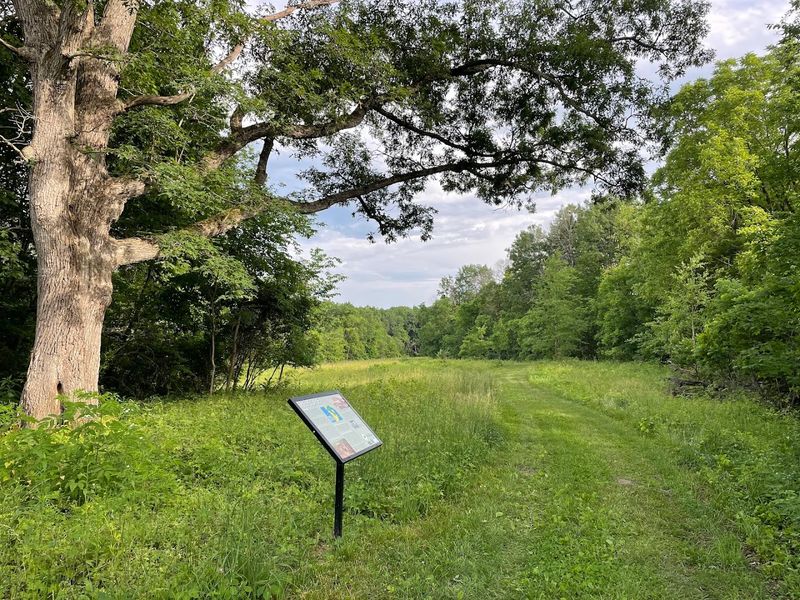
Up in the northwestern corner of Illinois, Jo Daviess County holds some of the most topographically varied terrain in the state, and the Witkowsky State Wildlife Area near Hanover is a quieter, less publicized spot where wildlife watchers have documented the Eastern Massasauga rattlesnake.
Unlike the Timber Rattlesnake, the Massasauga is a smaller, stockier species that favors wetland edges, sedge meadows, and open brushy areas rather than rocky bluffs.
Witkowsky covers a patchwork of upland forest, grassland, and wetland habitats that suit the Massasauga’s ecological preferences well. The species is listed as threatened in Illinois, making any confirmed sighting here a notable wildlife event.
Observers who move slowly and quietly through the grassy margins of wetland areas, particularly in the warmer months of May through September, have the best chance of spotting one coiled in low vegetation or crossing a trail between habitat patches.
The wildlife area is primarily managed for hunting and fishing, which means it sees relatively light foot traffic outside of those seasons, giving it a raw, undeveloped character that serious naturalists tend to appreciate.
Birdwatching is also excellent here, with grassland species like bobolinks and meadowlarks present during the breeding season. If you make the trip to Witkowsky, come prepared with waterproof boots, since the wetland margins where Massasaugas are most likely to appear can be soggy even in summer.
The relative obscurity of this location, combined with the genuine rarity of finding a Massasauga, makes it a destination that rewards dedicated wildlife seekers in a way that more famous parks simply cannot match.
8. War Bluff Valley Wildlife Sanctuary, Golconda
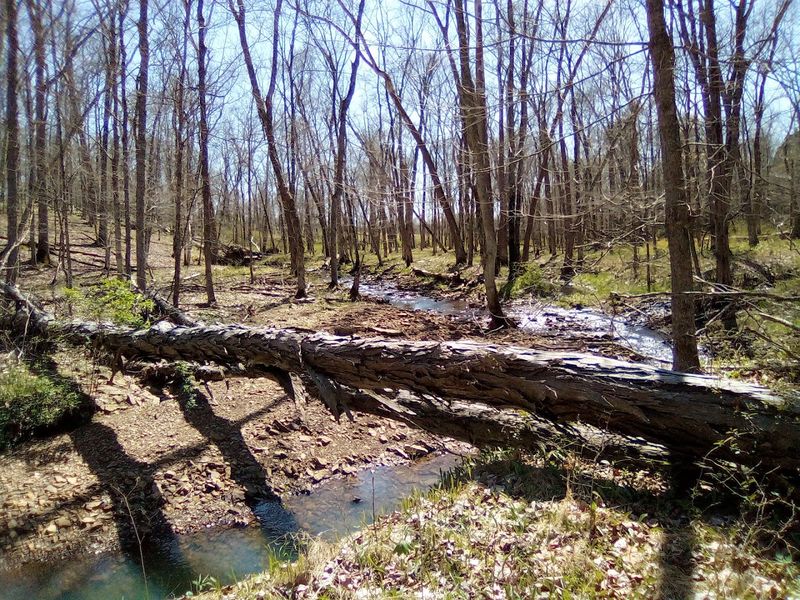
Hidden away in Pope County near the small river town of Golconda, War Bluff Valley Wildlife Sanctuary is the kind of place that feels genuinely off the beaten path even by southern Illinois standards.
Managed by the Illinois Audubon Society, this sanctuary protects a rugged mix of forested bluffs, rocky hollows, and river-bottom habitat along the Ohio River corridor, and it is recognized as one of the more reliable locations in the region for Timber Rattlesnake observations.
The sanctuary’s limestone outcroppings and south-facing bluff faces serve as prime basking and overwintering sites for rattlesnakes, and the low visitor numbers mean the snakes here experience minimal human disturbance compared to busier state parks.
That undisturbed quality is actually part of the sanctuary’s appeal for wildlife photographers and naturalists who want to observe animals behaving naturally rather than retreating from crowds.
War Bluff Valley is also a significant stopover point for neotropical migratory birds, and the Audubon Society maintains it partly for that reason, which means visiting during spring migration offers a two-for-one wildlife experience of rare birds and potentially rare reptiles in the same morning.
The sanctuary is accessible by a gravel road off Route 146, and parking is limited, so visiting on a weekday is advisable. Golconda itself is a charming small town on the Ohio River with a genuine frontier history, making it worth building a longer trip around the area.
War Bluff Valley rewards visitors who bring patience, quiet footsteps, and a genuine appreciation for Illinois wild places at their most raw and unfiltered.