
Planning A Winter Drive To The Grand Canyon’s North Rim In Arizona? The Road Closes For The Season
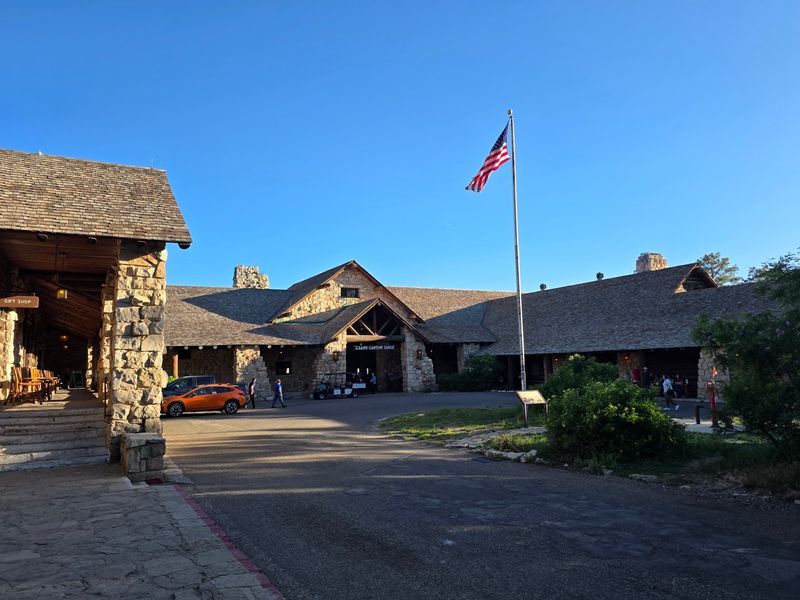
Every year on December 1, the only paved road to one side of the Grand Canyon simply shuts its gate until mid-May. No detour.
No secret back route. Just snow, ice, and a very quiet forest.
That side sits between 8,000 and 8,800 feet up in northern Arizona. It runs much colder than the famous rim most people visit.
Freezing pipes are a real threat up there, so services wrap up even earlier than the road does.
I like how stubborn this place is about its calendar. It doesn’t bend for road trips or holiday plans.
You either time your visit right, or you admire it from a map.
So what does a smart winter traveler actually do? The answer involves a reopening date, a gas stop, and a little patience.
The Quiet Side Of The Canyon Sits Way Up High
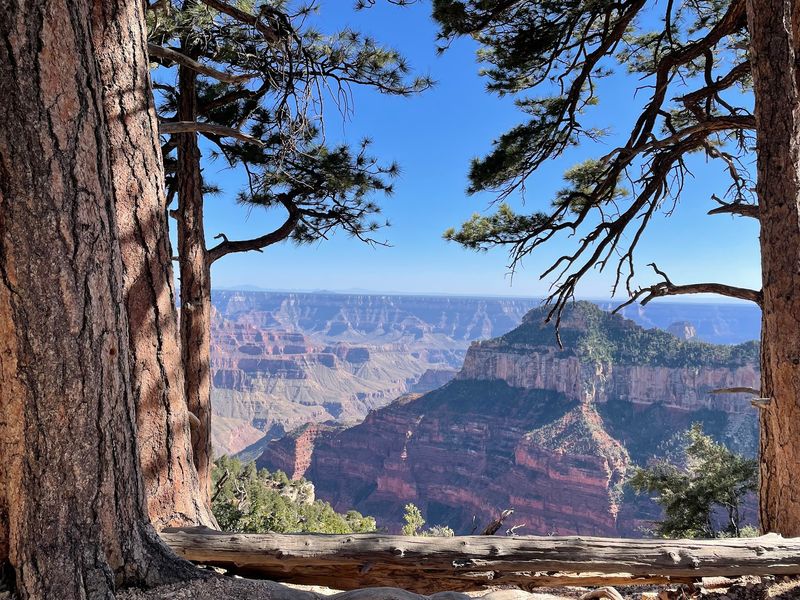
Most Grand Canyon visitors never see this view. The North Rim, AZ, sits on the far side of the canyon from the busy South Rim.
Its elevation ranges from about 8,000 to 8,800 feet above sea level. That height shapes everything here, from the weather to the calendar.
The North Rim is part of Grand Canyon National Park in northern Arizona. Its general address is simply Arizona 86052, which tells you how remote it feels.
You reach it by one paved route, Arizona Highway 67. The road runs about 44 miles south from Jacob Lake to the rim itself.
That single route explains the whole winter story. When the highway closes, the North Rim effectively disappears from the driving map.
I believe that remoteness is part of the charm. Fewer roads mean fewer crowds and a calmer pace once you arrive.
The trade-off is planning. A spontaneous winter drive simply won’t work up here.
So think of this rim as the canyon’s seasonal sibling. It shows up for part of the year, then rests under snow.
Knowing that rhythm turns a frustrating dead end into a well-timed adventure. Let’s walk through how the year actually unfolds.
Why Snow Shuts The Gate Every December
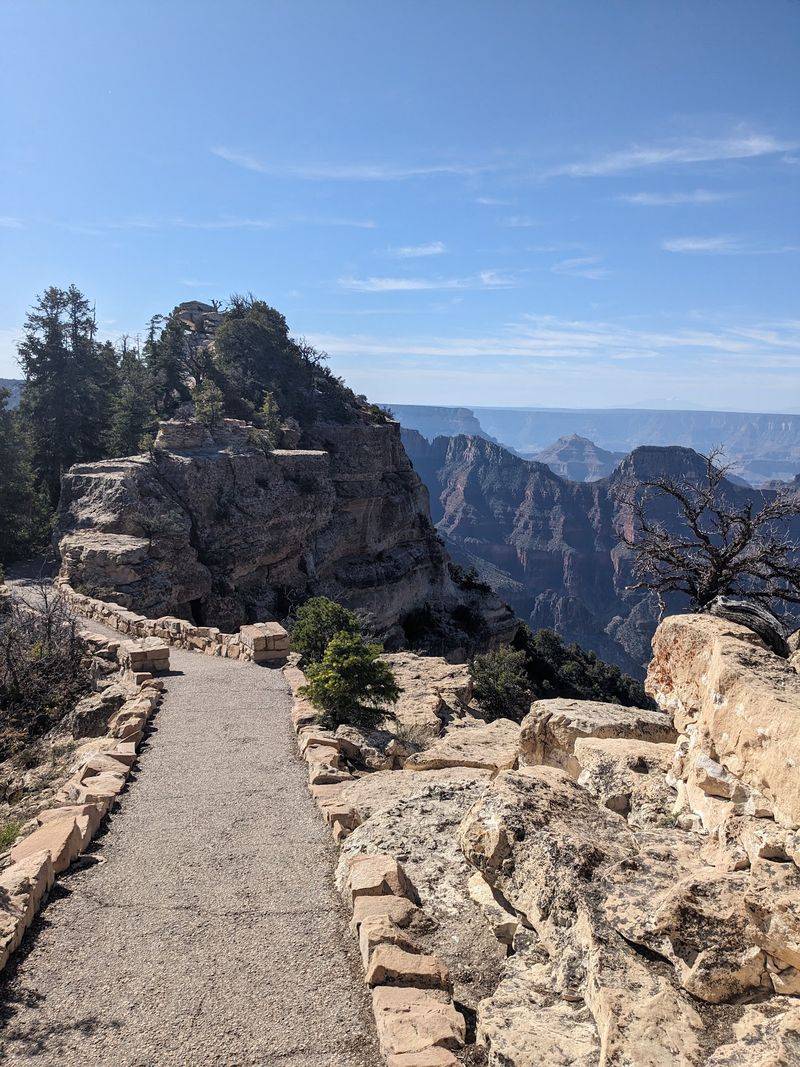
Snow doesn’t just dust this road. It buries it.
Highway 67 to the North Rim generally closes to vehicles from December 1 through May 14. Heavy snow and ice make the route impassable for months.
That’s the core fact for anyone planning a winter drive. Between those dates, your car isn’t getting to the rim.
The higher elevation is the main culprit. At over 8,000 feet, winter storms hit harder and linger longer than at the South Rim.
Infrastructure matters too. Low temperatures can freeze pipes, which threatens the park’s water systems and buildings.
That’s why facilities shut down even before the road does. Protecting the plumbing is a serious winter job in Arizona’s high country.
I can’t imagine trying to plow and maintain miles of high forest road all winter. The closure makes practical sense once you see the conditions.
So if a December road trip is on your list, adjust the destination. The North Rim will still be there in spring.
Meanwhile, the gate does a decent job of keeping the forest peaceful. Snow gets the whole plateau to itself for a while.
Full Season Runs From Mid-May To Mid-October
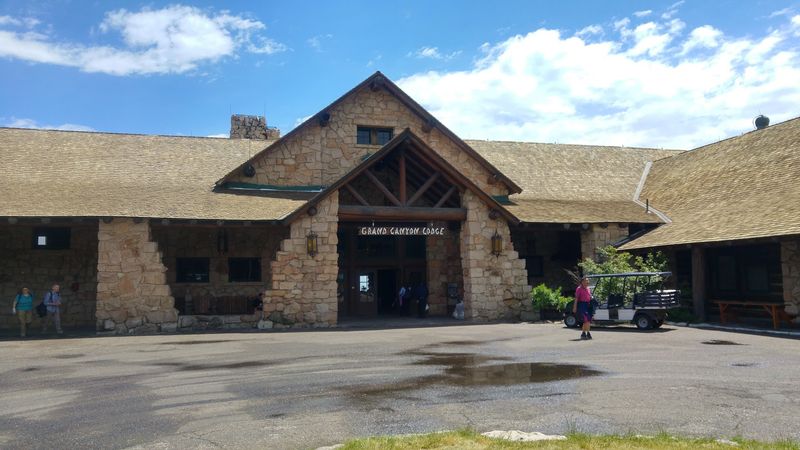
Mark May 15 on your calendar. That’s typically when the North Rim’s full season begins.
The full season usually runs through October 15. During those months, the range of visitor services is at its widest.
Historically, that window brought lodging, dining, and ranger programs to the rim. It’s the stretch most travelers aim for.
For 2026, the North Rim is scheduled to reopen on May 15. That follows an extended 2025 closure caused by the Dragon Bravo Fire.
The reopening comes with a twist, though. Visitors should expect a more remote experience with minimal services this time.
Spring timing works nicely for Arizona travelers escaping the desert heat. Higher elevation usually means cooler days up top.
Planning early helps. Checking current park conditions before you leave is always wise, since plans can shift.
I like how the reopening date feels like a little holiday. The forest wakes up, and the road finally welcomes cars again.
Just remember the season is short. Five months goes fast when the scenery is this good.
Autumn’s Shoulder Season Can Be A Sweet Spot
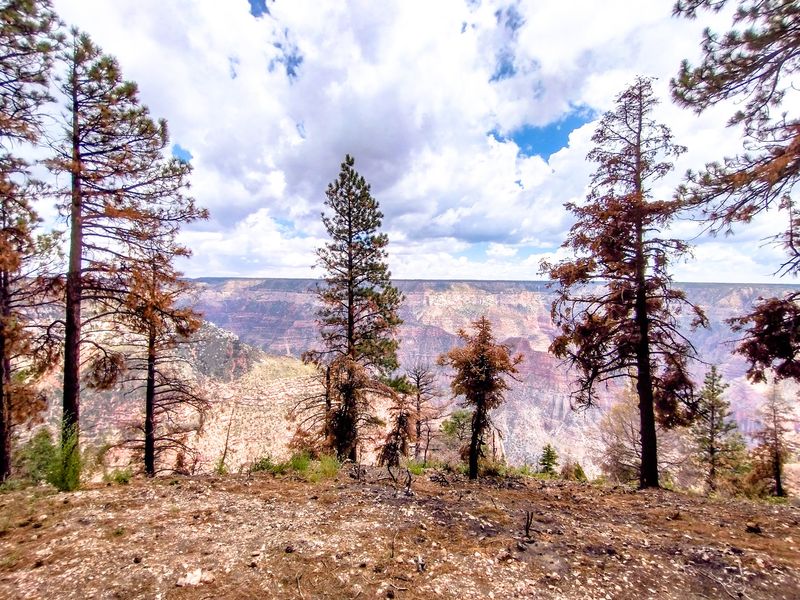
Here’s a window many travelers overlook. From October 16 through November 30, the North Rim enters its shoulder season.
The main highway may stay open for day use during this time. That makes a late-fall visit possible, with some conditions attached.
Most visitor services stop, including lodging, restaurants, and regularly scheduled ranger programs. You’ll need to bring what you need.
Some pieces may stay open for part of the shoulder season, weather permitting. That can include the entrance station and visitor center.
The campground has traditionally stayed open until late October in past years. Timing matters if you hope to camp.
One snowstorm can change everything. Access can be cut short by the first significant storm of the season.
That uncertainty adds a little adventure to the trip. Flexible plans help, and a backup route is smart.
Cooler months suit outdoor Arizona day trips anyway. A crisp fall drive across the Kaibab Plateau sounds pretty appealing.
Just pack layers and snacks. Day-use only means you’ll be heading back before night settles in.
Pack Extra Because 2026 Will Feel Remote
Bring water. Seriously, bring plenty.
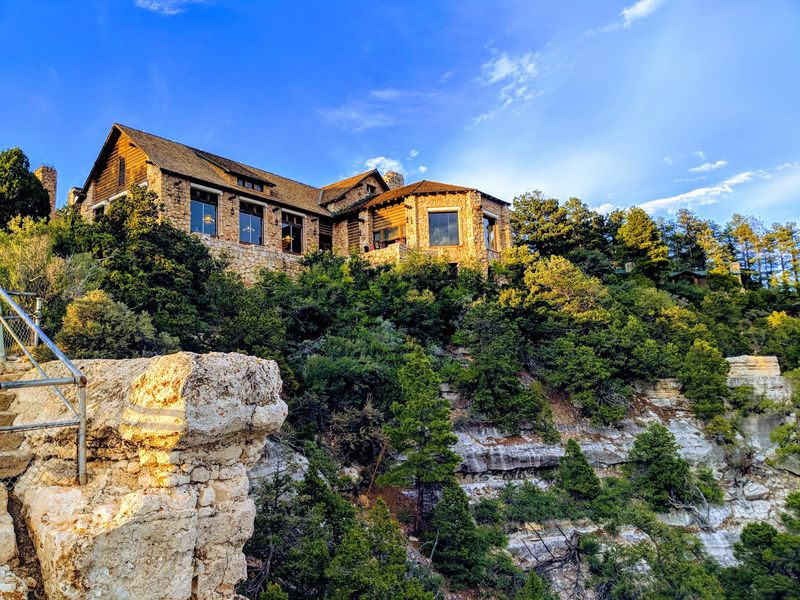
The 2026 reopening comes with a remote feel. The Grand Canyon Lodge will not be open this season.
There may also be limited or no access to potable water, fuel, or other amenities inside the park. That changes how you pack.
Think of it as a self-sufficient trip. Food, drinking water, and a full gas tank become your best travel companions.
The North Rim Campground has also closed for the 2026 season. Overnight plans inside the park need a rethink.
That might sound like a downside at first. Yet a quieter rim can feel wonderfully unhurried.
Fewer services usually means fewer distractions. It’s you, the forest, and a very big canyon.
Before you go, check the latest updates from the park. Conditions after a fire can shift as recovery continues.
I believe a little preparation pays off here. A well-stocked cooler can save you a long, hungry drive back to town.
Treat it like a backcountry day out. You’ll appreciate the rim even more.
Jacob Lake Is Your Fuel And Launch Point
Jacob Lake is the gateway. Highway 67 heads south from there for roughly 44 miles to the rim.
That makes it the natural place to top off before the final stretch. Fuel is typically available there when the park’s gas station closes.
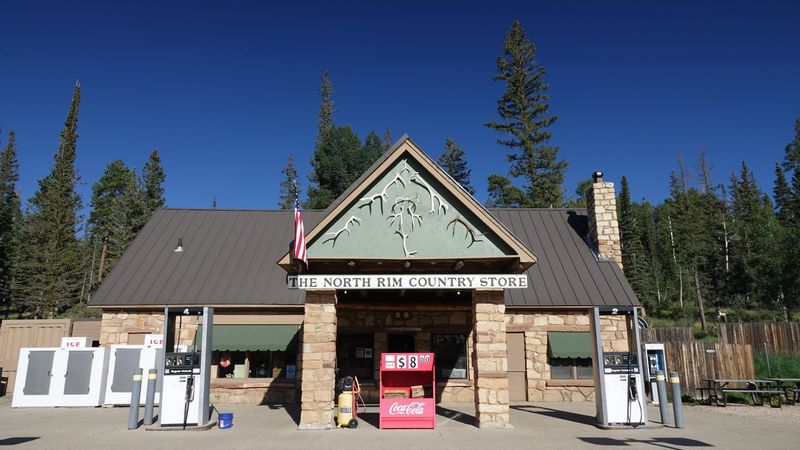
The North Rim Country Store is another fuel option in the area. It’s handy to know both before you commit to the drive.
A full tank is smart on any remote Arizona road. Given limited in-park services in 2026, it’s essential.
The drive itself crosses the Kaibab Plateau. Officially, the route is the Kaibab Plateau-North Rim Parkway.
That name tells you what to expect. Tall forest and high country lead the way to the canyon’s edge.
Plan a quick stop at Jacob Lake to check your supplies. Snacks, water, and gas should all be squared away.
It’s a simple ritual that makes the rest of the day easier. No one wants to watch a fuel light glow halfway to the rim.
Then roll south and enjoy the miles. The canyon is waiting at the end.
Cape Royal Rewards Anyone Who Keeps Driving
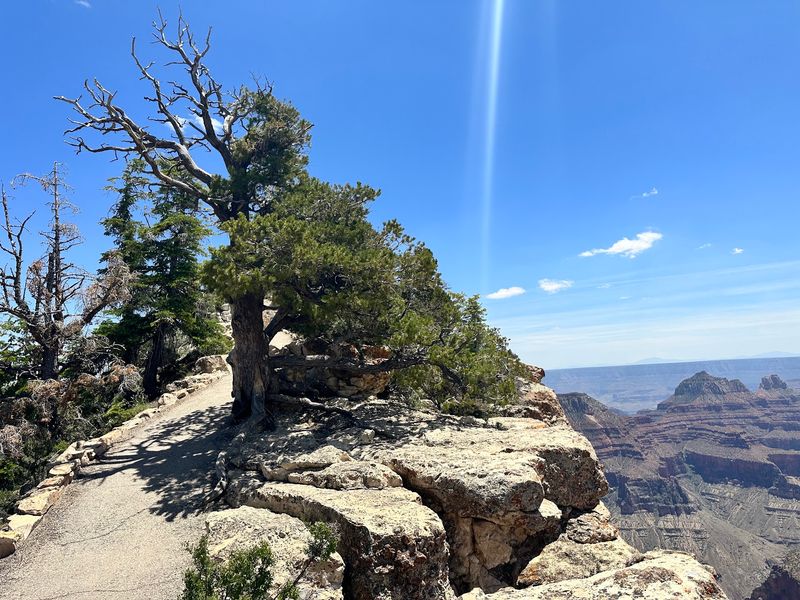
The scenic drives are a big reason people make the trip. Cape Royal is one of the North Rim’s standout viewpoints.
Reaching it means continuing past the main rim area. The extra miles feel worthwhile once the canyon opens up below.
Scenic driving suits this side of the park beautifully. The road winds through forest before the views arrive.
It’s a good choice for travelers who prefer seeing big landscapes from overlooks. No long hike is required to enjoy the payoff.
Time your outing during the operating season, of course. Winter closure rules apply to these roads too.
Check road status before heading out in 2026. Recovery work and limited services may affect access.
I like how a scenic drive turns into a slow, easy day. Pull over, gaze, repeat.
Bring a camera and plenty of patience for the light. Canyon colors shift as the day goes on.
Families and road-trip fans will find a lot to love. It’s the North Rim at its most relaxed.
Point Imperial Puts You On Top Of It All
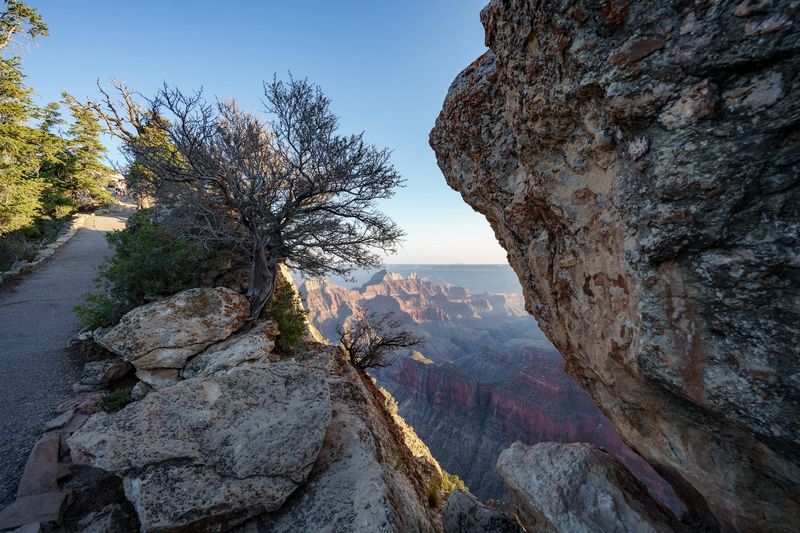
Some overlooks feel like a reward. Point Imperial is one of the North Rim’s best-known scenic stops.
It sits along the North Rim’s scenic drive routes. Pairing it with Cape Royal makes for a full sightseeing day.
High-elevation viewpoints like this show off why the North Rim feels different. You’re looking across the canyon from the cooler, forested side.
Sunrise and sunset can be lovely times to plan around. Just watch the clock for the drive back.
In shoulder season, remember the day-use rule. The highway may be open, but services are scarce.
Layers help at this altitude. Arizona mornings up here can feel crisp even in warmer months.
Photographers will want extra time. Each turn of light brings out a new shade in the rock.
Bring binoculars if you have them. Distant details become much more fun with a closer look.
I believe a stop here makes the long drive feel completely justified. It’s the kind of view you’ll describe to friends for weeks.
Trails That Range From Gentle Strolls To Big Descents
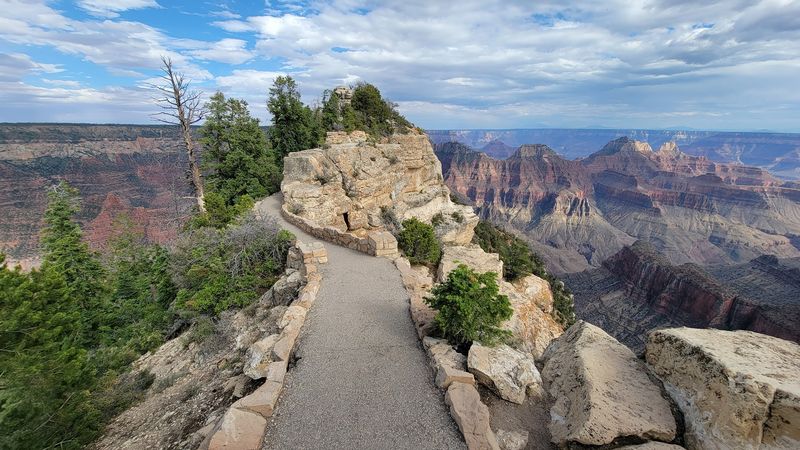
Short walk or serious hike? The North Rim offers both.
The Bright Angel Point Trail is a popular option near the rim. It gives a close-up taste of canyon scenery without a long trek.
For bigger ambitions, there’s the North Kaibab Trail. Hikers often explore parts of it during the operating season.
That trail heads down into the canyon itself. It’s a different challenge than an easy rim stroll.
The Backcountry Information Center helps with permits and trail conditions. It’s a smart stop for anyone planning deeper hikes.
Carry more water than you think you need. With limited potable water expected in 2026, that matters even more.
Hiking at this elevation can feel tougher. Pace yourself and take breaks to enjoy the views.
Good shoes make a real difference. Rocky paths reward solid footing.
I like how the trail options let everyone find their comfort zone. Grandparents and trail runners can share the same rim.
Check current trail status before you go. Conditions can change after storms or fire recovery.
Visitor Center Stops Worth Making First
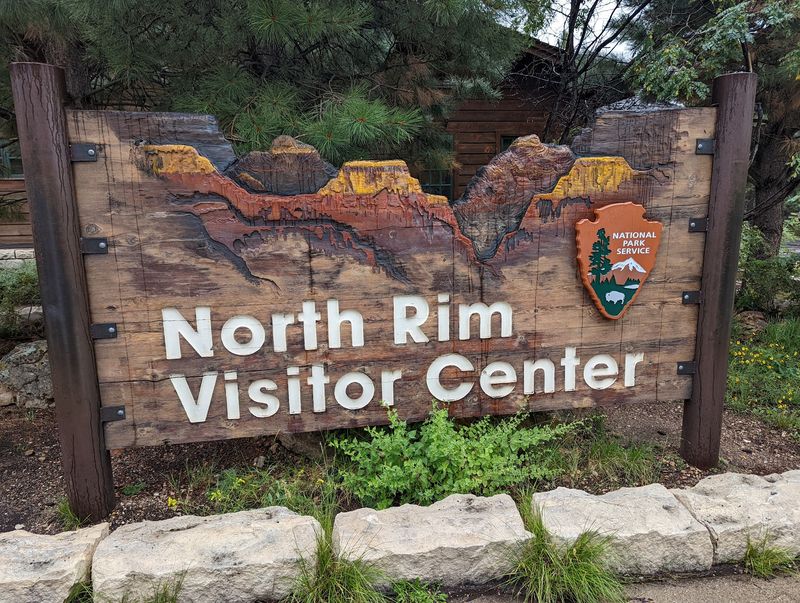
Start with information, then explore. The North Rim Visitor Center is a helpful first stop.
It offers park information, exhibits, and a bookstore. That combo helps you plan the rest of your day.
Exhibits add context to the views outside. Understanding the canyon makes every overlook more interesting.
The bookstore is great for maps and guides. Kids might find something fun to take home too.
During the shoulder season, the visitor center may stay open for part of the time. Weather gets the final say.
Staff can share current conditions, which is especially useful in 2026. Updates matter when services are limited.
The Backcountry Information Center handles permits separately. Hikers heading below the rim should plan accordingly.
I believe a quick visit saves time later. You’ll know which roads, trails, and viewpoints fit your schedule.
It’s also a calm spot to regroup. A short break before the big views never hurts.
Then head back outside with a plan. The North Rim rewards a little homework.
Winter Dreamers Should Plan For Spring Instead
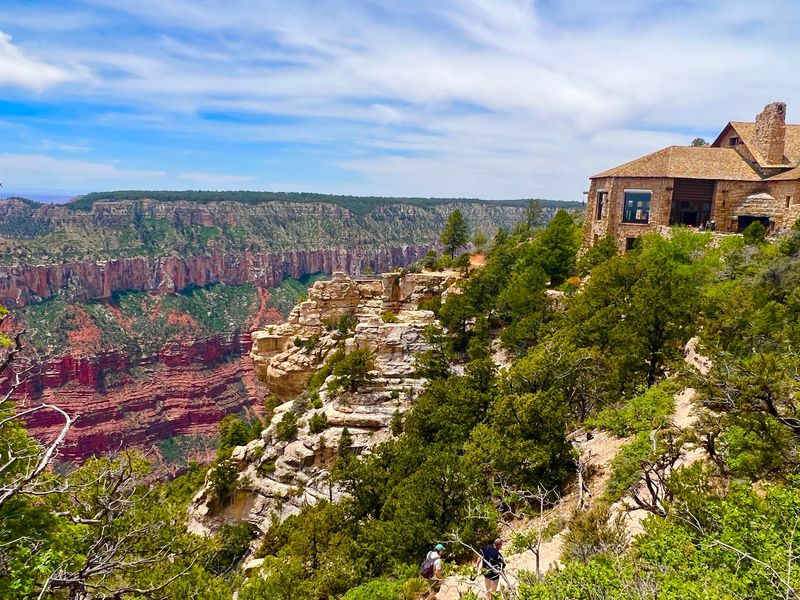
A winter drive to the North Rim simply isn’t on the menu. The gate stays shut from December 1 to May 14.
That doesn’t mean your plans are ruined. It just means the timing needs a nudge.
The South Rim stays open year-round. Winter canyon lovers can still get their fix in Arizona.
Meanwhile, the North Rim makes a great spring or summer goal. The May 15 reopening gives you something to look forward to.
Fall travelers can aim for the shoulder season. Just pack well and watch the forecast closely.
For 2026, expect a quieter rim with minimal services. Bring water, food, and a full tank from Jacob Lake.
I like how this place asks for a little patience. The reward is a calmer, cooler, wilder side of the canyon.
So save the idea, tag a road-trip buddy, and pencil in a date. Mid-May will arrive faster than you think.
When it does, the North Rim, AZ, will be ready. Snow melts, the road reopens, and the views return.