
Pork Roll Rituals From 1950s New Jersey Most People Don’t Remember Anymore
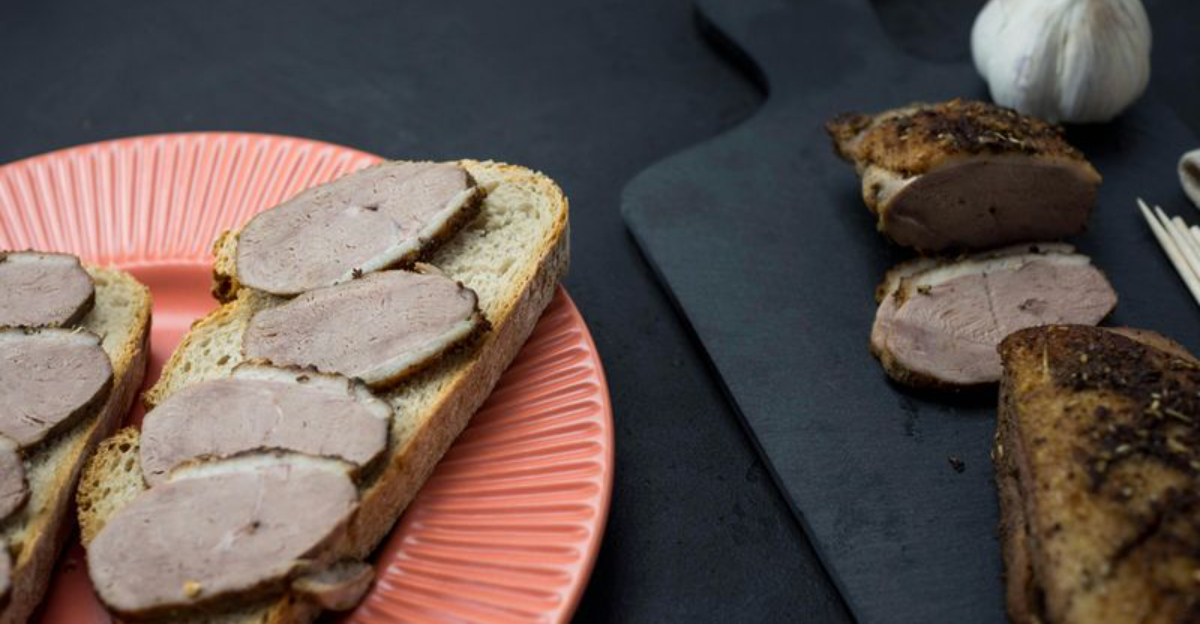
The 1950s didn’t just give us diners, pressed uniforms, and mornings that started early, they gave us a breakfast code. One that didn’t chase fame, but somehow built it anyway. I realized that the first time I bit into a pork roll sandwich in New Jersey and felt like I was tasting ambition on a plate.
This wasn’t a flashy success story. No shortcuts, no hype.
Just a small idea, born out of routine, repetition, and a quiet belief that if you did one thing well enough, long enough, people would notice. Pork roll didn’t try to be iconic. It showed up every morning and earned its place.
Somewhere between the grease-stained paper and the last bite, it hit me. This was the real American dream.
Start small. Work hard.
Feed people well. Let the legend grow on its own.
The Name Debate Was Identity, Not Semantics
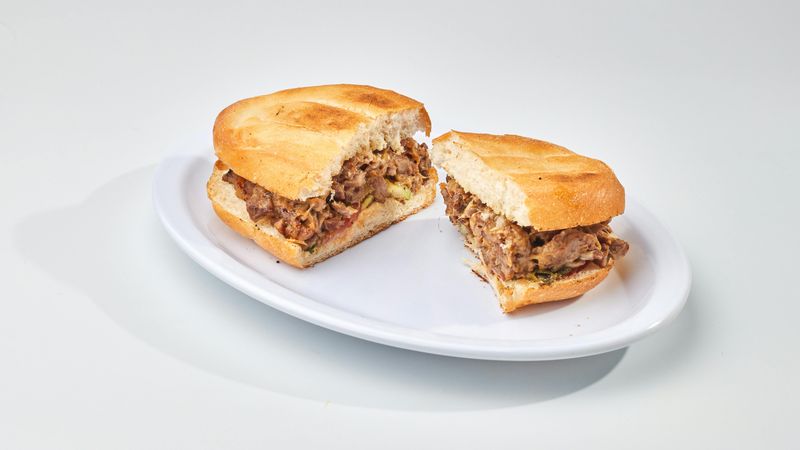
I heard the name debate before I knew the menu. In many parts of New Jersey, Taylor ham versus pork roll was not just wording, it was identity, as declarative as a hometown on a varsity jacket.
North Jersey said Taylor ham with chest-out certainty, while South Jersey rolled with pork roll, same product, different flag.
I learned to read the room before I ordered. In Jersey City, if you asked for pork roll, the counterman would twitch like you called the quarterback by the wrong name, and in Atlantic County, Taylor ham drew a smirk.
The 1950s code traveled mouth to mouth, not on signs, and regulars carried it like family lore.
Old timers told me Trenton made the stuff and arguments made it legendary. The name debate was already a thing, fueled by labels, geography, and pride, and every booth had a historian.
When I finally said it right for the room I was in, the cook slid me an extra-crispy piece without a word, which told me I had passed the test.
That was the lesson, really. Language anchored the culture, and culture kept breakfast alive long before hashtags drew maps.
Get the name right, get the nod, get the sandwich, and suddenly you were part of the morning chorus that gave New Jersey its bite.
The Classic Order Was Non-Negotiable
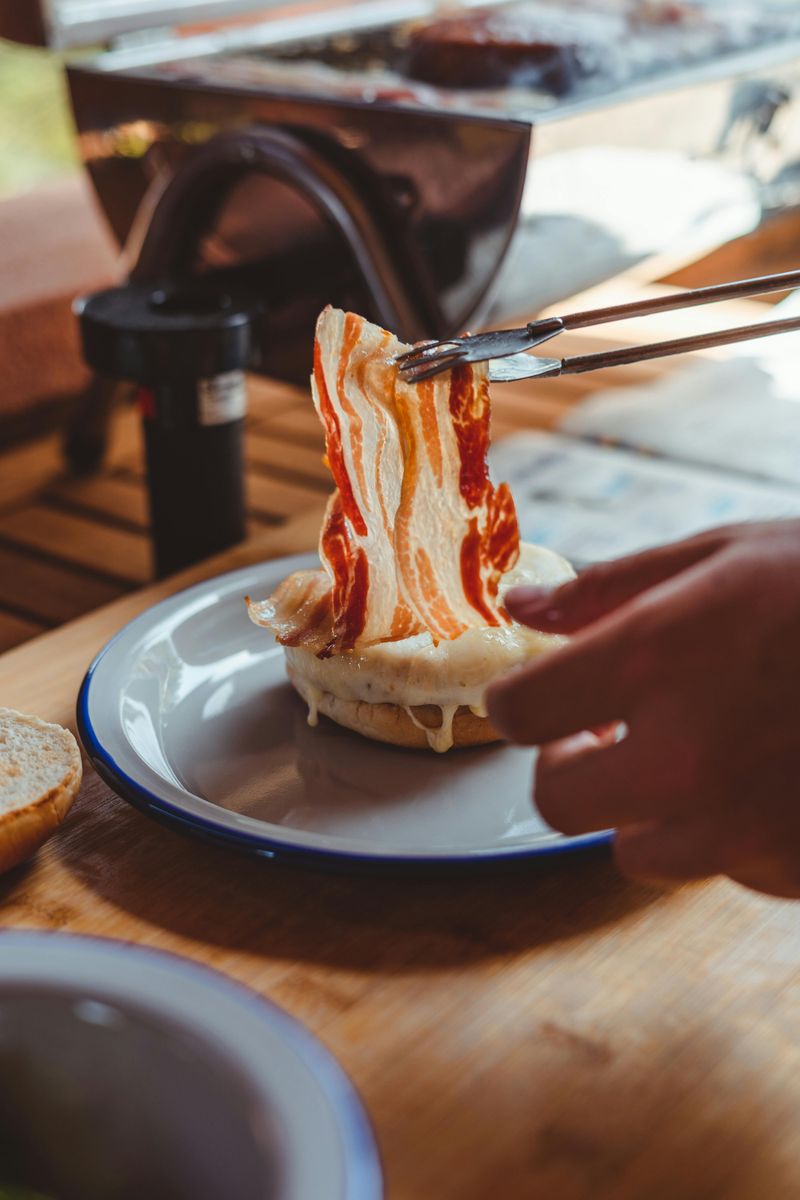
The first time I sat at a chrome counter in Union, the cook did not ask what I wanted.
The classic order was simple and non-negotiable, a code burned into the griddle: pork roll, fried egg, and American cheese.
Before custom builds took over menus, that stack was the default, the way a morning felt correct. One sandwich could be the entire order, nothing else needed.
I watched commuters grab it like a passport, fold the paper back, and walk out into the day with a mouthful of salty certainty.
Salt, fat, heat, and speed were the pillars. No aioli, no arugula, just the sturdy comfort of a yellow cheese melt and a yolk that glued everything in place.
When someone tried to substitute, you could feel the room stiffen like the jukebox skipped.
I learned the tempo by heart. You asked for it, you added SPK if you wanted it, and you kept the line moving.
That sandwich made the day start on time, and in the 1950s New Jersey code, on time tasted like fried edges and processed perfection, a little industrial, a lot inevitable, and exactly right.
Hard Rolls Ruled Before Bagels Took Over
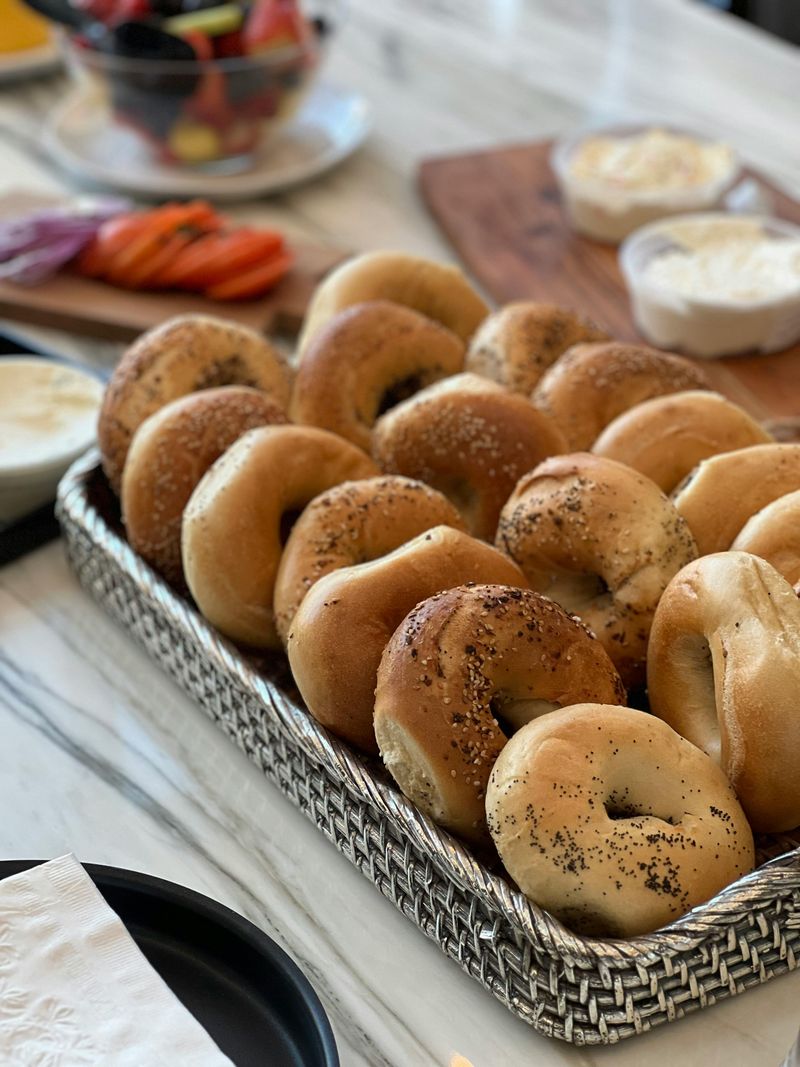
Long before bagels muscled into the morning, the hard roll had the keys to the kingdom. A kaiser roll, crusty on the outside and cloud-soft inside, was the standard bread of record for a proper pork roll sandwich.
The hard roll owned the morning rush because it did not collapse under pressure.
That structure mattered when yolk, cheese, and crispy edges tried to escape. In that era logic, flavor needed architecture, and the kaiser gave you it with a modest swagger.
Even when bagels started showing up, the old heads stuck to hard rolls like they were voting for continuity. The rhythm worked.
Roll gets warmed, cheese goes first, egg next, pork roll last, lid on top, paper tight, cash onto the counter, and out the door.
I still remember the sound of crust cracking as I took a first bite on a windy Newark morning. That snap announced breakfast had begun.
The bagel would have turned it into a wrestle. The hard roll made it easy, clean, and wonderfully inevitable, which is exactly how the code liked to start a day.
The Practical Art
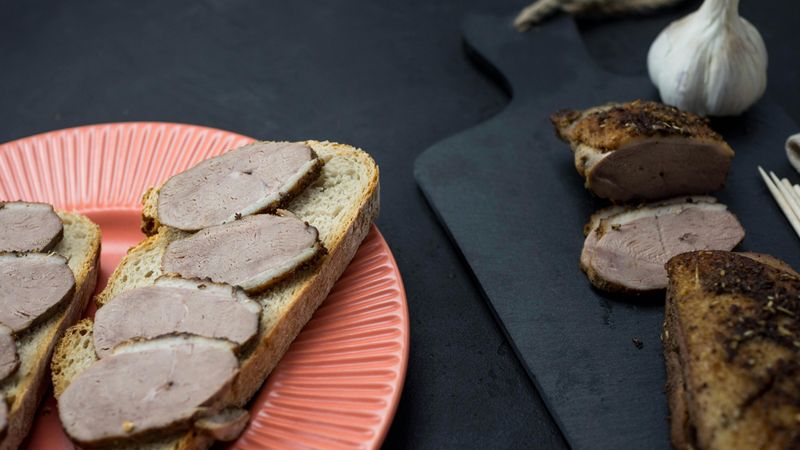
I learned the secret from a man who called his spatula a second hand.
He nicked four tiny slits around each pork roll round, like compass points. The corner cuts were a real technique, not decoration, and they kept the edges from curling into little bowls while the meat crisped.
When those slits opened on the heat, the slice stayed flat and met the griddle evenly. That gave you a browned rim and a steady sizzle, the kind you could hear beneath the chatter.
Crispy edges mattered more than thickness, because the code worshiped the salty snap, not a plush chew.
I tried to ask where he learned it, and he just lifted his chin toward the older guy at the register.
It passed down like deli lore, something you did before you had phrases for technique. The old ways survived because they worked under pressure and made sandwiches that traveled well.
By the time the cheese slid and the egg set, the pork roll had that perfect lacquered edge, a little blistered, a lot lovable.
You cannot fake that sound or that smell. Slice, slit, press, flip, finish.
The corner cuts turned chaos into order, which felt like the moral of Jersey mornings.
Diner Plates Made Pork Roll The Star
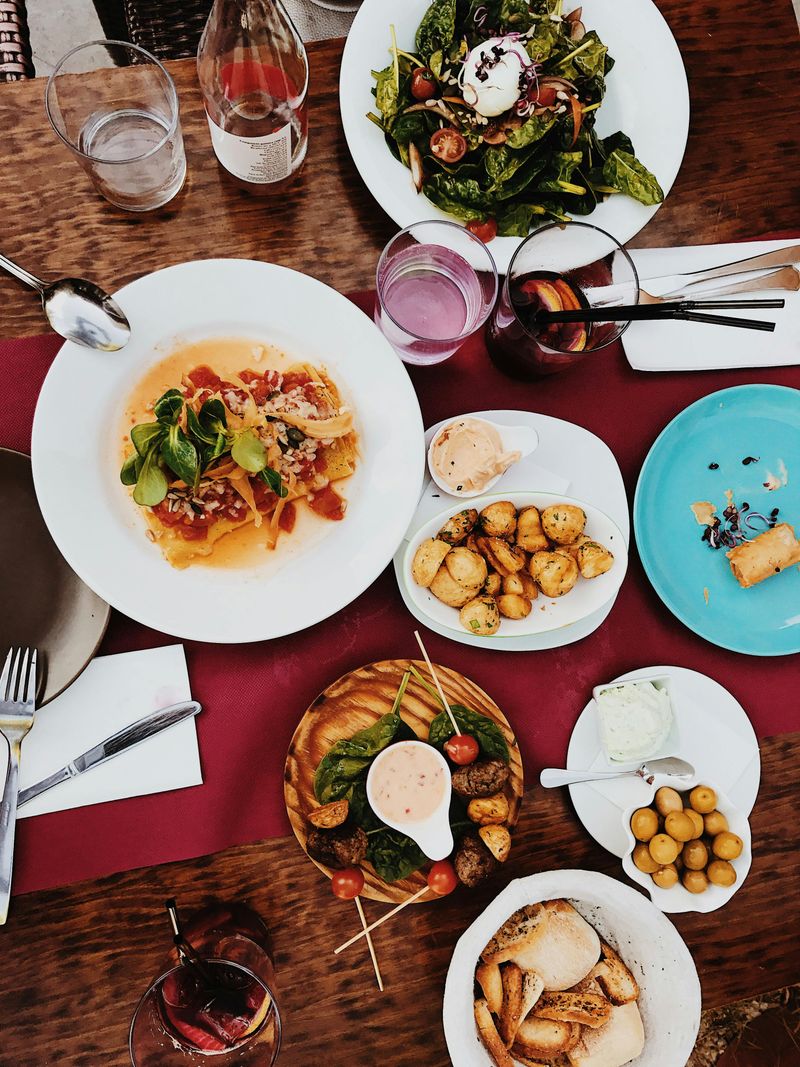
Not every pork roll morning lived between bread. Some days, the plate was the stage, and the spotlight sat on five pink-amber slices with charred rims.
Diner plates treated pork roll like the main event, flanked by eggs, toast, and home fries doing backup vocals.
I watched a line of regulars order it straight, no sandwich, like they wanted to study the geometry. Fork, dip into yolk, drag across the potato edge, follow with toast, repeat.
It felt like a lesson in simplicity that the 1950s got right without bragging.
Brand loyalty mattered more than people admit, too. Certain counters quietly swore by Taylor Provisions, others leaned toward regional suppliers, and the regulars knew the difference by smell alone.
You learned fast where the smoke read deeper and where the salt hit you clean.
The best plates kept the griddle clean and the pace honest. A cook who listened to the sizzle served meat that spoke.
It was breakfast culture, not just breakfast food, the kind that anchored your day and reminded you that a good plate can keep your promises for you.
The Quiet Shorthand
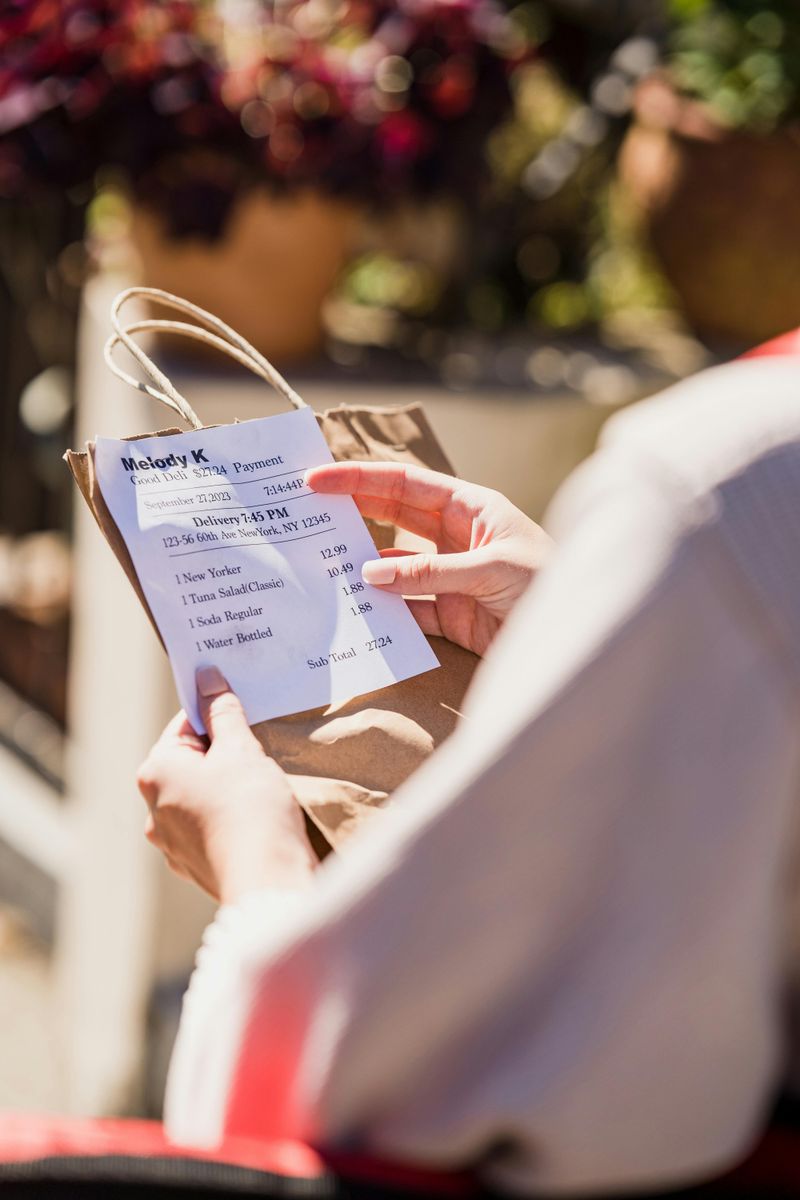
The first time I saw SPK on a ticket, I thought it was a nickname. Turns out it was the quiet ordering shorthand that kept the line buzzing: salt, pepper, ketchup.
In the 1950s cadence, a counterman could hear SPK under a cough and still nail the timing.
Ketchup was normal, not controversial, just a quick swipe of red on the roll to connect salty meat and mellow egg. No debates, no side eye, only the practical decision of people who needed breakfast to act like a foreman with a clipboard.
Say SPK, then slide your bills, and life moved.
I leaned into the pattern and found it soothing. The sandwich arrived balanced, not fancy, and the ketchup stitched everything together without stealing the chorus.
People who skipped it usually had a reason, but the code assumed you wanted the full set.
There was music in the economy of those letters.
They felt like a password that said you respected the flow. In a room where seconds mattered, SPK worked like magic, gentle, invisible, and totally decisive, which is exactly how good habits hold a city together.
Coffee And The Commuter Clock
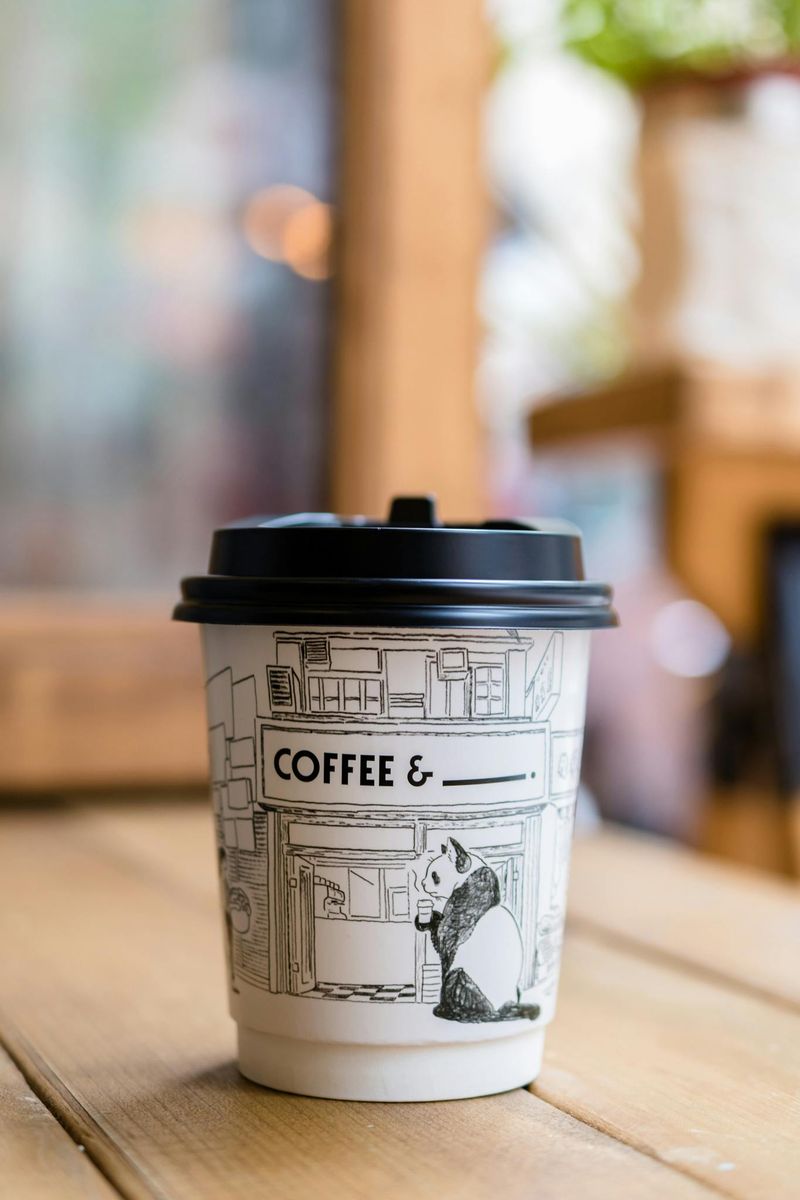
Mornings were a metronome, and coffee kept time. Coffee plus pork roll was the daily rhythm, not a weekend treat, a weekday fuel for commuters, dock workers, and early shift regulars who trusted the counter like a schedule.
I stood in that line and felt the whole room breathe together.
The classic order slid across the counter at the same moment the percolator burbled. Steam fogged the glass, somebody shouted two to go, and a register bell chimed like a train signal.
The code turned chaos into a timetable you could set your watch by.
Boardwalk mornings made it a Shore ritual, too. Before the rides woke or the lifeguards carved air, counters along the oceanfront fired up pork roll for people who needed heat against salt wind.
A hot sandwich in that briny air tasted like momentum.
No sides, no extras, just the thing that worked. The day got cleaner when breakfast stayed simple, and every sip of coffee reset the story.
That is how a state builds a memory: one paper cup, one wrapped sandwich, a door chime, and the promise that if you show up, the grill will answer.
The Shore Code And The Lasting Ritual
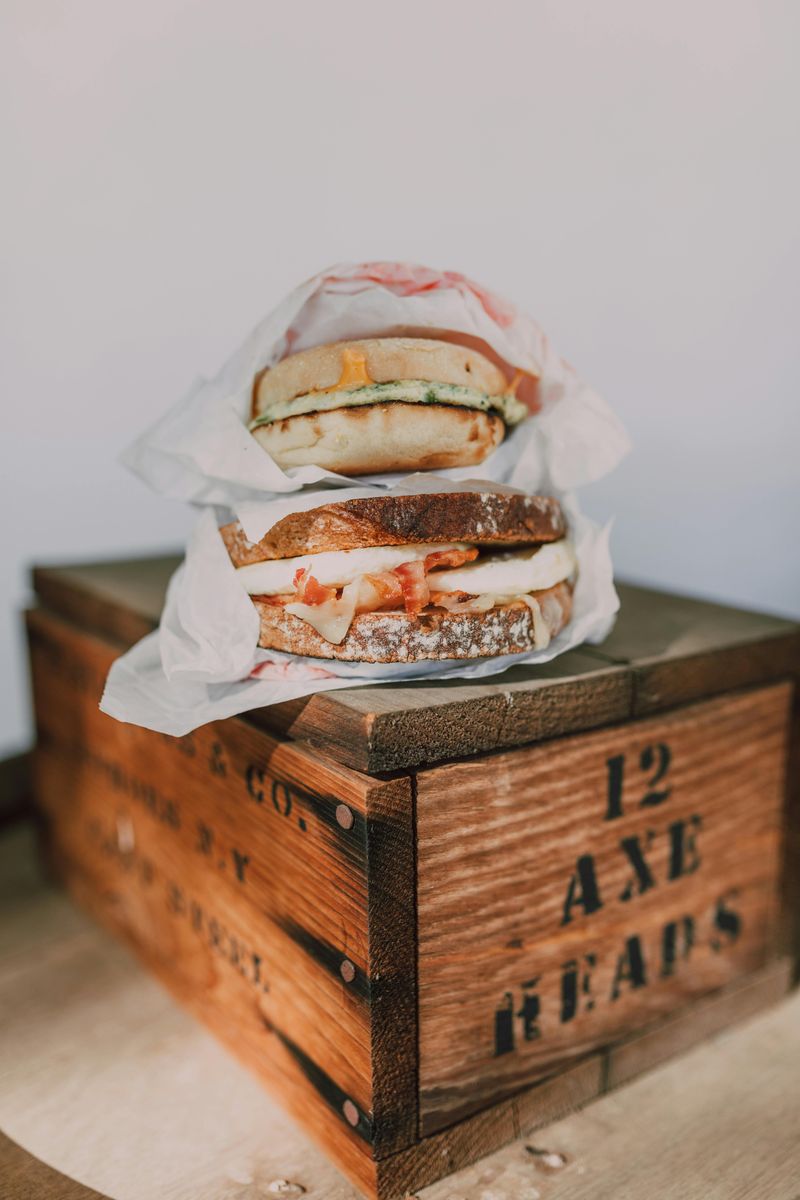
I chased the story to the Shore because that is where the code stretches its legs.
Boardwalk mornings made it a Shore ritual, quick and filling bites before the day started, the ocean throwing salt into the air and the grill answering with smoke. It felt like an oath renewed with every sandwich folded in paper.
The classic order held, the hard roll held, and the corner cuts kept the slices honest on a windy day. SPK came assumed unless you said otherwise, and nobody fussed over ketchup because the work ahead needed calories, not arguments.
Regulars clocked in with footsteps that matched the buzz of the hood fans.
The name debate still flickered there. Some stalls printed Taylor ham on the board, others wrote pork roll, and the crowd navigated by instinct.
Brand loyalty was tucked into procurement decisions that locals could taste, and yes, they noticed.
Walking off with one sandwich as your entire order felt perfect. It was breakfast culture, not just breakfast food, a routine that wrapped the morning in speed and care.
I left with crumbs on my sleeve and the sense that the 1950s code still edits our days, which makes me wonder: what part of your morning runs on ritual too?