
Professional Tree Climbers Are Taking Over This Michigan Park For A Three-Day Competition
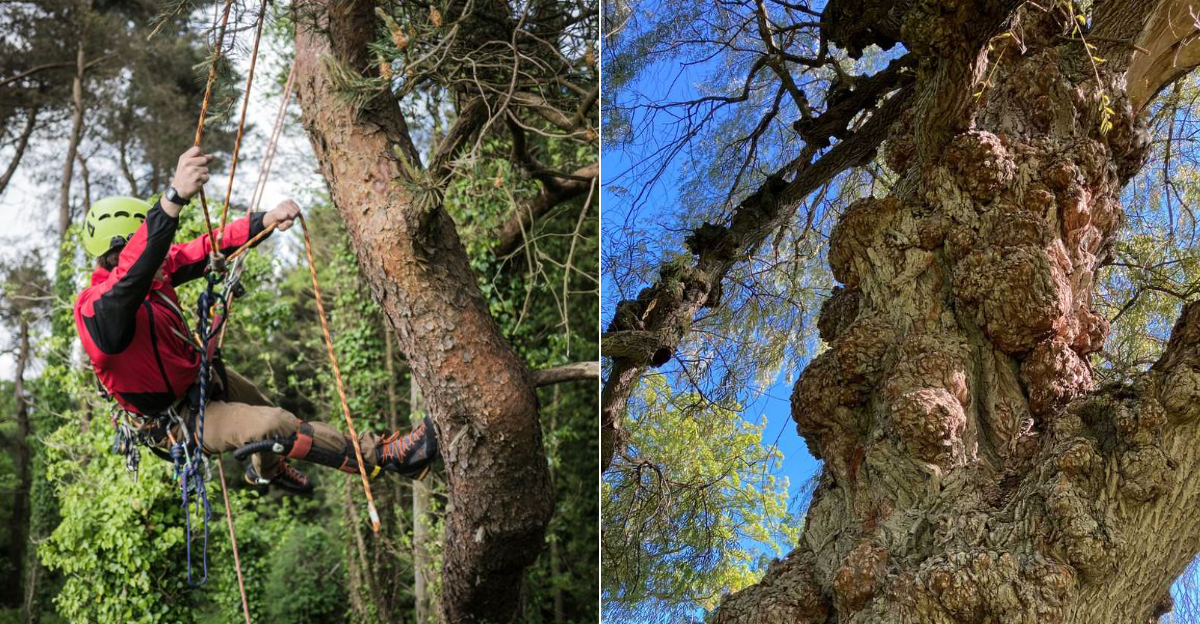
Most competitions keep athletes on the ground. This one sends them straight into the canopy. For three days in 2026, a riverside Midland park will become a maze of ropes, harnesses, moving climbers, and the occasional moment that makes you wonder why walking is suddenly so unimpressive.
Professional arborists will race through timed events, demonstrate rescue techniques, and show just how much strength, balance, and precision go into working safely above the ground.
Tree climbing races, aerial rescue challenges, and professional arborist skills make this Michigan competition one of 2026’s most unusual outdoor events.
What makes it especially fun is that the spectacle comes from real-world expertise. These are not circus tricks dressed up as forestry; the techniques grow directly from the work arborists perform every day.
Add leafy shade, riverside scenery, and nearby recreation paths, and the whole event feels part sport, part demonstration, and part wonderfully unexpected community festival.
Arrive Early For A Clear View
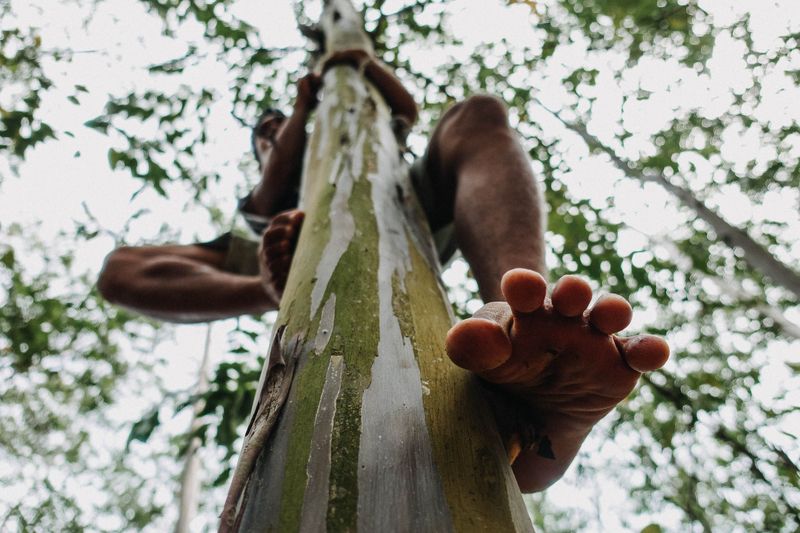
Morning light, cool air, and uncrowded viewing areas make an early arrival especially rewarding. Popular events can gather a sizable audience around the competition trees, although safety boundaries keep everyone well away from ropes, falling equipment, and active climbers.
Reaching the park before major rounds begin improves the chance of finding a comfortable position.
Choose a viewing spot only where organizers allow spectators. Never cross tape, barriers, or marked work zones, even when a closer angle looks tempting.
Climbers need quiet communication with judges and ground crews.
Bring patience alongside your camera, since resetting ropes and inspecting systems takes time. Those pauses are part of professional safety, not empty minutes, and watching the careful preparation reveals how demanding arborist work truly is.
Confirm The 2026 Schedule Before Traveling
The Michigan Tree Climbing Competition takes place at Emerson Park, 1300 W Main Street in Midland, Michigan. West Main Street provides the final approach from downtown, with the park entrance sitting at the corner of Main Street and Orchard Drive.
The 2026 competition runs September 11 through 13, bringing professional climbers, an Arbor Fair, and public activities into the park. As you reach Orchard Drive, follow event signs and expect extra traffic around the park, particularly during Saturday’s main competition and public programming.
Turn into Emerson Park at Main and Orchard and use the parking areas within the park. From there, continue on foot toward the competition area, following event signage once you leave the lot.
Learn What Each Challenge Measures
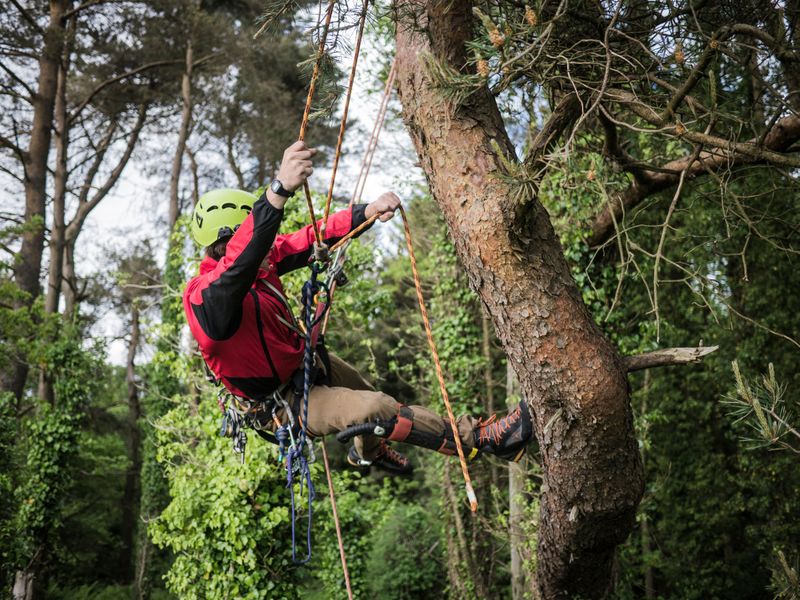
A climber may suddenly swing between branches, ring a target, or lower a rescue figure with remarkable control. Those actions are not random stunts.
Tree climbing competitions test practical abilities used by trained arborists, including rope placement, movement through a canopy, efficient work, and emergency response.
Aerial rescue shows how a worker might safely reach and lower an injured colleague. Throwline events reward accurate rope placement from the ground, while climbing rounds can measure speed, balance, planning, and controlled movement.
Ask event staff whether descriptions or scoring guides are available. Understanding the goal changes the experience completely.
Instead of merely seeing someone climb quickly, spectators begin noticing rope choices, communication, branch protection, and the small decisions separating a clean attempt from a penalty.
Respect Every Safety Boundary
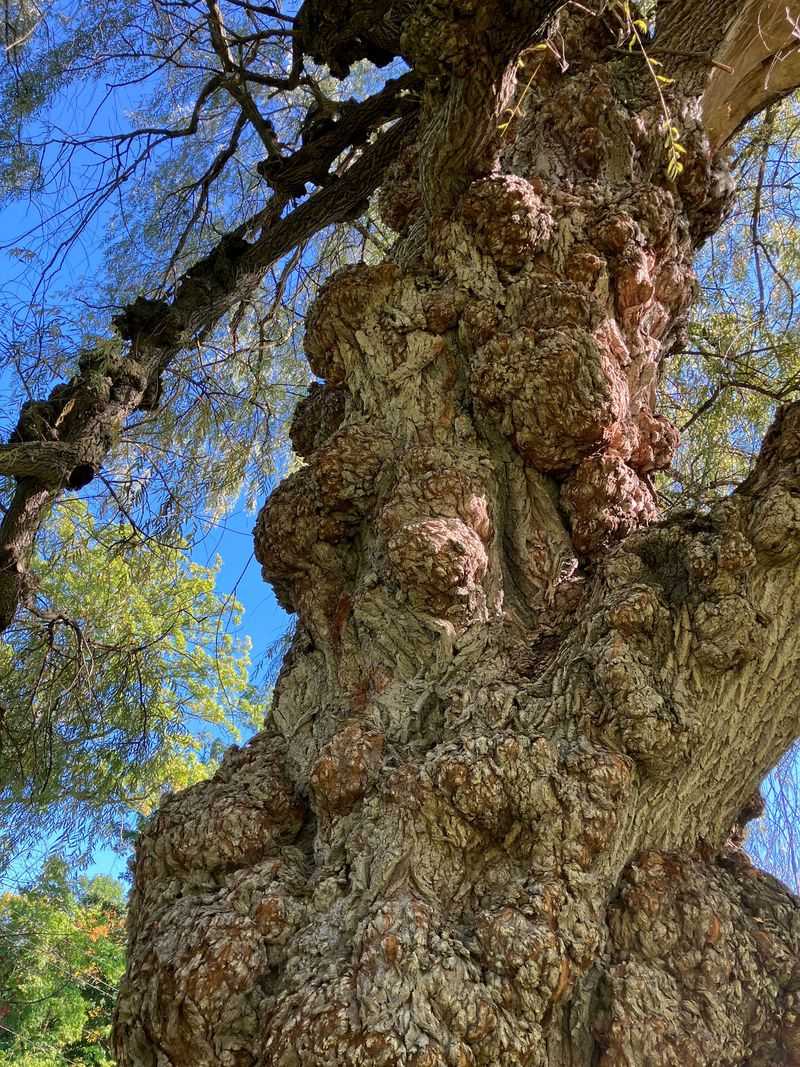
Bright tape around a tree may look overly cautious until a rope pouch zips upward through the canopy. Competition zones contain moving lines, suspended climbers, tools, and weighted throw bags, making firm boundaries essential.
Stand where volunteers direct you and keep children beside an adult whenever events are active.
Avoid leaning on ropes, touching gear, or walking beneath a climber. Dogs should remain controlled according to park rules and away from busy working areas, where sudden sounds and quick movement could cause stress.
Listen when officials pause an event or ask the crowd to move. Weather, branch concerns, and equipment checks can change conditions quickly.
Professional tree work depends on shared awareness, and spectators contribute simply by remaining alert, calm, and outside restricted spaces.
Dress For Grass Shade And Weather
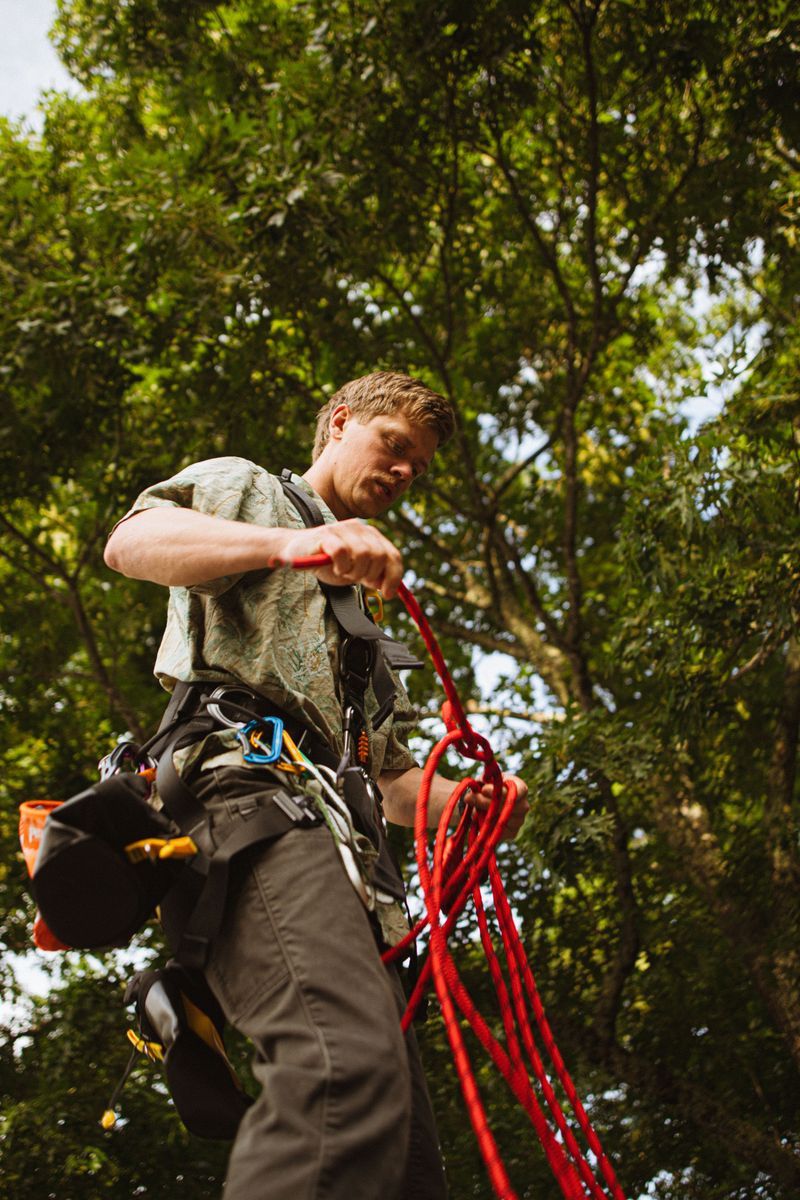
September in Midland can deliver crisp shade, warm sunshine, damp grass, and a surprise breeze within one afternoon. Wear light layers that can be added or removed without much fuss.
Closed-toe shoes with dependable traction are wiser than sandals when walking across lawns near busy event areas.
Pack rain protection and sunscreen, even when the morning forecast looks friendly. Tree cover softens direct sunlight but does not remove exposure, and competition rounds may keep spectators outdoors for several hours.
A small folding seat may be useful if event rules permit it, though it must never block paths or safety zones. Leave climbing equipment at home unless organizers specifically request it.
The professionals provide enough ropes overhead without visitors creating an accidental obstacle course below.
Give Young Climbers Extra Guidance
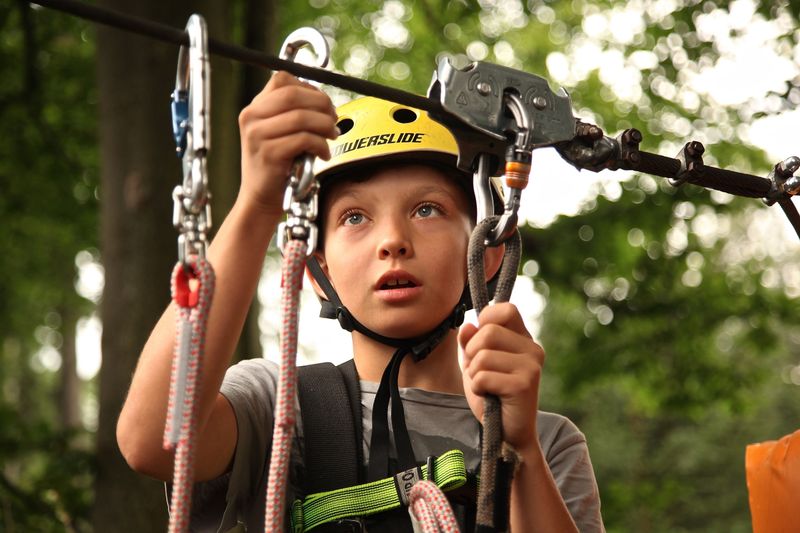
Few sights spark curiosity like an arborist calmly walking along a branch far above the lawn. Children may immediately want a turn, so explain early that competition trees and equipment are reserved for trained participants.
Climbing ordinary park trees without permission is neither part of the event nor a safe substitute.
If a supervised Kids’ Climb is confirmed for 2026, review announced ages, hours, clothing rules, and registration details beforehand. Availability may be limited, and participation depends on organizers, qualified supervision, equipment, and conditions.
While waiting, invite younger visitors to watch ground crews, spot helmets, or compare rope colors. Simple observation keeps them engaged while reinforcing the event’s real message: impressive climbing begins with instruction, inspection, teamwork, and respect for living trees.
Explore The Arbor Fair Carefully
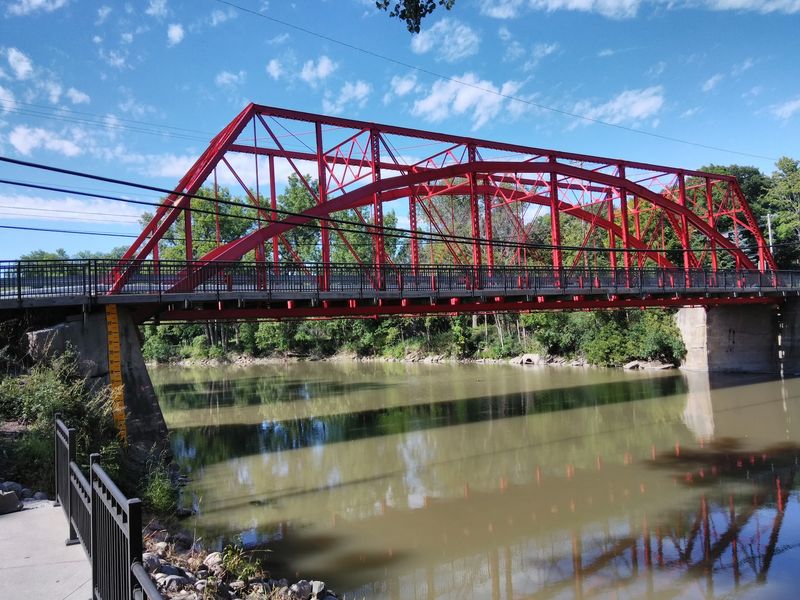
Beyond the ropes, equipment displays can turn unfamiliar metal devices and colorful cords into an outdoor science lesson. The Arbor Fair associated with the competition has offered visitors ways to learn about arboriculture, conservation, specialized gear, and the work required to maintain healthy trees.
Confirm what will be included in the 2026 program.
Ask exhibitors how arborists inspect trees, reduce damage, or select protective systems. Thoughtful questions often uncover details that are difficult to notice during a fast competition round.
Keep hands off displayed equipment unless a host invites closer examination. Much of it is life-support gear rather than a collection of toys.
Reading signs and listening to specialists provides a safer, richer understanding of why every buckle, knot, and inspection matters.
Watch The Ground Crew Too
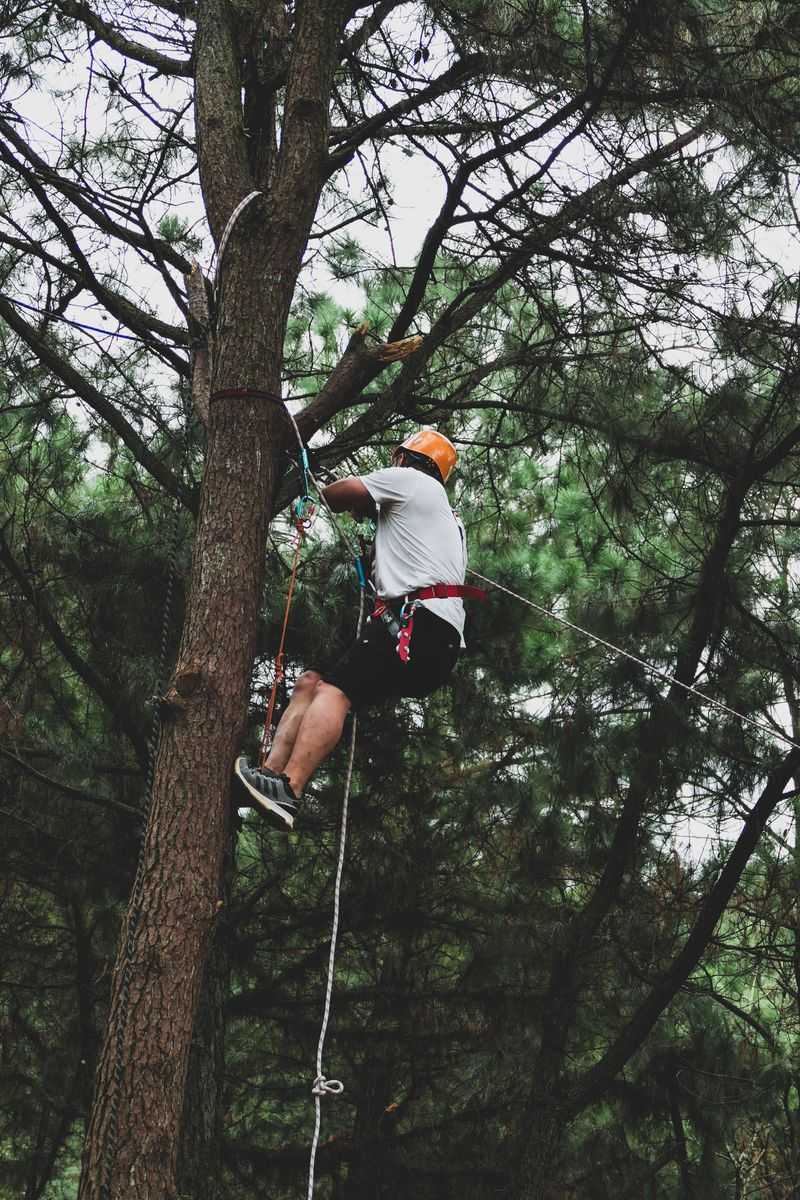
Eyes naturally travel upward, yet some of the smartest work happens at lawn level. Ground crews manage lines, monitor the climbing area, communicate with competitors, and help maintain an orderly safety system.
Their steady movements reveal that successful tree climbing is never simply one person showing off above everyone else.
Notice how ropes are kept organized and how crew members respond when a climber calls down. Judges also watch closely, measuring technique, time, task completion, and safety according to event rules.
I find these quieter details just as absorbing as a quick canopy swing. They show the professional habits behind the spectacle.
Give working teams space, limit loud distractions during instructions, and save questions until an appropriate break or staffed educational session.
Use Park Amenities Between Rounds
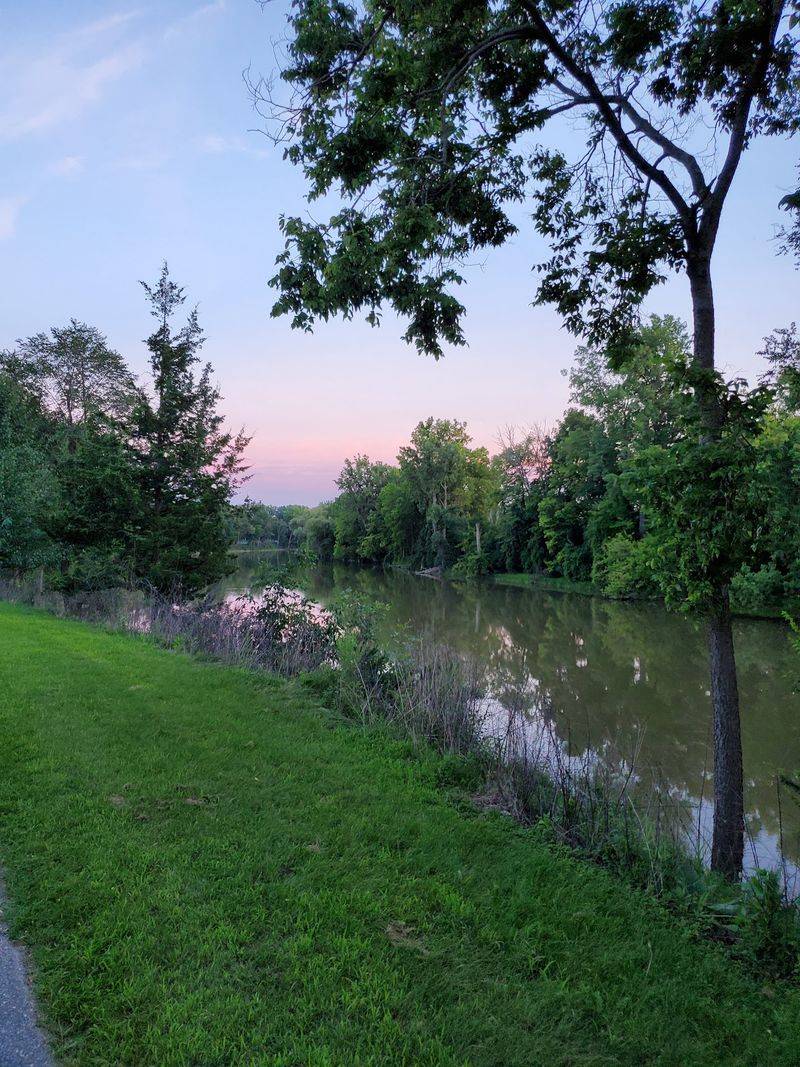
Competition days include pauses, and Emerson Park offers room to reset without abandoning the action. The park lies beside the Tittabawassee River and connects with paved recreation routes associated with the Pere Marquette Rail Trail.
Shaded picnic areas and open lawns can provide a welcome change from standing near one event zone.
Use only open facilities and follow temporary signs because competition operations may alter normal access. Keep pathways clear for cyclists, pedestrians, volunteers, and emergency personnel.
A short walk can help restless children, but check the program before wandering far from a favorite round. Emerson Park also contains sports facilities and play areas, yet the tree climbing event should remain the day’s focus.
Return early enough to settle behind barriers before action resumes.
Plan Food Water And Rest Breaks
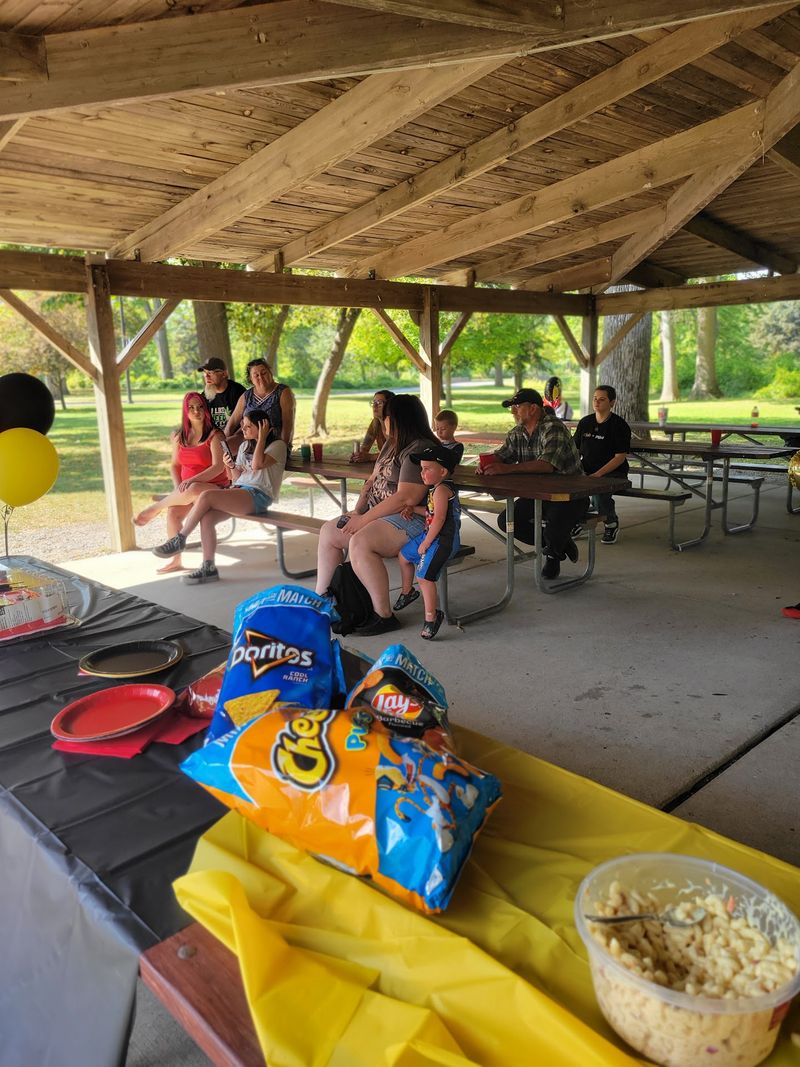
Hours of looking into treetops can leave necks stiff and water bottles strangely empty. Carry enough water for your group, then schedule brief rests instead of waiting until everyone becomes tired.
Reusable containers and a compact snack can be practical, provided current event and park rules allow them.
Food trucks or other vendors may participate, but the 2026 lineup and operating times should be confirmed through official announcements. Bringing a backup snack helps if lines grow or dietary options are limited.
Dispose of waste properly so wrappers never drift into competition areas or toward the river. Choose established picnic spaces for longer meals, not viewing boundaries.
A sensible break protects energy and makes later rounds easier to enjoy, especially during a full-day visit.
Check Access Parking And Updates
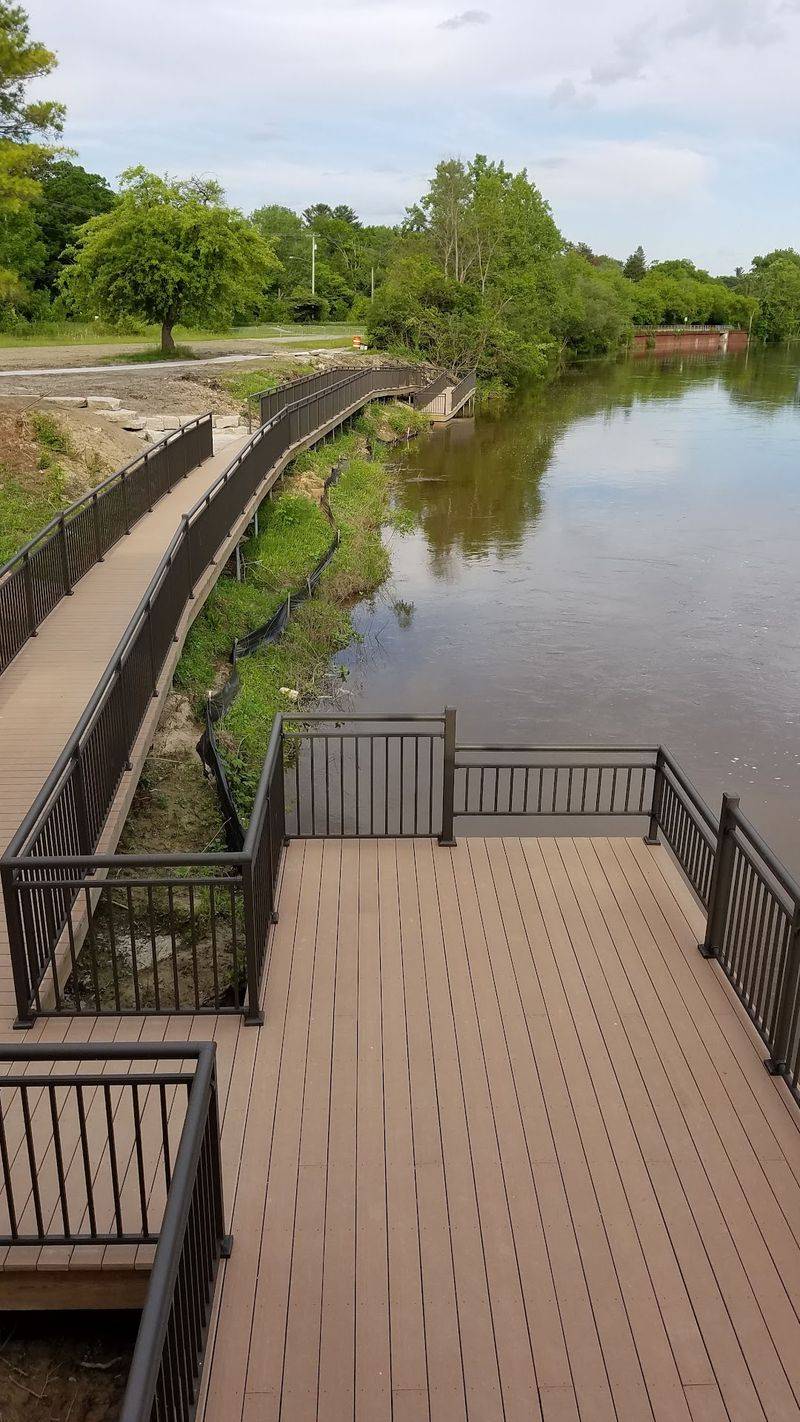
One practical puzzle deserves attention before the ropes ever leave the ground: which entrance and parking area organizers will use. Emerson Park covers a broad recreation area, and temporary competition zones may affect vehicle routes, walking distances, or normal parking patterns.
Follow the event’s published directions rather than relying only on an address entered earlier.
Visitors needing accessible parking or viewing arrangements should contact organizers or Midland parks staff before arrival. Ask about surfaces, restroom availability, seating, and the distance between parking and scheduled activities.
Weather can also delay climbs because wind, rain, lightning, or tree conditions affect safety. Monitor official updates throughout the weekend.
Flexible plans are useful here, since responsible organizers will always choose careful inspection over keeping an exact timetable.