
14 Quiet Maine Towns Where Time Seems To Stand Still
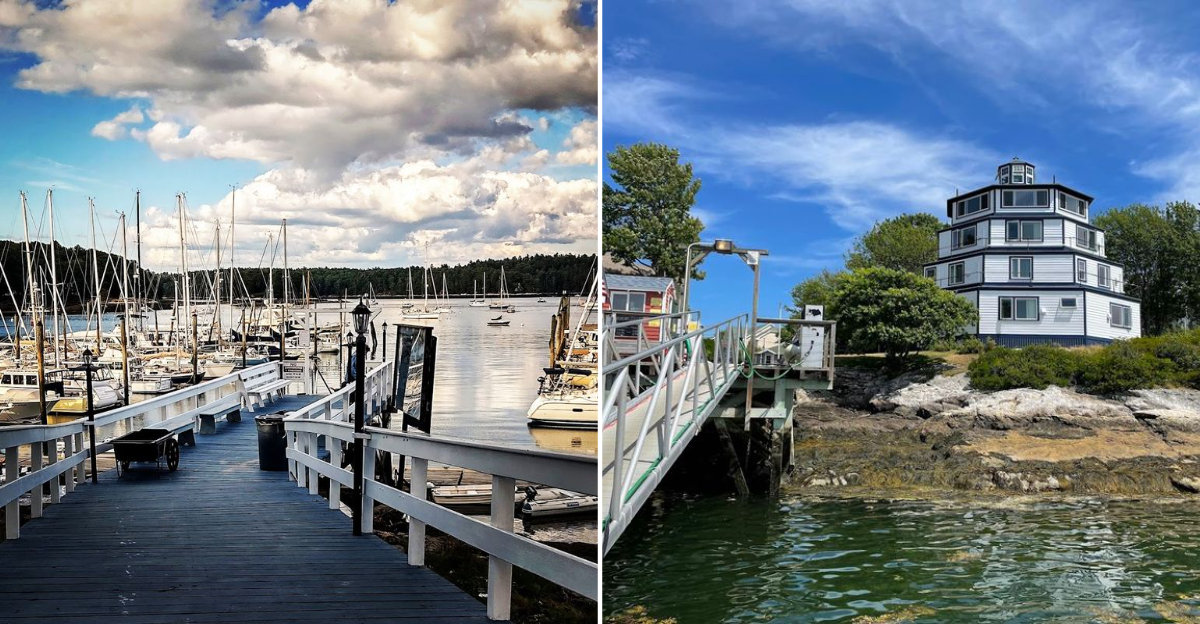
Here’s the thing about Maine: the best places usually do not try very hard to impress you. They are just there, tucked along quiet roads, working harbors, old docks, and main streets that still feel lived-in.
You show up thinking you will take a quick look, then somehow breakfast turns into a waterfront walk, and the whole day starts moving slower. That is the magic of small-town Maine.
This list brings together 14 places with real character, good stories, and the kind of scenery that makes you put your phone away for a while. Some are shaped by fishing boats, some by mountains, some by old houses and local legends.
All of them have that rare feeling that the rest of the world sped up without them.
1. Castine, Maine
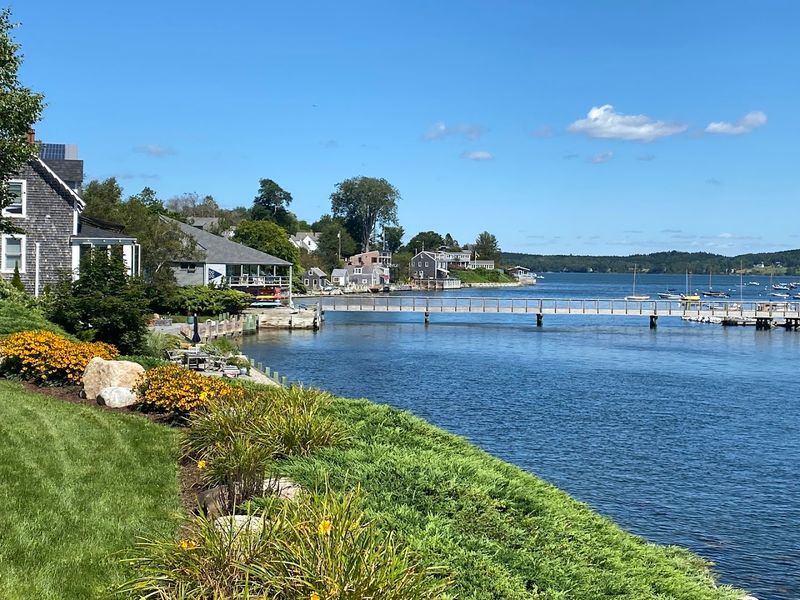
Few places in America carry as much colonial history per square mile as Castine, a small peninsula town on Penobscot Bay in Hancock County. This town has been claimed by the French, Dutch, English, and Americans over the centuries, and you can feel that layered past in its architecture and its quiet confidence.
The historic district alone contains over 100 pre-Civil War buildings, many of them still in everyday use.
Walking along Battle Avenue, you will pass earthwork fortifications that date back to the Revolutionary War. The Maine Maritime Academy is based here, giving the town a subtle nautical energy without turning it into a tourist circus.
Students in peacoats cross paths with retirees walking dogs past Federal-style homes.
Summer brings sailing visitors who tie up at the town dock, but Castine never feels overwhelmed.
The town common, the old elm trees, and the sea air combine to create an atmosphere that feels genuinely unhurried. If you enjoy history, sailing, and the kind of small-town dignity that does not need to advertise itself, Castine belongs near the top of your Maine itinerary.
2. Stonington, Maine
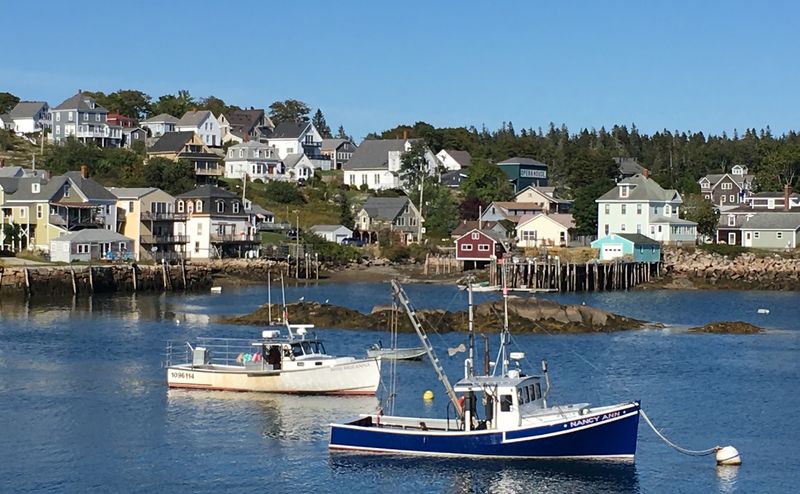
At the southern tip of Deer Isle, connected to the mainland by a famously narrow suspension bridge, Stonington is about as close to an untouched Maine fishing village as you are going to find.
Lobster boats outnumber pleasure crafts in the harbor, and the smell of salt and brine hits you the moment you step out of your car. This is a working waterfront, not a curated one.
The town has a small but respected arts community, anchored by the Haystack Mountain School of Crafts just a few miles away.
That creative energy shows up in the galleries and studios scattered between the hardware store and the co-op. You get the rare combination of authentic industry and genuine artistry sharing the same zip code.
Stonington is also the departure point for boat trips out to Isle au Haut, part of Acadia National Park, which gives visitors a reason to linger longer than a single afternoon.
The sunsets over the harbor are the kind that make you put your phone down and just look. Come in late summer when the light turns the granite pink and the boats come in heavy with the day’s catch.
3. Lubec, Maine
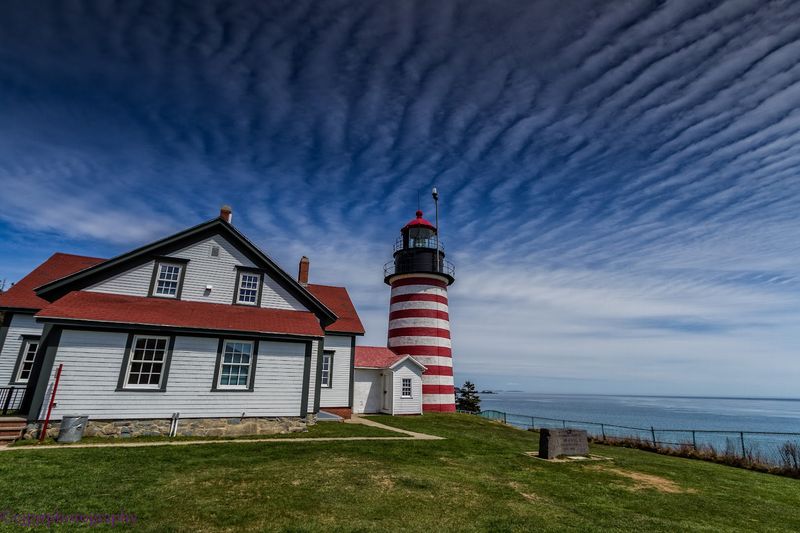
Lubec holds a distinction that most Americans do not know about: it is the easternmost town in the contiguous United States. Every morning, the sun rises here before it reaches most of the country, and watching that happen from the cliffs near West Quoddy Head Lighthouse is a genuinely moving experience.
The lighthouse itself, painted in bold red and white stripes, is one of the most photographed in New England.
The town sits on a narrow peninsula in Washington County, separated from Campobello Island in Canada by a short bridge. That international proximity gives Lubec a subtle worldly quality that surprises first-time visitors.
The island is home to the Roosevelt Campobello International Park, where Franklin D. Roosevelt spent summers as a child.
Lubec is small, with a population of about 1,200 people, and it wears its quietness like a comfortable old coat. The downtown has a handful of shops, a bakery, and some excellent seafood spots, but the real draw is the landscape.
Tidal flats, bold headlands, and the constant sound of the ocean make this one of those towns where you arrive for a night and end up staying three days longer than planned.
4. Wiscasset, Maine
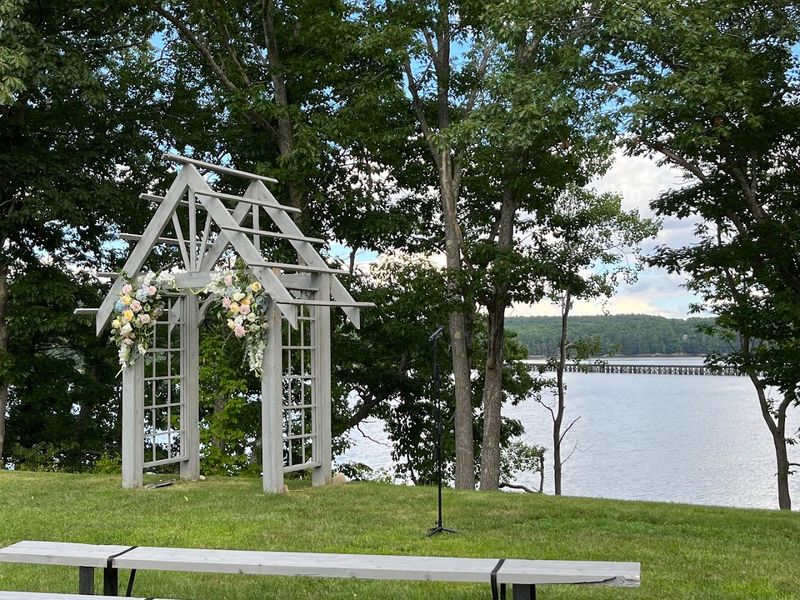
Wiscasset calls itself the prettiest village in Maine, and honestly, it is hard to argue. The town sits along the Sheepscot River in Lincoln County and has been charming visitors since it was a booming shipbuilding port in the late 1700s and early 1800s.
Those prosperous years left behind a remarkable collection of Federal and Greek Revival mansions that line the main streets like a living architecture textbook.
The town is perhaps best known for two things: a legendary summer traffic backup on Route 1, and Red’s Eats, the tiny roadside stand responsible for that traffic.
The lobster rolls there are genuinely worth the wait, stuffed with more meat than seems physically possible. It is one of those quintessential Maine food experiences that you will talk about for years.
Beyond the food, Wiscasset has excellent antique shops, a lovely waterfront park, and the historic Nickels-Sortwell House, now managed by Historic New England. The pace here is gentle and the architecture is stunning.
Spend a morning wandering the side streets and you will keep discovering beautiful old homes half-hidden behind lilac bushes and stone walls. It rewards the slow walker far more than the drive-through visitor.
5. Blue Hill, Maine
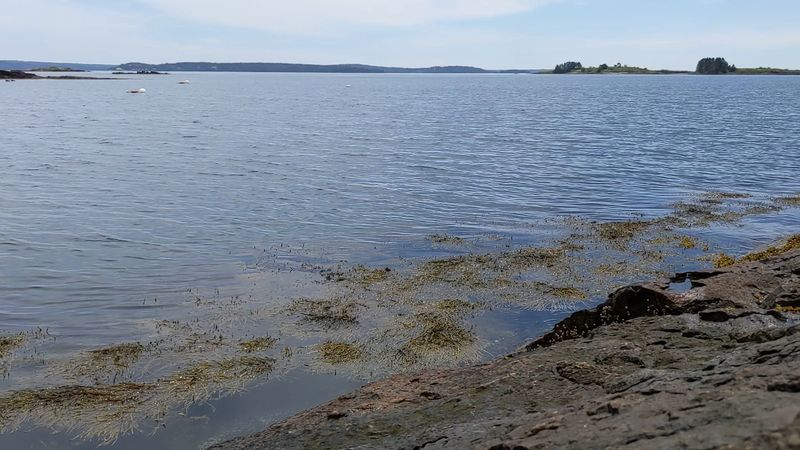
There is a particular kind of town in Maine that attracts writers, painters, and musicians without ever trying to become trendy, and Blue Hill is the finest example of that type.
Situated on a peninsula in Hancock County, this small village has a cultural life that punches well above its weight. The Kneisel Hall Chamber Music Festival draws serious classical music fans every summer, filling the town with the sound of string quartets drifting through open windows.
Blue Hill Mountain, a modest but rewarding hike, rises above the village and offers views of the bay, the islands, and the surrounding forests. The summit is reachable in about an hour, making it accessible for most fitness levels.
On a clear day, you can see all the way to Mount Desert Island.
The village itself has a wonderful independent bookstore, pottery studios, a Saturday farmers market, and longstanding local shops that give the town a strong sense of continuity.
That kind of continuity is rare and worth appreciating. Fall is spectacular here, with the foliage turning the hillsides into a patchwork of red, orange, and gold.
Blue Hill is the kind of place where creative people go to think, and visitors tend to leave feeling a little more inspired than when they arrived.
6. Brooklin, Maine
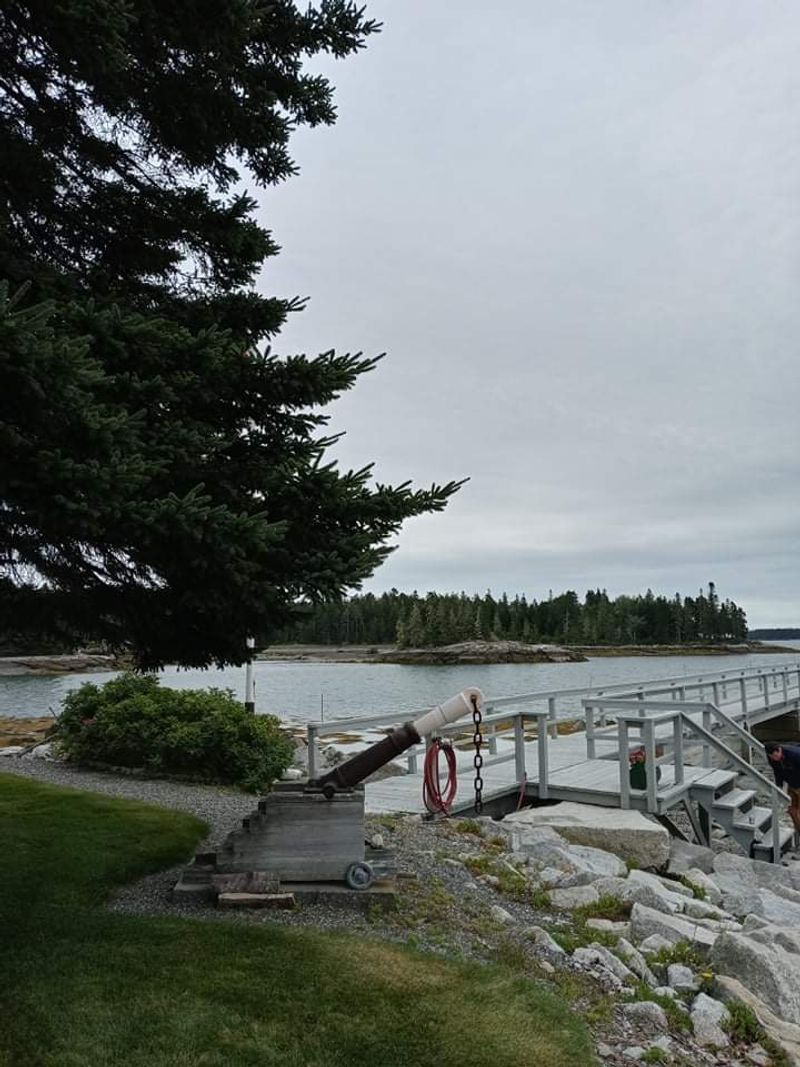
Brooklin is a small town on the Blue Hill Peninsula in Hancock County, and it has earned a quiet but devoted following among a very specific crowd: wooden boat enthusiasts.
The WoodenBoat School and the headquarters of WoodenBoat Magazine are both based here, making this tiny community the spiritual center of traditional wooden boat building in North America.
Watching a master craftsman shape a hull by hand in one of the school’s workshops is a genuinely humbling experience.
The late E.B. White, author of Charlotte’s Web and Stuart Little, lived and farmed in Brooklin for much of his adult life.
His presence left a literary warmth in the town that locals still feel. The farm where he wrote is not a public attraction, but knowing it is there adds a quiet layer of meaning to the landscape.
Brooklin has no traffic lights, no chain restaurants, and no tourist infrastructure to speak of. What it does have is a beautiful cove, a strong community spirit, and a general store that serves as the town’s social hub.
The pace here is so slow it almost feels radical.
If you want to understand what Maine looked like before the internet found it, spend a few days in Brooklin.
7. Monson, Maine
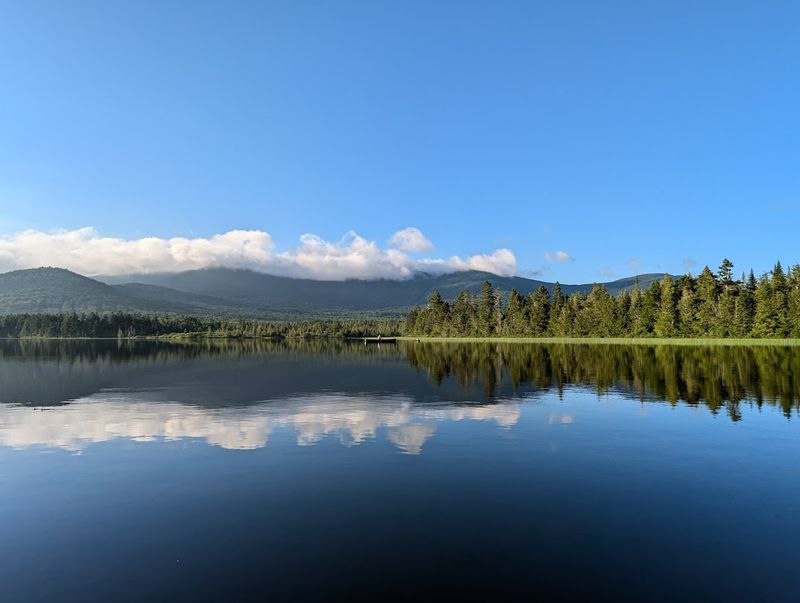
Monson sits at the edge of the 100-Mile Wilderness, the most remote section of the Appalachian Trail, and that geographic fact defines just about everything interesting about this town.
It is the last stop for northbound hikers before they disappear into the woods for days, and the first civilization southbound hikers see after emerging from that same stretch. The town has built a quiet identity around that role, and it wears it well.
The Shaw’s Hiker Hostel has been a beloved institution for AT thru-hikers for decades, offering a bed, a hot meal, and the company of fellow trail travelers.
Even if you are not hiking the trail, the hostel’s dining room is a fascinating place to hear stories. You will meet people from every background, united by blisters and determination.
Lake Hebron sits right at the edge of town and offers swimming, kayaking, and fishing in a setting that feels entirely unspoiled. The town also has a slate quarrying history, and the old quarry pits around the area are interesting to explore.
Monson received a significant boost from the Appalachian Mountain Club’s lodges and outdoor programs in the nearby 100-Mile Wilderness region, bringing more visitors to this corner of Piscataquis County without changing its fundamental character.
8. Kingfield, Maine
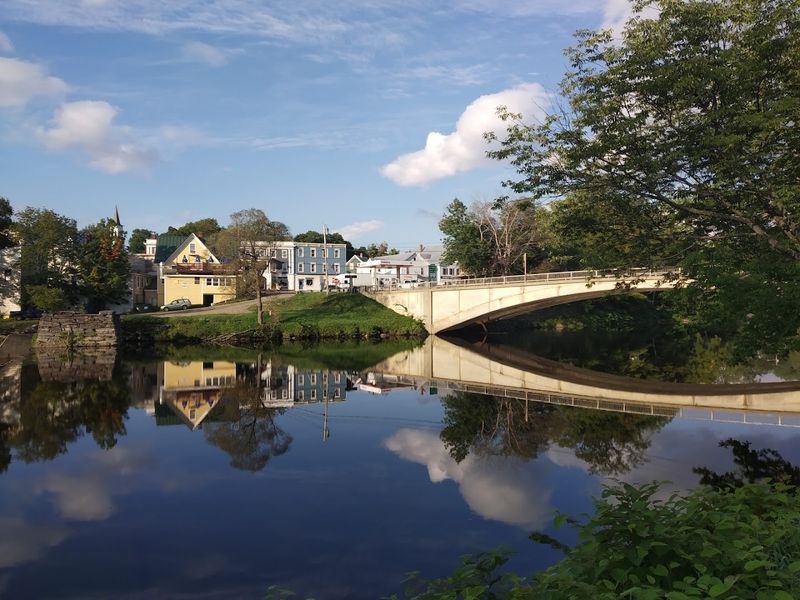
Most people know Kingfield as the town you drive through on the way to Sugarloaf Mountain, but that reputation undersells a place with a genuinely fascinating history.
Kingfield is the birthplace of the Stanley brothers, Francis and Freelan, who became famous for the Stanley Steamer automobile in the late 1800s.
The Stanley Museum, housed in a beautiful 1903 Georgian Revival building on School Street, tells their story with impressive artifacts and a real sense of pride.
The town sits in the upper Carrabassett Valley in Franklin County, surrounded by mountains that look like something from a painting.
Main Street has a handful of shops and restaurants, and the whole place has the cozy, unpretentious feel of a mountain community that has not been over-developed. Winter brings skiers passing through, but the town itself stays calm and neighborly.
Summer in Kingfield is genuinely underrated. The Carrabassett River runs through town and offers fishing and swimming spots that locals have been using for generations.
The surrounding woods are excellent for hiking and mountain biking.
If you time your visit for the fall, the drive up Route 27 through the valley is one of the finest foliage roads in the entire state of Maine.
9. Rangeley, Maine
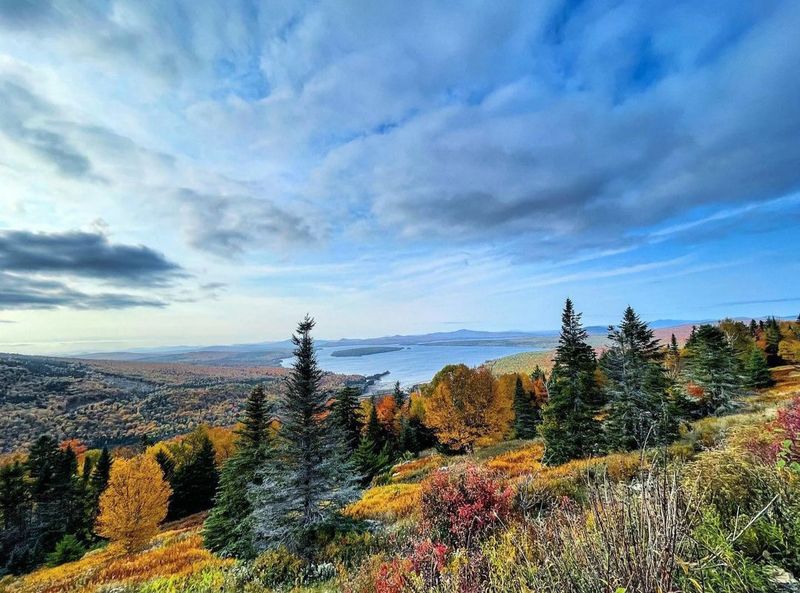
Rangeley Lake is one of those bodies of water that makes you understand why people choose to live in rural Maine rather than anywhere else. The lake is massive, clear, and ringed by mountains, and the town of Rangeley sits right on its southern shore in Franklin County.
This is four-season country in the truest sense, with skiing at Saddleback Mountain in winter, fishing and paddling in summer, and foliage that is simply extraordinary in autumn.
The Rangeley Lakes region was a famous destination for sport fishing as far back as the 1800s, when wealthy Bostonians and New Yorkers came by train to catch the native brook trout.
That heritage is preserved at the Wilhelm Reich Museum, which occupies a hilltop outside town and offers both a look at the controversial scientist’s work and some of the best views in the region.
Downtown Rangeley is small but well-stocked for visitors, with outfitters, bakeries, and a few excellent restaurants. The lakeside park is a gathering spot in summer, and watching the sun go down over the water from a bench there costs absolutely nothing.
Rangeley rewards the kind of traveler who is happy to slow down, breathe the pine-scented air, and let the days unfold without a strict agenda.
10. Phippsburg, Maine
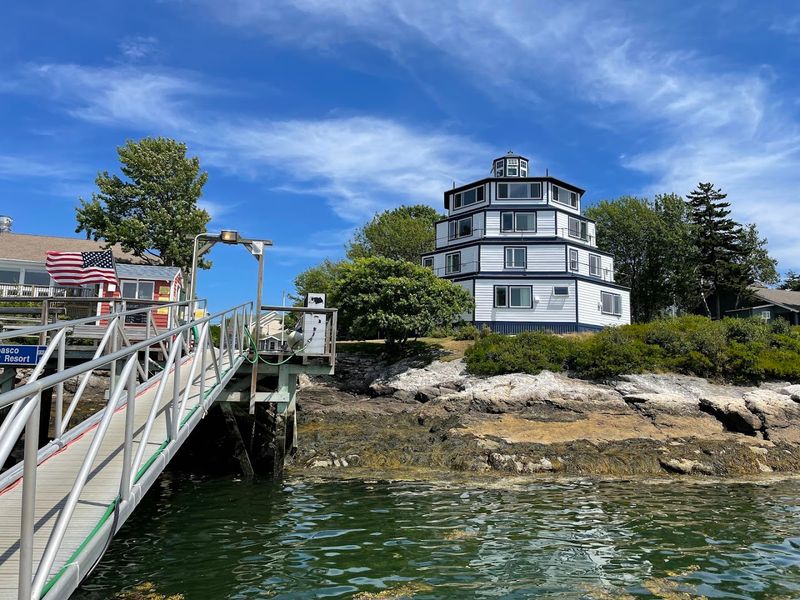
Phippsburg occupies a long, narrow peninsula that juts south into the Atlantic from the mouth of the Kennebec River in Sagadahoc County, and it is one of those places that rewards visitors who are willing to drive past the obvious attractions.
Most people head straight to Popham Beach State Park, which is fair enough because the beach there is genuinely spectacular, with wide sandy shores, dramatic dunes, and views of Wood Island and Seguin Island Lighthouse offshore.
What fewer visitors discover is that Phippsburg has miles of additional coastline, including the rocky and beautiful Morse Cove, tidal flats full of shorebirds, and the historic site of the Popham Colony, one of the earliest English settlements in North America, predating Plymouth by thirteen years.
The colony failed, but its story is fascinating and a small interpretive area marks the site at Fort Popham. The peninsula also has quiet back roads perfect for cycling, and several ponds that are ideal for kayaking.
The town itself is more of a spread-out community than a compact village, which means the crowds thin out quickly once you leave the state park entrance.
If you are based in Bath or Brunswick, Phippsburg makes a perfect half-day trip that punches well above expectations.
11. Georgetown, Maine
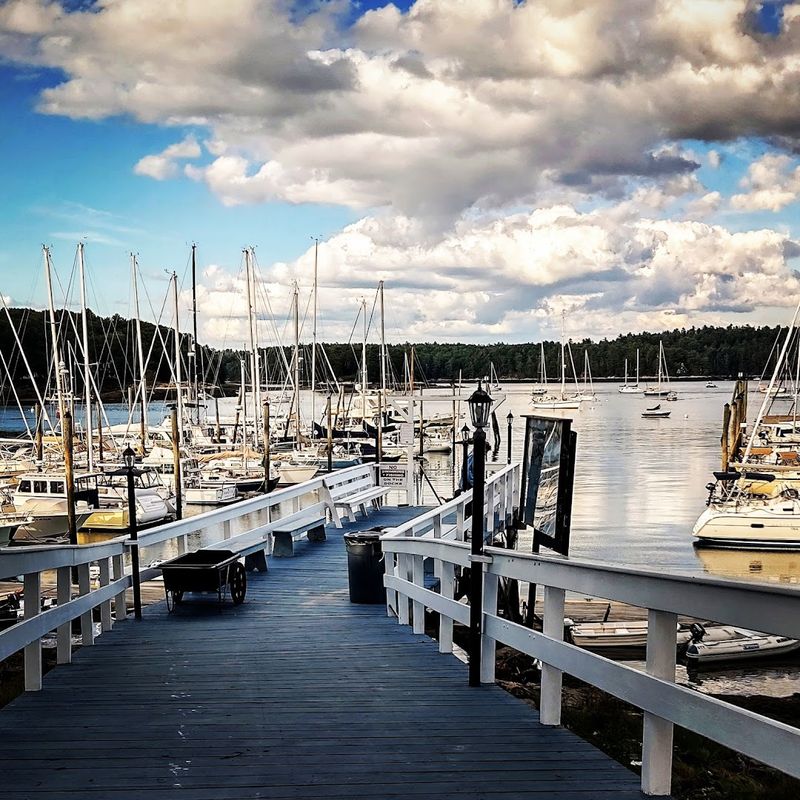
Georgetown is another peninsula town in Sagadahoc County, sitting just south of Bath and often overlooked in favor of its more famous neighbors. That oversight works in the town’s favor, keeping it genuinely quiet even in the peak summer months.
The drive down Route 127 through Georgetown is lovely on its own, passing through forests, past tidal inlets, and over causeways with water visible on both sides.
The village of Five Islands, at the southern end of Georgetown, is one of the most picturesque spots on the entire Maine coast. A small working harbor, a cluster of wooden buildings, and a lobster pound right on the dock make it the kind of scene that ends up on postcards.
The Five Islands Lobster Company has been serving fresh seafood here for years, and eating a lobster roll while watching the boats come and go is about as Maine as an experience gets.
Reid State Park, on the western shore of the peninsula, offers one of the few sandy beaches on the mid-coast that does not require a long drive.
The park also has rocky headlands, salt marshes, and excellent birding. Georgetown is the kind of place where you arrive thinking you will spend an hour and end up staying until the light fades completely from the sky.
12. Damariscotta, Maine
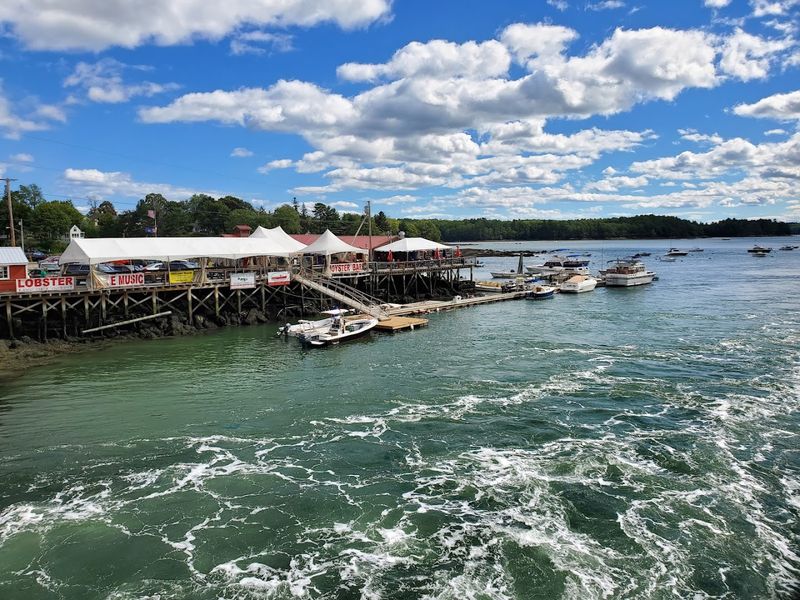
Damariscotta is the kind of small town that makes you think the concept of the ideal New England village was modeled on it specifically.
Located in Lincoln County on the Damariscotta River, this town has a compact, walkable Main Street lined with independent shops, galleries, a cinema, and some of the best restaurants on the mid-coast.
The whole downtown fits within a comfortable ten-minute stroll, yet it manages to feel complete rather than sparse. The town is famous in foodie circles for its oysters.
The Damariscotta River estuary produces some of the finest oysters in the world, and several local farms offer tours and tastings that have become a destination experience in their own right.
The annual Damariscotta Pumpkinfest in October, where giant pumpkins are carved, decorated, and occasionally used as boats in a regatta, is one of the most joyfully absurd events in Maine.
Just across the bridge sits Newcastle, essentially Damariscotta’s twin village, adding more historic homes and a lovely riverside park to explore.
The Pemaquid Peninsula stretches south from here, leading to Pemaquid Point Lighthouse and one of the most dramatic rocky coastlines on the Eastern Seaboard. Damariscotta is a natural base for exploring a remarkable stretch of Maine’s coast.
13. Eastport, Maine
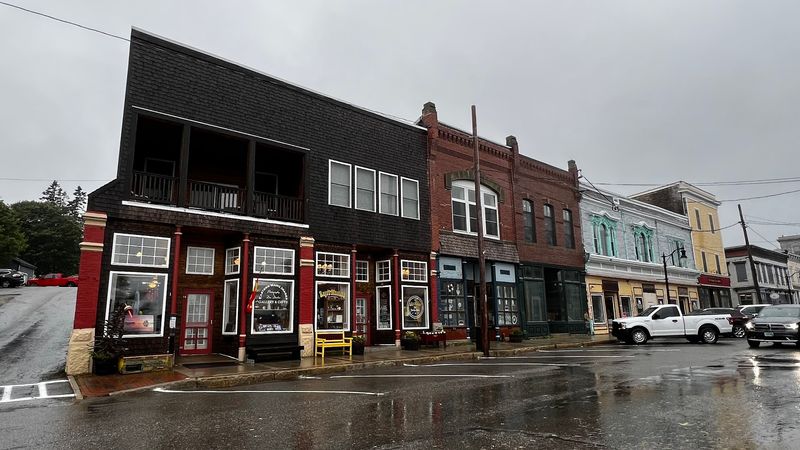
Eastport sits on Moose Island in Passamaquoddy Bay, connected to the mainland by a causeway, and it holds the distinction of being the easternmost city in the United States. It is a city in name only, with a population of around 1,300 people, but what it lacks in size it more than makes up for in character.
The downtown Water Street is lined with 19th-century brick buildings that have seen hard times and are slowly, genuinely coming back to life through the efforts of artists and entrepreneurs who chose this far corner of Washington County on purpose.
The tides here are among the most dramatic in the world, part of the Bay of Fundy system that produces tidal changes of up to 28 feet.
Watching the water rush in and out of the harbor is a spectacle that never gets old. Whale watching tours operate out of Eastport in summer, with the nutrient-rich waters attracting finback, minke, and humpback whales.
The Fourth of July celebration in Eastport is one of Maine’s best-known Independence Day traditions, adding a lovely layer of historical weight to the festivities. Eastport is raw, honest, and beautiful in a way that polished tourist towns rarely manage to be, and that is exactly why it belongs on this list.
14. Fort Kent, Maine
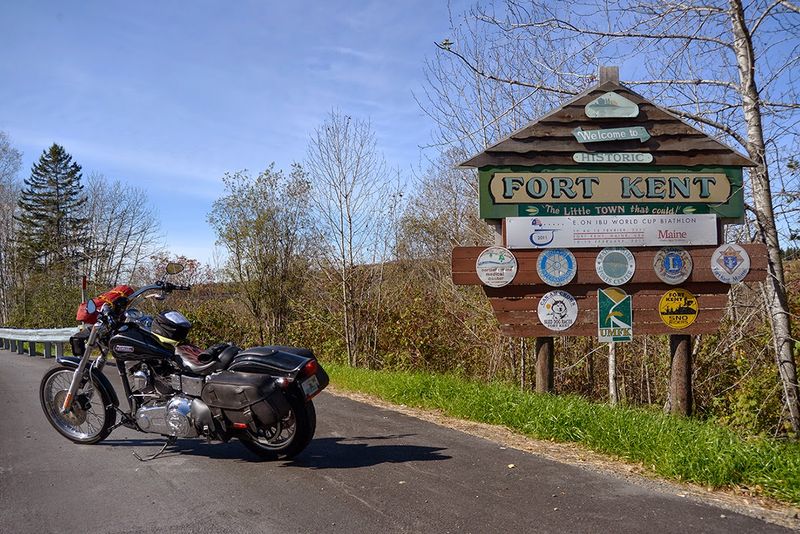
Fort Kent is as far north as you can go in Maine before you are in Canada, and that geographic extremity gives it a character unlike anywhere else in the state.
Sitting at the confluence of the Fish and St. John Rivers in Aroostook County, this town is the northern terminus of U.S. Route 1, the highway that runs all the way to Key West, Florida.
A sign marking that fact stands in town and draws a steady trickle of road-trippers completing the full length of the route.
The town has a strong Franco-American heritage, a legacy of the Acadian settlers who came to this region in the 1700s. French is still spoken in homes and businesses here, giving Fort Kent a cultural texture that feels distinctly different from southern Maine.
The Fort Kent Blockhouse, a small but well-preserved wooden fortification from the 1839 Aroostook War, is a fascinating piece of nearly forgotten American history.
Winter transforms Fort Kent into a Nordic skiing hub, with the Fort Kent Outdoor Center hosting World Cup biathlon events on trails that wind through the surrounding boreal forest. The landscape up here is vast, quiet, and deeply beautiful in every season.
Fort Kent is the kind of place that reminds you just how large and varied Maine truly is, and how much of it most people never see.