
10 Quiet North Carolina Diners Where You’ll Hear More Stories Than Music
North Carolina’s back roads and small towns are dotted with hidden culinary gems, unpretentious diners where the scent of bacon greets you at the door and coffee is poured with a smile. I’ve spent years exploring these beloved spots, where the food is comforting, the prices are fair, and the conversations are priceless.
More than just places to eat, these diners are gathering spots where stories are passed across generations, tales of mountain floods, coastal hurricanes, lost love, and local legends.
Around those worn countertops and well-loved vinyl booths, community thrives. These humble eateries quietly preserve the heart and soul of North Carolina.
1. Smith Street Diner, Greensboro
Morning sunlight streams through windows that have witnessed decades of Greensboro history at Smith Street Diner. Last Tuesday, I arrived at 6 AM to find farmers already huddled over steaming mugs, trading tales about this season’s unpredictable weather patterns.
The waitresses know every regular by name and coffee preference. They’ll introduce newcomers to the table of retired teachers who’ve claimed the corner booth since 1983.
Their biscuits rise higher than most local expectations, but it’s the symphony of Southern accents and genuine laughter that keeps me returning. The walls might be simple, but they’ve absorbed enough wisdom to fill libraries.
2. Pisgah Fish Camp, Brevard
Tucked between towering pines near the entrance to Pisgah National Forest sits a cinderblock building that’s been feeding mountain folk since 1968. The mounted fish on paneled walls might appear frozen in time, but conversations here flow like the nearby Davidson River.
My favorite server, Marlene, once introduced me to a 93-year-old regular who recalled when the forest was still privately owned. His weathered hands traced invisible maps on the tablecloth while describing long-forgotten logging trails.
Hushpuppies arrive without asking, perfect golden companions to stories of record-breaking trout catches and bear sightings that grow more impressive with each retelling.
3. The Coffee Cup, Charlotte
Amidst Charlotte’s gleaming skyscrapers stands this defiant time capsule where bankers and construction workers accidentally become friends over grits. Founded in 1947, its counter has witnessed Charlotte transform from textile town to banking powerhouse.
Faded photographs line walls that have absorbed seven decades of political debates and business deals. My first visit coincided with a retired Charlotte Observer reporter holding court at the counter, sharing unpublished stories about the city’s most powerful figures.
Regulars claim the secret to their perfect fried chicken lies somewhere between the seasoned cast iron and third-generation recipes. I suspect the real magic happens in the moments between bites, when strangers become neighbors through shared stories.
4. Waffle Shop, Boone
Snow falls gently outside frosted windows while Appalachian State professors and ski instructors huddle over mugs of black coffee. The Waffle Shop serves as Boone’s unofficial town hall, where mountain wisdom transfers between generations through stories rather than textbooks.
Waitresses navigate narrow aisles with practiced precision, balancing plates of pecan waffles while remembering which customer mentioned their grandson’s graduation last month. During my breakfast there last winter, a local historian captivated three tables with tales of the region’s first settlers.
Nothing pairs better with their crispy hash browns than overhearing a white-bearded regular explain to tourists how to identify edible mushrooms on nearby trails. Every booth feels like joining an ongoing conversation.
5. Bill’s Hot Dogs, Washington
Stepping into Bill’s feels like entering a time machine set to 1928, when their first dog was served. The narrow passage barely accommodates five customers standing shoulder-to-shoulder, creating an intimacy that turns strangers into confidants within minutes.
Captain Joe, who pilots fishing charters on the Pamlico River, stands at the counter every Tuesday at 10:30 sharp. His weather predictions have proven more reliable than any smartphone app I’ve tried.
Their secret chili recipe remains unchanged through three generations of ownership. While waiting for my dogs “all the way,” I’ve collected fishing tips, hurricane stories, and directions to secret beaches from locals who measure time by which businesses survived which floods.
6. Angie’s Restaurant, Garner
Red checkered tablecloths frame plates of country-fried steak at this family-owned gem where three generations of Garner residents start their mornings. Miss Betty, who’s been waiting tables for 32 years, carries a notepad but rarely needs it, she remembers everyone’s usual order.
Politicians seeking authentic voter connections make pilgrimages here during campaign seasons. Their polished speeches quickly dissolve into genuine conversations about farm subsidies and school funding with farmers who’ve worked the same land since before the politicians were born.
The pancakes arrive impossibly fluffy, but I come for the unfiltered commentary from the table of retired railroad workers who’ve claimed the same booth since 1986. Their stories track Garner’s evolution from rural outpost to Raleigh suburb.
7. Dan’l Boone Inn, Boone
Housed in a 1920s hospital building, this Boone institution serves family-style meals that would make any grandmother proud. Platters of fried chicken and country ham circulate like gossip at tables filled with multi-generational families and solo travelers alike.
The elderly gentleman who refills sweet tea glasses doesn’t work here, he’s a retired principal who simply enjoys helping out and sharing stories of old Boone with visitors. During autumn’s peak colors, I witnessed him sketch a hand-drawn map for lost hikers, complete with secret viewpoints not found in guidebooks.
Servers in period-inspired attire deliver biscuits warm enough to melt the hand-churned apple butter on contact. Between these walls, Appalachian oral tradition remains as nourishing as the food.
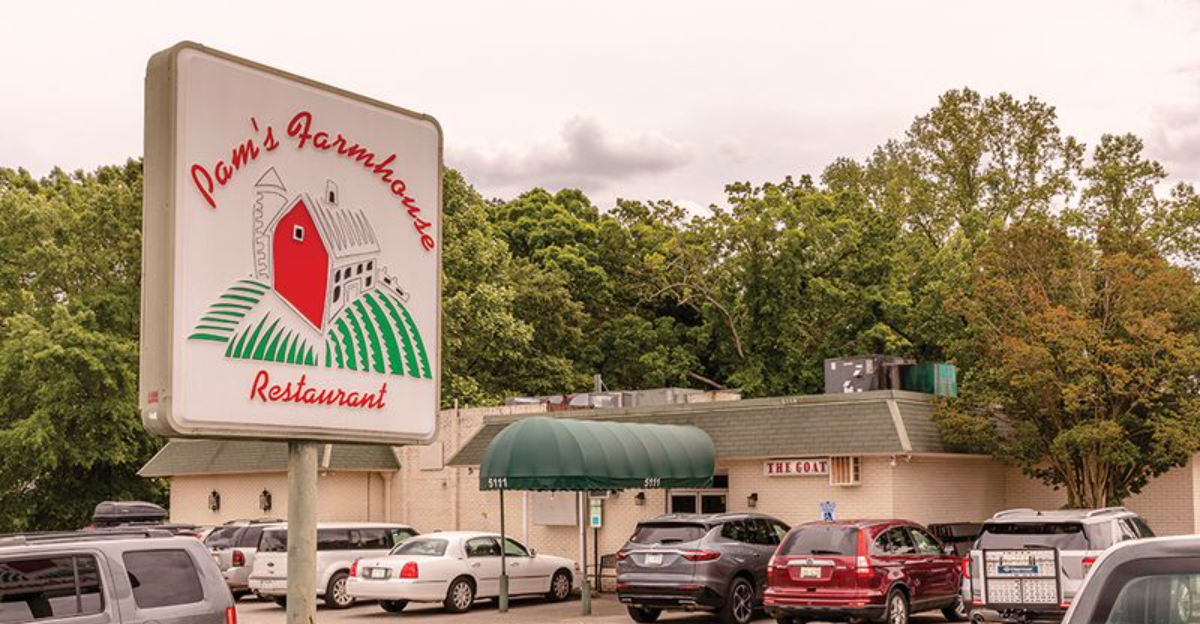
8. Pam’s Farmhouse Restaurant, Raleigh
Fluorescent lights illuminate Formica tables where state government employees and farmers find rare common ground over plates of livermush and eggs. Despite Raleigh’s rapid growth, Pam’s remains stubbornly authentic, a refuge from pretension where food and conversation remain straightforward.
A handwritten sign behind the register reads “No WiFi, Talk to Each Other”, advice customers enthusiastically follow. During my last visit, I watched a soil scientist from NC State and a third-generation tobacco farmer solve agricultural problems that had stumped university researchers.
The biscuits emerge from the kitchen with crisp bottoms and cloud-soft centers. Regular customers know to save room for Thursday’s banana pudding, which disappears faster than morning fog over Carolina fields.
9. Broad Street Deli and Market, Dunn
Halfway between Raleigh and Fayetteville sits this unassuming brick storefront where truckers and textile workers break bread with lawyers heading to the courthouse. The sandwich board menu hasn’t changed in decades, though nobody seems to consult it anyway.
Owner Mike greets everyone by name, occasionally introducing strangers who share common interests or complementary problems. I once watched him connect a farmer with surplus tomatoes to a woman who made small-batch ketchup, creating a business partnership over tuna melts.
Conversations bounce between tables like friendly tennis matches. The chicken salad recipe remains a closely guarded secret, but local history flows freely between generations, preserving stories of textile booms and agricultural innovations that shaped this region.
10. Skylight Inn Diner, Ayden
Locals call it “the other Skylight”, less famous than its BBQ neighbor but equally essential to Ayden’s social fabric. Morning fog still clings to tobacco fields when farmers arrive for 5 AM breakfast, creating steam-window silhouettes visible from the road.
The ancient ceiling fan spins lazily above conversations that drift between peanut yields and grandchildren’s achievements. During blueberry season, customers bring small containers of their harvest to share, comparing varieties and growing techniques across sticky tabletops.
Handwritten specials on construction paper announce whatever local ingredients arrived that morning. I’ve learned more about Eastern Carolina’s agricultural rhythms from eavesdropping here than from any almanac. Their cornmeal pancakes provide sustenance, but it’s the stories that truly feed the soul.