
11 Quirky Arkansas Towns You’ve Got To See To Believe
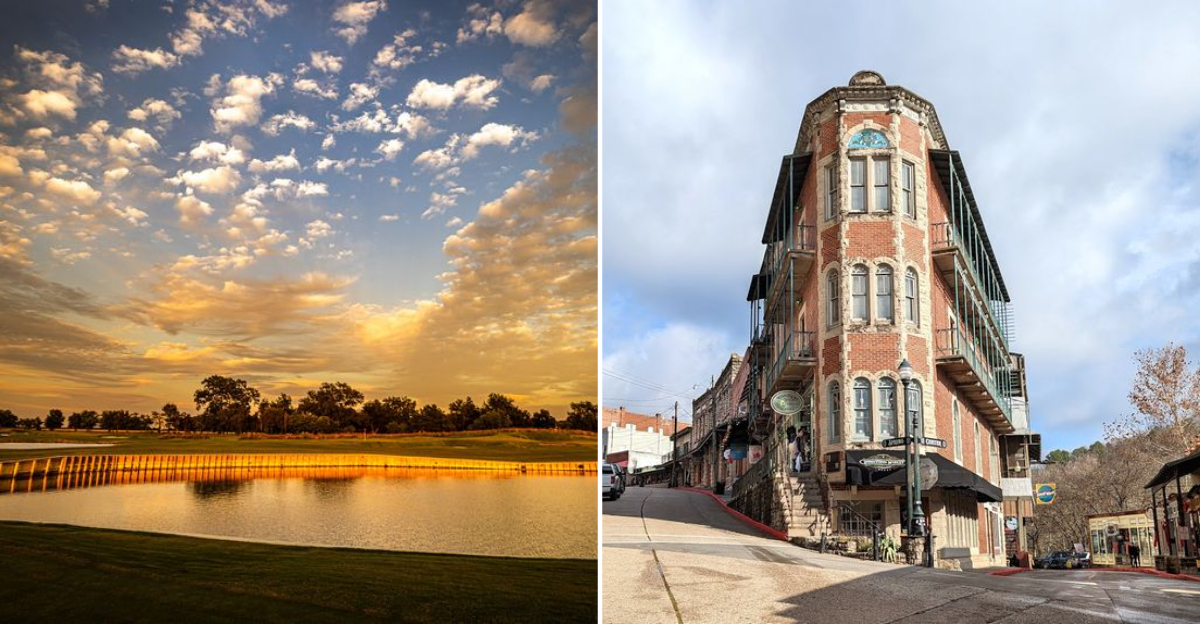
I knew Arkansas could surprise me, but these towns still caught me off guard. I have wandered streets where Victorian houses climb steep hillsides and old buildings seem to lean right into the view.
I have stopped in places where springs rise downtown, music spills into the square, and local shops feel full of real personality. Each town has its own rhythm, and that is what stayed with me most.
Some feel shaped by the Ozarks. Others carry the wide-open mood of the Delta.
All of them offer something a little unexpected. I am talking about unusual history, striking scenery, and the kind of local character that makes me slow down and look around.
These places do not blur together. Each one leaves a distinct impression.
Grab your bag, hit the road, and come with me to explore these quirky Arkansas towns that are far more fascinating than most people realize.
Eureka Springs
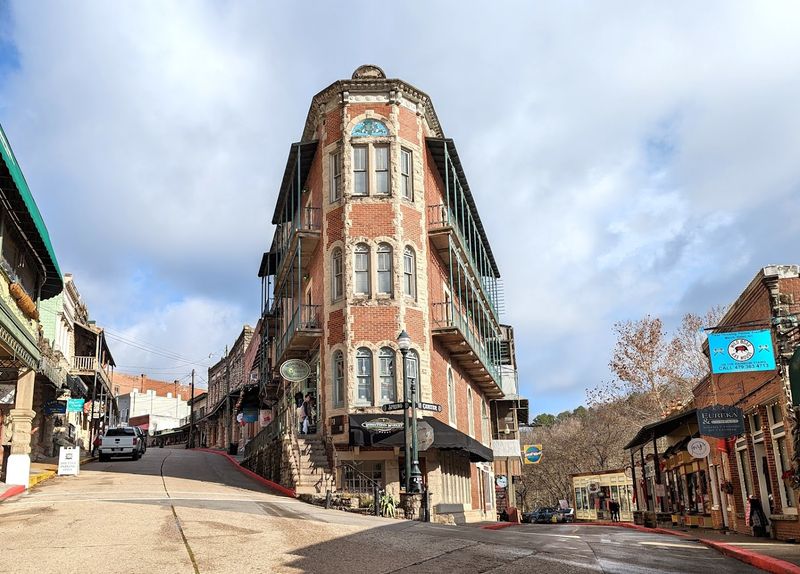
Perched on steep Ozark hillsides where no two streets seem to run parallel, Eureka Springs operates by its own rules, and that is precisely why I keep coming back.
The entire downtown of Eureka Springs, AR 72632, is listed on the National Register of Historic Places, making every block feel like a living postcard from the 1880s.
Victorian buildings painted in bold jewel tones cling to the cliffs in ways that seem to defy basic engineering logic, and the narrow, winding roads mean you genuinely cannot drive in a straight line anywhere in town.
Natural springs still bubble up throughout the area, and the town built its early reputation entirely on the healing reputation of those waters.
Today, the arts scene here is thriving, with galleries, glassblowers, and sculptors tucked into storefronts that once housed bathhouses and apothecaries.
The Crescent Hotel, which dates back to the Victorian era, looms dramatically over the town and carries enough ghost stories to fill a library shelf.
Spring and fall visits reward you with cooler temperatures and foliage that makes the already-colorful architecture look even more dramatic against the hillside backdrop.
Eureka Springs is the kind of town that makes you rebook your return trip before you have even checked out of your hotel.
Hot Springs
There is something wonderfully surreal about a town where geothermal water has been flowing at a steady temperature for thousands of years, and Hot Springs, AR 71901, has built an entire identity around exactly that phenomenon.
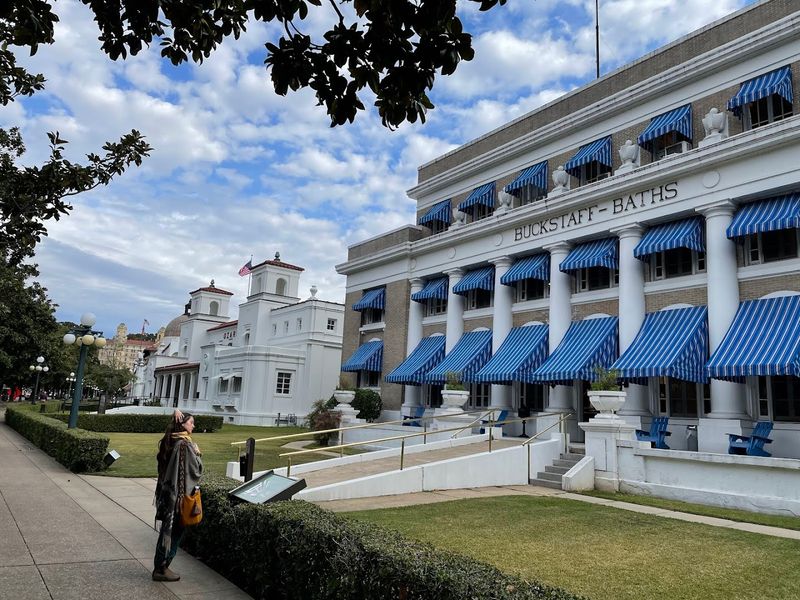
Bathhouse Row on Central Avenue is a stretch of stunning Spanish Colonial Revival and Italianate buildings that once served as the spa capital of America, drawing everyone from presidents to baseball players seeking rest and recovery.
The National Park Service now manages several of these bathhouses, and you can still soak in the thermal waters at the Buckstaff Bathhouse, which has been operating continuously since the early twentieth century.
Hot Springs National Park sits right inside the city limits, which makes it one of the most accessible national parks in the country for a casual afternoon visit.
Beyond the baths, the town has a genuinely vibrant food and arts scene that keeps the streets lively well into the evening.
The Gangster Museum of America pays homage to the town’s wild past, when organized crime figures treated Hot Springs as a neutral playground between rival factions.
Garvan Woodland Gardens on the shores of Lake Hamilton is worth half a day on its own, especially when the azaleas are blooming in spring.
Hot Springs rewards slow travelers who actually stop, soak, and stay awhile.
Mountain View
On any given weekend in Mountain View, AR 72560, you are likely to stumble across someone playing a banjo on the courthouse square without any announcement, any ticket, or any stage setup whatsoever.
This small Ozark town has earned the nickname Folk Music Capital of the World, and it takes that title seriously in the most relaxed, unhurried way imaginable.
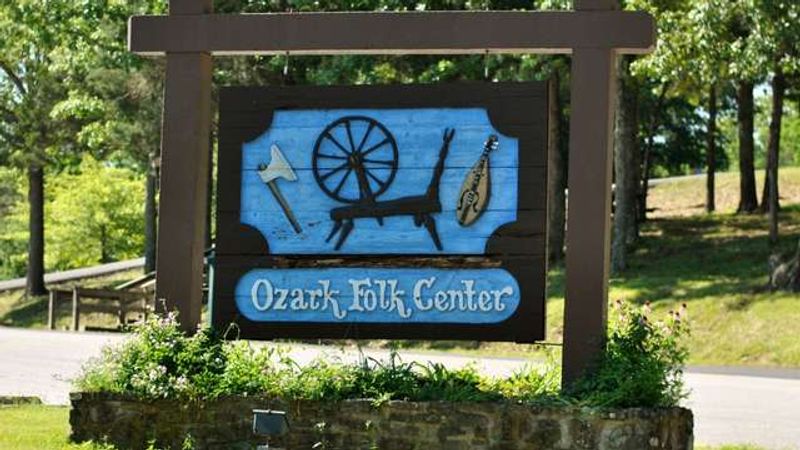
The Ozark Folk Center State Park sits just north of the downtown square and serves as the town’s cultural heart, hosting live traditional music performances and craft demonstrations that showcase skills like blacksmithing, weaving, and lye soap making.
What makes Mountain View genuinely special is that the music is not just a tourist attraction bolted onto the town’s surface; it is woven into daily life here in a way that feels completely organic.
Locals gather on the square on warm evenings and simply start playing, and visitors are welcome to pull up a chair, clap along, or even join in if they brought an instrument.
The surrounding Stone County landscape is dotted with swimming holes, hiking trails, and float trips on the Sylamore Creek that make a longer stay very easy to justify.
Autumn is particularly magical here, when the hardwood forests surrounding the town shift into deep amber and crimson.
Mountain View is proof that the best entertainment is sometimes completely free and completely unplanned.
Wilson
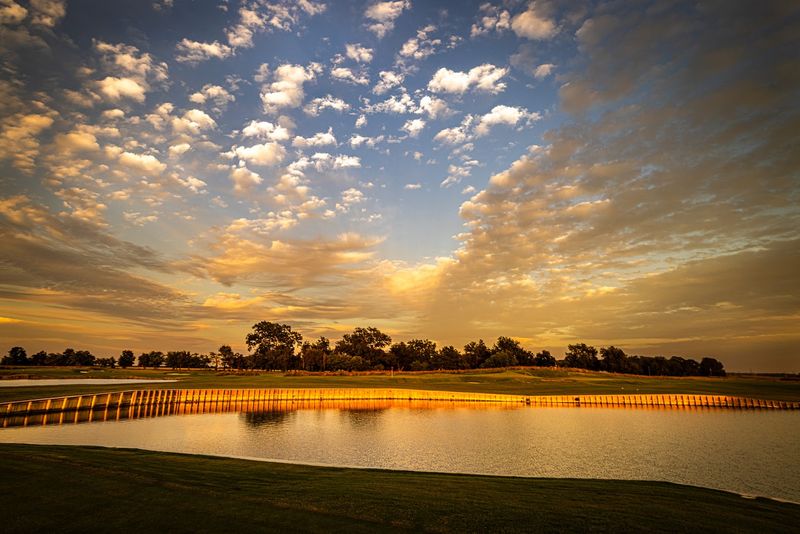
Pulling into Wilson, AR 72395, feels like accidentally discovering a movie set that nobody told you about, because the entire town looks so deliberately composed that it barely resembles anywhere else in the Arkansas Delta.
The Lee Wilson and Company developed this Mississippi Delta community in the early twentieth century, and the result is a remarkably cohesive collection of Tudor Revival brick buildings that make the town look unlike anywhere else in Arkansas.
The Hampson Archeological Museum State Park here preserves an extraordinary collection of artifacts from the Nodena people, a Native American culture that flourished in the Delta region long before European contact.
A serious food-and-drink scene has taken root in Wilson in recent years, attracting travelers who would not normally think to stop in the Arkansas Delta.
The Wilson Cafe, The Grange, and The Louis have become anchors of a small but genuine cultural revival that is drawing visitors to the area today in noticeable numbers.
The flat Delta landscape surrounding Wilson has its own stark, wide-open beauty that is completely different from the Ozark scenery most people associate with Arkansas.
Cotton fields stretch to the horizon in every direction, and the sunsets here are the kind that make you pull over and just stand quietly for a few minutes.
Wilson is a small town with a surprisingly big story, and it is only just beginning to tell it well.
Oark

If you have never driven two hours into the Ozark National Forest just to eat a hamburger at a general store, then Oark, AR 72852, is about to change that habit for you.
The Oark General Store is believed to be the oldest continuously operating general store in Arkansas, and it sits in one of the most remote, forested hollows in the entire state.
Getting there requires navigating winding mountain roads that cut through the heart of the Ozark National Forest, and the drive itself is honestly half the reason to make the trip.
The store still sells basic provisions to the handful of people who actually live in this corner of Johnson County, but it has also become a beloved destination for hikers, motorcyclists, and road-trippers who want a meal with a genuine story behind it.
The burgers are straightforward and satisfying, served in a dining room that has the comfortable, worn-in feeling of a place that has been feeding people for generations.
The Mulberry River runs nearby and offers some of the best whitewater floating in the Ozarks during spring, which gives you a perfect excuse to combine a paddle trip with a lunch stop at the store.
Oark does not have much in the way of commercial development, and almost nothing about it feels manufactured for tourism there.
That kind of honest, unpolished character is genuinely rare, and it is worth every mile of mountain road it takes to find it.
Bentonville
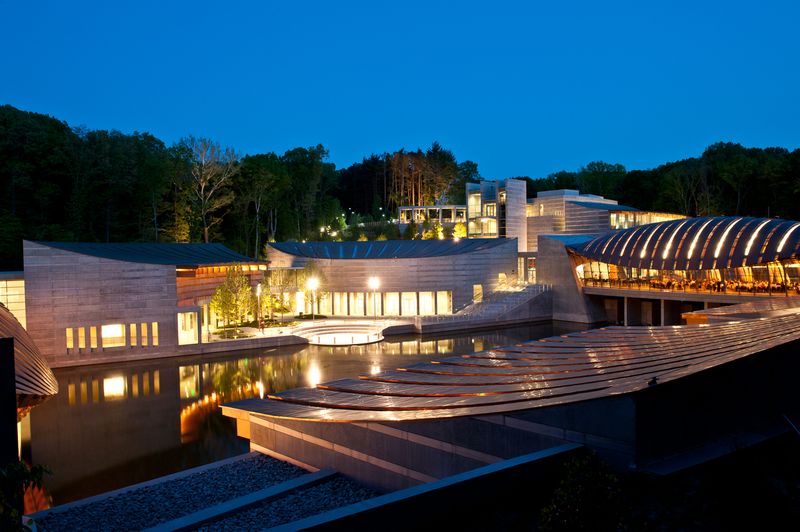
Most people know the name Bentonville because of a certain global retail corporation headquartered there, but the city has quietly become one of the most compelling arts and outdoor destinations in the entire South.
Bentonville, AR 72712, is home to Crystal Bridges Museum of American Art, a world-class institution that houses an extraordinary collection spanning five centuries of American creativity, set inside a building that harmonizes beautifully with the surrounding Ozark woodland.
Admission to the permanent collection is always free, which is the kind of detail that makes you do a double take the first time you hear it.
The Razorback Regional Greenway connects Bentonville to a network of paved and natural surface trails that extend for miles through the region, making this one of the premier cycling destinations in North America.
Slaughter Pen trail system draws mountain bikers from across the country to its technically demanding and scenically rewarding network of singletrack paths.
The downtown square has evolved into a lively hub of independent restaurants, boutiques, and coffee shops that feel genuinely local rather than corporate-influenced.
The 21c Museum Hotel on the square doubles as a contemporary art gallery, so even your check-in involves walking past provocative installations and unexpected sculptures.
Bentonville is the rare town that somehow manages to be both a corporate headquarters and a creative sanctuary at the same time, and it pulls off that contradiction with impressive confidence.
Helena-West Helena
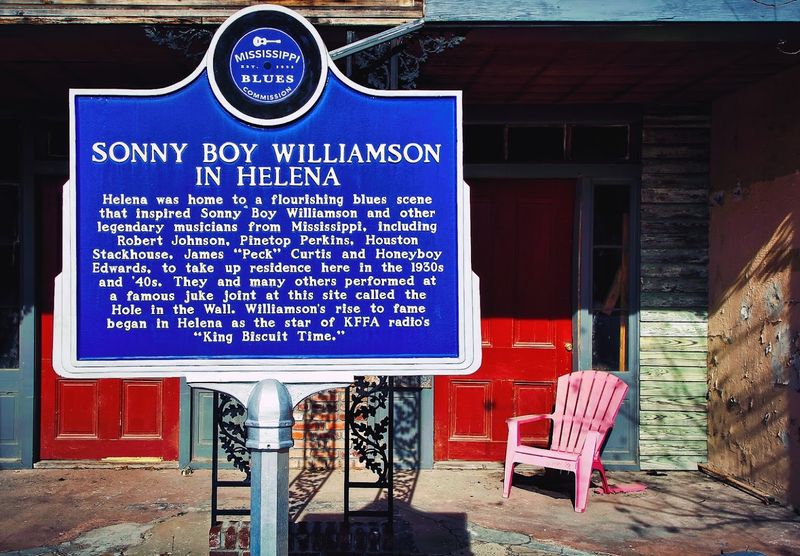
Standing on the bluff above the Mississippi River in Helena-West Helena, AR 72342, you get the distinct sense that you are standing at a crossroads where American music history was quietly assembled, piece by piece, over many decades.
The Delta Cultural Center on Cherry Street does an outstanding job of documenting the deep connection between the Arkansas Delta and the development of blues music, with exhibits that are both informative and genuinely moving.
Helena has been broadcasting live blues radio on KFFA since the mid-twentieth century, and the King Biscuit Blues Festival held every October transforms the riverfront into one of the most authentic blues celebrations in the country.
The festival draws performers and fans from around the world, but the atmosphere stays grounded and community-focused in a way that larger music festivals rarely manage.
Cherry Street, the main commercial corridor, has been experiencing a slow and steady revival, with murals, galleries, and small businesses reclaiming buildings that had sat empty for years.
The Mississippi River itself is an ever-present backdrop here, wide and brown and moving with a quiet power that you feel more than you hear.
Crowley’s Ridge, a narrow geological formation that rises unexpectedly from the flat Delta plain, offers hiking and scenic overlooks just minutes from downtown.
Helena-West Helena carries its history with a kind of dignified pride that makes every visit feel like a conversation with something much larger than yourself.
El Dorado
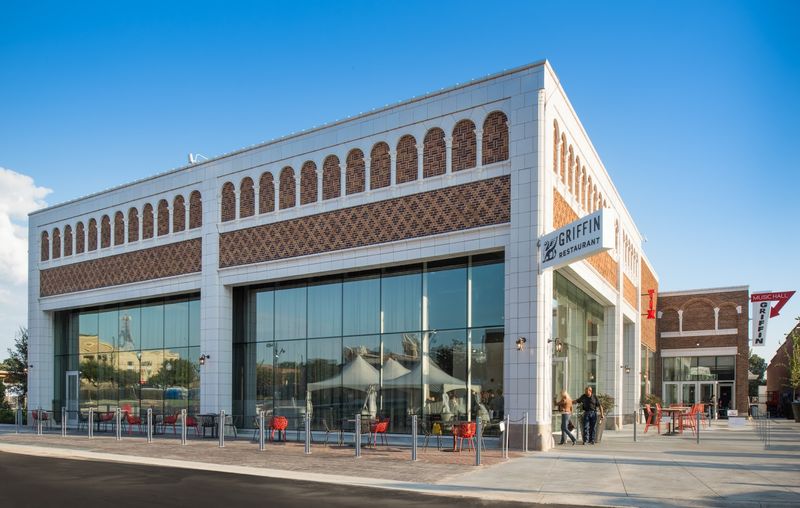
Few small towns in America have reinvented themselves as boldly as El Dorado, AR 71730, a south Arkansas city that turned an oil boom legacy into a thriving arts and entertainment district that genuinely astonishes first-time visitors.
The Murphy Arts District, known locally as MAD, is a concert and event venue that has attracted nationally recognized performers to a town most people outside Arkansas have never heard of.
The district was developed with major private support tied to Murphy interests, and the result is a beautifully designed complex of performance spaces, restaurants, and gathering areas that feels completely out of proportion to the surrounding landscape in the best possible way.
The South Arkansas Arts Center adds another creative layer to the city, showcasing local and regional visual artists in a handsome historic building near the downtown square.
El Dorado’s downtown itself has seen significant restoration, with storefronts and facades recalling the prosperous oil-boom years of the early twentieth century.
The South Arkansas Symphony performs regularly in the area, giving the city a cultural calendar that punches well above its weight class.
The annual MusicFest El Dorado draws a loyal crowd and has helped cement the city’s reputation as a music destination within the state for years.
El Dorado is living proof that a small city with a clear vision and the willingness to invest in its own identity can become something genuinely remarkable today indeed.
Paragould
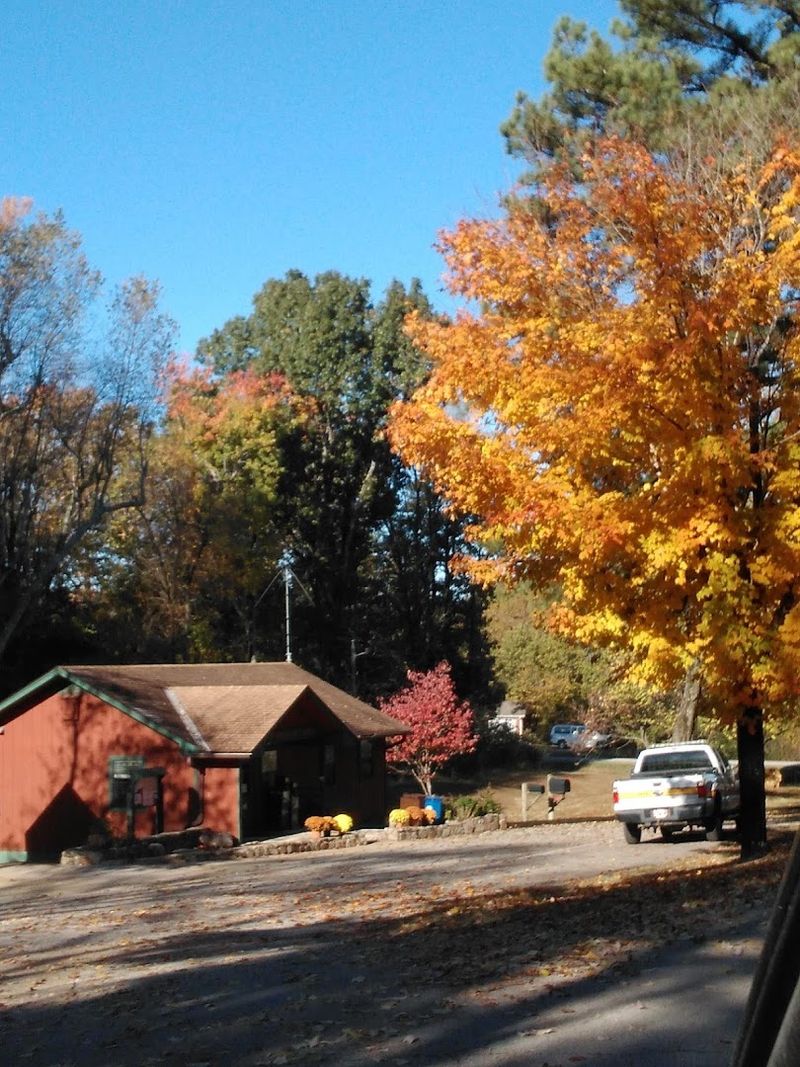
Named after two rival railroad barons who eventually agreed to share naming rights, Paragould, AR 72450, starts its story with a compromise that feels very on-brand for a town that has always figured out how to make things work.
The city sits in Greene County in the northeast corner of Arkansas, not far from the Missouri border, and it carries the quiet confidence of a community that has been building steadily for well over a century.
Crowley’s Ridge State Park, located just outside town, offers some of the most unexpected scenery in the Arkansas lowlands, where a narrow forested ridge rises from the surrounding flat terrain like a spine running north to south through the Delta.
The park has a small lake, hiking trails, and picnic areas that make it a genuinely pleasant half-day escape from the downtown area.
Paragould’s historic downtown district retains a good number of older commercial buildings, giving the city center an honest, ungentrified character that is increasingly rare.
Kirk Field, the city-owned airport, adds another layer to the town’s transportation story and reflects how closely Paragould’s identity has long been tied to movement, trade, and regional connection over time.
Local festivals celebrating the area’s agricultural heritage pop up throughout the warmer months and give visitors a real window into northeast Arkansas community life.
Paragould rewards the kind of traveler who appreciates towns that have not been packaged or polished for outside consumption by outsiders today.
Mammoth Spring
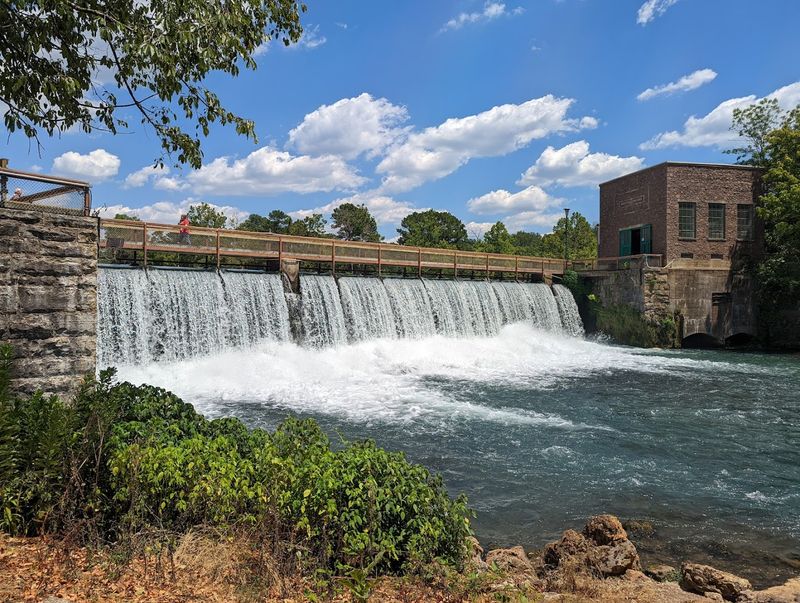
Water defines Mammoth Spring, AR 72554, in the most literal and spectacular way imaginable, because the spring that gives the town its name is one of the largest natural springs in the United States, pumping out millions of gallons of crystal-clear water every single day.
Mammoth Spring State Park preserves the spring and the surrounding area, including a beautifully restored historic mill and a small lake formed by the spring’s outflow that stretches right through the heart of town.
The water temperature stays remarkably consistent throughout the year, which means the spring area looks almost the same in January as it does in July, with that distinctive blue-green clarity that makes it look almost artificially perfect.
The 1886 Frisco Depot Museum at the park tells the story of the railroad era that briefly made Mammoth Spring a significant regional hub, connecting this remote Ozark corner to the wider world.
Fishing in Spring River, which flows directly from the spring, is a serious local tradition, and trout anglers travel from neighboring states to cast lines in these cold, clear waters.
The town itself is tiny and unhurried, with a main street that feels pleasantly frozen somewhere around midcentury.
Canoe and kayak rentals are available nearby for those who want to experience the Spring River from the water rather than the bank.
Mammoth Spring is the kind of place where the main attraction is entirely natural, entirely free, and entirely impossible to stop staring at.
Tontitown
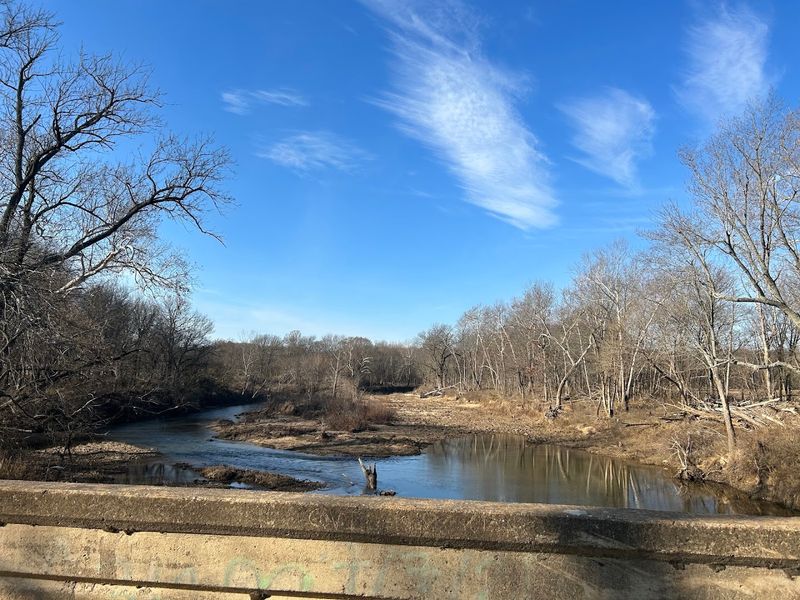
A small northwest Arkansas community that started as an Italian immigrant settlement in the 1890s, Tontitown, AR 72762, carries a cultural identity so specific and so fiercely maintained that it feels like a little pocket of the old country transplanted into the Ozark hills.
The town was founded by Father Pietro Bandini, a Catholic priest who led a group of Italian immigrants here after a difficult earlier settlement attempt in the Louisiana lowlands, and the community they built has endured with remarkable cohesion ever since.
The Tontitown Grape Festival, held every August, is the town’s most celebrated tradition and one of the oldest continuously running festivals in Arkansas, featuring homemade pasta dinners, live entertainment, and grape-stomping competitions that draw visitors from across the region.
The festival pasta dinners are prepared by church volunteers using recipes that have been passed down through generations of Tontitown families, and the lines to get a plate are always long and always worth it.
St. Joseph Catholic Church remains the spiritual and social center of the community, and its presence gives the town a sense of rootedness that is palpable the moment you arrive.
The surrounding area has changed dramatically as Fayetteville and Springdale have expanded outward, but Tontitown has held onto its identity with impressive determination.
This city is a reminder that identity, when tended carefully, can outlast almost anything the surrounding world throws at it.