
13 Reasons This Arts Museum Belongs On Your Michigan Bucket List
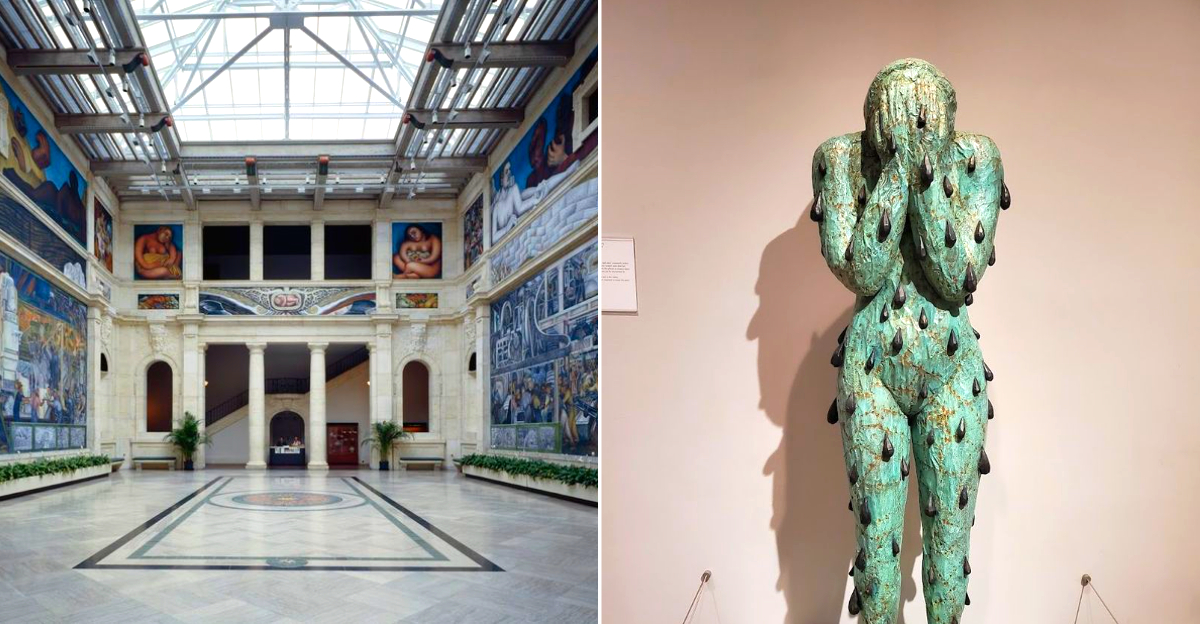
Walking up Woodward Avenue toward that majestic marble facade feels like a cool, intentional inhale, a literal breath of fresh air before diving into a world where time stands still.
As an art student, this building is my sanctuary, the place where I’ve spent countless hours tracing the brushstrokes of masters and finding my own voice in the quiet hum of the galleries.
There is a rare, rhythmic flow here, moving seamlessly from the tactile grit of ancient clay to the jarring, electric vibrancy of contemporary canvases. I still remember the first time the scale hit me: immense, yet somehow as intimate as a secret shared between friends.
This guide to visiting one of the most important arts museums in Michigan highlights must-see masterpieces, including Diego Rivera’s Detroit Industry Murals and world-class European galleries.
If you’ve ever felt that museums were cold or distant, let this be the conversation that changes your mind.
1. Rivera Court’s Detroit Industry Murals
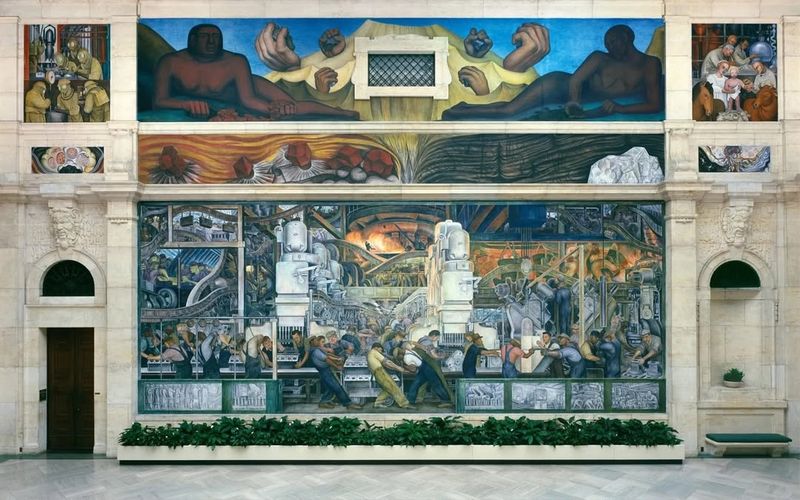
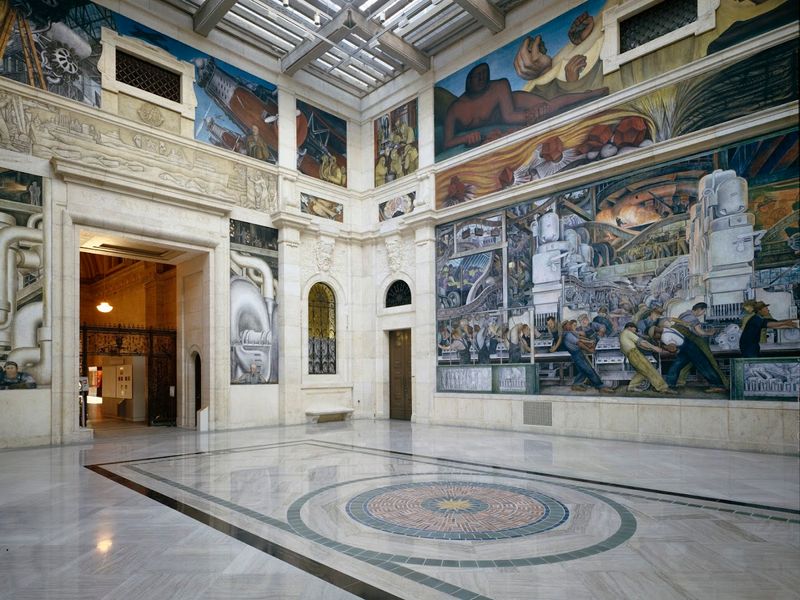
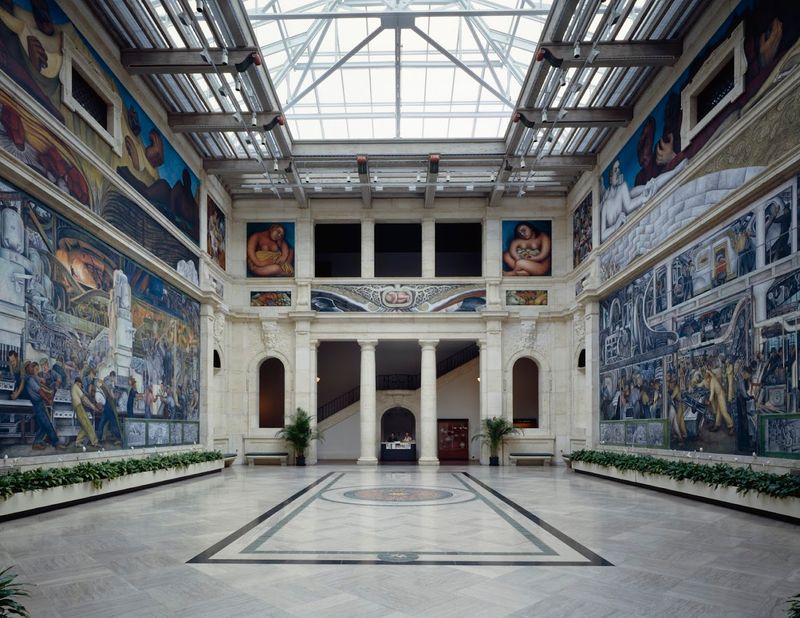
Start exactly where the walls seem to hum with mechanical energy at the Detroit Institute of Arts. The moment you step into Rivera Court, Diego Rivera’s Detroit Industry Murals wrap the room in a panoramic sweep of machinery, steel, and human labor.
These twenty-seven fresco panels are widely regarded as the finest example of Mexican Muralism in the United States. Rivera did not simply paint a factory scene, he elevated workers to mythic scale and gave labor a gravity that still feels radical.
Standing in the center of the court, you can almost feel the discipline of true fresco, where pigment bonds directly into wet plaster. It feels as if the pulse of 1930s Detroit was fixed into the walls while the city was still moving.
If you can, listen to a docent explain the context of labor movements, Edsel Ford’s patronage, and the controversies that followed the unveiling. That background deepens the experience without flattening the power of what you see.
Early morning visits are excellent, and Friday nights can be even better when the room settles into a cathedral-like hush. The benches are there for a reason, so sit down and give the murals a long, unhurried look.
2. A Walk Through Ancient Worlds

Moving away from the industrial twentieth century, the ancient galleries greet you with stone, clay, and a confidence measured in millennia. Cylinder seals, funerary masks, and carved reliefs condense enormous spans of time into a few carefully arranged cases.
The labels here are especially good because they explain the why and the how without sounding bossy or over-academic. Your brain relaxes quickly, and you begin noticing tiny chisel marks or the blue glint of lapis lazuli.
The DIA has a long history of collecting these works with attention to cultural context rather than spectacle. The galleries do not shout, which makes the objects themselves feel more present.
Conservation lighting is kept low and gentle, allowing your eyes to adjust to subtle surfaces instead of fighting glare. You end up learning through proximity and texture, not only through wall text.
To get the most from this section, find a quiet corner and give one object five uninterrupted minutes. That small act of focus changes the pace of the museum and sharpens your attention. This can also be found at 5200 Woodward Avenue!
3. European Masterpieces, Room By Room
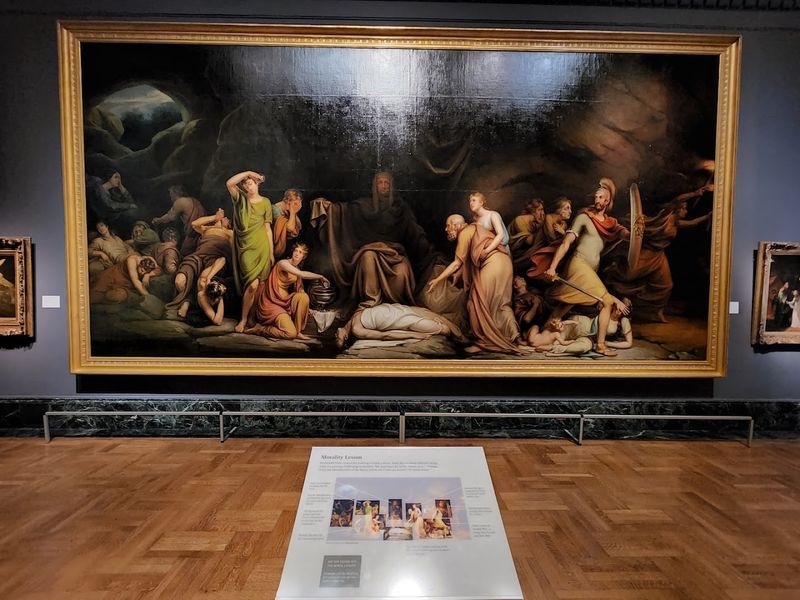
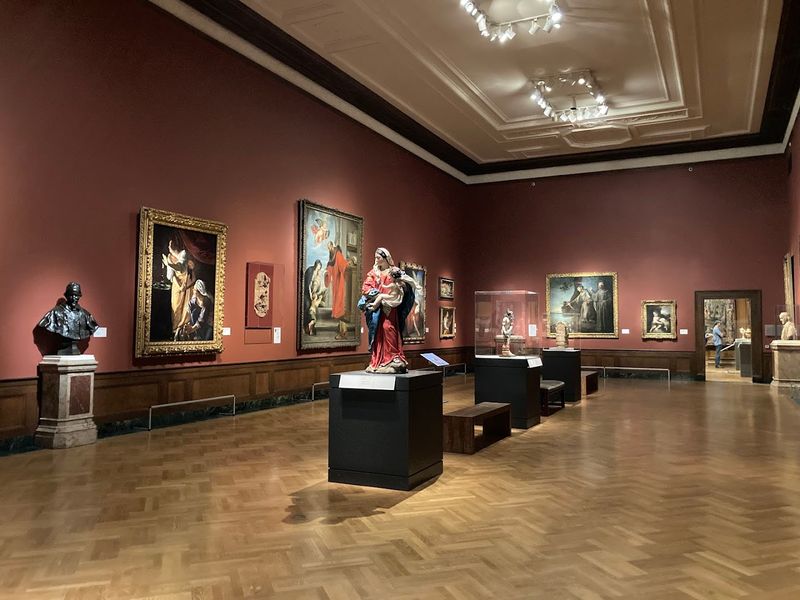
In the European wings, gold frames catch warm artificial light and famous brushstrokes reveal their physical seams. Rembrandt, Monet, and Van Gogh do not so much compete as hold a quiet conversation across the room.
The spacing is generous, and that detail matters more than it seems at first. Your eyes get time to reset as you move from Dutch gravity to Impressionist air and shimmer.
These rooms are organized by chronology and theme, which helps you track technique and taste across centuries. If you read labels closely, you can even follow shifts in varnish use and pigment development.
The museum’s conservation work is always present in the background, keeping paintings stable and luminous without drawing attention to itself. It is expert care that stays invisible unless you know to look for it.
A useful strategy here is the slow lap. Do one pass for first impressions only, then a second pass focused on one painter, one movement, or one technical question.
Benches are placed well for exactly this kind of looking. They let you stay with a painting long enough to see the surface start to change under your gaze.
4. African Art With Presence
In these galleries, masks seem to hover like a held breath in the middle of a story. Bronze, wood, and organic fiber carry lineages that feel alive, not fossilized.
The design of the African art galleries foregrounds craftsmanship and form, making carving rhythms and confident use of negative space easy to notice. The room encourages attention to making, not just labeling.
This does not feel like a display of anonymous artifacts. It feels like an encounter with living ideas, spiritual presence, and artistic intelligence embodied in material.
The wall texts are especially thoughtful here, giving origins, functions, and the complex routes by which works arrived in Detroit. That transparency matters, especially in a museum setting shaped by modern questions of collecting and display.
The DIA serves a multigenerational audience, and this gallery meets that audience with real dignity. It never talks down, and it never hides complexity just to stay simple.
Move slowly around freestanding pieces if you can. A mask or figure often changes expression as the profile shifts, and the sculpture becomes more legible in motion.
5. Contemporary Voices That Spark
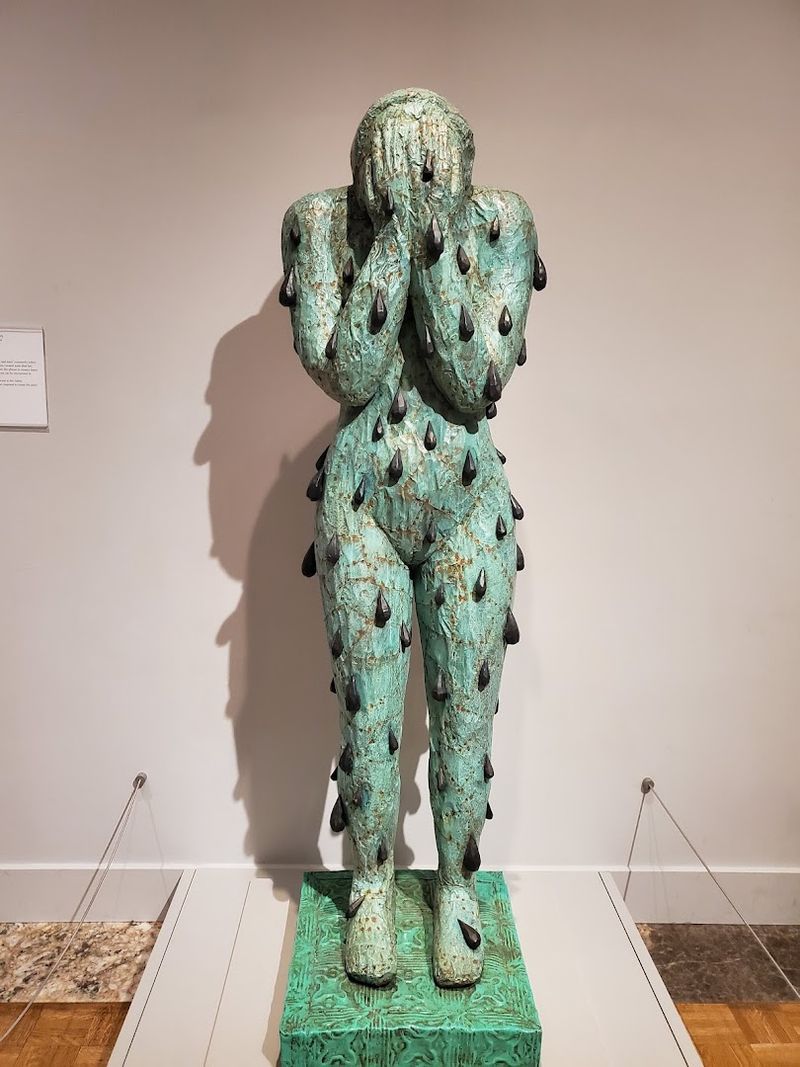
A burst of neon or the rhythm of a video loop can reset your internal metronome the moment you enter the modern wings. The contemporary galleries mix industrial materials, wit, social questions, and formal play in ways that can feel both sharp and generous.
It is common to laugh at one piece, pause in discomfort at the next, and then circle back because a work keeps unfolding. These rooms reward second looks more than quick conclusions.
The labels here are written to invite interpretation instead of closing it down. They tend to give orientation without pretending to provide a final answer.
Detroit’s present-day life is never far from these galleries, and that proximity sharpens your own attention. The curatorial choices can feel like a conversation between the city and the wider world.
Try reading the full label once to get context, then look again in silence. The second look is often where the work really starts speaking.
If an installation has sound or video, stay long enough to catch at least one full cycle. Fragments can be interesting, but a full loop often reveals the structure and intent.
6. Kresge Court, The Living Room
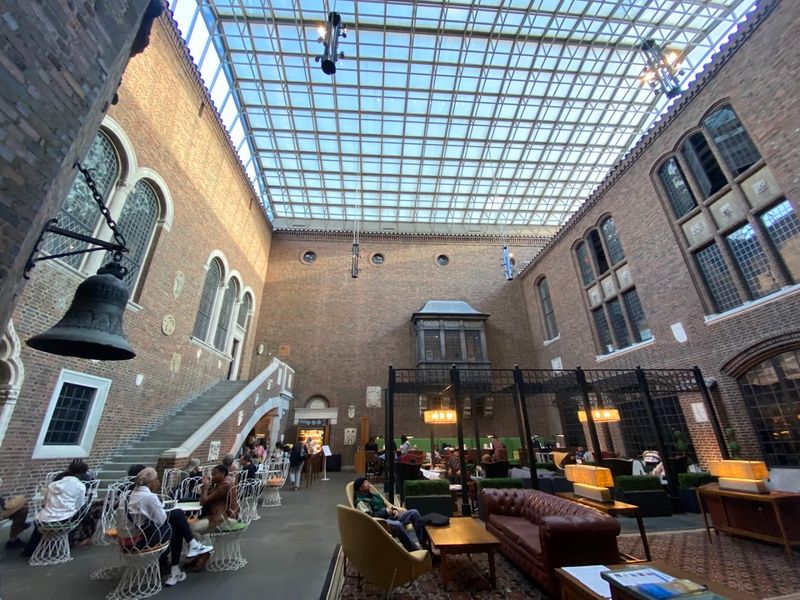
At some point your feet will need a break, and Kresge Court is where that break becomes part of the visit. Leaves rustle under the skylight and conversation settles into a soft background hum.
The space feels like a campus commons redesigned by someone with real poetic taste. Upholstered chairs, tall plants, and the gentle clatter of the cafe make it feel domestic without losing the museum atmosphere.
This is the museum’s pulse, the place to decompress between intense bursts of looking. It is as useful psychologically as it is physically.
What makes the court special is how it respects the older architecture while welcoming laptops, sketchbooks, strollers, and long conversations. Different kinds of visitors share tables without friction.
You will see students, families, and solo visitors all using the room in different ways. That mix proves the museum is a living civic space, not just a display container.
If you want a seat, time your coffee or lunch just before the midday rush. It makes a big difference when the court fills.
If you are meeting friends, use Kresge Court as the anchor point. Everyone can split up, explore different wings, and reunite without getting lost in the maze of hallways.
7. Architecture That Frames Seeing
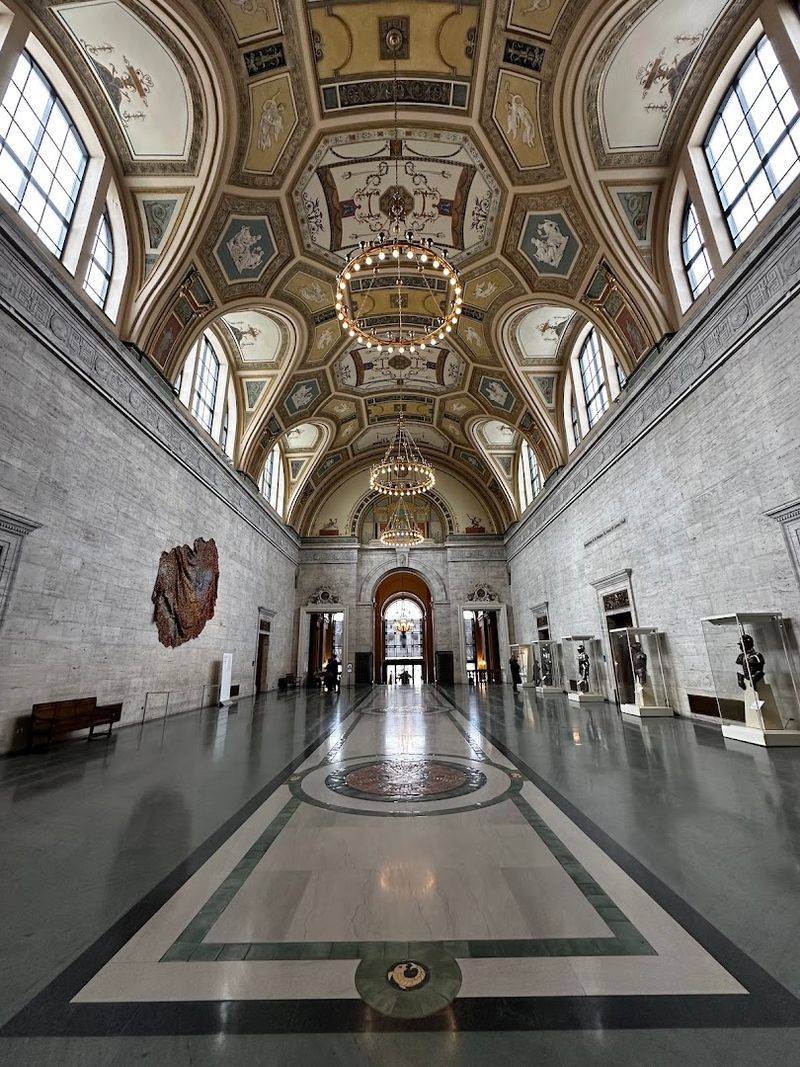
The building itself is the first artwork you encounter. Outside, white marble catches Detroit light like a massive, polite mirror.
Inside, coffered ceilings, polished stone floors, and measured staircases pace your steps before you even realize it. The architecture helps art land cleanly in your field of vision.
It effectively edits out street glare and visual noise, so color and surface inside the galleries become easier to read. You feel the transition from city pace to museum pace almost immediately.
Opened in 1927, this Beaux-Arts building was designed by Paul Philippe Cret to feel ordered without becoming stiff. That balance is one of the reasons the museum remains so pleasant to move through.
Renovations have respected the original structure while improving navigation for contemporary visitors. The wayfinding is clear, and the galleries interlock in a logical sequence.
When photographing the building, try focusing on details like a door handle, molding, or stair edge. Detail shots preserve the character better than a flattened full-facade photo.
On gray Michigan days, the interior light stays remarkably even, especially along second-floor corridors. Those softly glowing ceilings make close looking easier than many brighter museums.
8. Family Friendly Discovery
Children often point before adults have found the words, and the DIA is unusually good at meeting that energy. It offers family guides, scavenger hunts, and drop-in art-making workshops that help focus a wandering attention span.
The Paul McPharlin Puppetry Collection is a standout for all ages. The historic figures look poised as if they are waiting for a gasp of surprise from a passing toddler.
Security and floor staff are trained to guide with patience, not just enforce rules. That tone changes the whole family experience and makes the museum feel less intimidating.
Routes can be trimmed easily to fit a nap window or a short outing. You do not need an all-day plan to have a meaningful visit here.
Armor in the Great Hall and the Egyptian mummy are reliable highlights for many children. They catch imagination quickly without the museum needing to push fear or spectacle.
For lower crowds, early Saturday or Sunday mornings usually work best. The calmer pace gives children more room to look and move without stress.
The GooseChase app can turn a gallery walk into a focused mission. It is a useful tool when attention starts scattering.
9. Friday Nights, Open Late
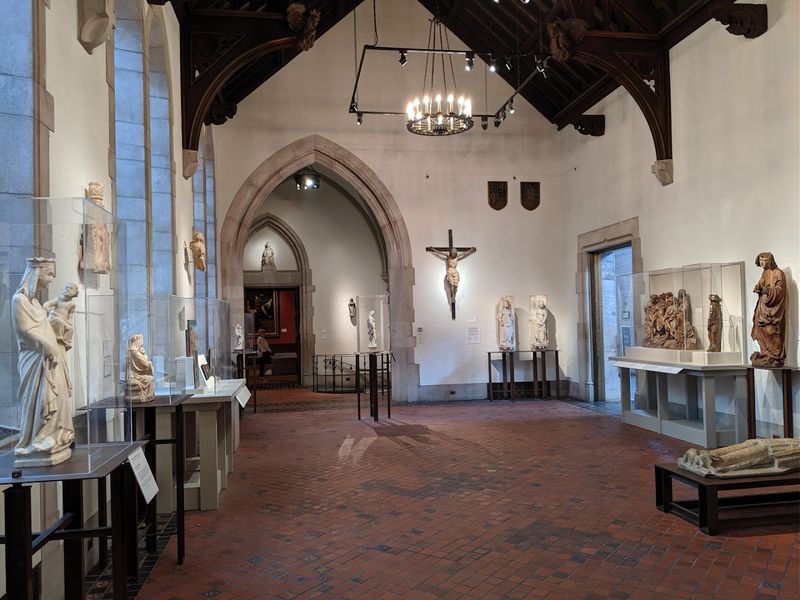
As daylight fades, the marble softens and the museum seems to exhale. One of Detroit’s best traditions is that the DIA stays open until 9:00 PM on Fridays.
These evenings often include live music, talks, or late art-making activities for children. The galleries tend to feel more spacious, which makes it easier to revisit a favorite work.
This late-night rhythm fits Midtown well. People often pair the museum with dinner nearby, and Wayne State students treat it like a standing date with curiosity.
Staff energy stays relaxed and welcoming during evening hours. You rarely feel pushed toward the exit, even late in the night.
A good strategy is to arrive after work and target only two or three sections. Trying to see everything in one evening usually flattens the experience.
Spend the final quiet stretch in Rivera Court just before closing if you can. The near-private echo of that room at night is hard to forget.
It is worth checking the events calendar in advance. You may be able to pair your visit with a lecture hall performance without sprinting across floors.
10. Cinema And Conversations
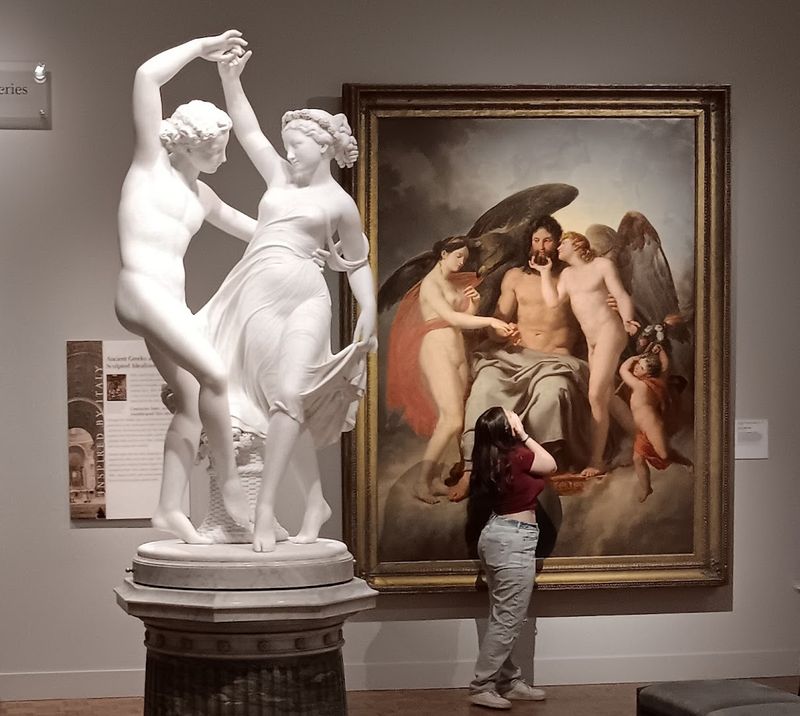
Downstairs, the Detroit Film Theatre folds plush red seats around a serious, world-class film program. The atmosphere is cinephile-friendly without becoming snobbish.
The screenings range across classics, documentaries, and international films, and the audience often leaves buzzing in a good way. The lobby after a strong screening can feel like an informal seminar.
You hear debates about framing, score, and stubborn final shots that refuse to resolve neatly. It is one of the best kinds of post-film noise.
Founded in the 1970s, the DFT became a cultural artery linking Detroit to global cinema. It remains one of the museum’s most important extensions beyond the gallery walls.
Programming is often tied to current exhibitions, allowing wall-based art and screen-based art to speak to each other. That pairing feels curated and intentional, not like a convenience.
For weekend shows, buy tickets ahead because they can sell out. A middle row seat usually gives the best balance of sound and sightlines.
11. Thoughtful Labels And Good Lighting
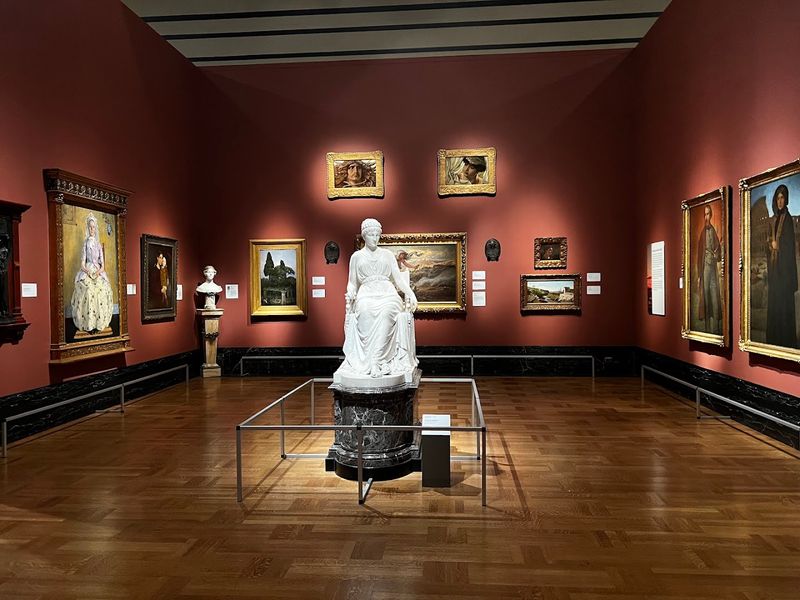
Sometimes the best museum technology is not digital at all, but a well-written label and a well-placed light. The DIA is excellent at both.
Labels tend to be concise, informative, and inviting rather than overpacked. They guide you through context without herding you toward a single approved response.
Lighting is positioned to reveal texture and surface without punishing glare. That sounds basic, but it is one of the hardest things for museums to get consistently right.
The institution’s conservation standards show up in lux levels, spacing, and restraint. Paintings get room to breathe, sculptures are allowed their own shadows, and vitrines avoid many of the reflections that plague weaker displays.
Because the display design stays quiet, your attention returns to the artists’ choices. The casework and mounts do not compete with the work.
A helpful habit here is the two-pass method. Look first, read second, then look again and notice what changed.
If a gallery feels dim, pause for a moment instead of assuming there is less to see. Your eyes often need a little time to adjust to conservation-friendly levels.
12. Practical Flow That Respects Time
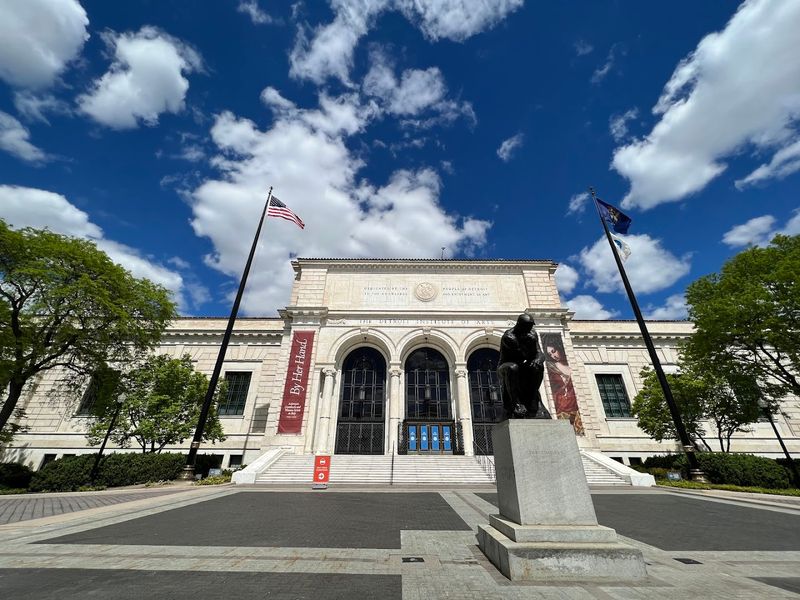
Nothing drains curiosity faster than bad signage or spending fifteen minutes looking for a restroom. The DIA avoids that problem with clear maps, room numbers, and staff who orient you efficiently.
That means your energy can go toward art instead of navigation. It is a practical strength, but it affects the emotional quality of a visit.
Elevators and ramps are easy to find and well maintained. Benches also seem to appear right when your attention and feet begin to fade.
The museum spans three main floors, with many famous holdings on the first floor. You can build loops by culture, period, or mood without running into frustrating dead ends.
Security remains visible and attentive while staying approachable. That balance helps the museum feel both cared for and comfortable.
Always check hours before heading out, since the museum is closed on Mondays and open late on Fridays. Those schedule details can completely change your plan.
If museum saturation hits, step outside to the front steps for ten minutes and watch Woodward Avenue. The reset can bring you back with sharper eyes and kinder feet.
13. Detroit Pride, Global Reach
Local pride first appears in small details. A label might reference local makers, a program might feature neighborhood voices, and global stories still leave space for Detroit-scale meaning.
The museum feels deeply rooted in the city even while it speaks fluently with world institutions. That balance is one of its strongest qualities.
The collections span continents and centuries, but the Detroit Industry Murals remain the emotional and symbolic anchor. They give the museum a center of gravity that is unmistakably local.
Newer exhibitions increasingly bring contemporary Indigenous and regional artists into clearer view. When it works best, it feels like ongoing, vital curatorial work rather than box-checking.
Do not hesitate to ask volunteers about current community programming. You may be able to align your visit with a talk, workshop, or event you would otherwise miss.
If you live in Wayne, Oakland, or Macomb counties, check the membership and admissions information carefully. There are often substantial resident benefits and free-admission policies worth knowing.