
11 Reasons To Pack Your Bags And Settle Down In Michigan
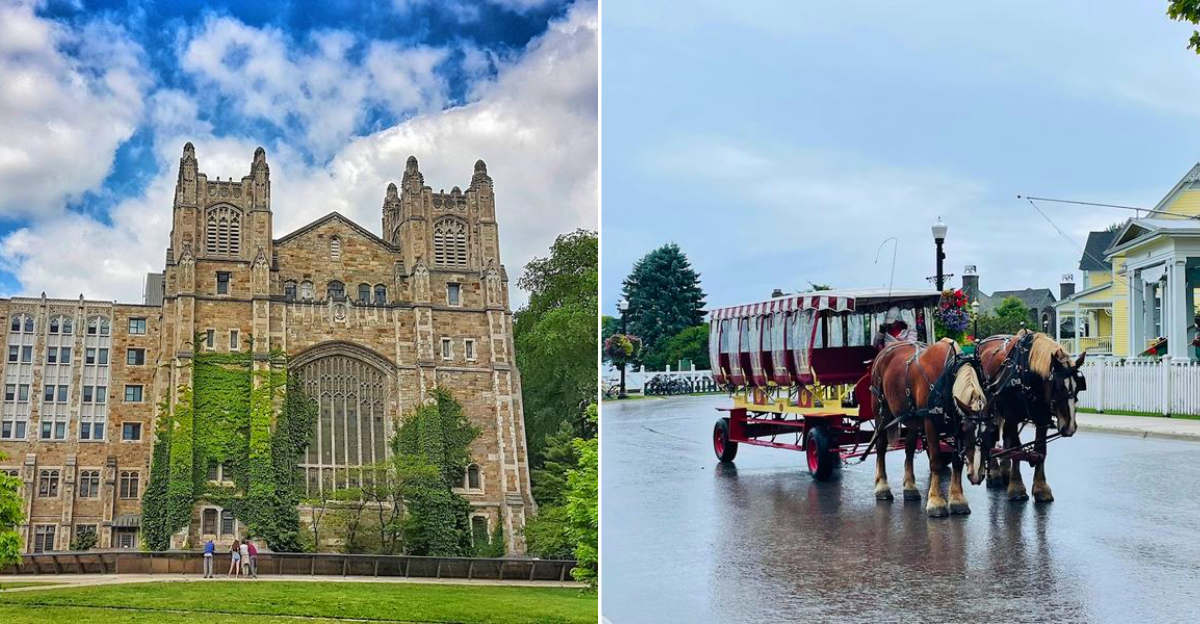
I’ll be the first to admit I was a skeptic. Before I married a “Mitten” devotee and packed my life into a U-Haul, I thought Michigan was just a flat expanse of car factories and cold wind. I was wrong. This state sneaks up on you like a shoreline appearing through morning fog: steady, bright, and entirely real.
It’s a place where the horizon is dominated by “sweetwater” oceans and the forests have a scent that I now crave more than my hometown smog. Living here means balancing big-water horizons with a practical, neighborly warmth that thaws even the iciest winter morning.
Whether you’re exploring the rugged Upper Peninsula or the chic streets of Grand Rapids, Michigan offers a unique quality of life defined by Great Lakes beauty and vibrant local culture.
If you’ve been craving a place where you can trace lighthouses like beads on a map and still find world-class design studios downtown, keep reading. You might just fall in love, too.
1. Freshwater Everywhere, Real And Immediate
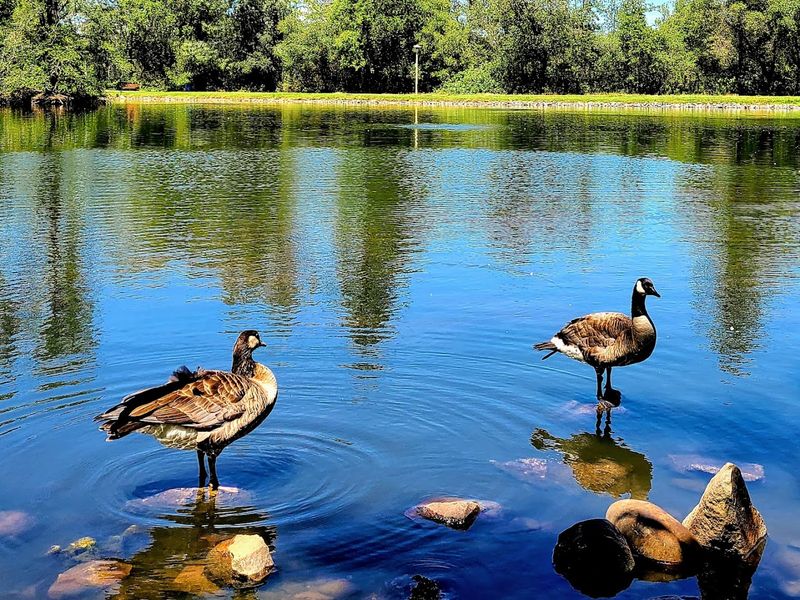
Waves here sound more like a steady conversation than a crash, lifted by gulls and the occasional bell buoy. Michigan wraps around the Great Lakes, giving you freshwater beaches that feel ocean-big without the stinging salt or the hidden predators of the sea.
It is a profound realization when you first stand on the shore and realize you cannot see the other side. The water still feels crisp and clean, and was historically referred to as sweetwater.
Public access points dot the coast generously, from the sweeping golden vistas of Sleeping Bear Dunes to quiet pocket parks tucked under old maples in the Thumb. You can choose a dramatic shoreline or a small local beach and still feel the same sense of scale.
History runs deep along these shores, and it is etched into the sand as much as the towns. Massive freighters still move iron ore and grain through the Soo Locks, echoing more than a century of shipping that helped build the American Midwest.
Parking near popular beaches like Grand Haven or Saugatuck fills early on clear days. Water temperatures stay refreshingly cool even in July, but most people adjust faster than they expect.
Soon, the idea of living with less shoreline starts to feel like the stranger choice. That is one of the quiet tricks Michigan pulls on people.
2. Lighthouses As Working Landmarks
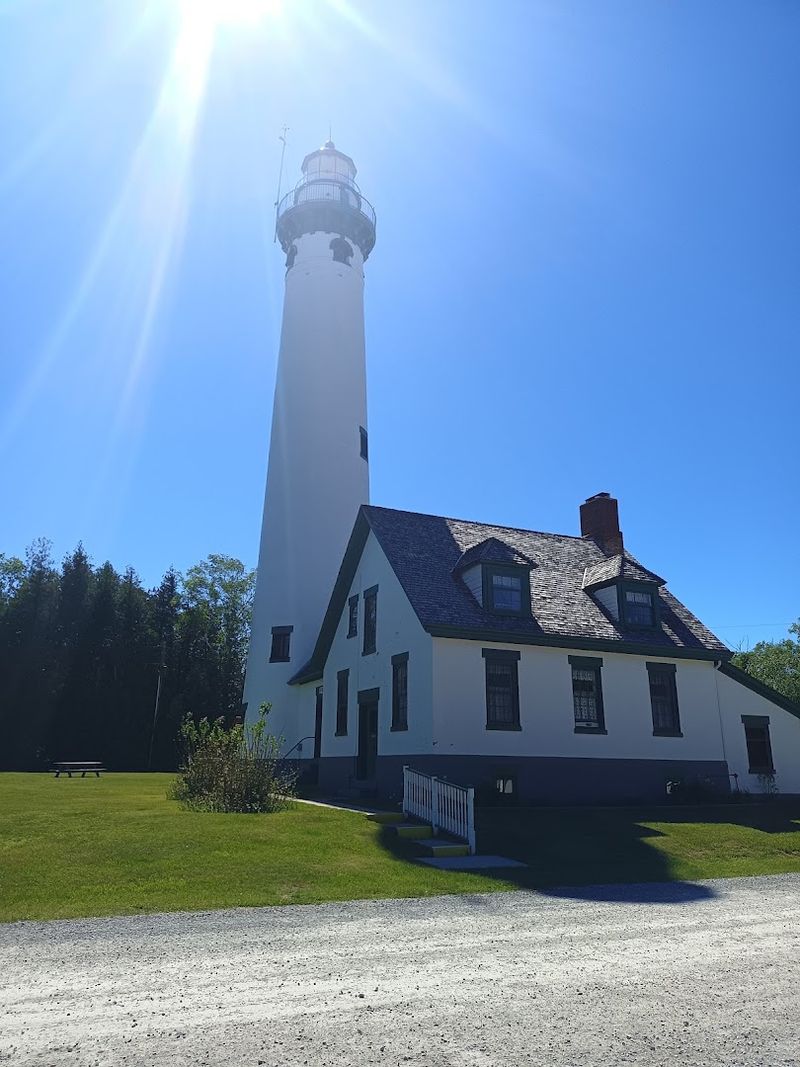
The first sight of a Michigan harbor often includes a bold red tower standing against slate-colored water. The paint looks crisp, the railings sit tight to the wind, and the whole structure feels practical before it feels romantic.
Michigan keeps more than a hundred lighthouses, more than any other state, and many are still active aids to navigation. Each one carries a story shaped by storms, ship logs, and long nights of disciplined maintenance.
The Fresnel lenses inside these towers glint like giant pieces of engineered jewelry. They are glass masterpieces built to bend light much farther than seems reasonable.
Volunteers and local historical societies care for spiral stairs, museum rooms, and old foghorn histories with patient pride. The work is often quiet, repetitive, and deeply important.
Before heading out, check seasonal hours because several sites close in winter or run limited weekend schedules. Wear sturdy shoes for narrow steps, and bring cash for the small entry fees that help fund preservation.
You usually leave with lake spray in your hair and a clearer sense of how people navigated these waters before modern systems made everything easier. The weather still feels unpredictable, which makes the history feel closer.
3. Detroit’s Design Spine And Quiet Momentum
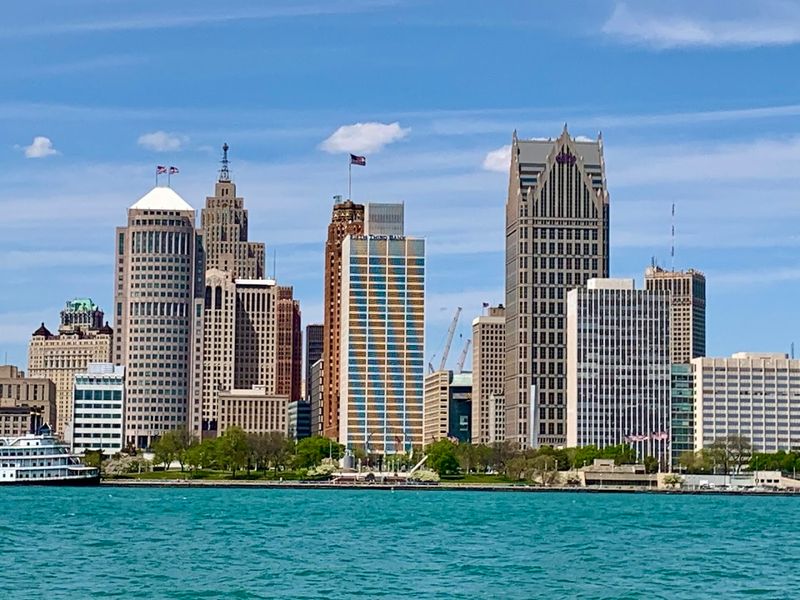
Start along Woodward Avenue, where limestone and glass meet historic cornices and modern transit lines with surprising neatness. Detroit’s urban form carries a distinct industrial elegance that still feels useful, not ornamental.
The city treats design like infrastructure rather than decoration. That mindset is one reason Detroit became the first UNESCO City of Design in the United States.
A mid-century spirit still surfaces everywhere. You see it in murals, restored market halls, and the clean geometry of blocks that were built to move people, goods, and ideas efficiently.
The history here is direct and unsentimental, from early assembly lines to Motown and the birth of Techno. Detroit’s story is not polished smooth, and that honesty is part of its power.
Locals often talk about restoration in practical terms, focusing on livable streets and neighborhood services. The pride feels grounded in function, not branding.
If you are visiting, plan walkable loops. Start at the DIA for Rivera’s Industry Murals, step into the Guardian Building for Art Deco, then move through Eastern Market on a Saturday morning.
4. University Towns That Actually Teach The Town
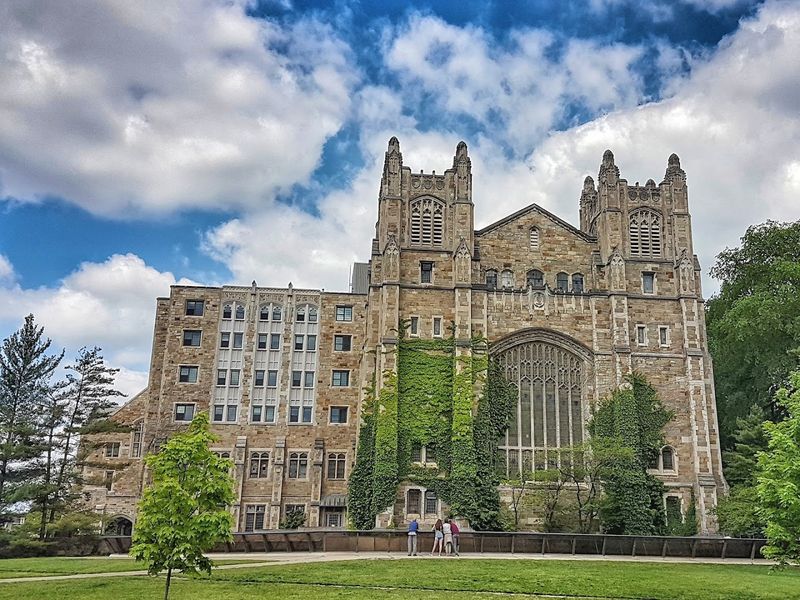
In some Michigan towns, the air smells like espresso and library paste on the same block. Places like Ann Arbor and East Lansing fold serious research into the rhythm of ordinary life.
It is normal in these towns for a world-class lecture to sit on the same calendar as a grocery run. Planetarium nights, public talks, and botanical gardens show up as everyday options, not rare events.
The University of Michigan and Michigan State University have shaped national movements and major discoveries. At the same time, they keep local bookstores busy and bike racks full.
Residents benefit from the town-and-gown relationship in practical ways. You can stop into a museum, attend a free event, then walk to a quiet river path in the same afternoon.
To get the most out of these places, check university event portals ahead of time. Reserve spots for popular talks or reading rooms before you arrive.
Game-day traffic can completely reset your plans, especially on fall Saturdays. Football changes the pace of the whole town, so it helps to plan around it.
The real gift is constant exposure to ideas. They spill from classrooms onto sidewalks, and you end up learning by proximity as much as by intention.
5. Four Honest Seasons, Each With A Calling Card
The first warm thunderstorm in Michigan smells like the soil is turning a page. Soon after, spring wildflowers return and mark the forest floor in white trillium and other brief signals of change.
Summer opens the full lake calendar. It is the season of dusk paddles, roadside cherries, and long golden evenings that stretch well past 9 PM.
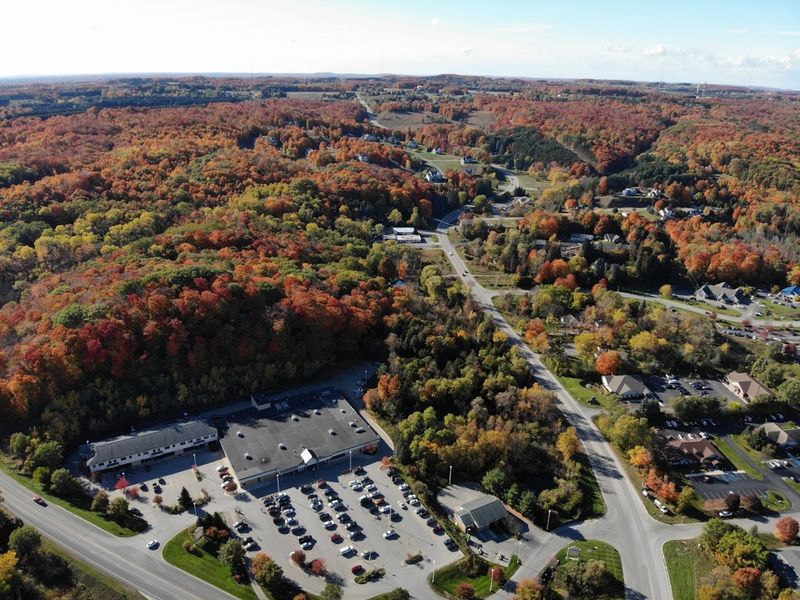
Autumn does not arrive quietly here. The maples announce themselves in orange and crimson with a confidence that changes whole roads, parks, and neighborhoods.
Winter is serious, but it is also workable. Lake-effect snow can create beautiful mornings, and snow shoveling becomes part of the social rhythm in many towns.
Michigan communities do not shut down when snow arrives. They light sidewalks, groom trails, and keep daily life moving because staying inside for months is not a realistic plan.
People learn practical habits fast. Layer clothing, keep a strong car scraper nearby, and know local snow emergency routes if parking gets complicated.
Each season sets clear expectations and changes how you use daylight, roads, and free time. Once you stop resisting that cycle, life here starts to feel much easier and more satisfying.
6. The Upper Peninsula’s Spacious Quiet
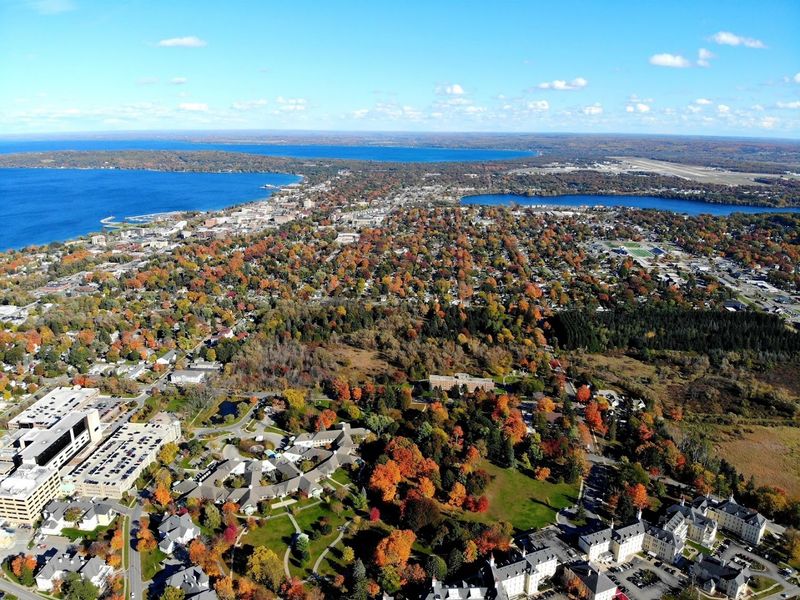
North of the Mackinac Bridge, silence starts to feel physical. You hear Superior stones rolling in the waves, and the sound can follow you long after you leave the shore.
The U.P. holds dark skies, Copper Country history, and state parks that still feel relatively uncrowded in peak season. Even summer can feel spacious here in a way that resets your sense of scale.
Distance gets measured differently. You start tracking time by tree changes, river color, and the metallic smell of tannin-rich water instead of by traffic lights.
Mining history left behind headframes, museums, and entire layers of local identity. Modern trails now connect waterfalls, coves, and overlooks with a practical clarity that makes exploring easier than it looks on a map.
People wave from pickup trucks because that is simply part of the road culture. The social rhythm is slower, but not unfriendly.
If you are heading north, bring strong bug spray in June, snow tires by November, and a paper map for areas where cell service gets thin. Those small choices matter more than people expect.
Book lodging early near Porcupine Mountains Wilderness State Park or Pictured Rocks during peak foliage weeks.
7. Agriculture You Can Actually Taste
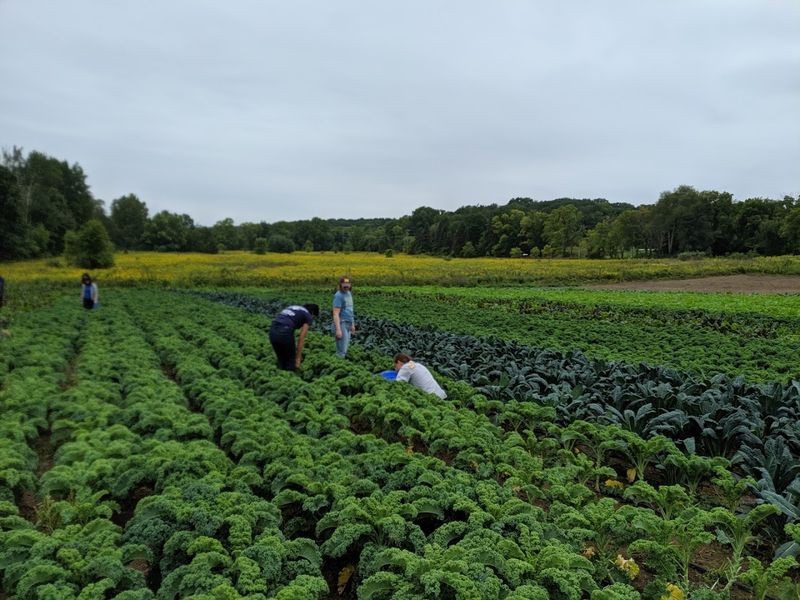
In Michigan, a crate of tart cherries can define July more clearly than any calendar notification. The state’s fruit belts benefit from lake-tempered conditions, and the produce often tastes noticeably structured and alive.
Blueberries, apples, and peaches arrive with real scent, real juice, and real texture. Roadside stands are everywhere, and the hand-lettered signs make detours feel inevitable.
There is history in these fields too, from orchards held by the same families for generations to modern seed libraries and university extension programs. Farming here is both inheritance and active experimentation.
In bigger towns, farmers markets often run year-round. Winter brings storage crops, hardy greens, and a different kind of abundance.
When visiting a stand, bring small bills and ask about specific apple varieties or ripeness windows. Farmers usually know exactly what is best that day, and that short conversation often improves your whole meal plan.
Many U-Pick fields post ripeness updates week to week on social media. Check before driving, especially if you are making a longer trip.
The result is simple and immediate. You end up cooking more basic meals because the produce already tastes complete, like the local sun finished the seasoning for you.
8. Trails That Connect Towns To Trees
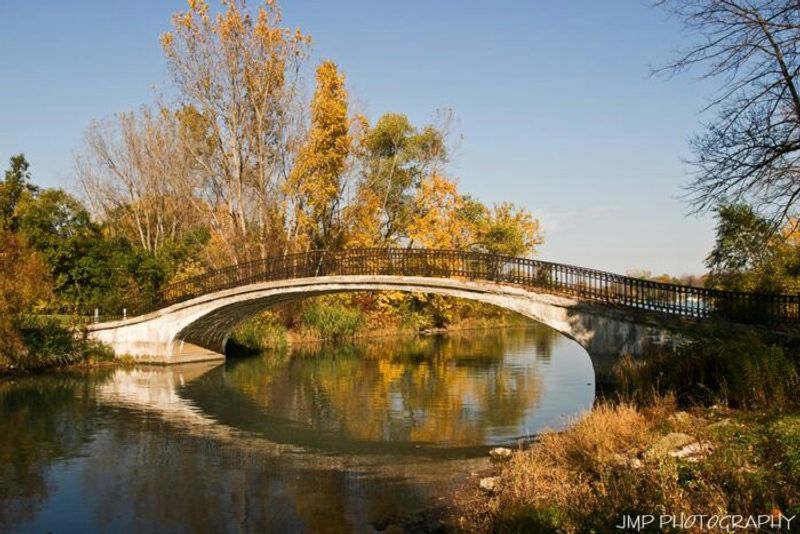
There is a quiet pleasure in walking or biking a route that used to be a rail line. Suddenly your errands come with wetlands, tree cover, and birdsong instead of only traffic.
Michigan’s rail-trail network is one of the best in the country. It links neighborhoods to diners, parks, and small towns with grades that are easy on the knees and useful for everyday movement.
Routes like the Kal-Haven Trail, Paint Creek Trail, and White Pine Trail feel less like attractions and more like invitations. They make car-free movement feel normal.
These paths also preserve part of the state’s industrial memory in a practical way. You can feel the old infrastructure still doing work, just for different purposes.
Local volunteers patch surfaces, add mile markers, and place benches where the views or bird activity make a pause worthwhile. The maintenance culture is a big part of why these trails stay so usable.
Check surface types before you go, because crushed limestone rides differently than asphalt. Start early on weekends if you want a quieter pace around strollers and dog walkers.
9. Maritime History You Can Step Into
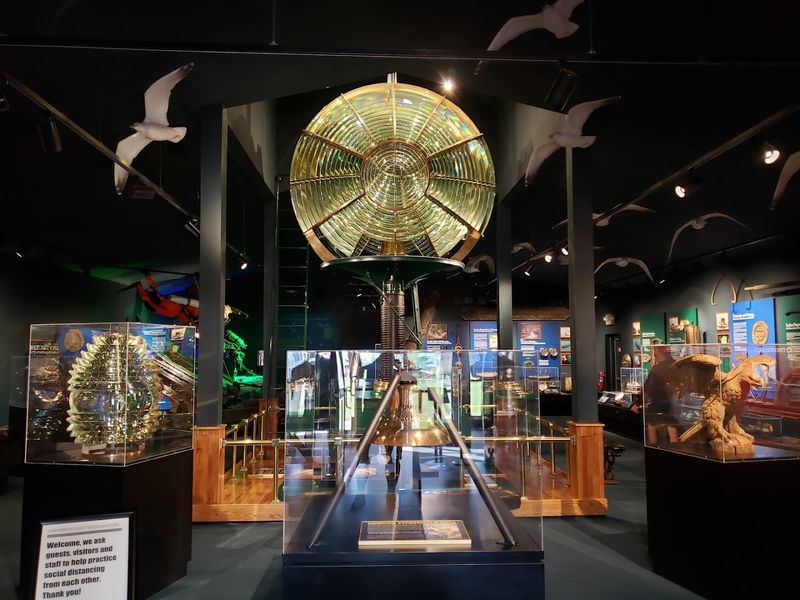
A polished brass cleat in a museum case can tell a story your hands almost understand on sight. Michigan’s maritime museums and underwater preserves make shipping history feel material, not abstract.
You can trace routes, storms, and rescues through charts, artifacts, and preserved workspaces. At places like the Great Lakes Shipwreck Museum, the watchroom feels compact and functional in a way that makes the stakes immediately clear.
The preservation work is highly technical and impressively careful. Cold freshwater changes how wood and iron endure, and local conservation teams know how to stabilize those materials with real skill.
Docents are often excellent at translating technical terms into plain language. They can explain wind fetch, wreck locations, and ship design without losing the human story.
If you want to save money, look for combo tickets or membership discounts that include lighthouse tours. These small logistics make multi-site visits easier.
Dress in layers, especially for shoreline museums, because breezy days can make exhibit spaces feel cooler than expected. The lake always seems to influence the room.
10. Small-Town Main Streets With Useful Charm
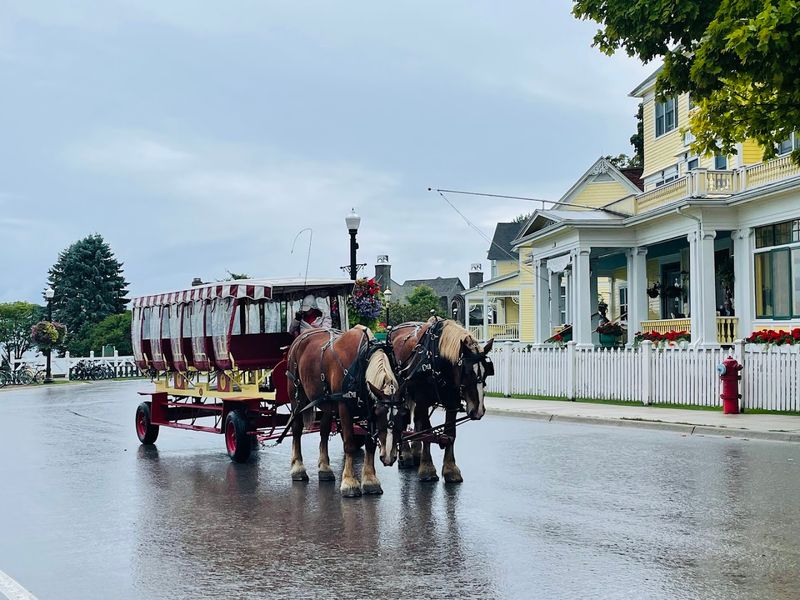
A typical Michigan small-town storefront feels earnest and lived-in, not over-curated. Many towns have protected their brick cores, so old hardware stores still sit beside newer bakeries without feeling staged.
Having a post office near the diner and a library within walking distance is treated as normal life, not luxury. That everyday usefulness is part of the charm.
Murals often reference local labor, rivers, or community history instead of trendy slogans. The visual language usually tells you what kind of town you are in.
Many districts explain themselves through plaques, preserved cornices, and consistent storefront lines. The architecture quietly teaches you the town’s timeline while you walk.
Midweek farmers markets reinforce the habit of lingering and talking to neighbors. Main Street still functions as social infrastructure, not just retail frontage.
A strong Saturday loop is simple and reliable. Park once, visit the bookstore, walk the river, eat a slow lunch, then check a thrift shop for old maps or odd local treasures.
Watch for angled parking and low speed limits, which are often enforced to protect pedestrians.
11. Winter Sports That Make Snow Practical
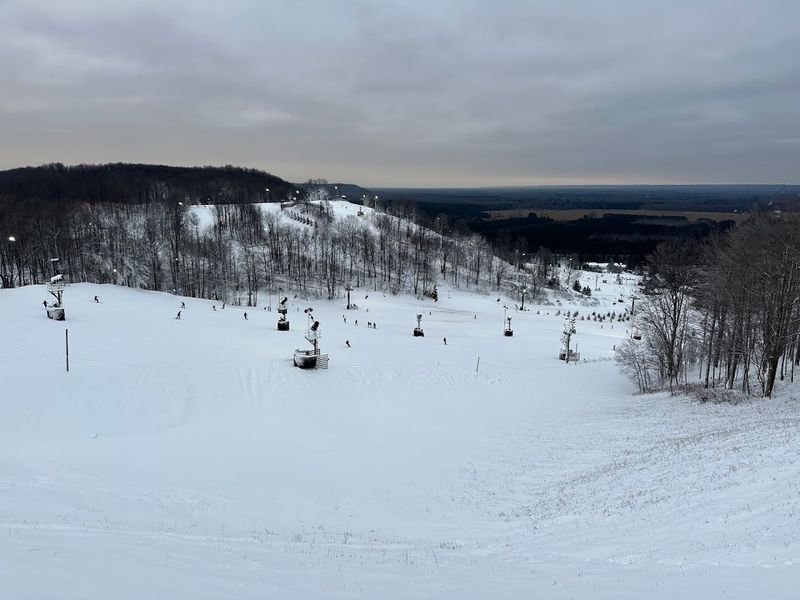
The first time skis glide over fresh groomed corduroy, a winter storm warning starts to look less like bad news and more like opportunity. Michigan winters make sense once you have the right gear and a plan.
Cross-country ski trails run through pines and hardwoods all over the state. Sledding hills, outdoor rinks, and winter parks keep neighborhoods moving instead of hibernating.
Fat bikes have also become part of the picture, especially where plows do not reach. They reward patience, balance, and good gloves more than brute strength.
Ski clubs and parks crews groom trails with volunteer precision, and many post condition reports before sunrise. That local effort makes a big difference for beginners and regulars alike.
Rental shops are often great for new people because they focus on warm toes and stable ankles first. Comfort matters more than speed, especially at the beginning.
Check whether a trail pass is required, bring a thermos of something hot, and keep traction cleats in the car for icy sidewalks. These small habits make winter days much easier.
Road salt works fast, but it is hard on vehicles, so undercarriage rinses become part of the routine after slushy drives.