
9 Regions In Florida With The Highest Cottonmouth Activity This Late Summer
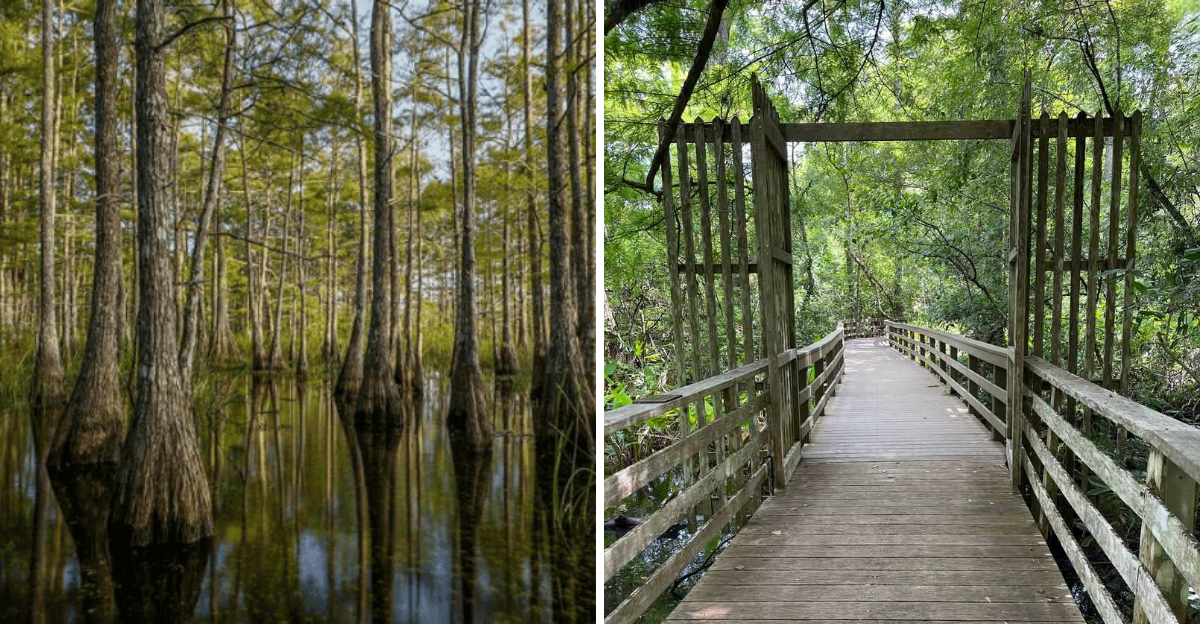
Florida in late summer has two settings: hot and somehow even hotter.
The air feels heavy. Cicadas provide the soundtrack.
Every swamp, riverbank, and marsh seems to be buzzing, splashing, or quietly watching you from the reeds.
That last part is worth remembering.
While hikers and kayakers are searching for shade and cooler water, one of the state’s most recognizable snakes is perfectly comfortable with the heat. Cottonmouths thrive in wet, tangled landscapes, and late summer can bring more activity in the places where people least want a surprise encounter.
This does not mean Florida’s wild spaces should be avoided.
It simply means knowing where to step, where to paddle, and when that suspicious-looking “branch” deserves a little extra distance.
Some regions offer beautiful trails, peaceful waterways, and abundant wildlife. They also happen to provide ideal cottonmouth habitat.
The contrast is classic Florida: breathtaking scenery, unforgettable adventures, and nature occasionally reminding you to watch where you put your feet.
1. Everglades National Park Region, Homestead
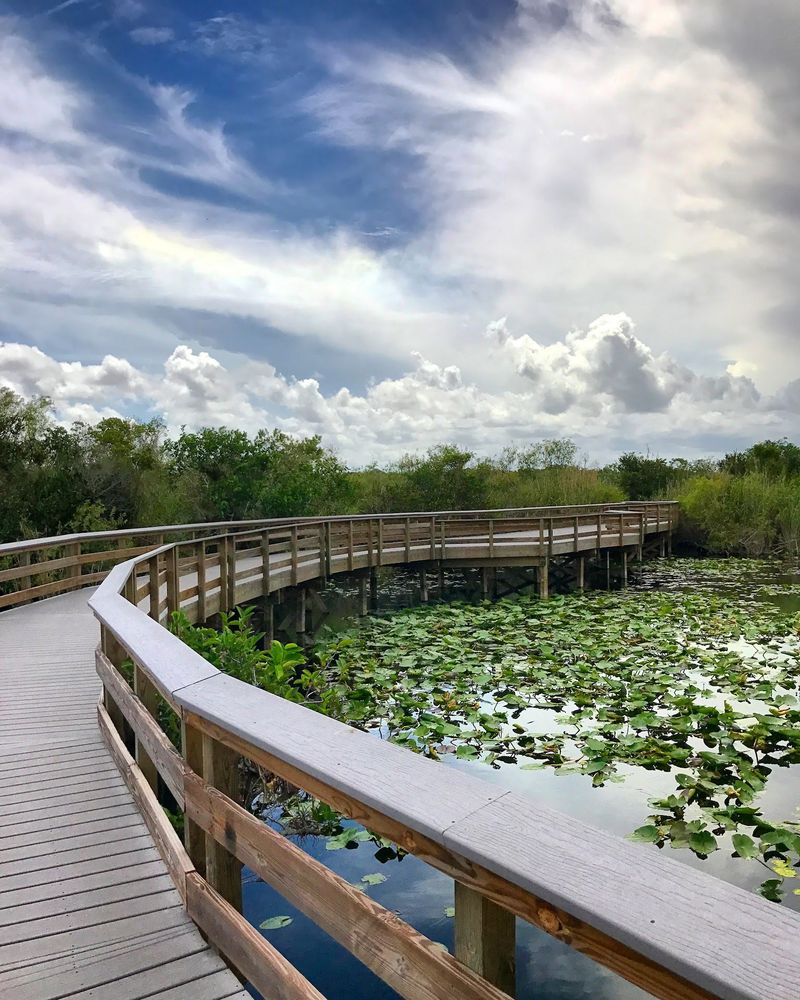
Standing at the trailhead of Everglades National Park near 40001 State Rd 9336 in Homestead, FL 33034, you quickly realize this place operates by its own rules.
The park’s vast network of freshwater sloughs and coastal prairies creates ideal cottonmouth habitat, and late summer rains push water levels up, which pushes these snakes right onto the edges of trails and boardwalks.
Rangers here consistently report high snake sightings from July through September, especially along the Anhinga Trail and around Taylor Slough.
Cottonmouths in the Everglades tend to be thick-bodied and slow-moving, often sitting motionless near water’s edge until something gets too close.
Wearing closed-toe shoes and watching every step near standing water is absolutely non-negotiable here.
The park’s sheer size means encounters can happen anywhere, but shallow pond edges and flooded prairies are the hottest spots.
Visiting at dawn or dusk raises your chances of spotting one, though midday sightings are still common during peak summer heat.
2. Big Cypress National Preserve, Ochopee
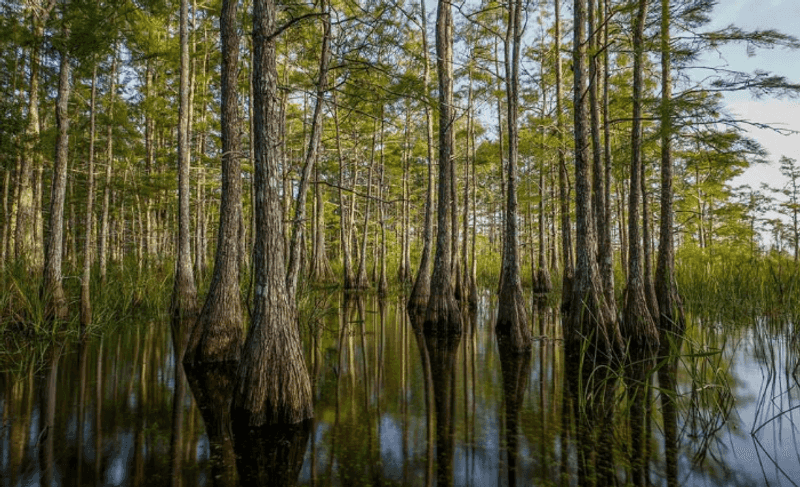
Few places in Florida feel as primally wild as Big Cypress National Preserve near 33100 Tamiami Trail E in Ochopee, FL 34141, where the cypress domes and wet prairies stretch endlessly in every direction.
Cottonmouths here are a regular part of the landscape, threading through shallow water and resting on exposed roots where the sun breaks through the canopy.
Late summer flooding across the preserve concentrates these snakes in slightly elevated spots, which unfortunately often overlap with the same dry ground hikers and off-road vehicle users prefer.
Local naturalists who lead swamp walks through this area note that cottonmouth sightings spike noticeably after heavy afternoon thunderstorms push water across low-lying areas.
The snake’s defensive open-mouth display, showing the bright white interior that earned it the cottonmouth name, is most frequently observed here when hikers accidentally approach too quickly.
Slow, deliberate movement and a walking stick to probe ahead are smart habits in this preserve.
Big Cypress rewards patience and awareness in equal measure.
3. Ocala National Forest, Umatilla
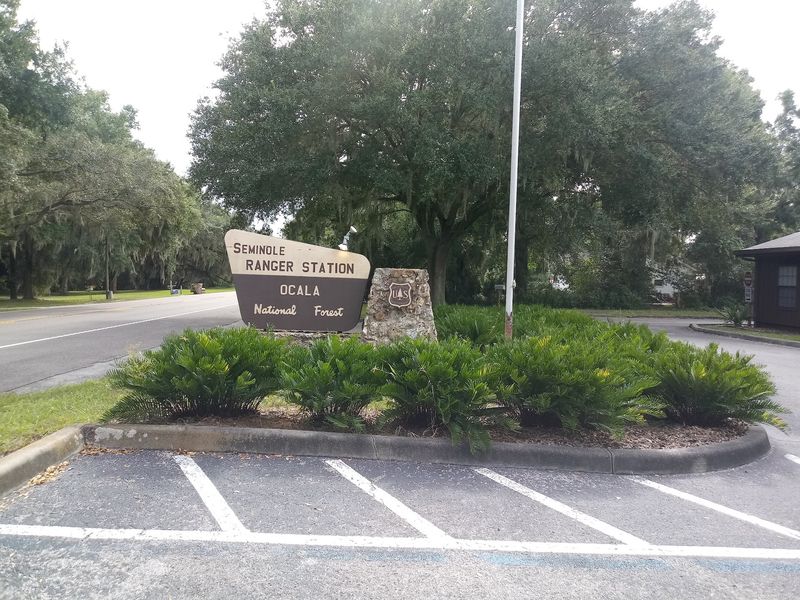
Ocala National Forest near 40929 State Rd 19 in Umatilla, FL 32784 is one of the most visited natural areas in Florida, and its spring-fed lakes and river systems make it prime cottonmouth territory all summer long.
Alexander Springs, Juniper Springs, and Salt Springs all attract crowds of swimmers and canoeists, and cottonmouths are reliably spotted along the vegetated margins of these waterways throughout late summer.
Unlike the purely brackish or swampy habitats of South Florida, the crystal-clear springs here create an interesting contrast where you can literally watch a cottonmouth move beneath the surface in surprisingly transparent water.
Forest staff recommend staying on designated swimming areas and avoiding pushing through dense shoreline vegetation where snakes often rest in the shade.
Paddlers on the Juniper Run canoe trail should keep hands inside the boat and scan low-hanging branches, since cottonmouths occasionally rest above the waterline.
The forest’s diversity of habitats means these snakes are found from lakeshores to wet flatwoods, keeping visitors on their toes in the best possible way.
4. Apalachicola National Forest, Tallahassee, FL
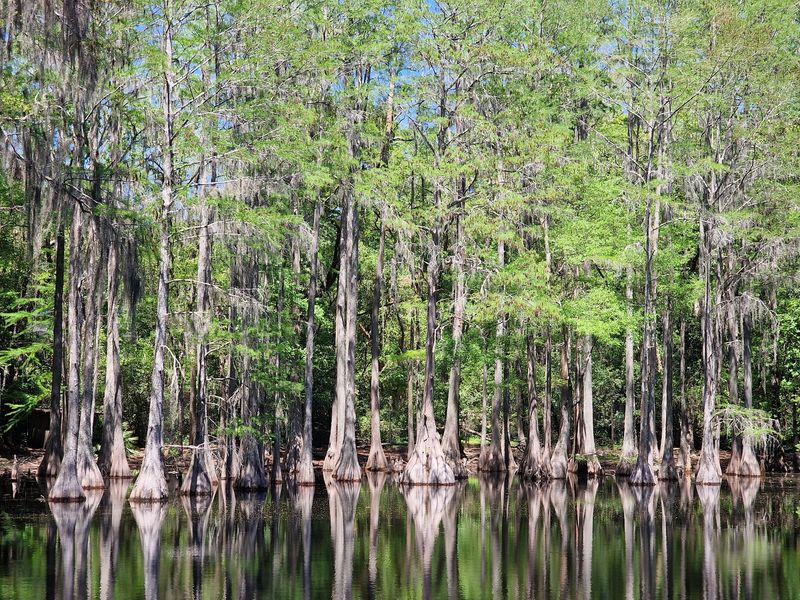
The blackwater streams and pitcher plant bogs of Apalachicola National Forest near 24810 SE County Rd 337 in Tallahassee, FL 32305 create a moody, hauntingly beautiful landscape that cottonmouths absolutely thrive in.
This forest is one of the largest in the eastern United States and holds an impressive diversity of wetland types, from river swamps to isolated depression marshes, each one a potential hotspot for water moccasin activity in August and September.
Tannin-stained water makes spotting snakes considerably harder here than in clearer environments, which means extra caution is needed when stepping near stream banks or crossing shallow areas on foot.
Wildlife researchers studying herpetofauna in the Apalachicola basin have documented cottonmouth densities that rival some of the highest in North America, particularly along the river’s floodplain.
Hikers on the Florida National Scenic Trail, which passes through this forest, should treat every water crossing as a potential encounter zone.
The reward for careful exploration is a forest that feels genuinely untouched, with bird life, carnivorous plants, and yes, plenty of cottonmouths sharing the same remarkable space.
5. Lower Suwannee National Wildlife Refuge, Chiefland, FL
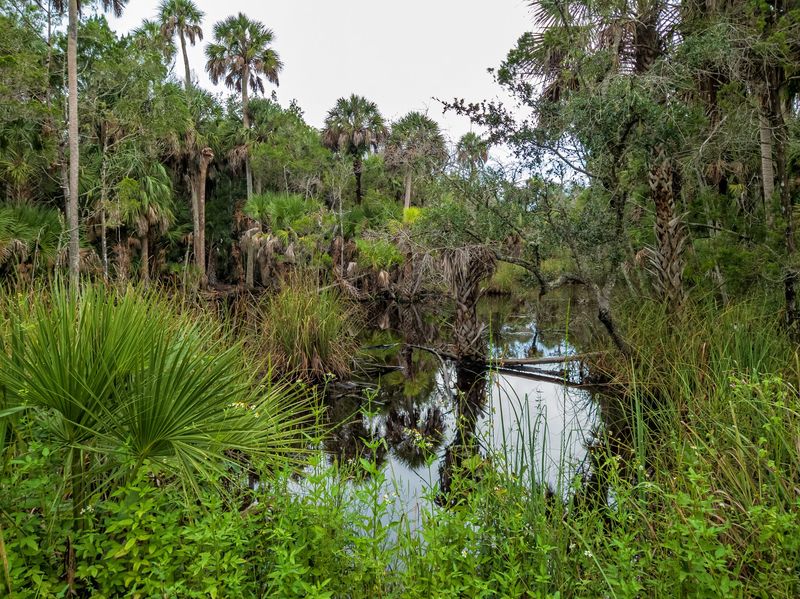
There is something deeply satisfying about paddling the lower Suwannee River near the refuge headquarters at 16450 NW 31st Pl in Chiefland, FL 32626, right up until you notice a thick, dark shape at the waterline that is not a stick.
The Lower Suwannee National Wildlife Refuge protects over 53,000 acres of tidal marsh, river swamp, and hardwood hammock, and cottonmouths are woven into every habitat type across the property.
Late summer brings peak activity as warm water temperatures and abundant prey, including frogs, fish, and small mammals, keep snakes feeding actively near the river’s edge and in flooded bottomlands.
Kayakers exploring the refuge’s creek systems and tidal channels frequently report close encounters, particularly in areas where overhanging vegetation creates shaded resting spots just above the waterline.
The refuge staff encourages visitors to photograph rather than approach any snake they encounter and to report sightings to help ongoing wildlife monitoring efforts.
For anyone serious about observing cottonmouths in a relatively wild river setting, the Suwannee corridor offers one of Florida’s most authentic experiences.
6. St. Johns River Basin, Blue Spring State Park, Orange City
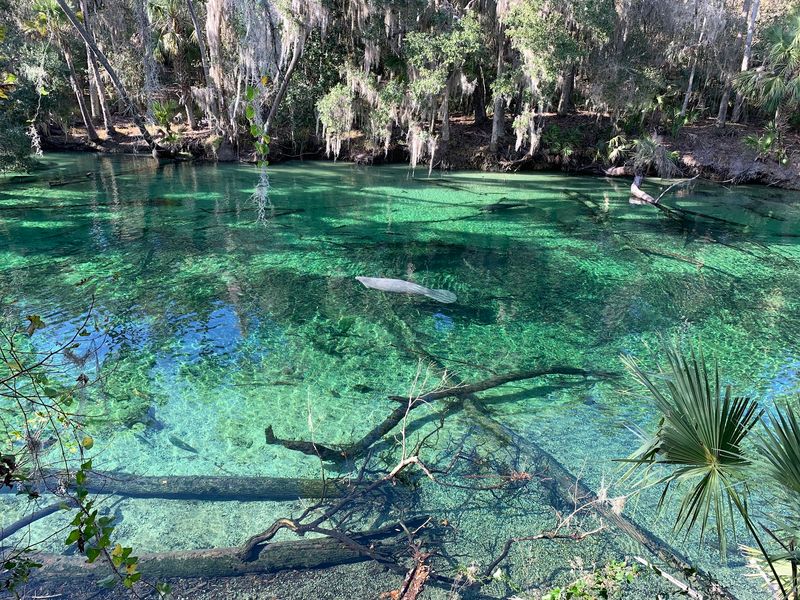
Blue Spring State Park at 2100 W French Ave in Orange City, FL 32763 is best known as a winter refuge for manatees, but late summer brings a completely different kind of wildlife drama to the St. Johns River Basin.
Cottonmouths are active throughout the basin’s extensive floodplain during August and September, drawn by the reliable food sources that thrive in the warm, slow-moving backwaters connecting to the main river channel.
The spring run itself, where crystal water pours from the boil into the St. Johns, creates a sharp temperature contrast that snakes exploit by positioning themselves along the thermal edges where prey congregates.
Park visitors walking the boardwalk trail along the spring run should watch the base of cypress knees and dense palm clusters, which are favorite resting spots for cottonmouths seeking shade in peak afternoon heat.
The broader St. Johns River Basin extends through multiple counties, with tributary marshes and isolated wetlands all contributing to a large, connected cottonmouth population.
Understanding the basin as a whole helps explain why sightings here are so reliably frequent throughout the late summer season.
7. Kissimmee River and Kissimmee Prairie Region, Okeechobee, FL
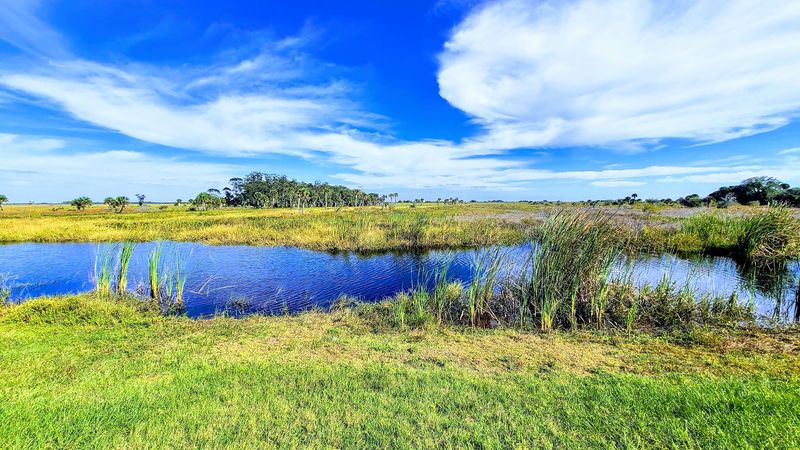
The restored Kissimmee River floodplain near 33104 NW 192nd Ave in Okeechobee, FL 34972 is one of the great conservation success stories in American history, and cottonmouths are among the many species that have bounced back alongside the recovering wetlands.
Before restoration, the river was channelized into a straight canal, but the reintroduction of natural meanders and floodplain marshes has dramatically increased habitat for water-dependent wildlife, including a healthy and very visible cottonmouth population.
Kissimmee Prairie Preserve State Park, adjacent to the river corridor, adds thousands of acres of wet prairie where these snakes hunt frogs and small vertebrates throughout the warm season.
Birders and nature photographers who frequent this area often capture accidental cottonmouth sightings while focused on the region’s impressive wading bird concentrations along the river’s oxbow lakes.
The flat, open terrain here actually makes snake spotting somewhat easier than in dense forest habitats, provided you are scanning the ground ahead consistently.
Late summer afternoons near any water feature in this region almost guarantee a sighting for attentive visitors willing to slow down and look carefully.
8. Fakahatchee Strand Preserve State Park, Copeland, FL
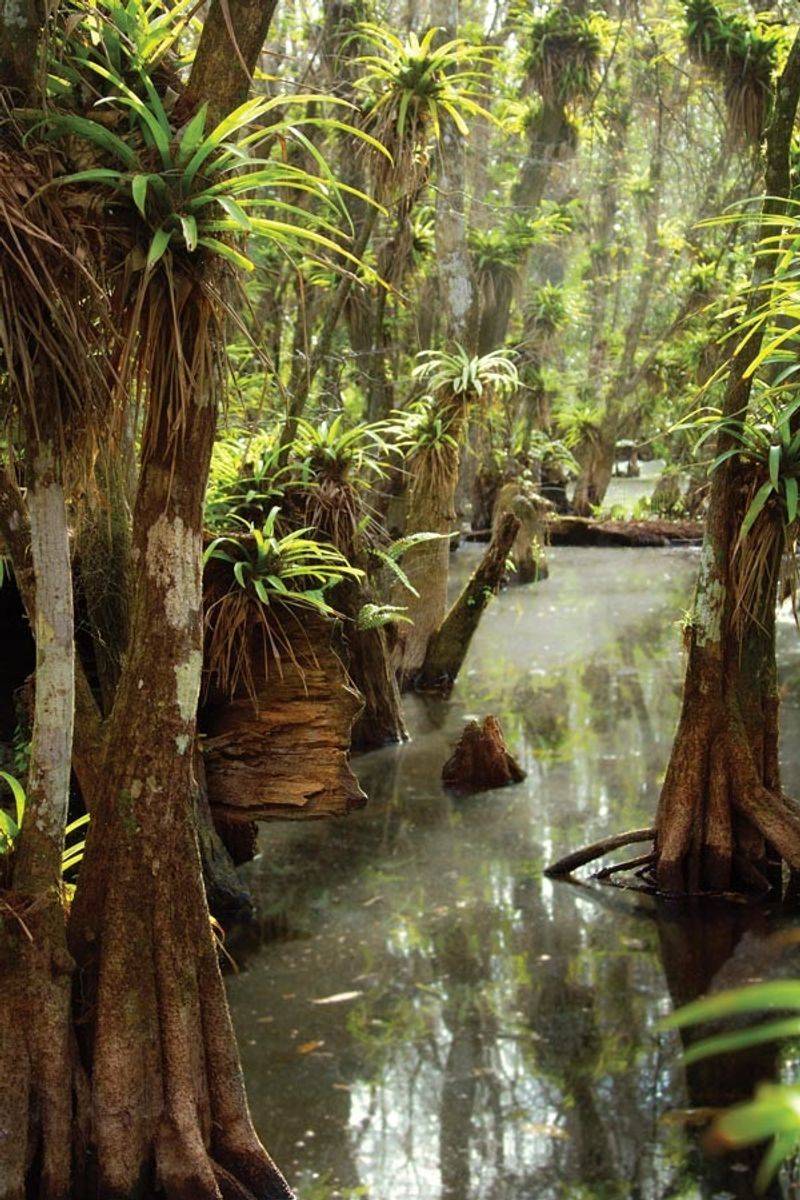
Known as the Amazon of North America, Fakahatchee Strand Preserve State Park at 137 Coast Line Dr in Copeland, FL 34137 is a narrow, forested wetland that shelters an almost surreal concentration of rare plants, wildlife, and yes, cottonmouth snakes.
The strand’s linear swamp forest, dominated by bald cypress and royal palms, channels water through a slow-moving sheet flow that keeps the forest floor consistently flooded during the wet season, creating perfect year-round cottonmouth habitat that reaches its peak activity in late summer.
Guided swamp walks led by park rangers take visitors directly into waist-deep water to experience the strand from the inside, and snake encounters on these tours are frequent enough that guides routinely discuss cottonmouth behavior as part of the experience.
The park’s isolation and limited road access mean that wildlife here is largely undisturbed, resulting in snakes that are particularly bold and unhurried in their movements.
Photographing a cottonmouth in this setting, surrounded by ghost orchids and ancient cypress, feels like stepping into a nature documentary.
Every step in Fakahatchee demands full attention, and that focused presence is exactly what makes the experience so memorable.
9. Corkscrew Swamp Sanctuary, Naples
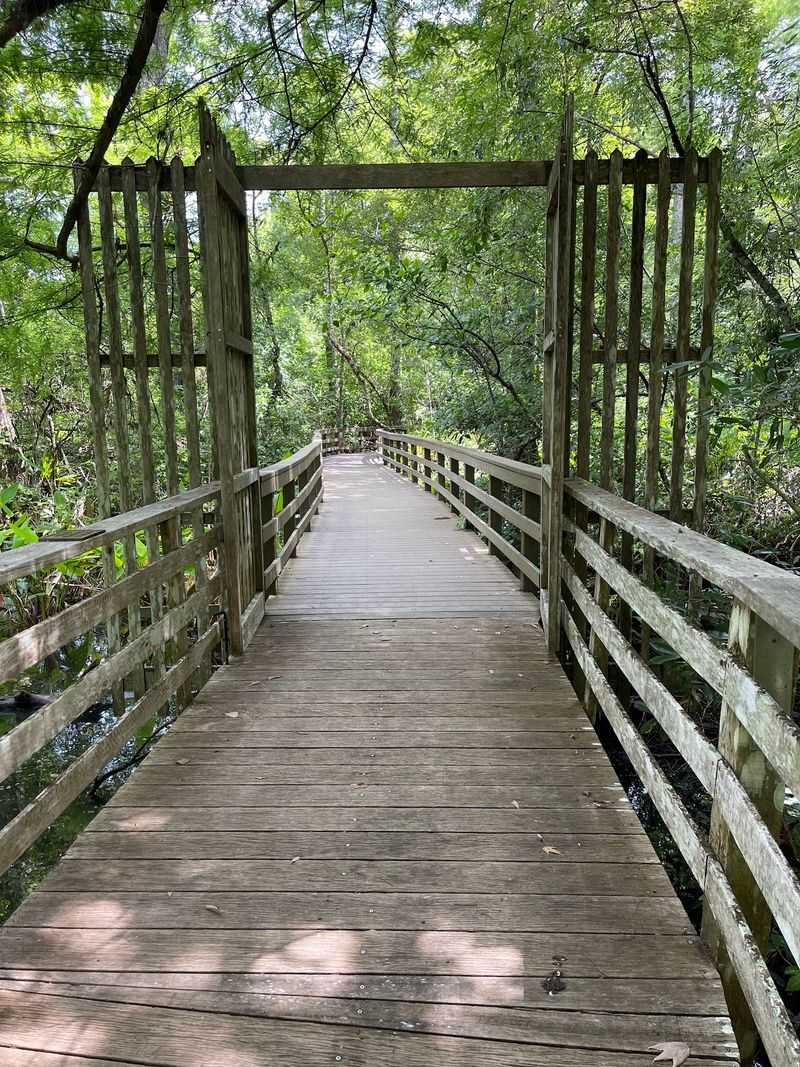
Corkscrew Swamp Sanctuary at 375 Sanctuary Rd W in Naples, FL 34120 is home to the largest old-growth bald cypress forest remaining in North America, and walking its two-and-a-half-mile boardwalk trail in late summer feels like moving through a living museum where cottonmouths are permanent, unhurried residents.
The sanctuary’s permanent wetlands and shallow marsh areas never fully dry out, which means cottonmouths here maintain activity levels that other Florida populations ramp up to only seasonally.
Naturalist guides at Corkscrew regularly spot snakes beneath the boardwalk and along the marsh edges, sometimes within arm’s reach of visitors who had no idea they were sharing space with a venomous neighbor.
The elevated boardwalk actually provides a safe and excellent vantage point for observing cottonmouth behavior, including the characteristic flattening of the body and gaping mouth display that the species uses when it feels cornered.
Audubon, which manages the sanctuary, has documented cottonmouths as a consistent presence throughout all seasons, with late summer bringing the highest recorded activity due to peak prey abundance and warm water temperatures.
Corkscrew earns its reputation as one of the finest wildlife sanctuaries in the Southeast, one deliberate boardwalk step at a time.