
Rent Sits Around $700 In This Tiny Arizona Copper Town Where Families Keep Settling In
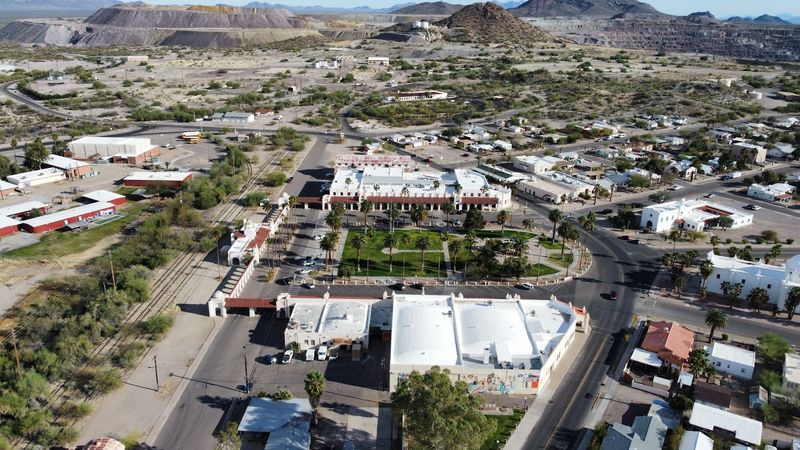
A giant open-pit copper mine sits right on the edge of town, and you can stand at an overlook and stare straight down into it. Meanwhile, a few blocks away, white Spanish Colonial buildings and tall palms frame a sunny plaza that looks borrowed from an old postcard.
That mix alone got my attention. Then I learned this little Arizona town is the closest community to one of the most famous cactus parks in the country.
Rents here often run far below what Phoenix or Tucson families pay. I like how the town turned an old company-mine past into something quieter, artsier, and more welcoming.
I believe that kind of place deserves a closer look. So what happens when cheap rent, desert sunsets, and a copper-colored history all land on the same map?
A Small Desert Town With A Big Copper Backstory
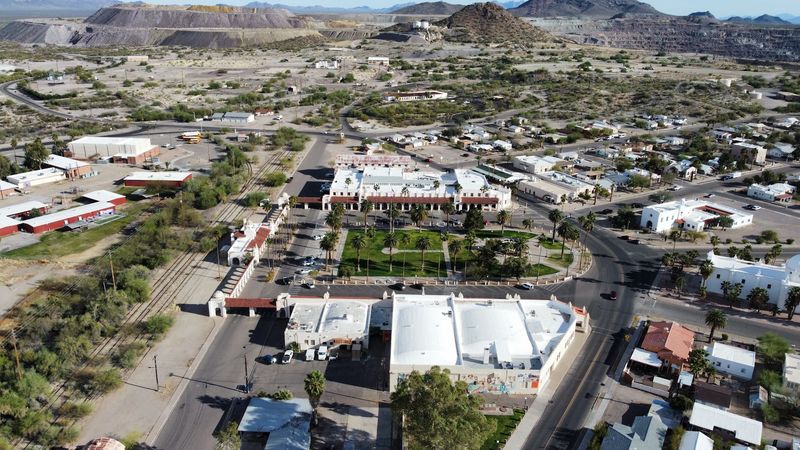
Ajo, Arizona, is the kind of place that shows up on a map and makes you squint. It’s an unincorporated community in Pima County, and the 2020 census counted 3,039 residents.
The town sits along State Route 85, just 43 miles from the Mexican border. That puts it deep in the Sonoran Desert, far from big-city traffic and crowded freeways.
Getting here feels like a real road trip. Phoenix and Tucson both sit a couple of hours or more away, depending on your route and your snack stops.
Ajo also holds a special title. It’s the closest community to Organ Pipe Cactus National Monument, one of the most striking desert parks in the Southwest.
So why do people keep choosing this remote spot? Housing costs play a huge role, since rents often land well below what families pay in larger Arizona cities.
The scenery doesn’t hurt either. Rocky peaks, wide-open skies, and towering cactus fill nearly every direction you look.
For mailing purposes, the town’s address is simply Arizona 85321. Short, sweet, and easy to remember, which fits the overall vibe of the place nicely.
How A Mining Company Shaped Every Street
Copper built Ajo, plain and simple. The New Cornelia mine turned this patch of desert into a busy company town in the early 1900s.
Mining companies back then didn’t just dig. They planned homes, streets, schools, and gathering spaces so workers and their families had everything close by.
That planning still shows today. The town layout feels intentional, with a central plaza and neighborhoods spreading out around it.
Phelps Dodge later ran the operation for decades. Large-scale mining eventually stopped in the 1980s, and the town had to figure out its next chapter.
Plenty of mining towns faded after that kind of shift. Ajo took a different path, slowly reinventing itself as a home for retirees, artists, nature lovers, and young families.
I like how that history isn’t hidden away. You can feel it in the buildings, see it in the giant pit, and hear it in the town’s very identity.
The name itself has a fun twist too. Ajo means garlic in Spanish, though the exact origin of the town’s name is still debated by historians.
You Can Stare Right Down Into A Massive Open Pit
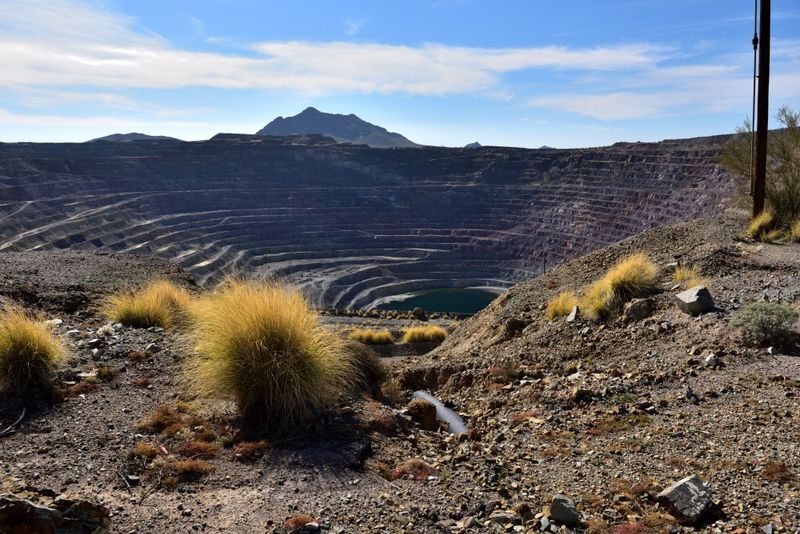
Few towns let you peek into a canyon made by people. In Ajo, the old New Cornelia open-pit mine sits right beside the community, and an overlook gives you a front-row view.
The pit stretches wide and deep. Layered terraces step down the walls in shades of rust, tan, and even greenish tones from the minerals.
It’s honestly hard to wrap your head around the size. Trucks that once worked down there would look like toys from the rim.
The overlook makes a great first stop for visitors. It quickly explains why this town exists and why copper mattered so much to Arizona’s growth.
Kids usually love it too. A giant hole in the ground beats a history worksheet any day of the week.
Bring a camera and some water. Desert sunlight can be intense, and the colors in the rock tend to shift as the day moves along.
Standing there, it’s easy to see the town’s whole story in one glance. Hard work, big industry, and then a quiet new beginning right next door.
Palm Trees, White Arches, And A Plaza Worth Lingering In
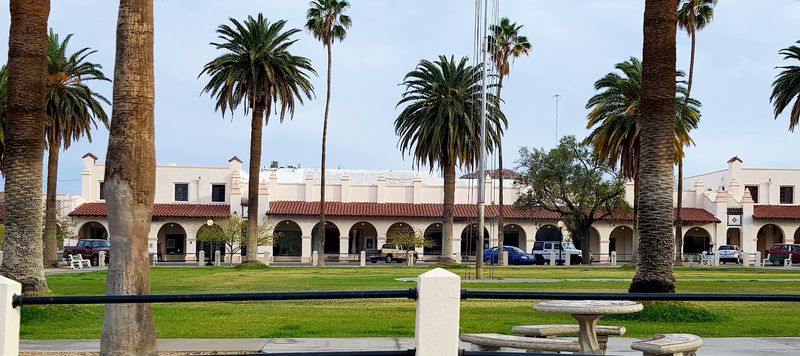
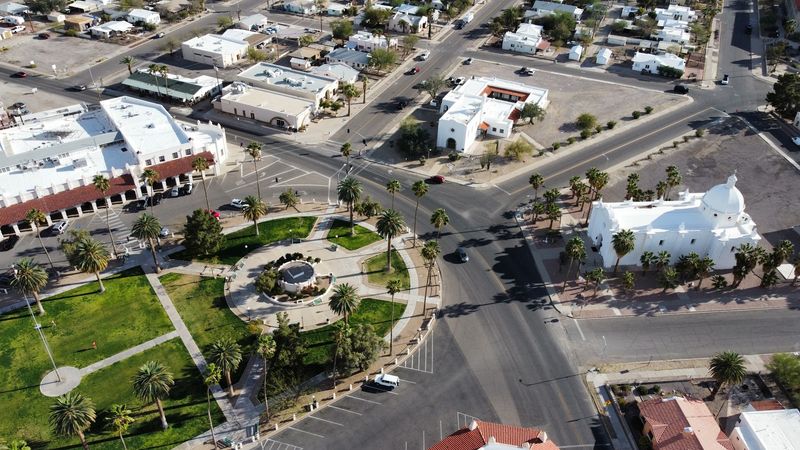
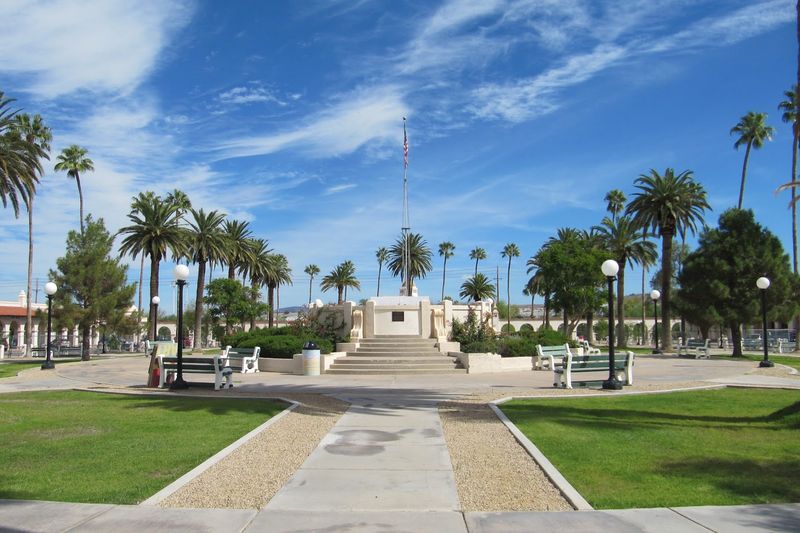
White arches and swaying palms form the heart of downtown. The Ajo Plaza, built in the Spanish Colonial Revival style, gives the town a look you rarely see in small desert communities.
Covered walkways wrap around a grassy center. Shade matters a lot in southern Arizona, and these arcades handle that job beautifully.
Nearby, two historic churches add even more charm. Their bright exteriors pop against the deep blue desert sky.
The area belongs to a historic district recognized for its architecture and planning. That means much of the town’s early character has been kept rather than torn down.
It’s a lovely spot for a slow stroll. Families can wander, snap photos, and enjoy a little open space without any big-city noise.
I can’t imagine a better introduction to Ajo’s personality. The plaza feels calm, sunny, and a bit storybook, all at once.
Visit in the cooler months if you can. Mild winter days make sitting under those arches feel especially pleasant.
An Old School Turned Into Homes For Artists
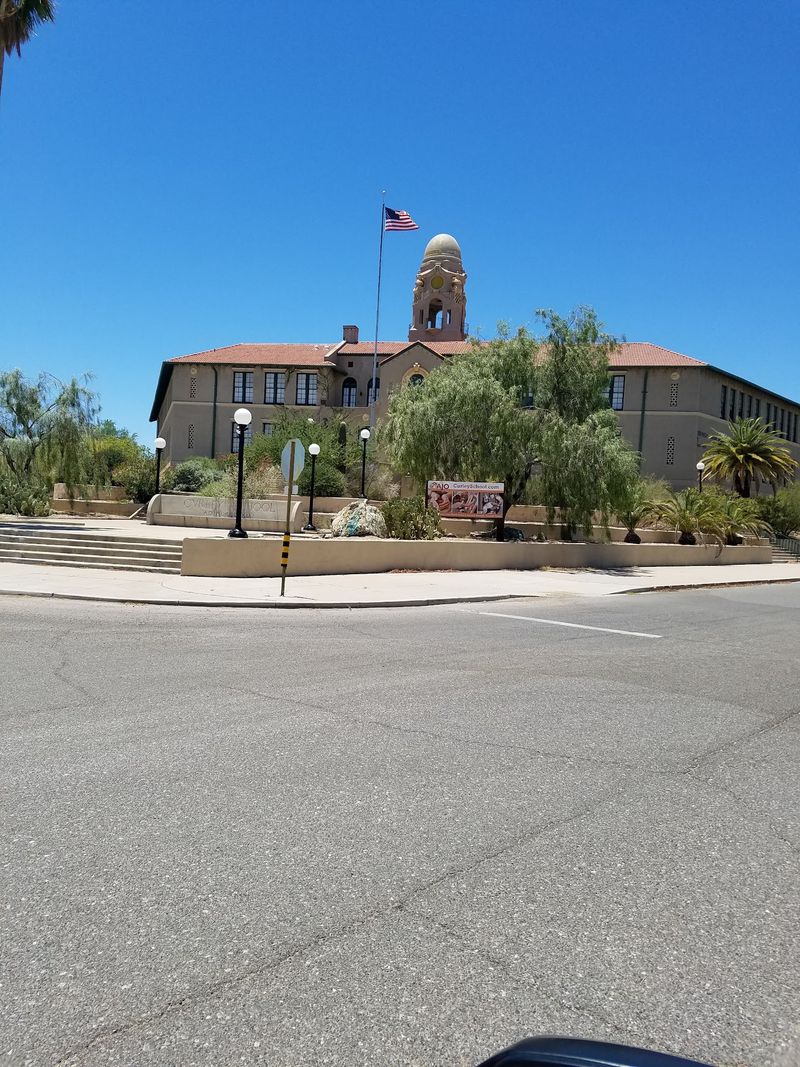
Old schools usually end up empty or demolished. In Ajo, the historic Curley School got a second life as artist housing.
The building now holds the Curley School Artisan Lofts. Artists and creative workers can live and work inside a structure that once filled with students.
That project says a lot about the town’s comeback. Instead of letting old buildings crumble, the community found ways to reuse them.
The local nonprofit behind much of this effort is the International Sonoran Desert Alliance. Its work has helped bring arts, culture, and new energy to downtown.
For families, this creative spark matters. It gives the town more personality and more reasons to stay curious.
The building itself is a looker too. Its Spanish Colonial style ties right in with the plaza and the rest of the historic district.
Small towns don’t often pull off this kind of reinvention. Ajo did, and the result feels both practical and a little bit magical.
The Cactus Park Next Door Steals The Show
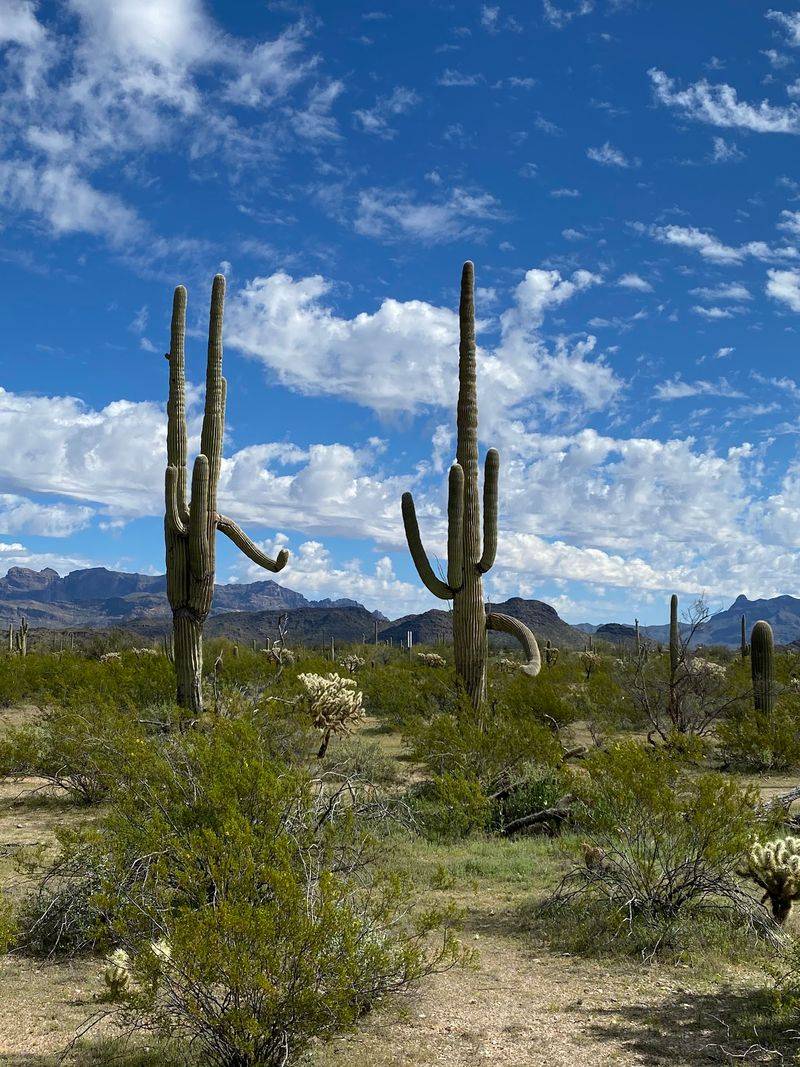
Organ pipe cactus look like giant green candelabras rising from the ground. Ajo is the closest community to Organ Pipe Cactus National Monument, where these unusual plants grow in impressive numbers.
The monument sits south of town along State Route 85. It protects a huge stretch of Sonoran Desert with scenic drives, hiking trails, and wide mountain views.
Organ pipe cactus are rare in the United States. This park is one of the best places in the country to see them up close.
That makes Ajo a handy home base. Families can explore the desert during the day and head back to town by evening.
Cooler months bring the most comfortable hiking weather. Spring can also bring wildflowers, which add bright color to the rocky landscape.
Pack plenty of water and sun protection. The desert is beautiful, but it doesn’t play around with heat.
Living this close to a national monument is a real perk. Weekend adventures don’t require hours of driving when the scenery sits practically down the road.
Wild Desert Country On The Other Side Of Town
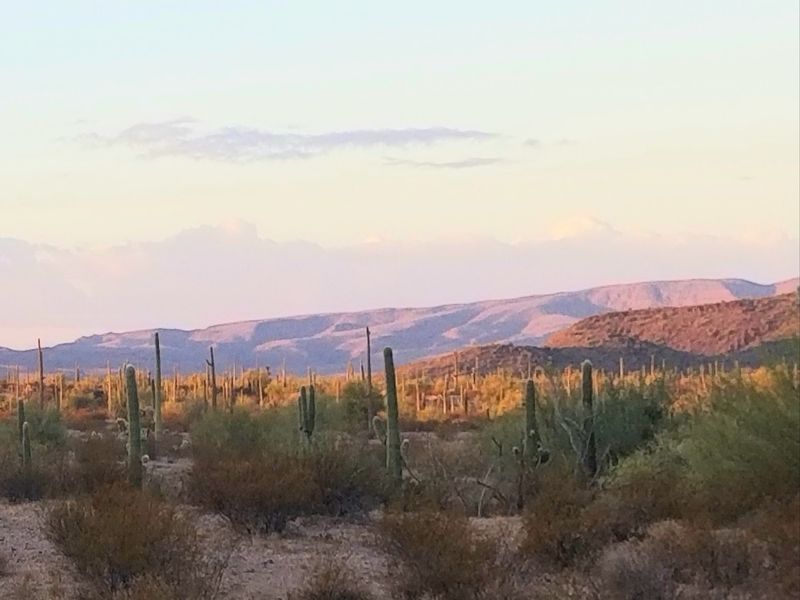
West of Ajo, the land gets wonderfully wild. Cabeza Prieta National Wildlife Refuge covers a vast, remote stretch of Sonoran Desert, and its visitor center sits right in town.
The refuge protects rugged mountains, open valleys, and desert wildlife. It’s one of the most remote public lands in Arizona.
Entering the backcountry requires a permit. That keeps the area protected and helps the refuge track who’s out there.
Many people simply enjoy the visitor center and the views from its edges. Even that short visit gives you a sense of how big and quiet this desert really is.
For curious kids, it’s a great place to learn about desert animals. The Sonoran pronghorn, a rare species, is one of the refuge’s best-known residents.
Having two large protected areas nearby is pretty remarkable. Ajo basically sits between huge outdoor classrooms.
Nature lovers will find plenty to soak up here. Just remember that remote really does mean remote, so plan carefully before heading out.
History Lives Inside A Former Mission
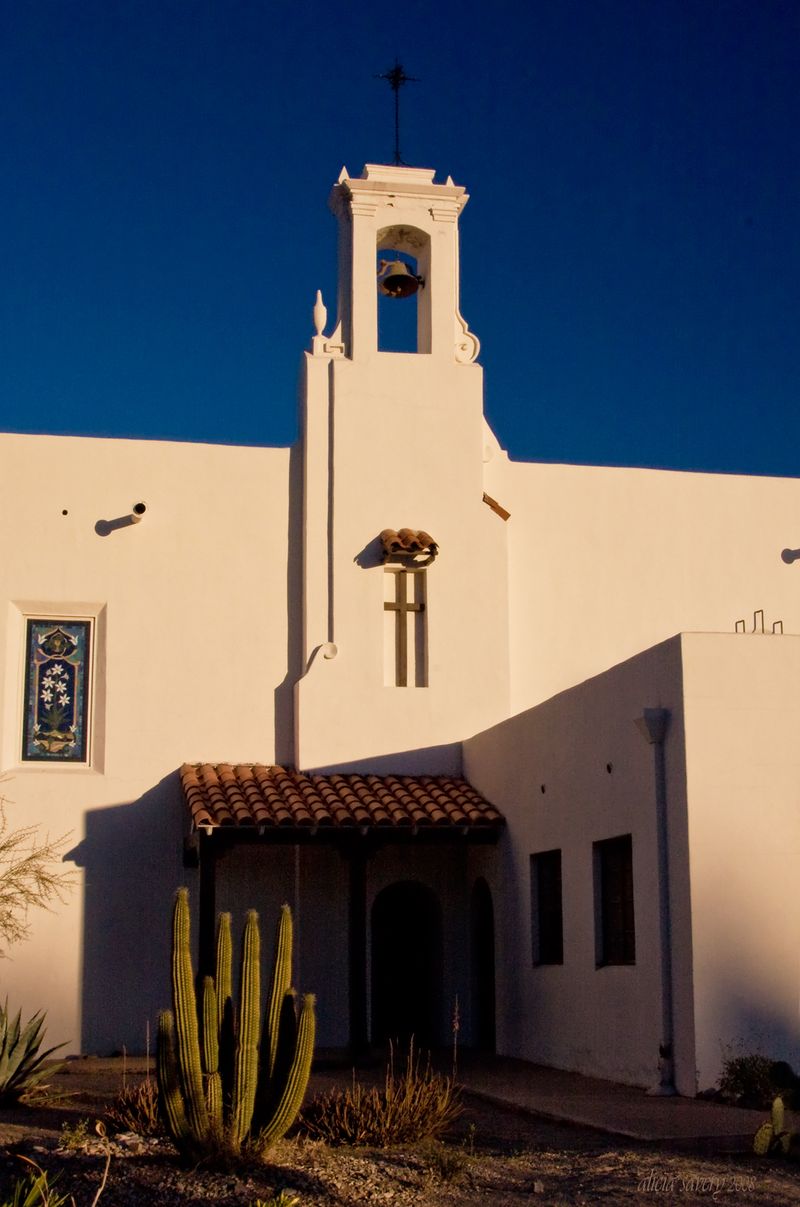
Old mining tools, family photos, and local stories fill one of Ajo’s most charming buildings. The Ajo Historical Society Museum operates inside the former St. Catherine’s Indian Mission.
The setting alone makes it worth a stop. A mission building turned history museum feels just right for a town with such layered roots.
Exhibits focus on the people and work that shaped the area. Mining, ranching, and everyday desert life all play a part in the story.
Museums like this give a town real depth. They remind newcomers that Ajo had a full life long before rents made headlines.
Hours can vary by season, so it’s smart to check ahead. Small volunteer-run museums often keep shorter schedules during hotter months.
Families with history buffs will enjoy it. Younger kids may find the old mining gear especially fun to examine.
Pair a museum visit with a walk around the plaza. Together, they paint a clear picture of how this copper town came to be.
Why Budget-Minded Families Keep Showing Up
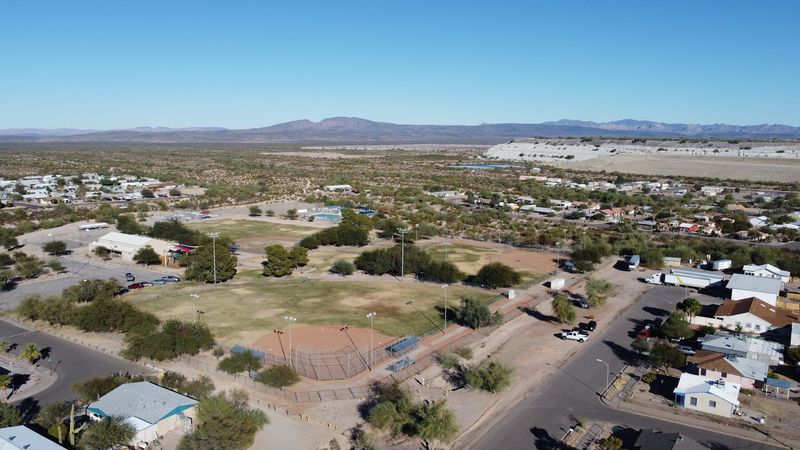
Money stretches further in Ajo than in most Arizona cities. Rents often come in far below what families see in metro Phoenix or Tucson, which gives household budgets some breathing room.
That savings can change daily life. Families may find more space, less stress, and more freedom to plan weekend adventures.
Many homes date back to the company-town era. They tend to be modest, practical, and grouped into walkable neighborhoods.
Of course, small-town living comes with tradeoffs. Big-box shopping and specialty services usually mean a longer drive.
Some families happily accept that deal. Quiet streets and starry skies can outweigh a quick trip to a giant mall.
Remote workers and retirees have discovered the town too. A slower pace and lower costs make a strong combination.
Housing prices do shift over time, so anyone considering a move should check current listings in person. Still, Ajo’s reputation for affordability keeps catching attention across the state.
Getting There, Staying Cool, And Timing Your Trip
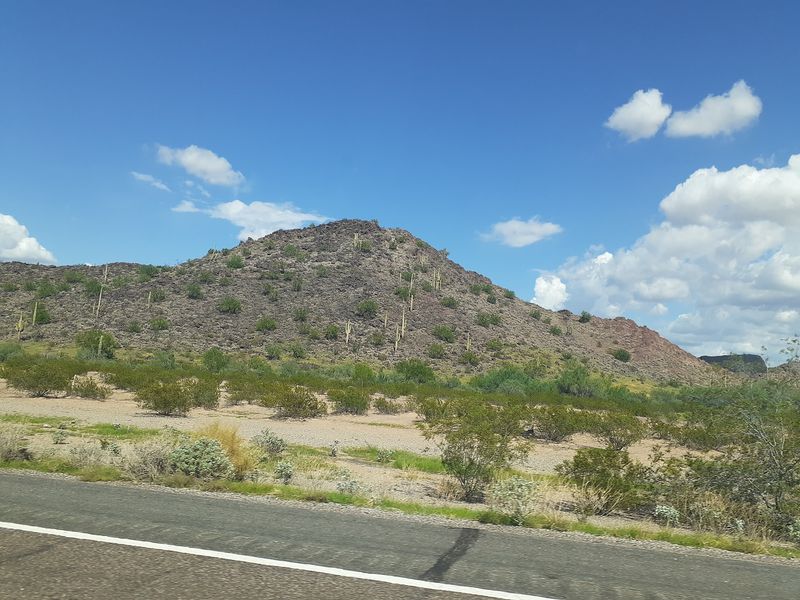
State Route 85 is your main ticket in. The highway runs through Ajo and continues south toward Organ Pipe Cactus National Monument and the border region.
From Phoenix, the drive heads southwest through open desert. Tucson travelers usually take a westward route across the Tohono O’odham Nation.
Fill your tank before long stretches. Services can be spaced out in this part of southern Arizona.
Timing matters a lot here. Late fall through early spring brings the most comfortable weather for exploring outdoors.
Summer gets seriously hot. If you visit then, plan outdoor time for early mornings and save afternoons for indoor stops.
Ajo makes an easy overnight base for park trips. Staying in town lets you catch sunrise light in the desert without a long predawn drive.
Keep a printed map or downloaded directions handy. Cell signal can get spotty once you leave town and head into the backcountry.
A Quiet Copper Town That Feels Like A Fresh Start
Sunsets over the desert hills might be Ajo’s best free show. The sky glows, the mountains darken, and the whole town seems to slow down.
That calm feeling sums up the appeal. Ajo offers history, scenery, and affordability without trying too hard to impress anyone.
It won’t suit everyone, and that’s okay. People who need constant nightlife or quick shopping may feel a little far from the action.
For others, the distance is the point. Space, quiet, and nature right outside the door can feel like a gift.
Families keep finding their way here for good reasons. Lower costs, a striking plaza, and two massive protected desert areas make a pretty convincing case.
I believe Ajo deserves a spot on any Arizona road trip list. Even a single day can leave you wondering what living here might be like.
So grab a friend, plan a cool-weather drive, and see it for yourself. Just don’t be surprised if you start browsing local rentals on the way home.