
11 Retro Colorado Eateries That Haven’t Changed Since The ’70s
Colorado’s food scene isn’t just about trendy farm-to-table spots and fusion cuisine. Scattered across the state are dining establishments that have stubbornly refused to modernize, keeping their groovy ’70s vibes alive and well.
These time capsules serve up nostalgia alongside their famous dishes, offering a delicious trip back to an era of shag carpets, wood paneling, and menus that haven’t been updated in decades.
1. Casa Bonita
Pink stucco walls, cliff divers, and sopapillas bigger than your head—Casa Bonita isn’t just a restaurant, it’s a full-blown spectacle. This Lakewood landmark opened in 1974 and quickly became a Colorado institution where the entertainment matters just as much as the enchiladas.
Black Bart’s Cave, puppet shows, and mariachi bands create controlled chaos that kids absolutely adore. The all-you-can-eat format means you’ll never leave hungry, even if the food plays second fiddle to the fun.
Recently rescued and restored by South Park creators, this beloved spot continues its tradition of organized pandemonium. Generations of Colorado families have celebrated birthdays here, making it more than just dinner—it’s a rite of passage wrapped in a tortilla.
2. Buckhorn Exchange
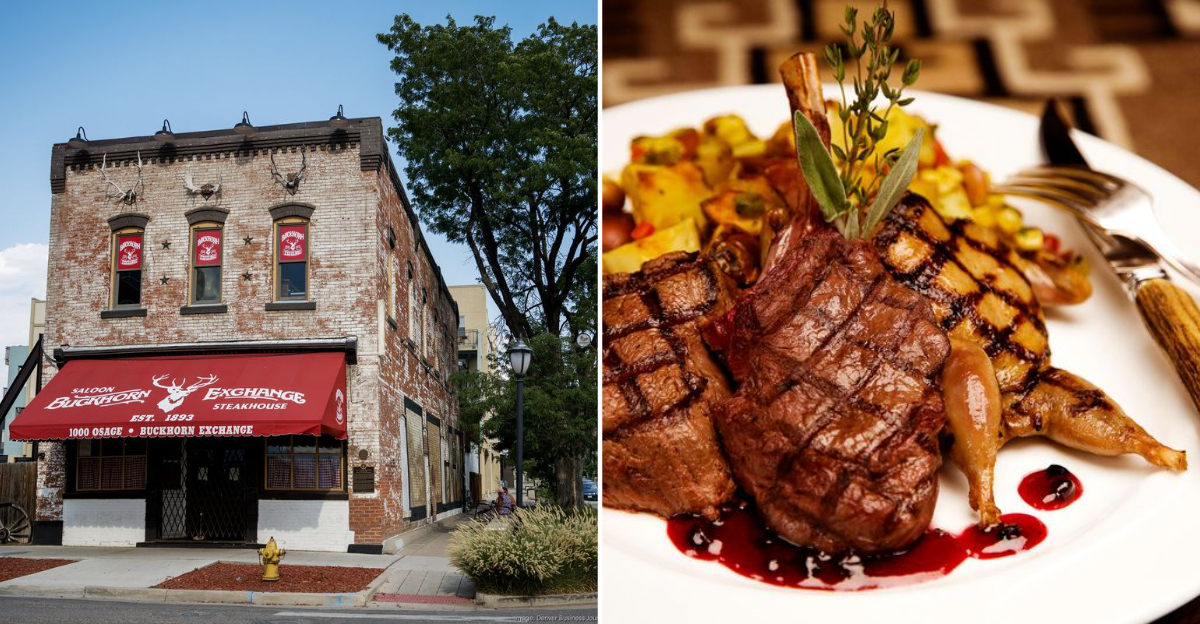
Colorado’s oldest restaurant holds liquor license #1, issued way back in 1893. Walking into Buckhorn Exchange feels like stepping onto a Wild West movie set, complete with over 500 taxidermy animals staring down at your steak.
Buffalo prime rib, elk, and rattlesnake appear on a menu that celebrates Colorado’s frontier heritage. The dark wood interior and mounted animal heads haven’t budged since the ’70s, preserving an atmosphere that’s equal parts steakhouse and natural history museum.
Presidents, celebrities, and cowboys have all bellied up to these tables over the decades. Owner’s commitment to keeping things authentically rustic means modern minimalism hasn’t infected this gloriously cluttered carnivore’s paradise.
3. My Brother’s Bar
My Brother’s Bar has proudly resisted modern distractions for decades. This Denver landmark occupies one of the city’s oldest continually operating bar locations, and while the ownership has changed over the years, the spirit of simplicity remains intact.
There are still no TVs blaring in the background, and the understated décor preserves the building’s long, storied past. The bar is closely associated with Beat Generation figure Neal Cassady, who frequented the area with his friends and family long before Denver embraced its literary heritage.
Today, diners pack the booths for the famous JCB burger, served without unnecessary frills or gimmicks. The atmosphere encourages genuine conversation, the kind that has kept regulars returning for generations, and while the register now accepts credit cards, the commitment to minimalism hasn’t budged.
4. Bastien’s Restaurant
Standing tall along East Colfax since 1958, Bastien’s Restaurant is a glowing example of mid-century Googie architecture that continues to define its character. The Bastien family has been in the Denver restaurant business since the 1930s, but this iconic round-tower building, and its neon sign, cemented the restaurant’s identity.
Inside, red leather booths and a softly lit dining room evoke an old-school supper-club ambiance. Bastien’s is best known for its famed Sugar Steak, a Denver original served sizzling hot and seasoned with the restaurant’s signature sweet crust.
Service remains friendly and traditional without being theatrical or fussy, and although the menu has evolved over time, the overall experience still reflects the mid-century charm that locals refuse to let fade.
5. The Fort
Built to replicate Bent’s Fort, a 19th-century trading post, this Morrison restaurant commits fully to the frontier theme. Since opening in 1963, The Fort has served Rocky Mountain cuisine with theatrical Western flair that reached peak popularity in the groovy ’70s.
Buffalo, elk, and quail dominate a menu celebrating Colorado’s indigenous ingredients before farm-to-table became trendy. Servers in period costume and adobe walls transport diners straight into frontier fantasyland.
The restaurant’s signature ceremonial cannon firing announces sunset, because why whisper when you can boom? Generations have celebrated here, making The Fort a Colorado tradition where history tastes surprisingly delicious and authenticity means never apologizing for being extra.
6. Gaetano’s
Gaetano’s has anchored North Denver’s Italian-American dining scene since 1947, originally run by the infamous Smaldone family. While ownership has changed, the restaurant continues to honor its red-sauce heritage with hearty classics like handmade ravioli, sausage, and slow-simmered marinara.
The ambiance remains unmistakably vintage, with dim lighting, deep booths, and a bar that channels mid-century Denver more than any specific ’70s trend. The table settings have modernized over time, but the restaurant’s soul is intact, warm, comforting, and steeped in generations of neighborhood history.
Locals still speak reverently about the meatballs and house specialties, treating the restaurant as a long-standing community gathering place where tradition matters more than trendiness.
7. Columbine Steak House & Lounge
Denver’s Columbine Steak House & Lounge has been a no-frills staple since 1961, serving straightforward steaks at remarkably accessible prices. There is no gimmick or pretense here, just a counter where you order your cut, a grill where it’s cooked in plain view, and a dining room filled with regulars who have been coming for decades.
The décor is unapologetically simple, the menu hasn’t drifted far from its roots, and the adjoining lounge offers a dim, relaxed space for an inexpensive drink.
This is old-school Colorado dining at its purest: hearty portions, fast service, and a commitment to consistency that has kept Columbine an enduring neighborhood favorite.
8. Davies’ Chuck Wagon Diner
Davies’ Chuck Wagon Diner, a Lakewood landmark since 1957, operates inside a gleaming, stainless-steel Valentine diner car topped with its iconic neon cowboy. The interior maintains its classic mid-century diner feel, swivel stools, Formica counters, and a bustling breakfast crowd that often includes truckers, families, and locals who have been coming since childhood.
Portions are generous, prices remain reasonable, and the menu sticks to diner essentials like omelets, pancakes, burgers, and biscuits with gravy.
While the restaurant has updated with modern conveniences such as credit card acceptance, the overall atmosphere remains true to its 1950s roots, making it one of Colorado’s most authentic retro dining experiences.
9. Cherry Cricket
Since 1945, Cherry Cricket has perfected the art of the customizable burger, but the ’70s gave this Cherry Creek North spot its current personality. Dim lighting, crowded tables, and walls plastered with vintage signs create delightful chaos.
Build-your-own burger options number in the thousands, from jalapeño cream cheese to peanut butter—yes, really. The no-reservations policy means everyone waits equally, from celebrities to construction workers.
This democratic approach to burger service has built fierce loyalty among Denverites who appreciate quality over pretension. The cramped quarters force strangers into conversation, creating accidental friendships over baskets of fries. Multiple locations now exist, but the original keeps its gloriously unchanged vibe intact.
10. Silver Grill Café
Fort Collins’ oldest restaurant wears its 1933 birthday proudly, but the ’70s renovation created the retro diner aesthetic that endures today. Cinnamon rolls baked fresh daily have achieved near-mythical status among Northern Colorado residents.
Counter seating encourages chatting with strangers while booths accommodate families tackling platters of pancakes. The menu celebrates breakfast classics without attempting trendy twists or unnecessary complications.
Lines stretch outside on weekend mornings as locals patiently wait for tables, proving good food beats fast service. Waitresses pour coffee with the efficiency of pit crews, keeping cups full and conversation flowing. This place understands that sometimes the best innovation is refusing to innovate at all.
11. King’s Chef Diner
Known locally as the “Purple Castle,” King’s Chef Diner has been a Colorado Springs institution since 1956. The building itself is a rare surviving Valentine diner structure, painted bright purple and packed with just a handful of counter seats and booths. Its small size and unique architecture give it an unmistakable throwback vibe.
The menu leans proudly into hearty American comfort food, including the diner’s famous green-chile-smothered breakfast burritos and generous scramblers. While the restaurant has evolved over time—now operating limited hours rather than running 24/7, it remains a beloved stop for travelers, locals, and military families from nearby bases.
King’s Chef stays true to its roots: compact, welcoming, and devoted to serving classic diner food prepared with consistency and personality.