
10 Retro Florida Seafood Markets Where Time Stands Still
Florida’s endless coastline hides treasures far beyond its famous sandy beaches—old-school seafood markets where the catch is impossibly fresh and the atmosphere is even fresher.
I’ve spent years seeking out these salty gems, tucked away in harbors and fishing towns, where a firm handshake still means more than a polished website. At these markets, fishermen haul in grouper, snapper, or stone crab straight from their boats, unloading the day’s bounty onto weathered docks.
But they offer more than seafood for dinner—they serve as living museums, preserving Florida’s maritime heritage and passing down traditions that thrive untouched by the digital age.
1. Captain Clay and Sons Seafood Market
Family legacy flows through Captain Clay’s like saltwater through gills. Walking in feels like stepping back fifty years – wooden counters worn smooth by countless transactions and walls adorned with faded fishing photos that tell stories without words.
The Clay family has worked these waters since 1931, and I swear their grouper tastes better because of this heritage. Their smoked fish spread became my Friday tradition during a summer I spent nearby.
Locals line up early for their famous stone crab claws during season. The market’s no-frills approach reminds us that sometimes the best things haven’t changed in generations.
2. Joe Patti’s Seafood Market
Pensacola’s seafood landmark makes me smile every time I visit. Founded in 1935 by Joe and Anna Patti, this sprawling market buzzes with energy that modern supermarkets can’t replicate.
My grandmother swore their royal reds were the sweetest shrimp in Florida. Take a number, then marvel at the football-field-sized selection while waiting your turn. Fishmongers in white aprons call orders with theatrical flair that turns shopping into entertainment.
Beyond seafood, their deli counter stocks imported cheeses that pair perfectly with fresh-baked bread. The market’s expansion never sacrificed its soul – just added more treasures to discover.
3. A.P. Bell Fish Co.
Sunrise at A.P. Bell brings a parade of weathered fishing boats to Cortez Village’s last commercial fishing hub. Established in 1940, this working fish house supplies restaurants statewide but still welcomes everyday customers through its humble retail entrance.
Watching mullet being unloaded while pelicans supervise from nearby pilings creates memories no chain store can match. Their smoked mullet spread converted me from skeptic to evangelist in one bite.
The village around Bell’s resists development pressures that have transformed much of Florida’s coast. Standing on their dock watching boats return feels like witnessing a sacred ritual that’s remained unchanged for generations.
4. Wild Ocean Seafood Market
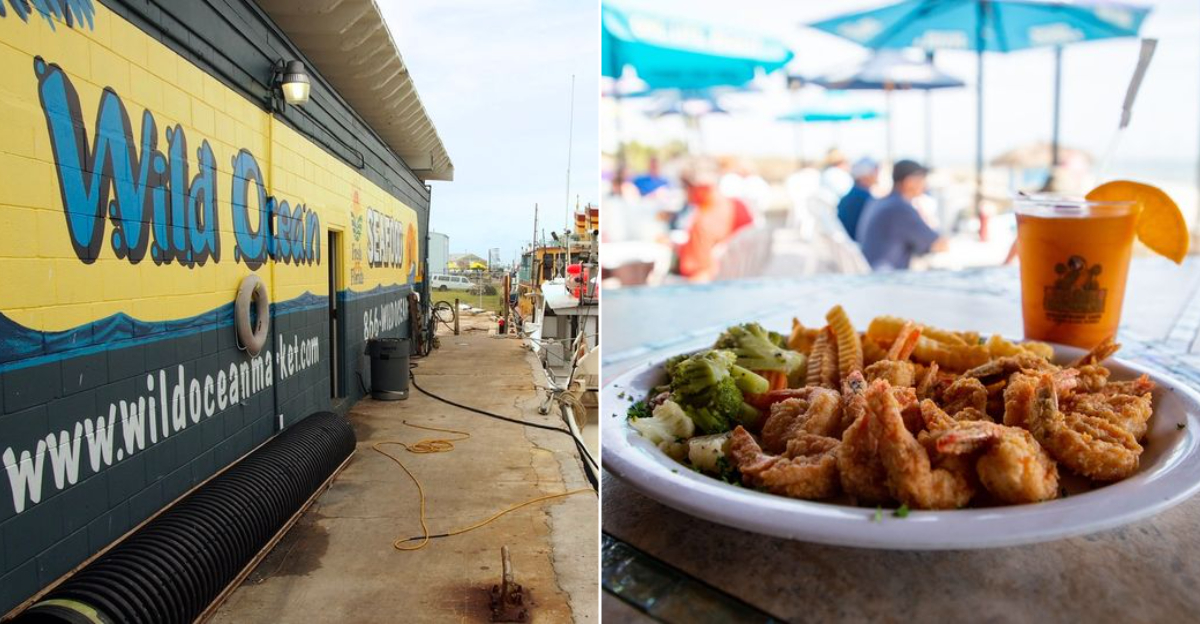
Cape Canaveral’s rocket launches might draw tourists, but Wild Ocean draws seafood purists. Tucked between space-age attractions, this market maintains fishing traditions that predate NASA’s arrival.
Rock shrimp – those sweet, lobster-like treasures – first won my heart here during a beachside vacation. The building’s weathered exterior belies its significance as one of Florida’s most sustainable seafood sources.
Owner Mike Merrifield pioneered direct-to-consumer wild seafood when “local” wasn’t yet trendy. Their commitment extends beyond the counter – they actively support fishing rights legislation and habitat conservation. Each purchase supports not just flavor but Florida’s fishing future.
5. Buddy’s Seafood Market
Hurricane Michael couldn’t wash away Buddy’s spirit. This Panama City institution rebuilt after near-destruction, preserving the charm that makes it special. The Ward family has operated this Gulf Coast gem since 1961.
Grandmotherly cashiers remember customers’ children by name and exactly how they like their grouper cut. My first taste of their smoked tuna dip sparked a four-hour detour on every subsequent trip through the Panhandle.
Beyond seafood, Buddy’s stocks regional specialties like Tupelo honey and stone-ground grits. Their recovery story embodies Florida’s resilience – when the market reopened after the hurricane, the line stretched around the block, neighbors supporting neighbors through seafood.
6. Southern Seafood
Tallahassee may be landlocked, but Southern Seafood brings coastal treasures to the capital city. Unlike flashy markets in tourist areas, this unassuming shop focuses on substance over style.
Owner Greg Parsons once talked me through preparing triggerfish when I mentioned I’d never cooked it before. His twenty-minute impromptu cooking class exemplifies the personal attention chain stores can’t match.
The market’s seafood cooking classes have created a community of seafood enthusiasts who share recipes and fishing stories. Their seafood stock – made fresh daily from leftover shells – transforms ordinary rice into something extraordinary. Every visit feels like joining a club where fresh seafood is the membership requirement.
7. Pelican Point Seafood Market
Morning fog lifts to reveal Pelican Point’s weathered dock where third-generation fishermen unload coolers brimming with pompano and flounder. This Cedar Key institution operates on island time – they’re open until they sell out, which happens startlingly early most days.
Cedar Key’s isolation preserved this market’s authenticity while similar operations elsewhere modernized into sterility. Their famous smoked fish spread recipe hasn’t changed since Eisenhower was president.
Last summer, I watched a young boy’s eyes widen as the owner showed him how to identify different fish species. These impromptu education moments make Pelican Point more than a market – it’s where maritime traditions pass to new generations through seafood and stories.
8. 13 Mile Seafood Market
Apalachicola oysters deserve their legendary status, and 13 Mile Seafood Market remains their finest purveyor. The Ward family harvests these treasures from their own boats, maintaining quality control from bay to counter.
Watching oyster boats return to the adjacent dock connects customers directly to their food’s source. During my last visit, a salty oysterman demonstrated his shucking technique – a blur of practiced movements perfected over decades.
The market’s name comes from the distance to their primary oyster beds. Beyond bivalves, their smoked mullet has converted countless visitors to this underappreciated fish. The building itself – weathered by countless hurricanes – stands as testament to the resilience of Florida’s seafood traditions.
9. Mineral Springs Seafood Market
Panacea’s hidden gem sits where forest meets coastline along Florida’s Forgotten Coast. Three generations of the same family have operated this market since 1950, their knowledge of local waters evident in every recommendation.
Their blue crab season calendar hangs in my kitchen – a gift from the owner after I expressed interest in learning when different seafoods peak. The market’s name comes from nearby springs once thought to have healing properties.
Beyond seafood, they stock local honey and handmade crab nets. Their blue crab cleaning demonstrations draw crowds on Saturday mornings. The market’s wood-paneled walls display historical photos showing how little has changed in their operation over seven decades.
10. Longbill’s Seafood Market
Port St. Joe’s recovery star rose from Hurricane Michael’s destruction with the community’s unwavering support. Longbill’s distinctive blue building reopened within months, becoming a symbol of the town’s determination.
Owner Jimmy McNeill taught me to distinguish between different snapper varieties during my first visit. Their seafood boil spice mix – packaged in simple plastic bags with handwritten labels – outperforms any commercial seasoning I’ve tried.
The market’s location near the bay means fishermen dock directly behind the shop. On lucky days, customers watch their dinner being unloaded from boats before it even touches the display case. Their hand-written receipts and cash-only policy underscore their old-school commitment to simplicity over convenience.