
Ride An Antique Trolley To A Pumpkin Patch At This Maine Museum In October
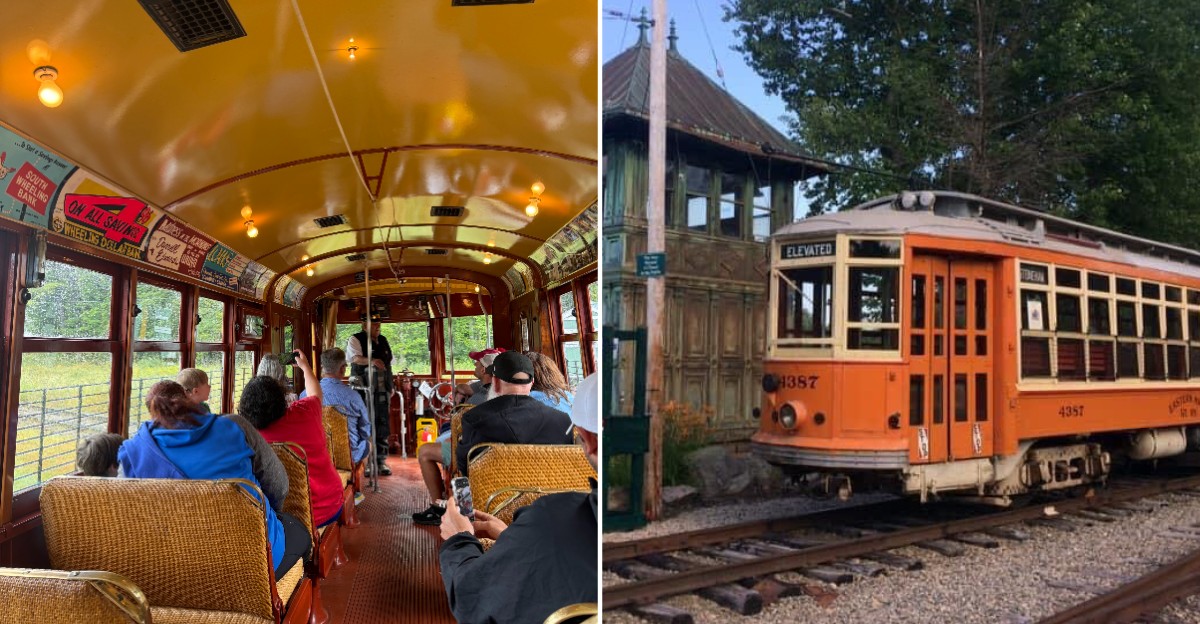
An old wooden streetcar rolls through Maine woods glowing with fall color, its bell ringing as the tracks curve deeper into the trees. Then comes the surprise.
At the end of the ride, a pumpkin patch waits beside the rails.
This October tradition on the southern Maine coast feels like stepping into another era without losing the fun of a family fall outing. The museum behind it is very much alive, with historic electric cars still carrying passengers instead of sitting quietly behind barriers.
The ride itself becomes part of the experience, especially when autumn leaves start framing the windows.
There is more waiting back on the grounds, too. Historic vehicles, restoration work, and exhibits give visitors plenty to explore after the trolley stops.
It is an easy way to mix fall scenery with hands-on history in one memorable afternoon.
A Museum That Moves
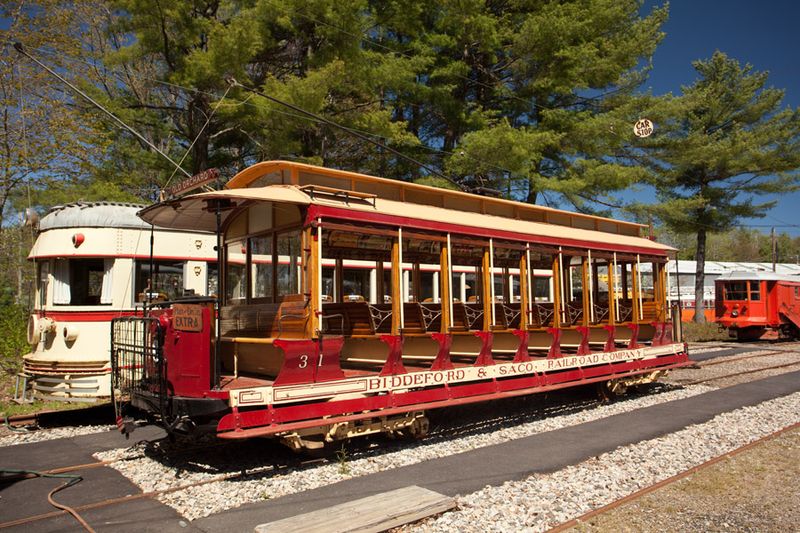
Most museums ask you to keep your hands to yourself. The Seashore Trolley Museum at 195 Log Cabin Rd in Kennebunkport, Maine, in the United States, hands you a ticket and invites you aboard instead.
This long-running indoor-outdoor museum is all about public transit. It collects and restores streetcars, trolleys, rapid transit cars, and buses that once carried everyday people to school, work, and the beach.
Some of the cars on the grounds are more than 100 years old, and a few of them still run on the museum line using electric power from overhead wires.
That is what makes the October pumpkin patch trip so special. You are not riding a copy or a theme park ride built to look old.
You are sitting in a real car that once rolled through busy city streets, now gliding past pine trees and stone walls.
For kids, it turns a history lesson into something they can feel, hear, and even smell. For grown-ups, it brings back a slower pace of travel that feels calm and charming.
Either way, the museum proves that the past can still pick up passengers and keep the wheels turning.
All Aboard For The Pumpkin Patch
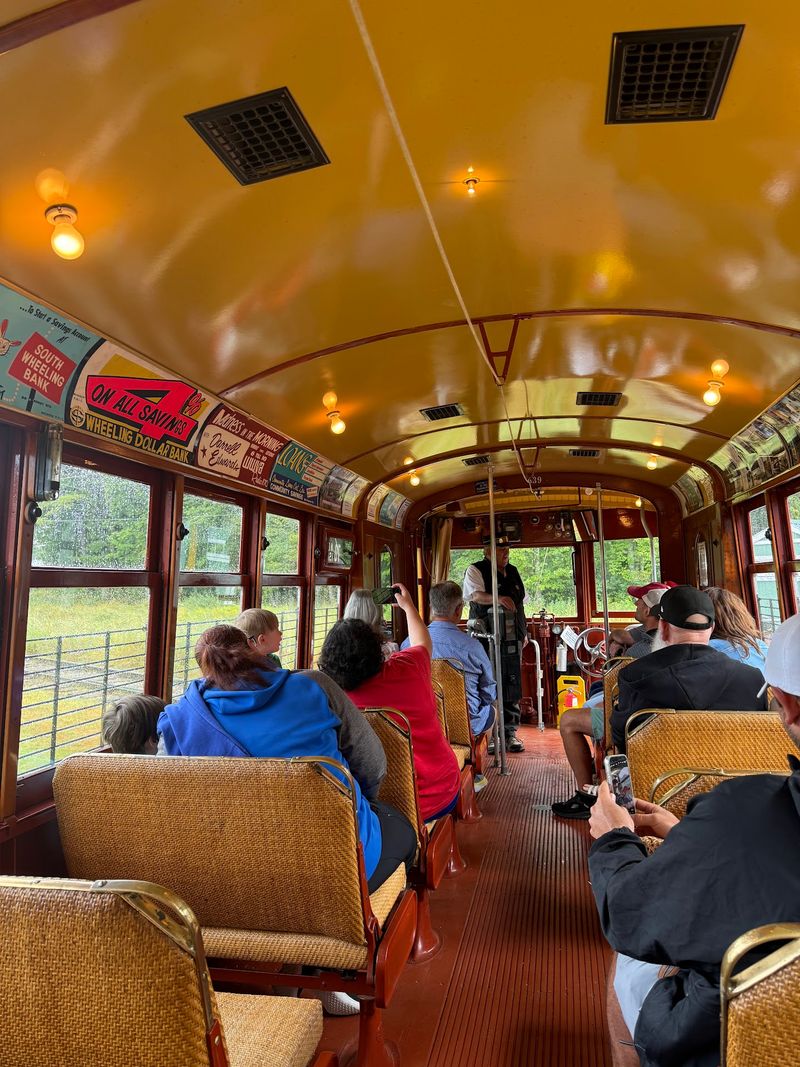
Clang, clang, and off you go. In October, the museum ride takes on a festive twist, carrying passengers down the line to a pumpkin patch set up for fall visitors.
The trip itself is half the fun. Riders settle onto wooden or woven seats while a conductor shares stories about the car they are riding in, where it once ran, and how it was brought back to life.
Kids often press their noses to the windows as the trees flash by in shades of gold and scarlet.
Once the trolley reaches the patch, families can hop off and hunt for the perfect pumpkin. Some kids go for the biggest one they can barely lift.
Others pick a tiny round one that fits in a lunchbox. There is no wrong choice, only the fun of looking.
Here is a helpful tip. Check the museum website before you go, since special fall event dates, times, and pumpkin details can change from year to year.
Dress in layers, because Maine mornings in October can feel chilly while afternoons warm up nicely. A small bag or wagon at home helps too, since hauling a gourd-geous prize back to the car takes some muscle.
Conductors With Stories To Share
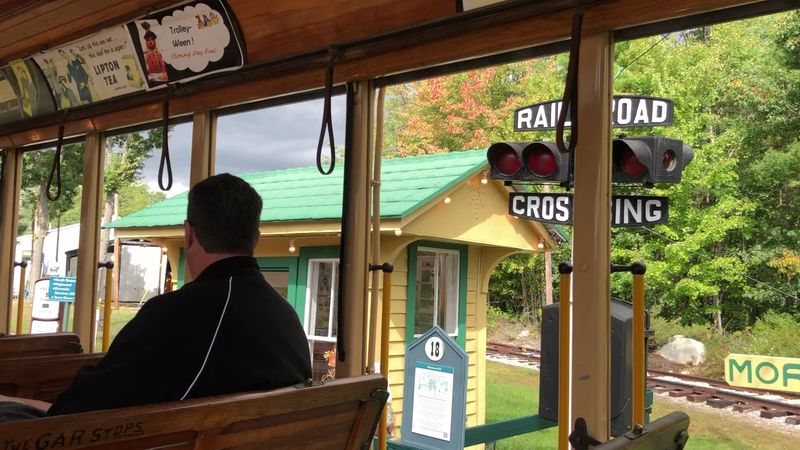
Behind every clanging bell stands a person who knows a surprising amount about wheels, wires, and old city routes. Many of the conductors and guides at the museum are volunteers, and their love for trolleys shows in every story they tell.
During the ride, they explain the history of the car, the rails it runs on now, and the rails it used to travel long ago. You might learn how streetcars once connected towns across New England or how certain cars made their way to Maine from much farther away.
Families with young kids will enjoy how welcoming the crew can be. Children may get a chance to sit near the front and watch the controls in action.
Asking questions is encouraged, so bring your curiosity along with your jacket.
Here is a fun bit of trivia to think about. Before cars filled every road, electric trolleys were a common way to get around in many American cities and towns.
Plenty of people today have no idea how widespread they once were.
So when your conductor starts chatting, lean in and listen. The ride gets even better when you know the tale behind the track.
One Ticket, Lots Of Rides
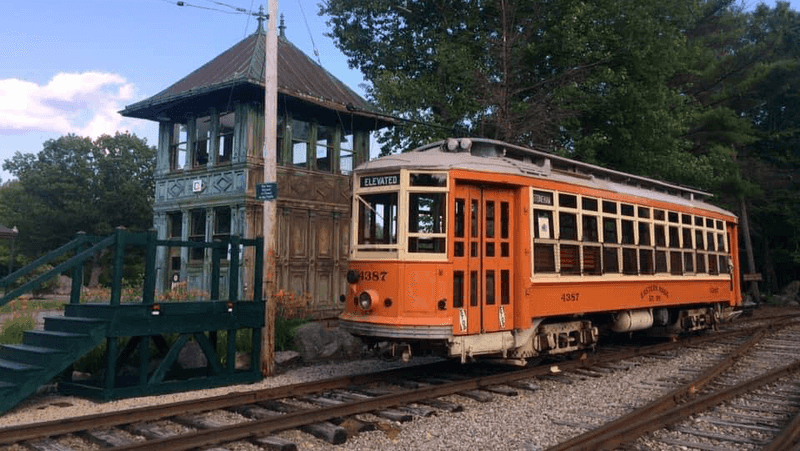
Good news for anyone who wants a second spin. Admission to the museum typically covers the grounds and exhibits, and a single ticket can be used for more than one trolley ride on the same day.
That means if your little conductor begs to go again, you can usually say yes without reaching for your wallet. Rides roll through the woods on a line that stretches a few miles, and trips can last around 30 to 40 minutes round trip.
Departures happen on a regular schedule, so there is time to explore between rides.
A smart plan is to ride first, then wander the barns, then hop on again later in the day. You may even land a different car the second time, which gives you a fresh view of history on wheels.
Ticket prices and ride details can shift by season or special event, so check the official website before heading out. The regular season hours run Wednesday through Sunday from 9:30 AM to 4:30 PM, with the museum closed Monday and Tuesday.
Bottom line, you get plenty of track time for your ticket. That is a deal worth riding twice.
Barns Full Of Rolling History
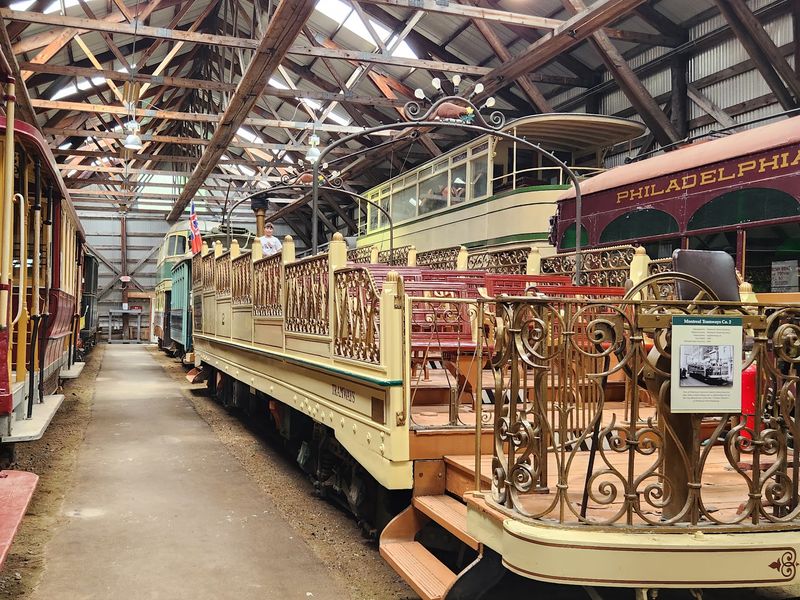
Imagine a giant garage where every parking spot holds a piece of transit history. The museum barns are packed with streetcars, trolleys, and rapid transit cars that once served cities across America and around the world, including Europe.
Walking through these long sheds feels a bit like flipping through a picture book of travel. You will see shiny restored cars with bright paint next to rustic ones still waiting for their turn.
Some cars are open for visitors to step inside, so you can sit on the benches and imagine a morning commute from another century.
Boston fans will spot cars tied to the city transit system, including pieces from its famous rail lines. There are also connections to New Hampshire trolley history, which adds a local New England flavor.
The collection is not only rails, either. A group of old buses sits on the grounds too, including some double-decker models that surprise many visitors.
Plan at least an hour just for the barns if your crew loves details. Wear comfy shoes, since the grounds are spread out.
Every car has its own past, and curious visitors will find plenty of stops worth making.
Watching Restoration Work Up Close
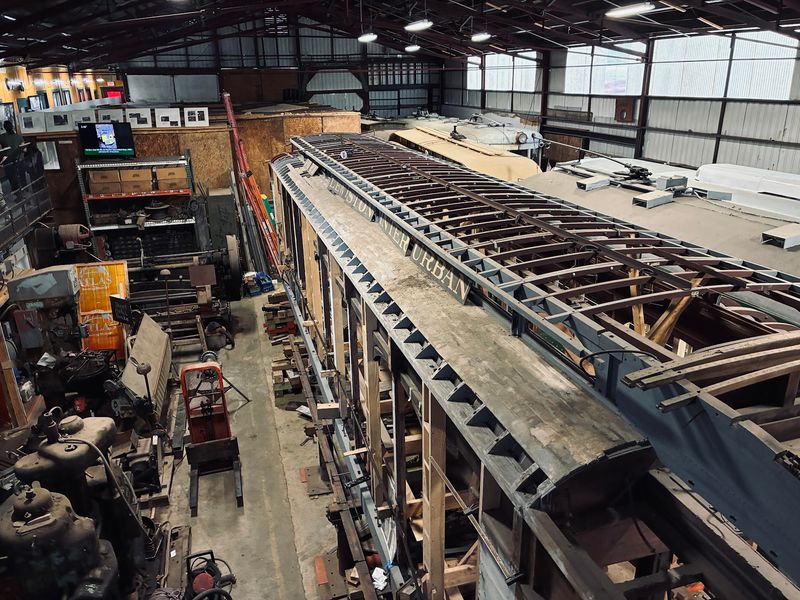
Old trolleys do not fix themselves. Inside the restoration shop, skilled workers and volunteers take tired, worn cars and slowly bring them back to working shape.
Visitors can view the progress from an observation deck above the machine shop. From up there, you may see wooden frames being rebuilt, parts being cleaned, or fresh paint going onto a car that has waited years for attention.
It is a rare peek at the patient craft that keeps history rolling.
The work is huge. The museum has so many cars that the to-do list seems almost endless, and restoring a single trolley can take a very long time.
Each finished car is a small victory for everyone involved.
For kids who love building things, this stop can spark big ideas. Grown-ups who enjoy woodworking, engines, or anything mechanical will likely linger too.
Here is a tip. Take a moment to compare a car in the shop with one already restored in the barns.
Seeing the before and after side by side makes the effort feel real. Honestly, it gives the phrase back on track a whole new meaning, and a whole lot of respect.
A Model Railroad Worth The Detour
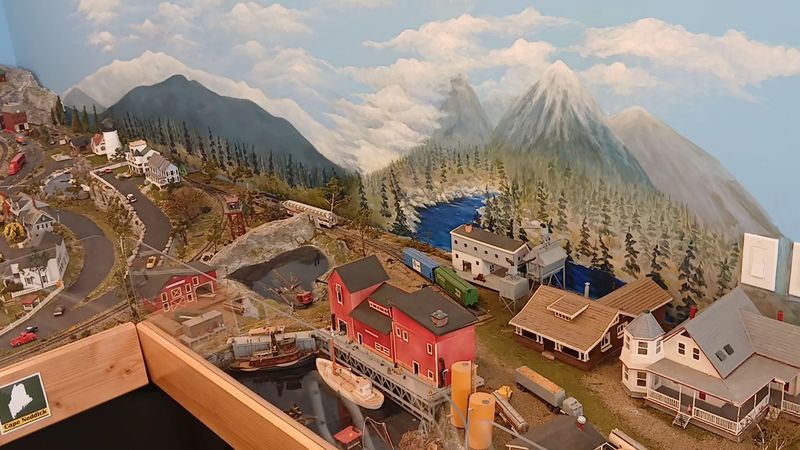
Tiny trains, big wow. On the museum campus, a building houses the Maine Central Model Railroad, a large HO-scale layout maintained and expanded by museum volunteers.
This display is packed with detail. The scenery recreates sections of the Maine Central Railroad, with detailed scenes inspired by Maine communities, coastal landmarks, mountains, bridges, and rail infrastructure.
Miniature trains chug along the tracks, winding through each scene like they have somewhere important to be.
Younger visitors often play a quiet game of I Spy here, hunting for hidden scenes and clever touches. Adults tend to admire the patience it takes to build something so precise.
The layout has been a work in progress, so return visitors may notice new additions over time.
If you are planning your October pumpkin trip, save time for this stop after the ride. It makes a cozy indoor break on a breezy fall day, and it gives little legs a chance to rest.
You do not need to be a train expert to enjoy it. Just bring your eyes, a little patience, and maybe a steady hand for photos through the glass.
Smart Tips For A Smooth Fall Visit
A little planning goes a long way, especially during busy fall weekends.
Arrive early if you can. Parking is usually easy, and there are overflow lots for crowded days, but getting there near opening time at 9:30 AM gives you a calmer start. Many families spend around two hours on the grounds, and trolley fans can easily stay longer.
Pack layers, sturdy shoes, and a water bottle. The property is spread out, and the paths between barns can involve a fair bit of walking.
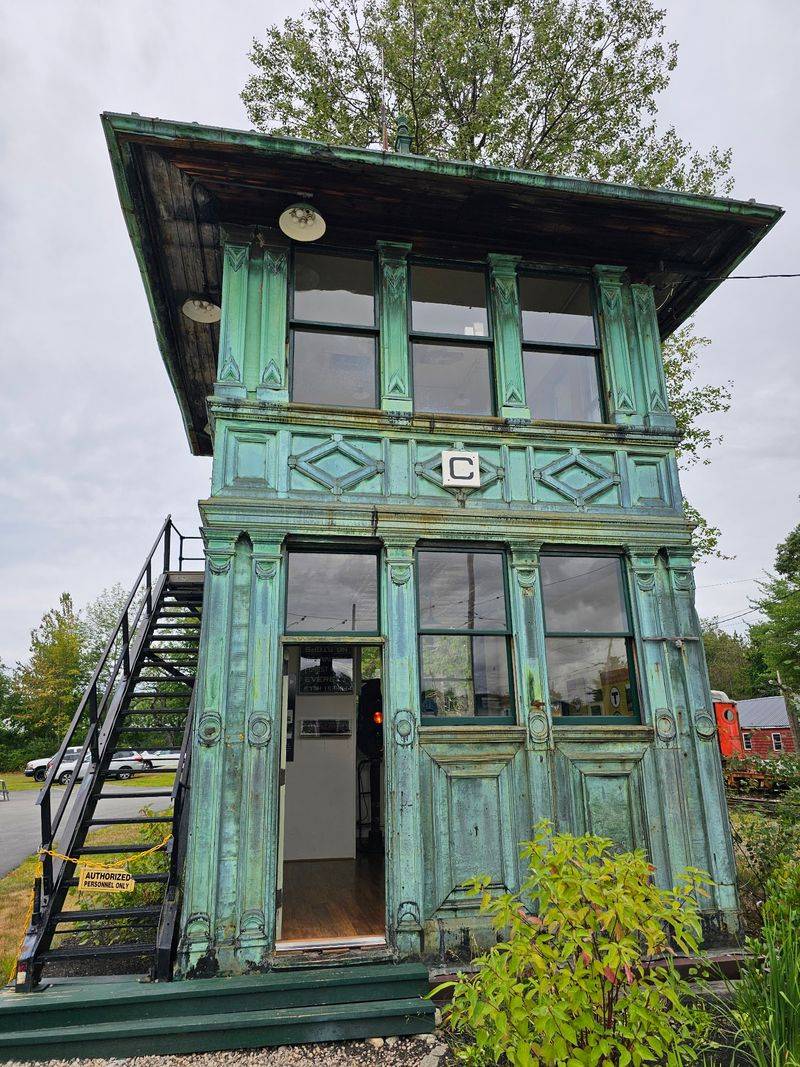
Some areas may be under construction or closed at times, so follow posted signs.
Before leaving, stop by the gift shop. It carries trolley-themed items and snacks, which make handy treats for the ride home.
When the day wraps up, you will likely head out with a pumpkin on your lap and new facts rattling around your head. This Kennebunkport stop blends fall fun, hands-on history, and friendly faces into one easy outing.
Some trips simply feel right, and this one clicks along the rails just fine.