
15 Scenic Day Trips That Show Off The Best Of Illinois In Springtime
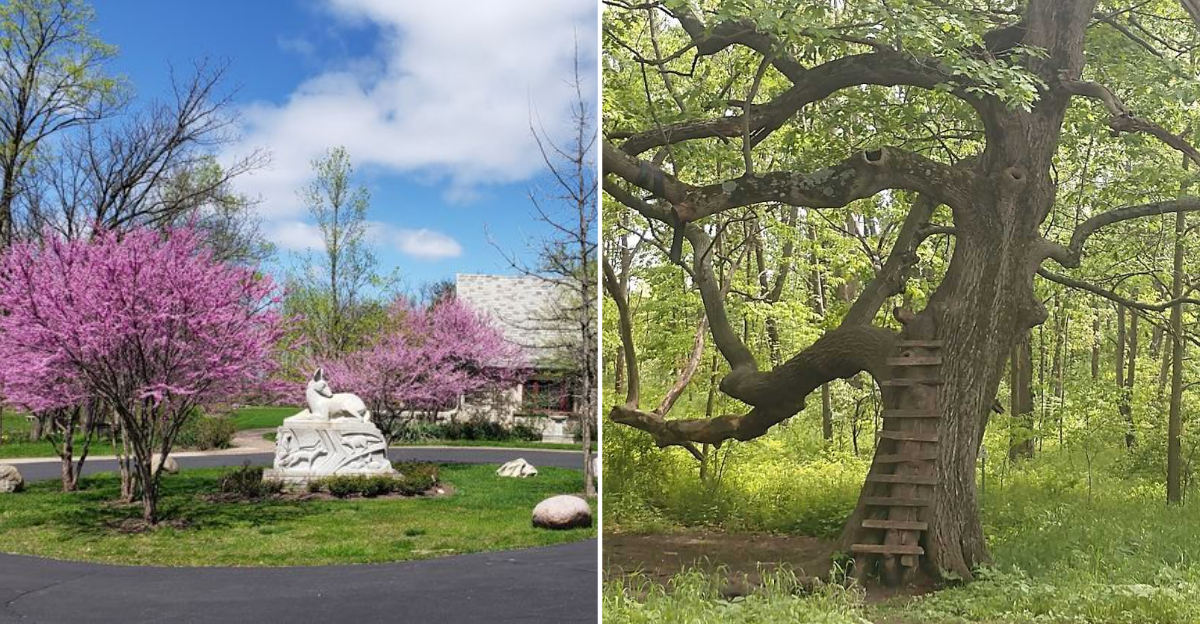
Spring in Illinois arrives with a jolt. One week the landscape looks half-asleep; the next, the fields are bright green, the woods are dotted with wildflowers, and every back road feels worth the detour.
It is the kind of season that can make an ordinary afternoon feel restored. What makes Illinois especially good in spring is the range.
A single day trip can lead to river bluffs, prairie, swamp, garden paths, or a quiet stretch of forest filled with birdsong and soft new leaves. That contrast is part of the fun.
Nothing about the state feels one-note once spring gets going. This list covers 15 of my favorite springtime escapes across Illinois, chosen for their scenery, their seasonal magic, and the kind of peaceful wonder that makes you want to pull over and just breathe it all in.
1. Nachusa Grasslands, near Franklin Grove, Illinois
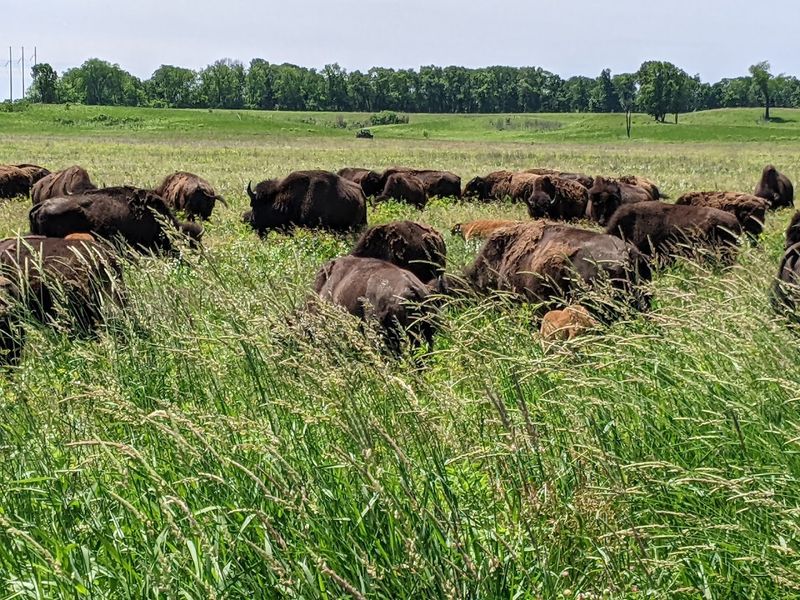
Bison roaming a sea of native wildflowers is not something most people expect to find in northern Illinois, but Nachusa Grasslands near Franklin Grove delivers exactly that.
Managed by The Nature Conservancy, this restored prairie spans more than 4,000 acres and bursts into color each spring with blooms such as shooting stars, prairie phlox, and golden alexanders.
The bison herd, reintroduced in 2014, adds a thrilling and genuinely rare dimension to a spring visit here, though visitors view the animals from designated public areas rather than hiking inside the fenced bison units. Trails wind through different ecological zones, so no two loops feel the same.
Early morning visits reward you with birdsong from bobolinks and meadowlarks that would make any birder giddy.
Pack a pair of binoculars and wear sturdy shoes, because the terrain is uneven and wonderfully wild. Admission is free, making this one of the most rewarding no-cost day trips in the state.
2. Cache River State Natural Area, Belknap and Cypress, Illinois
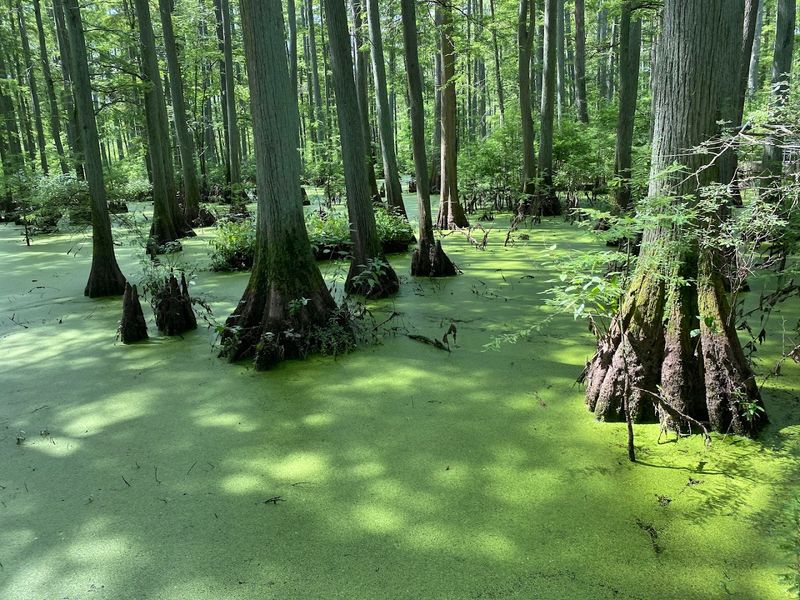
Southern Illinois keeps a secret that most of the state does not know about, and that secret is Cache River State Natural Area near Belknap and Cypress.
This place feels like a different world entirely, with ancient bald cypress trees rising from dark, mirror-still water surrounded by bottomland forest that glows electric green in spring.
The area is a designated wetland of international importance under the Ramsar Convention, which means it supports biodiversity on a global scale. Turtles sun themselves on half-submerged logs, great blue herons stand motionless in the shallows, and spring peepers fill the air with sound after sunset.
Boardwalk trails make the swampy terrain accessible without getting your boots soaked. The Heron Pond trail is the standout route, looping through the most dramatic cypress scenery the preserve has to offer.
3. Midewin National Tallgrass Prairie, Wilmington, Illinois
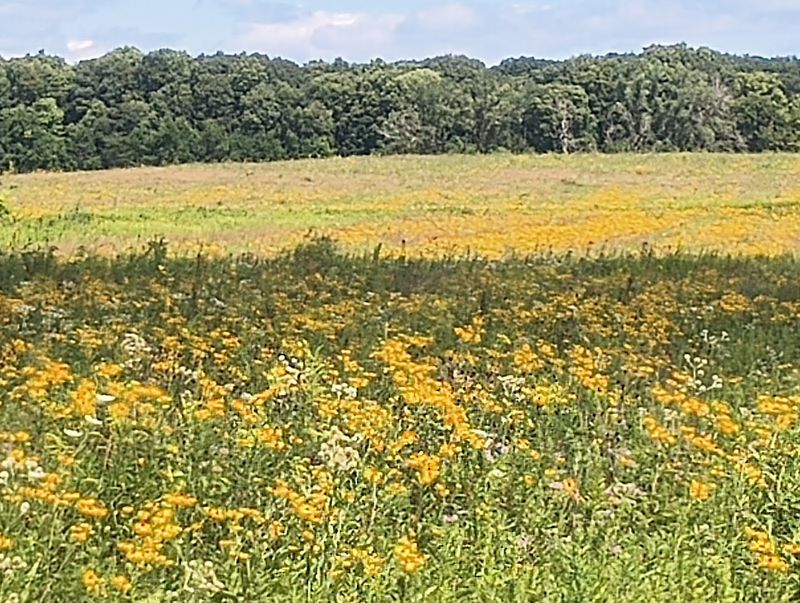
America’s first national tallgrass prairie sits just south of Joliet near Wilmington, and spring is hands-down the best time to visit.
Midewin National Tallgrass Prairie covers more than 19,000 acres of restored grassland on the former Joliet Army Ammunition Plant site, which gives it a fascinating layered history alongside its natural beauty.
The prairie hosts one of Illinois’s bison herds, and seeing those massive animals move through fresh spring grasses against an open sky is a moment that genuinely stops you in your tracks.
Hiking and equestrian trails spread across the property, with some routes passing old bunkers that are slowly being reclaimed by nature.
Spring wildflowers and prairie plants add to the seasonal appeal here, and the site’s restoration work supports a wide range of native species. Visitor access is free, and the U.S.
Forest Service staff are enthusiastic and knowledgeable about the land’s restoration story.
4. Middle Fork River Forest Preserve, near Penfield, Illinois
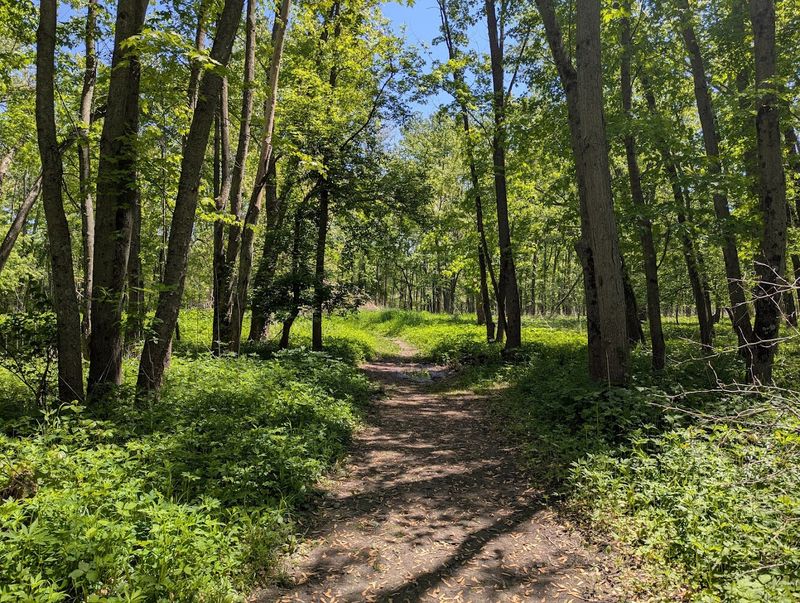
The Middle Fork of the Vermilion River earned federal Wild and Scenic River designation for good reason, and the forest preserve that protects its banks near Penfield is one of east-central Illinois’s most underrated spring destinations.
The river runs clear and fast through corridors of silver maple, cottonwood, and oak that leaf out in gorgeous fresh green during April and May.
Paddlers love this stretch for its gentle rapids and scenic bends, while hikers follow riverside trails that put them right at water level. Spring brings fresh green woodland scenery and a quieter, more peaceful feel along the preserve’s trails and river edges.
Wildlife sightings here are reliable, with river otters, bald eagles, and wood ducks all present during the season. Pack a picnic and plan to stay longer than you originally intended.
5. The Grove, Glenview, Illinois
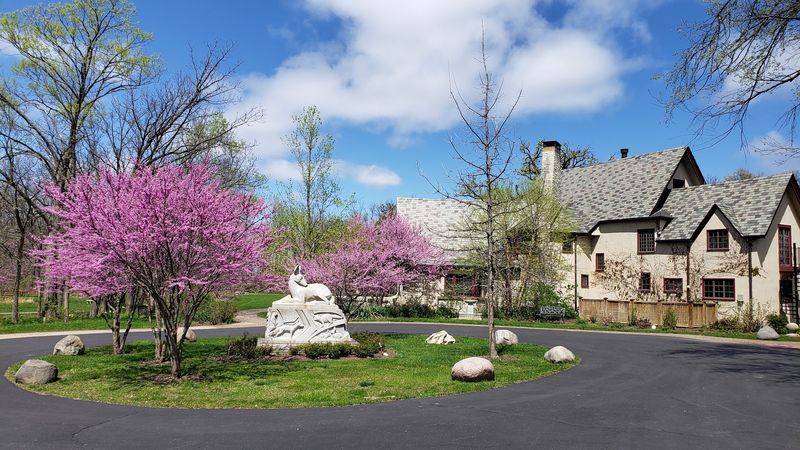
Just north of Chicago in Glenview, The Grove packs an impressive amount of history and natural beauty into 123 acres that most suburbanites drive past without a second thought.
This National Historic Landmark preserves the 1850s farmstead of physician and naturalist John Kennicott, whose family helped shape early American natural science in ways that echo to this day.
Spring transforms the oak savanna and woodland trails here into something genuinely lovely, with spring ephemerals like trout lilies and Dutchman’s breeches appearing along the paths in early April.
The restored Kennicott House and interpretive center add cultural depth to what is already a beautiful outdoor experience.
The Grove is free to visit, making it a smart choice for families who want a mix of outdoor time and hands-on history. Weekend naturalist programs during spring are especially popular with kids and curious adults alike.
6. Luthy Botanical Garden, Peoria, Illinois
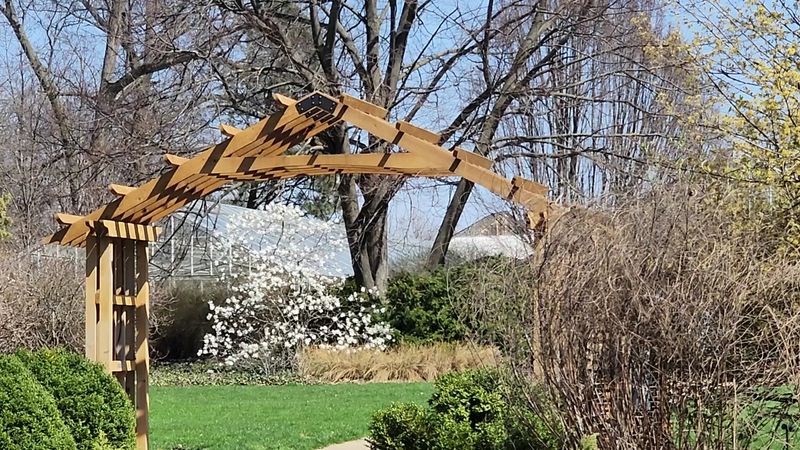
Peoria’s Luthy Botanical Garden sits in Glen Oak Park, and spring turns it into one of the most colorful spots in central Illinois. Tulips, pansies, flowering cherry trees, and ornamental crabapples all hit their peak between April and early May, creating a layered display that rewards a slow, meandering visit.
The conservatory on the grounds houses tropical and desert plants year-round, but the outdoor gardens are the real draw in spring. Benches are scattered throughout, and the garden’s riverside setting means you often get breezy views of the water between flower beds.
Admission is free, which makes Luthy an easy choice for a spontaneous midweek outing or a relaxed weekend morning. The garden hosts seasonal events in spring, including plant sales that local gardeners look forward to all winter long.
7. Lake of the Woods Forest Preserve, Mahomet, Illinois
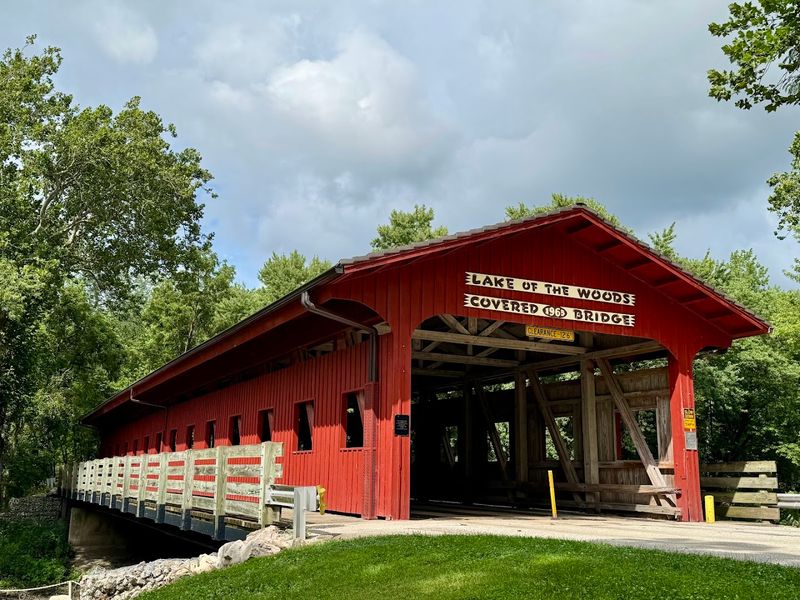
There is a particular kind of calm that settles over Lake of the Woods Forest Preserve in Mahomet when spring arrives, and once you experience it, you will understand why locals treat this place like a personal treasure.
The preserve wraps around a scenic lake with wooded trails, a botanical garden, a museum, and even a covered bridge that looks like it belongs on a postcard.
Spring brings nesting waterfowl to the lake and fresh wildflowers to the woodland paths, making every loop trail feel like a new discovery. The Museum of the Grand Prairie on the grounds offers an interesting detour into central Illinois history for those who want more than just a nature walk.
Picnic shelters, fishing piers, and well-maintained paths make this a top pick for families. The botanical garden section peaks in late April with a soft palette of spring perennials and flowering shrubs.
8. Klehm Arboretum and Botanic Garden, Rockford, Illinois
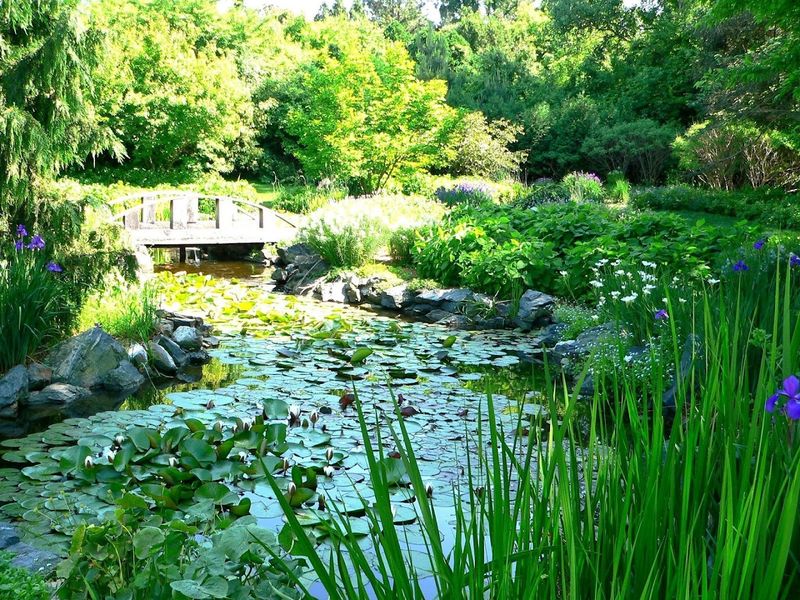
Rockford’s Klehm Arboretum and Botanic Garden covers 155 acres of curated plant collections, woodland trails, and open meadows that reach their seasonal peak in spring.
The arboretum’s lilac collection is legendary in northern Illinois, and when those blooms open in May, the fragrance alone is worth the drive from anywhere in the region.
Beyond the lilacs, spring brings flowering magnolias, crabapples, and redbuds that stagger their bloom times so the garden feels fresh week after week through the season. The Children’s Adventure Garden adds an interactive layer that makes the visit genuinely fun for younger visitors.
Admission fees are modest and help support ongoing horticultural programs. The arboretum also hosts a popular spring plant sale that draws serious gardeners from across northern Illinois and southern Wisconsin, so arriving early on sale day is a smart move.
9. Mississippi Palisades State Park, Savanna, Illinois
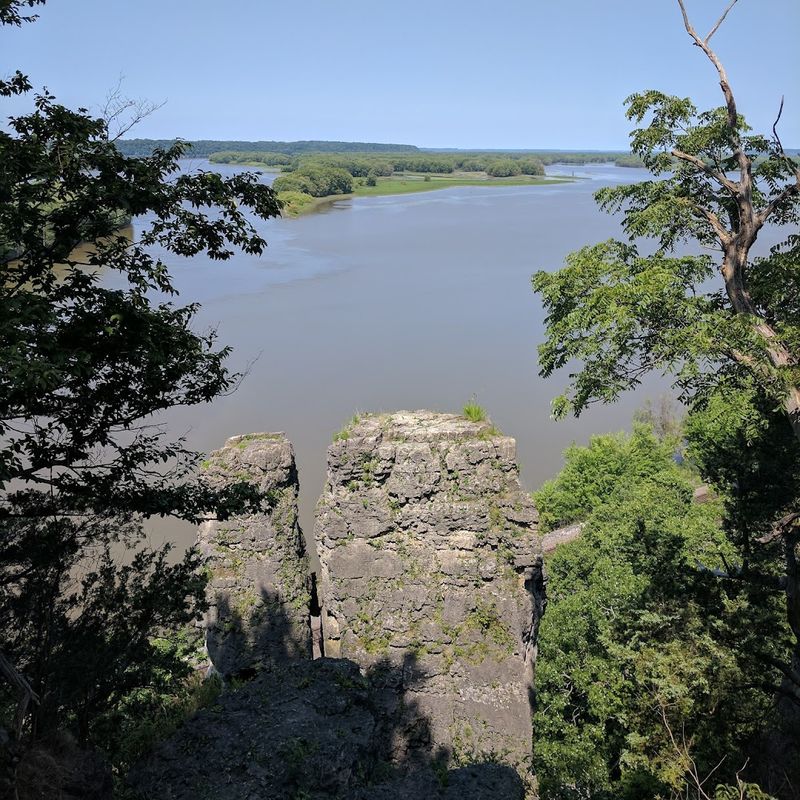
Standing on a limestone bluff 200 feet above the Mississippi River at Mississippi Palisades State Park near Savanna is one of those experiences that recalibrates your sense of scale in the best possible way.
The park’s dramatic cliffs and wooded ridges make it one of the most visually striking state parks in Illinois, and spring adds a fresh green wash to the entire landscape.
Wildflowers like wild columbine and bloodroot appear along the trails in April, while migrating warblers pass through the treetops in May in numbers that thrill birders. The Twin Sisters rock formation and Sentinel Rock are classic viewpoints that never get old no matter how many times you visit.
The campground fills up on spring weekends, but day visitors can still find parking with an early arrival. Trails range from easy riverside walks to more demanding ridge climbs.
10. Volo Bog State Natural Area, Ingleside, Illinois
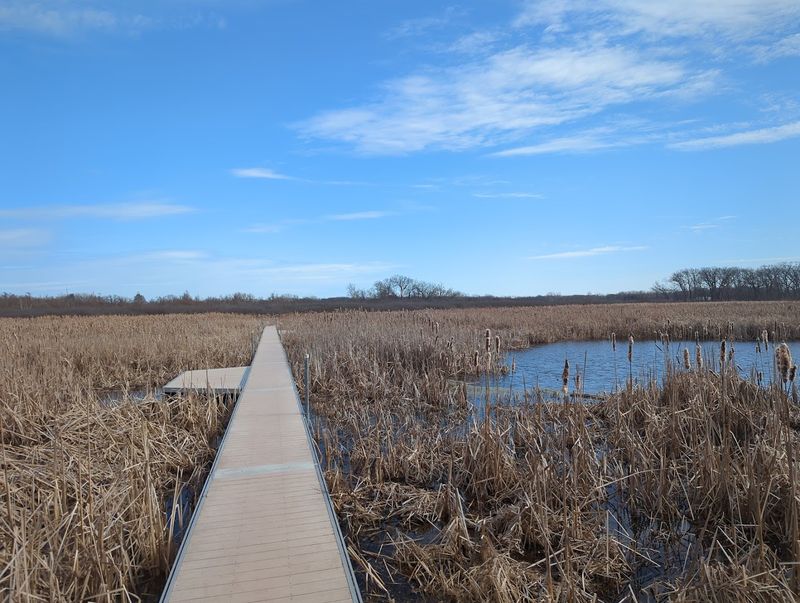
Volo Bog near Ingleside in Lake County is one of the rarest ecosystems in the entire Midwest, and spring is the perfect season to experience its strange, spongy beauty.
This is the only quaking bog in Illinois that is open to the public, built on thousands of years of accumulated sphagnum moss over a kettle lake left behind by glaciers.
A half-mile boardwalk loops through the bog’s concentric zones, from open water at the center to tamarack forest at the edges, giving visitors a literal walk through ecological time.
Spring brings insect-eating sundews and pitcher plants back to active life, which sounds alarming but is actually fascinating to observe up close.
The interpretive center at the trailhead provides helpful context for first-time visitors. Admission is free, and the boardwalk is accessible enough for most fitness levels, making this a surprisingly easy yet genuinely extraordinary outing.
11. Lincoln Memorial Garden and Nature Center, Springfield, Illinois
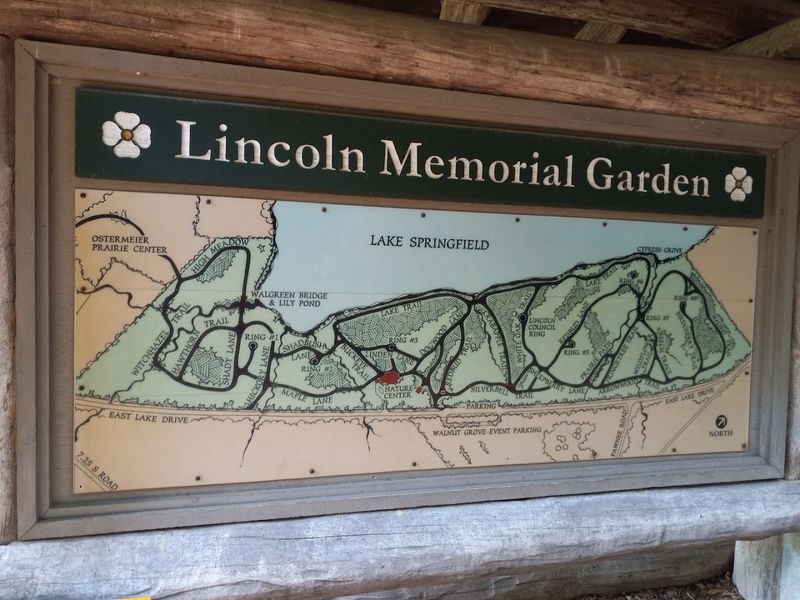
Designed by landscape architect Jens Jensen and dedicated to Abraham Lincoln, the Lincoln Memorial Garden and Nature Center on the shores of Lake Springfield is a place where history, landscape design, and native ecology all come together in a way that feels deeply intentional.
Spring is when Jensen’s vision really shines, as native wildflowers like wild ginger, trillium, and Jacob’s ladder bloom in the understory plantings he carefully designed decades ago.
More than six miles of looping trails wind through oak and hickory woodland, passing council rings and stone benches placed to encourage quiet reflection. The lake views add a calming backdrop to what is already a meditative experience.
The Nature Center offers educational programs and exhibits focused on Illinois natural history and Jensen’s design philosophy. Admission to the grounds is free, and the garden is open year-round, but April and May offer the most rewarding wildflower displays by far.
12. Allerton Park and Retreat Center, Monticello, Illinois
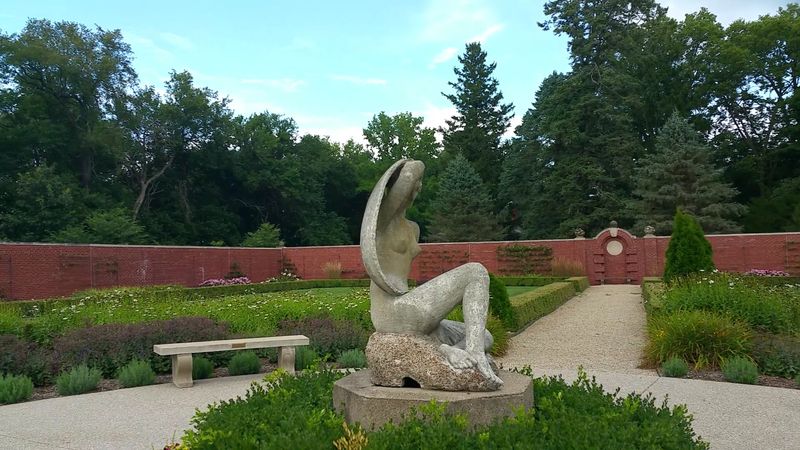
Few places in the Midwest blend fine art, formal gardens, and old-growth forest the way Allerton Park does in Monticello.
The estate, donated to the University of Illinois by Robert Allerton in 1946, covers 1,500 acres of gardens, sculpture collections, and woodland trails that feel both grand and surprisingly intimate when spring softens everything with new growth.
The formal gardens feature European-style plantings accented by bronze and stone sculptures tucked among flowering trees and perennial beds just waking up in April. The Fu Dog Garden and the Sun Singer statue are two of the most photographed spots on the property.
Woodland trails extend beyond the formal areas into forests full of spring wildflowers and birdsong. Admission is free for the grounds, and the walking distance between major garden features is very manageable, making this an easy full-morning or full-afternoon outing for all ages.
13. Matthiessen State Park, near Utica, Illinois
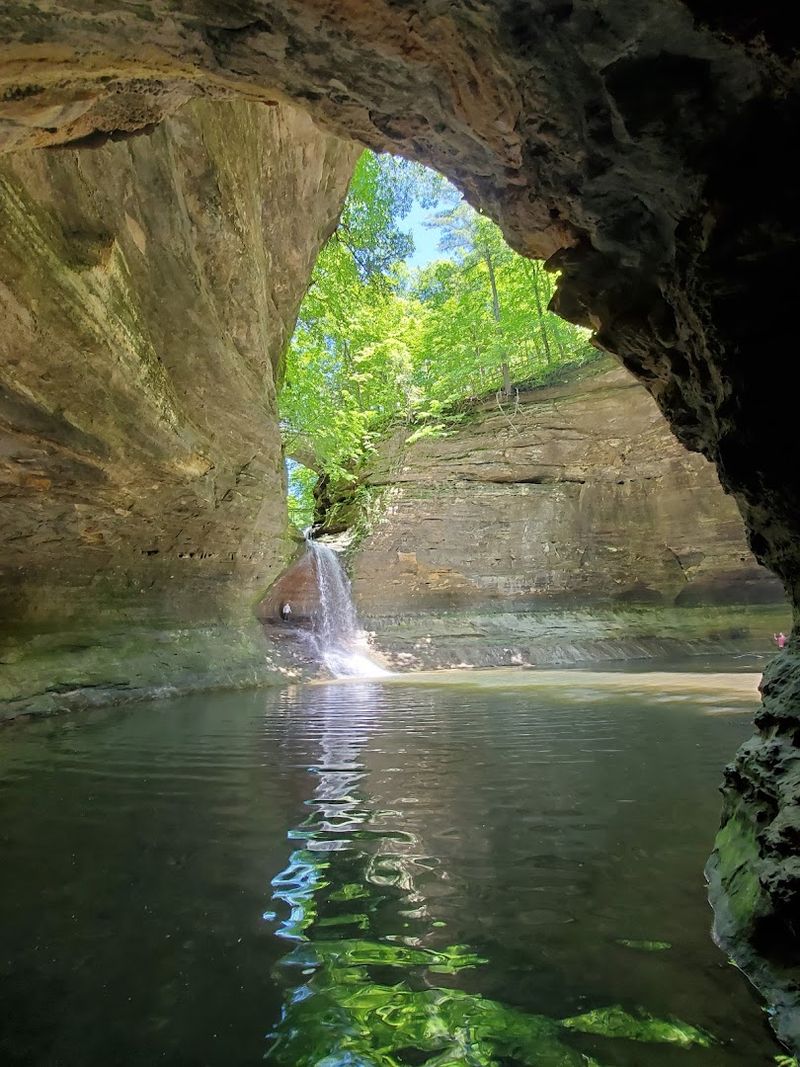
Matthiessen State Park near Utica sits in the shadow of its famous neighbor Starved Rock, but it deserves a visit entirely on its own terms.
The park features a two-tiered canyon system carved by glacial meltwater, with waterfalls, sandstone bluffs, and fern-covered walls that look absolutely otherworldly when spring rains keep the water flowing strong.
The lower dells and upper dells offer different visual experiences, with the lower area featuring the most dramatic canyon walls and the upper area providing more open woodland walking.
Spring ferns unfurl along every ledge and crevice, adding a lush texture that photographs beautifully and feels even better in person.
Crowds here are noticeably smaller than at Starved Rock, which makes spring hiking feel more peaceful and unhurried. Equestrian trails add another dimension for visitors who want to explore the park’s wider landscape beyond the canyon trails.
14. Cave-in-Rock State Park, Hardin County, Illinois
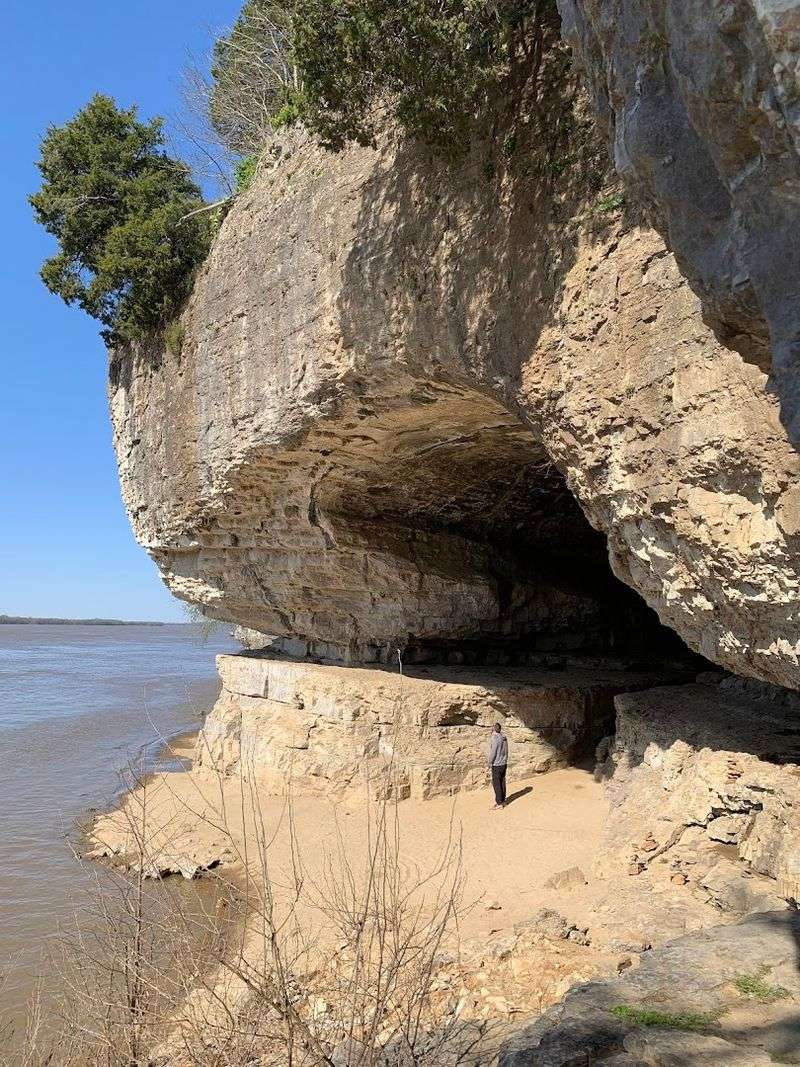
At the far southern tip of Illinois in Hardin County, Cave-in-Rock State Park offers one of the most dramatic and historically layered landscapes in the entire state.
The park’s centerpiece is a 55-foot-wide natural cave carved into a limestone bluff directly above the Ohio River, and standing inside it with the river stretching out before you is a genuinely memorable moment.
The cave has a colorful past as a shelter for river pirates in the late 1700s and early 1800s, which adds a swashbuckling historical dimension to what is already a striking natural feature.
Spring brings wildflowers to the bluff trails and migrating birds to the river corridor, making the scenery even more dynamic.
A small campground and picnic area make this a comfortable day trip destination. The nearby ferry crossing to Kentucky can add an extra adventure for visitors who want to extend the day into a multi-state experience.
15. Funks Grove Nature Spaces, McLean, Illinois
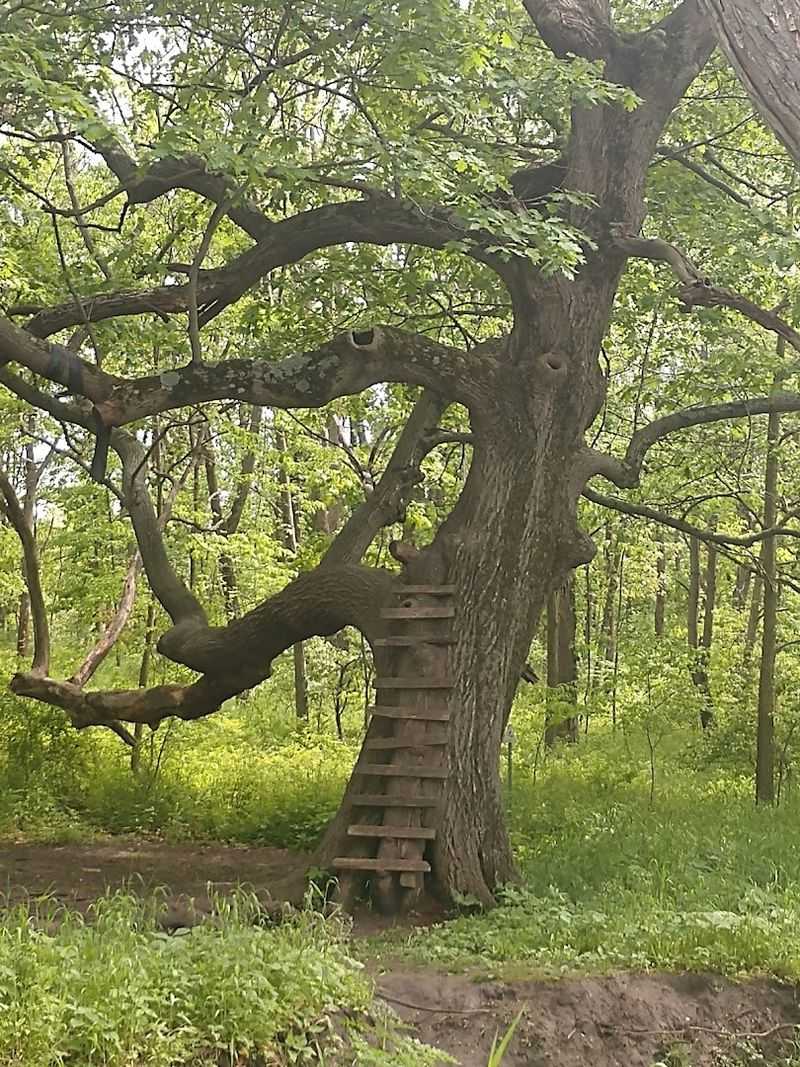
Along old Route 66 near McLean sits one of Illinois’s most quietly extraordinary natural places, where protected woodland and nature spaces preserve part of a rare old Illinois forest landscape.
The Funk family has stewarded this land for generations, and their commitment to preservation shows in every ancient tree and undisturbed corner of the grove.
Spring turns the forest floor into a tapestry of trout lilies, spring beauties, and wild geraniums blooming beneath a canopy that has been growing for well over a century.
The grove is also famous for its pure maple sirup operation, which runs in late winter and early spring, leaving a faint sweet scent that lingers into April.
Walking the informal trails here feels like stepping into a version of Illinois that most of the state lost long ago. The grove is free to visit and deeply peaceful in a way that is hard to put into words.