
10 Scenic Illinois River Walks To Explore This March
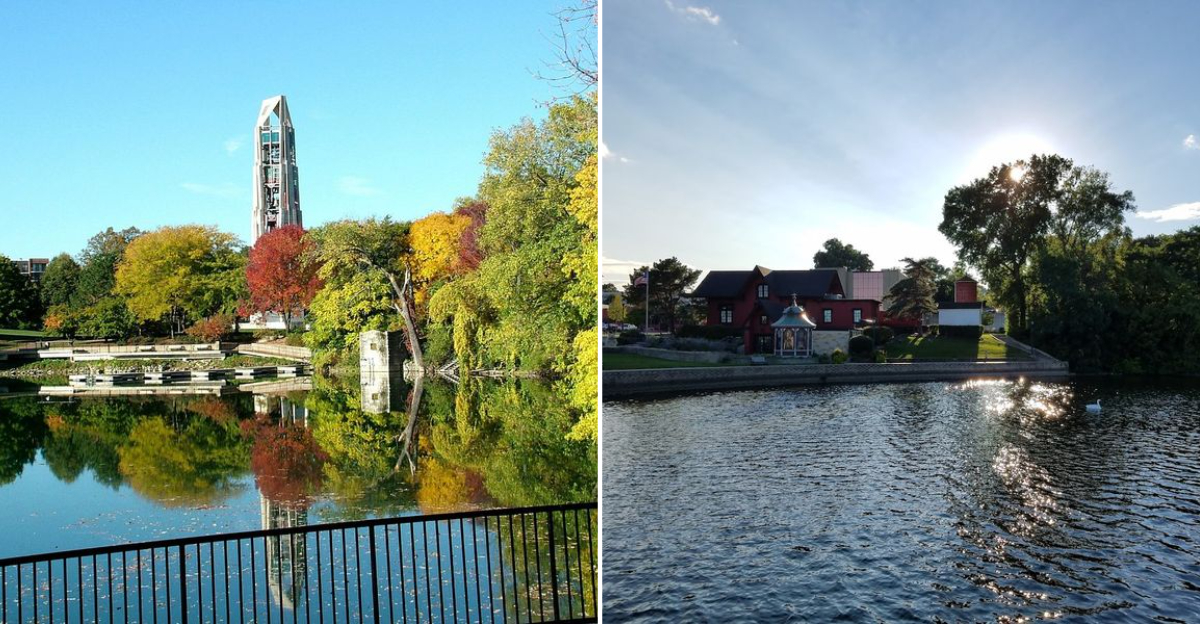
March in Illinois has a quiet magic to it. The air is crisp, the crowds are thin, and the rivers are running high and full after winter thaw, making the scenery feel alive in a way that summer can’t quite match.
I’ve always found that river paths feel different this time of year. Without thick foliage along the banks, the water becomes the focus, moving steadily past bare trees and early hints of green.
One chilly March morning along a Fox River trail, I remember stopping for several minutes just to watch the current sliding past the shoreline. The walks on this list reveal a side of Illinois that often goes unnoticed during busier seasons.
March may still carry a bite in the air, but it also brings a sense of quiet renewal that makes a simple riverside walk feel unexpectedly memorable.
1. Chicago Riverwalk, Chicago
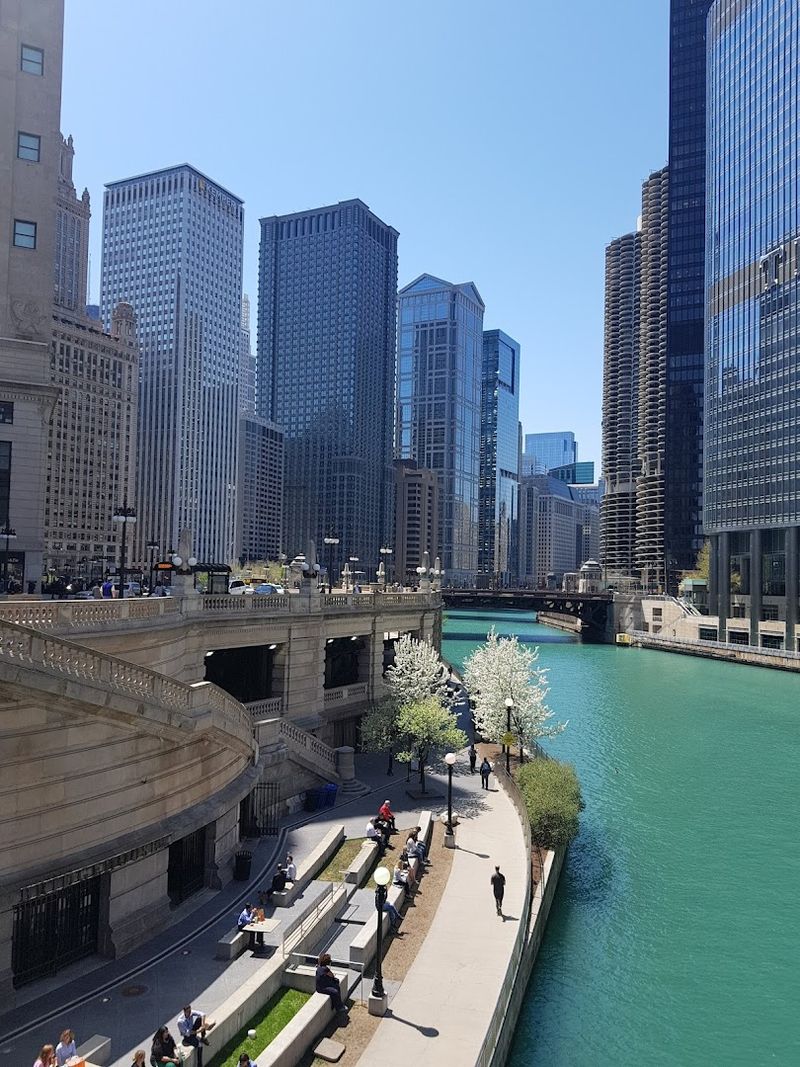
Few urban waterfront paths in the country can match the energy and visual drama of the Chicago Riverwalk, which runs along the south bank of the Chicago River through the heart of downtown Chicago, Illinois.
Stretching roughly 1.25 miles from Lake Shore Drive to Lake Street, this beautifully designed path puts you right at water level, with the towering steel-and-glass skyline rising dramatically on both sides.
March is honestly one of my favorite times to walk it. The summer crowds are nowhere to be found, and the river reflects the moody gray sky and architectural details in ways that feel almost cinematic.
You can take your time reading historical markers, studying the bridges, and watching boats move through the river channel without the summer crowds.
The Riverwalk is divided into several themed sections along the south bank of the Chicago River, each offering different seating areas, viewpoints, and gathering spaces.
Wear comfortable shoes and bring a warm layer because the wind off the river can be sharp in early spring. The closest parking garages are on Wacker Drive, and the path is fully accessible for strollers and wheelchairs.
2. Naperville Riverwalk, Naperville
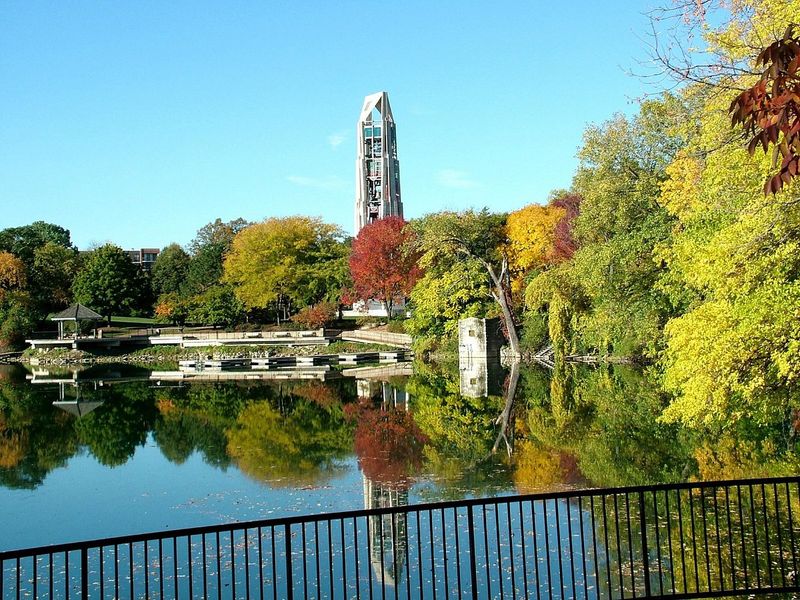
Right in the heart of downtown Naperville, Illinois, a 1.75-mile brick path winds along the DuPage River in a way that feels surprisingly peaceful for such a busy suburb.
The Naperville Riverwalk has been a beloved community landmark since it was first built in 1981 by volunteers, and that community spirit still shows in every carefully maintained fountain, covered bridge, and flower bed along the route.
In March, the bare trees along the riverbank create a striking, almost skeletal frame around the water, and you can see the river’s current much more clearly than in summer when the foliage gets thick.
I noticed details I had missed on warmer visits, like the intricate ironwork on the covered bridge and the way the brick path curves gently to follow the river’s natural bends.
The walk is fully paved and flat, making it ideal for all fitness levels. Downtown Naperville sits right next to the trailhead, so you can grab a warm coffee before heading out.
Parking is available in several downtown municipal garages, including the Water Street District parking deck located a short walk from the Riverwalk. Kids love spotting ducks near the fountain plaza year-round.
3. Peoria RiverFront, Peoria
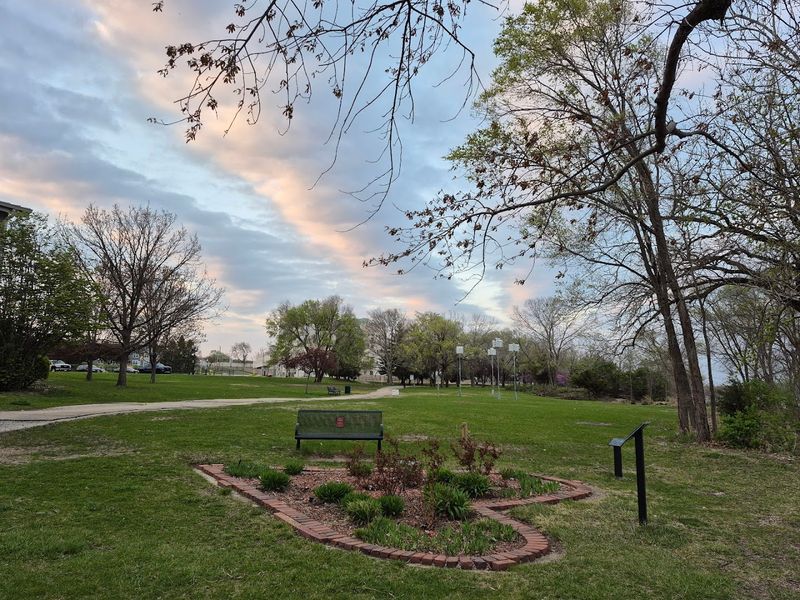
Peoria’s riverfront has had quite a transformation over the past few decades, and what you find today along the Illinois River is a polished, welcoming stretch of public space that balances history, nature, and modern design.
The Peoria Riverfront Museum sits just steps from the riverfront promenade and makes an easy stop before or after your walk. In March, the outdoor amphitheater sits quiet and empty, which gives the whole area a contemplative mood that I genuinely enjoyed.
You can walk the promenade at a relaxed pace, reading the interpretive signs about the city’s industrial and river-trade history without feeling rushed.
Bald eagles are frequently spotted along this stretch of river during late winter and early spring, so bring a pair of binoculars if you have them. The RiverFront is located at 200 NE Water Street in Peoria, and parking is available in several nearby surface lots.
The path is paved and easy to navigate for walkers of all ages.
4. Rock River Recreation Path, Rockford
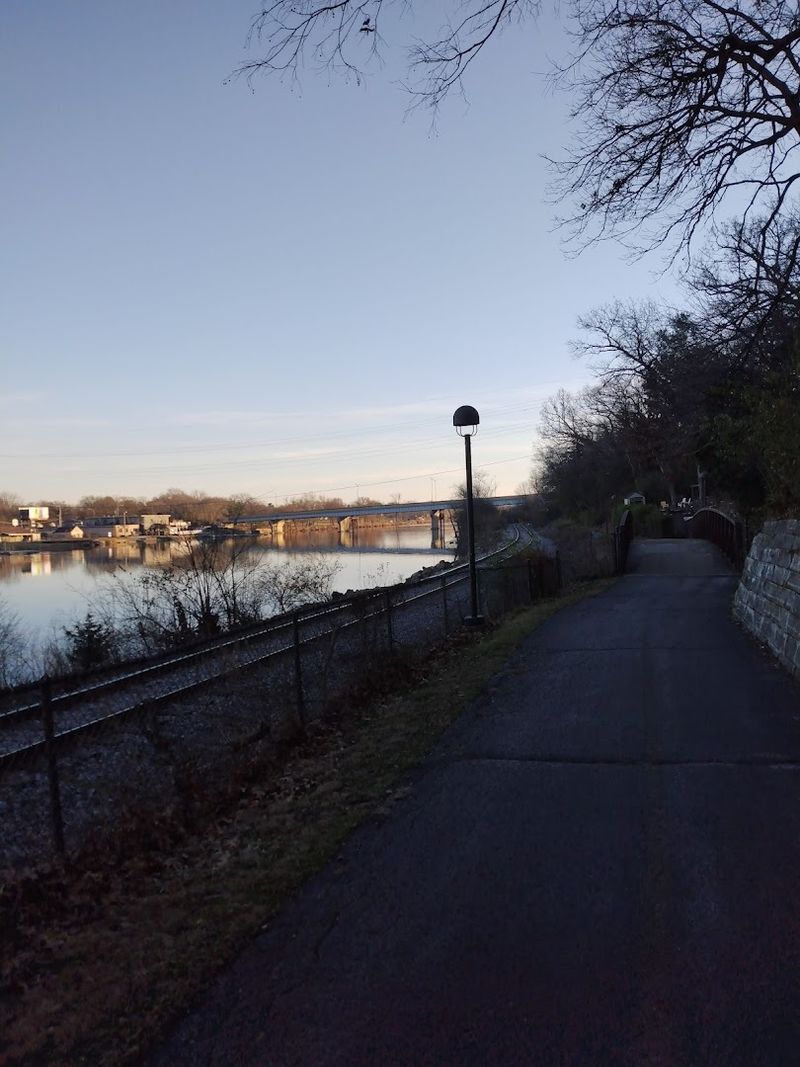
Rockford, Illinois sits right on the Rock River, and the city has made the most of that geography with a multi-mile recreation path that follows the riverbank through parks, neighborhoods, and natural areas.
The Rock River Recreation Path is one of the most underrated walking routes in northern Illinois, offering a mix of open meadow views, wooded stretches, and urban riverside scenery all in one continuous trail.
I walked a section near Sinnissippi Park in early March and was genuinely surprised by how serene it felt. The river was running fast and wide from snowmelt, the path was nearly empty, and a pair of Canada geese were already staking out their nesting territory near the water’s edge.
The bare trees along the bank opened up long sightlines across the river that summer greenery would completely block.
The path connects to several of Rockford’s riverside parks, making it easy to plan a longer outing with rest stops built in. Sinnissippi Park, located at 1401 N.
Second Street in Rockford, is a great starting point with ample free parking.
The terrain is flat and paved for most of its length, which makes it accessible and comfortable even in early spring conditions.
5. Des Plaines River Trail and Greenway, Lake County
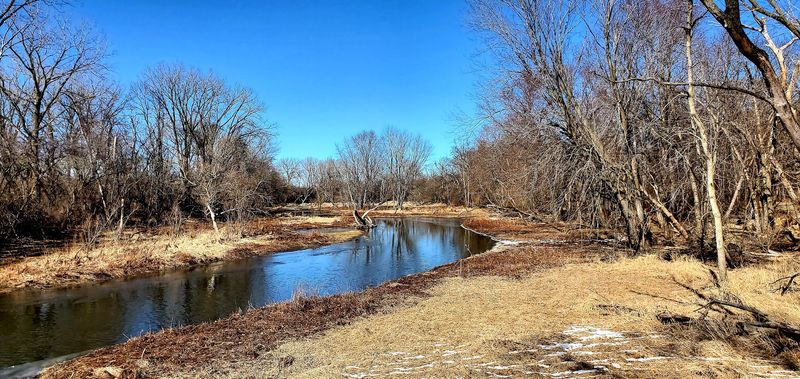
If you prefer your river walks to feel more like a nature expedition than a stroll through a park, the Des Plaines River Trail and Greenway in Lake County, Illinois is exactly what you’re looking for.
Stretching over 30 miles through a mix of forest preserves, wetlands, and natural river corridor, this trail is one of the longest continuous greenway paths in the Chicago metropolitan region.
March is prime time here because the migratory birds are starting to return, the river is swollen and dramatic from snowmelt, and the lack of foliage means you can see deep into the floodplain forest in ways that simply aren’t possible from May onward.
I spotted great blue herons, wood ducks, and even a pair of sandhill cranes on one early spring visit near the Half Day Forest Preserve section.
The trail surface varies between paved sections and limestone screenings, so wear sturdy shoes. Multiple trailheads with parking are scattered throughout Lake County, with easy access points near Route 176 and near the town of Libertyville.
The Lake County Forest Preserves website has detailed maps and current trail condition reports, which I strongly recommend checking before you head out in March.
6. Fox River Shores Forest Preserve, Carpentersville
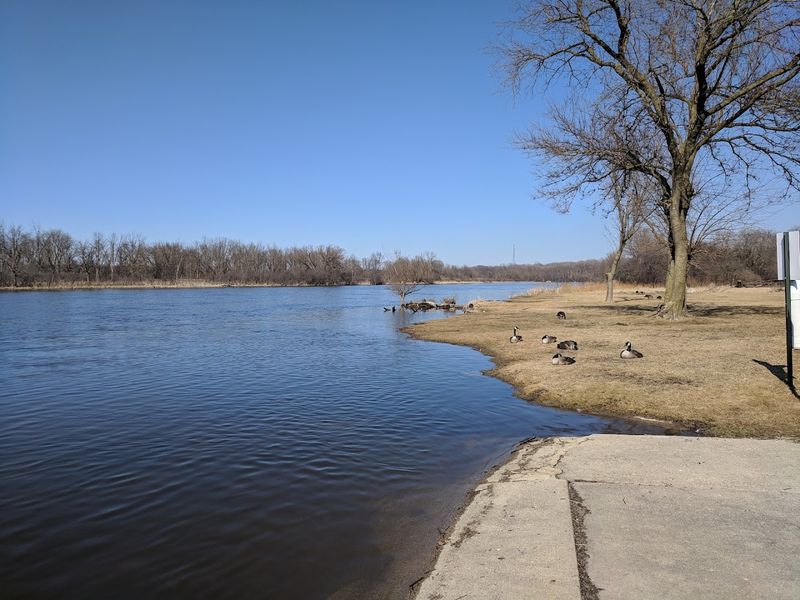
There’s a particular kind of wildness to the Fox River Shores Forest Preserve in Carpentersville, Illinois that sets it apart from the more manicured river walks on this list.
The preserve hugs a wide, meandering stretch of the Fox River in Kane County, and the trails here move through open floodplain meadows, river bluffs, and dense riparian woodland in a way that feels genuinely untamed.
March visits reward patient walkers. The river is often at its highest and most forceful of the year, carving around the bends with visible energy, and the sky feels enormous above the bare, open meadow sections.
I found myself stopping frequently just to listen, because the sound of fast-moving water through a quiet landscape is oddly satisfying in a way that’s hard to describe without sounding overly dramatic about a walk.
The main preserve entrance is located at 716 Williams Road in Carpentersville, where visitors will find a parking area and access to the riverside trails. Trails are natural surface, meaning they can be muddy in early spring, so waterproof boots are a smart call.
The Kane County Forest Preserve District maintains the site and posts trail condition updates online. Plan for a leisurely two-hour outing to fully appreciate what this stretch of the Fox River has to offer.
7. Fox River Bluff West Forest Preserve, St. Charles
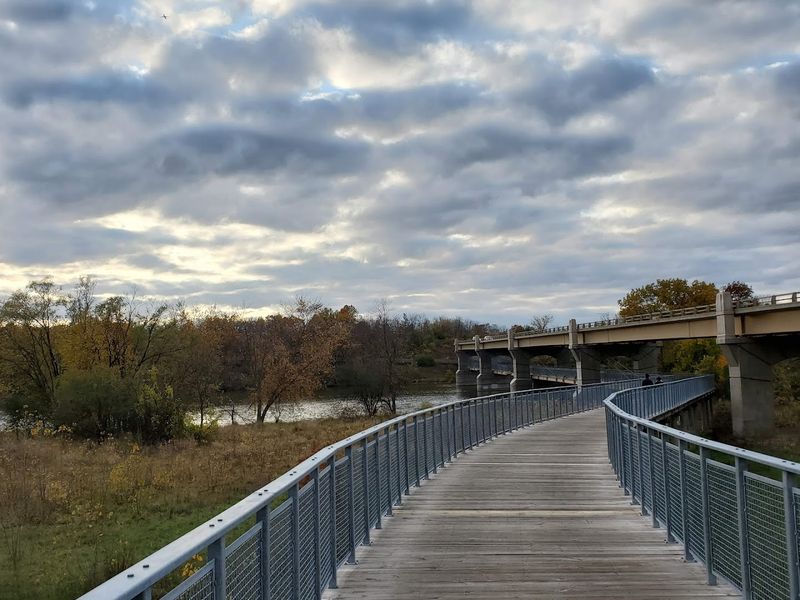
Elevation changes are not something most people associate with northeastern Illinois, which makes the bluff-top trails at Fox River Bluff West Forest Preserve in St. Charles one of the region’s most pleasant surprises.
The preserve sits on the western bank of the Fox River in Kane County, and its signature feature is a series of trails that climb up onto the river bluffs and deliver sweeping views of the river valley below. From the top of the bluff in March, you can see for a remarkable distance across the bare river corridor.
The Fox River glints in the pale spring light far below, and the absence of leaves on the trees creates a wide-open panorama that feels completely out of place in flat northern Illinois. It’s one of those spots that makes you want to just stand still for a while and take it all in.
The preserve is accessed from IL Route 31 in St. Charles, where a parking area provides access to the bluff-top trail system. Some of the bluff trails involve moderate climbing, so comfortable footwear with good grip is important, especially when the ground is soft in early spring.
The Kane County Forest Preserve District manages the site, which contains just over two miles of trails winding through wooded bluffs above the Fox River.
8. Batavia Riverwalk, Batavia
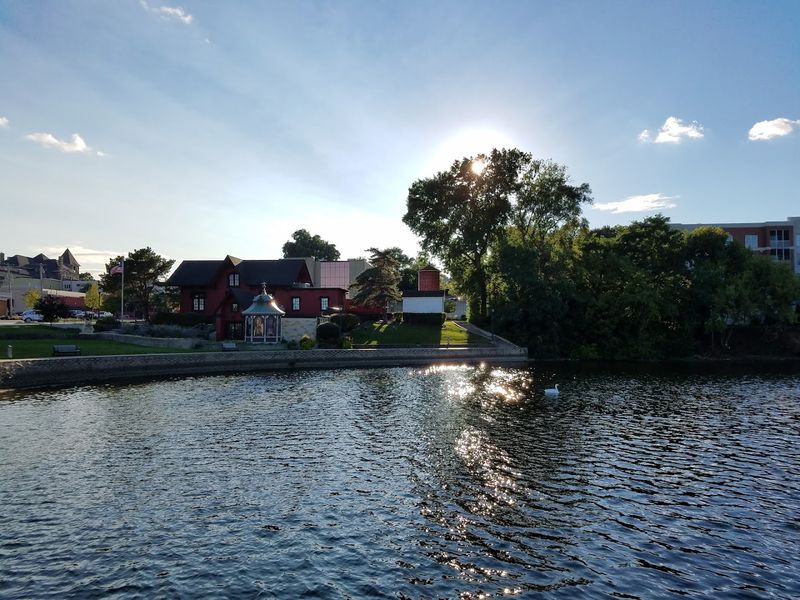
Batavia, Illinois has a small-town charm that its Fox River setting amplifies beautifully, and the Batavia Riverwalk is the kind of place that makes you slow down without even realizing it.
Running along the Fox River through the heart of this historic Kane County city, the riverwalk combines a well-maintained paved path with views of the river, restored historic buildings, and a series of footbridges that make crossing back and forth part of the fun.
Interpretive displays and historic buildings around the riverwalk highlight Batavia’s history as a major windmill manufacturing center in the late 1800s. The city has done a thoughtful job of weaving history into the walk without making it feel like a museum tour.
The riverwalk is centrally located in downtown Batavia, with parking available along Water Street and in the nearby city lots. The path is flat and paved, making it accessible for all ages.
Plan to spend an hour or two, and consider combining the walk with a stop at one of the nearby cafes in the historic downtown district for a warm drink before or after your outing.
9. Sam Vadalabene Bike Trail, Alton to Grafton
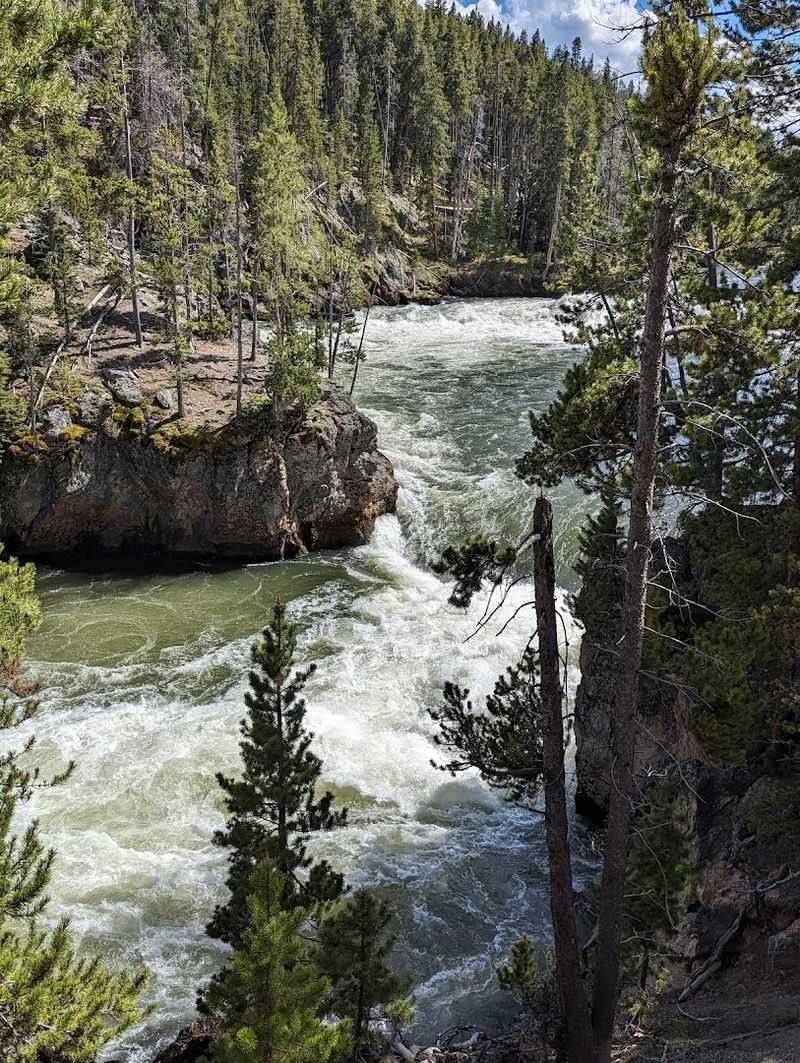
Running along one of the most dramatic stretches of the Mississippi River in the entire state, the Sam Vadalabene Bike Trail between Alton and Grafton, Illinois is the kind of route that makes you genuinely grateful you decided to get outside.
The paved trail hugs the base of towering limestone bluffs on one side while the mighty Mississippi spreads out wide and silver on the other, creating a corridor of scenery that feels almost theatrical. March is spectacular here for one specific reason: bald eagles.
The stretch of the Mississippi near Alton is one of the most reliably productive eagle-watching spots in the Midwest during late winter and early spring, when the birds congregate around open water and fish below the dam. I counted over a dozen eagles during one March visit without even trying particularly hard.
The trail runs approximately 20 miles one way, but most casual walkers pick a shorter section and turn around at a comfortable point. One popular starting point is Piasa Park along West Broadway in Alton, while the northern end connects to the riverfront area near Grafton and Pere Marquette State Park.
Parking is available at both ends and at several points in between. The terrain is flat and the paved surface stays in good condition even in early spring.
10. Kankakee River State Park Trail, Bourbonnais
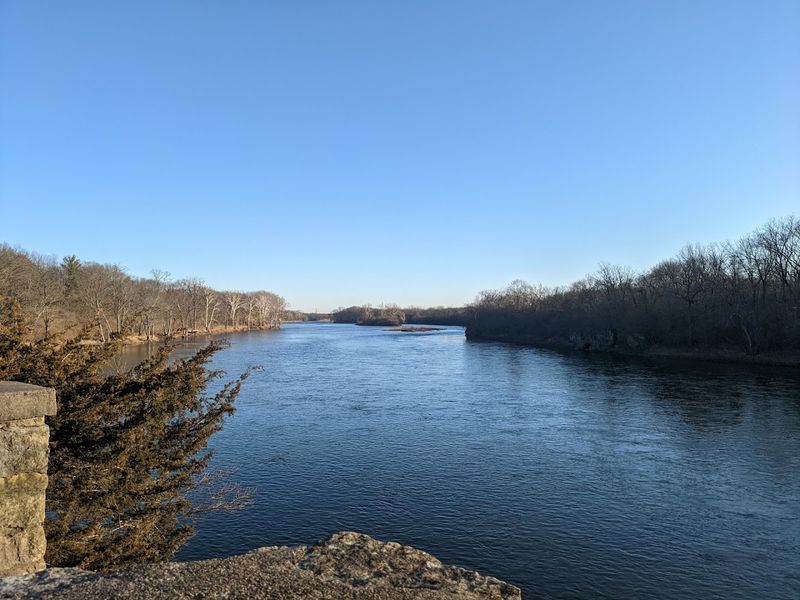
The Kankakee River is one of Illinois’ most beautiful and least-celebrated rivers, and the trail system at Kankakee River State Park near Bourbonnais gives you direct access to its most scenic stretches.
The park covers over 4,000 acres along both banks of the Kankakee River in Kankakee County, and its trail network winds through rocky river terrain, canyon-like ravines, and dense riverside forest that feels genuinely wild.
What makes March special here is the river itself. Fed by snowmelt and early spring rain, the Kankakee runs with an intensity in March that it rarely shows in summer, rushing over its limestone bed with a roar you can hear well before you reach the bank.
The contrast between the dark, fast-moving water and the pale, bare trees along the shore is visually striking in a way that photographs never quite capture.
Multiple trailheads are spread throughout the park, with the Rock Creek Canyon area being a personal favorite for its dramatic geology.
Trails are natural surface and can be uneven in spots, so sturdy footwear is essential. Check the Illinois Department of Natural Resources website for current conditions before visiting.