
12 Scenic Pennsylvania Getaways That Start The Moment You Step Onto The Train
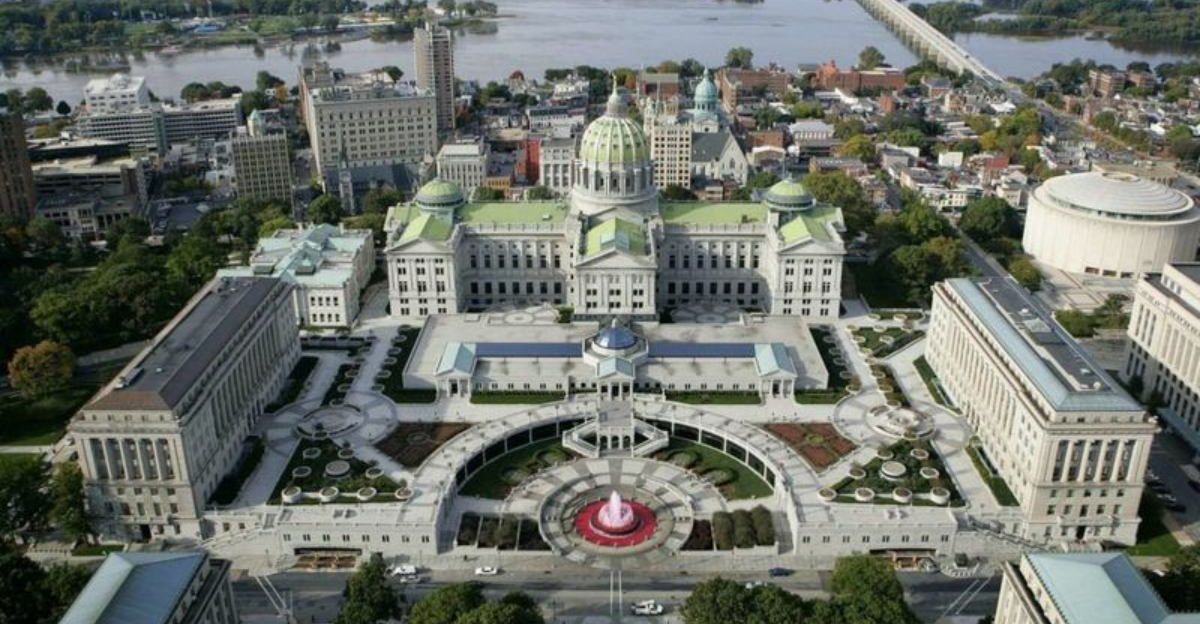
There is something wonderfully freeing about a getaway that begins before you even reach the destination.
Pennsylvania train trips have that built-in magic, where the window view becomes part of the plan and the usual road-trip stress stays behind at the station.
No traffic debates, no parking anxiety, no watching the GPS like it owes you money. Just a seat, a route, and the quiet thrill of watching towns, rivers, hills, and skylines slide past.
The best train getaways feel scenic from the first few minutes, turning travel time into something you actually enjoy instead of endure.
That is the charm of letting the ride set the mood. I am easily won over by trips where the journey does some of the entertaining, especially when all I have to do is look out the window and relax.
1. Lancaster
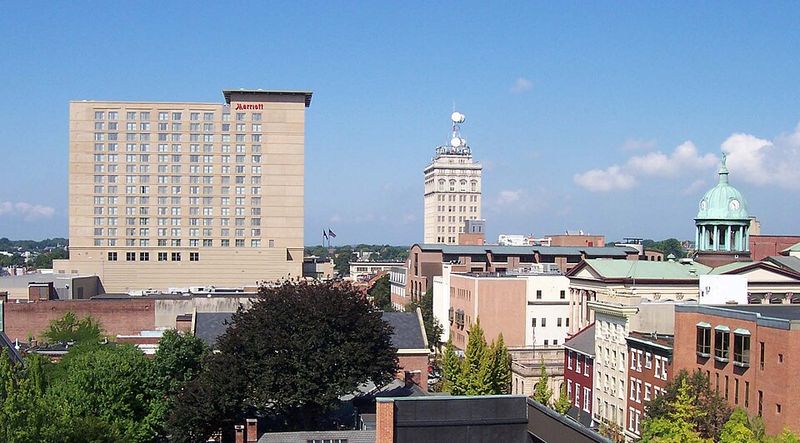
Rolling past quilt-patterned farmland and roadside farm stands, the ride into Lancaster already feels like a postcard come to life.
Lancaster sits in the heart of Pennsylvania Dutch Country, about 70 miles west of Philadelphia, and it rewards curious travelers with layers of history, culture, and food that go far deeper than the souvenir shops on Penn Square.
The Central Market, one of the oldest continuously operating farmers markets in the country, is the kind of place where you spend two hours buying things you never planned on buying.
The city also has a genuinely walkable downtown packed with independent restaurants, art galleries, and coffee shops that give Lancaster a surprisingly lively urban energy.
History buffs can explore Wheatland, the home of President James Buchanan, while families tend to gravitate toward the hands-on exhibits at the Lancaster Science Factory.
Catching a late afternoon train back through those same golden fields makes the whole trip feel satisfyingly complete.
2. Harrisburg
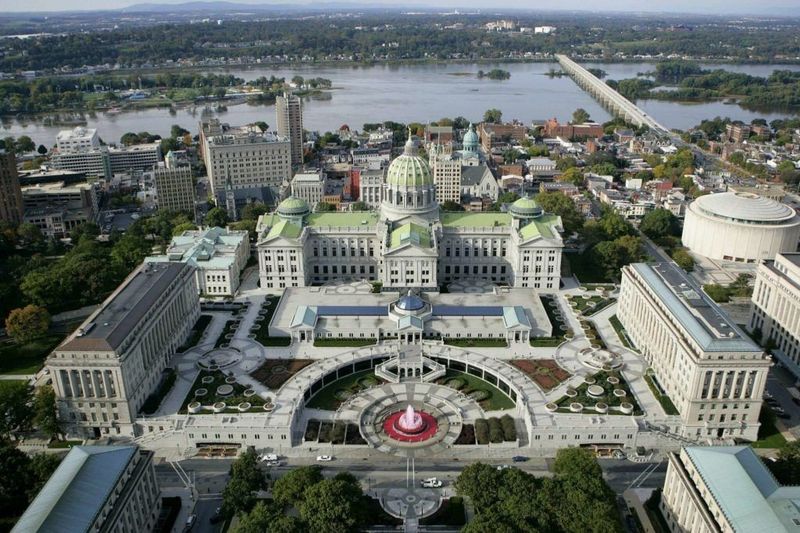
Arriving by train in Harrisburg still delivers a strong real sense of place, especially as the Susquehanna River comes into view near Pennsylvania’s capital city today.
Harrisburg is Pennsylvania’s capital city, positioned in the center of the state, and it punches well above its weight for a city of its size when it comes to things to do and see.
The gold-domed State Capitol building is free to tour and its interior is breathtaking, featuring a grand staircase inspired by the Paris Opera House.
Riverfront Park stretches along the Susquehanna and makes for a relaxing afternoon of walking, cycling, or simply watching the wide water move.
The National Civil War Museum sits in Reservoir Park above the city and interprets the Civil War through thousands of square feet of exhibits and nearly 850 artifacts.
Harrisburg has a compact, easy-to-navigate downtown, which means you can cover serious ground without ever needing a car after stepping off the train.
3. Doylestown
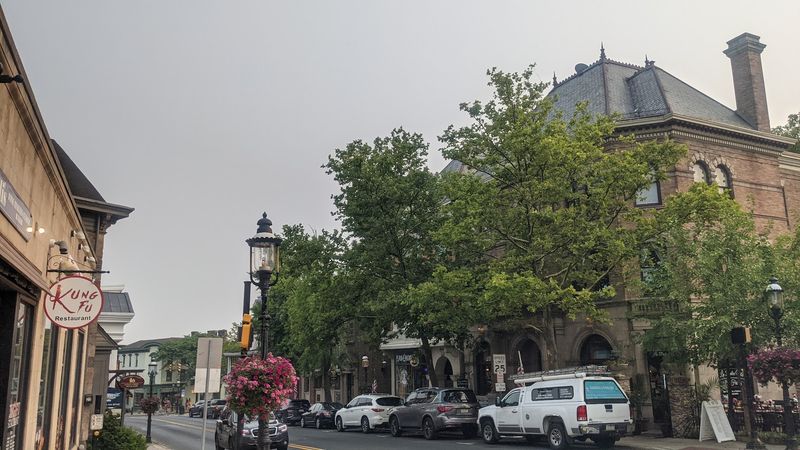
Few towns in Pennsylvania carry quite the same air of cultured quirkiness as Doylestown, the county seat of Bucks County, sitting about 30 miles north of Philadelphia.
The town is best known for the eccentric genius of Henry Mercer, a self-taught archaeologist who built three concrete landmarks in the 1900s, including Fonthill Castle, the Mercer Museum, and Moravian Pottery and Tile Works.
The Mercer Museum is one of the most unusual museums you will ever walk through, with thousands of pre-industrial tools hanging from the rafters and balconies in a space that feels equal parts library, fortress, and fever dream.
Doylestown also has a charming walkable main street with independent bookshops, farm-to-table restaurants, and the kind of coffee shops that make you want to stay an extra hour.
The town has strong literary roots too, as author Pearl S. Buck lived nearby and her preserved home isopen for tours.
Doylestown rewards slow, unhurried exploration every single time.
4. Media
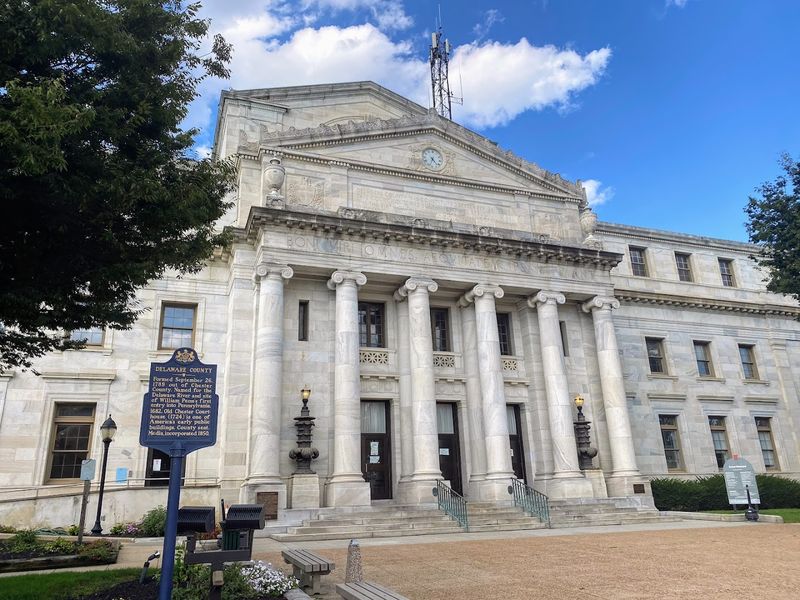
Media calls itself “Everybody’s Hometown,” and after spending even a few hours on State Street, you start to understand why the slogan stuck.
Located in Delaware County about 12 miles southwest of Philadelphia, Media is served by SEPTA’s active Media/Wawa Line, making it one of the most accessible small-town escapes from the nearby city itself.
State Street is the kind of main drag that independent business owners dream about, lined with eclectic restaurants, vintage shops, live music venues, and a genuine movie theater that still runs first-run films in a classic setting.
Every Wednesday evening from May through September, Media hosts Dining Under the Stars on State Street, a beloved community tradition where tables spill out into the road and the whole town turns into one big open-air restaurant.
The surrounding area also has great trail access through Ridley Creek State Park, where miles of wooded paths run alongside a peaceful stream.
Media is the rare place that feels both deeply local and warmly welcoming to any visitor stepping off the platform.
5. Ardmore
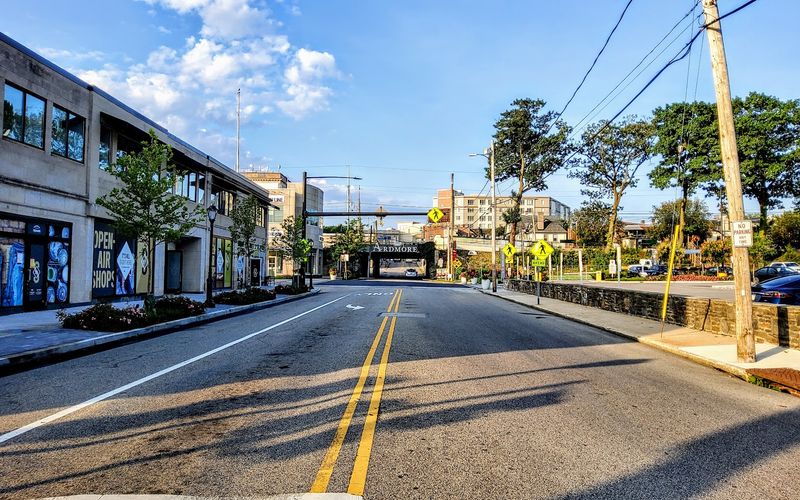
The Main Line towns of Pennsylvania have a reputation for polish and prosperity, and Ardmore delivers on that reputation while still managing to feel approachable and genuinely fun.
Ardmore sits in Montgomery County along the SEPTA Paoli/Thorndale line, about 10 miles west of Center City Philadelphia, and its compact downtown rewards a few hours of leisurely wandering.
The Ardmore Farmers Market operates year-round inside a historic building and is stocked with local produce, artisan cheeses, prepared foods, and specialty items that make it easy to assemble a picnic-worthy spread.
The town also has a strong food scene anchored by a mix of long-standing neighborhood spots and newer chef-driven restaurants that have quietly earned regional attention.
Suburban Square, one of the oldest open-air shopping centers in the country, borders the town and has a pleasant, walkable layout that makes browsing feel less like an errand and more like a stroll.
Ardmore is the kind of town that grows on you with every visit.
6. Chestnut Hill
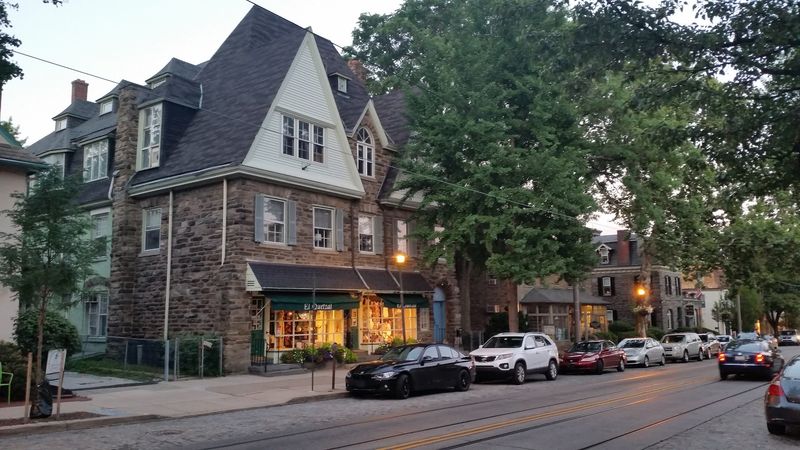
Chestnut Hill occupies a leafy ridge in the northwest corner of Philadelphia, and the train ride up through the city’s neighborhoods before arriving here is a fascinating urban journey all by itself.
Served by the SEPTA Chestnut Hill West and Chestnut Hill East lines, this neighborhood sits within Philadelphia’s city limits but has the feel of a prosperous small town that simply decided to stay put inside the big city.
Germantown Avenue is the spine of Chestnut Hill, running downhill through blocks of stone buildings housing independent boutiques, garden shops, galleries, and restaurants that skew toward the farm-fresh and artisanal.
Morris Arboretum & Gardens, a 92-acre University of Pennsylvania public garden, is nearby by bus or longer walk, with a Victorian-era fernery and a spectacular canopy walk as a signature treetop attraction.
Chestnut Hill also borders Wissahickon Valley Park, one of the most beautiful urban green spaces in the entire Northeast, with miles of forested trails running beside a rocky creek.
The neighborhood is genuinely lovely in every season.
7. Manayunk
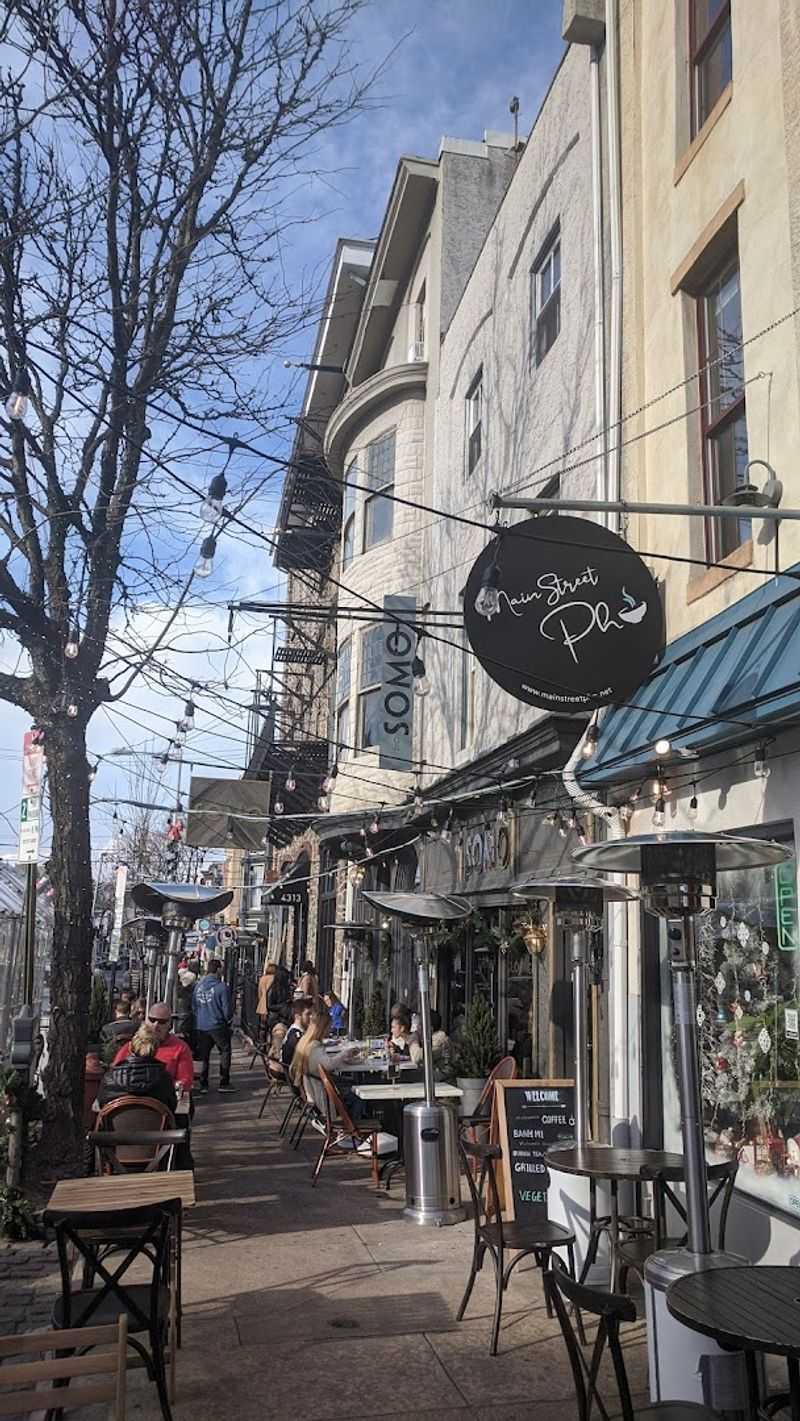
Manayunk stacks up a steep hillside above the Schuylkill River in northwest Philadelphia, and the train glides right along the riverbank before pulling into its station, giving you a preview of the neighborhood’s industrial-chic character.
Located along the SEPTA Manayunk/Norristown line, Manayunk was once a thriving mill town, and that heritage is still visible in the converted canal locks, the old factory buildings repurposed as lofts and restaurants, and the towpath that runs alongside the historic Manayunk Canal.
Main Street Manayunk is the commercial heart of the neighborhood, packed with a rotating cast of restaurants, bars, and independent shops spread across a few lively blocks.
The Manayunk Canal Towpath is a favorite of cyclists and joggers and connects to the longer Schuylkill River Trail, which stretches for miles in both directions.
The neighborhood also hosts a popular outdoor arts festival each June that draws vendors and visitors from across the region.
Manayunk has the kind of gritty, creative energy that makes a return visit feel inevitable.
8. Ambler
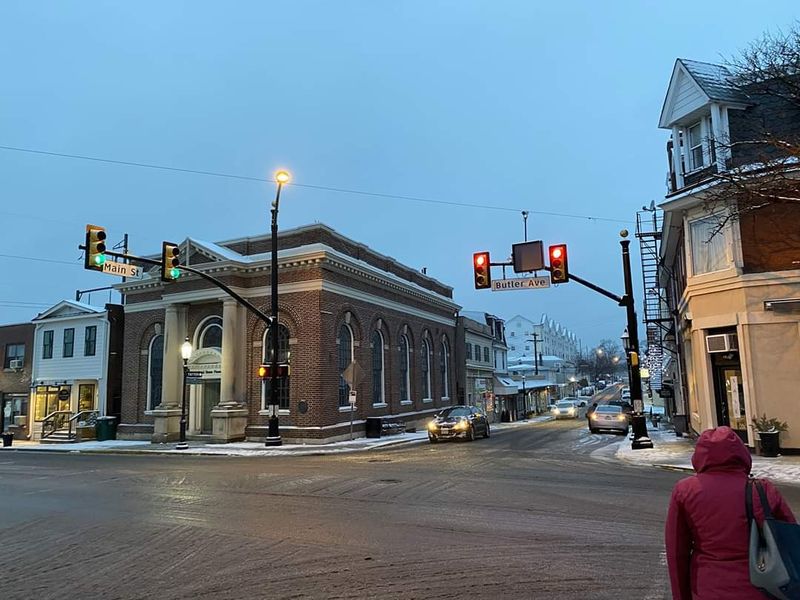
Not every great train getaway needs to be a full-day expedition, and Ambler, a small borough in Montgomery County about 20 miles north of Philadelphia, proves that point with quiet confidence.
Served by the SEPTA Lansdale/Doylestown line, Ambler has a compact downtown that packs a surprising amount of character into just a few walkable blocks.
The centerpiece of the town is the Ambler Theater, a beautifully restored single-screen cinema that shows independent films and hosts special screenings in a setting that feels like a genuine event rather than just a movie.
The dining scene in Ambler has grown considerably in recent years, with chef-driven spots and cozy neighborhood restaurants filling in around the theater district and giving the borough a culinary reputation that outpaces its modest size.
Butler Pike and the surrounding streets have a relaxed, residential feel that makes simply walking around Ambler feel like a pleasant afternoon activity rather than a checklist exercise.
Small towns rarely get more charming than this one.
9. Bristol
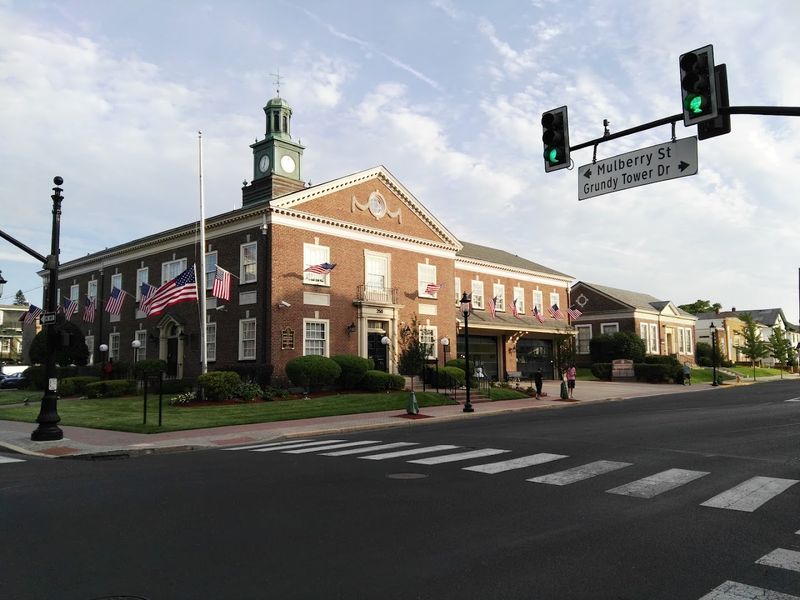
Bristol is one of those Pennsylvania towns that has been quietly sitting on a remarkable history while most visitors drive right past it on the way somewhere else.
Located in Bucks County on the western bank of the Delaware River, about 20 miles north of Philadelphia, Bristol is one of the oldest towns in Pennsylvania, incorporated in 1720, and its riverfront historic district still carries that early-American character in its brick streets and Federal-style architecture.
The Delaware Canal State Park runs right through town, and the towpath here is a beautiful flat walk or bike ride that follows the historic canal for miles in both directions.
Radcliffe Street, Bristol’s main commercial corridor, has been seeing a steady revival of independent shops and restaurants that bring new energy to the old streetscape.
The town also hosts a popular outdoor market and several community events throughout the warmer months that make it feel genuinely alive rather than preserved under glass.
Bristol rewards the traveler who slows down long enough to actually look around.
10. Altoona
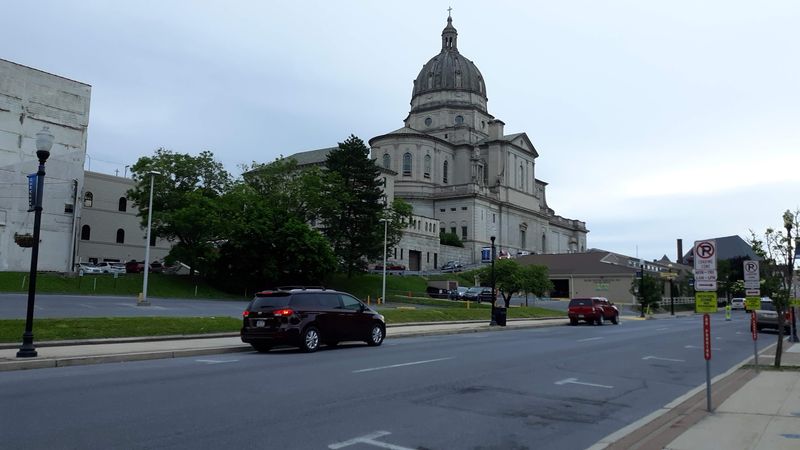
Any train enthusiast who has not made the trip to Altoona is leaving one of the most remarkable rail destinations in the entire country off the list.
Altoona sits in Blair County in the heart of the Allegheny Mountains of central Pennsylvania, and its identity is inseparable from the railroad history that built it.
The Horseshoe Curve, a National Historic Landmark located just a few miles from downtown, is a breathtaking feat of 19th-century engineering where trains loop around a steep mountain horseshoe to gain elevation, and watching a freight train navigate it from the viewing area is genuinely thrilling.
The Railroaders Memorial Museum in downtown Altoona tells the full story of how this city became the maintenance and manufacturing capital of the Pennsylvania Railroad, with exhibits that are engaging for both rail fans and casual visitors.
The surrounding Allegheny Mountains also offer excellent outdoor recreation, including hiking, mountain biking, and scenic drives through Canoe Creek State Park.
Altoona is a town that earns its reputation the honest way.
11. Johnstown
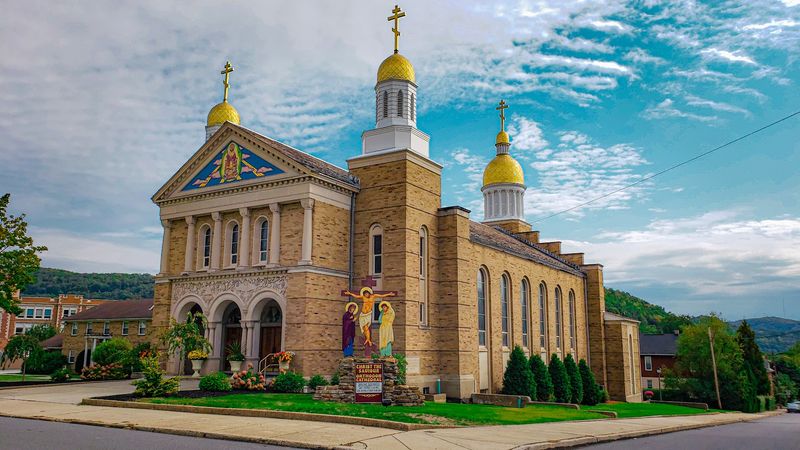
Johnstown carries a complicated history that it has turned, with remarkable determination, into one of the most honest and moving travel experiences in Pennsylvania.
Located in Cambria County in the Laurel Highlands region of western Pennsylvania, Johnstown is best known for the catastrophic 1889 flood that reshaped the city and became one of the most significant disasters in American history.
The Johnstown Flood National Memorial, located about 10 miles northeast of the city, preserves the site of the failed South Fork Dam and tells the story of that event with depth, sensitivity, and striking landscape views.
Back in the city itself, the Johnstown Inclined Plane is the steepest vehicular inclined plane in the world, though it is currently closed for rehabilitation, so visitors should check reopening updates before planning a trip around it.
The surrounding Laurel Highlands provide outstanding outdoor options including hiking in Laurel Ridge State Park and exploring the region’s scenic ridges and waterways.
Johnstown keeps surprising visitors who come expecting only history and leave having found much more.
12. Greensburg
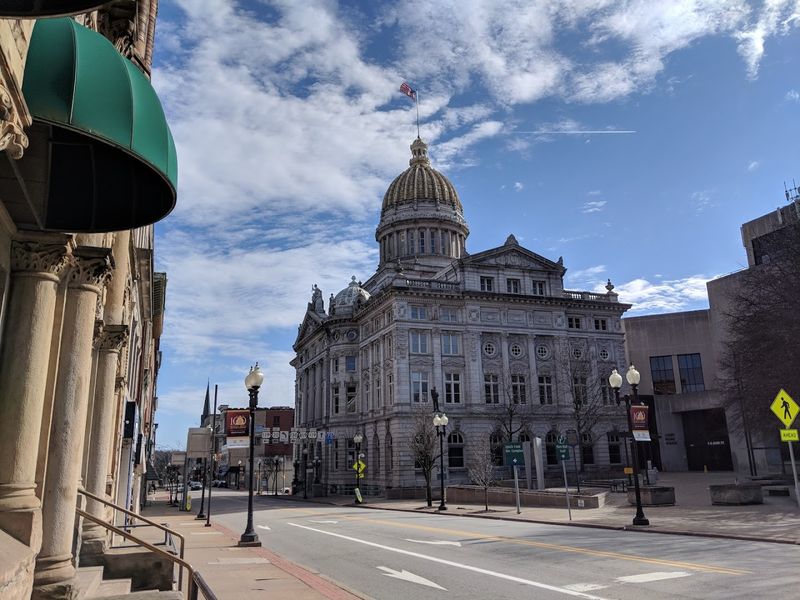
Greensburg sits at the gateway to the Laurel Highlands in Westmoreland County, about 30 miles east of Pittsburgh, and it has the kind of confident, unhurried downtown that makes you want to spend a full day rather than just a quick stop.
The city is home to the Westmoreland Museum of American Art, a nationally recognized institution with a permanent collection that punches well above its regional profile, featuring significant American paintings, sculptures, and decorative arts in a beautiful hillside building.
Greensburg’s Main Street has a genuine mix of locally owned shops, casual dining spots, and the ornate Greensburg Salem district architecture that gives the area a sense of civic pride you can actually see.
The Laurel Highlands region surrounding Greensburg offers some of the best outdoor recreation in western Pennsylvania, including trails through Laurel Ridge State Park and access to Frank Lloyd Wright’s Fallingwater, which is just a short drive away.
Greensburg is the kind of city that feels like a discovery even when you have been there before.