
9 Scenic West Virginia Overlooks That Locals Swear Have The Best Fall Views
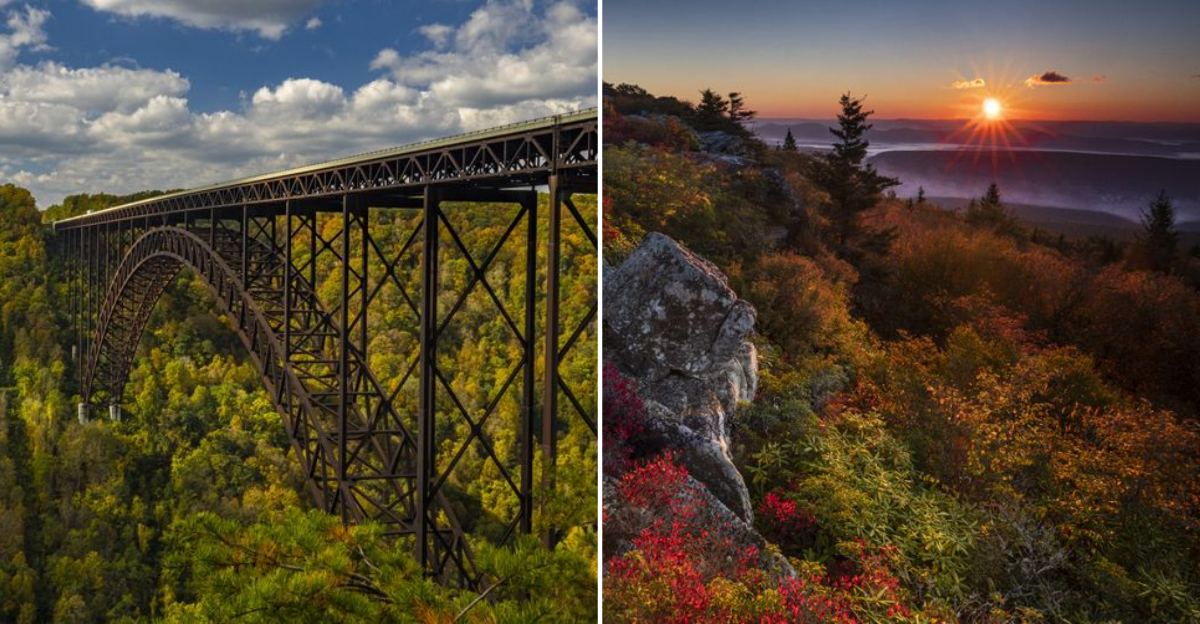
Attention, leaf-peepers! Put down that pumpkin spice latte and listen closely. Fall in West Virginia is a spectacular, yet brutally short, event. You have a narrow, golden window of time to witness the mountains displaying their absolute best work.
And there is nothing worse than driving five hours only to be met with a disappointing, half-hearted view. That, my friends, is seasonal betrayal. To spare you this agony, we did the impossible: we tapped into the collective wisdom of the Appalachian locals.
They argued, they debated, and they finally gifted us the definitive ranking. Stop guessing. Start driving. These 9 overlooks, sworn by the people who live here, guarantee the most spectacular show on Earth.
1. Lindy Point – Blackwater Falls State Park
Perched high above the canyon floor, Lindy Point offers a jaw-dropping panoramic view that stretches for miles across Blackwater Canyon. The short half-mile trail through hemlock forests makes this gem accessible to most visitors.
During peak fall season, usually mid-October, the view transforms into a sea of fiery maples and golden oaks that blanket the canyon walls. Morning fog often clings to the valley, creating an ethereal scene as sunlight gradually reveals the colorful landscape below.
The wooden observation deck provides the perfect vantage point for photographers and nature lovers alike. Many locals bring thermoses of hot apple cider and make a morning tradition of watching the sunrise illuminate the autumn palette.
2. Pendleton Point Overlook – Blackwater Falls State Park
Unlike its cousin Lindy Point, Pendleton Point delivers a wide-angle perspective where the Blackwater River snakes through the valley below. The overlook sits just a short walk from the parking area, making it perfect for visitors of all abilities.
Local photographers consider this spot the crown jewel for capturing reflections. When conditions are right, the still sections of the river mirror the autumn colors, doubling the visual impact of the scene.
The park staff maintains several benches positioned strategically along the overlook, allowing visitors to sit and absorb the beauty. Many Davis residents mark the changing seasons by the progression of colors visible from this beloved vantage point, often joking that you can set your calendar by the sugar maple nearest the river bend.
3. Bear Rocks – Dolly Sods Wilderness
Wind-sculpted boulders stand sentinel over a highland meadow landscape unlike anywhere else in the state. Bear Rocks sits at over 4,000 feet elevation, creating a microclimate where fall arrives earlier than the valleys below.
The unique flora here includes stunted spruce trees, mountain laurel, and blueberry bushes that turn a brilliant crimson in autumn. My grandfather first brought me here as a child, telling stories of how the bizarre landscape was used for artillery practice during World War II.
The morning light bathes the rocky outcroppings in golden hues, creating stark contrasts with the red vegetation. Locals recommend visiting on weekdays to avoid crowds, bringing warm layers regardless of valley temperatures, and watching for the white-tailed deer that often graze among the autumn meadows at dawn.
4. Seneca Rocks – Monongahela National Forest
The imposing 900-foot quartzite formation of Seneca Rocks creates one of West Virginia’s most iconic silhouettes. During autumn, this geological marvel becomes framed by a tapestry of colorful hardwood forests that blanket the surrounding mountainsides.
The observation platform at the end of the 1.5-mile trail provides the classic view, but locals prefer the lesser-known perspective from the eastern side accessible via Forest Road 33. Here, morning light illuminates the rock face against a backdrop of fall foliage.
The nearby community celebrates the season with apple butter festivals and craft fairs. Rock climbers particularly enjoy autumn conditions, with cooler temperatures providing better grip on the famous formations, creating the unique spectacle of tiny colorful figures ascending through a canvas of fall colors.
5. Long Point Overlook – New River Gorge National Park
A moderately challenging 1.6-mile trail rewards hikers with what many consider the quintessential view of New River Gorge Bridge. The massive steel arch spans 3,030 feet across the gorge, standing in stark contrast to the natural splendor surrounding it.
Fall transforms this vista into a photographer’s paradise as the steep canyon walls burst with color. The New River flows 876 feet below, appearing as a thin blue ribbon cutting through the autumn landscape.
I’ve visited this spot every October since moving to Fayetteville fifteen years ago. During Bridge Day festivities, you can watch base jumpers leap from the bridge and parachute down to the river, adding an element of human drama to the natural spectacle. The overlook becomes especially magical in late afternoon when golden light floods the gorge.
6. Highland Scenic Highway – Monongahela National Forest
Unlike single-point overlooks, this 43-mile mountain parkway delivers a constantly changing panorama of autumn splendor. Four developed overlooks provide strategic stopping points, with Red Spruce Knob offering perhaps the most spectacular vista.
The highway climbs to elevations over 4,500 feet, where travelers often find themselves driving above the clouds. The diverse forest composition creates a remarkable progression of color-starting with golden birches and aspens at higher elevations, transitioning to the flaming reds of maples at mid-elevations.
Local wisdom suggests driving the route from east to west in the morning or west to east in late afternoon to have the sunlight illuminate the colors rather than creating harsh glare. Wildlife sightings increase during autumn, with black bears foraging before winter and deer moving more freely through the colorful landscape.
7. Bald Knob – Cass Scenic Railroad State Park
Reaching this magnificent viewpoint becomes part of the adventure as visitors board a vintage steam locomotive for the climb up to West Virginia’s third-highest point. The train chugs through tunnels of autumn color before emerging at 4,842 feet elevation to a breathtaking 360-degree vista.
On clear fall days, visibility can extend over 80 miles across the Allegheny Mountains. The patchwork of color below resembles a quilt of burgundy, copper, and gold, with occasional evergreen stands providing deep green contrast.
My grandmother worked as a seamstress in Cass during the logging heyday and always claimed this view was worth more than any painting in a museum. The authentic coal-fired locomotive adds a sensory dimension to the experience-the smell of wood smoke mingling with autumn air and the rhythmic chuffing echoing across the mountainsides.
8. Panorama Overlook – Route 9
Travelers along Route 9 near Berkeley Springs often gasp when rounding the curve that reveals this spectacular three-state view. The overlook presents a commanding vista where West Virginia, Maryland, and Pennsylvania converge at the Potomac and Cacapon Rivers.
Fall transforms this already impressive scene into a tapestry of color as the rolling ridges of the Appalachian Mountains display their autumn finery. The rivers below appear as silver threads winding through valleys ablaze with color.
Local families have made this spot a traditional picnic destination for generations. The large parking area and stone wall make it accessible for everyone, from serious photographers with tripods to parents with young children. Morning hours often bring a layer of valley fog that gradually burns away to reveal the colorful landscape beneath.
9. Canaan Valley Resort State Park – Davis
Nestled in the highest mountain valley east of the Mississippi, Canaan Valley offers a unique perspective on autumn. The 15-passenger scenic chairlift at the resort provides effortless access to spectacular views across the valley floor and surrounding highlands.
The valley’s high elevation creates one of the earliest fall color displays in the state, often beginning in late September. The landscape features a fascinating mix of northern hardwoods and unique wetland areas that contribute unusual gold and crimson hues to the autumn palette.
Wildlife viewing opportunities abound during fall, with resident black bears preparing for winter and migratory birds passing through. Park naturalists offer guided fall foliage walks where visitors learn to identify tree species by their autumn colors and leaf shapes, adding an educational dimension to the visual feast.