
9 Secret California Waterfalls That Are Worth The Hike
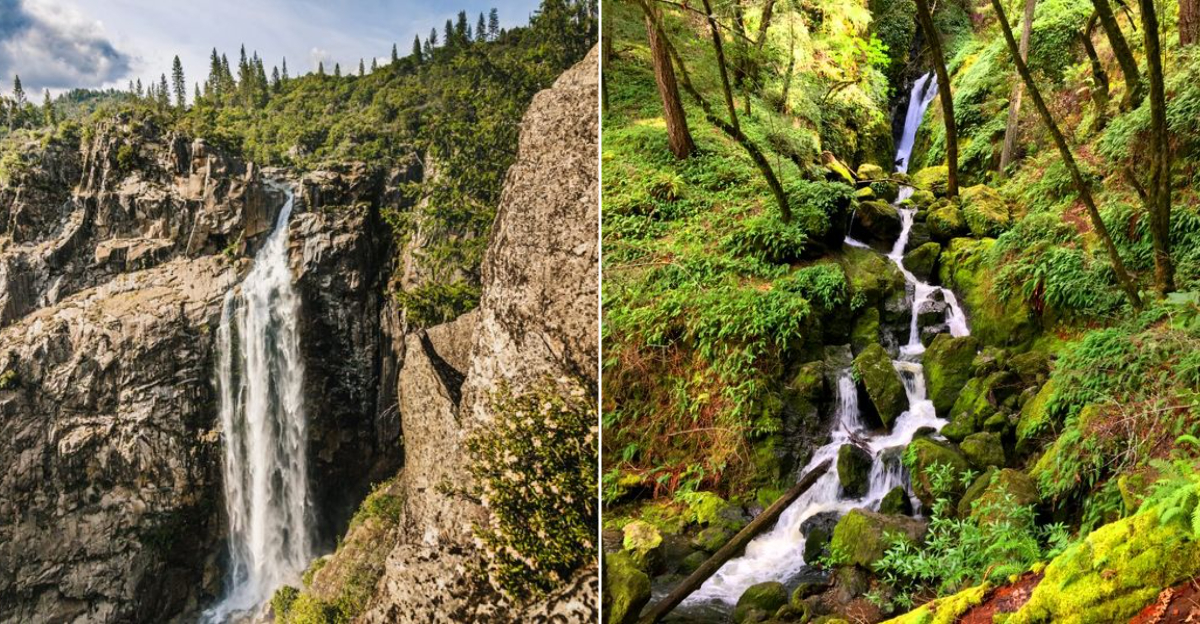
California’s majestic landscapes hold some of nature’s most spectacular water shows. While Yosemite Falls and Burney Falls attract admirers from around the world, countless lesser-known cascades wait quietly in remote canyons and shaded forests.
Over the years, I’ve wandered off the beaten path to discover these hidden gems—waterfalls where the only sounds are rushing water and birdsong, and where solitude feels like a rare gift.
Unlike the crowded overlooks, these secret spots offer a sense of discovery and wonder that lingers long after the hike ends. Lace up your boots and grab your water bottle—we’re heading to nine unforgettable waterfalls.
1. Alamere Falls: Ocean-Bound Cascade
The first time I stumbled upon Alamere Falls, I gasped audibly. This rare “tidefall” plunges directly onto the beach and into the Pacific Ocean – a sight that feels almost magical in its unexpectedness.
The 8.4-mile round-trip journey through Point Reyes National Seashore rewards hikers with coastal views before revealing its grand finale. Wildlife frequently makes appearances along the trail – I’ve spotted everything from hawks to bobcats.
Visit during winter or spring when rainfall maximizes the cascade’s power. Just remember to check tide schedules before setting out, as high tides can make the beach portion inaccessible.
2. Escondido Falls: Malibu’s Verdant Treasure
Tucked away in the Santa Monica Mountains lies a multi-tiered masterpiece that completely transforms after rainfall. My friends laughed when I suggested hiking to a waterfall in Malibu – until we rounded that final bend.
Lower Escondido Falls dazzles at 50 feet, but the determined hiker who continues upward discovers the 150-foot upper cascade draped in vibrant moss. The contrast between Malibu’s celebrity beaches and this secluded natural wonder creates an almost surreal experience.
Bring sturdy shoes with good grip – the final approach requires scrambling over slippery rocks. Spring visits offer wildflowers along the trail as a delightful bonus.
3. Burney Falls: The Aquifer Marvel
Mark Twain reportedly called it the “Eighth Wonder of the World,” and standing before its 129-foot curtain of water, I understood why. Burney Falls isn’t just fed from the top – hundreds of springs burst directly from the cliff face, creating a mesmerizing wall of water.
Located in McArthur-Burney Falls Memorial State Park, this waterfall flows year-round thanks to its underground water source. The mist-cooled microclimate supports unique plant communities you won’t find elsewhere in the region.
Morning visits often provide rainbow effects in the mist. The relatively easy 1-mile loop trail makes this spectacular falls accessible to most hikers, though summer weekends can draw crowds.
4. Black Rock Falls: Joshua Tree’s Desert Surprise
Finding water in Joshua Tree National Park feels like discovering buried treasure. The first time I hiked to Black Rock Falls after a winter storm, the contrast between flowing water and desert landscape left me speechless.
This ephemeral waterfall only appears after significant rainfall, making timing everything. The moderate 3-mile round-trip hike passes through classic Joshua Tree terrain before revealing this desert anomaly nestled among boulders.
Winter and early spring offer your best chances of catching this waterfall in action. Bring a camera – the juxtaposition of cascading water against the arid backdrop creates photos that friends back home won’t believe are from a desert.
5. McWay Falls: Big Sur’s Untouchable Beauty
Some natural wonders feel too perfect to be real. McWay Falls, with its 80-foot stream of water plunging onto a pristine beach in a perfect cove, seems like it belongs on a movie set rather than along Highway 1.
While technically visible from an easy overlook trail, I’m including it because few visitors realize there’s a secret viewpoint. A challenging unmaintained path leads to a higher vantage point offering an entirely different perspective that few photographers ever capture.
The main viewing area in Julia Pfeiffer Burns State Park gets busy, but go at sunrise to have this postcard-perfect scene to yourself. Remember that reaching the beach is prohibited to protect the fragile environment.
6. Salmon Creek Falls: Big Sur’s Hidden Twin
While tourists flock to McWay Falls, I’ve often enjoyed Salmon Creek Falls in splendid solitude. This 120-foot cascade creates a refreshing swimming hole that saved my sanity during a particularly brutal summer heatwave.
Located just off Highway 1 in southern Big Sur, the short quarter-mile trail makes this impressive waterfall surprisingly accessible. The multi-tiered structure creates numerous photographic opportunities as water dances down the rocky face.
Spring brings wildflowers dotting the hillsides around the falls. Brave souls can carefully climb to the upper sections for spectacular views, though the rocks get slippery – my bruised tailbone from a slip last year serves as a cautionary tale!
7. Feather Falls: Northern Sierra Spectacle
Yosemite gets all the waterfall glory, but Feather Falls rivals those famous cascades without the crowds. My hiking club stood mesmerized as the sixth-highest waterfall in the continental United States thundered 640 feet down a sheer granite face.
The moderately challenging 7-9 mile loop trail (depending on which route you choose) winds through beautiful forest before reaching an engineering marvel – a viewing platform perfectly positioned for photos. Spring visits showcase additional seasonal falls along the canyon walls.
Located near Oroville in the Plumas National Forest, this hike delivers maximum waterfall impact for your effort. Pack a lunch to enjoy at the observation deck while soaking in views that rival those of more famous national parks.
8. Cataract Falls: Marin’s Rainy Day Reward
Some waterfalls require perfect timing, and Cataract Falls delivers its magic after heavy rains transform Mount Tamalpais. The first time I hiked this trail after a storm, I counted nineteen distinct cascades along a single creek!
The 3-mile out-and-back trail follows Cataract Creek as it tumbles down a steep ravine. Moss-covered stones, wooden footbridges, and fern-lined paths create an atmosphere that feels more like the Pacific Northwest than the Bay Area.
Winter and early spring provide peak flow, though summer visitors still enjoy the shaded canyon’s beauty. The steep terrain offers a challenging workout that burns enough calories to justify that post-hike stop at the Pelican Inn nearby.
9. Mossbrae Falls: Railroad Adventure Required
Sometimes reaching paradise requires breaking a few rules. Mossbrae Falls creates a 175-foot-wide curtain of water draped in vibrant moss – but accessing it means walking along active railroad tracks, which is technically trespassing.
Located near Dunsmuir in the Shasta region, hundreds of springs seep through moss and ferns before joining the Sacramento River. The illicit 1-mile trek alongside tracks adds a thrilling element of adventure that makes the destination even sweeter.
A legal access trail is in development, but for now, visitors must decide whether to risk the railroad route. Those who do discover one of California’s most unique waterfalls – a wall of water that feels like stepping into a fantasy novel’s secret grotto.