
10 Secret Maine Small Towns You Need To Visit Before They Get Popular
The slate that marks President John F. Kennedy’s grave at Arlington came from a quarry town in Maine with fewer than 700 people. I had to read that sentence twice before it sank in.
That tiny town has company. Across the state, quiet places hold a candy-striped lighthouse, a whirlpool with its own name, and giant pumpkins that people paddle like boats.
One harbor village changed hands between rival nations more than once, and you can still walk past the old fort ruins.
I love that none of these spots needs a theme park or a fancy marketing campaign to be fascinating. They just need you to show up, slow down, and maybe pack an extra sweater for the fog.
Right now, these towns still feel like they belong to the folks who live there year-round. How long do you think that lasts once the secret slips out?
1. Castine
Few towns this small have been fought over by so many flags. French, British, Dutch, and American forces all wanted this peninsula at different points in history.
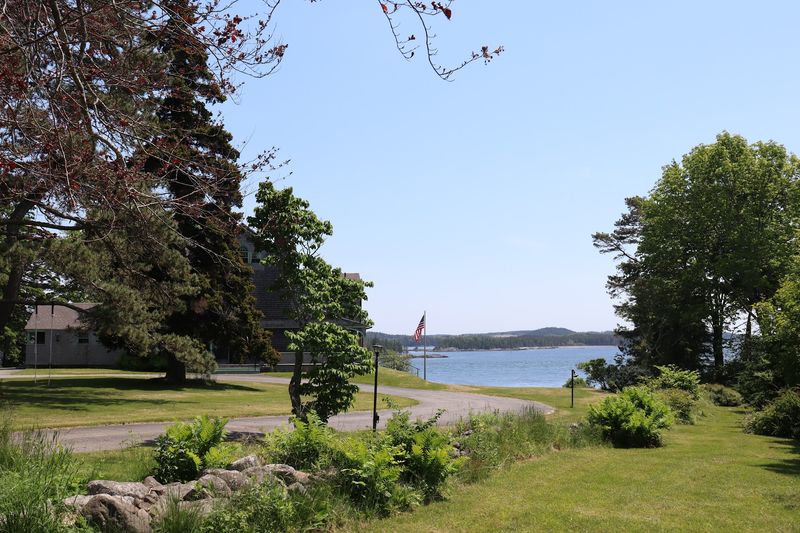
Castine sits at the end of a quiet road on Penobscot Bay. With roughly 1,300 residents, it feels more like a living history book than a tourist stop.
Want proof of the drama? Head to the grassy earthworks of Fort George, built by the British in 1779.
That same year brought the Penobscot Expedition, a disastrous American naval attempt to take the fort back. Historians still call it one of the worst American naval defeats before Pearl Harbor.
Historical markers dot the streets, so a simple stroll turns into a self-guided lesson. You can learn more at the Castine Historical Society and the Wilson Museum.
Need some fresh air after the history? Witherle Woods offers wooded trails with peeks of the water along the way.
Castine is also home to Maine Maritime Academy, which trains future ship officers and engineers. Spotting the academy’s training ship at the dock adds a fun salty touch to the harbor view.
Bring comfortable shoes and skip the rush. The whole point here is to wander, read the signs, and let the centuries stack up around you.
Honestly, it’s hard to believe a town this calm once sat at the center of so much conflict. That contrast is half the charm.
2. Lubec
Early birds, this one’s your trophy town. Lubec is the easternmost town in the contiguous United States, so it catches some of the country’s earliest sunrises.
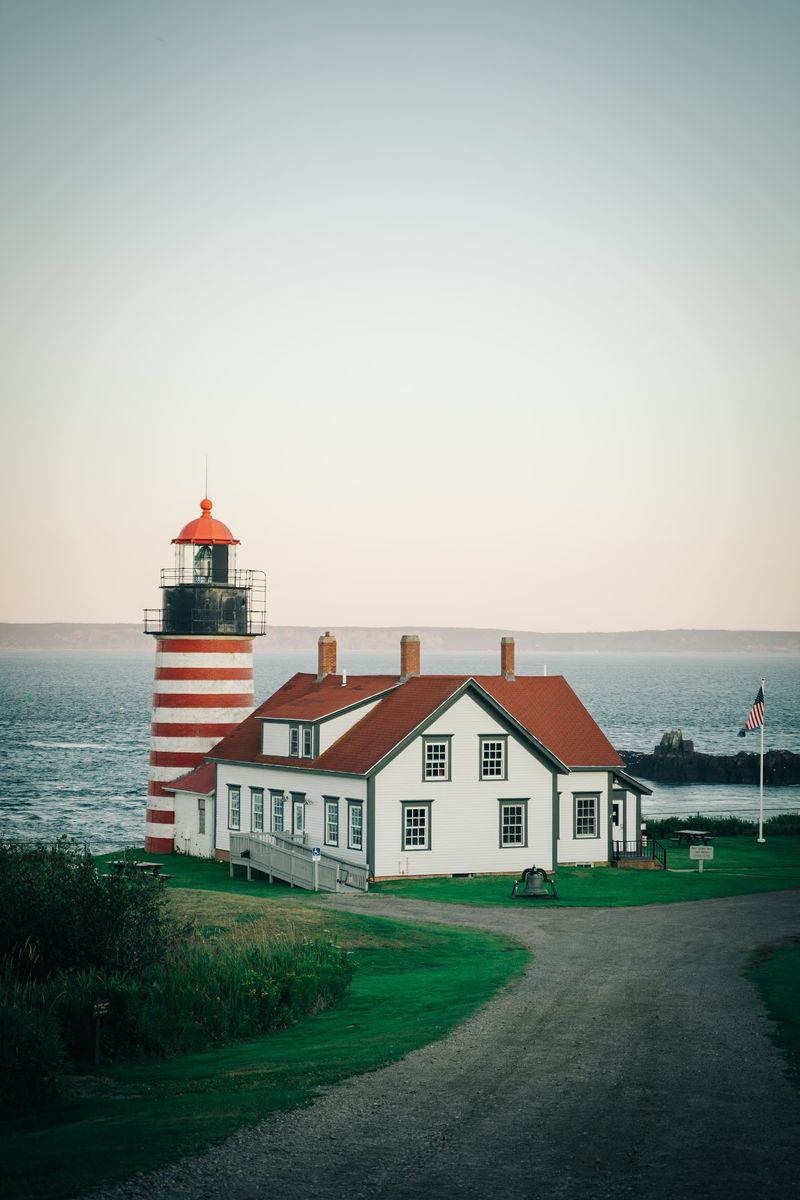
The star of the show is West Quoddy Head Light, painted in bold red and white stripes. It looks a lot like a giant candy cane standing guard over the sea.
The lighthouse sits inside Quoddy Head State Park, where trails wind along high cliffs and through coastal forest. Keep your eyes on the water, since whales sometimes pass by offshore.
Back in the village, the working waterfront still sets the pace. Lubec has about 1,300 residents, and the town feels refreshingly unpolished.
History fans should check out the McCurdy Smokehouse, a reminder of the days when herring smoking powered the local economy. It’s a small window into a big chapter of Downeast life.
Here’s a fun twist for your road trip. A bridge connects Lubec to Campobello Island in Canada, home to Roosevelt Campobello International Park.
Pack your passport if you plan to cross over. Border rules apply, and nobody wants a vacation story that ends at customs.
Plan for cool weather, even in summer, because ocean breezes can bite. Layers make the cliff walks far more pleasant.
Watching the sun climb out of the Atlantic here feels like getting a head start on the whole country. Not a bad bragging right before breakfast.
3. Monson
Talk about punching above your weight. Monson has fewer than 700 residents, yet its slate rests at Arlington National Cemetery on President Kennedy’s grave.
Slate quarrying shaped this town for generations. The dark stone is part of the local identity, and you’ll spot hints of it around the area.
Hikers know Monson for a different reason. It’s the last town before northbound Appalachian Trail hikers enter the famous 100-Mile Wilderness.
That makes the village a key stop for resupplying, resting, and one last real meal. The Maine Appalachian Trail Visitor Center here helps hikers prepare for the remote stretch ahead.
Not a long-distance hiker? You can still feel the trail spirit just by watching muddy backpackers roll into town with big smiles.
Monson has also reinvented itself as an arts community. Monson Arts offers workshops and artist residencies, bringing painters, writers, and makers to this quiet corner of the woods.
The mix is wonderfully odd in the best way. Quarry history, trail grit, and creative studios all share the same small Main Street.
Visit in early fall for crisp air and color on the hills. Bring bug spray in early summer, since the north woods have opinions about visitors.
If you enjoy places that feel like a well-kept secret, Monson fits the bill. Just don’t be surprised when you start planning a hike.
4. Stonington
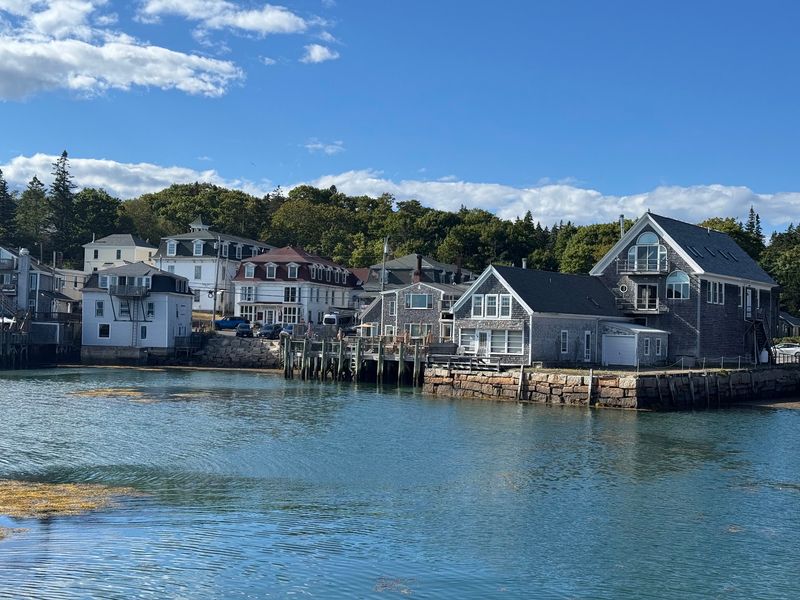
Lobster boats outnumber traffic jams by a mile in this harbor. Stonington ranks among Maine’s top lobster ports, and the working fleet fills the water.
The village sits on the southern tip of Deer Isle, reached by a bridge from the mainland. About 1,000 people live here year-round.
Granite helped build this place long before lobster took over. Quarries on nearby islands once shipped stone far beyond Maine.
For an evening out, head to the Stonington Opera House, built in 1912. It hosts movies, performances, and community events throughout the year.
Craving something sweet after a harbor walk? Stonington Ice Cream Company on Main Street serves a big lineup of flavors.
Nature lovers should save time for Barred Island Preserve in nearby Deer Isle. A forest trail leads to the shore, where a sandbar appears at low tide.
Check a tide chart before you go, because that sandbar disappears when the water returns. Getting stuck on a tiny island makes a great story, but not a great afternoon.
The Main Street hugs the harbor, so you can watch boats come and go while browsing. It’s a front-row seat to a real working coast.
Stonington doesn’t put on a show for visitors. It simply goes about its business, and that’s exactly why it feels so special.
5. Damariscotta
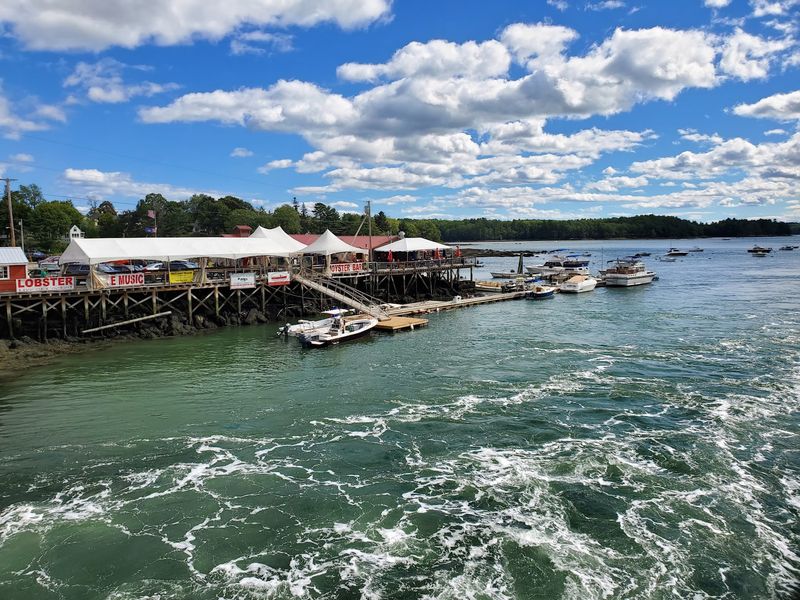
Ever seen someone paddle a hollowed-out giant pumpkin across a river? Damariscotta makes it happen every October during its Pumpkinfest and Regatta.
That festival shows the town’s playful side. The rest of the year, Damariscotta is a calm river town with about 2,300 residents.
Oysters are the real local celebrities. The Damariscotta River has a long reputation for growing excellent ones.
That oyster story goes back way further than you’d guess. At Whaleback Shell Midden State Historic Site, ancient shell heaps show people enjoyed oysters here thousands of years ago.
It’s wild to think of seafood lovers from that long ago leaving a trail you can still learn about today. Interpretive signs help explain what you’re seeing.
Downtown, the brick Main Street packs plenty into a compact space. Shops and eateries make it easy to spend an afternoon wandering.
The river runs right alongside the village, so water views come free with your stroll. Bring a camera for those reflections on a calm morning.
Visiting in fall gives you foliage plus pumpkin madness. Summer brings long days perfect for exploring the shoreline and nearby back roads.
Damariscotta proves a small town can be both historic and goofy. Where else can ancient shell heaps and pumpkin boat races share a zip code?
6. Greenville
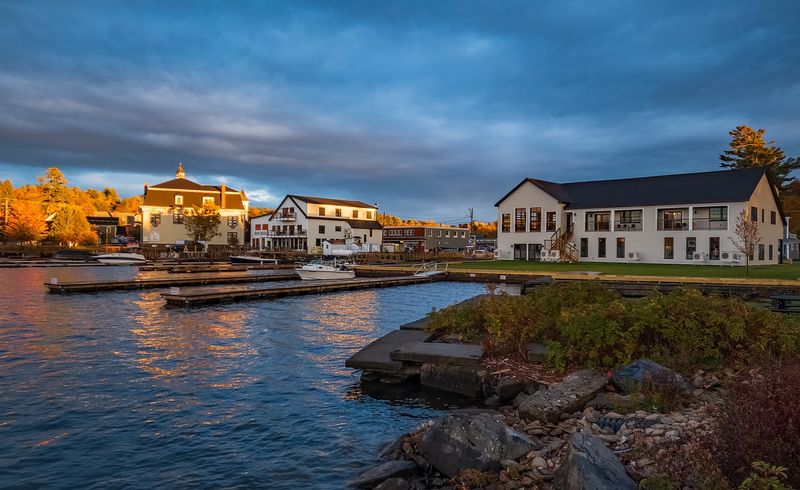
Moose outnumber traffic lights around here, and the lake is the size of a small sea. Greenville sits at the southern tip of Moosehead Lake, Maine’s largest lake.
The town has about 1,400 residents and a rugged north-woods personality. Think flannel, canoes, and plenty of quiet.
One of the coolest sights is the Katahdin, a historic steamboat launched in 1914. The Moosehead Marine Museum keeps her running for lake cruises.
Riding a boat that’s more than a century old feels like borrowing a time machine. Just with better views and a lot more pine trees.
Out on the lake, Mount Kineo rises with dramatic cliffs straight from the water. Hikers love the climb for its big lake views.
Wildlife spotting is a favorite pastime in the region. Moose are the headline, so drive carefully at dawn and dusk.
The village center keeps things simple, with outfitters and shops geared toward outdoor fun. Winter brings snowmobiling and ice fishing to the area.
Pack for changeable weather, even in summer. Mornings on the lake can feel chilly before the sun warms things up.
Greenville is for folks who’d rather hear loons than car horns. If that sounds like you, this lake town might steal your heart.
7. Bethel
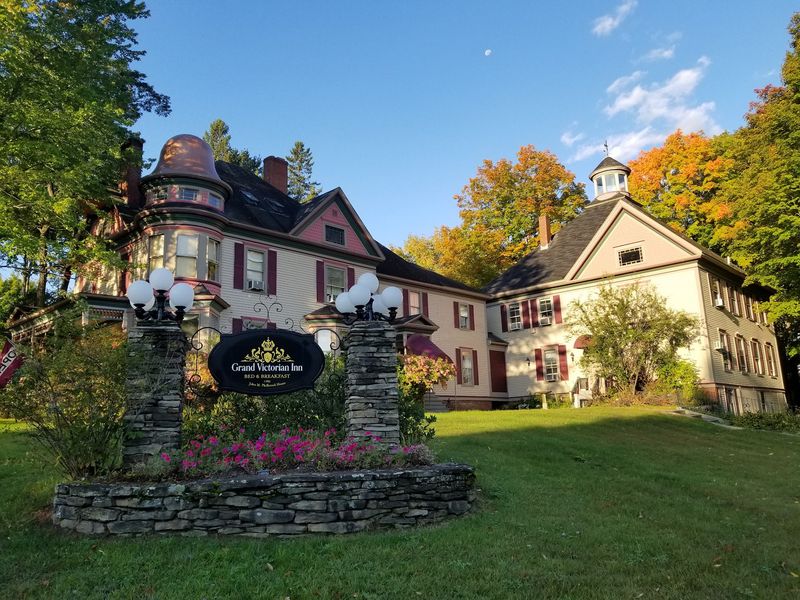
A covered bridge built in 1872 might be the most photographed spot in this mountain region. The Artist’s Bridge in nearby Newry earned its nickname from painters drawn to the scene.
Bethel sits in western Maine near the White Mountains, with roughly 2,500 residents. A historic village green gives the town a classic New England look.
History buffs should stop at the Museums of the Bethel Historical Society on Broad Street. Two historic homes hold exhibits and period rooms.
The Moses Mason House dates to 1813, so you’ll step into a very old chapter of town life. It’s a neat way to see how early residents lived.
Outdoors, the Bethel Pathway follows the Androscoggin River. It’s great for walking, biking, or snowshoeing when winter arrives.
Gould Academy, a private boarding school, adds a lively campus feel to the village. Its buildings blend right into the historic streets.
Ski fans know Sunday River sits just up the road. That means Bethel works as a quieter home base for snowy adventures.
Fall foliage season paints the hills in bright colors. Book early if you plan a leaf-peeping weekend.
Bethel balances mountain fun with small-town calm. It’s the kind of place where a short visit quickly turns into a longer one.
8. Eastport
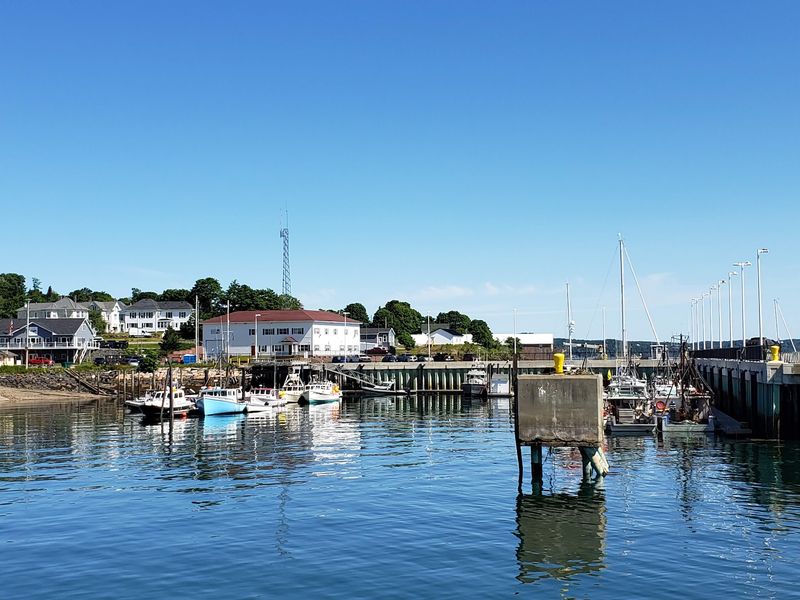
Out in the bay, a whirlpool with a name keeps boaters on their toes. The Old Sow, near Eastport, ranks among the largest whirlpools in the Western Hemisphere.
Eastport sits on Moose Island in Passamaquoddy Bay, connected to the mainland by a causeway. It’s known as the easternmost city in the United States.
Don’t let the word city fool you, though. About 1,300 people live here, and the vibe stays small and easygoing.
The tides are the real showstoppers. Water levels rise and fall dramatically, sometimes close to 20 feet.
Watch the pier for a while and you’ll see boats float high, then sink far below the dock. It’s like nature playing with an elevator.
Downtown, 19th-century brick buildings line the waterfront. Art galleries and shops fill many of the old storefronts.
Keep an eye out for the big fisherman statue on Water Street. It makes a fun photo stop and a nod to the town’s seafaring roots.
Canada sits right across the water, so the views feel almost international. Sunsets over the bay are worth planning dinner around.
Eastport rewards curious travelers who drive the extra miles. The tides alone could keep you entertained for hours.
9. Blue Hill
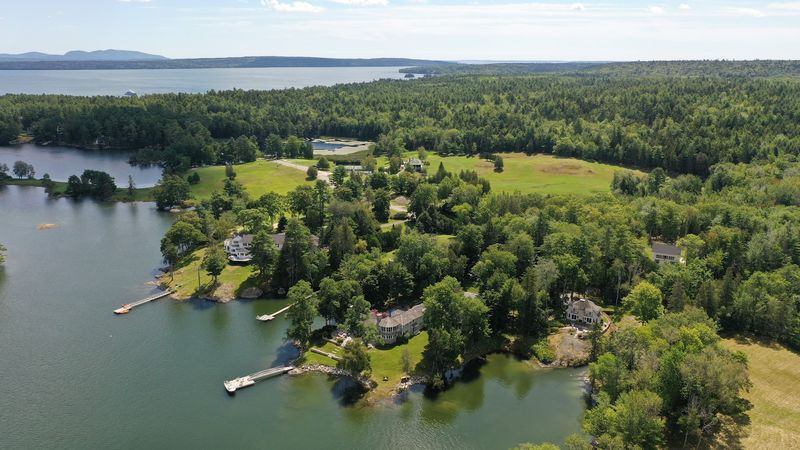
Charlotte’s Web fans, take note. The Blue Hill Fair is widely linked to E.B.
White’s classic, and the author lived in nearby Brooklin.
The fair still happens each year around Labor Day weekend. Think farm animals, rides, and old-fashioned country fun.
Blue Hill itself sits along Blue Hill Bay with about 2,700 residents. Artisan crafts are a big part of its identity.
Want a view to brag about? Hike Blue Hill Mountain for sweeping looks at the bay and surrounding islands.
The trail is short enough for many families, yet the payoff feels huge. Pack water and wear sturdy shoes for the rocky sections.
Music fans should look into Kneisel Hall, known for its summer chamber music. Live performances in a small village add a lovely surprise to any trip.
Historic homes line the streets, giving the village a classic coastal look. A slow drive around the bay reveals pretty farms and inlets.
Blue Hill mixes art, music, and nature without feeling crowded. It’s a place that invites you to linger a little longer.
10. Kingfield
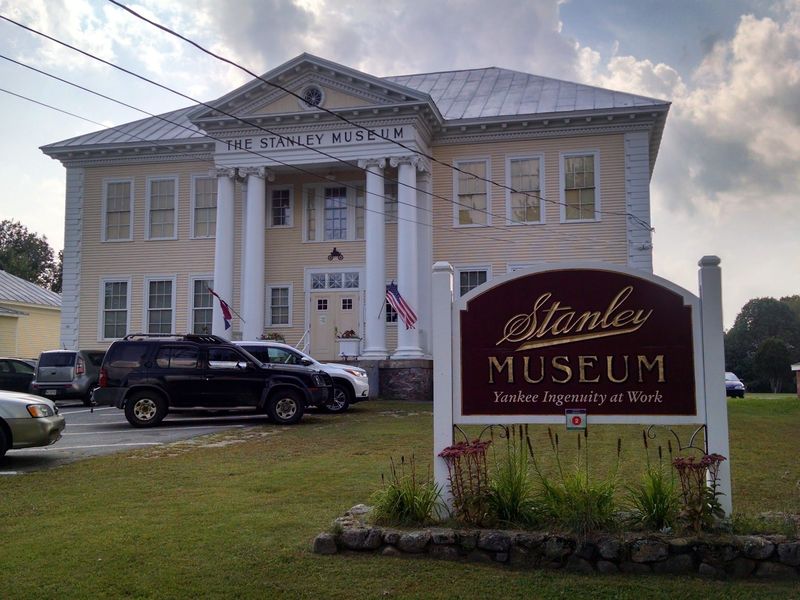
Steam-powered cars once zipped around thanks to two brothers from this tiny town. Twins Francis and Freelan Stanley, creators of the Stanley Steamer, were born in Kingfield.
The Stanley Museum celebrates their story with exhibits on the famous cars. It also covers the family’s other talents, including photography.
Kingfield sits along the Carrabassett River in the western Maine foothills. About 1,000 people call it home.
The red-brick Main Street gives the town a classic, old-time feel. It’s the sort of downtown that looks great in any season.
Skiers often pass through on the way to Sugarloaf, just up the road. Staying in Kingfield offers a quieter base with easy mountain access.
Summer brings a different kind of fun. The river and surrounding trails invite hiking, paddling, and lazy afternoons outdoors.
Fall turns the hills into a patchwork of color. Bring your camera, since the foliage views along the valley can be stunning.
This is a great stop for families who like a little learning mixed into their road trips. Kids tend to love the idea of cars running on steam.
Kingfield blends mountain scenery with a quirky slice of inventor history. Pretty impressive for a town you can cross in a few minutes.