
11 Secret Montana Landscapes So Spectacular Locals Try To Keep Them Quiet
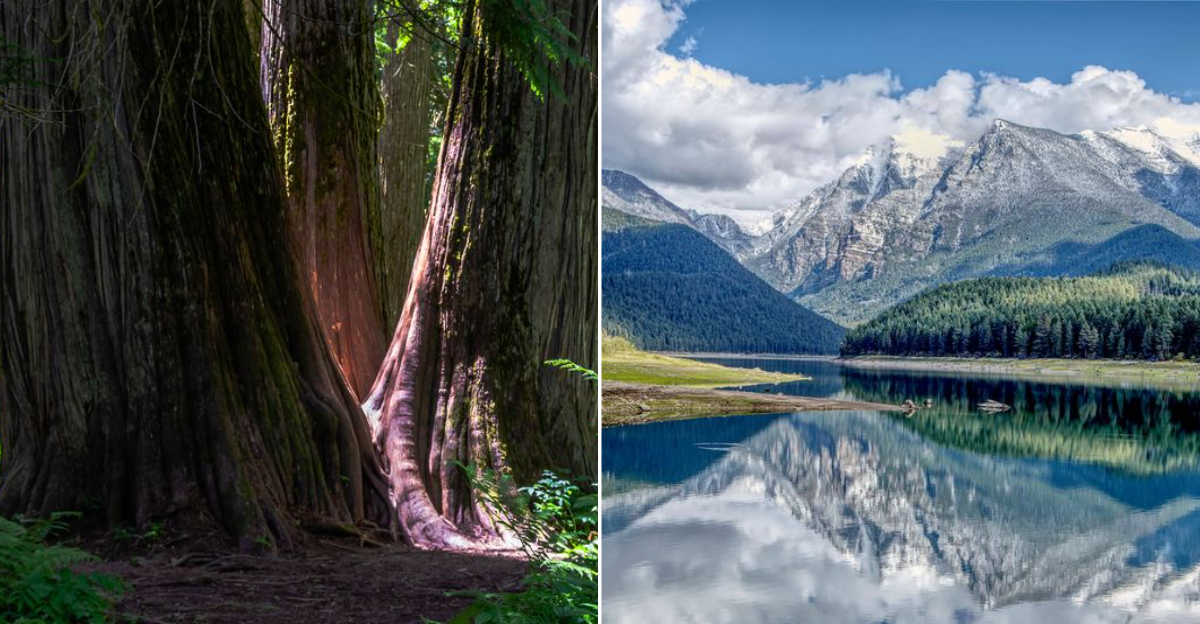
Montana has a way of surprising you the moment you step away from the main roads. I’ve wandered into valleys where the silence feels ancient, stumbled onto rock formations that seem almost otherworldly, and found pockets of wilderness locals talk about only when they trust you.
These aren’t the postcard places, but hidden corners where the sky feels bigger, the trails quieter, and the sense of discovery comes naturally. From strange geological wonders to peaceful sanctuaries where wildlife moves like part of the landscape, these spots reward anyone willing to roam a little farther.
If you’re ready to explore Montana the way Montanans love it, let’s start here.
1. Ringing Rocks, Near Whitehall
A sharp metallic ping hangs in the air the first time you tap one of these boulders. It’s such an unexpected sound in such a quiet clearing that you catch yourself checking whether someone is joking behind you.
Once the echo fades, the space feels almost secretive. The wind barely moves, and the scattered stones look like they tumbled here on purpose. The whole field carries a strange mix of silence and anticipation, like it’s waiting for the next note.
The rocks sit north of I-90 near Whitehall, reached by a short gravel road that requires steady driving. Bring a small hammer and tap gently, the tones change from rock to rock, and they’re most vibrant when left exactly where they rest.
2. Medicine Rocks State Park, Ekalaka
The sandstone pillars rise from the grasslands in tall, pale shapes, full of tiny arches and holes carved by wind. Walking between them feels like stepping into an outdoor gallery where each formation leans or twists differently.
Plains tribes once visited these rocks for ceremonies and visions, leaving traces of centuries-old inscriptions on some surfaces. Their history gives the formations an added quietness, as if you’re meant to slow down and really see each curve and cavity.
If you time your visit for late afternoon, the rock faces soak up warm light that photographs beautifully. Bring water, the park is remote, and shade is rare beyond the taller pillars.
3. Makoshika State Park, Glendive
Late-day sun hits the badlands in a way that makes every ridge glow rust-gold, and the silence feels larger than the landscape. You hear tiny movements, grasshoppers, pebbles loosening, wind curling around hoodoos.
Makoshika spreads across Montana’s largest state park, where dinosaur fossils hide in eroded slopes and trails weave through canyons shaped by time. The terrain shifts constantly: light, shadow, sandstone, sage, all in motion as you walk.
I’ve always felt Makoshika rewards wanderers more than planners. Let the trails pull you in different directions; the park seems to reveal its best views only when you stop expecting them.
4. Ross Creek Cedars Scenic Area, Near Troy
The temperature drops the moment you step beneath the canopy, almost as if the air thickens with cool moss. Your footsteps soften instantly, and every sound feels muted under the towering branches.
There’s a cathedral calm here, helped by the filtered light that slides across trunks older than most towns in the region. Even when people pass on the trail, the hush returns quickly, as if the forest resets itself.
The grove sits at the end of a narrow road southwest of Troy, where a short, level loop trail guides visitors through cedars reaching more than 500 years old.
5. Gates Of The Mountains, Helena area
Boat captains here like pointing out the rock walls that seem to slide open as you enter the canyon, and it’s one of those details that actually lives up to the storytelling. The limestone cliffs rise straight out of the water, creating framed views in every direction.
The name comes from Meriwether Lewis, who marveled at the way the channel narrowed and widened during his expedition. Seeing it from the water still feels like discovering a natural corridor untouched by time.
Tours launch north of Helena from the Missouri River. They run regularly in summer, but spring flows can change schedules, so checking ahead helps.
6. Natural Bridge Falls, Big Timber Area
Early spring runoff hits this spot with a force that sends spray drifting across the overlook, and the river shifts from calm to powerful in seconds. In late summer, the exposed riverbed reveals how the rock channels once shaped a full natural bridge.
The original stone arch collapsed in 1988, leaving behind a geologic story visible in the carved channels and ledges. Interpretive signs help explain how constant pressure from the Boulder River changed the landscape over centuries.
I’ve stood here in different seasons, and each visit feels like meeting a familiar place with a new temperament. It’s impossible not to linger.
7. Devil Canyon Overlook, Bighorn Canyon NRA
The overlook greets you with a wide, windy silence that seems to pull the horizon closer. Even before you reach the railing, the canyon colors stack themselves in dusty reds and slate blues.
From here, the Bighorn River carves a deep twist through cliffs that feel impossibly steep. The water’s pale green ribbon contrasts with massive stone walls that stretch far beyond the frame of any camera.
It’s the kind of view that makes you stop mid-step without realizing it. The scale hits slowly, as if your eyes need a moment to catch up.
8. Crystal Lake Ice Caves, Big Snowy Mountains
The trail begins near Crystal Lake and winds upward into cooler air, eventually reaching pockets of ice that remain even as summer heat rises below. The caves hide along a limestone slope where moisture and shade preserve layers of frozen ground.
Locals have known about these formations for generations, using them as markers of the mountain’s unusual geology. Snowy Mountain stories often mention the lingering cold, and this trail is one of the clearest examples.
Bring sturdy shoes and expect meltwater along the path. The ice can be slick, and a slow approach makes the experience far better.
9. Sluice Boxes State Park, Belt Creek Canyon
The first thing you hear is the echo of Belt Creek ricocheting between canyon walls, a layered sound that follows you along the old rail bed. The trail dips through cottonwoods and open ledges, shifting from sun to shade in quick strokes.
Remnants of mining sites and trestles add a rugged texture to the landscape. The canyon tightens and opens unpredictably, giving the whole route a restless energy.
I love how this park feels both scrappy and scenic. Every bend reveals something slightly different, and the mix of history and raw terrain always pulls me forward.
10. Kootenai Falls And Swinging Bridge, Near Libby
In early summer, the river swells with snowmelt, turning the falls into a booming curtain of turquoise and white. The mist rises high enough to dampen your clothes before you reach the bridge, and the sound grows louder with every step along the forested path.
This stretch of the Kootenai has long been sacred to the Kootenai Tribe, and stories about the river’s power still anchor local memory. The bridge came later, offering visitors a way to witness the water’s force up close.
Standing in the middle, you feel the plank sway beneath your feet. The magnitude of the river pulls your attention completely, and the moment becomes hard to shake afterward.
11. Mission Mountains Wilderness, Mission Range
Hidden cirques tucked above treeline hold pockets of late-season snow that gleam even when valleys turn warm. These high, quiet basins feel sealed off from everything, as if carved specifically for those willing to climb a little higher.
Once you enter the wilderness boundary, the air shifts into cooler pockets and the mountains reveal their scale in steep, sharp layers. Trails weave between meadows and rock fields, giving you wide, unbroken views of the jagged crest.
Most hikers start early to use the morning light and softer temperatures. The rhythm works, and it leaves afternoons free to linger by lakes before heading back.