
5 Secret Spots In Acadia To See The Stars Like Never Before This September
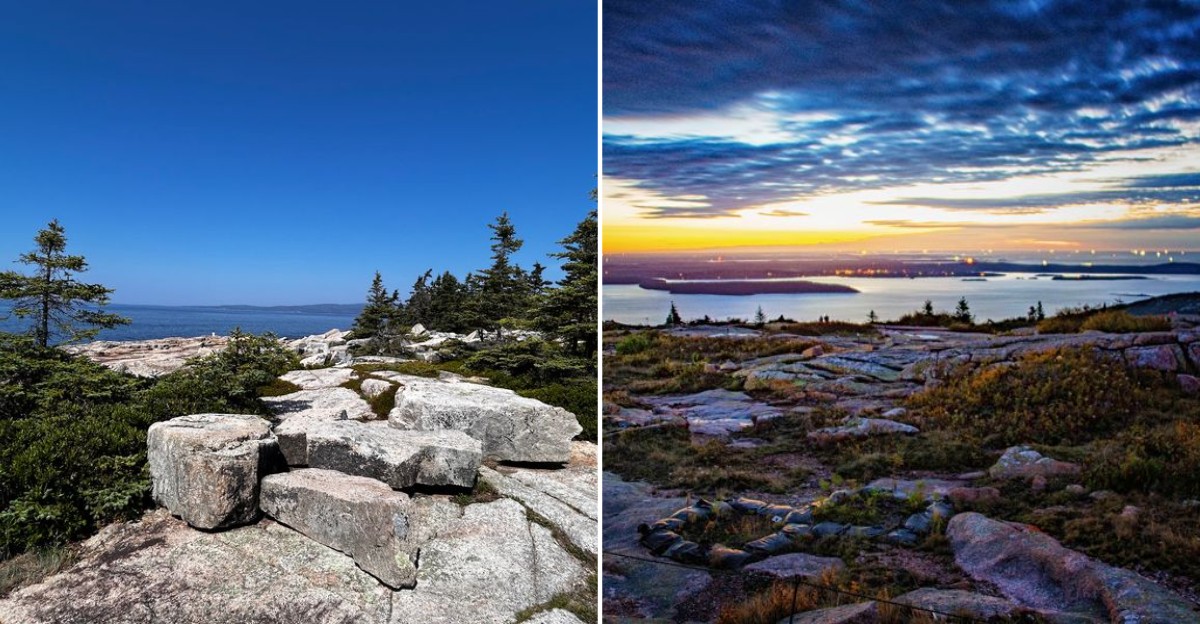
September turns this corner of Maine into a completely different place after sunset. Cooler air settles over the coast, and the lack of major city lights gives the night sky room to shine.
On a clear evening, the Milky Way can stretch overhead with surprising detail, while strong solar activity may occasionally bring a rare glimpse of the northern lights. The experience feels especially memorable beside the water, where dark horizons make the stars seem even brighter.
A warm layer helps once temperatures drop, and a red-light flashlight is handy for moving around without spoiling your night vision. Bring something comfortable to sit on, pour a hot drink, and give your eyes time to adjust.
September stargazing here can turn an ordinary evening into one you remember long after the trip ends.
1. Sand Beach
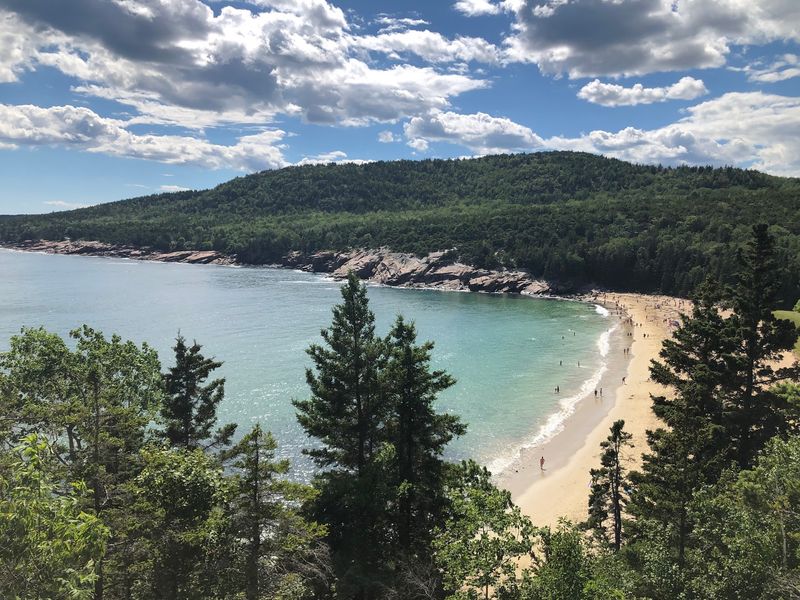
Few places blend ocean sounds and starlight quite like Sand Beach, the sandy cove inside Acadia National Park near Bar Harbor, Maine. Surrounded by rocky headlands, it feels dramatically different once the daytime beach activity begins to fade.
The beach is Acadia’s largest sandy beach and one of the park’s busiest coastal destinations during daylight hours. Folks come for swimming and nearby hiking, while others simply stop to enjoy the view.
The water remains remarkably cold even during summer, so September visitors should expect the shoreline to feel brisk after sunset. That cool coastal air makes layers especially useful once you settle in for a longer look at the sky.
Darkness changes the experience completely. Familiar cliffs become silhouettes, and the sound of waves becomes much more noticeable once the surrounding landscape disappears into the night.
Sand Beach is also one of the places the National Park Service recommends for stargazing. Clear nights can reveal a broad field of stars, and darker conditions give the Milky Way a chance to stand out overhead.
The open view toward the ocean helps too. There are fewer buildings competing with the horizon, which keeps artificial light relatively limited compared with developed areas outside the park.
Give your eyes time to adjust before deciding how good the night sky looks. Twenty minutes away from a bright phone screen can reveal stars that were almost invisible when you first arrived.
A flashlight with a red setting is especially handy while walking near the sand and parking area. It provides enough light to move carefully without immediately ruining your night vision.
The surrounding landscape also deserves attention. On a moonlit night, the rocky edges of the cove can take on a completely different character.
During darker conditions, those same headlands fade almost entirely and leave the sky as the main attraction.
September can still bring plenty of visitors to Acadia, so do not expect guaranteed solitude. Evening generally feels different from the busiest daytime hours, though, especially after beachgoers and hikers have finished their outings.
Bring a blanket or something comfortable for the sand. Once you are settled, there is little reason to rush.
The combination of cold Atlantic air and a wide night sky can make an ordinary beach stop feel completely new.
2. Schoodic Point
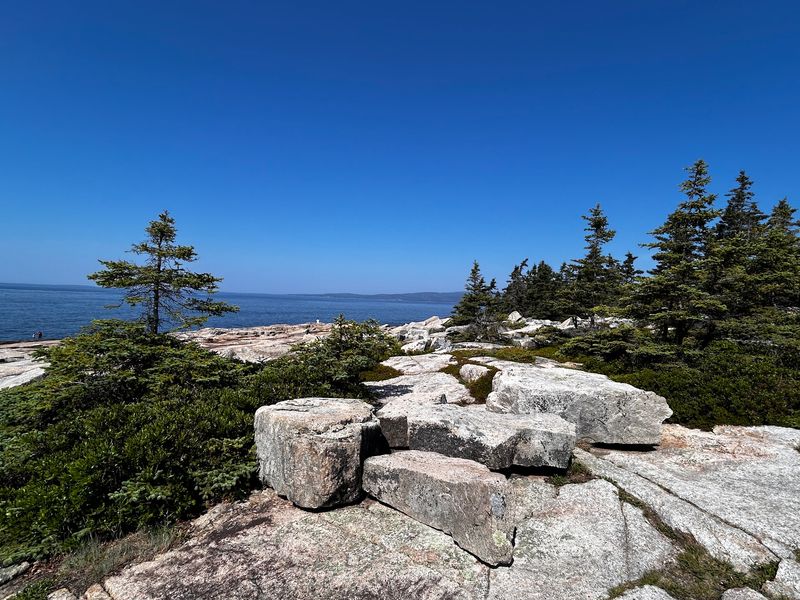
Craving a stargazing spot where the crowds thin out and the horizon opens wide? Schoodic Point on the Schoodic Peninsula near Winter Harbor, Maine, deserves a serious look.
This mainland section of Acadia National Park feels removed from the activity found around the park’s better-known Mount Desert Island destinations. That quieter character can be especially appealing after sunset.
The coastline here is rugged rather than sandy. Broad granite surfaces meet the Atlantic, and waves can create an impressive soundtrack while you wait for darkness.
Come before sunset and you also get a chance to become familiar with the terrain. That matters because rocky surfaces that seem easy to cross in daylight become much trickier once your main light source is a headlamp.
The exposed shoreline creates broad views of both water and sky. On clear nights with limited moonlight, the stars become much easier to appreciate once your eyes adjust.
The Milky Way may also become visible under favorable conditions. Its appearance changes with the season and time of night, so it will not look exactly the same during every September visit.
A cloudless forecast is only part of the equation. Coastal haze can soften the view, and bright moonlight can wash out many of the faintest stars.
A night with clear air and little moonlight generally gives stargazers the strongest contrast.
There is something satisfying about watching the change happen gradually. Sunset colors fade over the water, the horizon becomes harder to distinguish, and stars begin appearing one at a time.
Give it another half hour and the sky can look dramatically busier.
Schoodic Point also rewards visitors who resist the urge to keep moving. Find a safe place well away from wet rocks and let your eyes adjust.
Sturdy shoes are important here. A headlamp is useful too, particularly once you need to return toward the parking area.
The ocean deserves respect after dark. Waves can reach farther onto exposed rocks than expected, and slippery surfaces become harder to judge without daylight.
Staying well back from active surf makes the evening far more relaxing.
Temperatures may also feel colder than the forecast suggests once wind comes off the water. An extra layer can make the difference between leaving early and staying long enough to see the sky reach its darkest stage.
The extra drive to Schoodic is part of its appeal. Visitors who make the trip get a different side of Acadia, where granite shoreline and open Atlantic views create a memorable place to watch September turn into night.
3. Jordan Pond
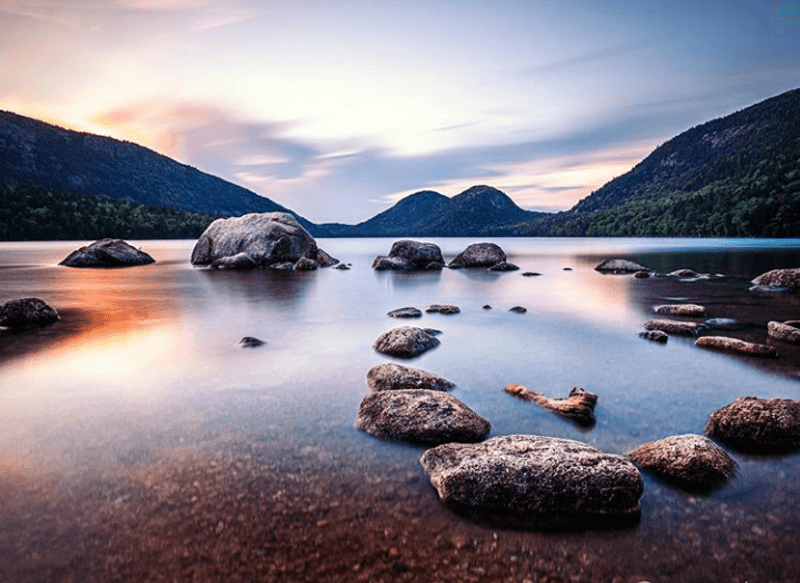
Glaciers carved this 187-acre mountain lake long ago, and today Jordan Pond in Mount Desert, Maine, remains one of Acadia’s most recognizable landscapes.
The pond is known for exceptionally clear water and dramatic mountain scenery. During daylight hours, the 3.3-mile Jordan Pond Path circles the water and gives hikers changing perspectives along the shore.
Nearby Jordan Pond House adds another familiar landmark to the area. September visitors can stop there earlier in the day before shifting their attention toward the evening sky.
After sunset, the same landscape becomes much quieter visually. Mountains that dominate the daytime view turn into dark outlines, leaving a larger share of your attention on the sky.
Jordan Pond is also specifically recognized by the National Park Service as a stargazing location. Clear conditions can reveal an impressive night sky, particularly once artificial light and bright moonlight are limited.
Water adds another dimension to the experience. Calm conditions may allow bits of moonlight or bright points in the sky to shimmer on the surface, though the appearance changes constantly with wind.
The safest approach is to choose a suitable viewing area while plenty of daylight remains. The trail includes uneven footing in places, so wandering around the shoreline after dark is not the best way to search for a seat.
A red-light flashlight helps preserve night vision while still making it easier to move carefully. Keep regular white lights to a minimum once you settle in.
Northern lights are possible in Maine during strong geomagnetic activity, though they should always be treated as a bonus rather than an expected part of the evening. Jordan Pond does not guarantee an aurora show.
During a strong event, faint bands or subtle colors may occasionally become visible in the night sky. Cameras can sometimes pick up more color than the naked eye, so a photograph may look much brighter than what you see while standing beside the pond.
Checking an aurora forecast before heading out can help set realistic expectations. A regular clear September evening remains worthwhile even without any unusual solar activity.
The Milky Way is the more dependable goal under dark conditions. Give your eyes plenty of time to adjust and look away from nearby lights whenever possible.
September evenings beside the water can become chilly quickly. A jacket and something comfortable to sit on will make a longer session much easier.
The surrounding mountains also make this location feel distinctly different from the coastal sites elsewhere in the park. Instead of waves rolling onto granite, you get still water framed by darkened peaks.
That contrast is part of Jordan Pond’s appeal. It already looks dramatic during the day, yet waiting until the last light disappears reveals an entirely different side of one of Acadia’s best-known landscapes.
4. Cadillac Mountain Overlook, Bar Harbor
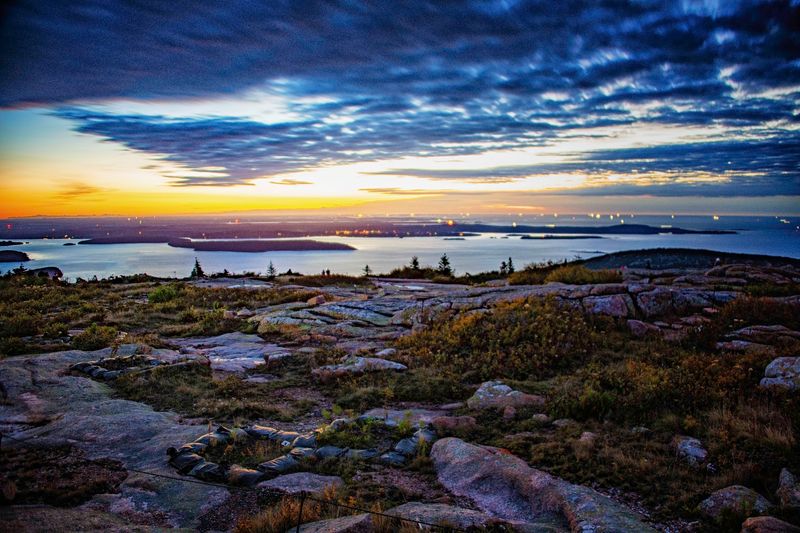
Nothing says big-sky viewing quite like climbing to the highest point in Acadia National Park. Cadillac Mountain rises 1,530 feet above sea level near Bar Harbor, Maine, giving visitors broad views over islands and the surrounding coastline.
The summit is best known for sunrise, but darkness deserves attention too. With relatively little standing between you and the horizon, the view feels much more open than at lower elevations.
On a clear night, stars can seem to fill nearly every available patch of sky. Darker conditions can reveal fainter stars as well, especially after you spend enough time away from bright headlights and phone screens.
Wind is a major consideration on the summit. Conditions can feel dramatically cooler than they did at lower elevations, so bring an extra layer even when the evening begins comfortably.
September visitors also need to understand the road rules before heading uphill. In 2026, vehicle reservations are required for Cadillac Summit Road between May 20 and October 25.
A park entrance pass is also required. The vehicle reservation does not replace that pass, so drivers need to plan for both.
Parking is limited to designated summit parking areas and approved pullouts. Street parking is not part of the setup, and leaving a vehicle outside designated spaces is not a good option.
There is another important detail for stargazers. During the vehicle-reservation season, cars must leave Cadillac Summit Road by 9 p.m.
Overnight vehicle parking is prohibited.
That means a September evening visit requires a little more planning than simply driving up and staying as late as you want. Sunset timing becomes important, particularly earlier in the month when darkness arrives later.
Visitors can also reach the summit on foot using established hiking routes, but nighttime hiking requires proper preparation. The trip should not be treated like a casual stroll after dark.
Those who visit by car can still enjoy a meaningful stretch of evening sky before the road closes. Arriving with enough daylight left also makes it easier to learn the layout and choose a safe viewing location.
Once darkness deepens, avoid using bright lights unnecessarily. Even a quick look at a brilliant phone screen can make nearby stars seem faint again for several minutes.
Clouds can create dramatic scenes, but they are not ideal for serious stargazing. A forecast with low cloud cover gives you a much better chance of enjoying the summit’s open view.
Moon phase matters here as well. A bright moon can illuminate the landscape beautifully, while a darker night will generally reveal more stars.
Weekdays may feel calmer than particularly busy evenings, though September remains part of Acadia’s busy season. A reservation does not mean the summit will feel empty.
Still, standing high above the coastline after sunset creates a perspective that is hard to duplicate elsewhere in the park. Plan around the access rules, dress for wind, and let the elevation do the rest.
5. Seawall Acadia National Park, Southwest Harbor
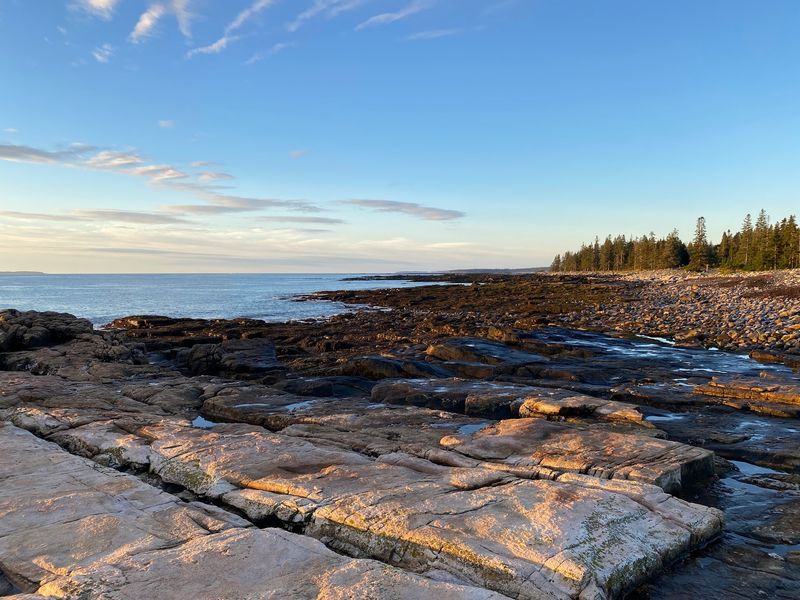
Over on the quieter western side of Mount Desert Island, Seawall Picnic Area near Southwest Harbor, Maine, offers another coastal option for an evening under the stars.
The shoreline here has a very different personality than Sand Beach. Instead of soft sand beneath your feet, you get a rugged coastal landscape with cobbles and exposed rock beside the water.
Daytime visitors stop for picnics and tidepool exploration. Nearby trails give families additional ways to explore the area before sunset, and leashed dogs are permitted under park rules.
Designated parking at the picnic area makes the shoreline relatively straightforward to reach. That convenience is useful when you are carrying a blanket or extra layers for the evening.
As daylight disappears, Seawall’s open coastal view becomes its biggest advantage. The National Park Service recommends the area for stargazing, and favorable conditions can reveal the Milky Way.
Southern and northeastern views are particularly open. That broad horizon gives stargazers plenty of sky to work with without needing to hike far into the backcountry.
September weather can be unpredictable near the ocean. Fog may arrive and obscure stars surprisingly quickly, even after the evening begins with reasonably clear conditions.
That does not make planning impossible. Checking cloud cover shortly before leaving can improve your odds, while keeping expectations flexible makes coastal weather less frustrating.
Moonlight changes the scene here too. A brighter moon can illuminate the shoreline and water, while a darker evening brings more faint stars into view.
Once you find a safe place to settle, let your eyes adjust. The first several minutes rarely reveal everything the sky has to offer.
Avoid sitting too close to the active waterline. Tides change, and wet coastal rocks can be slippery even during calm conditions.
A red-light flashlight will make the walk back toward the parking area easier without flooding the shoreline with bright light. Proper footwear is also worth bringing rather than relying on casual beach shoes.
Families may appreciate Seawall because a rewarding night-sky view does not require a long mountain hike. That does not eliminate the need for caution, especially around rocks and water after dark.
The atmosphere stays simple. Waves continue breaking beyond the shoreline, nearby land disappears into shadow, and stars slowly take over the open sky.
Strong geomagnetic activity can occasionally bring an aurora into view in Maine, though sightings remain unpredictable. The regular night sky offers plenty to appreciate without relying on that rare bonus.
Visitors hoping to photograph the Milky Way may find Seawall particularly appealing because of its open ocean horizon. The scene can include both stars and the dark Atlantic without requiring an elaborate hike to reach the viewing area.
Bring enough clothing for a chilly evening and give yourself time. Stargazing works best when it is not treated like a five-minute roadside stop.
Seawall shows how much Acadia changes once daylight disappears. The scenery may be familiar, but under a clear September sky, the experience feels completely different.