
12 Secret Towns In Ohio With Far More Charm Than Expected
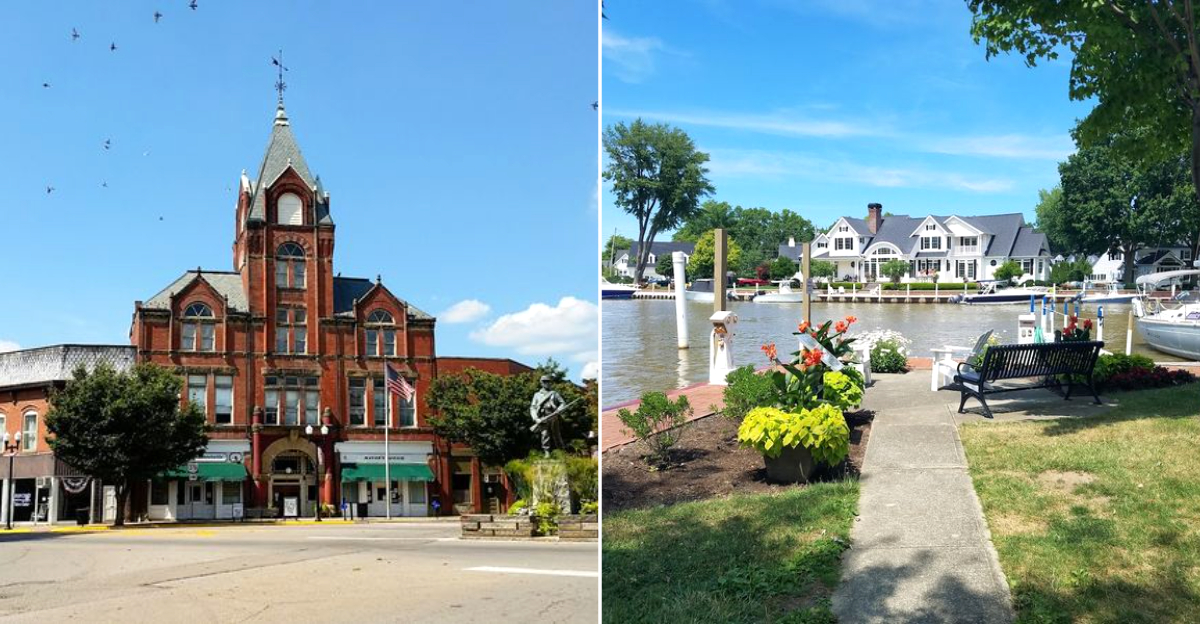
I have driven through plenty of small towns that gave me no reason to slow down. Ohio also has a few that make you miss the turn because you are too busy looking around.
These places are easy to underestimate. Then you notice the preserved downtown, the riverfront, the local shops, or one oddly specific festival that the whole community takes very seriously.
Which towns deserve more than a quick pass through? These 12 Ohio stops offer far more character than their size suggests, and several may quietly rearrange your next road trip.
1. Peninsula, Ohio
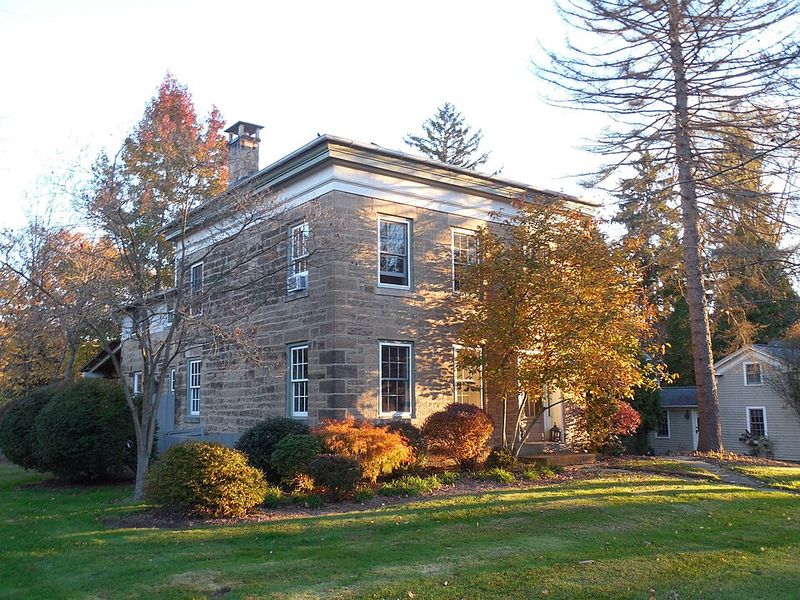
Right in the heart of Cuyahoga Valley National Park sits a town so picturesque it almost feels staged for a movie set.
Peninsula has been drawing nature lovers and history buffs for decades, and it is easy to see why the moment you spot its 19th-century storefronts lining a single, tree-canopied main street.
The town sits along the old Ohio and Erie Canal route, which means the history here runs deep and the scenery runs even deeper.
Hiking trails branch out in every direction from town, connecting you to waterfalls, meadows, and the winding Cuyahoga River.
The Towpath Trail is a local favorite, stretching through the valley and offering some of the most peaceful walking in the entire region.
Local shops carry handmade goods, vintage finds, and fresh baked treats that make window shopping genuinely dangerous for your wallet.
Fall is absolutely the best time to visit, when the surrounding forest turns into a wall of orange and red that frames the town like a painting nobody wants to leave.
2. Zoar, Ohio
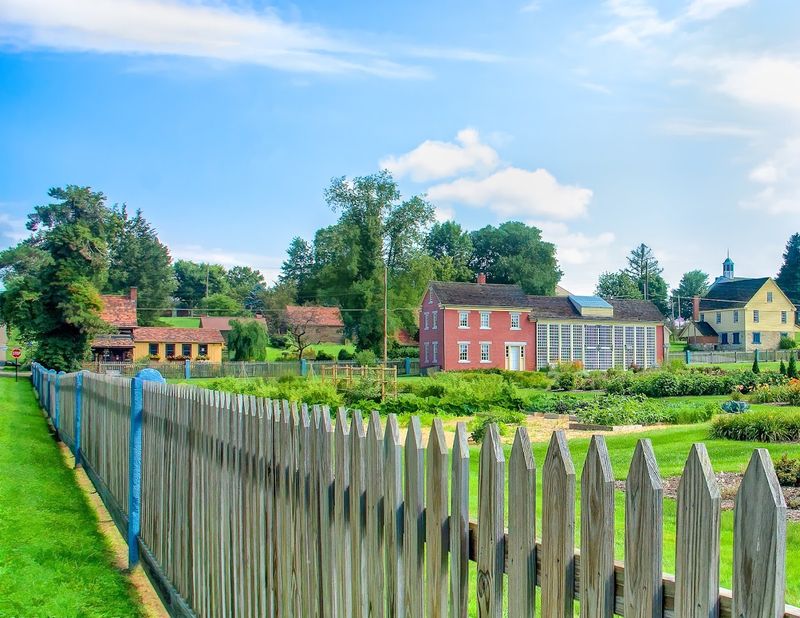
Few places in America have a backstory as fascinating as Zoar, a tiny village founded in 1817 by German religious separatists who built a self-sustaining communal society from scratch.
The entire village is now a National Historic Landmark, and walking through it feels like stepping into a living history book that nobody bothered to close.
The central garden, originally designed to represent the New Jerusalem described in the Bible, is still maintained today and remains one of the most serene spots in the whole state.
Most of the original buildings are still standing, including the Number One House where the community leader lived, which is now open for tours.
Zoar is located in Tuscarawas County, tucked beside the Tuscarawas River, and the surrounding countryside adds a layer of rural beauty that makes the whole experience feel even more removed from everyday life.
Spring and summer bring living history demonstrations where costumed interpreters show visitors what daily life looked like two centuries ago.
It is one of those rare places that manages to be both educational and genuinely enjoyable at the same time.
3. Milan, Ohio
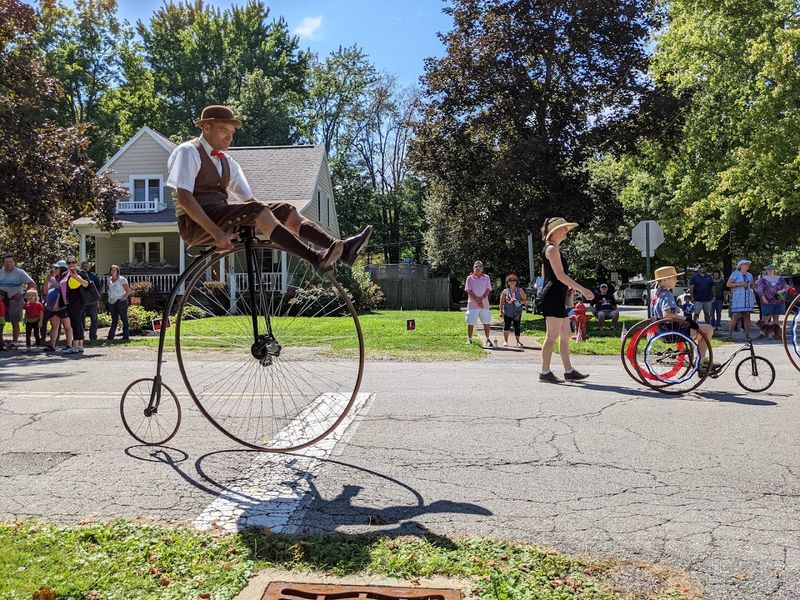
Thomas Edison was born here, and Milan has never let the world forget it in the most charming way possible.
The town square looks like something out of a 19th-century postcard, complete with a tidy village green surrounded by brick buildings that have been standing since the canal era brought serious prosperity to this corner of Erie County.
The Milan Historical Museum complex offers several buildings to explore, including period homes filled with antiques and a fascinating look at the canal trade that once made Milan one of the busiest grain shipping ports in the entire country.
Edison’s birthplace is preserved as a museum and sits just steps from the square, giving visitors a surprisingly personal look at the inventor’s earliest years.
The Thomas Edison Birthplace Museum hosts changing programs and special events connected to his February 11 birthday, inventions, and lasting influence.
Milan is located in north-central Ohio, making it a convenient stop when exploring the Lake Erie shoreline region.
The pace here is slow, the streets are quiet, and the whole town carries a pride in its history that feels genuinely infectious.
4. Waynesville, Ohio
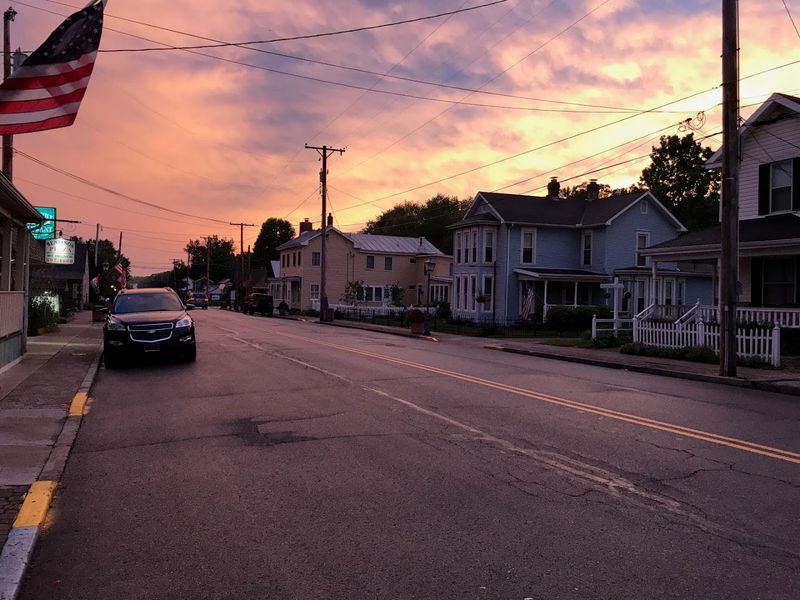
Antique lovers, consider yourselves warned: Waynesville is not a place you visit for an hour and leave on schedule.
Known as the Antique Capital of the Midwest, this small Warren County town packs an impressive collection of antique shops, vintage malls, galleries, and specialty stores into its historic downtown.
The main shopping district stretches along Main Street, High Street, Miami Street, and Scioto Square, with dealers offering antique furniture, vintage kitchenware, collectibles, folk art, and handmade goods.
Beyond the shopping, Waynesville has a genuinely warm small-town personality that shows up in its local festivals, particularly the Ohio Sauerkraut Festival held every October, which draws an estimated 350,000 visitors and is one of the largest festivals in the state.
The town itself dates back to 1797 and has strong Quaker roots that shaped its early culture and architecture.
Historic homes, preserved commercial buildings, and walkable downtown streets add to the visual appeal of the place.
If you go in fall, the combination of festival energy and turning leaves makes for a weekend that is hard to top anywhere in the region.
5. Granville, Ohio
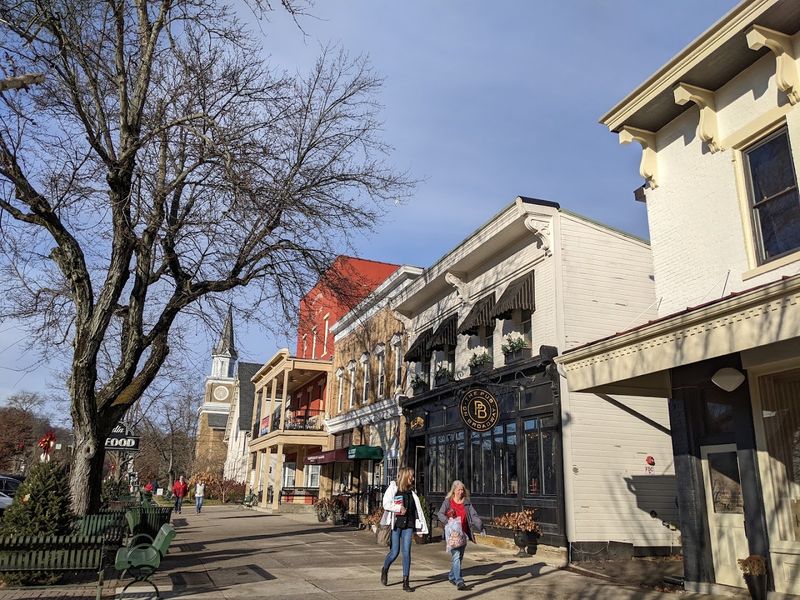
Granville looks like it was borrowed from a New England village and quietly placed in the rolling hills of Licking County, Ohio, and nobody has complained about it since.
The main street, East Broadway, is flanked by white-painted buildings, a striking Welsh Hills landscape in the distance, and an overall tidiness that makes the whole town feel like a carefully tended garden.
Denison University gives Granville a lively academic energy that fills the coffee shops and bookstores with students, professors, and visiting families who all seem equally charmed by the surroundings.
The town was founded in 1805 by settlers from Granville, Massachusetts, and nearby Granby, Connecticut, which explains the unmistakable New England character of its architecture and street layout.
Local restaurants serve creative, seasonal menus that punch well above the expectations of a town this size, and the Granville Inn is a landmark destination for a proper sit-down meal in a gorgeous historic building.
Summer brings Granville’s long-running Fourth of July celebration, while ArtWalks, farmers market events, and other community programs keep the village active throughout the year.
Spring is quieter and equally beautiful, with blooming trees lining the streets and a campus that practically glows with new green.
6. Oberlin, Ohio
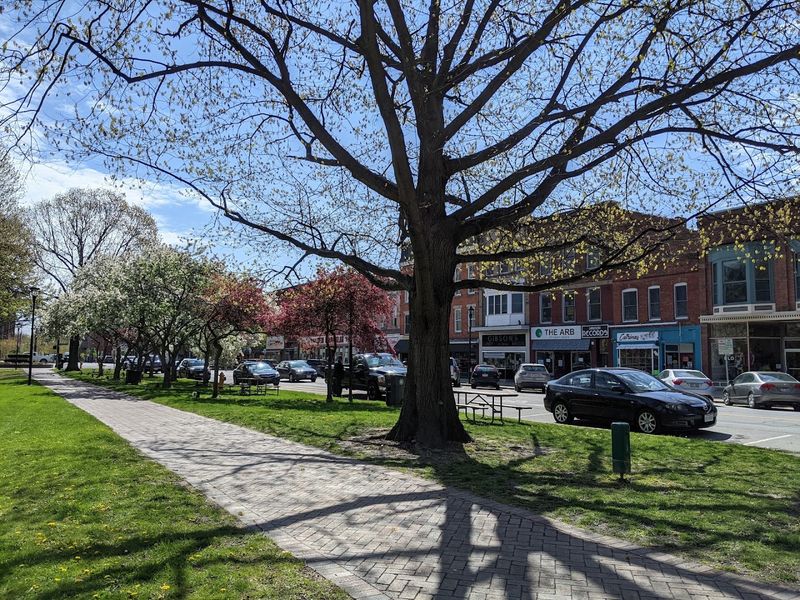
There is a boldness woven into the fabric of Oberlin that you can feel the moment you arrive in this small Lorain County town.
Oberlin College, founded in 1833, began regularly admitting Black students in 1835 and admitted women to its bachelor’s-degree program beginning in 1837, giving the campus an enormously important place in American educational and social history.
The Allen Memorial Art Museum on campus holds a collection that rivals many major city museums, with works spanning ancient cultures to contemporary art, and admission is free.
Downtown Oberlin has a lively independent spirit, with locally owned restaurants, small shops, a farmers market, and performance spaces that reflect the town’s long-standing connection to arts and culture.
The Oberlin Conservatory of Music is one of the country’s most respected music schools, and numerous student performances and public events take place throughout the academic year.
Summer brings the Tunes on Tappan concert series and family evenings to Tappan Square, filling the center of town with live performances.
For a small town, Oberlin punches far above its weight in culture, history, and things worth doing on a weekend visit.
7. Tipp City, Ohio
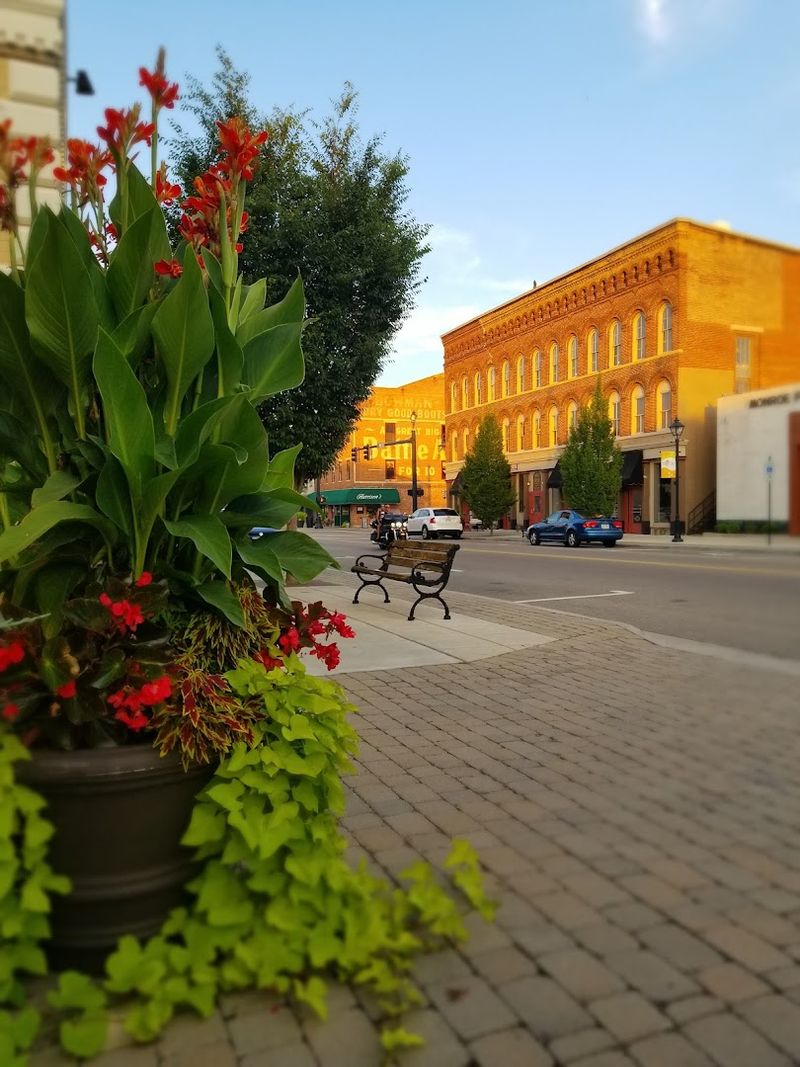
Not every town can pull off the combination of brick-paved streets, boutique shopping, and genuine small-town warmth without it feeling forced, but Tipp City manages it with total ease.
Located in Miami County, just north of Dayton, this compact little city has a downtown district that has been lovingly preserved and is now packed with antique shops, specialty boutiques, bakeries, and cozy restaurants that keep locals and visitors coming back regularly.
The historic district is walkable in an afternoon, but most people find themselves lingering far longer than planned because there is always one more shop worth peeking into.
Tipp City was originally called Tippecanoe City, named in honor of the Battle of Tippecanoe, and that pioneer-era pride still flavors the local character in a way that feels authentic rather than performative.
The Mum Festival held every September is a beloved annual tradition that fills the streets with chrysanthemum displays, live entertainment, and a parade that the whole town seems to turn out for.
The Great Miami River runs nearby, offering easy access to scenic trails and riverside picnic spots.
It is the kind of place that makes you wonder why you had never heard of it before.
8. Vermilion, Ohio
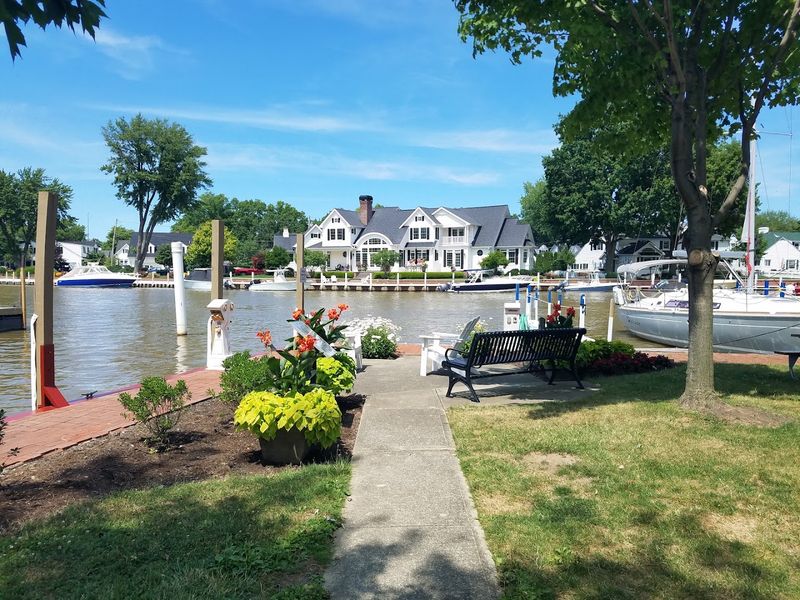
Vermilion has a waterfront that could make a seaside town jealous, which is saying something for a small city sitting on the southern shore of Lake Erie across portions of Erie and Lorain counties.
The harbor is the heart of the town, lined with marinas, waterfront restaurants, and a collection of colorful historic homes that give the whole neighborhood a cheerful, almost storybook quality.
The former Inland Seas Maritime Museum moved its museum operation and collection to Toledo, but visitors can still explore local history at the Vermilion History Museum, which preserves photographs, artifacts, books, and a historic newspaper print shop.
Fishing is a serious draw here, with Lake Erie offering some of the best freshwater fishing in North America, particularly for walleye and perch.
The Festival of the Fish, held every June, is a beloved local tradition that celebrates the town’s maritime heritage with live music, food, a festival parade, and a lighted boat event.
Summer evenings on the harbor are especially magical, with boats coming and going and the lake turning shades of pink and gold at sunset.
Vermilion rewards slow visitors who take time to simply sit and watch the water move.
9. Gallipolis, Ohio
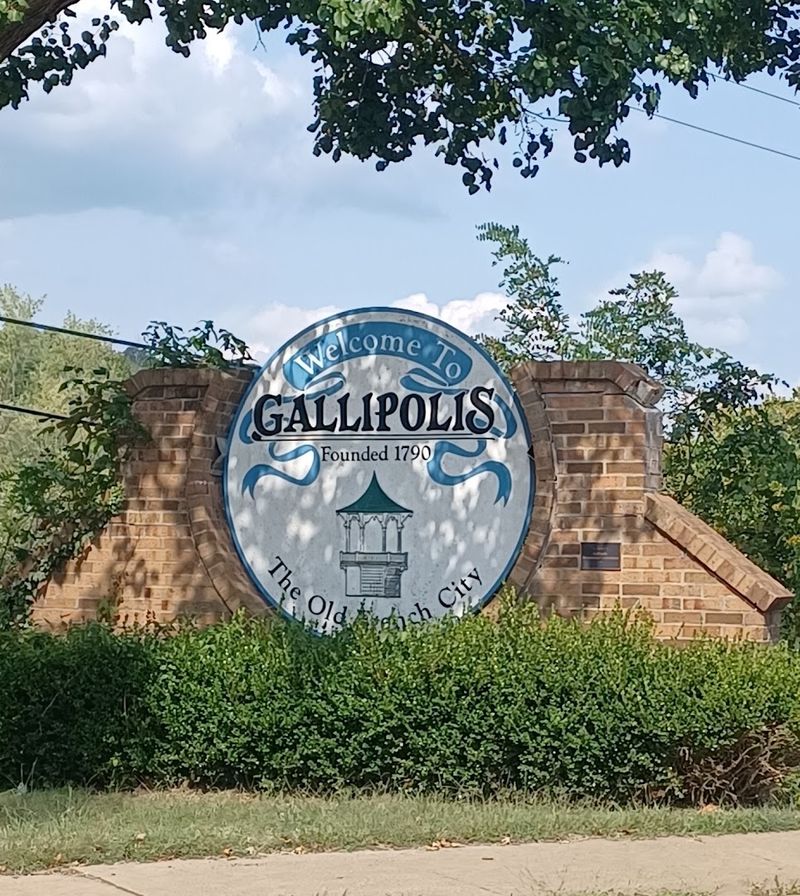
Sitting right on the banks of the Ohio River in Gallia County, Gallipolis carries a history so layered and dramatic that it would make a compelling novel on its own.
The town was founded in 1790 by French immigrants who had been lured to America by a land company with a very misleading sales pitch, and their resilience in building a community despite that rough start shaped a town with serious character.
A Federal-style brick building from 1819 is one of the finest historic structures in the region and still welcomes visitors as a museum operated by the Ohio History Connection.
The city park along the river is gorgeous, with mature trees, a bandstand, and views across the water to West Virginia that are especially beautiful in the early morning.
Bob Evans, the restaurant chain founder, actually grew up in the surrounding area, and the region takes a certain pride in that connection to American food culture.
The French Art Colony, a long-running arts organization in town, hosts exhibitions and events that give Gallipolis a creative energy surprising for its size.
A river town with this much personality deserves far more visitors than it typically gets.
10. McConnelsville, Ohio
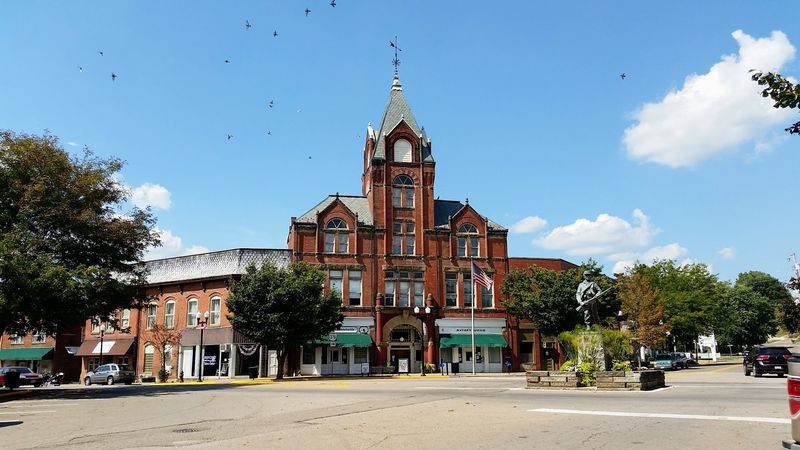
Small towns with their own opera house are rare enough to be remarkable, and McConnelsville has one that opened in 1892 and still hosts performances today.
The Twin City Opera House sits at the center of this Morgan County river town and serves as a reminder that culture and community life do not require a big city address to thrive.
McConnelsville is located along the Muskingum River, and the surrounding landscape of rolling Appalachian foothills gives the whole area a quiet, unhurried beauty that is genuinely restorative.
The Muskingum River Parkway State Park nearby offers boating through a remarkable system of hand-operated locks built between 1836 and 1841, creating one of the oldest surviving navigation systems of its kind in the country.
The town itself is small and walkable, with a handful of local shops and eateries that reflect the no-frills, friendly personality of the region.
McConnelsville pairs well with a drive through the surrounding Morgan County countryside, where farm stands, covered bridges, and quiet roads reward those who wander without a strict agenda.
It is the kind of town that stays with you long after you have driven home.
11. Bellville, Ohio
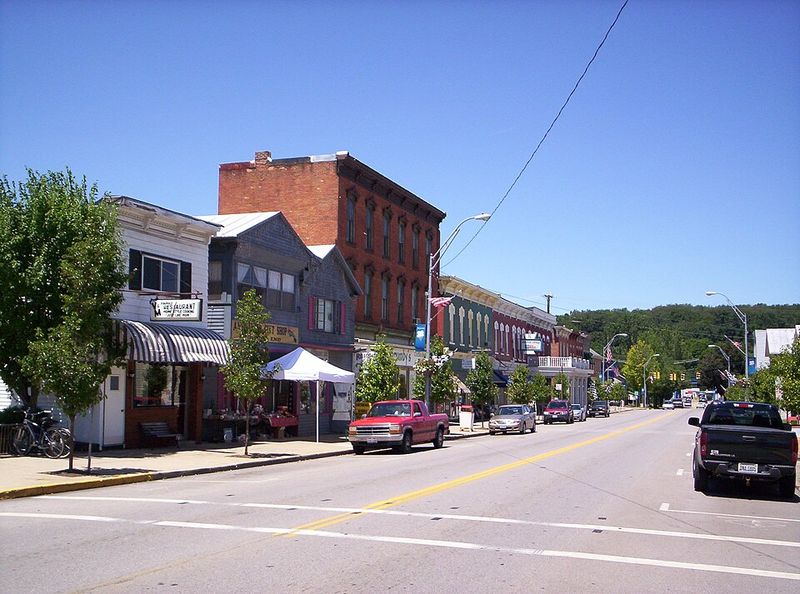
Tucked into the rolling hills of Richland County, Bellville is the kind of quiet, unhurried town that reminds you what life looked like before everything got so loud and fast.
The village sits in Pleasant Valley, which is exactly as pleasant as it sounds, with forested ridgelines, open farmland, and a creek-threaded landscape that makes even a simple drive through the area feel worthwhile.
Mohican State Park and Mohican-Memorial State Forest are a short drive away, offering hiking, paddling, and camping, which makes Bellville a useful base for outdoor adventurers who also want a real bed and a good meal at the end of the day.
The local downtown has a handful of shops and restaurants that lean into the area’s rural character without being kitschy about it.
Fall is the undisputed peak season, when the surrounding hills turn spectacular and the whole valley seems to glow from within.
Bellville also sits along the Richland B&O Trail, an 18-mile paved route that connects Butler, Bellville, Lexington, and Mansfield through stretches of attractive countryside.
Quiet, green, and genuinely lovely, it earns its spot on this list without any effort at all.
12. Barnesville, Ohio
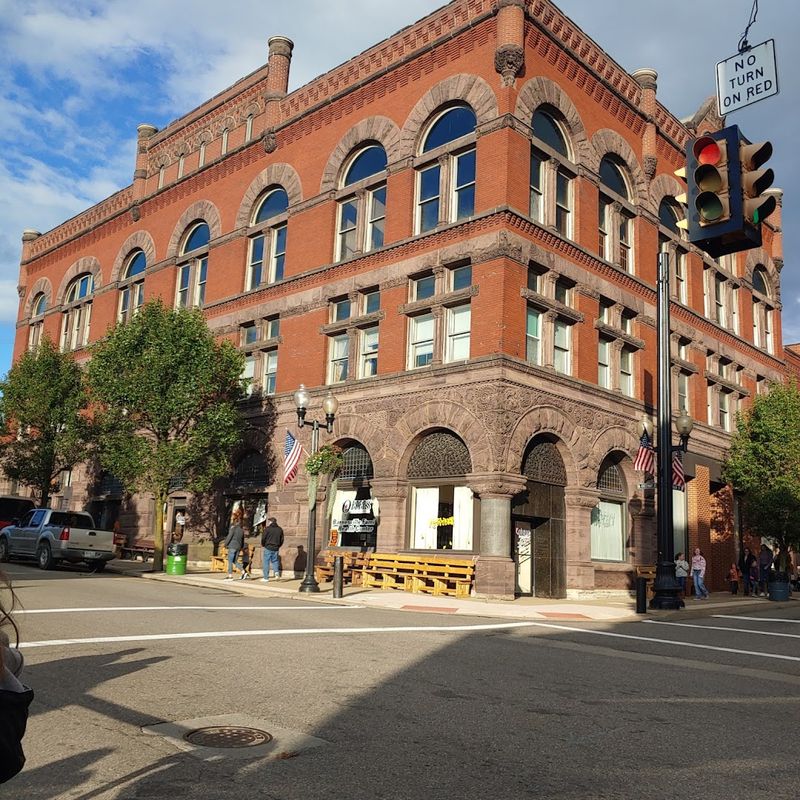
Barnesville wears its Victorian heritage like a well-tailored coat, and the result is one of the most visually striking small-town downtowns in Belmont County.
Historic Main Street is surrounded by preserved commercial buildings, while nearby attractions such as the Belmont County Victorian Mansion Museum, Watt Center for History and the Arts, and Barnesville B&O Railroad Depot reveal different chapters of the community’s past.
Barnesville is best known for the Barnesville Pumpkin Festival, a four-day September event featuring a giant pumpkin weigh-in, a parade, amusement rides, live entertainment, and more orange gourds than you have ever seen assembled in one place.
The surrounding Belmont County landscape is quintessential southeastern Ohio, with wooded hills, narrow valleys, and a rural character that gives the town its grounded, unhurried personality.
The area also has ties to the early oil and gas industry, and local historical exhibits touch on that chapter of regional economic history in ways that are more interesting than they might initially sound.
Barnesville is a genuine working small town, not a curated tourist experience, and that authenticity is exactly what makes it worth the detour.
Come for the pumpkins, stay for the unexpected charm around every corner.