
Skip The Obvious And Discover 9 Unexpected Texas Road Trip Gems
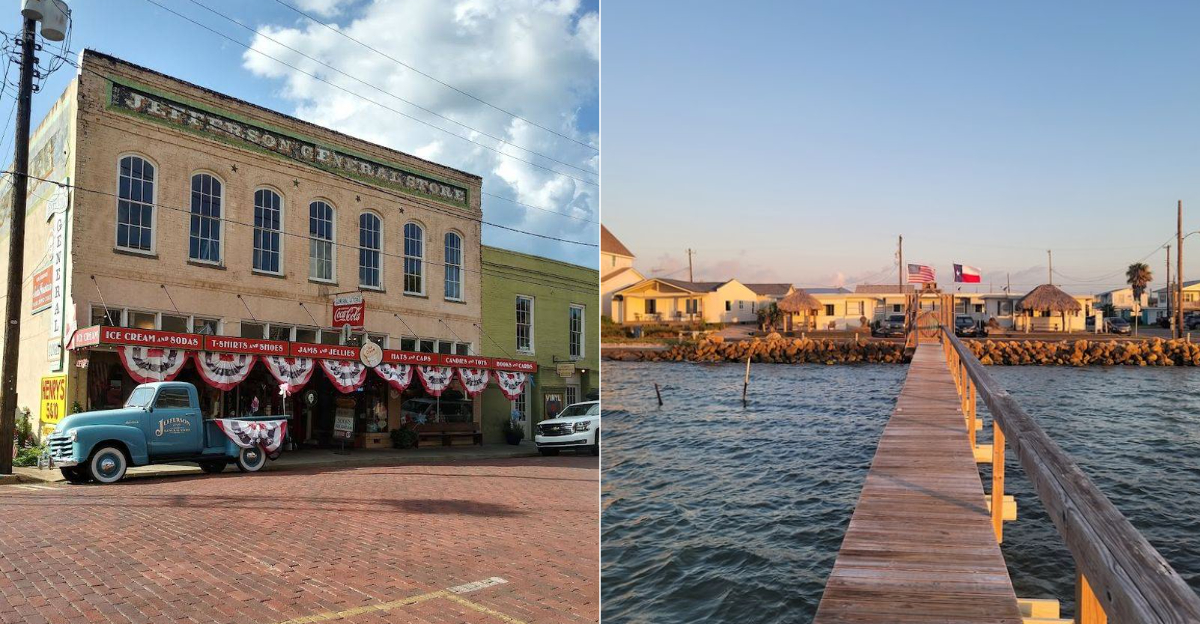
Everyone knows the Texas highlights: live music in Austin, the River Walk in San Antonio, beaches near Corpus Christi. But the real Texas?
It’s hiding. Tiny towns with artsy hearts, mossy forests that feel alive, deserts that stretch forever, and coastal corners where time slows. Skip the crowds.
Take the roads most travelers ignore. Think of it like sneaking backstage in a rock concert.
You never know what magic you’ll stumble upon. Waterfalls. Starry skies. Streets that feel frozen in a Victorian era. This is the Texas that surprises.
The Texas that sticks. Pack snacks, queue your playlist, and get ready to see a side of the Lone Star State that most people miss entirely.
1. Alpine
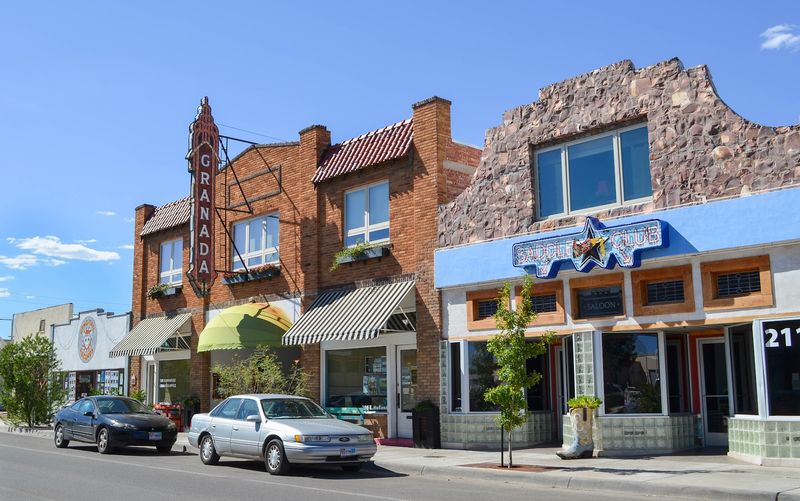
Out in the far reaches of West Texas, where the sky stretches so wide it almost feels unreal, Alpine sits quietly in the shadow of the Davis Mountains like a well-kept secret that only the most curious road trippers ever find.
Located along US-90 in Brewster County, this small city of around 6,000 people carries an energy that feels surprisingly alive for such a remote spot. It is the kind of place where art galleries share the block with vintage shops, and the mountain views greet you at every turn.
Sul Ross State University anchors the town with a creative pulse, and the Museum of the Big Bend on its campus is genuinely worth a stop.
The exhibits dig into the deep history of the region, from ancient indigenous cultures to frontier ranching, and the collection is far more impressive than you might expect for a town this size. Grab a coffee on Holland Avenue and just sit with the view for a minute.
Alpine also works perfectly as a base camp for exploring Big Bend National Park, Marfa, and the surrounding desert without fighting the crowds that gather in more well-known gateway towns. The elevation sits around 4,500 feet, so the temperatures feel noticeably cooler than the rest of Texas in summer.
Hiking, mountain biking, and stargazing are all genuinely excellent here. If you want West Texas without the Instagram circus, Alpine is the answer you did not know you were looking for.
2. Port Aransas
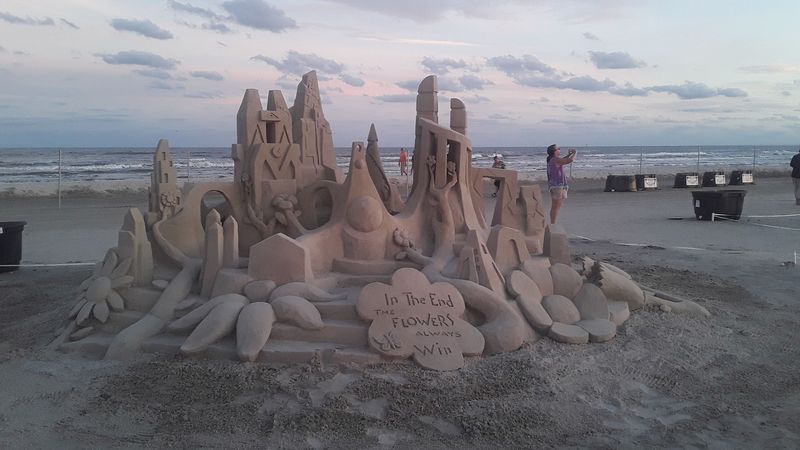
Port Aransas does not shout for attention, and that is exactly what makes it so refreshing. Tucked onto Mustang Island along the Gulf Coast, this laid-back beach town operates on its own easy rhythm, far removed from the packed boardwalks and neon signs of louder Texas beach destinations.
The ferry ride from Aransas Pass to reach the island already sets the tone: slow down, look around, breathe in the salt air.
The beaches here are wide, relatively uncrowded compared to South Padre Island, and genuinely beautiful in a quiet way. Birders absolutely love Port Aransas because the area sits along a major migratory flyway, making it one of the top birdwatching spots in the entire country during spring and fall migration.
Whooping cranes, roseate spoonbills, and brown pelicans are common sights, and the nearby Leonabelle Turnbull Birding Center makes it easy to spot them up close.
The fishing pier stretches out into the Gulf and gives you a front-row seat to the horizon, whether you are casting a line or just watching the waves roll in.
Small restaurants along the main strip serve fresh seafood in no-fuss settings that feel more like a neighborhood joint than a tourist trap. The whole town feels like a place where people actually live and love their surroundings.
Port Aransas proves you do not need a crowded beach to have an unforgettable coastal experience on the Texas Gulf Coast.
3. Jefferson
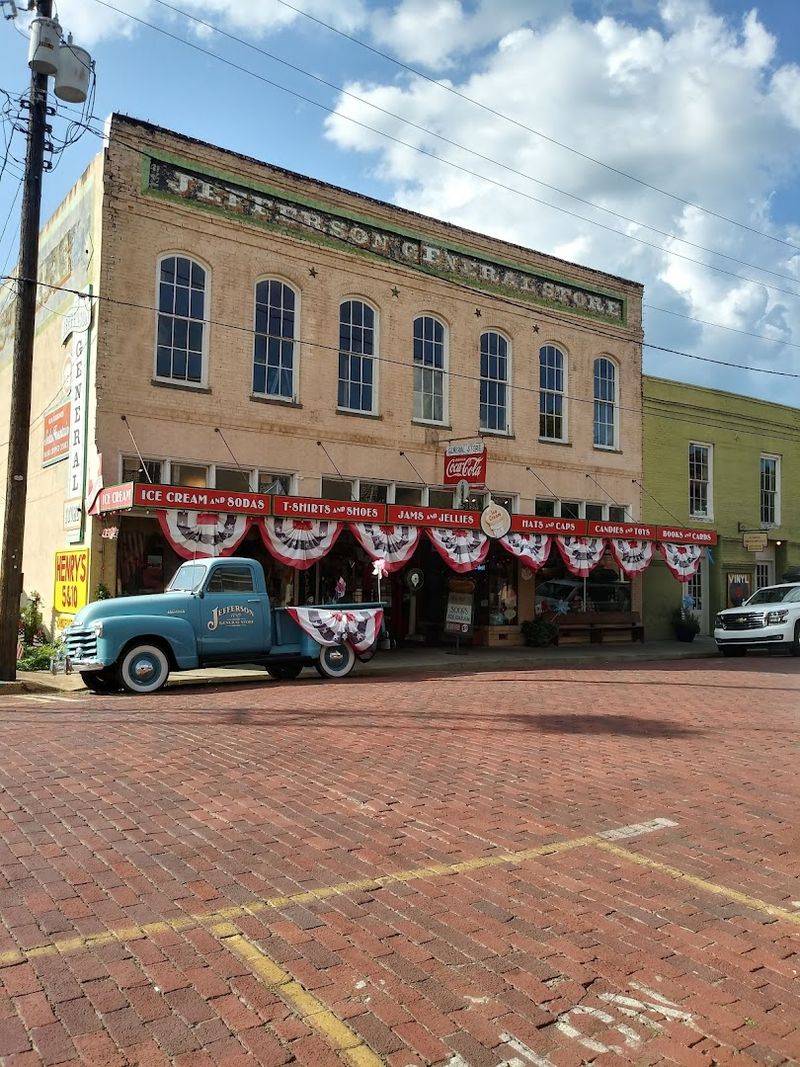
Strolling through Jefferson feels like the 1800s hit pause and never resumed. Situated in the Piney Woods of East Texas along US-59, it was once the state’s busiest inland port, with steamboats ferrying cotton and goods through Cypress Bayou.
Today, its streets are still lined with stunning Victorian architecture and moss-draped oaks.
The historic district is genuinely walkable and packed with antique shops, bed-and-breakfast inns housed in century-old mansions, and small cafes where the pace of life moves at a comfortable crawl.
The Jefferson Historical Museum gives solid context to the town’s riverboat era, and the old Carnegie Library building alone is worth stopping to admire. Every corner you turn feels like a postcard from a different century.
One fun piece of trivia: railroad tycoon Jay Gould once threatened Jefferson when the town refused to support bringing the railroad through, and locals legend says he wrote a prediction in the hotel guest book that Jefferson would dry up and fade away.
The town proved him wrong by leaning into its heritage and becoming one of the most charming heritage tourism destinations in Texas.
Fall is a spectacular time to visit when the East Texas foliage turns and the temperatures finally cool down. Jefferson rewards the slow traveler who takes time to look up, wander around, and let the history settle in around them.
4. Marfa Lights Viewing Area

Few can explain the Marfa Lights, and that uncertainty is half the fun. Nine miles east of Marfa, TX 79843, the official US-90 viewing area lets visitors stand under the night sky as mysterious orbs flicker across the Mitchell Flat.
Scientists have proposed everything from car headlights to atmospheric refraction, but no single explanation has ever fully satisfied everyone.
The viewing area itself is simple: a covered shelter, some informational plaques, and a wide open view of the desert night.
That simplicity is part of what makes it feel so raw and real. There are no ticket booths, no light shows, no manufactured experience.
You just stand there in the dark, in the middle of the West Texas desert, scanning the horizon with everyone else who showed up hoping to see something unexplained.
Even if the lights do not appear on your particular night, the sky around Marfa is staggering on its own. The darkness out here is serious, and the Milky Way often stretches overhead in a way that feels almost theatrical.
The high desert silence adds a layer of atmosphere that is genuinely hard to describe until you have stood in it yourself. Marfa the town gets plenty of press for its art scene, but the lights viewing area remains one of those experiences where Texas still manages to catch you completely off guard.
5. Colorado Bend State Park

Most people driving through central Texas have never even heard of Colorado Bend State Park, and that is genuinely a shame because what is hiding out here at 2236 Park Hill Dr, Bend, TX 76824 is nothing short of spectacular.
The park sits along the Colorado River in a remote part of Lampasas County, and it takes a long stretch of unpaved road just to get there, which immediately filters out the casual crowd and rewards everyone who makes the effort.
Gorman Falls is the crown jewel, a stunning 70-foot waterfall draped in moss and maidenhair ferns that looks like it belongs in a tropical rainforest rather than central Texas.
The hike to reach it is about three miles round trip and crosses some rugged terrain, but the payoff at the end is absolutely worth every step. Swimming in the river and fishing along the banks are popular ways to spend a slow afternoon in the park.
Beyond the falls, the park offers cave tours through Gorman Cave, which requires a guided visit and gives you a look at impressive stalactites and underground formations.
The hiking trail network covers diverse terrain ranging from riverside bottomland to exposed limestone ridges with sweeping views. Wildlife sightings are common, including deer, wild turkey, and a variety of bird species.
6. Rockport
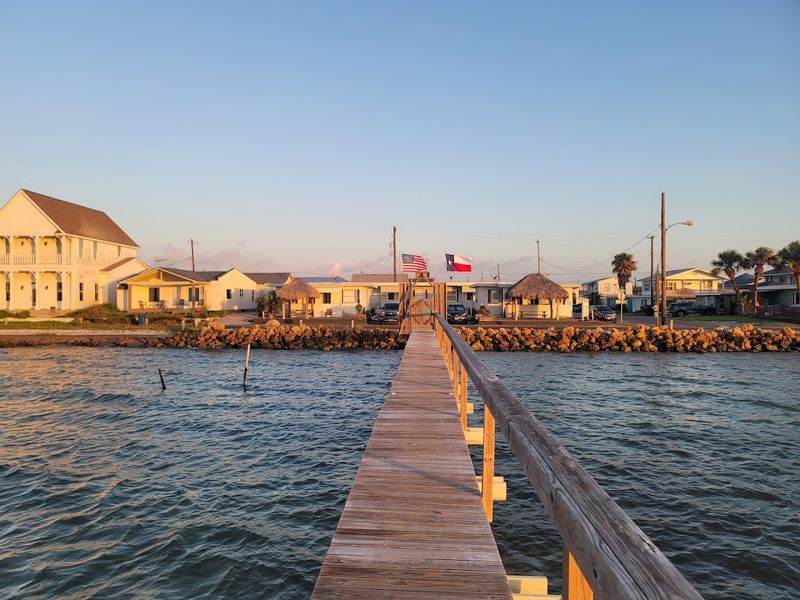
Rockport has this wonderful quality where it feels like a place that belongs to the people who actually live there, not the tourists passing through.
Situated along Aransas Bay on the Texas Gulf Coast, this small seaside town carries a distinctly artistic identity alongside its fishing heritage, and the combination creates something genuinely unique.
The downtown area is walkable, colorful, and dotted with galleries that showcase everything from coastal paintings to sculpture, making it feel more like a creative community than a typical beach stop.
The Rockport Beach Park is one of the few designated Blue Wave beaches in Texas, meaning the water quality and facilities meet a high standard.
The bay-side location keeps the waves gentle and the water calmer than the open Gulf, making it perfect for a relaxed afternoon. Fishing is central to life in Rockport, with piers and flats around town attracting anglers chasing redfish and trout year-round.
Birding is another highlight. Rockport lies within the Central Flyway, and the Connie Hagar Cottage Sanctuary in the heart of town is a favorite stop for migratory songbirds on their long journeys.
Whooping cranes winter nearby at the Aransas National Wildlife Refuge, drawing visitors from across the country. Rockport does not try to be flashy or loud, and that restraint is its greatest strength.
The town simply exists beautifully by the water, and sometimes that is all a road trip stop needs to be.
7. Wimberley
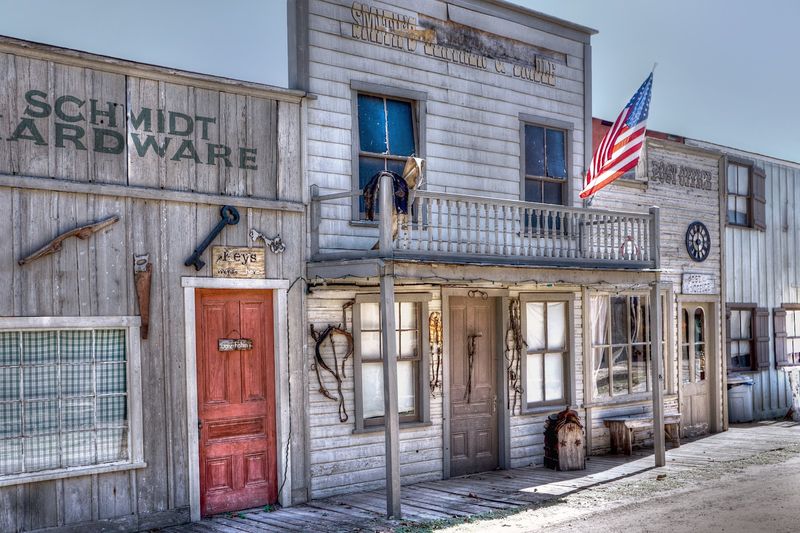
Wimberley has a way of making you want to cancel your plans and just stay. Set in the Hays County Hill Country along the Blanco River, this small creative town draws artists, musicians, and outdoor lovers who know the Hill Country experience doesn’t require a big city nearby.
The blend of natural beauty and local character gives Wimberley a personality that feels genuinely earned, not staged for visitors.
Blue Hole Regional Park is the main natural attraction, a spring-fed swimming hole shaded by towering cypress trees where the water stays clear and cool even in the heat of a Texas summer.
Reservations are required during peak season, which is worth planning ahead for because the experience is completely worth it.
Jacob’s Well, a vertical underwater cave system that feeds into Cypress Creek, is another remarkable natural feature nearby that draws both swimmers and geology enthusiasts.
The Wimberley Square is where the creative community shows its face most clearly, with independent shops, galleries, and cafes clustered around a central plaza that hosts one of the best outdoor markets in the Hill Country every Saturday from April through December.
The surrounding scenic drives along Ranch Road 12 and the Backbone’s stretch are among the most beautiful roads in Texas, winding through limestone hills and cedar-covered ridges.
8. Fort Davis
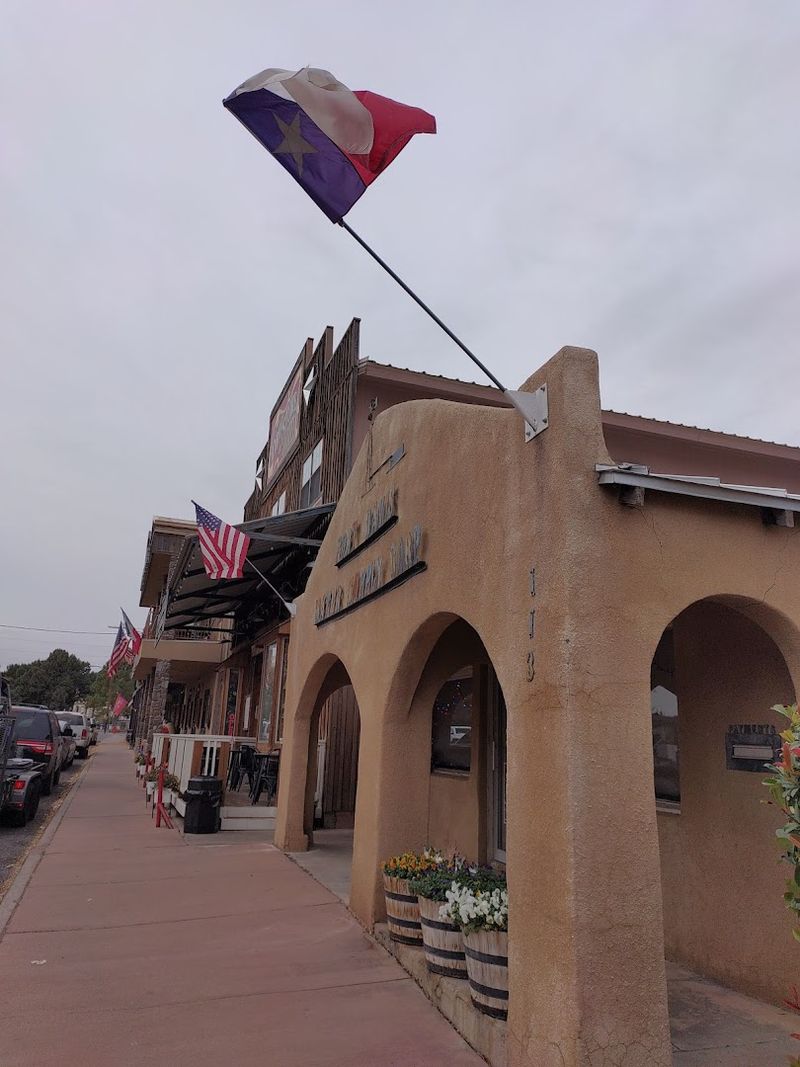
There’s something about Fort Davis that makes the mountains feel bigger and the world slower. At more than 5,000 feet in the Davis Mountains of Jeff Davis County, this remote West Texas town sits amid some of the state’s most striking scenery, yet many travelers pass it by.
Its streets are small and quiet, echoing a frontier history stretching back to the post–Civil War era.
Fort Davis National Historic Site preserves the ruins and restored buildings of the original frontier military post, one of the best-preserved examples of a frontier fort in the American Southwest.
The site tells the story of the Buffalo Soldiers, the African American cavalry regiments who served here and played a crucial role in the region’s history. Walking through the adobe barracks and officer’s quarters gives a vivid sense of what life on the remote Texas frontier actually looked like.
The McDonald Observatory, perched on nearby Mount Locke, is one of the premier astronomical research facilities in the world, and it offers public star parties that rank among the best stargazing experiences in the country.
The Davis Mountains State Park adds excellent hiking and camping options with trails that wind through oak and pinon pine woodland at elevations that feel nothing like the rest of Texas.
Fort Davis is proof that the most rewarding road trip destinations are often the ones that make you work a little harder to get there, and the night sky alone is worth every mile.
9. Palestine
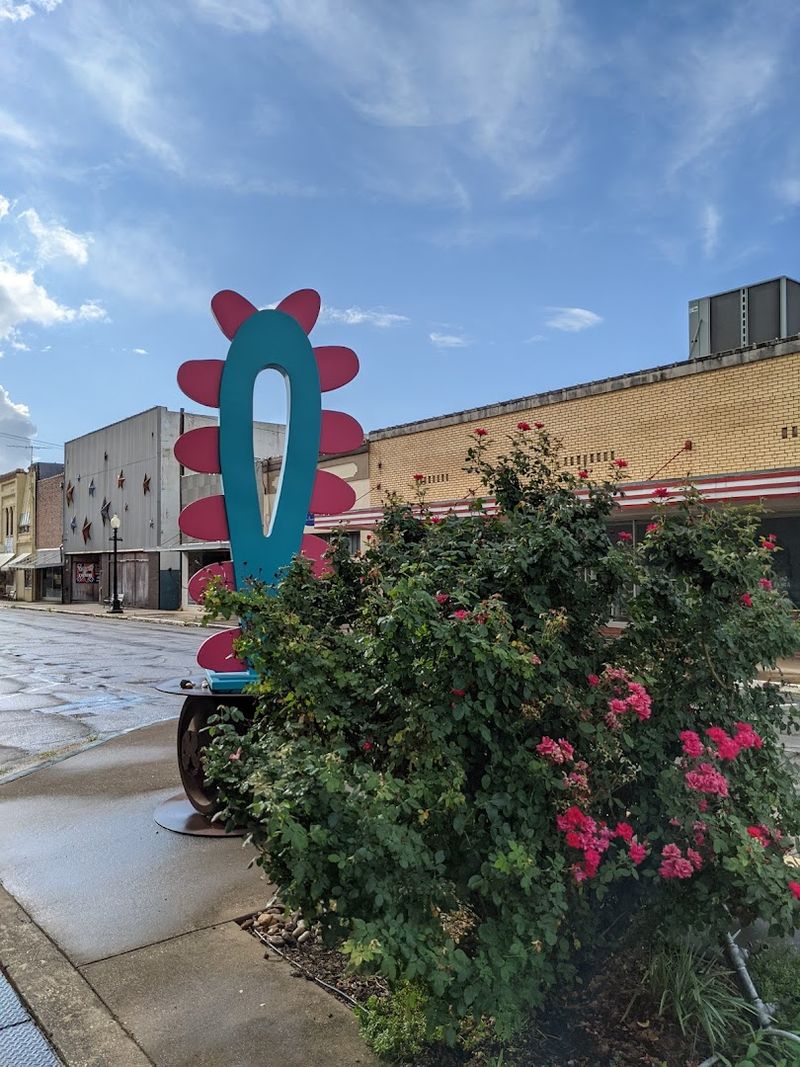
Palestine is one of those East Texas towns that quietly holds more history than most people expect, and discovering it feels like finding a chapter of a book that everyone somehow skipped.
Located in Anderson County along US-287, Palestine sits in a landscape of rolling forested hills and open countryside that turns absolutely stunning when the dogwoods bloom in spring.
The historic downtown is anchored by well-preserved late 19th and early 20th century buildings that line the main streets with a kind of dignified beauty.
The Museum for East Texas Culture and the Carnegie History Center both offer solid windows into the region’s deep roots.
But the real showstopper for history and travel enthusiasts is the Texas State Railroad, a heritage railway that runs steam and diesel excursions through the Piney Woods between Palestine and Rusk, covering 25 miles of scenic forest track that feels like a journey into another era entirely.
The railroad depot in Palestine is beautifully restored and worth seeing even if you never board a train.
Cycling and hiking trails link historic downtown to the countryside, and the Victorian homes nearby make it worth wandering beyond the main street.
Palestine is the kind of road trip stop that earns a longer visit than you originally planned, and that is the best kind of surprise a Texas highway can deliver. Have you been missing this one all along?