
10 Small North Carolina Towns Where Old Industrial Buildings Found Surprising New Lives
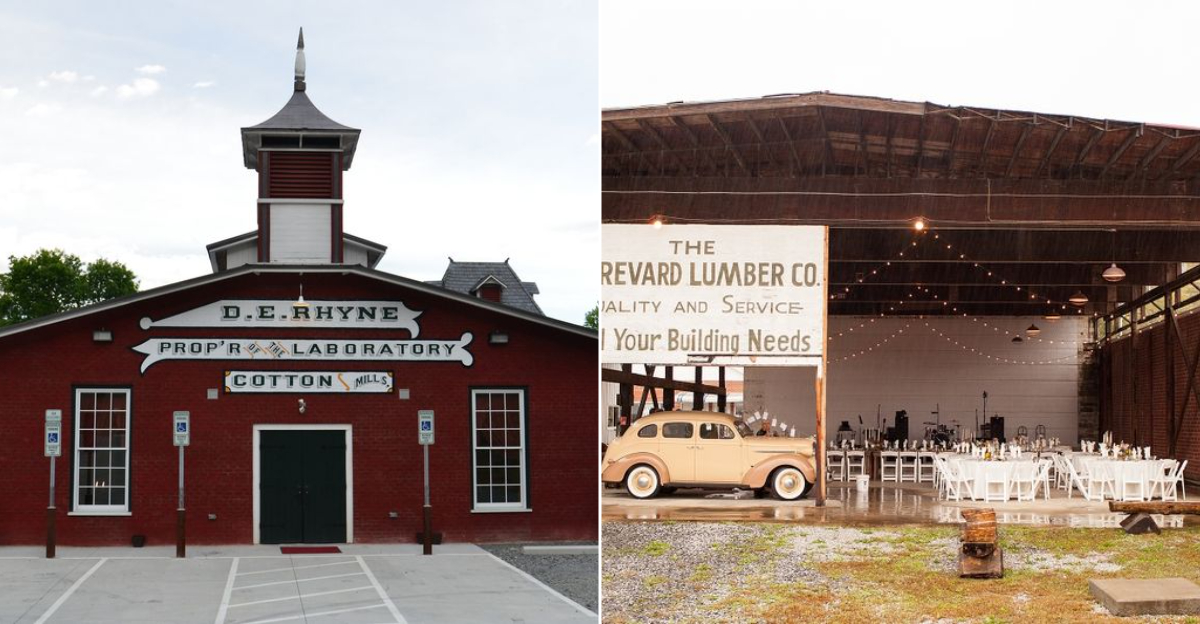
Imagine hearing the clatter of textile machinery inside these buildings decades ago. Now you might hear live music, smell dinner cooking, or see people settling into apartments where factory workers once spent their days.
Across small-town North Carolina, former mills and industrial buildings have found surprisingly lively second acts.
A dye house became a concert venue. A century-old mill became a place to live, eat, shop, and gather. Another industrial landmark came close to disappearing altogether before getting a new role in its community.
The buildings changed. The stories stayed.
That’s what makes these places so fascinating. Instead of erasing their industrial past, their new lives weave it right into the experience.
Here are North Carolina spots where old factories got a second chance, and ended up becoming some of the most interesting places in town.
1. Haw River Ballroom, Saxapahaw
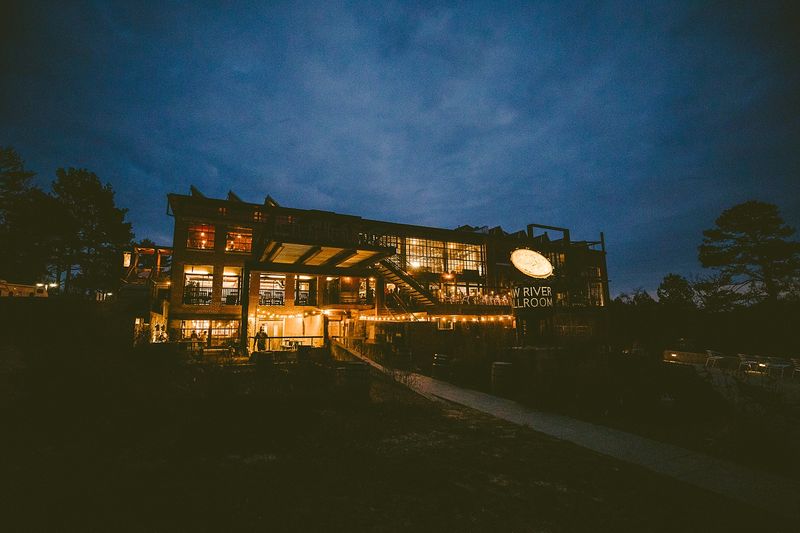
Picture a three-story former dyehouse sitting right on the edge of a river, now pumping out live music from national and international artists on any given weekend.
That is exactly the vibe at Haw River Ballroom, one of North Carolina’s most beloved music venues. Tucked along 1711 Saxapahaw-Bethlehem Church Rd, Saxapahaw, NC 27340, this converted space was originally the dyehouse for the historic Saxapahaw Spinning Mill, a cotton mill that hummed along in the early 1900s.
Since opening in 2011, the ballroom has become a genuine destination, hosting concerts, private events, and conferences inside a space that still wears its industrial past proudly.
Original mill remnants are woven right into the design, giving every show an atmosphere you simply cannot manufacture from scratch. The auditorium fills with sound in a way that only old brick and timber can deliver.
A coffee shop keeps the energy going, and the outdoor deck overlooking the Haw River makes the whole experience feel almost dreamlike.
There is something deeply satisfying about sipping a warm drink while a band plays behind you and a river flows in front of you. Saxapahaw proved that the best concert halls are sometimes the ones that never started as concert halls.
2. Starworks, Star
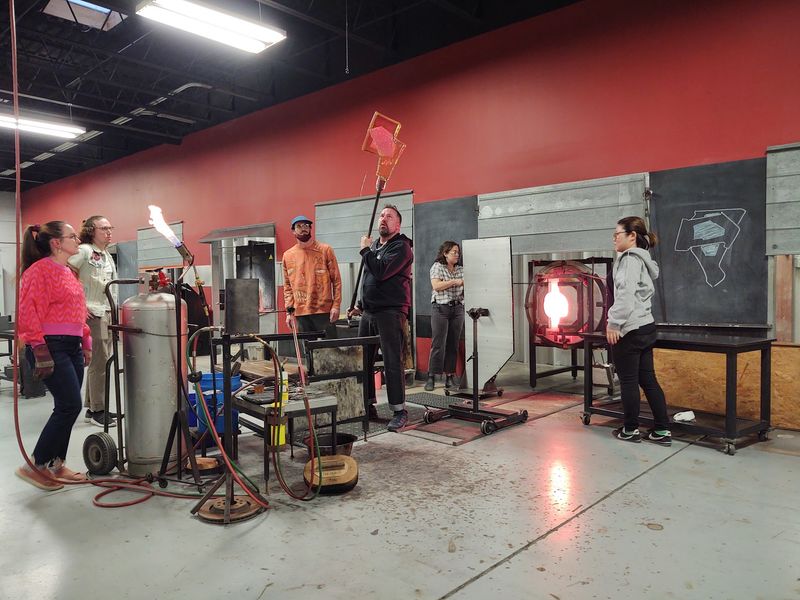
Somewhere in the small town of Star, NC, a former hosiery mill decided it had way more interesting things to do with its life.
Starworks, located at 100 Russell Dr, Star, NC 27356, is the kind of place that makes you stop and rethink what a community arts center can actually be. What started as a factory floor has grown into a fully functioning arts village where glass blowers, ceramicists, and metalworkers share space and creative energy every single day.
The campus includes active studios for glass, ceramics, and metalwork, plus onsite galleries that rotate fresh work regularly.
A ceramic supply shop keeps working artists stocked up, and educational programs bring curious newcomers into the fold through workshops, classes, and public events. Residency programs bring in exceptional artists who push the creative culture even further.
What makes Starworks genuinely special is how it blends professional artistic production with open community access.
You can walk in as a total beginner and leave with a handmade ceramic bowl you shaped yourself. The whole setup honors the mill’s working-class roots by keeping the focus on craft, skill, and getting your hands dirty.
Star may be a small dot on the map, but Starworks has put it on the radar of artists across the region.
3. The Plant, Pittsboro
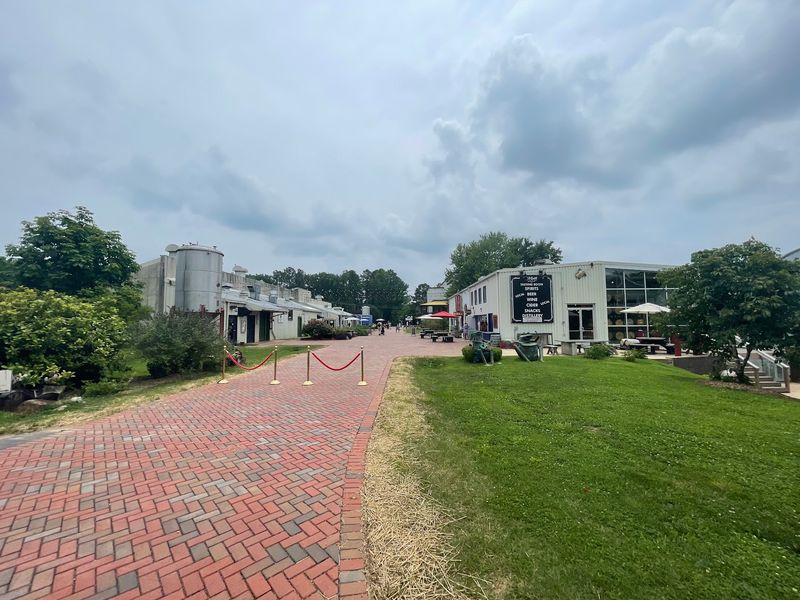
Before it became one of the most eclectic community spaces in central North Carolina, The Plant had already lived two very different lives. It started as Sunshine Gardens, a flower farm.
Then it became a Cold War-era aluminum smelting facility that actually produced parts for fighter jets. Now, at 220 Lorax Ln, Pittsboro, NC 27312, it is a 17-acre eco-industrial village that feels like someone packed an entire creative economy into one property.
The Plant is home to a rotating mix of shops, food businesses, art installations, and community gathering spaces. Coffee roasters, food trucks, and art galleries share the grounds in a way that feels intentional but never stuffy.
The whole operation leans hard into sustainability and local commerce, making it a hub for entrepreneurs who want to build something meaningful.
Visiting The Plant feels less like a shopping trip and more like an afternoon adventure where every corner reveals something unexpected.
The layered history of the land adds a certain texture to the experience that newer developments simply cannot replicate.
From fighter jet components to handcrafted goods and community events, this property has packed more stories into its soil than most places manage in a century. Pittsboro quietly became the home of something genuinely remarkable.
4. ArtsOrange At Eno Arts Mill, Hillsborough
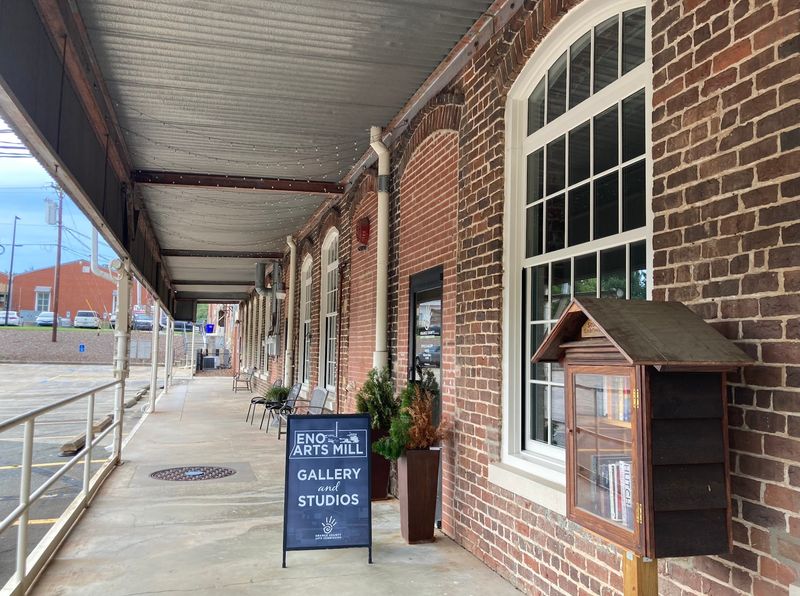
There is a creative pulse running through Hillsborough that traces directly back to a building sitting along the Eno River.
The Eno Arts Mill, managed by the Orange County Arts Commission and found at 437 Dimmocks Mill Rd #17, Hillsborough, NC 27278, is a former textile mill that has been completely reimagined as a welcoming creative hub for the community.
Artist studios fill the historic space alongside galleries, multi-purpose arts rooms, and a calendar packed with educational programs and public events.
The goal here is access, making sure that art is not locked away in elite spaces but shared openly with anyone who walks through the door. Exhibitions rotate regularly, and cultural events bring fresh energy throughout the year.
The building itself carries the quiet dignity of a place that has always been about people doing meaningful work. The original mill architecture creates a backdrop that no modern building could replicate, with its worn textures and generous natural light.
ArtsOrange has turned what could have been a forgotten ruin into one of Hillsborough’s most cherished gathering places. For a town already known for its creative spirit, the Eno Arts Mill is the exclamation point at the end of a very good sentence.
5. Carr Mill Mall, Carrboro
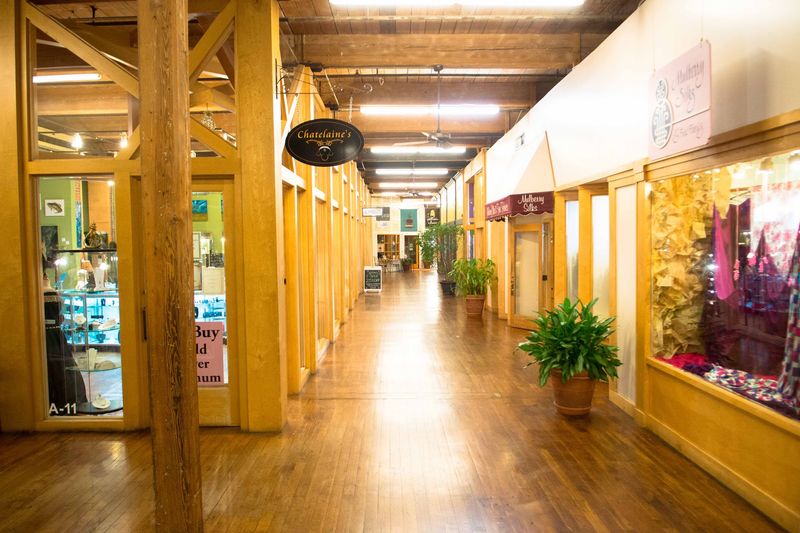
Built in 1898 as the Alberta Cotton Mill, this Carrboro landmark has survived name changes, industry shifts, and even a near-demolition that would have erased it entirely.
Today, Carr Mill Mall at 200 N Greensboro St, Carrboro, NC 27510 stands as proof that community advocacy can literally save a building. Over the decades it went by Durham Hosiery Mill No. 4 and Carr Woolen Mills before textile production stopped in the 1960s.
Community members pushed back hard against plans to tear it down, and their persistence paid off in a major way. The renovated mill reopened as Carr Mill Mall in 1977 and has been a cornerstone of Carrboro’s identity ever since.
Local shops, restaurants, and commercial offices now fill the space, creating a walkable destination that honors the building’s working history.
Walking through Carr Mill Mall feels like browsing through Carrboro’s memory. The original brick and timber details remind you that this was once a place of industrial purpose, while the current mix of independent businesses gives it a thoroughly modern energy.
It is the kind of place where you pop in for one thing and end up spending the whole afternoon. Carrboro has always marched to its own beat, and Carr Mill Mall is where that beat started.
6. The Graham Mill, Graham
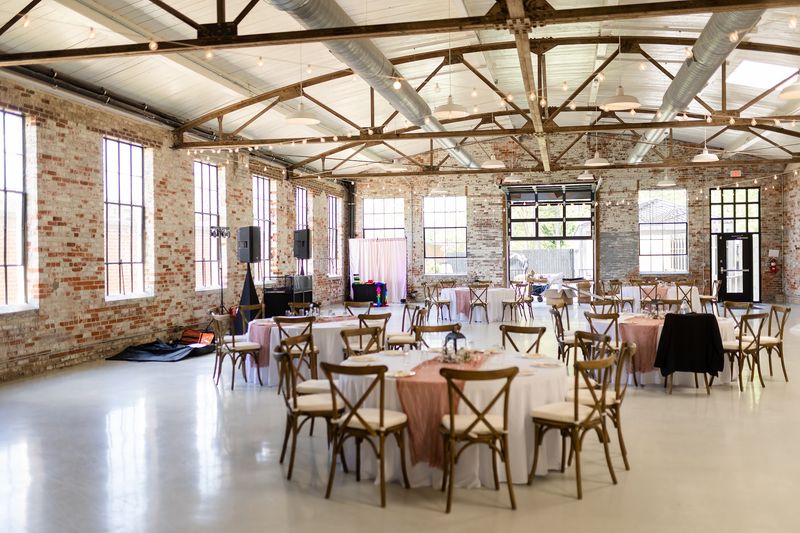
Some buildings just have the kind of bones that make event planners weak in the knees. The Graham Mill, sitting at 205 W Harden St, Graham, NC 27253, is absolutely one of those buildings.
Constructed in 1934 as part of the Oneida Mill textile operation, it later served as an office for an adjacent hosiery mill before the whole area went quiet.
A thoughtful restoration brought the building back to life as a charming event venue that balances historic character with modern comfort.
Weddings, corporate meetings, fundraisers, and private celebrations now fill the indoor and outdoor spaces throughout the year. The exposed brick and original architectural details give every event an atmosphere that feels earned rather than manufactured.
Graham is a small town with a quietly proud identity, and The Graham Mill fits right into that story. It is the kind of venue that makes guests feel like they are part of something bigger than just a party or a meeting.
The building has already witnessed decades of North Carolina’s industrial history, and now it witnesses milestones in people’s personal histories too.
There is a beautiful symmetry in that. The Graham Mill shows that preservation is not about freezing time, it is about giving old things new reasons to keep standing.
7. The Laboratory Mill, Lincolnton
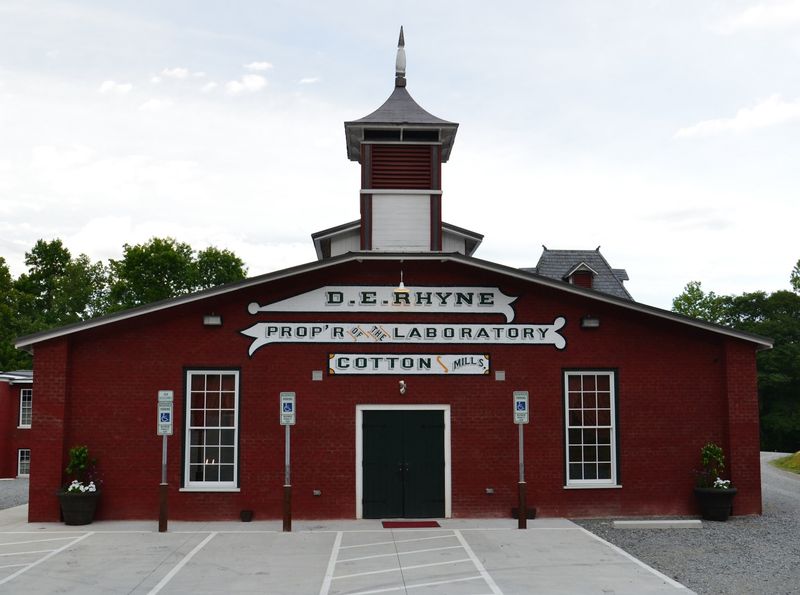
Few buildings in North Carolina carry a more layered backstory than The Laboratory Mill outside Lincolnton. The site at 848 Southfork Rd, Lincolnton, NC 28092 began its life in 1819 as the Lincoln Cotton Factory, one of the region’s earliest cotton mills.
It operated for decades before being repurposed during the Civil War as a Confederate laboratory, then returned to textile production until its final closure in 1994.
After years of sitting quietly, the mill underwent extensive restoration that honored its complicated and fascinating history.
Today it operates as a popular event venue, welcoming weddings, celebrations, and gatherings into a space that practically vibrates with stories. The original stonework and architectural character make it one of the most visually striking venues in the western Piedmont region.
Lincolnton is not a town that shouts about itself, but The Laboratory Mill gives it something genuinely worth celebrating.
Couples who choose this venue are not just booking a pretty backdrop. They are stepping into nearly two centuries of North Carolina history.
Every weathered wall and reclaimed timber has earned its place in the story. The Laboratory Mill is a reminder that the most meaningful spaces are often the ones that have already been through the most, and came out stronger for it.
8. The Lumberyard, Brevard
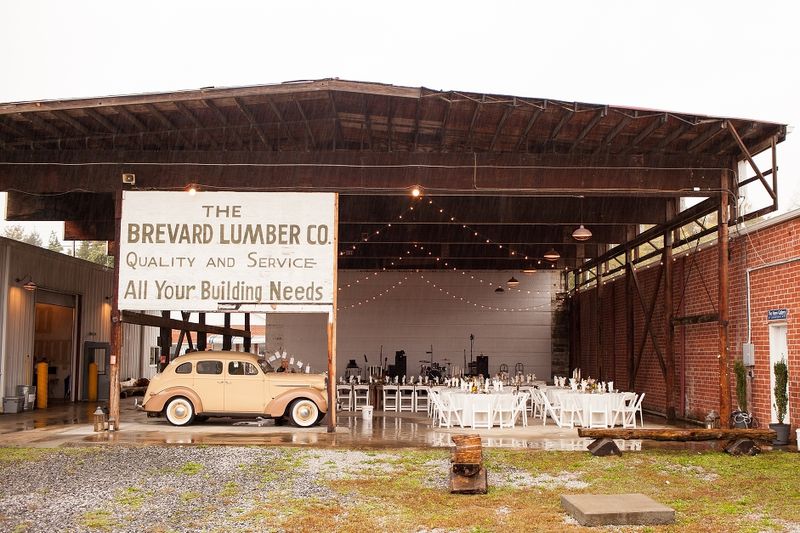
Brevard is already famous for its white squirrels and its music festival, so it makes complete sense that a former lumber company property would become an arts and event district that matches the town’s creative energy.
The Lumberyard at 170 King St Unit B, Brevard, NC 28712 is exactly what happens when a small mountain town decides to turn its industrial past into a cultural playground.
The property has been reimagined into a vibrant hub that brings together arts, events, and community gathering in a setting that still carries the rugged character of its original purpose.
The bones of the old lumber operation give the space a raw, honest aesthetic that feels perfectly at home in the Blue Ridge foothills. Events here have a particular magic because the surroundings are so authentically Brevard.
Transylvania County has always attracted creative types drawn to the mountains and the music scene, and The Lumberyard gives them a gathering place that matches that spirit.
It is the kind of spot where a summer evening event turns into one of those nights you keep talking about for years. Brevard has always known how to make the most of what it has, and The Lumberyard is a beautiful example of that mountain-town resourcefulness at its very best.
9. Chronicle Mill, Belmont
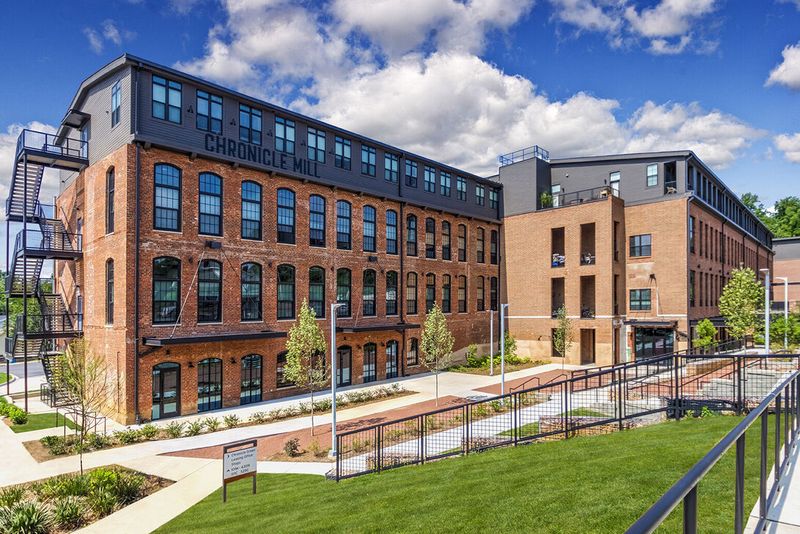
Belmont’s Chronicle Mill is the kind of adaptive reuse project that makes urban planners and history lovers equally excited.
Originally constructed in 1901 as Belmont’s first textile mill, this building spent over a century producing yarn before finally closing in 2010. What came next was a transformation that gave the old mill more residents, more energy, and more life than it had probably seen in decades.
At 96 Catawba St, Belmont, NC 28012, the mill has been converted into a mixed-use development featuring 238 apartments, roughly 9,000 square feet of commercial space, and a public coworking area called Mill Collective.
The renovation kept the industrial soul of the building intact while making room for modern living, retail, and community gathering all under one historic roof.
Walking through Chronicle Mill today, you can still feel the weight of the building’s long working life in its exposed brick and high ceilings. But now those same walls frame someone’s morning coffee routine or a small business’s first office.
Belmont is a town that has always known how to balance its textile heritage with forward momentum, and Chronicle Mill is the clearest expression of that balance. It is not just a building anymore, it is a neighborhood.
10. Merino Mill, Mooresville
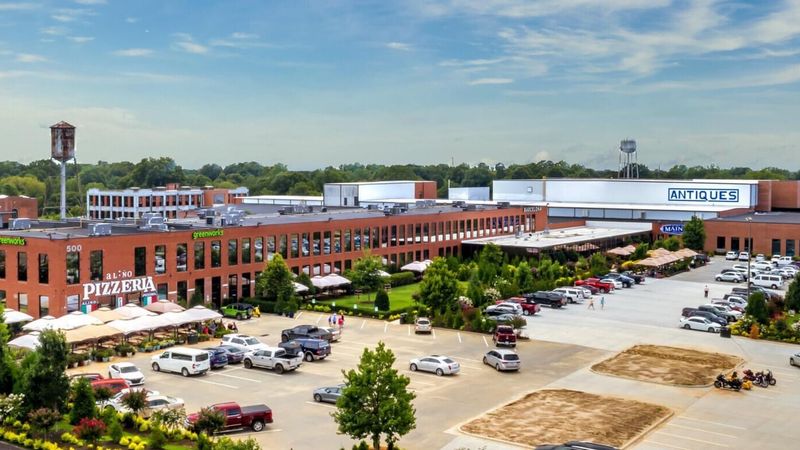
Mooresville calls itself Race City USA because of its NASCAR connections, but Merino Mill at 500 S Main St, Mooresville, NC 28115 is the kind of destination that makes the town worth visiting even if you have zero interest in racing.
Originally established in 1893 as the Moor Turkish Towel Company mill, the property later operated as a Burlington Mills factory before its industrial chapter finally closed.
Since 2010, Merino Mill has been steadily reinventing itself into one of the most impressive adaptive reuse projects in the entire state. Corporate headquarters, manufacturers, creative businesses, acclaimed restaurants, and shops now fill the space.
It is also home to the largest antique mall in the Carolinas, Main St. Antiques and Design Center, which alone is worth making the trip for.
On top of all that, Merino Mill boasts the largest solar-paneled roof in North Carolina, which means the building is not just preserving history but actively building a more sustainable future. That combination of heritage and innovation is exactly what makes this place so compelling.
Mooresville surprised a lot of people with this one. A 130-year-old towel factory is now a destination that draws visitors from across the region, and that is the kind of second act that deserves a standing ovation.
Which old building in your town deserves a story like this?