
15 Small Towns In Florida That Are Too Picturesque To Ignore
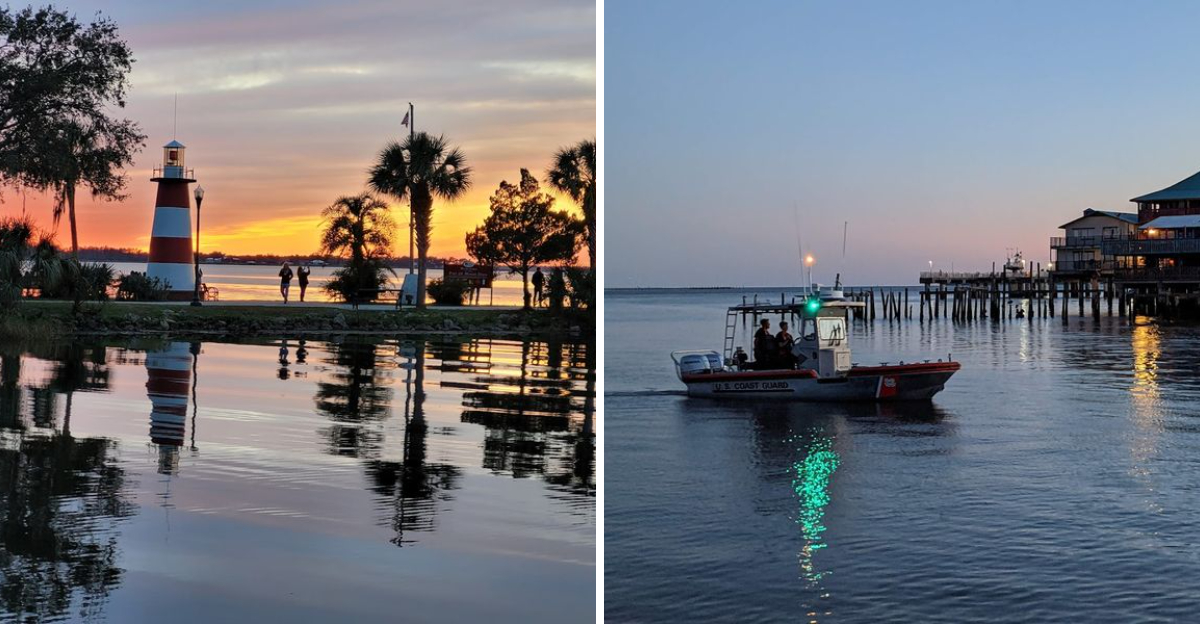
The most memorable places in Florida are often the ones with no roller coasters, no giant resorts, and no crowds rushing from attraction to attraction.
They are the towns that make you want to stay a little longer.
The kind of places where a short afternoon walk somehow turns into an entire day. Where historic buildings, waterfront views, and friendly local businesses create an atmosphere that feels impossible to rush through.
That is the magic of Florida’s small towns.
They move at their own pace.
And before long, you find yourself doing the same.
Some sit beside sparkling rivers. Others overlook the Gulf or Atlantic.
A few feel almost frozen in time, preserving a version of Florida that existed long before the state’s biggest attractions arrived.
The contrast is refreshing.
Busy highways outside town.
Quiet streets once you arrive.
And a charm that feels increasingly difficult to find.
These are the places that remind visitors why slowing down can sometimes be the best part of any trip.
1. Mount Dora
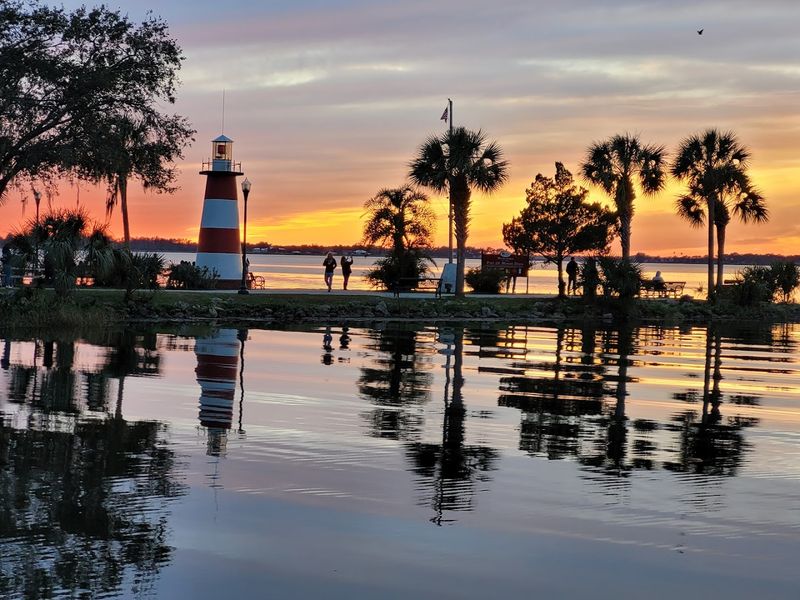
Sitting about 25 miles northwest of Orlando, Mount Dora has this quiet confidence that comes from knowing it does not need to try too hard to impress.
The downtown area is a walkable stretch of antique shops, indie cafes, and art galleries that line streets shaded by massive live oaks draped in Spanish moss.
Lake Dora wraps around the edge of town, giving every sunset a mirror to reflect off, and the old lighthouse near Grantham Point is one of only a handful of inland lighthouses in the entire state.
The town hosts more than 40 festivals each year, including one of Florida’s most celebrated antique fairs, which draws collectors from across the country every February.
I always end up at the waterfront park with a cup of coffee, watching the boats drift past and wondering how a place this beautiful stays this calm.
2. Apalachicola
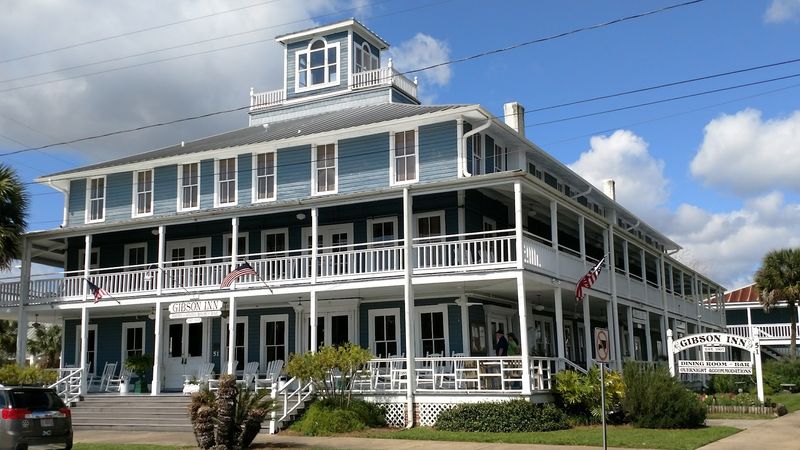
There is something deeply honest about Apalachicola, a small fishing town on the Panhandle coast that has been harvesting oysters from its bay for well over a century.
The historic downtown is lined with 19th-century brick buildings that now hold local restaurants, boutique shops, and a handful of galleries, all within a few blocks of the water.
Apalachicola Bay is considered one of the most productive estuaries in North America, and the oysters pulled from it have a flavor that seafood lovers travel hours to taste.
The town has fewer than 3,000 residents, which means you can walk from one end to the other in about 20 minutes and feel like a local by the time you finish.
On quiet mornings, the fog rolls off the river and curls around the old storefronts in a way that makes the whole place look like a photograph waiting to be taken.
3. Cedar Key, Florida
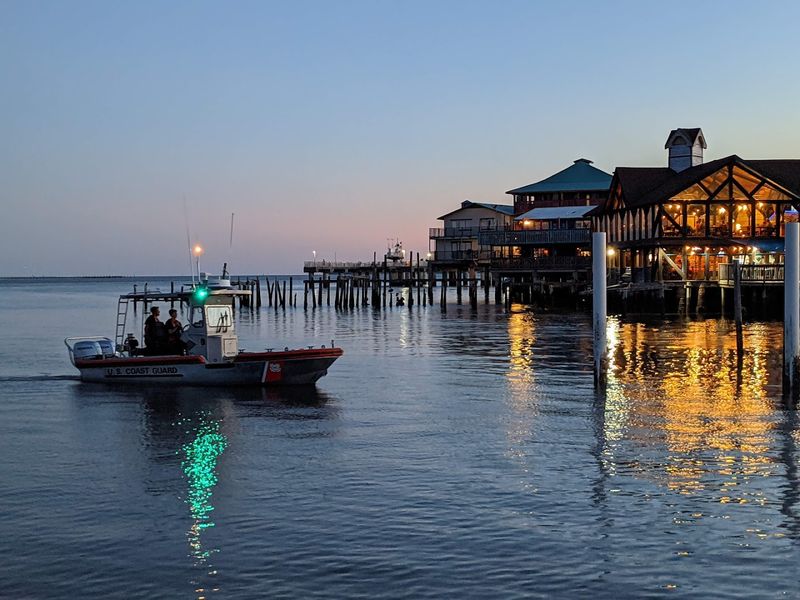
Reaching Cedar Key requires a drive down a long, narrow road through salt marshes and Gulf-side wetlands, and every mile of that drive feels like the mainland is slowly releasing its grip on you.
Perched on a cluster of islands about 50 miles southwest of Gainesville, Cedar Key was once a booming 19th-century port city before the railroad bypassed it and left it beautifully frozen in time.
The town is now a hub for clam farming, wildlife watching, and the kind of low-key seafood dining where the catch of the day was literally in the water that morning.
Artists have been drawn here for decades, and the small galleries scattered around town show work that captures the wild, weathered character of the island perfectly.
Watching a brown pelican land three feet from your outdoor table while you eat fresh clam chowder is the kind of moment Cedar Key hands out like souvenirs.
4. Micanopy
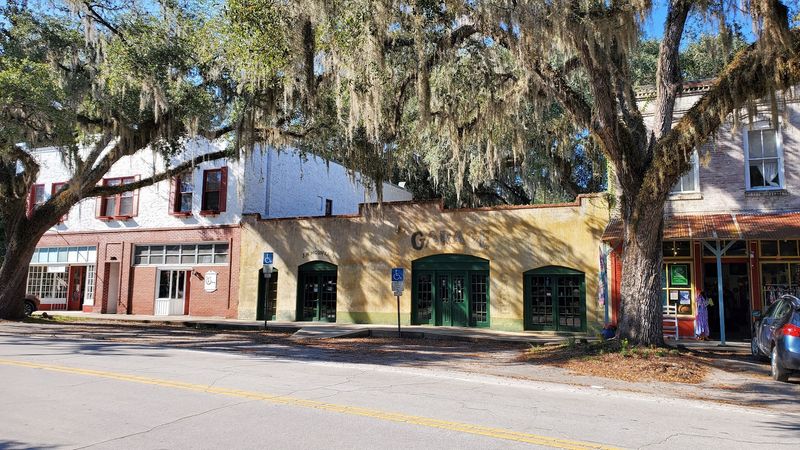
Micanopy holds the title of Florida’s oldest inland town, and walking its single main street feels like stepping through a door that history forgot to close behind you.
Located about 10 miles south of Gainesville, this tiny town of roughly 600 people is wrapped in ancient live oaks whose branches stretch across the road and touch overhead like a canopy of green lace.
The town is a favorite among antique hunters, with several well-stocked shops tucked into buildings that date back to the 1800s, and prices that do not require a second mortgage.
Micanopy has appeared on film, most notably as the fictional town of Tolchuck in the 1991 movie “Doc Hollywood,” which tells you something about how naturally cinematic this place looks.
I spent an afternoon here once just sitting on a bench under an oak tree, and it turned into one of the most genuinely restful hours of any trip I have ever taken.
5. Fernandina Beach, Florida
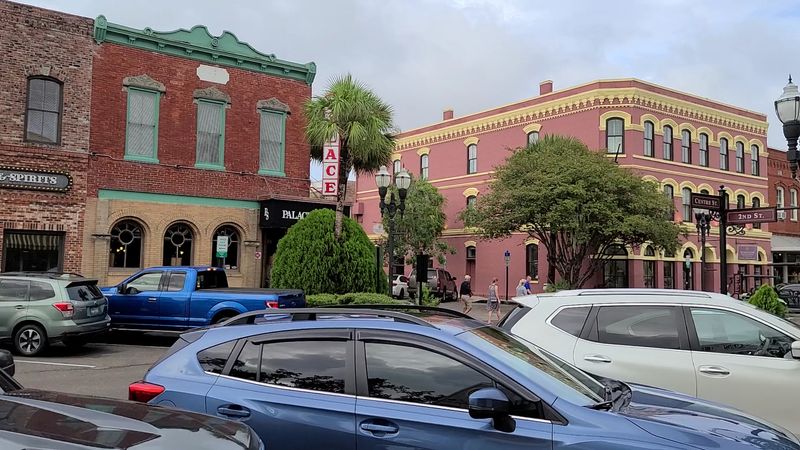
Fernandina Beach sits on Amelia Island at the very northeastern tip of Florida, just a short drive from the Georgia border, and it carries the kind of history that most Florida towns never got the chance to build.
Centre Street is the heart of downtown, a lively strip of Victorian-era buildings painted in warm colors that house local restaurants, bookshops, and boutiques with real personality.
The town has flown eight different flags over its history, earning it the nickname “The Isle of Eight Flags,” a detail that comes up in nearly every conversation with a local and never gets old.
Fernandina Beach is also considered the birthplace of the modern American shrimp industry, and you can still watch working shrimp boats come and go from the marina at the foot of Centre Street.
Fort Clinch State Park sits just north of town and offers some of the most photogenic coastal scenery in the entire state, especially at sunrise when the light hits the old brick walls just right.
6. Tarpon Springs
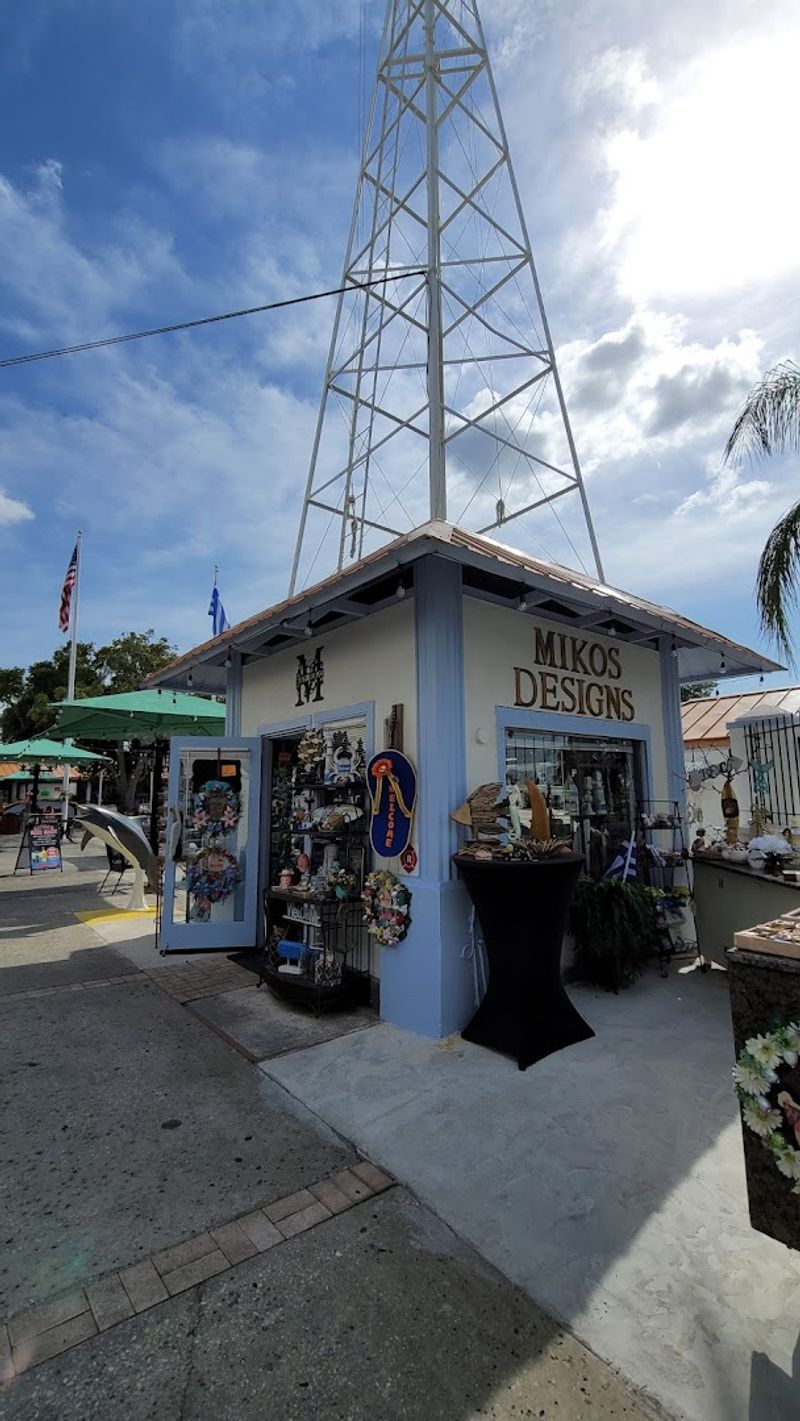
About 30 miles northwest of Tampa, Tarpon Springs earned the nickname “The Sponge Capital of the World” in the early 1900s when Greek immigrants arrived and built a thriving sponge-diving industry that still operates today.
The Sponge Docks along Dodecanese Boulevard are the cultural anchor of the town, lined with shops selling natural sponges, Greek pastries, and handmade goods that feel nothing like typical Florida tourist fare.
Greek Orthodox churches, family-owned bakeries, and restaurants serving fresh-made spanakopita and baklava give the town a Mediterranean warmth that stands out sharply from anything else in the state.
The Epiphany celebration held every January is one of the largest Greek Orthodox events in the country, drawing thousands of visitors to watch young men dive into Spring Bayou to retrieve a cross thrown by a bishop.
Tarpon Springs is one of those rare towns that has a genuinely distinct cultural identity, and you feel it the moment you step out of your car.
7. Seaside, Florida
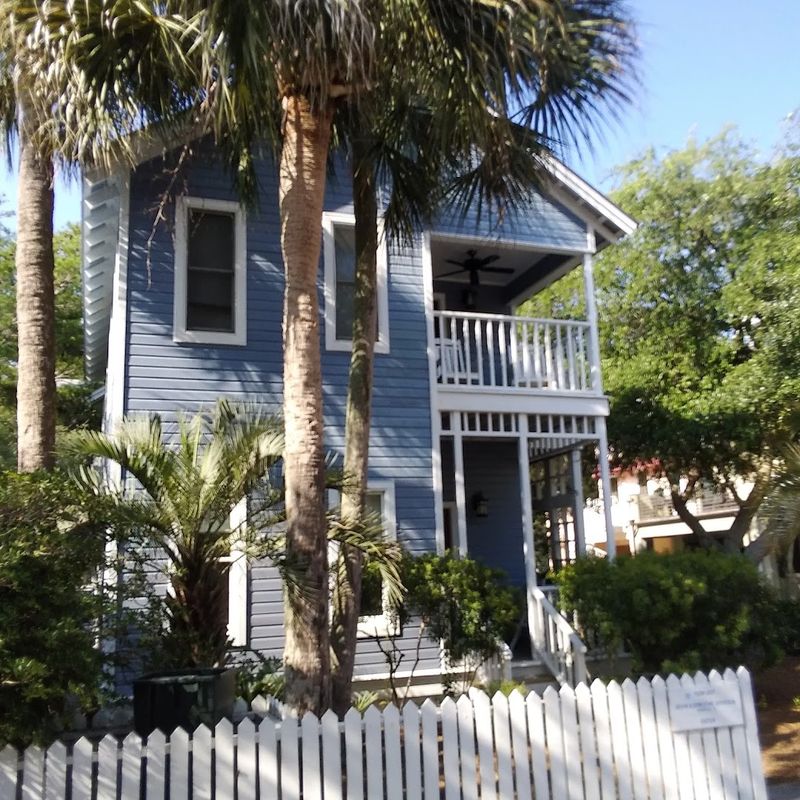
Seaside is the kind of town that looks almost too perfect, and that is because it was carefully designed that way from the ground up starting in the early 1980s.
Located along Scenic Highway 30A in the Florida Panhandle, Seaside was one of the first planned communities in the country built around the concept of New Urbanism, where walkability and community connection were priorities from day one.
The pastel cottages, white picket fences, and open-air market pavilions have made it one of the most photographed small towns in the South, and it served as the filming location for the 1998 movie “The Truman Show.”
The beach access here is stunning, with sugar-white sand and emerald-green water that ranks among the clearest in Florida.
Airstream food trucks near the town center serve everything from crepes to fresh-squeezed lemonade, making it easy to spend a full afternoon just wandering and eating your way through this very photogenic little place.
8. Dunedin
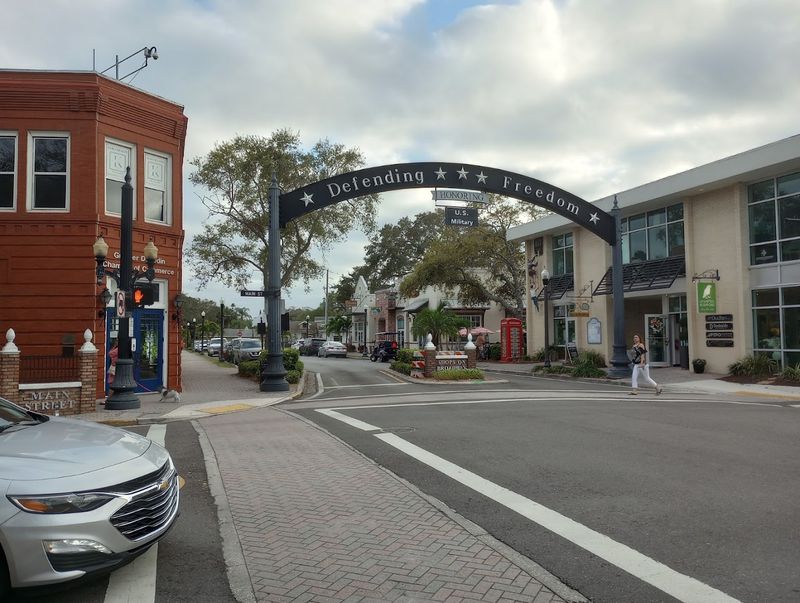
Dunedin sits on the Gulf Coast of Pinellas County, about 25 miles northwest of Tampa, and its Scottish heritage gives it a personality that feels refreshingly different from every other coastal town in Florida.
The town was founded in the 1870s by two Scottish merchants who named it after the Scottish Gaelic word for Edinburgh, and that pride shows up in everything from the annual Highland Games to the tartan patterns on downtown street signs.
Main Street is a walkable stretch of locally owned shops, craft eateries, and a lively arts scene that draws creative types who want small-town energy without small-town boredom.
The Pinellas Trail runs right through town, making Dunedin a favorite stop for cyclists, and Honeymoon Island State Park is just a short drive away with one of the best beaches on the Gulf Coast.
Dunedin also happens to be the spring training home of the Toronto Blue Jays, which gives the town a fun, energetic buzz every March that the locals seem genuinely happy about.
9. Crystal River, Florida
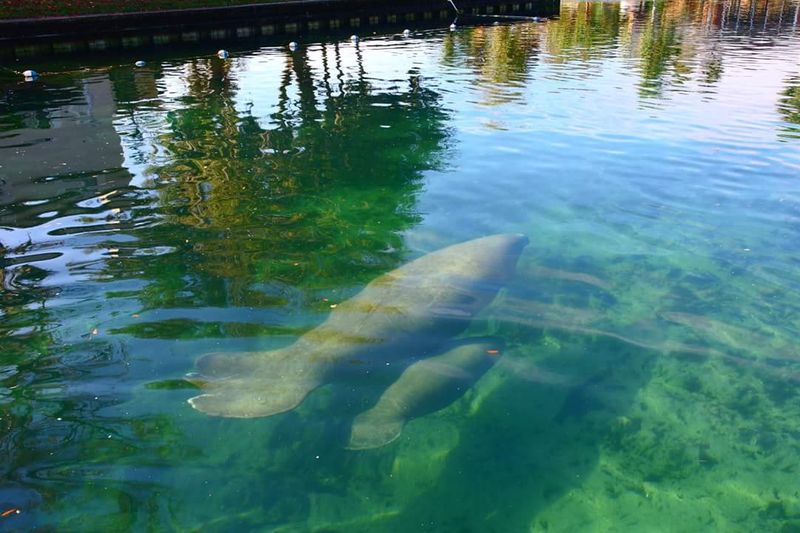
Crystal River is built around one of the most extraordinary natural features in the entire state: Kings Bay, a collection of natural springs that pumps out 72-degree water year-round and attracts hundreds of West Indian manatees every winter.
Located about 75 miles north of Tampa on the Nature Coast, this small town of around 3,000 people has quietly become one of the best places in the world to swim alongside manatees in their natural habitat.
Guided snorkel tours launch from the waterfront regularly, and responsible operators follow strict guidelines to ensure the manatees are never disturbed, making the experience feel respectful rather than performative.
Beyond the springs, the town is surrounded by the Crystal River National Wildlife Refuge, which protects critical manatee habitat and offers kayaking through cypress-lined waterways that feel completely removed from the modern world.
Crystal River is proof that the best Florida experiences sometimes have nothing to do with beaches and everything to do with paying attention to what is just below the surface.
10. DeLand, Florida
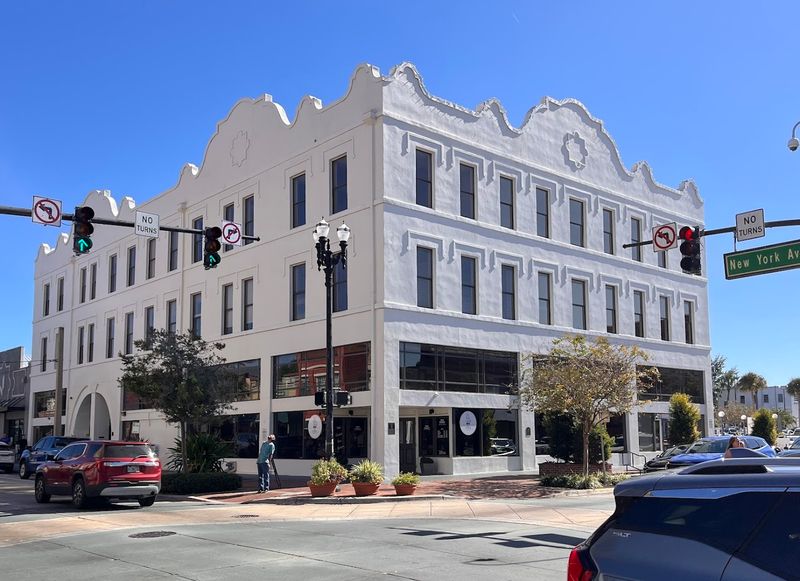
DeLand consistently ranks as one of the best small towns in Florida, and after spending a weekend exploring its downtown, I stopped being surprised by that and started being annoyed I had not gone sooner.
Located about 25 miles west of Daytona Beach, the town is home to Stetson University, which gives it an academic energy and a cultural calendar packed with concerts, theater performances, and art exhibitions.
Woodland Boulevard is the main drag, lined with independent boutiques, farm-to-table restaurants, and coffee shops housed in beautifully restored historic buildings that date back to the late 1800s.
The town has a thriving mural art scene, with large-scale paintings covering building walls throughout downtown in a way that makes a simple walk feel like a gallery tour.
Skydive DeLand operates just outside town and is considered one of the premier skydiving facilities in the country, which adds an unexpected layer of adventure to what is otherwise a very charming and laid-back destination.
11. Anna Maria
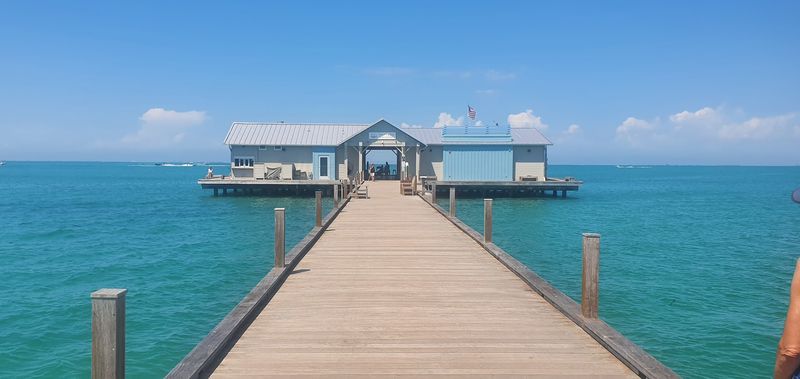
Anna Maria is the kind of place that makes you want to turn off your phone, kick off your shoes, and stay for a week longer than you planned.
Sitting at the northern tip of Anna Maria Island on Florida’s Gulf Coast, this small city of just over 1,000 residents has managed to hold on to an old-Florida beach town character that most coastal communities lost decades ago.
There are no chain hotels or big-box stores here, just colorful beach cottages, family-owned restaurants, and a trolley system that makes getting around the island easy and actually enjoyable.
The Anna Maria City Pier is a focal point for locals and visitors alike, stretching out over Tampa Bay with a bait shop and a casual restaurant at the end where the grouper sandwiches are as fresh as it gets.
Sunsets from the Gulf-side beach here are the kind that make people stop mid-conversation, stare west, and quietly decide that wherever they need to be tomorrow can wait.
12. Venice
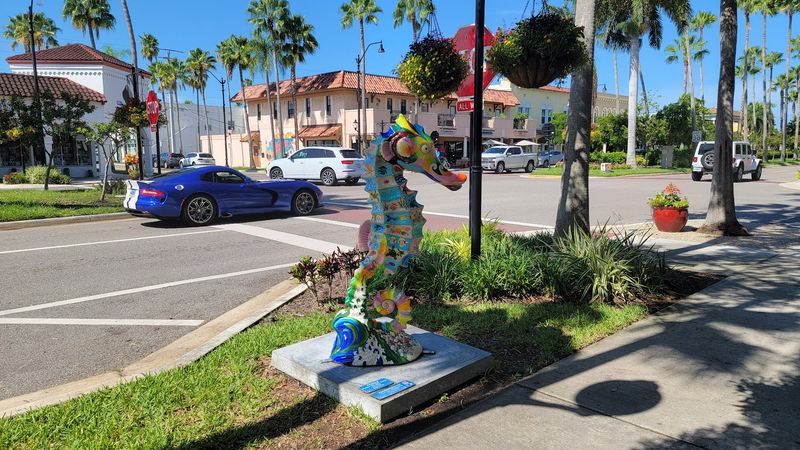
Venice has a secret that keeps beachcombers coming back with buckets and determination: its beaches are one of the best places in the world to find fossilized shark teeth.
Located about 20 miles south of Sarasota on the Gulf Coast, Venice was developed in the 1920s with a Mediterranean Revival architectural style that gives the downtown a cohesive, old-world elegance rare in Florida.
Caspersen Beach and Venice Beach both sit within easy reach of downtown and are known for the prehistoric shark teeth that wash ashore regularly, some dating back millions of years to when the area was covered by a shallow sea.
The town also hosts the Shark’s Tooth Festival each spring, drawing thousands of fossil hunters, families, and curious visitors who end up leaving with little orange bags full of tiny black teeth and very big smiles.
Downtown Venice is compact, walkable, and lined with shops and restaurants that reward slow exploration, especially on weekday mornings when the crowds are thin and the light through the palm trees is just right.
13. St. Augustine, Florida
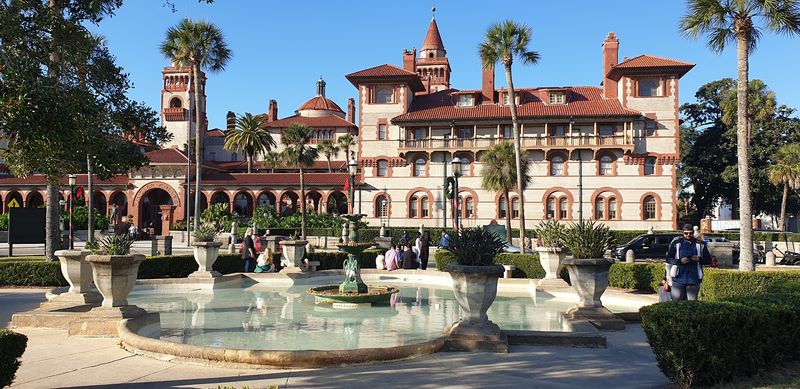
Founded in 1565, St. Augustine is the oldest continuously occupied European settlement in the entire United States, and that fact hits differently once you are actually standing on its cobblestone streets.
Located on the northeast coast of Florida about 40 miles south of Jacksonville, the city carries centuries of Spanish, British, and American history in its architecture, street layout, and cultural traditions.
The Castillo de San Marcos, a 17th-century coquina stone fortress overlooking Matanzas Bay, is one of the most well-preserved historic military structures in North America and absolutely worth the time to walk through.
St. George Street in the heart of the historic district is a pedestrian-only stretch of shops, restaurants, and museums housed in buildings that have been standing for hundreds of years.
The city also runs one of the most impressive holiday light displays in the country each winter, called Nights of Lights, which turns the entire historic district into a glowing spectacle that draws visitors from across the continent.
14. Winter Garden, Florida
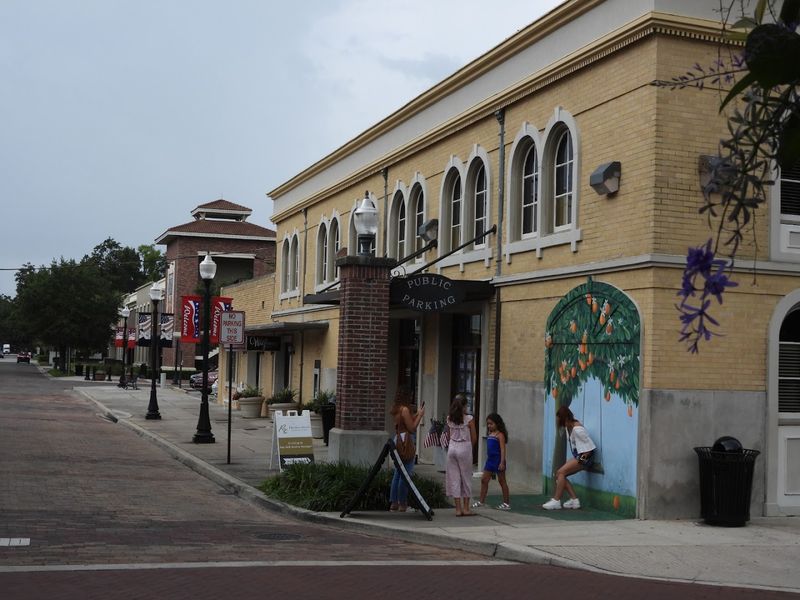
Plant Street in downtown Winter Garden has the kind of energy that makes you want to lock up your bicycle, grab a table outside, and watch the whole town go by for an hour or two.
Situated about 14 miles west of Orlando in Orange County, Winter Garden grew into a prosperous citrus-farming community in the early 20th century, and its beautifully restored downtown still reflects that era of prosperity.
The West Orange Trail passes directly through the heart of downtown, making Winter Garden a natural stop for cyclists who reward themselves with a meal or a scoop of ice cream after a long ride.
The historic train depot at the center of town now houses the Winter Garden Heritage Museum, which tells the story of the citrus industry and the railroad that made the town thrive.
On Saturday mornings, the Winter Garden Farmers Market fills Plant Street with local produce, handmade goods, and the kind of cheerful community atmosphere that reminds you exactly why small towns are worth seeking out.
15. New Smyrna Beach
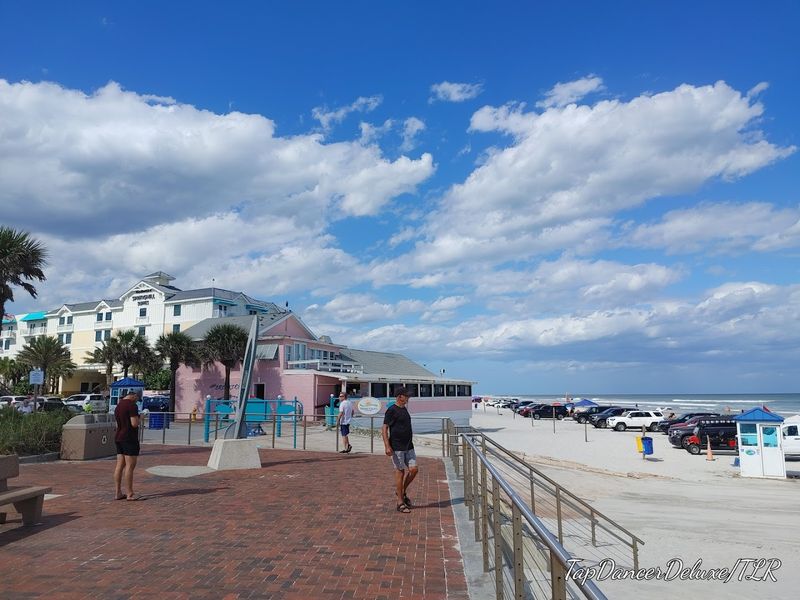
New Smyrna Beach has long been considered one of the best surf towns on the East Coast, and the vibe you feel walking through its streets confirms that reputation without a single word being spoken.
Located about 60 miles northeast of Orlando on the Atlantic Coast, NSB, as locals call it, blends a thriving arts community with a genuine surf culture in a way that feels completely natural rather than manufactured.
The historic Canal Street district is filled with independent galleries, boutiques, and restaurants that reflect the creative energy of a town that takes its art seriously, hosting the Atlantic Center for the Arts, a nationally recognized artist residency program.
Flagler Avenue near the beach is the social hub, a low-key strip of surf shops, casual eateries, and outdoor seating that fills up with locals and visitors who all seem to be moving at the same unhurried pace.
New Smyrna Beach manages to feel both artsy and athletic, historic and laid-back, which is a combination that is harder to pull off than it looks and rarer to find than you would expect.