
12 Small Towns In Michigan With The Best Historic Main Streets
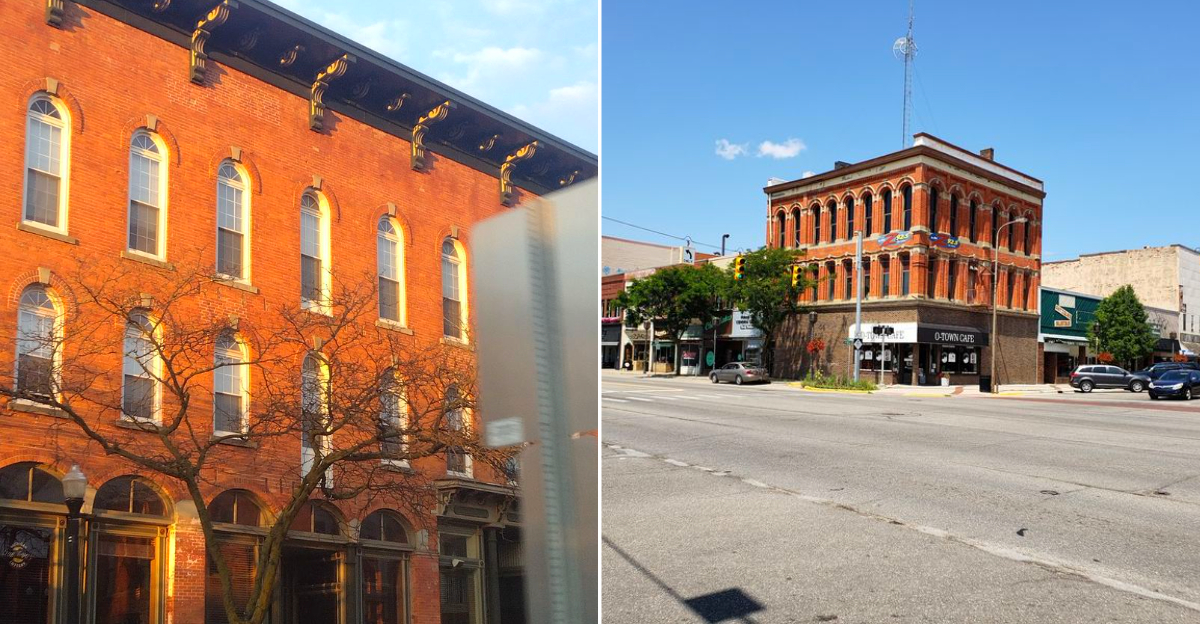
There is a particular satisfaction in walking down a main street that still functions the way it was originally built to. The storefronts are occupied, the sidewalks wide, the buildings carrying dates from the late 1800s carved into their limestone lintels.
Michigan has an impressive collection of small towns where the downtown district never fell into the cycle of vacancy and decline that gutted so many rural communities. Some won national recognition for their revitalization efforts.
Others simply never lost what they had. A few sit along rivers that powered the original mills, while others perch on lakefronts that drew tourists long before highway billboards existed.
From the tip of the mitten to the upper peninsula, these twelve Michigan small towns prove that a well-kept main street is still the best reason to slow down and spend an afternoon exploring on foot, one storefront at a time.
Boyne City
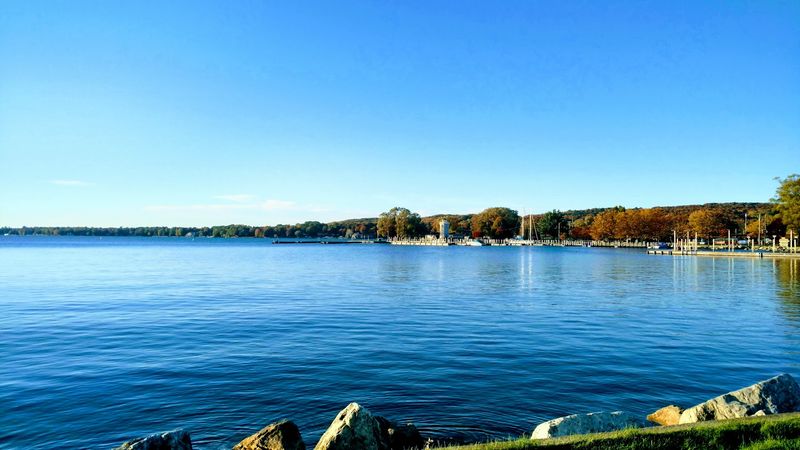
Lake Charlevoix and the Boyne River frame downtown, so historic storefronts appear between flashes of blue water and passing boats. Boyne City’s Central Historic District contains 75 buildings, including 55 that retained historic character when the district gained federal recognition.
The three-story IOOF Temple brings grand Renaissance Revival detail to a streetscape shaped largely by Late Victorian commercial design.
Plaques make a self-guided walk easy, while facade improvement work helps owners restore old exteriors with care. Pause near the temple, look above modern shop signs for masonry details, and leave time for the waterfront.
Summer feels lively, but a weekday morning offers clearer views and easier parking near downtown. The blend of working businesses, preserved architecture, and riverfront scenery explains why Boyne City earned the 2020 Great American Main Street Award.
Bring comfortable shoes; the compact route rewards slow, curious wandering.
Howell
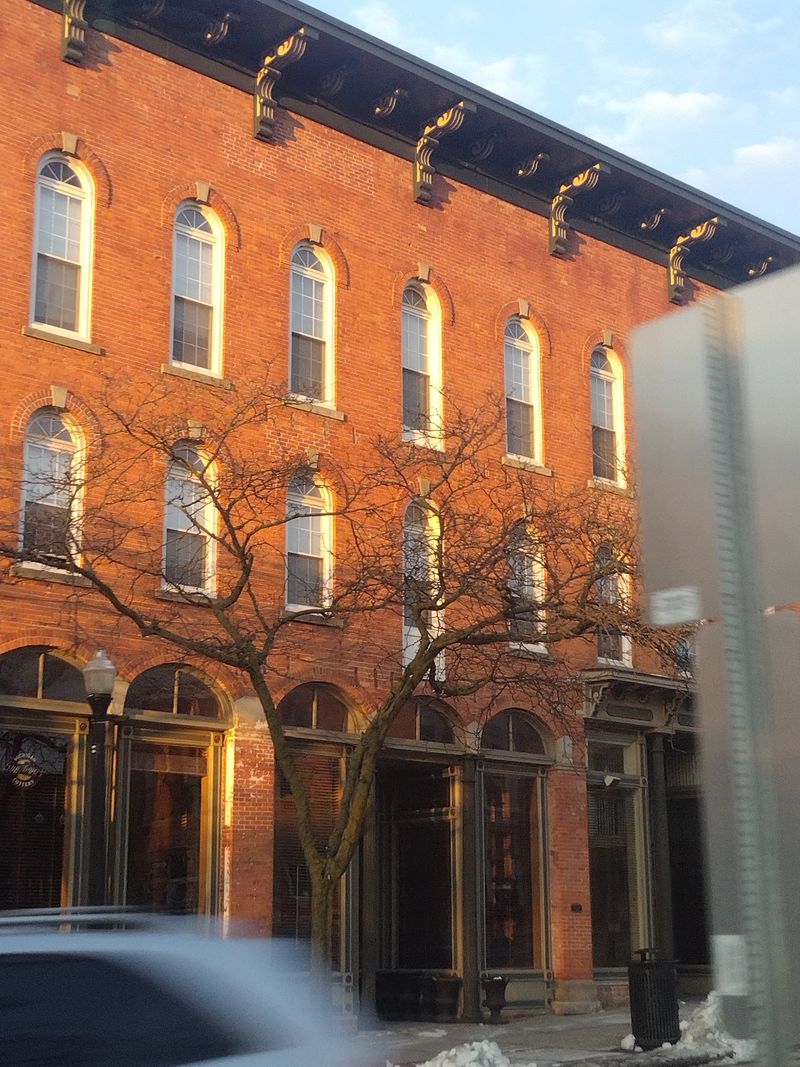
Look upward in Howell, and the ordinary shopping trip becomes an architecture hunt filled with cornices, arched windows, and patterned brick.
The downtown historic district gathers commercial buildings from several periods around streets that still serve as the community’s everyday meeting place. Their varied facades give each block personality without making the area feel frozen in time.
Begin near the courthouse square, then follow Grand River Avenue past independent restaurants, shops, and public gathering spaces. Side streets deserve attention because quieter angles often reveal original upper floors hidden by signs when viewed head-on.
Festival days bring cheerful crowds, although architecture lovers may prefer an uncrowded morning. Public parking is available around downtown, and the central blocks are easy to cover on foot.
Howell works best without a strict checklist: inspect the details, stop for lunch, and watch a historic district continue doing its regular job.
Charlevoix
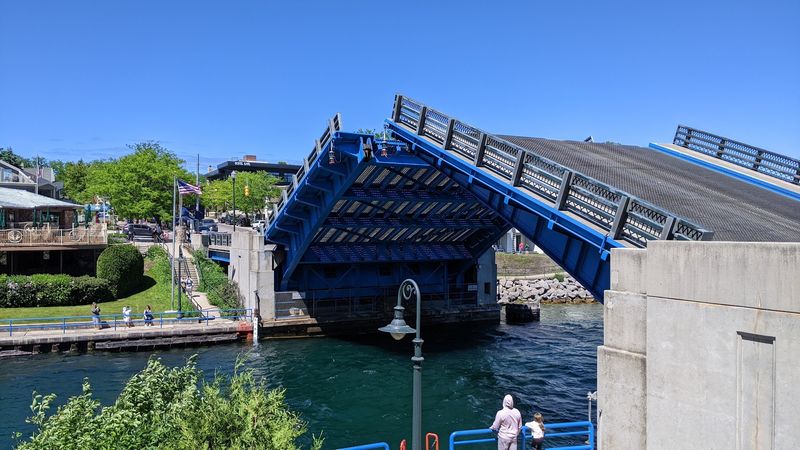
A raised drawbridge can briefly stop downtown traffic in Charlevoix, turning an everyday delay into a fine excuse to watch boats. Bridge Street runs toward the channel between Round Lake and Lake Michigan, placing shops, restaurants, and older commercial buildings close to the water.
Flower baskets and busy sidewalks soften the sturdy facades during summer.
Walk beyond the main shopping blocks to understand the town’s wider architectural story. Charlevoix is famous for Earl Young’s stone houses, commonly called mushroom houses, although they are scattered around town rather than forming Main Street itself.
Parking becomes competitive on warm weekends, so arrive early or explore during a quieter shoulder season. The drawbridge area provides a useful starting point, while nearby side streets offer calmer views.
Downtown feels polished, yet odd stonework, changing water, and passing vessels prevent it from becoming overly tidy or predictable.
Grayling
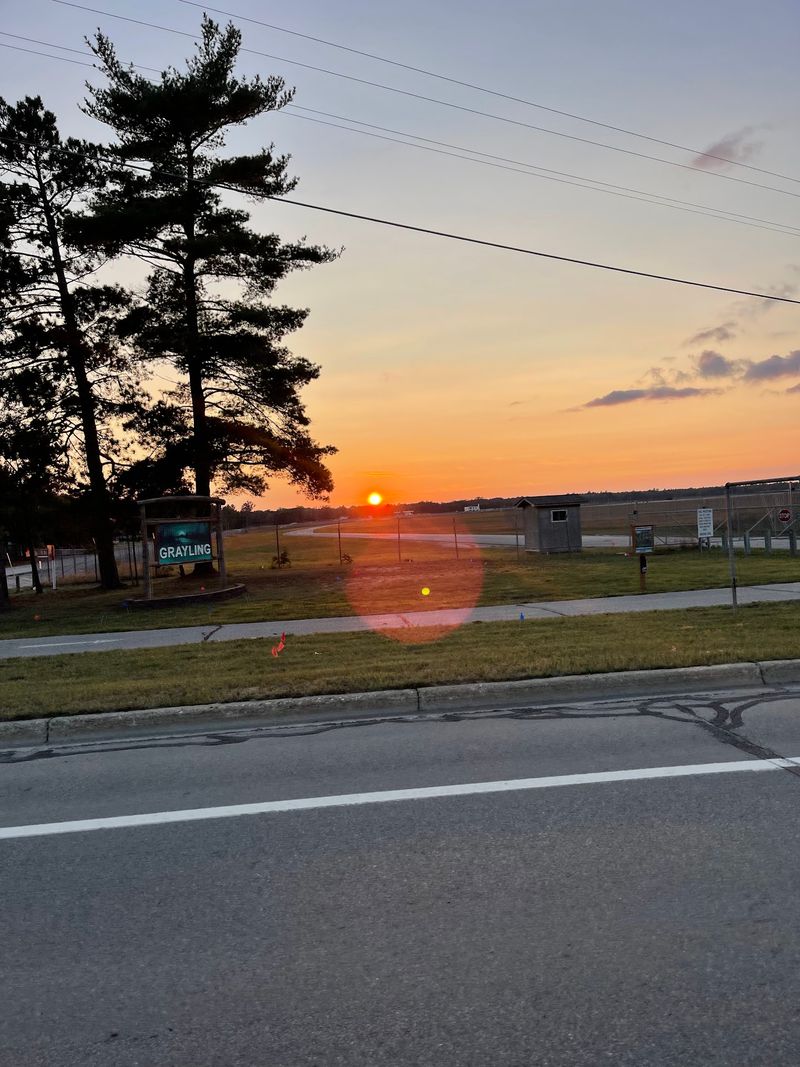
Pine-scented air follows visitors into Grayling, where downtown history shares space with fishing gear, trail talk, and muddy outdoor shoes. The community grew rapidly after the Jackson, Lansing and Saginaw Railroad arrived around 1872.
Logging along the Au Sable River then shaped its economy, leaving a practical commercial center rather than a showy architectural stage.
Sturdy late nineteenth-century and early twentieth-century buildings suit that hardworking story. Check upper walls for older brickwork and window patterns, since street-level changes can hide a building’s age.
Downtown makes a useful base before visiting the river or nearby Hartwick Pines State Park. Park once, walk the central blocks, and allow time for local history displays when available.
Grayling’s appeal comes from the close connection between heritage and present-day recreation. Canoes on vehicles may outnumber fancy cars, which feels entirely right beside this celebrated trout stream.
Niles
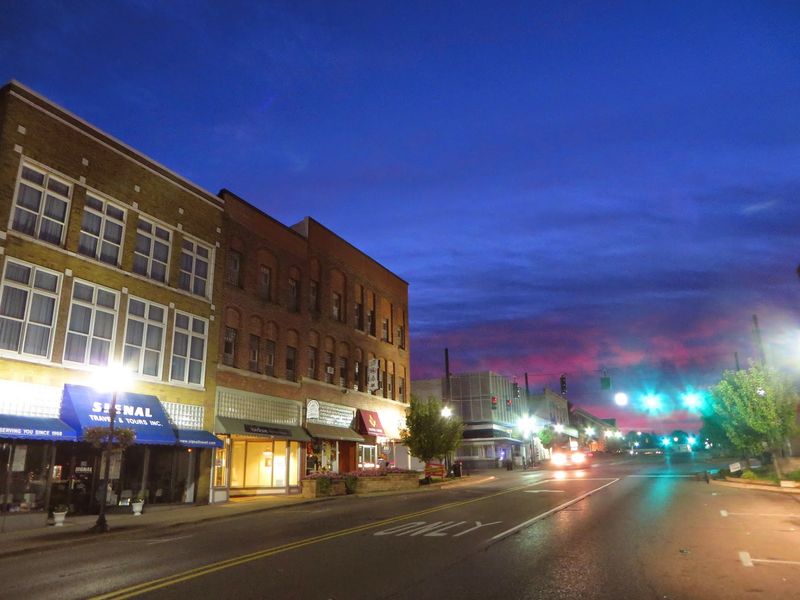
Few Michigan downtowns carry as many historical layers as Niles, once an important trading place beside the St. Joseph River. Its commercial streets display Victorian and early twentieth-century buildings rather than one perfectly matched style.
That mixture makes a walk feel like turning pages through several periods of growth.
The 1909 Carnegie Library is a notable architectural stop, while preserved facades throughout downtown show continuing efforts to respect original character. I like to examine upper stories first; old brick arches and decorative trim often survive above newer entrances.
Combine the commercial district with a riverfront walk to understand why settlement and trade developed here. Weekday mornings generally make photography and parking simpler, though community events add more street life.
Reading historical markers before entering shops provides useful context. Niles rewards patient visitors because its story appears gradually, in civic buildings, storefront details, and the river that helped sustain it.
Blissfield
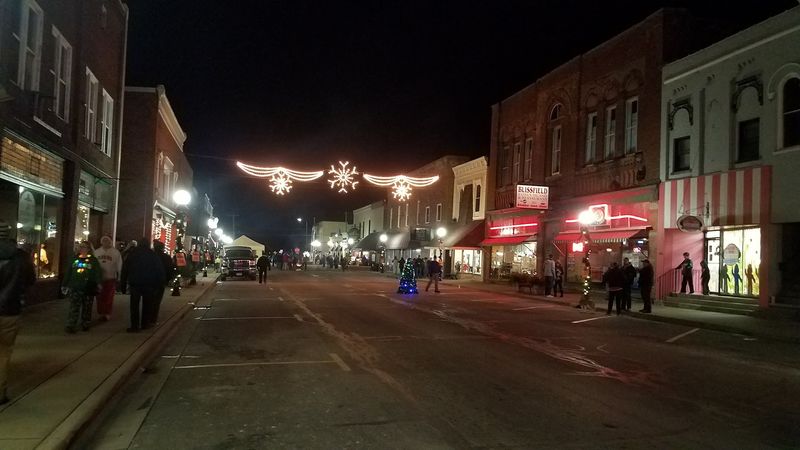
Strings of lights can make Blissfield’s red-brick downtown glow like a carefully arranged stage after sunset. The buildings, however, carry a difficult chapter: a major 1875 fire encouraged rebuilding with more durable materials.
Italianate and Victorian details now give the village a remarkably unified appearance beside the River Raisin.
The nationally recognized downtown district includes 44 contributing structures. Look for tall windows, decorative cornices, and adjoining facades that show how closely merchants once worked.
A local tale about the former Triple Bridges adds an enjoyably peculiar footnote to village history. The river adds another layer to the walk, softening the formality of the architecture and giving the district a pause point.
I would save a few minutes for that contrast, especially near sunset, when brick, water, and trees balance beautifully.
Events such as Downtown Wine Around and the River Raisin Festival produce a busier atmosphere, so confirm dates according to your preferred pace. For an easy visit, park near the center and follow the commercial blocks toward the water.
Blissfield stays small enough for unhurried wandering, with good details appearing whenever visitors remember to glance upward.
Saline
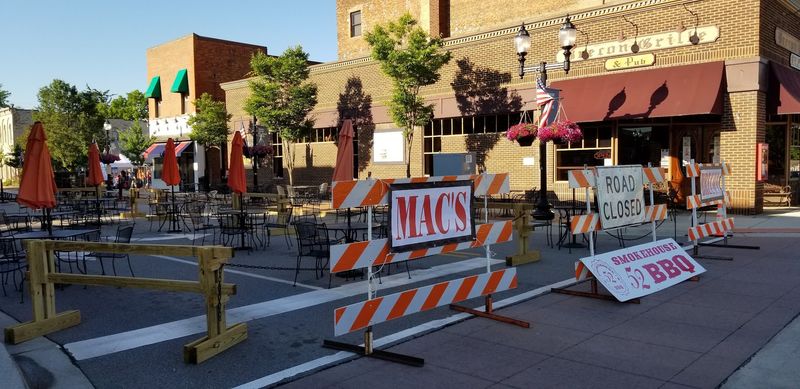
Decorative brickwork gives Saline’s downtown a quietly confident look, especially when sunlight catches the upper floors of its Victorian commercial buildings. The community took its name from natural salt springs and developed as an agricultural trading center.
Main Street still feels connected to that practical past, even with modern restaurants and shops occupying old spaces.
Saline Main Street supports preservation, economic activity, and community events, helping the district remain useful rather than merely ornamental. Study the cornices and window surrounds, then compare neighboring buildings; small differences reveal changing tastes and budgets.
Event weekends are energetic, while ordinary afternoons offer more room for photographs and window-shopping. Public spaces and compact blocks make the center comfortable to explore on foot.
Check the community calendar before traveling because markets and festivals can change parking patterns. Either way, Saline offers a pleasant lesson in how careful upkeep and active businesses can reinforce each other.
Owosso
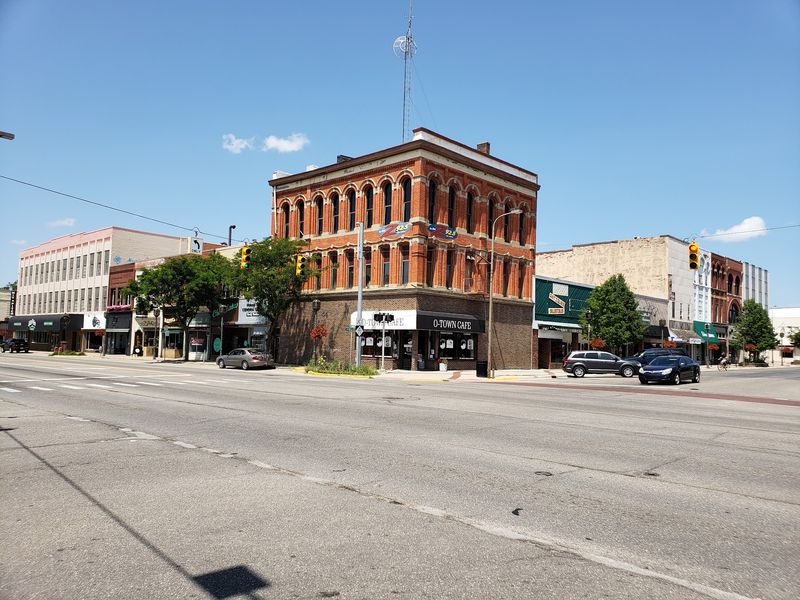
Owosso’s downtown reads like a record of rebuilding, with brick commercial blocks rising from a period marked by Civil War-era fires. Although the community was platted in 1838, major growth during the 1880s and 1890s shaped much of the center.
Downtown was essentially built out by 1915, creating today’s varied collection of historic styles.
The district entered the National Register of Historic Places in 2014. Exterior changes receive review from the Downtown Historic District Commission, a process intended to protect important architectural character.
Walk slowly enough to notice where neighboring buildings differ in height, ornament, and window design. Owosso also belonged to Underground Railroad routes leading toward Canada, adding a deeper human story to the streetscape.
Visitors should pair architectural wandering with local museums or cultural stops when schedules allow. The district feels most revealing when treated as evidence, not scenery, because every repaired facade reflects repeated community choices.
Three Rivers
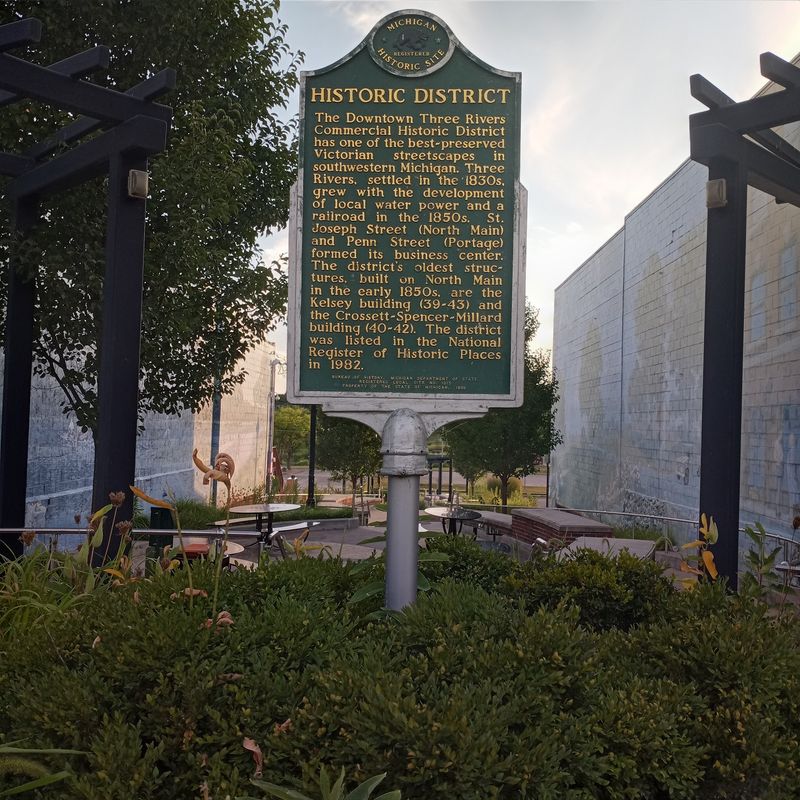
A carved face peers from the Prutzman Block in Three Rivers, rewarding anyone who studies the buildings instead of watching only shop windows. Downtown preserves an unusually cohesive Victorian streetscape, with 48 structures in the nationally listed commercial district.
Many are Commercial Italianate buildings placed shoulder-to-shoulder directly along the sidewalk.
A devastating 1877 fire pushed later construction toward brick, helping create today’s unified appearance. The Carnegie Center for the Arts, once a library threatened with demolition, demonstrates how reuse can preserve both architecture and community purpose.
Follow a self-guided route and search for less obvious features, including the old Null Building’s tin ceiling, designed to resemble European plasterwork. Morning light can make facade details easier to photograph, while open businesses add welcome activity later.
Three Rivers deserves more than a quick drive-through. Its best surprises sit above eye level, quietly waiting behind cornices, faces, and elaborate metalwork.
Cheboygan
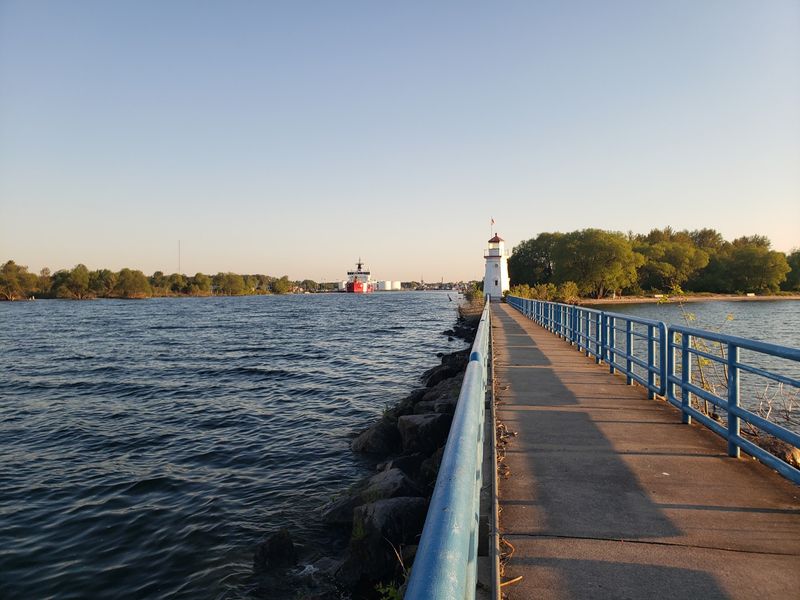
River air and sturdy brick buildings give Cheboygan’s center the character of a town that once handled serious waterfront business. Its location near the Cheboygan River and Lake Huron supported maritime trade and logging.
Fires made wooden construction risky, so later commercial blocks increasingly used brick, producing the robust streetscape visible now.
The 1877 Cheboygan Opera House supplies downtown’s clearest cultural landmark and still connects the community with performing arts. Check its event schedule before visiting; seeing the interior adds dimension that an exterior photograph cannot provide.
From Main Street, continue toward the waterfront to connect the architecture with the transportation routes behind Cheboygan’s growth. Cool lake weather can arrive quickly, even when sunshine looks convincing, so carry an extra layer.
The compact center is manageable on foot, and quieter side angles reveal brick patterns, cornices, and upper windows easily missed from a moving vehicle.
Lapeer
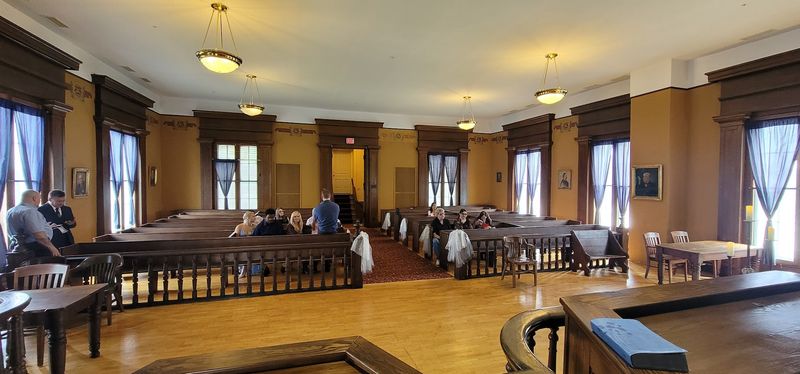
Lapeer’s courthouse square provides an immediate reminder that downtown once served both commercial and civic needs. Built in 1846, the historic courthouse ranks among Michigan’s oldest operating courthouses.
Around it, Victorian-era brick buildings reflect the community’s prosperous years as a county seat and agricultural center.
Ornate facades reward close attention, particularly where masonry patterns and upper windows remain visible above contemporary storefronts. Preservation work by local downtown organizations helps keep those structures useful while supporting an active business district.
Start at the courthouse, circle the square, then follow the adjoining commercial blocks instead of viewing everything from your car. Seasonal events can fill the center, so travelers seeking clear architectural photographs should choose a quieter morning.
Benches and nearby businesses make breaks simple. Lapeer’s strongest impression comes from balance: formal civic architecture anchors the scene, while ordinary errands and conversations keep the surrounding historic streets pleasantly alive.
Hart
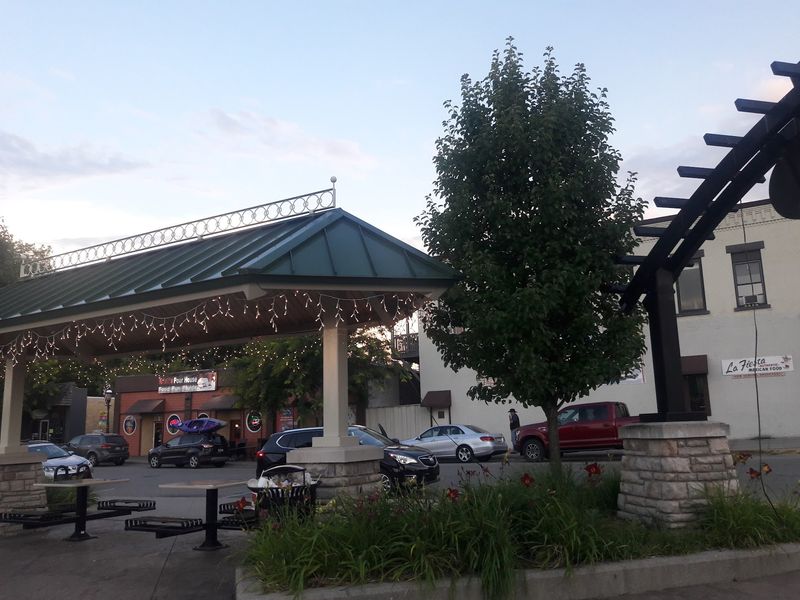
Hart’s post office hides an artistic surprise indoors: a WPA mural painted by Wisconsin artist Ruth Grotenrath. Outside, the Neoclassical building designed under Louis A.
Simon uses red brick with limestone trim. It joins closely spaced commercial buildings along State Street in the nationally listed Downtown Historic District.
Timber drove early growth, and a sawmill operated by the 1860s. Hart counted at least 40 downtown businesses by 1883, while repeated fires eventually made brick the favored building material.
That rebuilding history is easy to miss unless you slow down. I would spend a few minutes comparing the post office with neighboring storefronts, where changes in materials, proportions, and decorative details quietly reveal how the downtown adapted over time.
Visit the post office during open hours if you hope to see the mural, but avoid disrupting regular service. Then continue toward the Hart Historic District and Museum beside Chippewa Creek, where preserved structures include an 1858 Native American log cabin and the 1897 Sackrider Church.
Downtown and museum together provide a fuller picture than either alone, connecting commerce, government, industry, faith, and local settlement.