
Snowshoe Through Hurricane Ridge In Washington Without Any Experience Needed
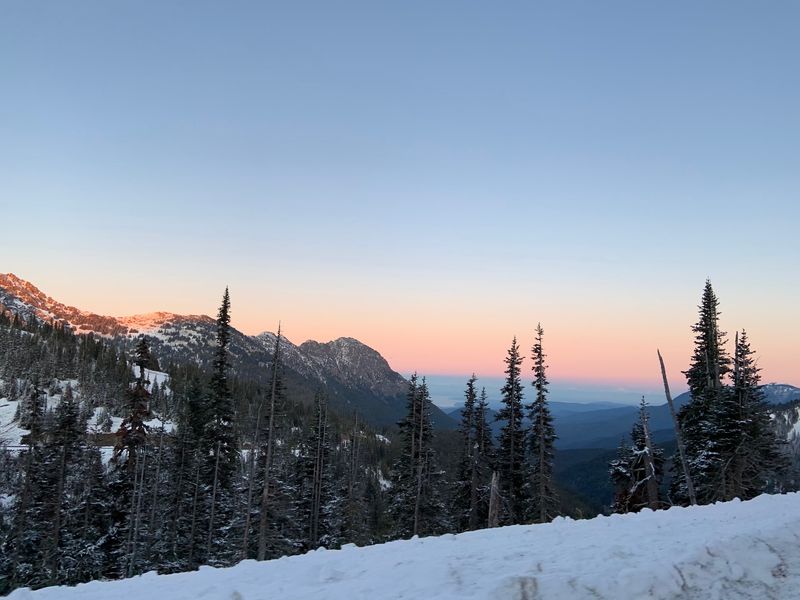
Canada shows up on the horizon from a mountain parking lot on the Olympic Peninsula. That’s not a typo, and you don’t have to hike a single step to see it.
On clear days, this Washington ridge lays out snowy, glacier-topped peaks in a full circle around you. Deer wander near the trails like they hold the deed to the place, which, honestly, they kind of do.
Winter turns the whole scene into a quiet white playground made for beginners. Snowshoes strap on, you start walking, and that’s basically the entire lesson.
I like how it skips the gear-snob gatekeeping and goes straight to the good part.
I can’t imagine a friendlier way to try a snowy mountain for the very first time. So what does it really take to get up there, and what waits at the top?
A Mountain Perch Above Port Angeles
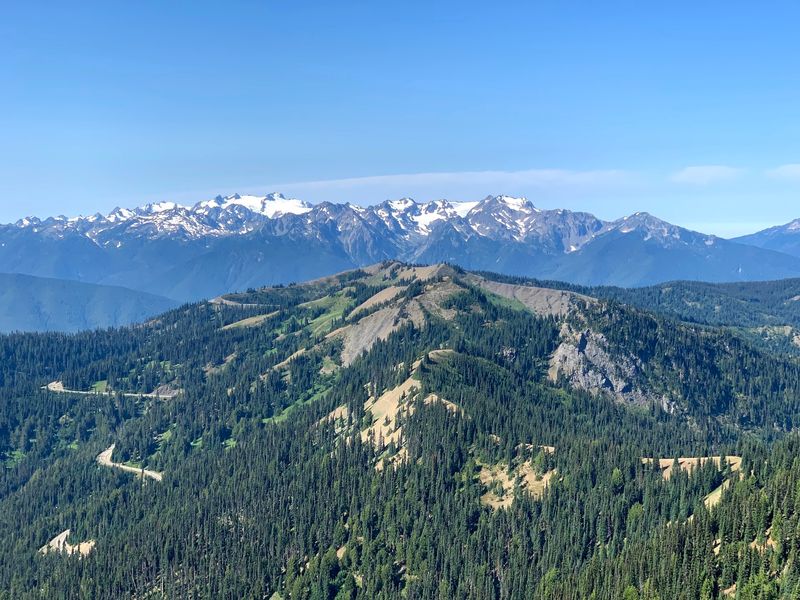
Hurricane Ridge sits inside Olympic National Park, high above the town of Port Angeles on Washington’s Olympic Peninsula. It’s one of those rare spots where the mountains come to you instead of the other way around.
The ridge works as a natural balcony for the Olympic range. Snowy peaks and deep valleys spread out in nearly every direction from the top.
In summer, it’s a hiking hub with trails fanning out from the main area. In winter, the same ground turns into a snowy playground for skiing, sledding-style fun, and snowshoeing.
That second season is what makes it such a smart pick for beginners. You don’t need a backcountry permit, a mountaineering background, or a closet full of technical gear to enjoy it.
The setting does most of the heavy lifting. Even a slow wander near the parking area puts you face to face with a wall of white peaks.
Think of it as a sampler plate for mountain winter. You get the scenery of a big alpine adventure without the big alpine commitment, which feels like a pretty fair trade for anyone new to snow.
The Lodge That Burned and the Ridge That Kept Going
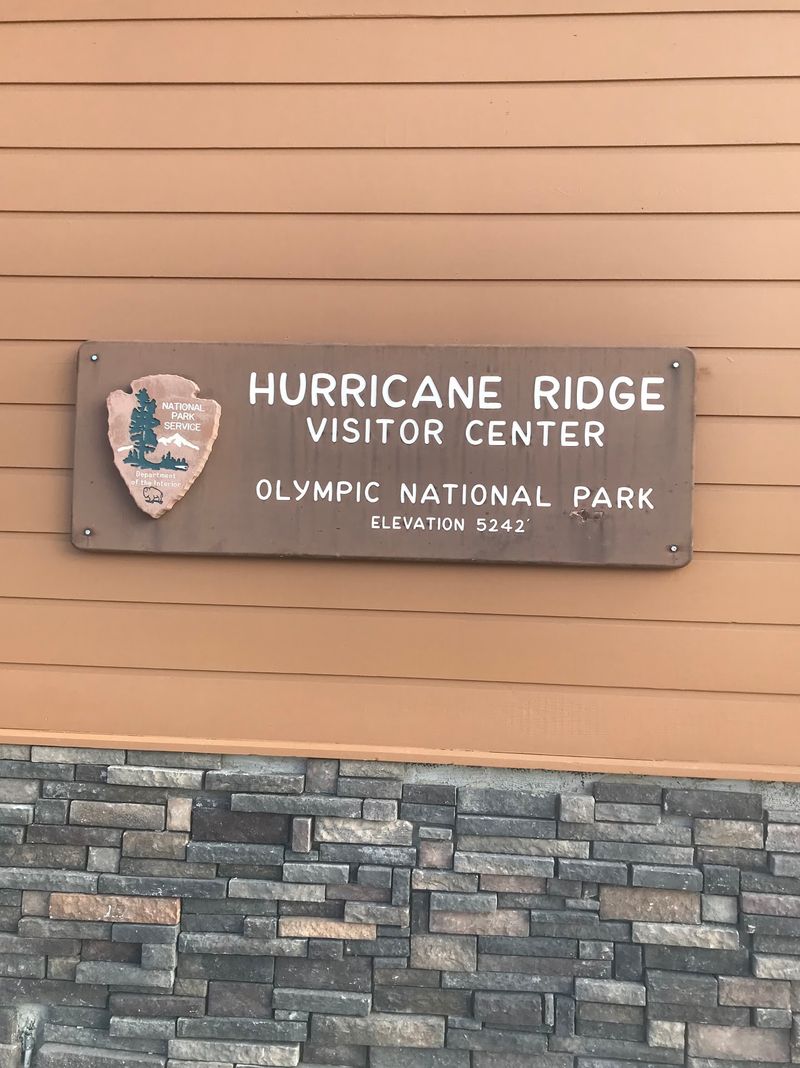
Fire claimed the historic Hurricane Ridge Day Lodge in May 2023. For a lot of Washington families, that building was part of the memory of every trip up the mountain.
The good news? The views didn’t go anywhere.
Recent visitors describe temporary facilities on site, including a small spot selling water, hats, and other souvenirs.
Rebuilding work has been part of the scene too. So don’t expect a big warm lodge with a fireplace waiting at the top right now.
That changes how you pack. Bring your own snacks, extra layers, and a thermos of something hot, because the old cozy indoor hangout isn’t there anymore.
There’s still a ranger information presence and restrooms near the parking area. Recent visitors also mention that the restrooms there are clean, which is a small luxury on any mountain.
Honestly, the loss gives the place a slightly scrappy, back-to-basics feel. It’s just you, the snow, and the mountains, which is kind of the whole point of strapping on snowshoes in the first place.
Plan around it, and the missing lodge barely dents the day.
Why Total Beginners Do Just Fine on Snowshoes
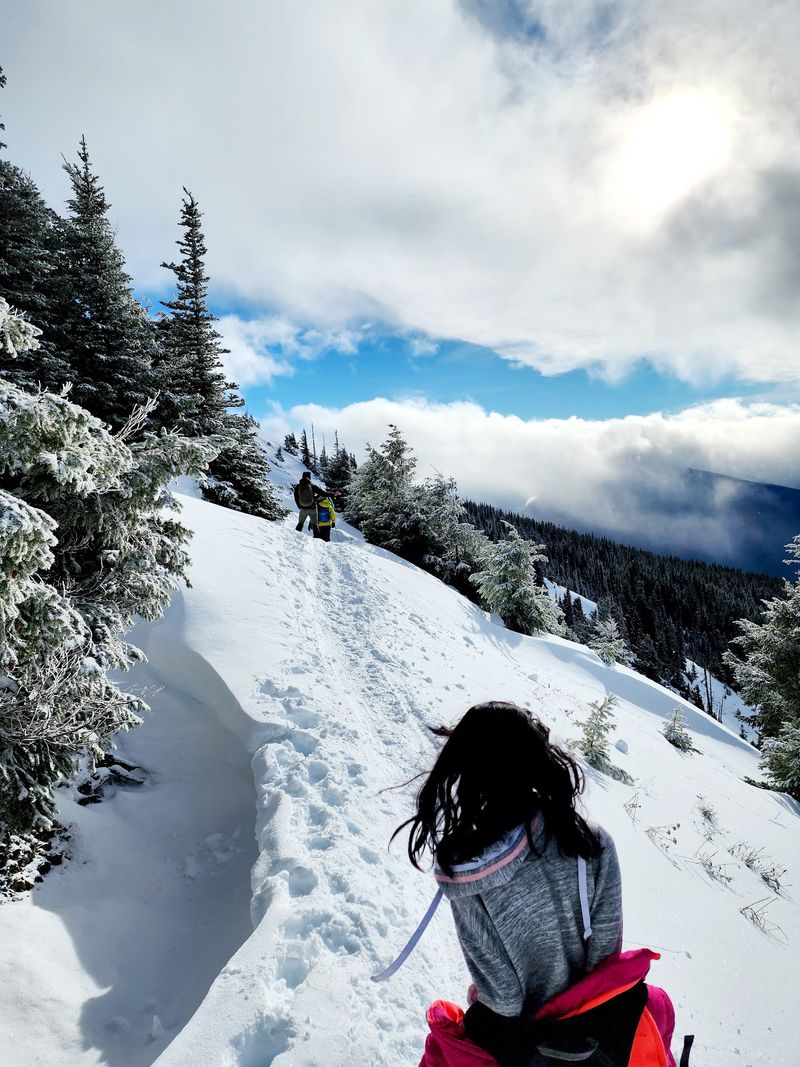
Snowshoeing might be the easiest winter sport ever invented. If you can walk across a parking lot, you can pretty much do it.
The shoes spread your weight over the snow, so you float instead of sinking to your knees. You just walk with a slightly wider stance than usual.
There’s no balancing on edges like skiing. There’s also no wobbly lift line to survive, and no special technique to master before the fun begins.
Poles help a lot on your first outing. They give you something to lean on when the snow gets soft or the ground tilts a little.
At Hurricane Ridge, open snowy meadows near the top make a natural practice zone. You can start slow, turn back whenever you like, and still feel like you went somewhere wild.
Uphill sections take more effort than flat ground, so pace yourself. Short steps work better than big heroic strides, trust me on that one.
The best part is how fast the confidence shows up. Within a few minutes, most people stop thinking about their feet and start staring at the mountains instead.
Ranger-Led Snowshoe Walks Worth Asking About
Olympic National Park has a long tradition of ranger-led snowshoe walks at Hurricane Ridge. For a first-timer, few things beat having a guide who knows the snow and the stories.
Programs like these usually cover the basics. Expect tips on how to walk, what to watch for, and how plants and animals handle winter up high.
Schedules can shift from season to season, especially with ongoing changes after the lodge fire. So check with the park before you go to see whether walks are running and how sign-ups work.
Here’s a planning tip that saves headaches. Winter road access to the ridge has been limited to certain days, so a guided walk only helps if the road is open that day.
Even without a formal program, rangers on site can point you toward easy snowy routes. Asking a quick question beats guessing where the gentle terrain is.
A group walk also takes the pressure off. Nobody expects you to know anything, and everyone is figuring out the same funny footwear together.
That shared learning curve makes it a great choice for families and friends trying something new.
Glaciers, Valleys, and a Peek at Canada
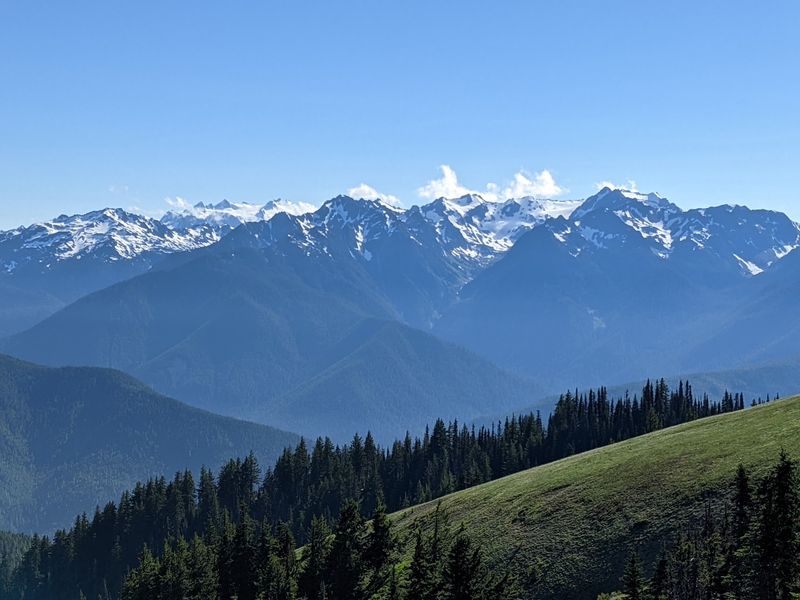
Spin in a slow circle up here, and the scenery just keeps going. The ridge offers sweeping 360-degree views of the Olympic Mountains.
Glacier-capped peaks fill one side of the sky. Deep valleys drop away below them, carved into folds of forest and snow.
Then there’s the bonus round. On clear days, you can look north across the water and spot Canada on the horizon.
Recent visitors keep pointing out that the view from the parking lot alone is worth the drive. That’s great news for snowshoe beginners, since the payoff starts before you even buckle a strap.
Clouds do roll in, though. Some days start foggy and open up later, so a little patience can turn a gray morning into a stunning afternoon.
The ridge is also known as a spot where you can find snow even in warmer months. Standing in snow while looking over a sea of peaks feels a little unreal the first time.
Bring a camera with a charged battery. Cold drains it faster than you’d expect, and you’ll want plenty of shots.
Furry Neighbors Who Don’t Mind the Audience
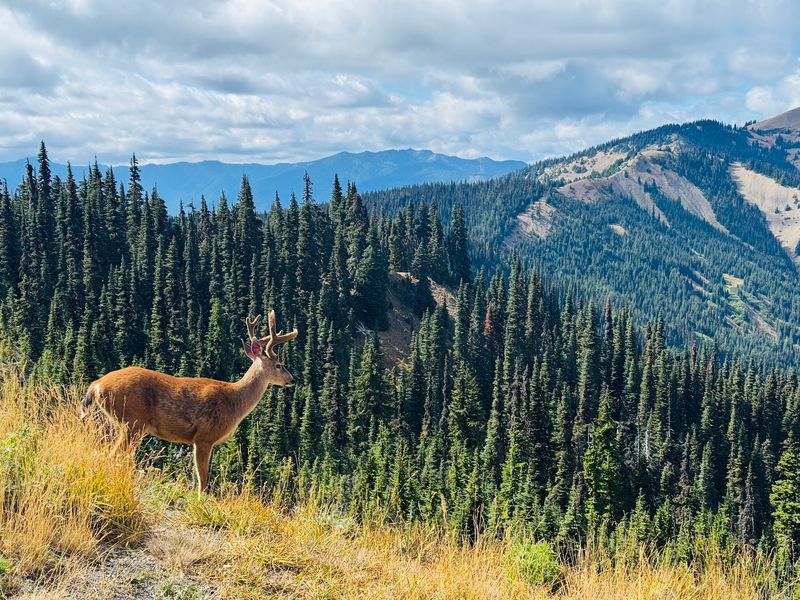
Deer at Hurricane Ridge seem completely unbothered by humans. Recent visitors describe them grazing right beside trails and parking areas, munching away as if nobody were there.
Deer sightings come up again and again in visitor descriptions of the ridge. They’re one of the most talked-about parts of a trip, right alongside the views.
Warmer months bring even more variety. Visitors mention spotting marmots and grouse along the trails, especially around the Hurricane Hill route.
Winter wildlife watching is quieter, so keep expectations realistic. Still, keeping your eyes open on a snowshoe walk can pay off with tracks in fresh snow.
Animal tracks are a fun puzzle for kids and adults alike. Who walked here, and where were they headed?
Give every animal plenty of room, no matter how calm it looks. Feeding wildlife is a big no in national parks, and it’s not good for the animals either.
A zoom lens or a pair of binoculars makes a nice addition to your pack. You’ll get closer looks without crowding anyone with fur or feathers.
Switchbacks, Pullouts, and a Very Scenic Commute
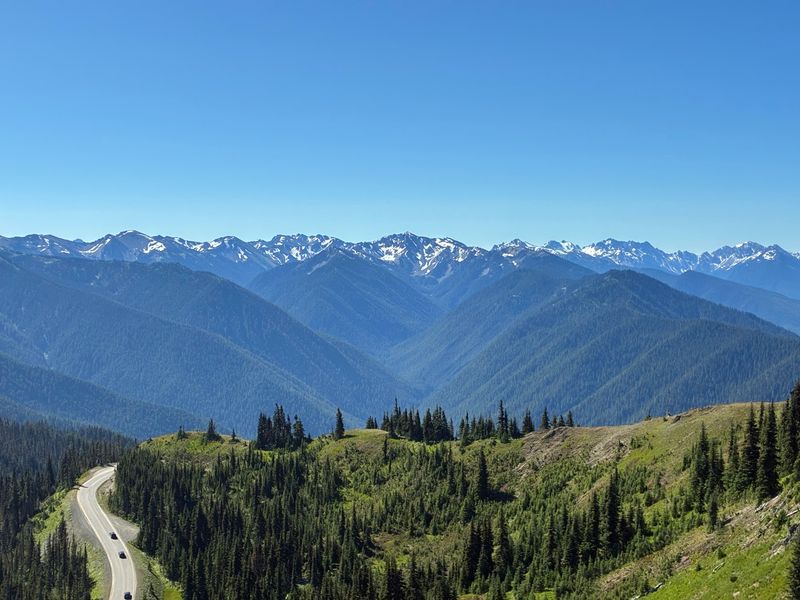
Getting there is half the show. Hurricane Ridge Road climbs roughly 17 miles from Port Angeles up to the ridge, twisting through forest and open slopes.
The road winds a lot, so take it easy. Recent visitors note that some drivers go very slowly, which means patience is part of the trip.
Plenty of pullouts line the way. They’re handy spots to stop, stretch, and grab photos before you reach the top.
In winter, conditions change fast at elevation. The park typically requires vehicles to carry tire chains on this road during the snowy season, so plan ahead.
Check road status before leaving home, every single time. Weather, plowing, and staffing can all affect whether the gate opens.
Visitors who’ve made the drive describe it as beautiful in its own right. Some say the climb itself, with views opening up around each bend, was a highlight.
Think of the drive as your warm-up act. By the time you park, your excitement will be fully preheated and ready for snow.
Paved Paths That Turn Into Snowy Adventures
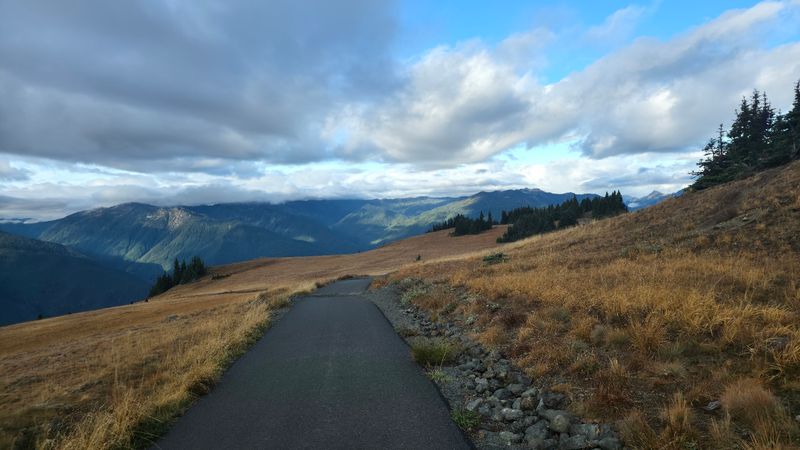
Summer visitors know the ridge for its paved trails. The best-known one heads up toward Hurricane Hill, and it’s paved the whole way.
Don’t let the pavement fool your legs, though. Visitors describe the climb as moderately taxing and fairly steep, with big views as the reward at the top.
Shorter strolls near the parking area suit folks who can’t handle much elevation gain. Those quick walks still deliver mountain and valley scenery.
Winter tucks all of this under snow. Familiar routes become white corridors, and snowshoes take over where sneakers used to work.
That’s why it helps to pick terrain that matches your energy. Stick close to the main area on your first visit, and save steeper routes for another day.
Avalanche risk can exist on steeper winter slopes in the mountains. Ask rangers which areas make sense for beginners before heading out.
Either season, the same rule applies. Bring water and snacks, go at your own pace, and stop often to soak in the views you worked for.
A Tiny Ski Hill With Big Bragging Rights
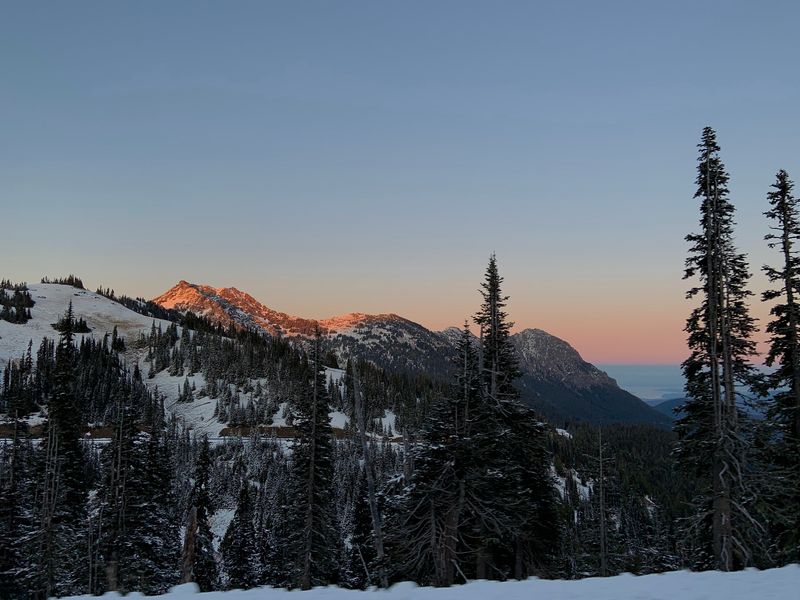
Few national parks have a ski area inside their boundaries. Hurricane Ridge is one of them, with a small, community-run ski and snowboard area.
It’s a far cry from giant resort villages. Think rope tows and a homegrown vibe rather than fancy gondolas and luxury boutiques.
The Google listing for the ridge highlights wintertime skiing and snowboarding facilities. That makes the area a fun mix of activities on a snowy day.
For snowshoers, the ski hill adds a little background energy. You can wander the quieter snowy meadows while skiers zip around nearby slopes.
Mixed groups love this setup. One person can try skiing while another sticks to snowshoes, and everyone meets up later for snacks.
Operating days depend on snow and road access. Check the ski area’s schedule along with the park road status before planning around it.
Even if you never click into a pair of skis, it’s a fun detail to know. Snowshoeing next to a national park ski hill makes for a pretty good story back home.
Kids, Grandparents, and Everyone In Between
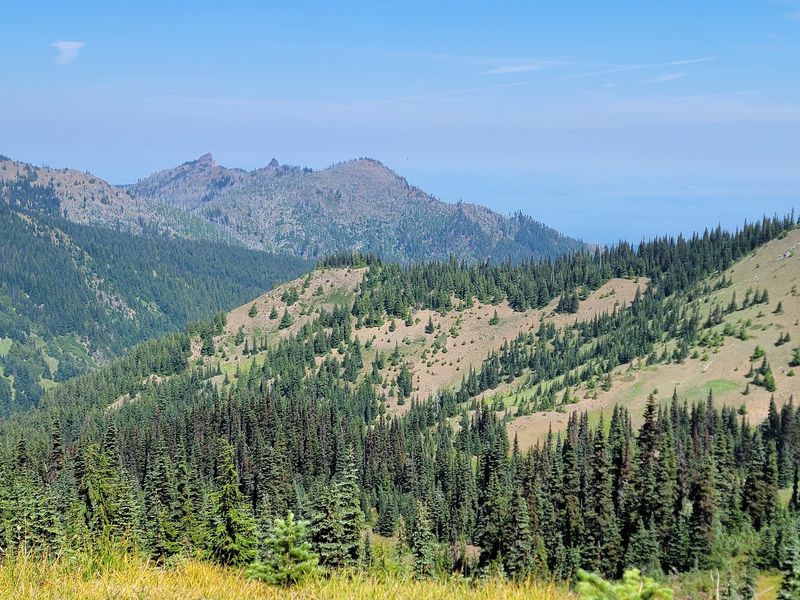
Accessibility is one of the ridge’s quiet superpowers. Visitors with young kids or limited mobility describe it as very doable, thanks to how much you can see near the parking area.
That matters a lot for families and retirees alike. Not everyone wants a big hike, but almost everyone wants a big view.
Snowshoeing fits right into that easygoing approach. Little legs can tramp around in the snow, while grandparents set a slower rhythm nearby.
The atmosphere tends to feel relaxed and joyful. Visitors describe hearing people say wow over and over, which is about the best soundtrack a mountain can have.
Budget-minded travelers will appreciate how simple the outing can be. Pack a lunch, bring warm layers, and the scenery covers the rest of the entertainment.
If you want snowshoes without buying a pair, check local outdoor shops in Port Angeles for rentals. It may help keep the day affordable.
Memory-making doesn’t need fancy extras. A snowball fight with an Olympic Mountains backdrop does the trick just fine.
Road Schedules and Rules to Know Before You Go
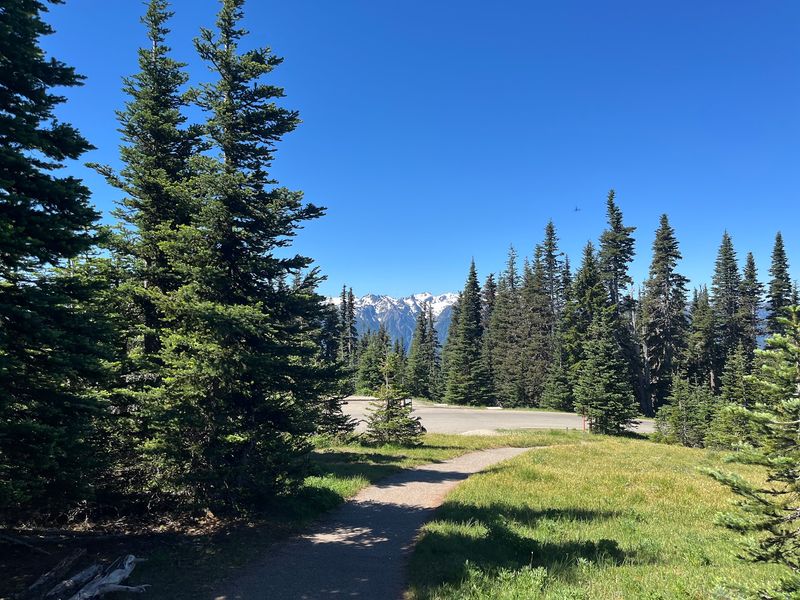
Timing is everything up here. Hurricane Ridge sits in Olympic National Park, listed at Washington 98362, USA, and the road doesn’t run on a simple every-day schedule.
Recent visitors mention the road being open Friday through Sunday. Winter access has followed limited weekend-style schedules too, and weather can close it on any given day.
So check the park’s road status the morning you leave. A quick look can save you a long drive to a closed gate.
Park entrance fees apply here, as with most of Olympic National Park. An annual national parks pass can make repeat visits easier on the wallet.
Lines at the entrance can grow fast on busy days. One visitor arriving around 10 a.m. on a holiday weekend saw no line, but found a long one when leaving around noon.
Carry chains in winter, since the park typically requires them on this road. Pack layers, sunscreen, and sunglasses, because snow glare is surprisingly bright.
Doing your homework turns a good day into a smooth one. The mountains reward planners.
Early Birds, Offline Maps, and Smart Parking
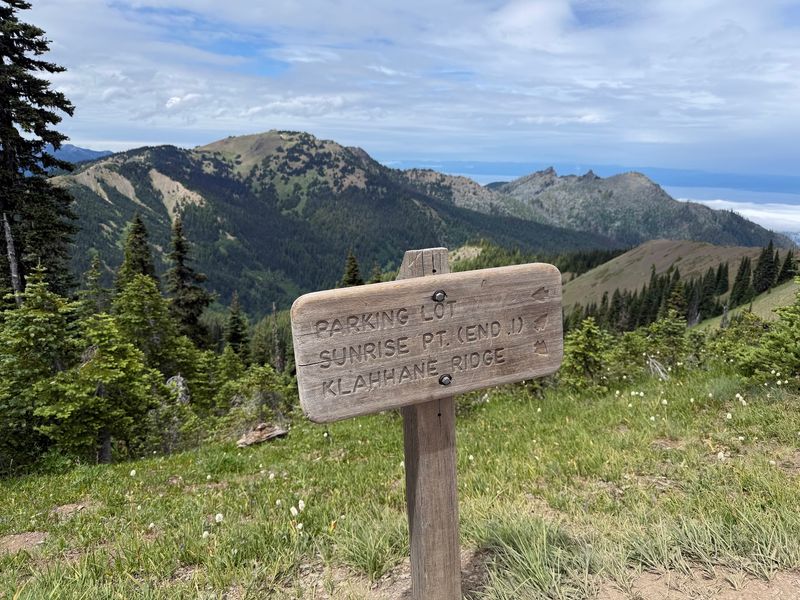
Phone signal can vanish at Hurricane Ridge. Visitors note that some carriers get no service at all, so download offline maps before you start the climb.
Parking is limited, and the site is well traveled. Arriving early is the move that visitors recommend again and again.
One summer visitor arrived at 4 a.m. and had the whole place to themselves. Winter gate hours won’t allow that, but getting there close to opening still helps.
RV drivers should plan carefully. Recent visitors report no RV parking available, leaving them to find roadside spots and walk up.
Overflow areas sometimes help in busy seasons. Still, the best strategy is simply showing up before everybody else does.
Restrooms near the main parking area make life easier for families. Visitors describe them as clean, which is always welcome after a long, winding drive.
Pack water and snacks no matter how short your plan feels. Snowshoeing burns more energy than walking, and hungry hikers get cranky fast, even in beautiful places.
Why This Snowy Ridge Belongs on Your Winter List
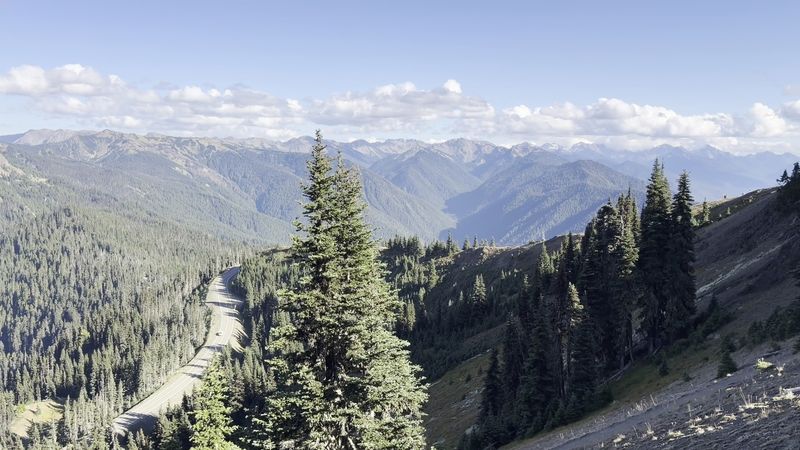
Big mountain scenery usually demands big mountain skills. Hurricane Ridge hands it over to anyone willing to drive up and walk around in the snow.
That’s what makes it such a great first snowshoe trip in Washington. You get glacier views, a chance at wildlife, and a peek at Canada with very little required of you.
Yes, the old lodge is gone, and the road keeps a picky schedule. Those details just mean a bit more planning, not a worse trip.
Families can turn it into a memorable winter outing without a fancy budget. Retirees can enjoy the views at their own pace, with short walks near the parking area.
The 4.8-star reputation on Google speaks for itself. People keep coming back for the views, and it’s easy to see why.
So check the road status, toss some chains in the trunk, and grab a pair of snowshoes. The ridge isn’t asking for experience.
It’s only asking you to show up. Your first snowy steps above the Olympic Peninsula could become a new family tradition.