
Some Of Colorado’s Best Farm-To-Table Food Is Hiding In This Scenic Small Town
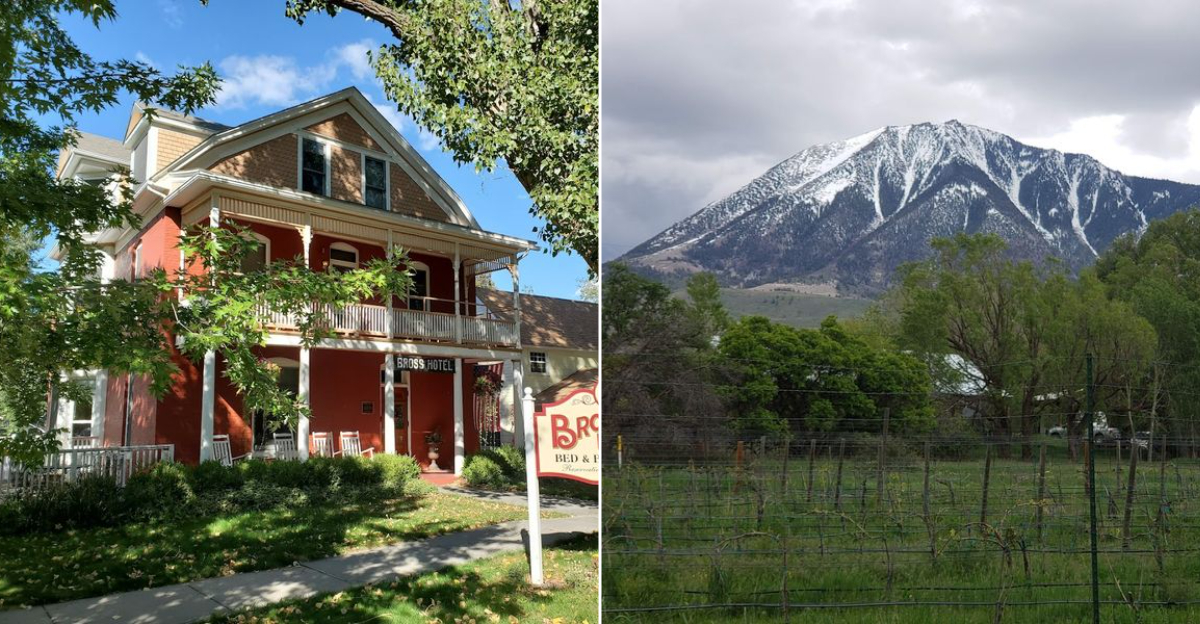
Tucked into a fertile river valley, this is the kind of town that makes you wonder why you have not been visiting for years already. With a population just under 1,500, it feels small in scale but remarkably rich in character, offering the kind of quiet charm that larger destinations often lose.
Surrounded by orchards, vineyards, and productive vegetable farms, the area supports a local food culture that feels fresh, grounded, and genuinely connected to the land. In Colorado, places like this prove that unforgettable dining does not always happen in big cities or well-known tourist hubs.
The rhythm here is slower, but that only makes each stop feel more intentional and rewarding. Markets, kitchens, and seasonal menus all reflect the work happening in the fields nearby.
If farm-to-table meals are what you seek, Colorado’s rural communities may offer the most satisfying detours, and this one easily stands out as a place worth planning around.
Paonia’s North Fork Valley Farming Roots
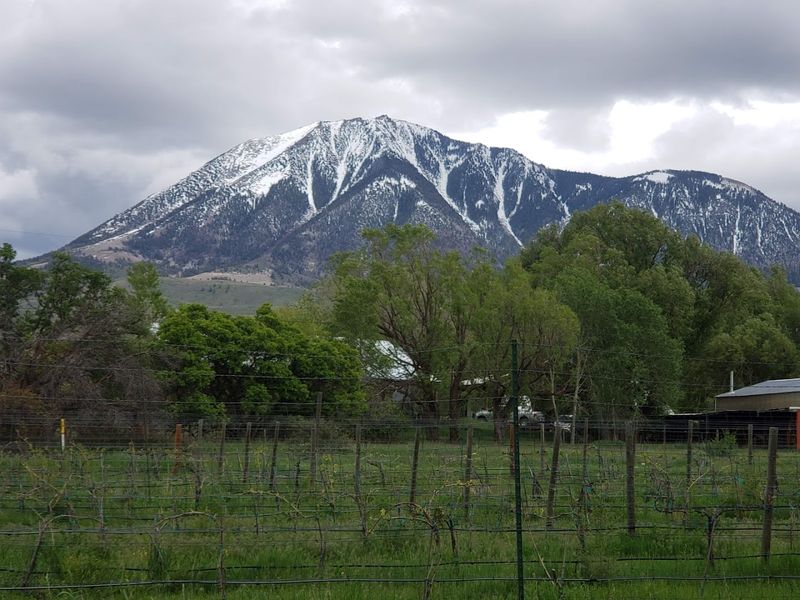
Long before farm-to-table became a restaurant marketing buzzword, the North Fork Valley around Paonia was already doing it the old-fashioned way: growing things, harvesting them, and feeding people. The region sits at roughly 5,675 feet elevation, which sounds like it should make farming difficult, but the valley’s microclimate is surprisingly generous.
Orchards here produce peaches, cherries, apples, and pears with a sweetness that locals will tell you is unmatched anywhere in Colorado.
The valley’s agricultural identity runs deep. Small family farms and certified organic operations have been working this land for generations, and the result is a food supply chain so short it barely qualifies as a chain at all.
When a restaurant in Paonia says the peaches came from down the road, they mean it literally.
Why It Matters: Understanding the farming backbone of this valley helps explain why the food here tastes the way it does. It isn’t about trend-chasing; it’s about geography and dedication.
For visitors, this agricultural context is half the experience. You’re not just eating a meal; you’re tasting a place with a very specific identity.
The farms are real, the growers are your neighbors for the weekend, and the food on your plate has a short, honest story behind it.
Best For: Food-curious travelers, families interested in where their food comes from, and anyone who wants more than a pretty drive through western Colorado.
The Paonia Farmers Market Experience
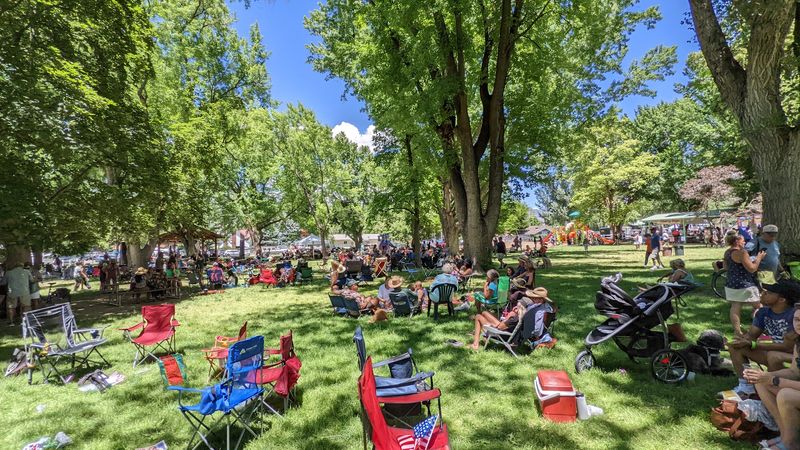
Saturday mornings in Paonia have a particular kind of energy that feels earned rather than manufactured. The Paonia Farmers Market draws local growers, bakers, and food producers together in a setting that feels more like a neighborhood reunion than a commercial transaction.
Stalls overflow with seasonal produce, fresh-baked goods, and handmade products that reflect exactly what the valley is growing at that moment.
This is the kind of market where the person selling you tomatoes is the same person who planted them in April. That directness changes the dynamic entirely.
You stop shopping and start having conversations, which is, arguably, the whole point of a farmers market in the first place.
Insider Tip: Arrive early. The best stone fruit, fresh bread, and specialty items move fast, and the vendors who sell out first are usually the ones worth seeking out.
For families, the market offers a genuinely low-pressure outing. Kids can try samples, adults can linger over coffee, and everyone leaves with something good to eat.
Couples traveling through will find it an easy, unhurried stop that sets the tone for the rest of the day in town.
Planning Advice: Check local listings before your visit to confirm market dates and hours, as seasonal schedules can vary. The market typically runs during summer and early fall, which aligns perfectly with the valley’s peak harvest season.
A short stroll along Paonia’s Main Street pairs well with a market visit, giving you the full small-town picture in a single morning.
Farm-Fresh Dining Along Grand Avenue
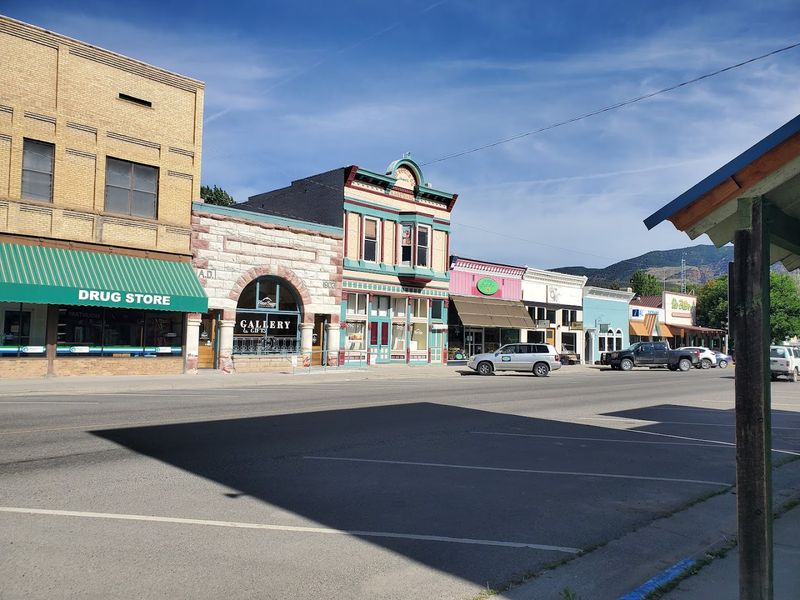
Grand Avenue in Paonia is not the kind of street that announces itself loudly. It’s compact, unpretentious, and lined with the sort of storefronts that suggest people here are more interested in doing things than talking about doing things.
The dining options along this stretch reflect that same philosophy: straightforward, ingredient-driven, and rooted in what the surrounding valley produces.
Local restaurants in Paonia have built menus around seasonal availability rather than a fixed corporate template. That means the menu you encounter in August, when peaches and tomatoes are at their peak, will look noticeably different from what’s available in late October.
This isn’t a flaw in the planning; it’s the entire point.
Quick Verdict: If you value food that reflects its geography, Paonia’s dining scene delivers that without the elevated price tags you’d find at resort-town farm-to-table establishments elsewhere in Colorado.
The arrival scene here is worth noting. Pulling into a town of fewer than 1,500 people and finding genuinely thoughtful food is the kind of pleasant surprise that makes western Colorado road trips worth planning.
There’s no velvet rope, no reservation required three weeks out, and no dress code more formal than clean boots.
Common Mistakes to Avoid: Don’t assume that small-town equals limited options. Paonia’s food scene punches well above its population weight, and skipping it because you’re just passing through is the kind of decision you’ll second-guess at the next highway rest stop.
Orchard-to-Table: Stone Fruit Season in Paonia
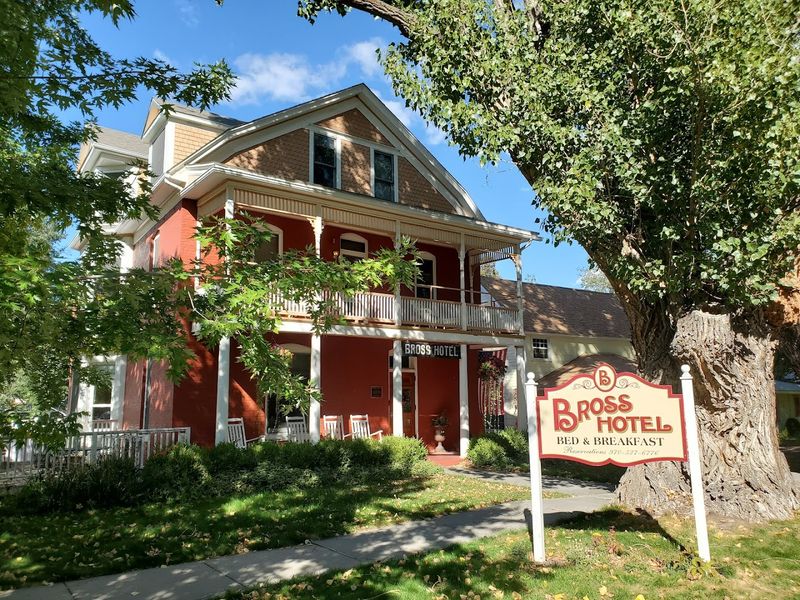
There’s a specific window in late summer when driving through the North Fork Valley feels almost unfair to the rest of Colorado. The orchards around Paonia produce peaches that have developed something of a legendary reputation among people who pay attention to these things.
The combination of high-altitude sun, cool nights, and well-managed soil creates fruit with concentrated flavor that holds up in everything from a fresh slice to a baked tart.
Stone fruit season here typically runs from mid-summer through early fall, with cherries arriving first, followed by peaches, apricots, and plums. Local restaurants and food producers time their menus around this calendar with the kind of precision that seasonal cooking demands.
A peach cobbler made with fruit picked that morning from an orchard two miles away is a genuinely different experience from the same dish made with fruit shipped across three state lines.
Fun Fact: The Palisade peach gets most of Colorado’s national attention, but North Fork Valley growers have long argued their fruit rivals anything grown on the Western Slope. The debate is friendly and ongoing.
Best Strategy: Time your visit to coincide with peak harvest if food is your primary motivation. Late July through September gives you the widest range of what the valley produces at its best.
Picking up fruit directly from a farm stand and eating it on the spot, standing in a gravel parking lot with juice running down your wrist, is the kind of unrepeatable travel moment that no restaurant can fully replicate.
Local Food Culture and Community Identity
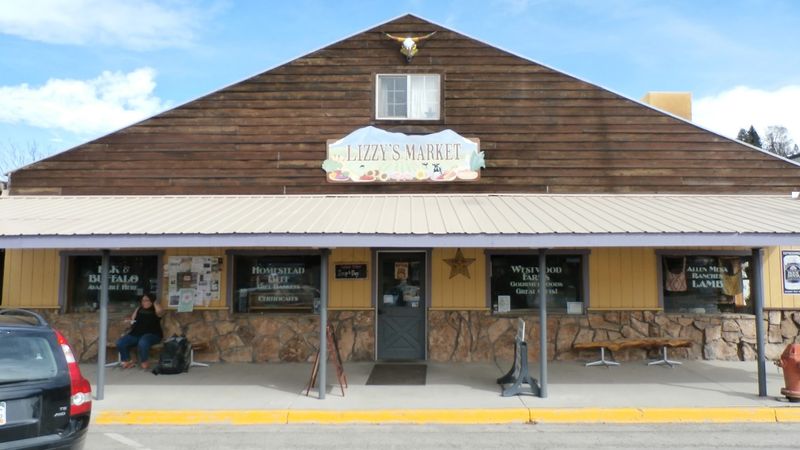
Here’s something that separates Paonia from the farm-to-table trend: the town was never chasing the trend. The food culture here grew organically from the agricultural reality of the valley, which means it has the kind of authenticity that’s genuinely hard to manufacture.
Residents here don’t talk about local food as a lifestyle choice; they talk about it as just how things work.
That community identity shapes everything from how restaurants operate to how visitors are received. There’s a matter-of-fact pride in what the valley produces, and it shows up in conversations at the market, at the diner counter, and at the farm stand where someone’s grandmother is running the cash box with the efficiency of a person who has done this approximately ten thousand times.
Who This Is For: Travelers who find the social texture of a place as interesting as the scenery. Paonia rewards curiosity and conversation in equal measure.
Who This Is Not For: Anyone expecting the polished, Instagram-optimized farm-to-table experience of a resort town. Paonia is the real thing, which means it looks like the real thing.
For couples on a weekend trip, this community texture adds a layer to the visit that a purely scenic drive can’t provide. For families, it offers a practical lesson in where food comes from that no classroom can replicate.
Solo travelers will find Paonia the kind of place where striking up a conversation at a market stall leads somewhere genuinely interesting.
Making a Day of It: Paonia as a Road Trip Stop
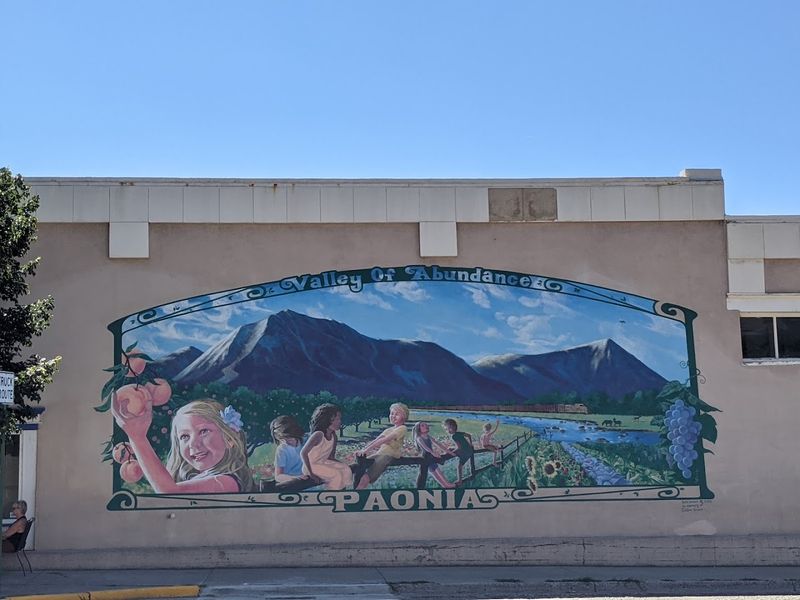
Paonia sits along Colorado Highway 133, which connects Carbondale to the south with the North Fork Valley heading east toward Hotchkiss and Crawford. That geography makes it a natural stopping point on a western Colorado loop, and the town rewards the decision to pull off the highway rather than treat it as a blur in the rearview mirror.
The town itself is compact enough to cover on foot in under an hour, which is exactly the right scale for a road trip stop. You can park once, visit the market or a local eatery, pick up something from a farm stand, and be back on the road without having committed to a full itinerary overhaul.
Quick Tip: Pair a Paonia stop with a drive along Highway 133 through Paonia State Park and the surrounding valley for one of the more underrated scenic routes in western Colorado.
Planning Advice: If you’re building a western Colorado itinerary, Paonia works well as a midday stop between larger destinations. The food quality makes it worth scheduling around rather than treating as an afterthought.
A post-market stroll along the short stretch of Grand Avenue rounds out the stop without demanding more time than you have. The kind of town where you tell yourself you’ll spend forty-five minutes and find yourself still there two hours later, slightly sticky from a peach you couldn’t resist, is the best possible argument for flexible planning.
Final Verdict: Why Paonia Belongs on Your Colorado Food Map
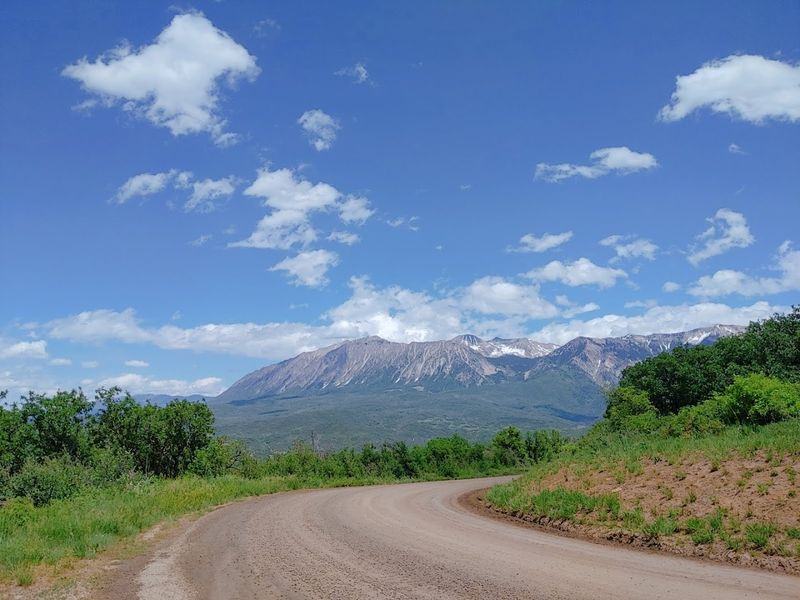
Paonia is the rare small town that delivers on its reputation without requiring you to squint past the gaps. The food is genuinely good, the agricultural context is real and visible, and the experience of eating here feels connected to the landscape in a way that resort-town dining rarely achieves regardless of how carefully the menu is worded.
The town’s population of under 1,500 means nothing here is scaled for mass tourism. That’s a feature, not a limitation.
The farmers market is run by the people who grew what’s on the table. The restaurants are small enough that the chef likely knows the name of the farm on the invoice.
That kind of traceability is what farm-to-table actually means when it’s working as intended.
Key Takeaways:
Quick Verdict: If you’ve been eating farm-to-table food in Colorado’s ski towns and wondering whether the sourcing story is as genuine as the menu claims, Paonia is the answer to that question. Come hungry, stay curious, and leave with more peaches than you planned to buy.
That last part is essentially guaranteed.