
17 South Carolina Recipes That Locals Defend Like Lowcountry Traditions
Tourists flock to Charleston and Myrtle Beach for sunshine, but the true treasure lies in the kitchens of the locals. South Carolina’s culinary identity is built on generations of Gullah Geechee influence and fiercely guarded secrets.
We peel back the curtain on 17 recipes that define the Palmetto State, covering everything from proper She-Crab Soup technique to how to smoke a perfect whole-hog BBQ utilizing the secret mustard-based sauce.
These aren’t just meals, they are historical artifacts preserved in cast iron-and true Lowcountry residents will defend every last grain of rice.
1. Shrimp And Grits
Stone-ground grits form the creamy foundation of this breakfast-turned-anytime meal that Charleston claims as its own. Plump shrimp swim atop these buttery grains, often joined by smoky sausage and a gravy that makes you want to lick the bowl clean.
Locals debate whether bacon or sausage belongs in the mix, though everyone agrees on one thing: instant grits are basically a crime. The dish transformed from humble fisherman’s fare to restaurant favorite, proving simple ingredients create magic when treated with respect.
Each bite delivers that perfect marriage of land and sea that defines Lowcountry cooking.
2. Frogmore Stew (Lowcountry Boil)
No frogs were harmed in the making of this dish, despite the name that confuses tourists every summer. This one-pot wonder dumps shrimp, smoked sausage, corn, and potatoes into boiling seasoned water, creating a feast meant for sharing.
Traditional serving style involves newspaper-covered tables where everyone digs in with their hands, passing napkins and cold drinks around. The dish originated on St. Helena Island and quickly spread throughout the coastal regions.
Timing matters here because overcooked shrimp turn rubbery faster than you can say Old Bay seasoning.
3. Gullah Red Rice
West African cooking techniques met Carolina rice fields to birth this tomato-stained treasure. Sausage, tomatoes, and spices simmer together with rice until every grain absorbs that distinctive rusty-red color and smoky flavor.
The Gullah community preserved this recipe through generations, keeping their ancestors’ culinary wisdom alive in every pot. My cousin’s mother-in-law guards her recipe like state secrets, refusing to reveal her exact spice blend to anyone.
This dish works as either a hearty side or main course, especially when paired with fried fish or pork chops.
4. Chicken Bog
Pee Dee region folks take their chicken bog seriously, hosting festivals dedicated to perfecting this humble dish. Chicken, sausage, and rice cook together in savory broth until slightly moist, earning the bog name that sounds worse than it tastes.
Churches and community centers serve this at fundraisers, where recipes get compared and debated with surprising intensity. The texture sits somewhere between soup and pilaf, comforting anyone lucky enough to get a bowlful.
Some cooks add hard-boiled eggs on top, while purists insist simplicity wins every time.
5. Pimento Cheese
Sharp cheddar meets mayonnaise and pimentos in this orange-hued spread that Southerners call their caviar without a trace of irony. Every family recipe differs slightly, with some adding cream cheese, hot sauce, or pickles to make it their own.
Versatile concoction appears on sandwiches, crackers, burgers, and even as veggie dip at summer cookouts. Store-bought versions pale compared to homemade batches that get whipped up for church potlucks and tailgates.
The texture should be spreadable but chunky, never smooth like some sad grocery store impostor.
6. Okra And Tomatoes
Summer gardens overflow with okra and tomatoes, practically begging to be sauteed together with onions and bell peppers. This simple side dish showcases fresh produce without fancy techniques or complicated ingredients getting in the way.
Properly cooked okra loses that slimy texture that makes people wrinkle their noses, especially when high heat and tomato acidity work their magic. Garden-to-table freshness makes all the difference here, transforming humble vegetables into something worth fighting over.
Serve it alongside cornbread for sopping up every last bit of tomato-infused goodness from your plate.
7. Sweet Potato Pone
Grated sweet potatoes, sugar, and warming spices bake into this dense dessert that straddles the line between sweet and savory. Families pass down their pone recipes like precious heirlooms, each slightly different from their neighbor’s version.
The texture resembles pudding more than cake, with caramelized edges that provide textural contrast to the creamy center. Some cooks add coconut or pecans, while traditionalists keep ingredients minimal to let sweet potatoes shine.
Thanksgiving tables feel incomplete without this dish sitting somewhere between the turkey and the pie, confusing guests about when to eat it.
8. Hoppin’ John
Black-eyed peas, rice, and pork come together in this New Year’s Day tradition that supposedly brings good luck and prosperity. African culinary traditions root this dish firmly in South Carolina’s complex history, where food became cultural preservation.
Eating Hoppin’ John on January first remains non-negotiable for many families who refuse to risk a year without it. The peas represent coins, while greens served alongside symbolize paper money in this delicious superstition.
Leftovers get transformed into Skippin’ Jenny the next day, proving Southerners waste nothing and name everything.
9. Collard Greens
Slow-cooked collard greens simmer for hours with ham hocks or smoked turkey until tender enough to melt in your mouth. Seasoning these greens properly separates amateur cooks from those who learned at their grandmother’s elbow.
Holiday tables practically require collards, especially when paired with that Hoppin’ John on New Year’s Day. The cooking liquid, called pot likker, gets sopped up with cornbread by people who know better than to waste liquid gold.
Some folks add vinegar or hot sauce at the table, customizing heat levels to personal preference.
10. She-Crab Soup
Charleston’s most elegant offering combines crab meat, roe, cream, and sherry into soup that graces fine dining menus throughout the Lowcountry. Female crabs provide the orange roe that gives this soup its distinctive color and name, though male crab meat works when she-crabs prove elusive.
A college roommate once ordered this at a fancy restaurant, expecting chowder, and nearly fainted at the price tag. The rich, velvety texture and delicate crab flavor justify the cost for special occasions. Proper preparation requires patience and quality ingredients, never rushing the process or skimping on the seafood.
11. Buttermilk Biscuits
Flaky layers separate under gentle pressure when buttermilk biscuits get made correctly, which requires cold butter and a light touch. These breakfast staples appear at every meal, from dawn until dusk, ready to soak up gravy or jam.
Overworking the dough creates hockey pucks instead of tender clouds, a mistake every learning cook makes exactly once. Self-rising flour and buttermilk form the foundation, though butter versus shortening debates rage on.
Fresh from the oven, these biscuits disappear faster than manners allow, leaving only crumbs and satisfied sighs behind.
12. Shrimp Pie
Flaky pastry encases shrimp, vegetables, and creamy sauce in this savory pie that traces its roots to Charleston’s earliest cookbooks. Historical recipes reveal how coastal communities stretched expensive shrimp further by combining them with affordable ingredients.
Modern versions range from simple to elaborate, but all celebrate the Lowcountry’s abundant seafood bounty. The pie works equally well for Sunday dinner or special occasions when you want to impress without showing off too obviously.
Serve it warm with a simple salad, letting the shrimp filling take center stage without competition from heavy sides.
13. Potato Salad
Boiled potatoes get dressed in mayonnaise, mustard, and seasonings that vary wildly depending on whose grandmother taught you. Family recipes for potato salad spark debates more heated than political discussions, with each cook convinced their version reigns supreme.
Picnics and barbecues require this creamy side dish by unwritten Southern law that nobody dares violate. Some add sweet pickles, others prefer dill, while a few rebels throw in hard-boiled eggs.
The salad tastes best after chilling overnight, allowing flavors to meld into something greater than the sum of its parts.
14. Smoked Sausage
Hickory smoke infuses locally made sausages with deep, rich flavor that enhances countless Lowcountry dishes. These links appear in everything from Frogmore stew to red rice, providing smoky depth that ties recipes together.
Small butcher shops and meat markets produce their own versions, each slightly different in seasoning and smoke intensity. Sliced into coins or left whole, this sausage adds protein and flavor without requiring much effort from the cook. Quality matters here because cheap sausage tastes like regret, while good stuff elevates simple meals into something memorable and worth repeating.
15. Cornbread
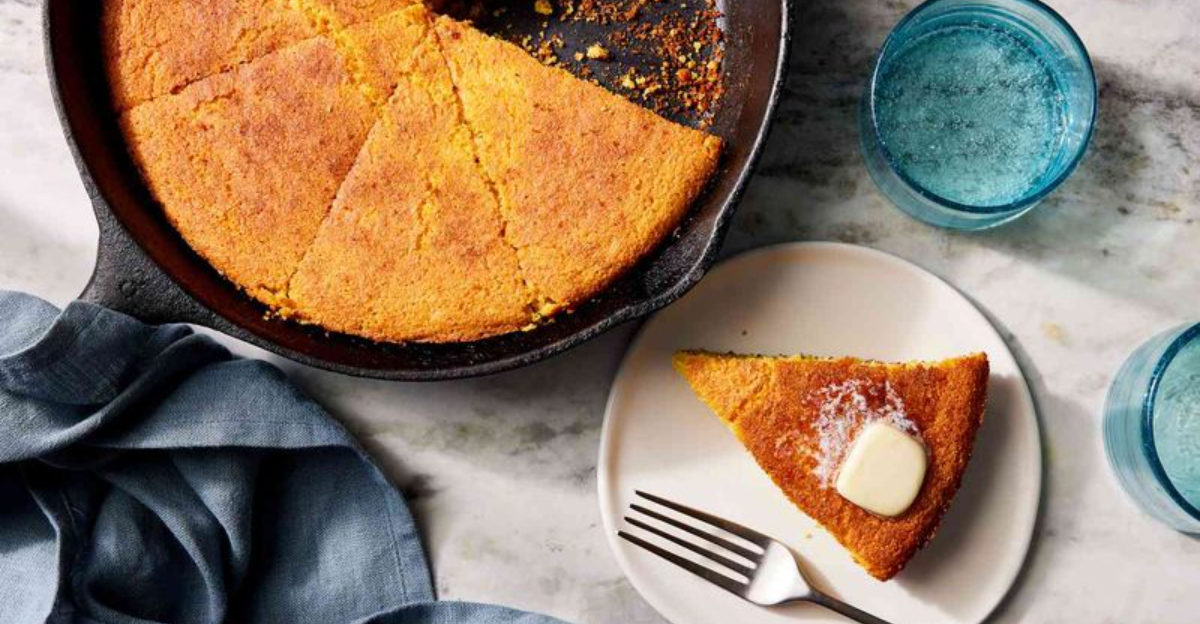
Cornmeal transforms into golden bread with a crispy crust when baked properly in a screaming hot cast iron skillet. This versatile side complements everything from greens to stews, soaking up pot likker and gravy with equal enthusiasm.
Sugar in cornbread remains controversial, with purists insisting it belongs in cake, not proper cornbread. The debate between sweet and savory versions continues at every gathering where someone brings a pan.
Buttermilk adds tang while creating tender crumbs that crumble just right, never turning dry or dense like some sad grocery store versions.
16. Shrimp And Crab Gumbo
Rich broth cradles shrimp, crab, sausage, and okra in this hearty stew that showcases coastal Carolina’s seafood abundance. Building proper gumbo requires patience, starting with a dark roux that provides the foundation for complex flavors.
Each spoonful delivers different textures and tastes, from tender seafood to spicy sausage and silky okra. File powder or okra provides thickening, though cooks argue about which method produces superior results.
Serve it over rice with hot sauce on the side, letting diners adjust heat levels according to their personal tolerance and preference.
17. Pickled Okra
Crisp okra pods get preserved in vinegar brine spiked with spices and sometimes garlic, creating tangy snacks that last for months. Canning season brings out competitive spirits as gardeners transform bumper crops into jars of pickled perfection.
These pickles appear at gatherings as appetizers, garnishes for Bloody Marys, or straight-from-the-jar snacks when nobody’s watching. The pickling process eliminates that slimy texture some people find objectionable in cooked okra.
Properly sealed jars line pantry shelves like edible trophies, ready to share with guests or hoard selfishly through winter months.