
South Carolina’s Monkey Island Is Only Accessible By Boat
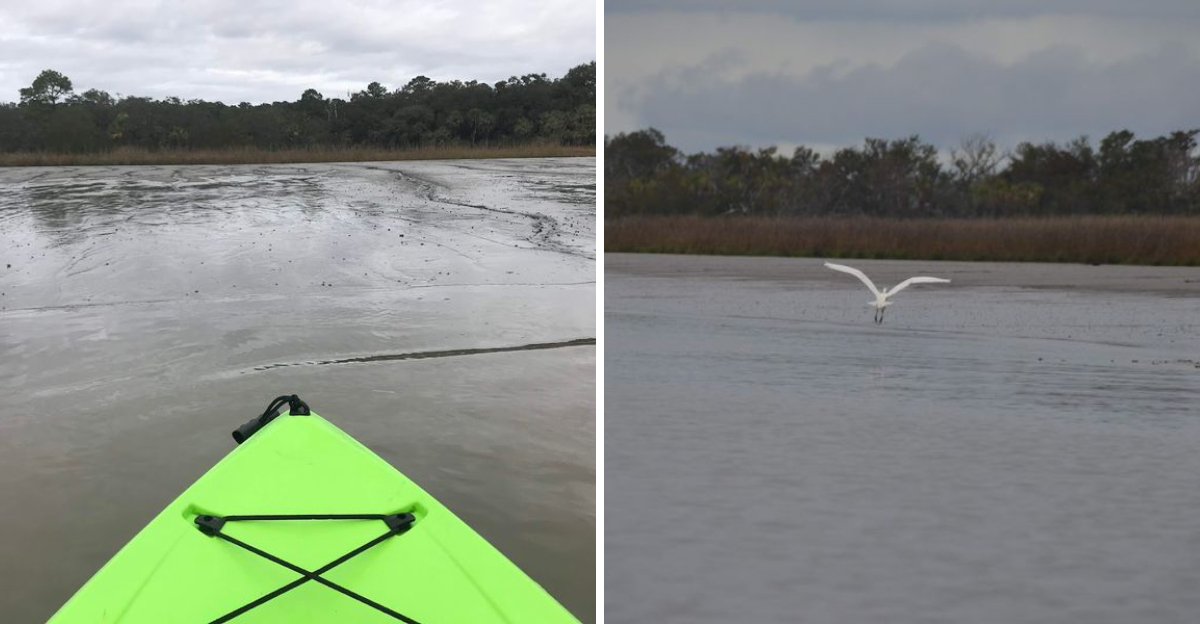
You are not supposed to see a place like this.
That is what makes it so strange.
Somewhere off the coast of South Carolina, there is an island filled with thousands of monkeys. Not in a zoo.
Not behind glass. Just out there, living completely on their own.
And you cannot visit it.
At first, it sounds unreal.
Then you realize it is very real.
The island stays locked down. No tours.
No access. Nothing that lets you get close.
It exists just far enough away to keep people curious, but not close enough to satisfy it.
That is part of the mystery.
This is not the side of South Carolina most people ever hear about.
It is quieter. Stranger.
And a lot more controlled than you would expect.
Places like this do not invite attention.
They avoid it.
And once you find out it exists, it is hard to stop thinking about it.
Federal Property With Furry Residents
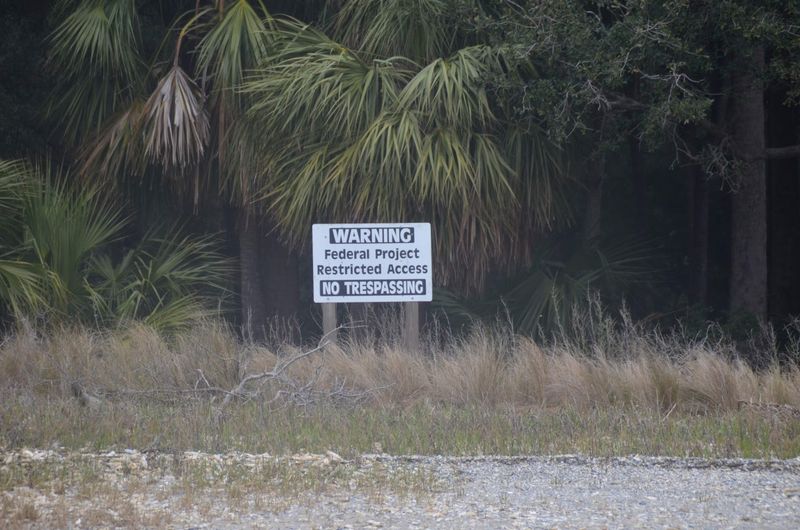
Morgan Island feels almost unreal the first time you hear about it. A place just off the coast of South Carolina where thousands of monkeys live, completely undisturbed by visitors, hidden in plain sight among the marshes and waterways of the Lowcountry.
I learned that the federal government manages this land specifically as a breeding colony for rhesus macaques used in medical research. The island stretches across nearly 4,500 acres of salt marsh, maritime forest, and tidal creeks that create the perfect monkey habitat.
No public docks exist here, no hiking trails wind through the trees, and no tour boats can legally pull up to shore.
Security measures keep both humans and monkeys safely separated, since these animals can carry diseases that transfer to people. The isolation works both ways: researchers protect the monkey population from human interference while also keeping curious visitors at a safe distance.
Watching from afar, it starts to make sense why locals call it Monkey Island. The nickname fits perfectly for one of the most unusual places in the South Carolina Lowcountry, near Beaufort, South Carolina 29920.
Relocated From Puerto Rico In 1979
The monkeys didn’t always live on Morgan Island, and their arrival story involves a Caribbean island and some angry neighbors.
Back in 1979, researchers maintained a rhesus macaque colony on La Parguera in Puerto Rico, but the local community grew tired of monkey-related problems. I read accounts of residents complaining about crop damage, property destruction, and general chaos caused by hundreds of primates running loose.
The National Institutes of Health needed a new home for these research animals, somewhere isolated enough to prevent escape and human contact.
Morgan Island emerged as the perfect solution because its location in the ACE Basin provided natural barriers and existing federal ownership. Workers transported around 1,400 monkeys by boat and plane to their new South Carolina home.
The relocation took careful planning to ensure the animals survived the journey and adapted to their new environment.
I find it remarkable that this population has thrived for over four decades since that move. The island’s ecosystem supported the colony so well that numbers have grown substantially over the years.
Home To Around 3,500 Primates
Standing on a boat near the island’s perimeter, I tried counting the monkeys visible through my binoculars but quickly gave up.
Current estimates put the population at roughly 3,500 rhesus macaques, though exact numbers fluctuate based on births, research removals, and natural changes. The colony represents one of the largest free-ranging groups of these primates outside Asia.
I watched family groups moving through the trees, mothers carrying babies, and juveniles playing in ways that reminded me these are highly intelligent, social creatures.
The population density varies across different parts of the island, with some areas hosting large troops while other sections remain relatively empty. Researchers monitor population health and size to maintain sustainable numbers that don’t overwhelm the island’s resources.
The breeding colony produces several hundred offspring each year, with some young monkeys eventually going to research facilities nationwide.
I noticed how the animals seemed completely comfortable in their environment, moving with confidence through territory they clearly consider their own. The population size makes Morgan Island one of the most significant primate research resources in America.
Strict No-Landing Policy Enforced
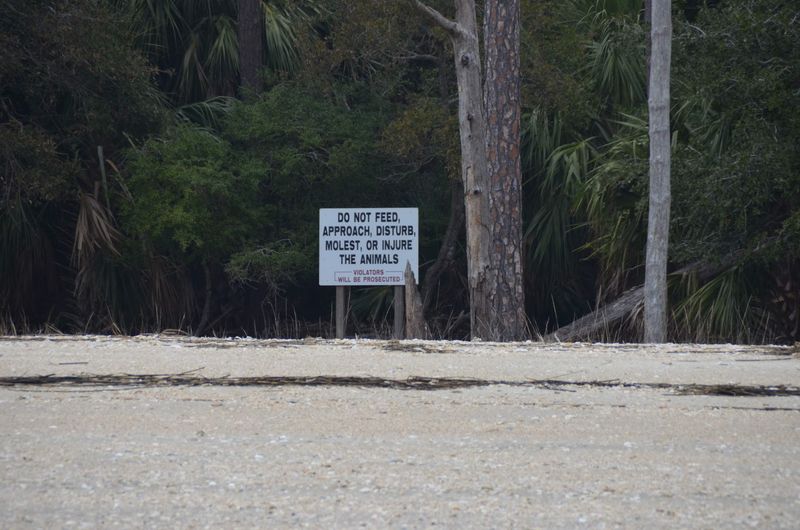
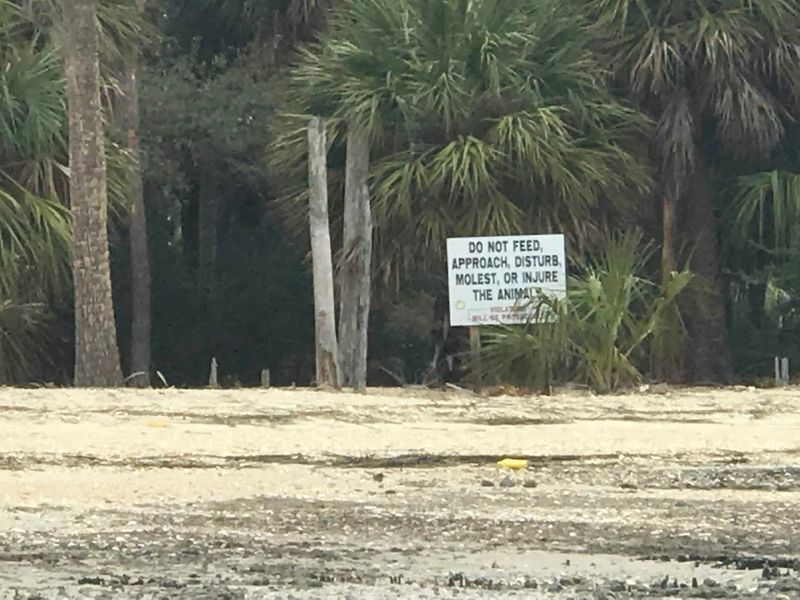
I approached as close as legally allowed and saw the warning signs posted along the shoreline marking this as restricted federal property.
The no-landing policy isn’t just a suggestion or a guideline that authorities enforce casually. Federal law prohibits anyone from setting foot on Morgan Island without explicit authorization from the National Institutes of Health.
I spoke with local boaters who explained that the Coast Guard and other agencies actively patrol these waters to ensure compliance. Violators face serious fines and potential criminal charges for trespassing on federal research property.
The restrictions exist to protect both the monkey colony and potential visitors from the health risks I mentioned earlier. Even well-meaning nature lovers who just want photos or a closer look could disrupt decades of research or expose themselves to dangerous pathogens.
The policy also prevents people from feeding the monkeys, which could alter their natural behaviors and make them dependent on human food sources.
I appreciated the clear boundaries because they remove any temptation to do something foolish. The rules make sense once you understand what’s at stake for both species involved.
Viewing Only From Boats At Safe Distance
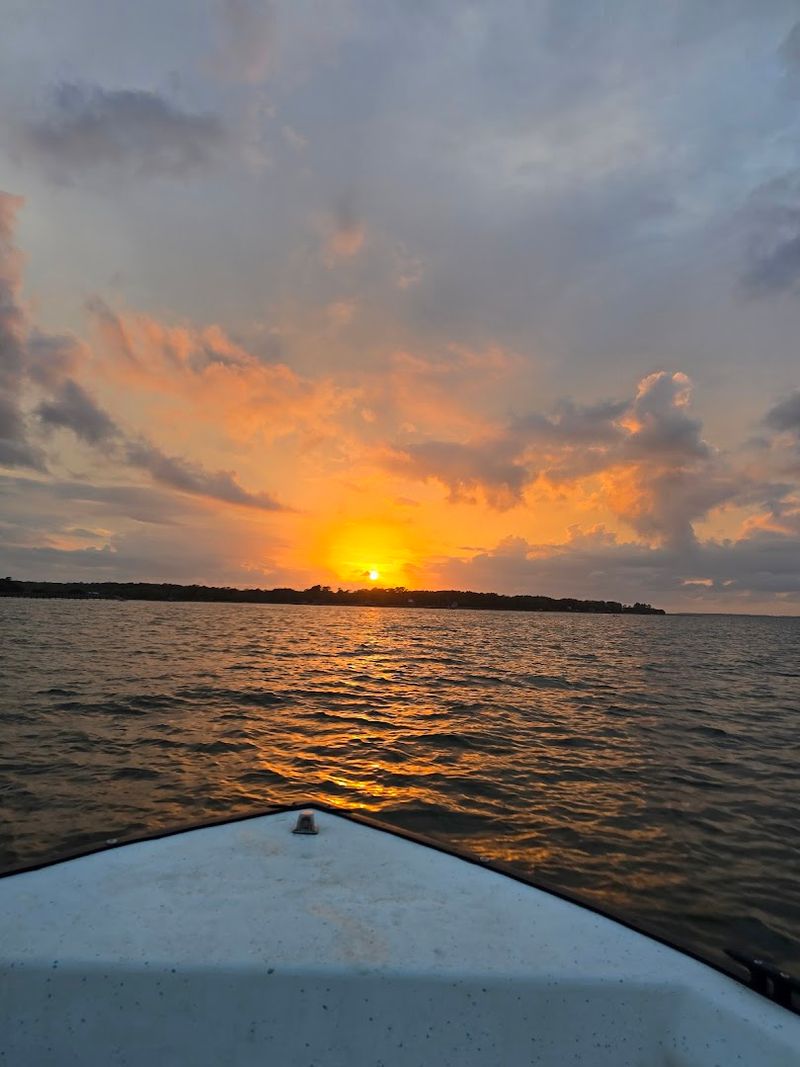
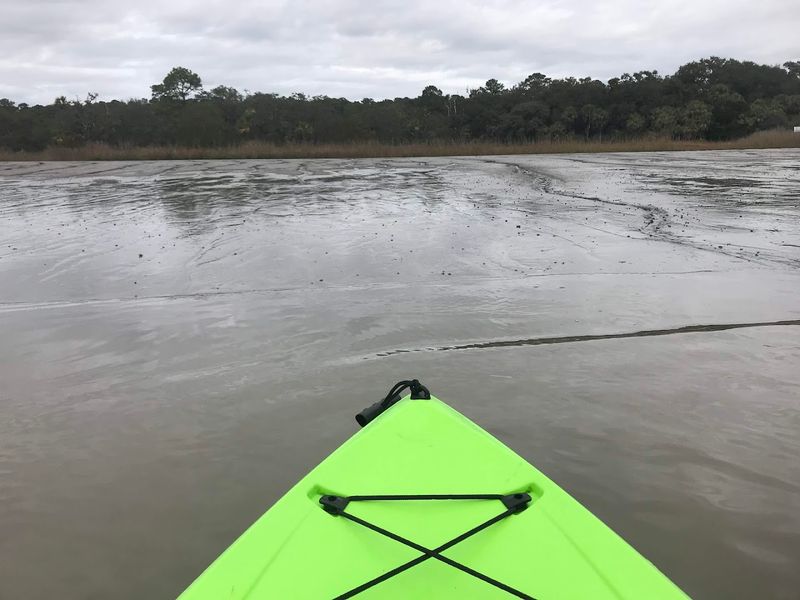
My best view of the monkeys came from a kayak I paddled about 100 yards offshore, close enough to see movement but far enough to respect the boundaries.
Boaters can legally navigate the waters around Morgan Island and observe the primates from their vessels, making this the only way most people will ever experience Monkey Island. I brought binoculars and a good zoom lens, both essential tools for getting decent views of the colony.
Several local charter companies offer tours that pass by the island, though captains keep their boats at appropriate distances to comply with federal regulations.
The monkeys often come to the shoreline, especially during low tide when they forage for crabs and other food in the exposed marsh. I watched several family groups moving along the beach, completely unbothered by the distant boats.
The experience felt like wildlife viewing in Africa or Asia, except this happened just miles from Beaufort’s downtown.
I recommend planning your boat trip during morning or late afternoon hours when monkeys are most active and visible. The viewing experience requires patience and decent optics, but it delivers something truly unique to South Carolina.
Medical Research Breeding Colony
The monkeys don’t live on Morgan Island just to entertain passing boaters or create an unusual tourist attraction.
This colony serves as a critical breeding population for biomedical research, producing primates that help scientists study vaccines, treatments, and cures for human diseases. I learned that rhesus macaques share significant genetic and physiological similarities with humans, making them valuable research subjects for everything from HIV to neurological conditions.
The National Institute of Allergy and Infectious Diseases contracts with a company called Charles River Laboratories to manage the colony and provide animals to approved research facilities nationwide.
Each year, researchers remove several hundred monkeys from the island for various medical studies. The breeding program maintains population sustainability while meeting demand from legitimate research institutions.
I understand this raises ethical questions for some people, but the colony has contributed to medical advances that have saved countless human lives.
The island’s isolation allows the monkeys to live in a more natural environment than laboratory cages until they’re needed for research. I found this aspect somewhat comforting, knowing these animals experience years of relative freedom before entering research programs.
Part Of The ACE Basin Ecosystem
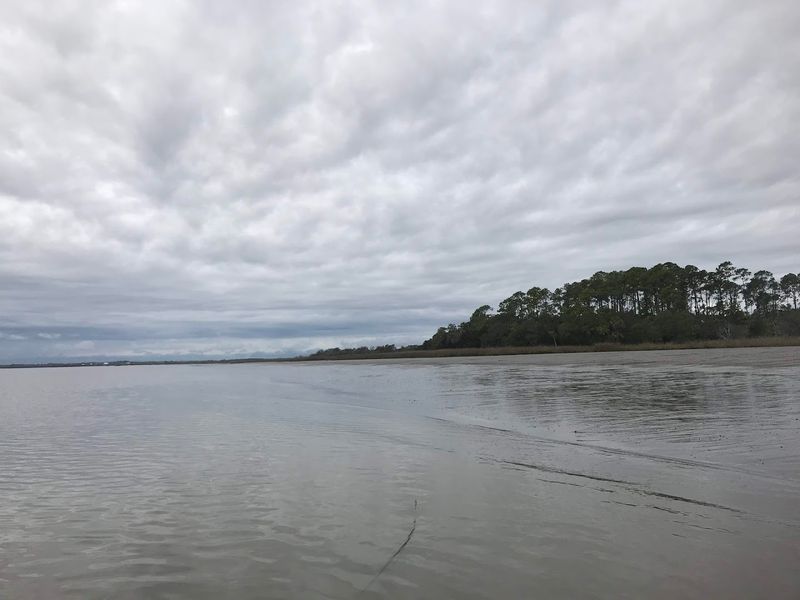
Morgan Island doesn’t exist in isolation but forms part of one of the largest undeveloped estuaries on the Atlantic coast.
The ACE Basin encompasses the Ashepoo, Combahee, and Edisto River watersheds, creating over 350,000 acres of protected wetlands, forests, and waterways. I explored this region and found it stunning, with pristine salt marshes, winding tidal creeks, and abundant wildlife beyond just the famous monkeys.
The island sits in the middle of this ecological treasure, surrounded by the same habitats that support dolphins, alligators, countless bird species, and fish populations.
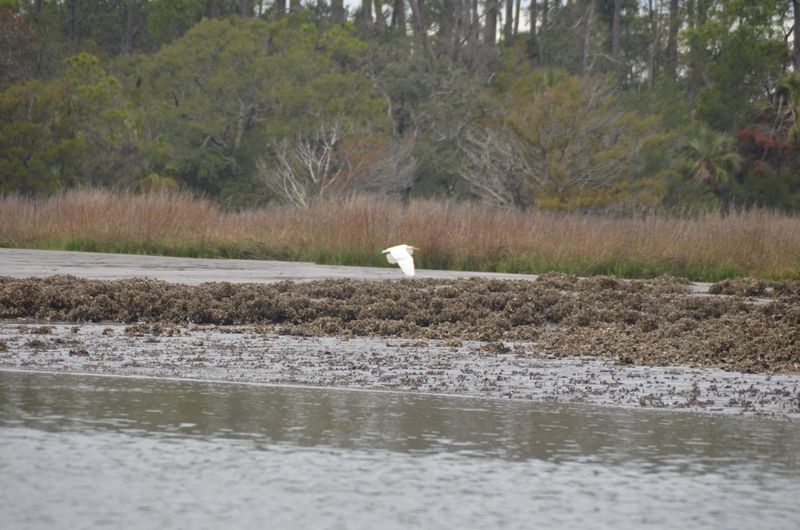
The maritime forest covering much of Morgan Island provides food and shelter for the monkey colony while also supporting native species. I noticed herons, egrets, and other wading birds using the island’s edges, apparently coexisting with the primates without major problems.
The tidal patterns and salt marsh vegetation create a complex ecosystem that has adapted to include these non-native mammals.
I appreciated seeing how the monkeys fit into this broader landscape, even as an introduced species. The ACE Basin’s protected status helps ensure Morgan Island remains undisturbed by development pressures.
Monkey Behavior Observable From Water
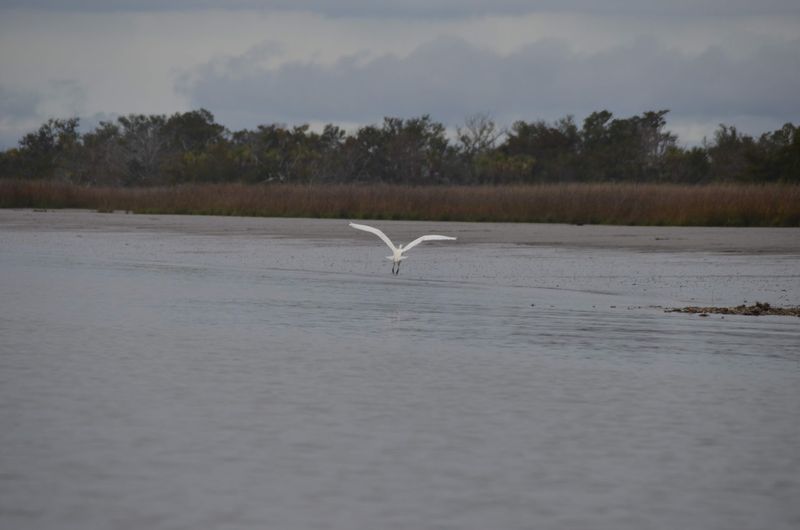
Even from my boat, I caught fascinating glimpses of monkey social dynamics and daily activities that made the trip worthwhile.
Rhesus macaques live in complex social groups called troops, with clear hierarchies, family bonds, and communication systems I could partially observe even at a distance. I watched mothers carrying babies clinging to their bellies, juveniles chasing each other in what looked like play, and adults grooming each other in typical primate fashion.
The monkeys forage throughout the day, eating everything from plants and insects to crabs they catch in the shallows.
Their behavior changes with the seasons and tides, becoming more visible during certain times when food sources draw them to the shoreline. I noticed how they moved confidently through their territory, clearly familiar with every tree and path on their island.
Some individuals seemed curious about passing boats, watching us as intently as we watched them.
The experience reminded me that these are wild animals with their own social structures and survival needs, not pets or zoo specimens. I felt privileged to observe them in this relatively natural setting, even from the required distance.
Local Legend And Tourist Curiosity
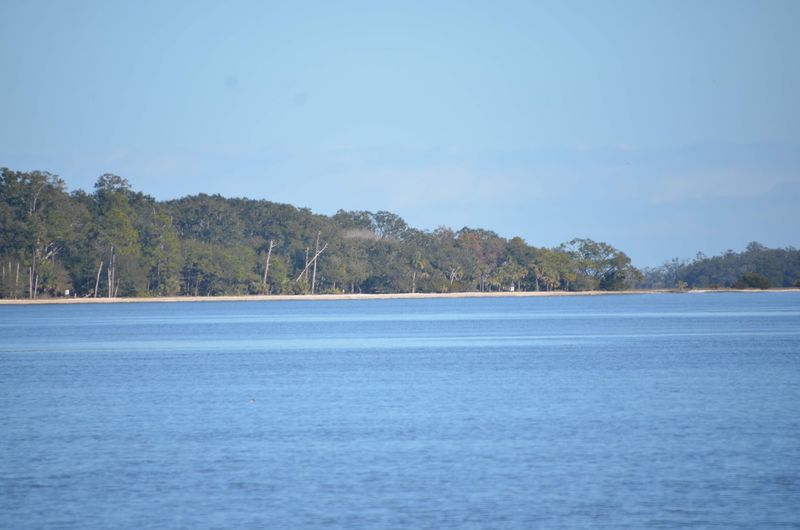
Ask anyone in Beaufort about Monkey Island and you’ll get stories, rumors, and plenty of opinions about those primates living offshore.
The island has become part of local culture over the past four decades, with residents treating it as both a point of pride and a source of endless fascination. I heard tales from locals about the monkeys escaping and swimming to the mainland, though officials insist this rarely happens and they quickly recapture any runaways.
Some people express concerns about the research purpose, while others simply enjoy having such an unusual neighbor in their coastal waters.
The island attracts curious visitors from around the world who add Morgan Island to their South Carolina itineraries specifically to glimpse the famous monkey colony. Local businesses have embraced the quirky attraction, with some offering specialized tours and others selling monkey-themed merchandise.
I found the community’s relationship with the island complex, mixing scientific respect with tourist appeal and occasional controversy.
The legend continues growing as more people discover this bizarre slice of federal property where thousands of monkeys live just offshore from historic Southern towns and pristine beaches.