
South Carolina’s Most Talked-About Shrimp And Grits Aren’t Found In Charleston
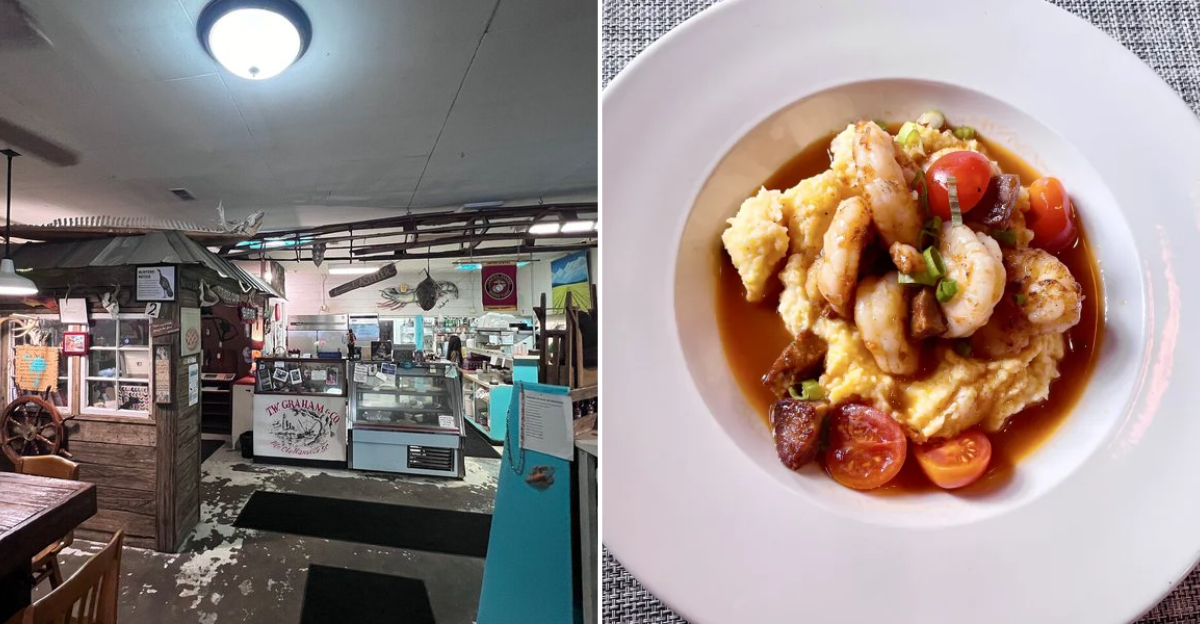
When most people think of South Carolina’s best shrimp and grits, Charleston immediately comes to mind, often hailed as the state’s undisputed culinary capital. And while the Holy City certainly has its share of iconic spots, my own exploration of the Palmetto State’s food scene has revealed a different story.
Beyond Charleston’s cobblestone streets and polished dining rooms, you’ll find hidden gems serving shrimp and grits that locals swear by—dishes brimming with authenticity, soul, and flavors that feel closer to home.
These small-town kitchens and family-run restaurants often outshine the famous establishments, proving that true culinary treasures can be found off the beaten path.
The Surprising Star Outside the Holy City
Page’s Okra Grill in Mount Pleasant has stolen the crown jewel of Lowcountry cuisine right from under Charleston’s nose! As a food writer who’s sampled shrimp and grits across the state, I was floored by their exceptional version.
The magic happens when they transform ordinary grits into crispy fried cakes that cradle perfectly seasoned shrimp. Their andouille cream sauce delivers a smoky punch that Charleston establishments often miss in their more traditional preparations.
What makes this even more remarkable? Mount Pleasant sits just across the Cooper River – close enough to see Charleston but far enough to develop its own culinary identity unburdened by tourist expectations.
Small-Town Chefs with Big Flavor Innovations
Y’all wouldn’t believe the culinary revolution happening in Beaufort’s tiny kitchens! These small-town chefs are reimagining shrimp and grits without the constraints of Charleston’s traditional expectations.
I watched in awe as one chef incorporated freshly foraged mushrooms from nearby maritime forests, creating an earthy depth that perfectly complemented sweet local shrimp. Another brilliant mind introduced roasted corn kernels for texture and subtle sweetness.
The freedom to experiment without scrutiny from Charleston’s food critics has birthed extraordinary variations. These innovative cooks aren’t trying to replicate Charleston’s classics – they’re creating entirely new flavor profiles that honor local ingredients while pushing boundaries that larger city establishments rarely dare to cross.
Fresher Shrimp, Straighter from the Source
Nothing beats shaking hands with the shrimper who caught your dinner that morning! In Georgetown County’s seafood havens, the “boat-to-plate” timeline often measures in mere hours, not days.
I’ll never forget watching Captain Jimmy’s trawler pull into Murrells Inlet as restaurant staff raced to the dock. The shrimp were practically dancing in their baskets! Charleston restaurants certainly serve excellent seafood, but distribution networks inevitably add time between harvest and table.
This ultra-freshness creates a sweet, clean flavor profile in coastal hamlet restaurants that’s nearly impossible to replicate in bigger cities. The difference is subtle but unmistakable – like comparing garden-warm tomatoes to supermarket varieties. Sometimes geographic remoteness becomes a culinary advantage!
Grandmothers’ Secret Recipes Preserved
“My granny would roll over in her grave if I changed her recipe!” The passionate cook at a family-owned spot in Walterboro slapped the counter for emphasis. Her grits simmer for hours in a mixture that includes crab roe – a technique largely abandoned in Charleston’s faster-paced kitchens.
Rural South Carolina preserves culinary traditions that have faded elsewhere. I’ve tasted century-old recipes featuring heirloom corn varieties and cooking methods dating to antebellum times.
These guardians of culinary heritage don’t advertise or seek media attention. Their restaurants often look unassuming from outside, but inside, time-honored techniques create depth of flavor that can’t be replicated through shortcuts. The patience required for authentic preparation has become increasingly rare in busier tourist districts.
Less Tourism Means More Authenticity
The moment I pushed open the screen door at that unassuming roadside joint near McClellanville, the locals fell silent. Nobody was performing “Southern charm” for visitors here – this was the real deal.
When restaurants primarily serve locals rather than tourists, they can’t get away with mediocrity. Their shrimp and grits must satisfy people who’ve eaten the dish their entire lives and know exactly how it should taste.
Charleston’s renowned establishments create exceptional food, but tourism inevitably shapes their offerings. Ever notice how menus in heavily-visited areas start to resemble each other? In contrast, these hidden gems develop distinctive personalities free from market pressures, resulting in more authentic, uncompromising expressions of Lowcountry cuisine that reflect genuine local preferences rather than visitor expectations.
Stone-Ground Grits from Local Mills
The secret weapon in Greenwood County’s extraordinary shrimp and grits? Those heavenly stone-ground kernels from historic water-powered mills! Most Charleston restaurants source excellent grits, but small-town establishments often maintain direct relationships with nearby millers.
“We get our grits from Old Mill that’s been grinding since 1791,” the proud chef at a Greenwood eatery told me. “They deliver every Thursday – still warm from grinding that morning!” The texture difference is remarkable – each kernel maintains its integrity while achieving creamy perfection.
This farm-to-table connection transcends trendy marketing. These relationships between rural restaurants and local producers span generations, creating unbroken chains of culinary knowledge and ingredient sourcing that yield sublime results no corporate supply chain can match.
Unexpected Cultural Fusion Successes
My taste buds nearly exploded when I tried the Korean-inspired shrimp and grits in Spartanburg! The chef incorporated gochujang into the sauce, creating a sweet-spicy dimension that danced beautifully with buttery shrimp.
Upstate South Carolina’s growing international communities have sparked fascinating culinary experiments. In Greenville, I discovered Mexican-influenced versions featuring chorizo oil and lime-marinated shrimp. Another unforgettable variation incorporated West African peanut stew elements – a nod to the dish’s historical connections.
Charleston certainly boasts innovative chefs, but smaller communities often embrace bolder fusion concepts without fear of traditionalist backlash. These cultural crossroads create genuinely original interpretations that honor shrimp and grits’ essence while introducing exciting new dimensions that reflect South Carolina’s evolving cultural landscape.