
South Carolina’s Shrimp And Grits Capital Isn’t Where You Think It Is
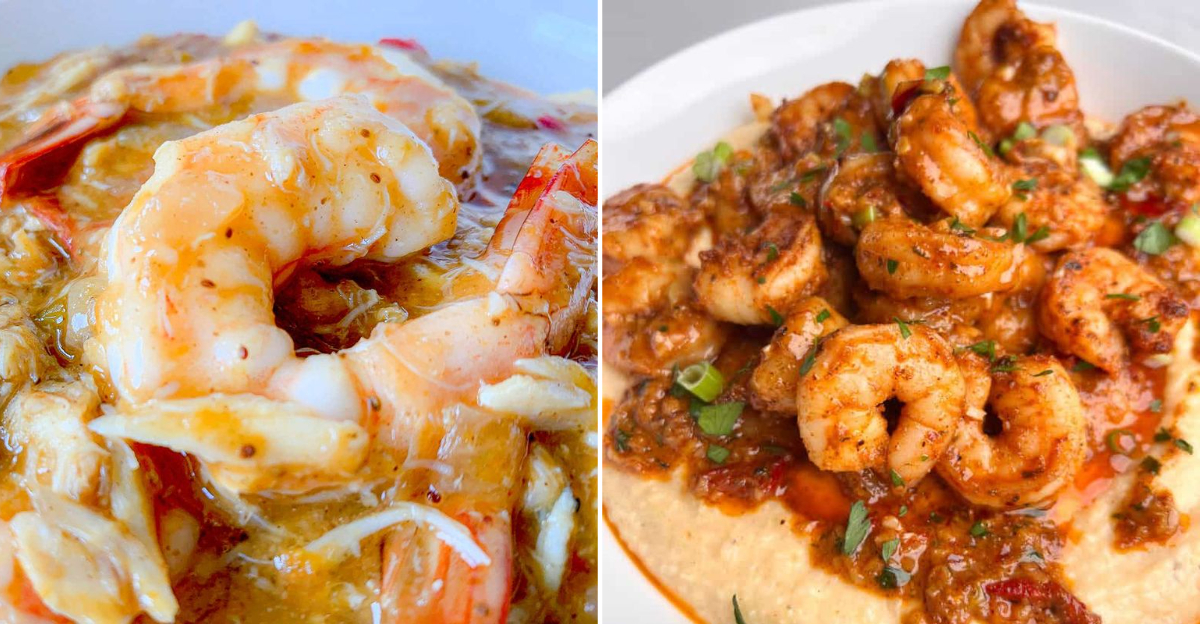
Most folks assume Charleston holds the crown for shrimp and grits, but I’m here to tell you they’re missing the real magic happening up the coast.
Murrells Inlet, a humble fishing village tucked between Myrtle Beach and Pawleys Island, has been perfecting this Lowcountry classic while tourists flock to the more famous spots.
During my first visit there, I stumbled into a waterfront shack and tasted grits so creamy and shrimp so fresh, I nearly cried into my bowl.
Why Murrells Inlet Claims The Shrimp & Grits Crown
Murrells Inlet earned its nickname as the “Seafood Capital of South Carolina” for a reason that goes way beyond marketing hype. Fishermen haul their catch straight from the Atlantic each morning, and by lunchtime, those same shrimp are sizzling in cast-iron skillets across town. This direct dock-to-table pipeline means unbeatable freshness that even Charleston’s finest establishments struggle to match.
The village’s claim isn’t just about proximity to seafood, though. Generations of families have perfected their recipes here, passing down techniques for achieving that perfect balance of savory, buttery, and slightly spicy notes. When I chatted with a fourth-generation restaurant owner, she laughed and said her grandmother would haunt her if she ever used frozen shrimp.
Authenticity runs deep in this community where cooking traditions matter more than Instagram-worthy presentations.
How The Lowcountry Dish Evolved In Unexpected Hubs
Shrimp and grits started as humble fisherman’s breakfast, not the fancy brunch dish it’s become today. Working folks along the coast needed something filling and cheap before heading out on boats at dawn. Grits were affordable staples, and shrimp were practically free if you knew how to cast a net.
Smaller villages like Murrells Inlet kept the dish simple and honest while tourist destinations began dressing it up with Gouda cheese and exotic sauces. The evolution happened differently in these quieter communities where change comes slowly and tradition holds firm. My uncle, who grew up shrimping these waters, still insists the best version has just butter, bacon grease, and a dash of hot sauce.
Sometimes the most remarkable flavors hide in the least expected places, far from guidebook recommendations and food magazine features.
Hidden Spot: Restaurants In Murrells Inlet Worth The Detour
Lee’s Inlet Kitchen serves up plates so generous you’ll need a takeout box, guaranteed. Their shrimp and grits come with plump, perfectly seasoned shrimp piled high over stone-ground grits that taste like someone’s grandmother made them with love. The restaurant sits right on the water, so you can watch boats glide past while you eat.
Drunken Jack’s has been a local favorite since 1979, serving traditional recipes that haven’t changed because they don’t need to. Their version includes andouille sausage and a spicy cream sauce that’ll make your taste buds do a happy dance.
Then there’s Nance’s Creekfront Restaurant, where the portions are ridiculous and the prices won’t drain your vacation budget. I’ve dragged friends there who swore Charleston had the best, and they left converts to the Inlet way.
Local Traditions Behind The Perfect Grits
Stone-ground grits make all the difference, and locals in Murrells Inlet won’t touch the instant stuff sold in grocery stores. Real grits require patience—slow cooking with constant stirring to achieve that creamy texture without lumps. My neighbor once told me her secret involves a wooden spoon that’s been in her family for forty years, though I suspect the real magic is her refusal to rush the process.
Butter gets added generously here, along with a splash of heavy cream that transforms the grits into something luxurious. Some cooks swear by a pinch of sugar to balance the savory elements, while others consider that borderline heresy.
The debate rages on at community gatherings, but everyone agrees on one thing: shortcuts produce mediocre results. Good grits demand respect, time, and a willingness to stand at the stove.
Beyond Charleston: Where Tourists Miss The Best Plates
Charleston’s reputation draws crowds that pack restaurants wall-to-wall, making reservations nearly impossible during peak season. Meanwhile, twenty miles north, Murrells Inlet serves equally incredible food to half-empty dining rooms because guidebooks overlook it. Tourists follow the hype, missing out on authentic experiences that locals treasure.
I’ve watched visitors pay premium prices in Charleston for dishes that pale compared to what humble Inlet kitchens produce daily. The difference isn’t just freshness—it’s the absence of pretension and the presence of genuine coastal culture. Nobody’s trying to impress food critics here; they’re cooking for neighbors who’ll call them out if quality slips.
Sometimes the best adventures happen when you ignore the travel blogs and ask a local where they actually eat. You’ll save money, skip the crowds, and taste food that hasn’t been sanitized for tourist palates.
Pairings & Variations: Creative Twists In The Inlet
Classic shrimp and grits reign supreme, but adventurous cooks in Murrells Inlet have developed some seriously creative variations worth trying. Some restaurants top theirs with a fried egg that breaks into golden yolk, adding richness that makes each bite even more decadent. Others incorporate local vegetables like okra or tomatoes, celebrating seasonal produce alongside the seafood.
One chef I met adds crispy fried oysters on top, creating a textural contrast that’s absolutely genius. Another swears by finishing the dish with a drizzle of bourbon-bacon jam that sounds weird but tastes like heaven on a plate.
The beauty of this dish lies in its versatility—the foundation stays the same while toppings and mix-ins reflect individual creativity. Whether you prefer traditional preparations or wild experiments, Murrells Inlet offers both without judgment or snobbery.
The Freshness Factor: From Boat To Bowl In Hours
Nothing beats shrimp that were swimming in the Atlantic just hours before landing on your plate. Murrells Inlet’s geography makes this possible in ways that landlocked restaurants simply cannot replicate, no matter how fancy their supply chains. The local fleet brings in thousands of pounds daily during peak season, and restaurants compete to secure the best catches.
I once arrived at a restaurant right as a fisherman delivered his haul, still glistening and smelling like clean ocean water. The chef inspected them, nodded approvingly, and within ninety minutes, I was eating those exact shrimp. That’s the Inlet advantage—zero middlemen, zero freezing, zero compromise on quality.
Freshness isn’t just about taste; it’s about respecting the ingredient and the people who risk their lives harvesting it from unpredictable waters each day.
Why Food Critics Keep Discovering What Locals Already Know
Every few years, some food writer “discovers” Murrells Inlet and publishes a breathless article about this hidden gem, as if locals haven’t been eating phenomenally well here for generations. These pieces amuse longtime residents who’ve watched the same cycle repeat: initial obscurity, sudden attention, brief tourist surge, then back to comfortable anonymity. The village’s remoteness from major cities protects it from permanent over-tourism that ruins so many coastal towns.
Critics eventually recognize what makes this place special—the lack of pretension, the commitment to quality over trends, and the community’s resistance to change for change’s sake. When national publications finally catch up, locals just shrug and keep cooking the way their grandparents taught them.
Sometimes being late to the party means you appreciate the music more, I suppose.