
Split Shale And Keep 34-Million-Year-Old Fossils At This Private Colorado Quarry
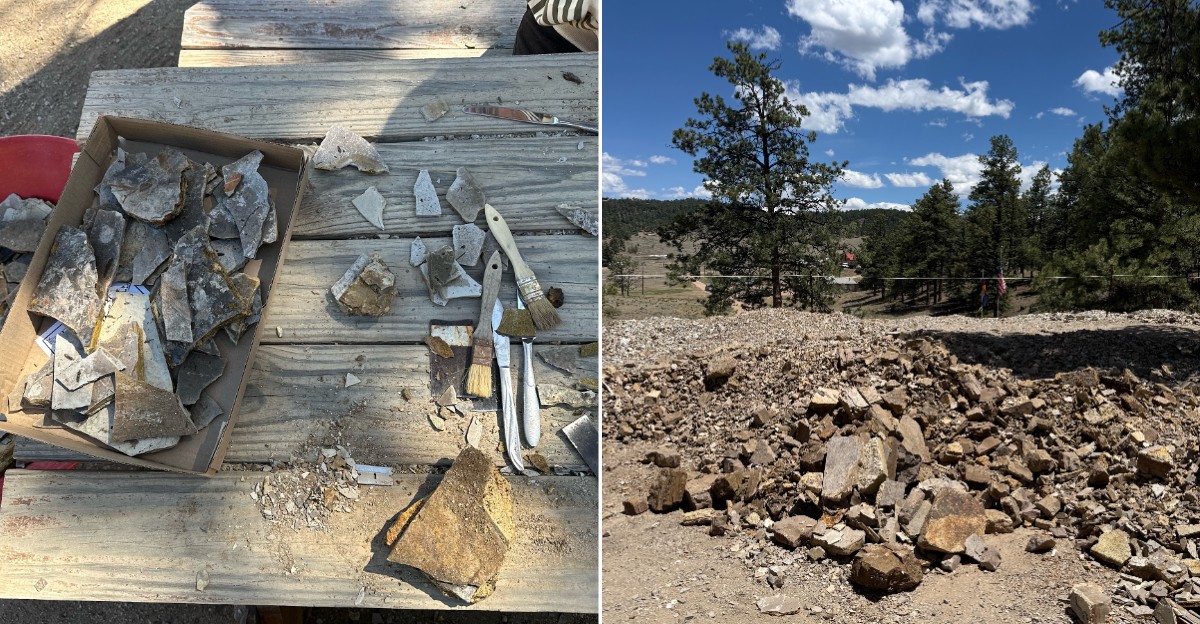
A pile of rock on a mountain hillside holds bugs, leaves, and seeds that are about 34 million years old. You can pry them loose with your own hands.
Then you get to take every single one home.
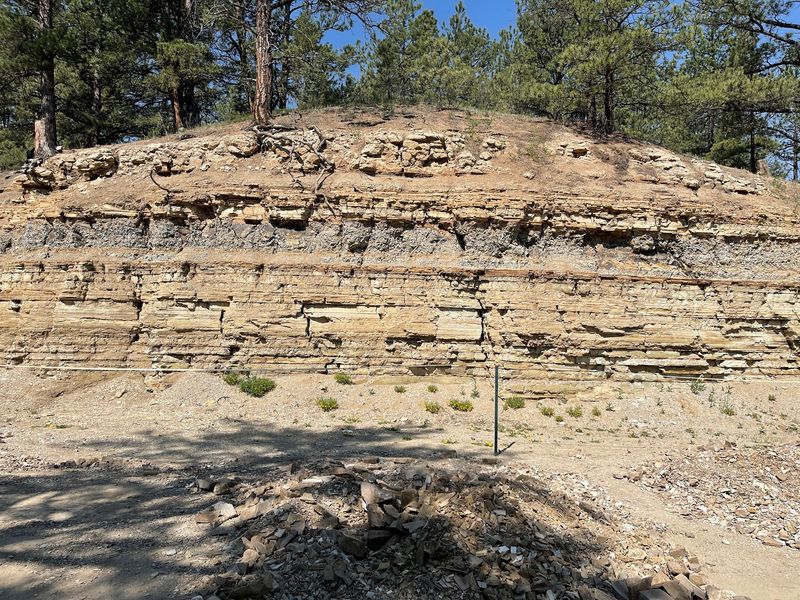
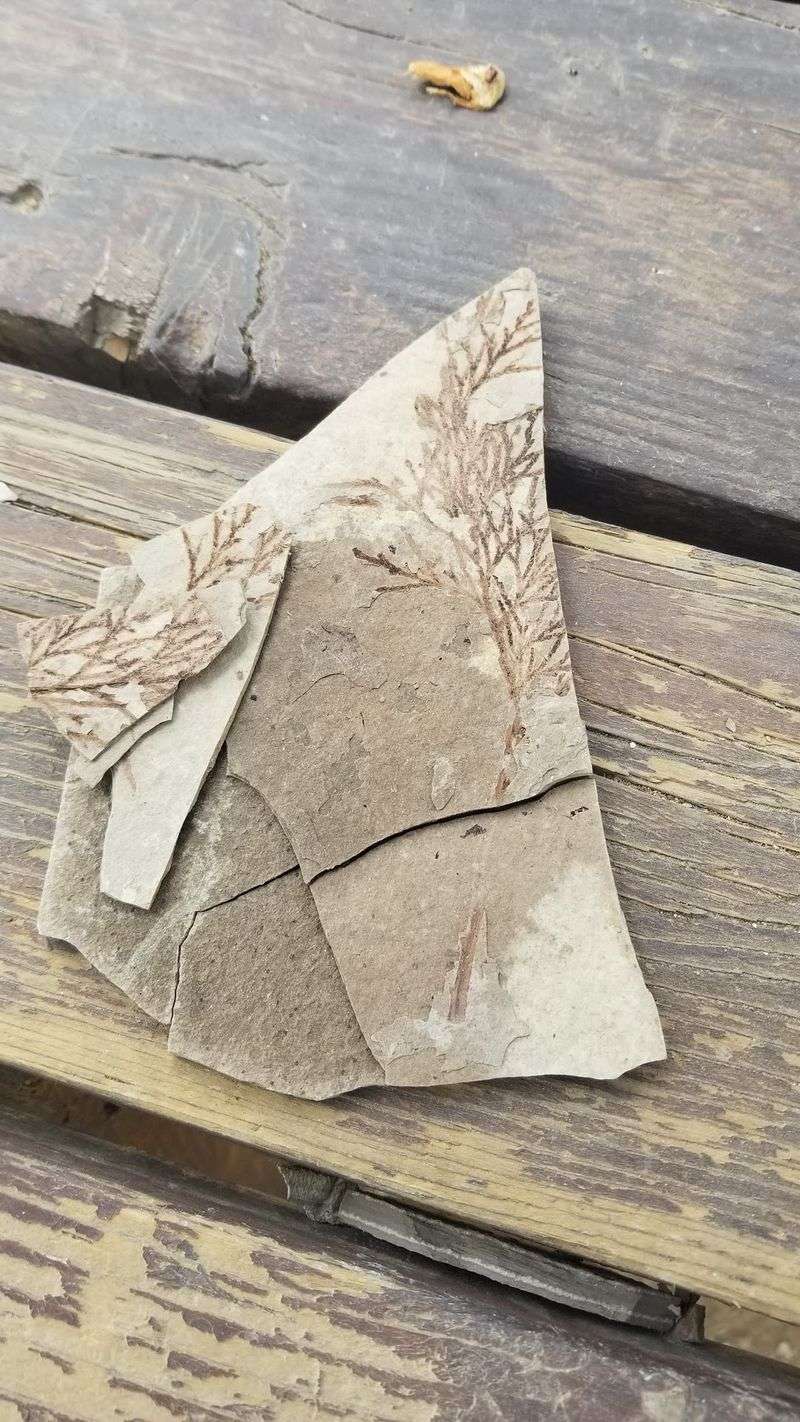
The rock is shale from an ancient lake bed. Volcanic ash once settled over the water and pressed plants and insects into thin layers.
Now those layers split apart like pages in a stone book.
I like how simple the whole idea is. You sit at a picnic table high in the Colorado mountains, tap a slab with a tool, and peek inside.
One crack might show a leaf. Another might reveal a tiny insect that has waited ages for daylight.
I can’t imagine a better way to spend an hour. So what might be hiding in your first slab?
Every Crack Could Hand You A Souvenir Older Than The Rocky Mountains Look
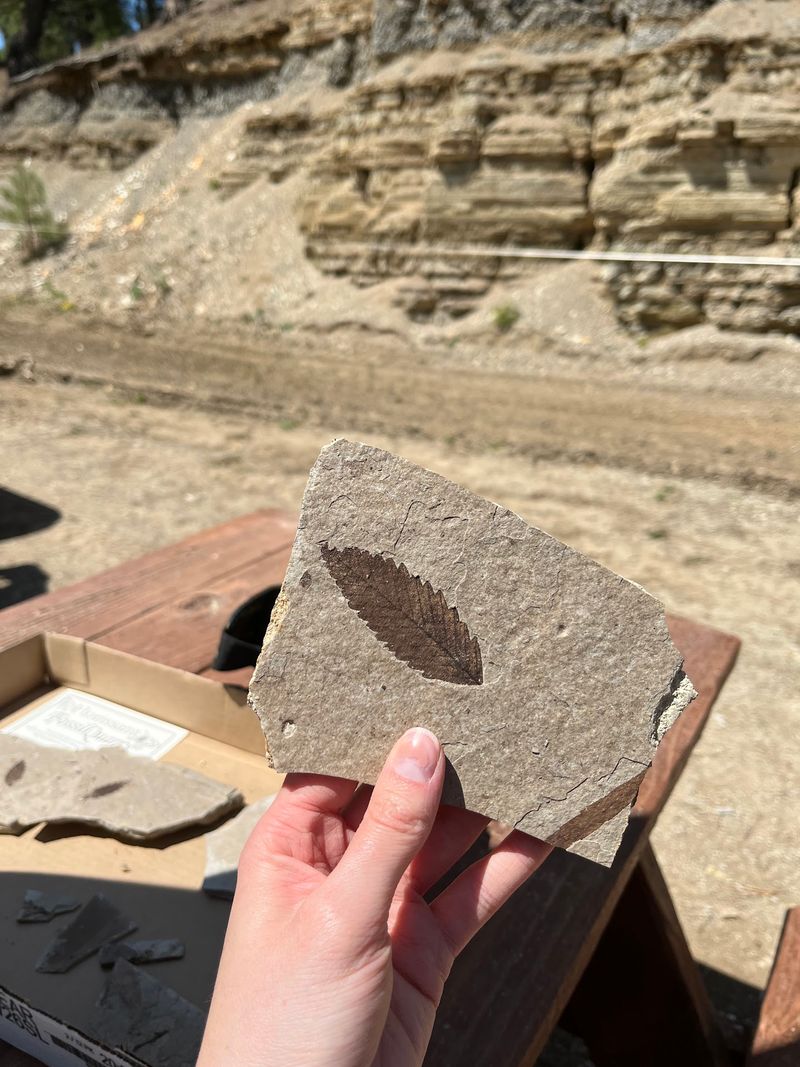
Most museums ask you to keep your hands off the fossils. At Florissant Fossil Quarry, the fossils go home in your hands instead.
The idea is wonderfully simple. You grab a slab of freshly dug shale, find the thin seam, and gently split it open.
The shale here comes from the Florissant Formation, and it breaks apart easily. That means you spend less time wrestling rocks and more time spotting treasures.
Here’s the best part. Whatever you find, you keep, so that leaf or bug becomes your very own piece of Colorado history.
The quarry also guarantees you’ll find fossils during an in-person hunt. That promise takes a lot of pressure off nervous first-timers and impatient kids.
Not every find will be a perfect, museum-ready specimen. Some slabs hold only part of a leaf or a tiny seed.
Still, even small finds feel exciting when you’re the first person ever to see them. That moment when the stone opens is hard to beat.
Treat each slab like a wrapped gift with no tag. You honestly never know what’s inside until you crack it.
A Volcano Basically Hit Pause On An Entire Lake Full Of Life
Long before anyone hiked these hills, a lake sat right where you’ll be working. Plants grew along the shore, and insects buzzed over the water.
Then nearby volcanoes sent ash drifting across the area. That ash settled into the lake and layered over leaves, stems, and bugs.
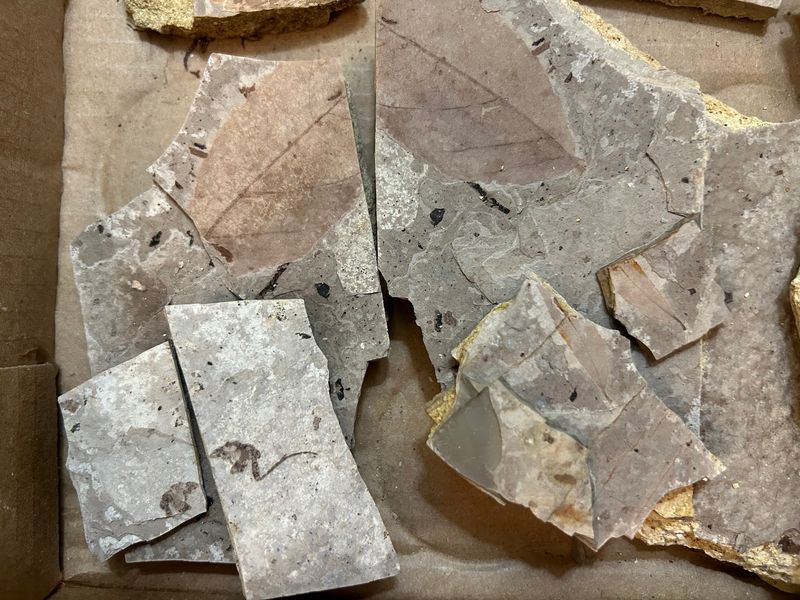
Over time, those soft layers hardened into the shale you’ll split today. Each thin sheet is like a single page from a very old diary.
Scientists date these fossils to the Late Eocene Epoch. That’s roughly 34 million years ago, which is a number that’s tough to wrap your head around.
For some perspective, that’s long after dinosaurs had vanished. So don’t expect a T. rex tooth, but do expect delicate details that dinosaurs could never offer.
Fine ash is what makes these fossils so special. It captured tiny features like leaf veins and insect legs.
Knowing this story makes every slab more fun to open. You’re not just breaking rocks, you’re reading pages from an ancient lake.
Kids especially love hearing that their bug fossil lived near a volcano. It’s a science lesson that sticks without feeling like homework.
Leaves, Bugs, And The Rare Fish Everyone Secretly Hopes For
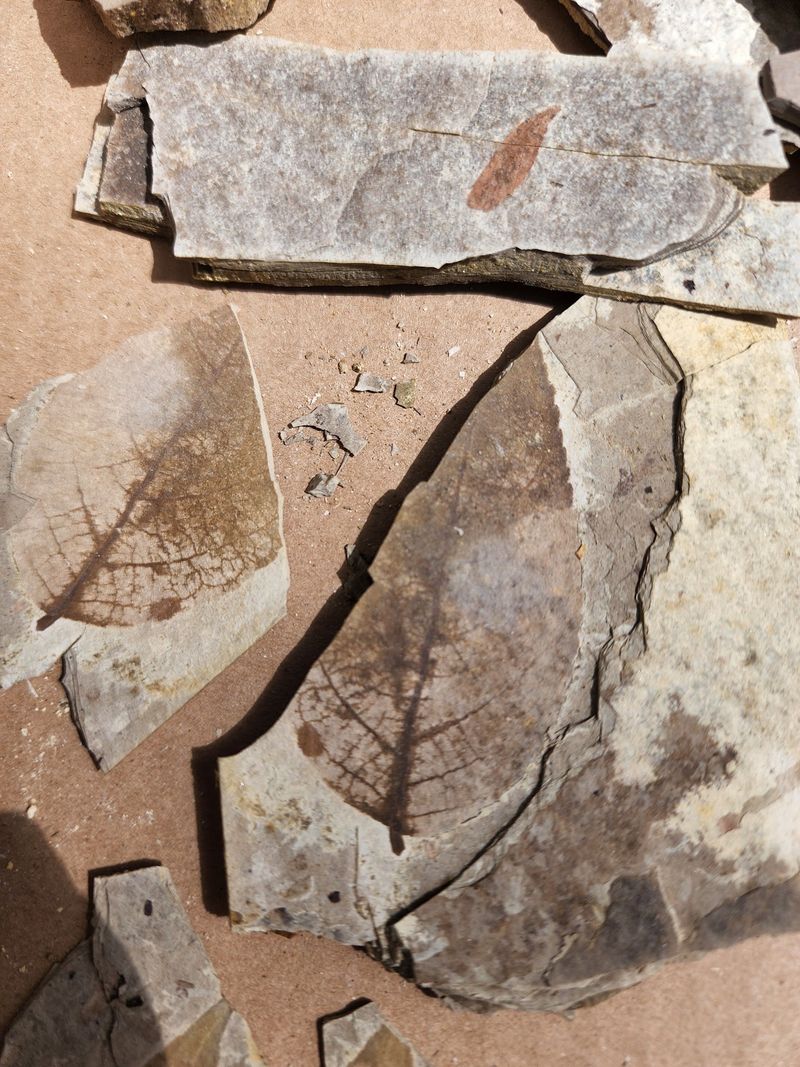
Plants are the stars of the show here. Leaves and stems turn up most often, pressed flat into the stone like nature’s scrapbook.
Insects are the next big thrill. Spotting a tiny bug in stone feels a bit like winning a very slow lottery.
Fish fossils do appear now and then. They’re occasional finds, though, so think of one as a bonus rather than a plan.
Not sure what you’re looking at? Staff members are on hand to help identify your discoveries.
That help matters more than you’d think. A dark smudge might turn out to be a seed, while a faint line could be part of a wing.
Bring a small magnifying glass if you have one. Some of the coolest details are tiny and easy to miss with bare eyes.
Also, check both halves of every split slab. A fossil often leaves a print on one side and a matching mirror image on the other.
Keeping both pieces gives you a neat pair to show off. Friends back home will definitely ask for the story behind them.
No Rock Hammer At Home? No Problem At All
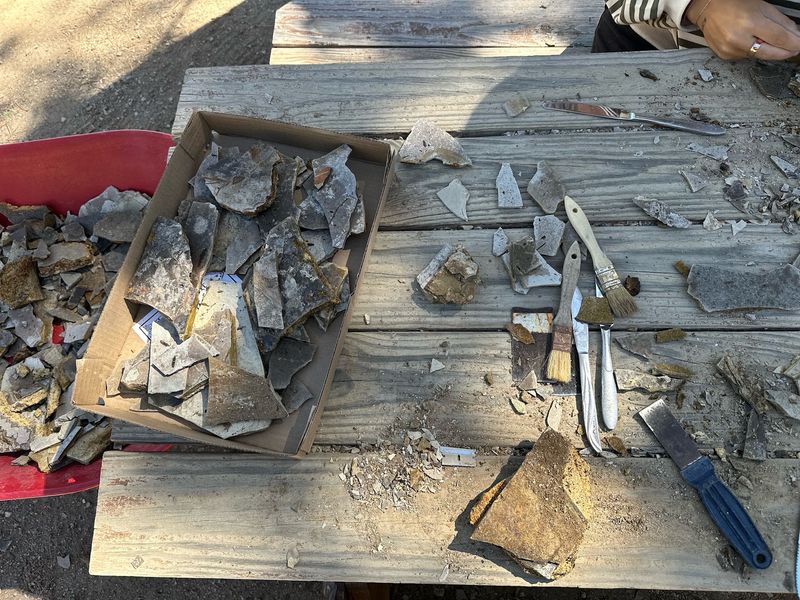
Good news for anyone who doesn’t own geology gear. The quarry provides all the tools you need for fossil hunting.
You also get personal instruction before you start. Staff show you how to pick promising pieces and how to split them without crushing your find.
The quarry provides a designated outdoor area where visitors can split shale and search for fossils. You can sit, spread out your slabs, and take your time with each one.
Patience is your secret weapon here. Gentle taps along the layers usually work better than big, dramatic whacks.
An hour is typically plenty for a satisfying hunt. Of course, plenty of fossil fans find that hour flies by suspiciously fast.
Since everything happens outside, dress for mountain weather. A hat, sunscreen, and a light jacket can make your visit much more comfortable.
Closed-toe shoes are a smart idea too. Shale chips and bare toes are not the best combination.
Finally, think about how you’ll carry your finds home. A small box or some soft wrapping helps keep fragile fossils from cracking in the car.
Timing Your Trip Takes A Little Planning, And Cash
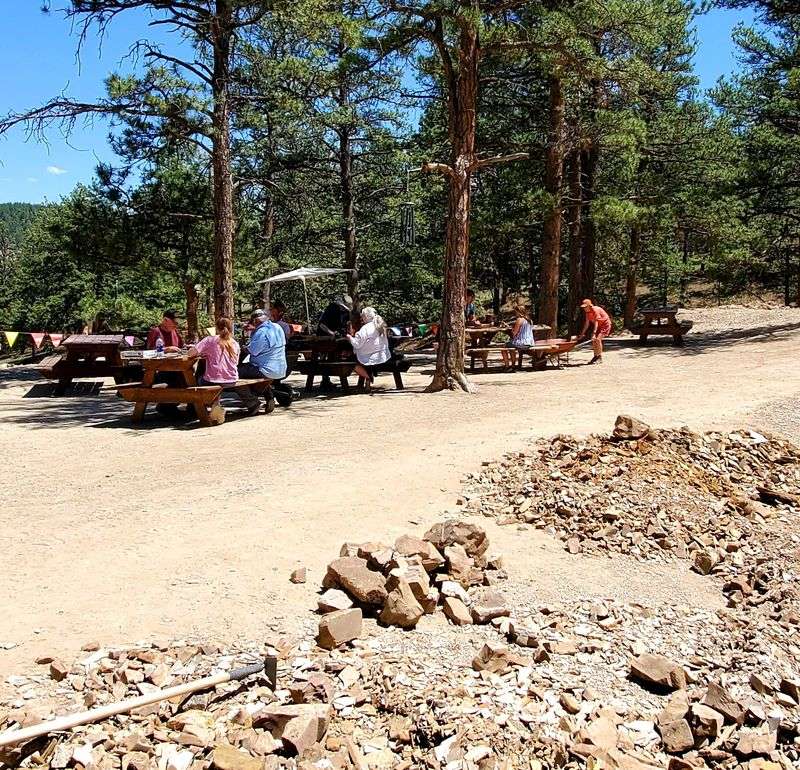
Mark your calendar before you pack the car. Florissant Fossil Quarry is closed for the 2026 season and expects to reopen in spring 2027.
During its regular summer season, it usually runs from Memorial Day weekend through Labor Day. Hours are Monday through Saturday, 10 a.m. to 5 p.m.
Sundays are closed during the season. After September, visits happen by appointment only and depend on the weather.
You’ll find the quarry at 18117 Teller County Road 1, Florissant, CO 80816. It sits in a small mountain town, so plan your route ahead of time.
Now for the important part. The quarry accepts cash only, so stop at an ATM before you head up the mountain.
Each person collecting pays by the hour. Forgetting cash could mean an unplanned detour back into town.
Individuals, families, and small groups don’t need a reservation during the regular season. Groups of 10 or more do need one.
Planning a scout troop or class outing? Book ahead, bring cash, and you’ll be splitting shale instead of scrambling.
One Family Has Kept These Shale Piles Going For Over Fifty Years
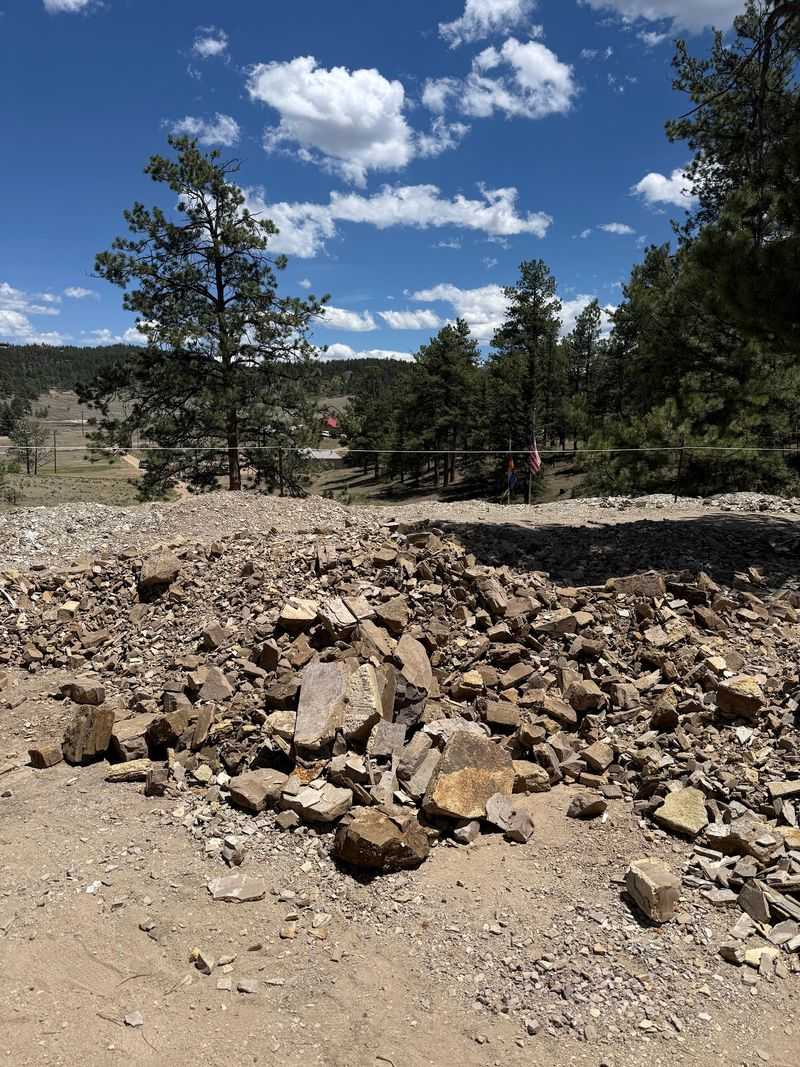
Some businesses change hands every few years. This one has stayed with the Clare family since the 1970s.
That’s more than 50 years of digging, splitting, and teaching. It’s a long run for any family business, let alone one built on ancient rocks.
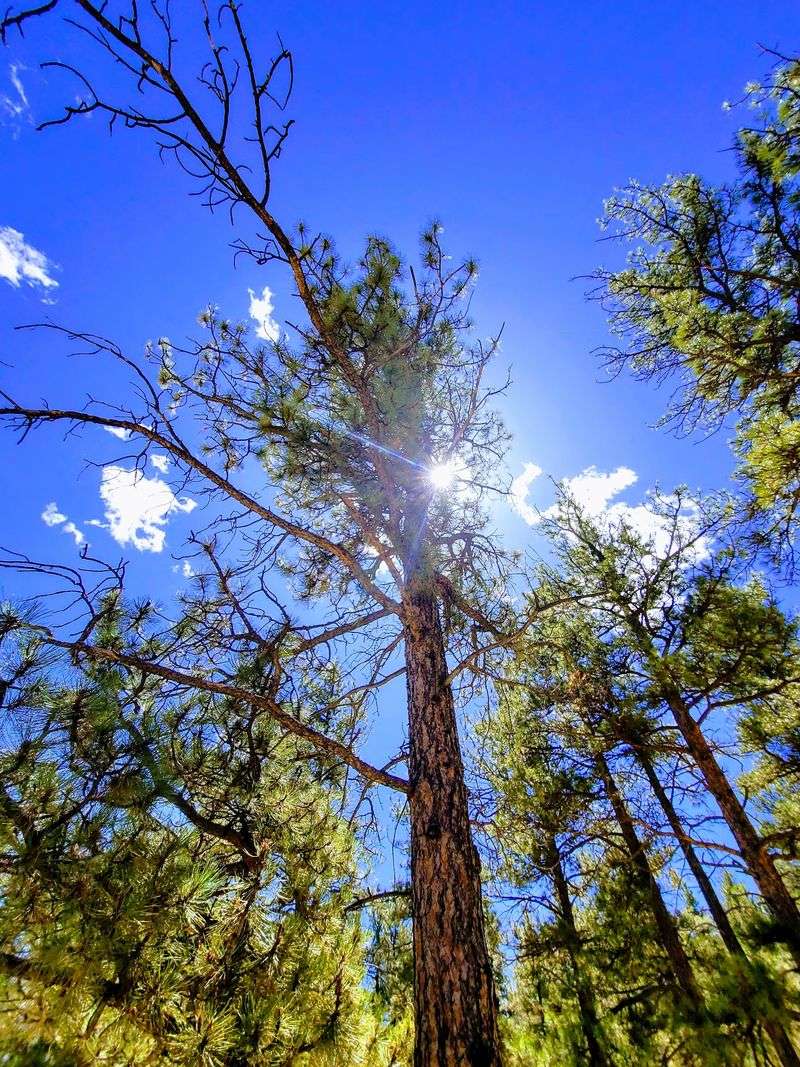
The location adds to the charm. The quarry sits at about 8,500 feet, within view of Pikes Peak.
That altitude is worth taking seriously. Drink plenty of water and take breaks, especially if you’re visiting from lower ground.
Getting there is easy enough from the city. The quarry is less than an hour west of Colorado Springs.
The drive up brings you into true Colorado high country. Mountain scenery makes the trip feel like part of the adventure.
A small, family-run operation has its own feel. Expect a personal, hands-on visit rather than a theme park setup.
Respecting the rules and the property keeps things running smoothly for everyone. After five decades, the Clares clearly know how they like things done.
Warm Up At The Giant Petrified Stumps Just Down The Road
Talk about a perfect pairing. Florissant Fossil Beds National Monument sits less than two miles south of the quarry on the same road.
The quarry itself recommends that out-of-town visitors stop there first. It’s smart advice, because the monument sets up the whole story.
The visitor center offers a film about the geology of the Florissant Formation. It also has fossil exhibits that show what the area has preserved.
Then there are the trails. They lead past huge petrified redwood stumps that make you feel very small.
One rule matters a lot here. Fossil collecting is not allowed at the national monument.
That’s exactly why the quarry is such a great second stop. You look and learn at one place, then dig and keep at the other.
The monument’s visitor center operates on a seasonal schedule, with Monday and Tuesday closures during the winter season and additional holiday closures. That makes it handy even when the quarry is closed.
Doing both in one day gives you a complete picture. By the time you split your first slab, you’ll know exactly what you’re seeing.
Pack Snacks, Then Make A Mountain Weekend Out Of It
Fossil hunting can work up a surprising appetite. The quarry has no food service on-site, so plan your meals ahead.
Packing snacks and water is an easy fix. You can refuel between slabs without leaving your table.
For a sit-down meal, the quarry’s website points people toward nearby towns. Suggestions include spots in Florissant, Divide, Woodland Park, and Cripple Creek.
Lodging isn’t offered at the quarry either. Hotels in Woodland Park, Cripple Creek, Manitou Springs, and Colorado Springs are recommended options.
Love sleeping under the stars? Eleven Mile State Park and Mueller State Park both offer camping nearby.
Private campgrounds are on the list too. Cripple Creek KOA, Lost Burro Campground, and Prospector Ridge Campground round out the choices.
Turning your trip into a weekend makes plenty of sense. Colorado’s high country has a lot to explore beyond one quarry.
You could dig in the morning, hike in the afternoon, and roast marshmallows at night. Not a bad schedule for a fossil fan.
Can’t Make The Season? The Shale Can Come To You
Missing the summer window doesn’t mean missing out. The quarry sells fossil kits you can split right at your kitchen table.
The Eocene Adventure Bag is the simpler choice. It holds three pounds of fossil shale plus instructions.
Want something fancier? The Eocene Experience Kit arrives in a wooden keepsake box.
Inside, you’ll find a paleo brush, a splitting tool, and a magnifying glass. It also includes four pounds of splitting material and an illustration book.
These kits make great gifts for curious kids and rock-loving adults. They’re also a fun rainy-day project when the mountains feel far away.
Schools and event planners have another option. The Fossil Mobile is a customized school bus turned into a self-contained fossil lab.
That’s right, a mobile classroom on wheels, packed with ancient shale. It’s hard to think of a cooler field trip that doesn’t require a field.
So with the quarry closed until spring 2027, a kit could tide you over. Just be warned, splitting shale tends to become a habit.