
Spot Wild Horses Roaming Free In This Vast Arizona Forest That Feels Miles From The City
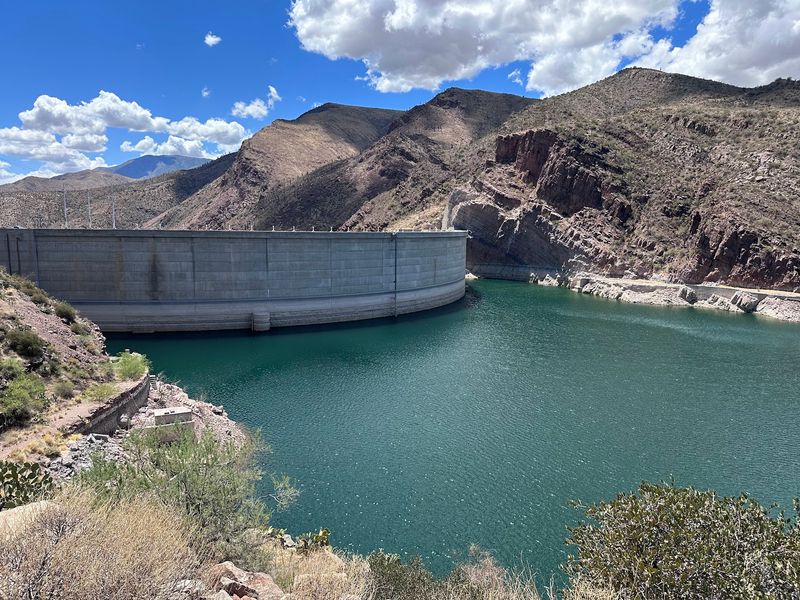
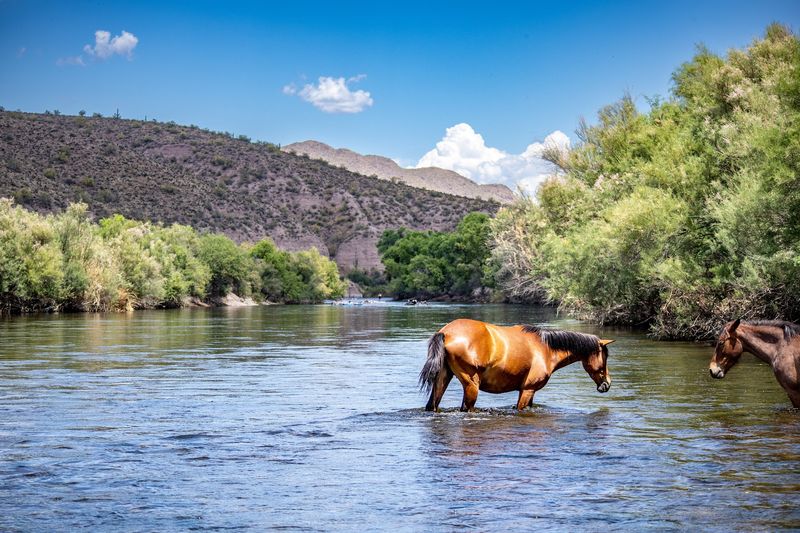
Hoofprints in wet river sand are usually the first clue, and then you look up and a whole band of wild horses is wading through the water in front of you. That scene plays out regularly along a stretch of river in Arizona, less than an hour from the Phoenix suburbs.
It feels like a secret, but it is open to anyone with a little patience and a parking pass. Here is how to find the horses, what else waits nearby, and how to enjoy it all the right way.
A Giant Backyard East of the Valley
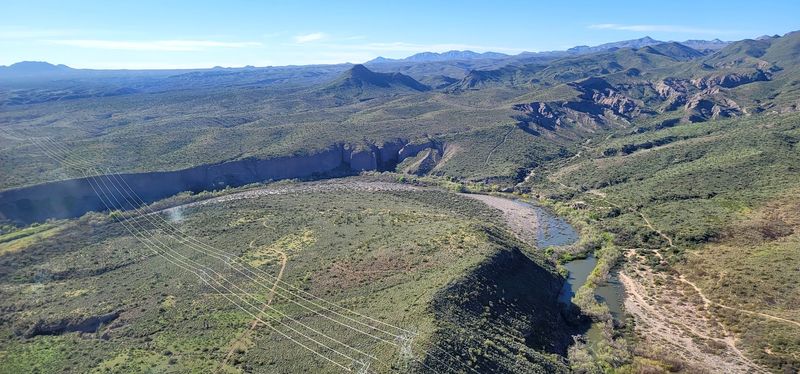
Maps make it look like just another green patch, but Tonto National Forest is one of the largest and most varied public lands in Arizona. It stretches from the edge of the Phoenix metro area, near Chandler, Mesa, and Scottsdale, all the way up into pine country around Payson.
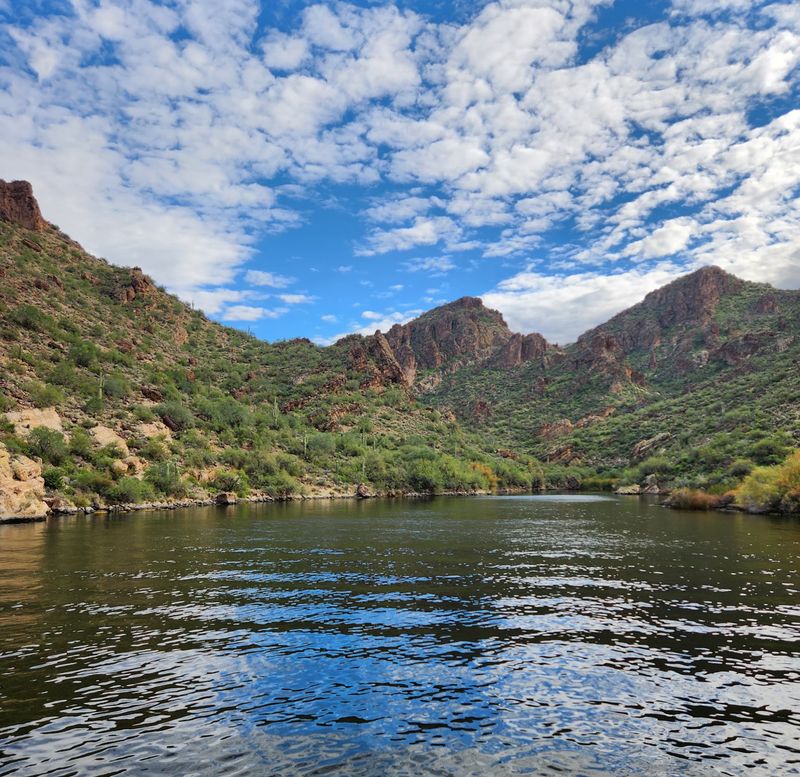
What makes it special is the mix. You get cactus desert, forested mountains, sparkling lakes, and rivers all under one name.
Saguaros stand guard in the low country, while pine trees and cool creeks take over at higher elevations.
The forest is open 24 hours a day, every day of the week. That means sunrise hikes, late picnics, and overnight camping are all on the table.
Visitors often describe it as a quick escape from the busy city, and that feeling is real. One minute you are passing shopping centers, and not long after you are dipping your toes in the cool Salt River with nothing but birdsong around you.
For many Arizonans, it becomes a go-to getaway that never gets old. Hiking, fishing, off-roading, and camping all fit here, but the star attraction for a lot of people has four legs and a flowing mane.
Mustangs With Spanish Roots
Long before highways and housing tracts, horses arrived in North America with Spanish explorers in the 1500s. Many people believe the Salt River wild horses are descendants of those early animals.
Over the centuries, the herds adapted to the rugged Sonoran Desert. They learned where the water runs, which plants are worth eating, and how to handle blazing summers.
Today hundreds of them roam along the Lower Salt River inside Tonto National Forest.
These horses are often called mustangs, and they carry themselves with a proud, unbothered attitude. Stallions keep watch over their families, mares guide young foals, and the whole band moves together like a small, close-knit neighborhood.
Their story has a happy twist too. Since 2016, the horses have been protected under the Salt River Horse Act in Arizona.
That law came after strong public support from locals who did not want to lose this living piece of history.
The Salt River Wild Horse Management Group keeps an eye on the herds and helps protect them. Knowing that background makes every sighting feel a little more meaningful, like meeting a family that has lived here far longer than any of us.
Where the Herds Like to Gather
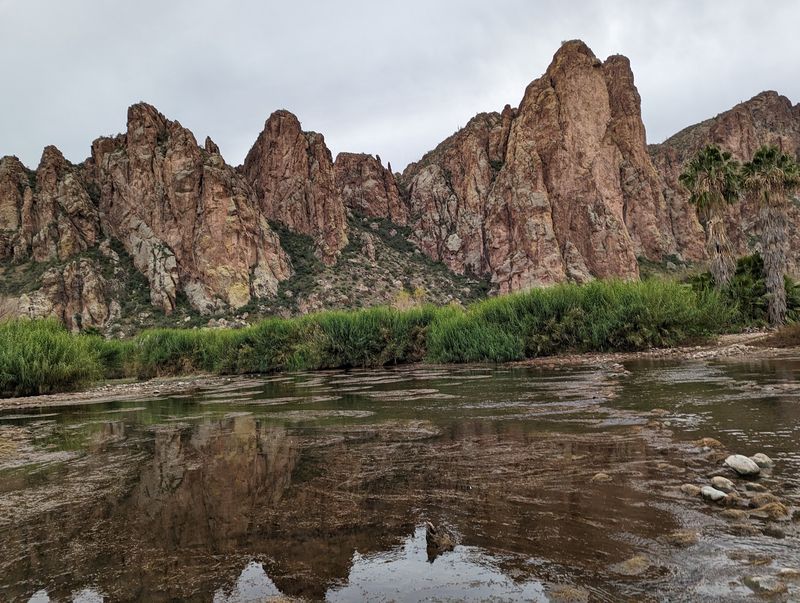
Ask a handful of regulars where to go, and Coon Bluff Recreation Area will come up again and again. It is often cited as one of the most reliable spots for sightings along the Lower Salt River.
Several other recreation areas off Bush Highway are worth checking too. Butcher Jones Recreation Site, Phon D Sutton Recreation Area, and Granite Reef Recreation Area all offer good vantage points near the water.
Blue Point, Pebble Beach, and Goldfield recreation areas round out the list. The horses are free to wander, so no spot is guaranteed, but these riverside areas give you solid odds.
Even the drive counts. Horses sometimes graze close to Bush Highway or stroll right across the road, so keep your speed down and your eyes open.
A smart plan is to hop between two or three sites instead of waiting at just one. If the river looks quiet at Coon Bluff, Phon D Sutton or Granite Reef might have a band splashing in the shallows.
Think of it as a relaxed scavenger hunt where the prize is a snorting, tail-swishing mustang standing knee-deep in the Salt River.
Golden-Hour Timing for Better Sightings
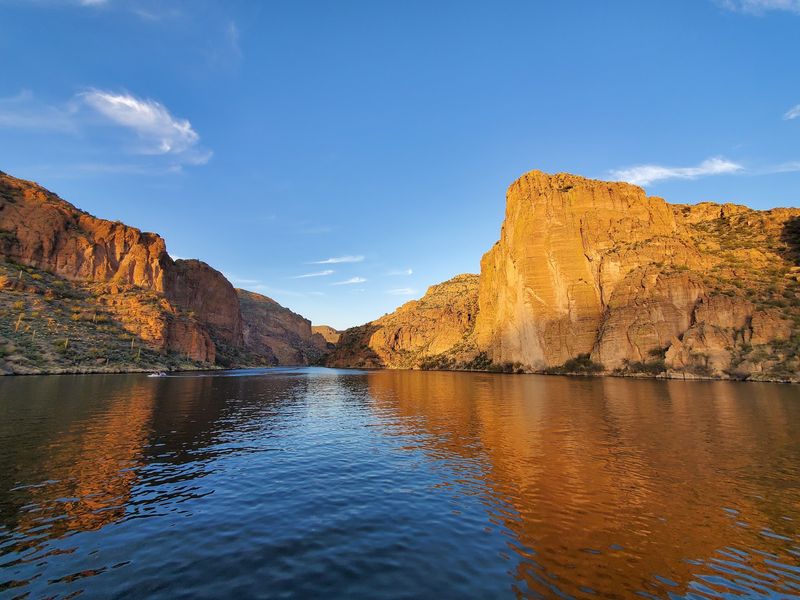
Sleepyheads, sorry. Early morning, just after sunrise, is one of the best times to catch the horses in action.
Late afternoon, shortly before sunset, is the other sweet spot. During these cooler hours, the herds tend to be more active.
They head down to the riverbanks to drink and graze, and sometimes they wade right into the water.
Watching them feed on eelgrass is a real treat. A horse will dunk its whole head under the surface, come up dripping, and chew like nothing unusual just happened.
It is quirky, calming, and surprisingly fun to watch.
Midday in the desert is a different story, especially in summer. The horses often rest in shady spots, and you will be baking in the sun too.
Saving the heat of the day for a picnic or a nap makes sense.
Cooler months from fall through spring make daytime visits much more comfortable. In the hot season, stick to those early and late windows.
As a bonus, sunrise and sunset in this part of Arizona glow in shades of orange and pink that make the whole trip feel magical, horses or not.
Paddling Past the Mustangs
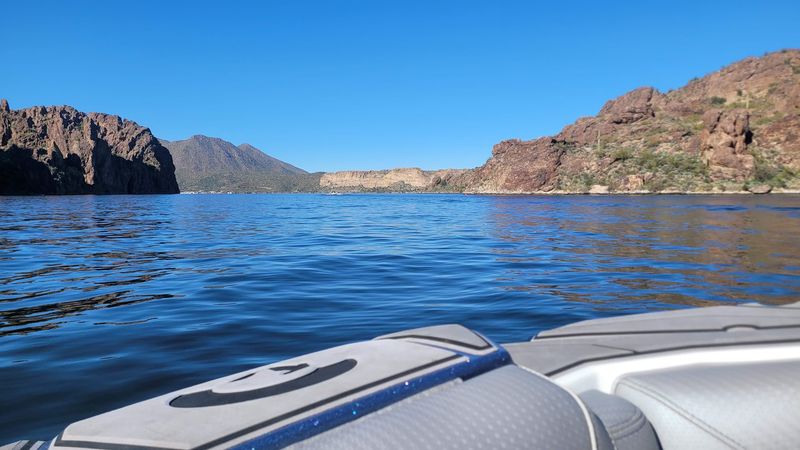
Floating quietly downstream while a mare and her foal sip water a safe distance away is hard to beat. The Salt River offers exactly that kind of moment.
Kayaking, paddleboarding, and tubing are all popular ways to see the river from a fresh angle. From the water, you can often glimpse horses along banks that are harder to reach on foot.
Prefer dry land? Hiking and biking trails wind alongside the river, giving you plenty of chances to spot a band grazing near the shore.
These paths also show off the desert plants and rocky cliffs that make the area so scenic.
Busy weekends can bring a crowd of tubers, so a weekday outing often feels more peaceful. Regulars also ask everyone to keep the river clean, and packing out everything you bring helps protect the water the horses depend on.
Whichever way you travel, move calmly and give the animals space. Paddlers should never drift straight toward a horse in the water.
Let the current carry you past while you enjoy the view, snap a photo, and keep the memory. It is the kind of simple, low-cost adventure that makes a Saturday feel special.
Lakes, Creeks, and Cool Water Escapes
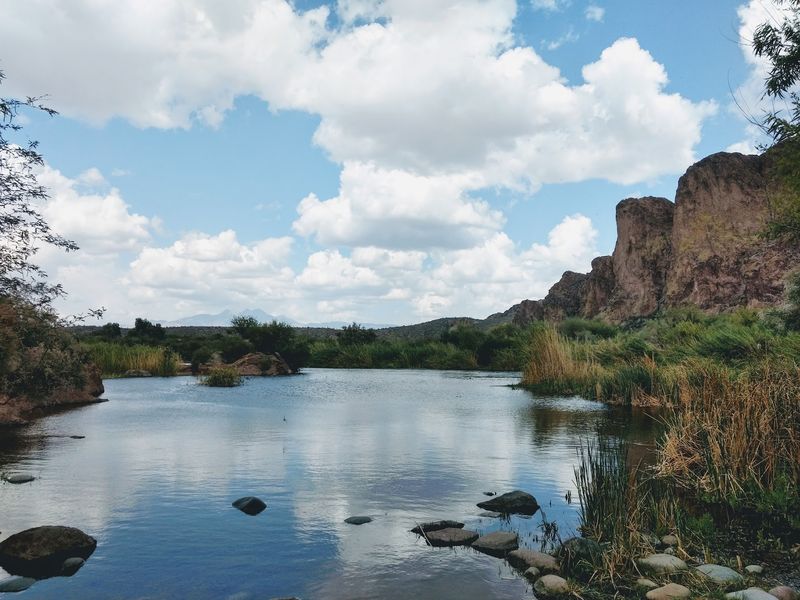
Fishing gets mentioned more than almost anything else when people talk about this forest. With lakes, rivers, and creeks scattered across it, anglers have lots of choices.
Bartlett Lake is a longtime favorite, and many visitors call it their happy place. Canyon Lake adds dramatic scenery near the Apache Trail, and Roosevelt Lake has campgrounds ranging from full amenities with showers and RV parking to simple sites with just restrooms.
Families have made Roosevelt Lake a holiday tradition, and it is easy to see why. A steep dirt road near Bachelor Cove climbs to a plateau with sweeping views of the lake, dam, bridge, and Tonto Basin, though a four-wheel-drive vehicle is advised beyond that point.
Up north, Horton Creek Trail follows a sparkling stream through the trees. Hikers describe it as moderate and several hours long, with clean water and a peaceful feel.
Quieter corners exist too. Near the new Tonto Bridge on Forest Road 71, you can sit on a boulder beside Tonto Creek with a packed picnic.
There are no restrooms or trash bins there, just trickling water and calm, so plan ahead.
More Wildlife Beyond the Horses
Horses may steal the show, but they are far from the only locals. Wildlife ranks high on the list of things visitors love here.
In the higher country around Payson, elk sightings are common, especially in cooler weather. One visitor even caught big, fluffy snowflakes on a trip, which is a fun surprise for anyone who thinks of Arizona as all desert.
Deer wander near places like the Sears-Kay Ruin north of Carefree. Open range cattle sometimes appear along roads too, and watching a mother cow keep an eye on her calves across the pavement is a sweet, unexpected moment.
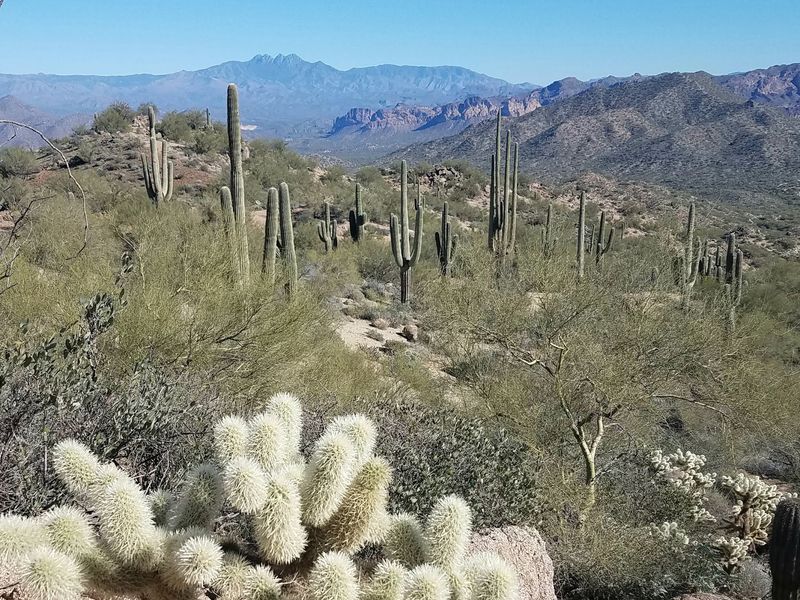
Down in the desert, towering saguaros and dramatic rock formations provide shelter for all kinds of creatures. Birds, lizards, and small mammals make the cactus lands feel alive if you slow down and pay attention.
Binoculars make a big difference for all of this. They let you study an animal closely without disturbing it, and a zoom lens does the same for photos.
Treat every animal like a neighbor who values privacy. Watching from a distance keeps them relaxed and lets you see natural behavior, which is always better than a startled animal running away.
Good Manners Around Wild Horses
Fifty feet. That is the minimum distance to keep between yourself and the horses, and more is even better.
These are wild animals, not petting zoo ponies. Never feed, touch, chase, or try to call them over.
Human food can make them sick, and getting too close can put both you and the horses at risk.
Pay special attention to family groups. Avoid stepping between a mare and her foal, and steer clear of the space between stallions.
Stallions can get protective, and a disagreement between them is no place for a spectator.
Bringing a dog along? Keep it on a leash and well away from the herd.
Even a friendly pup can spook a horse or trigger a defensive reaction.
If you ever come across an injured horse or an emergency, contact the Salt River Wild Horse Management Group. They actively monitor the herds and know how to respond.
Following these simple rules helps protect the horses for years to come. It also makes your visit better, because relaxed horses stay put, graze, splash, and go about their day while you enjoy the show from a comfortable, respectful spot.
Passes, Parking, and What to Pack
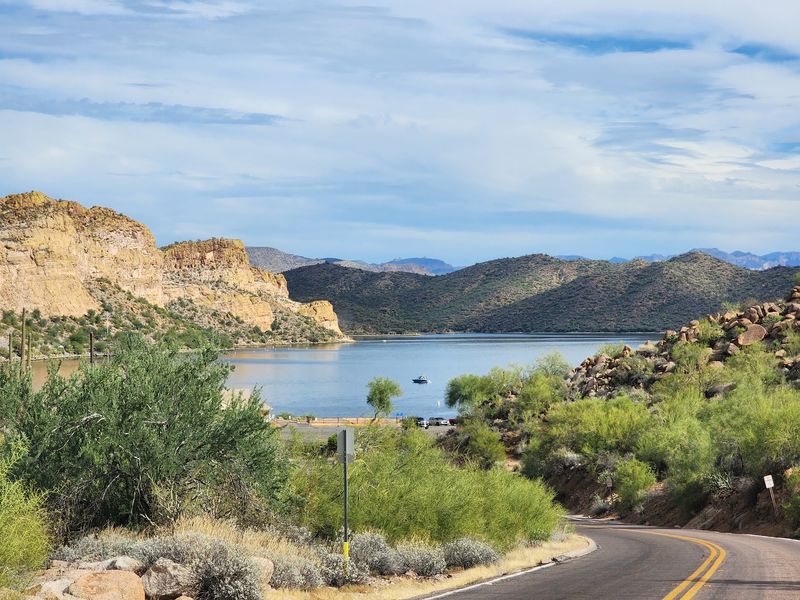
Planning ahead saves headaches, especially with parking. Developed recreation sites along the Lower Salt River require a Tonto Pass.
You can buy one online or from local vendors before you head out. Doing it early is smart, since cell service in the area can be unreliable.
Frequent visitors often pick up an annual pass, which can be purchased at a Forest Service office such as the one in Payson.
Getting to the horse viewing areas is easy from the East Valley. Bush Highway connects the main recreation sites, making it a simple drive from Mesa and nearby cities.
Your packing list does not need to be fancy. Bring plenty of water, closed-toe shoes for rocky and uneven ground, and sun protection like a hat and sunscreen.
Binoculars or a camera with a zoom lens will help you enjoy the horses without crowding them.
Snacks and a packed lunch turn the trip into an affordable day out. Some areas have restrooms and picnic tables, while more remote corners have none, so a trash bag is a good idea.
The forest itself is open 24 hours, but individual sites can have gates and parking limits.
Why the Drive Pays Off
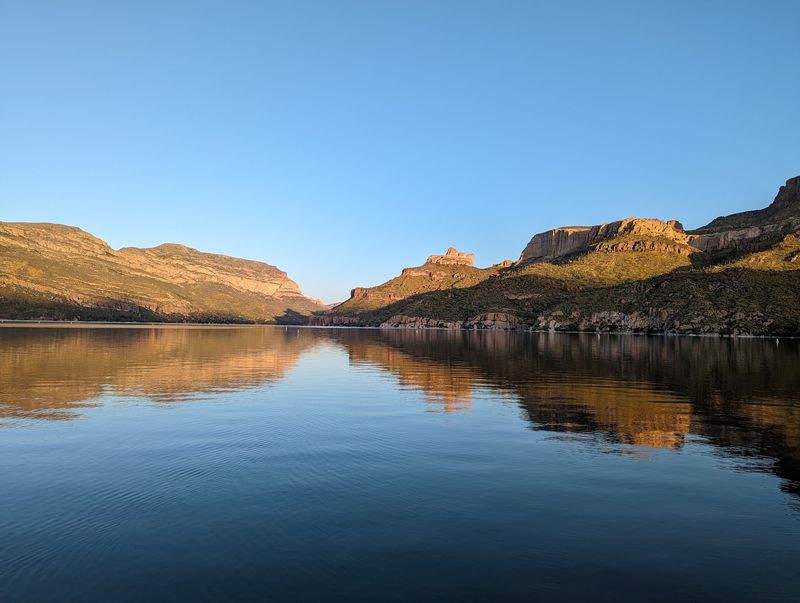
Few day trips deliver this much wonder for the price of a parking pass and a tank of gas. Wild horses, river views, and desert sunsets all sit within easy reach of the Valley.
The appeal stretches across ages and interests. Families enjoy spotting foals, photographers chase the golden light, paddlers love the river, and retirees find it a peaceful, low-cost way to spend a morning.
For bonus stops, Tortilla Flat is known as a fun place for a meal or ice cream, and Tonto Natural Bridge up north is often called well worth the drive. Sears-Kay Ruin offers an easy hike with sweeping views over Carefree and North Scottsdale.
No sighting is guaranteed, and that is part of the charm. Some days a whole band wades past you, and other days you settle for saguaros, birds, and a calm riverbank.
Either way, it rarely feels like a wasted trip.
So grab your pass, fill your water bottles, and aim for sunrise or sunset. Arizona hides plenty of treasures, but watching mustangs splash through the Salt River might just become your favorite one.